Visitor Insights
Visiting Stonehenge
Visiting Stonehenge offers a unique opportunity to connect with the ancient past. The site's enigmatic atmosphere and impressive stone structure create a sense of wonder and mystery. Visitors can explore the monument, learn about its history and significance, and reflect on the beliefs and practices of the people who built it. Expect crowds, especially during peak season and around the solstices.
Highlights
- Witness the impressive sarsen and bluestone structure.
- Learn about the monument's history and significance at the visitor center.
- Reflect on the beliefs and practices of the Neolithic and Bronze Age people.
Things to Know
- Book tickets in advance to guarantee entry.
- Arrive early or late in the day to avoid crowds.
- Wear comfortable shoes for walking around the site.
Location
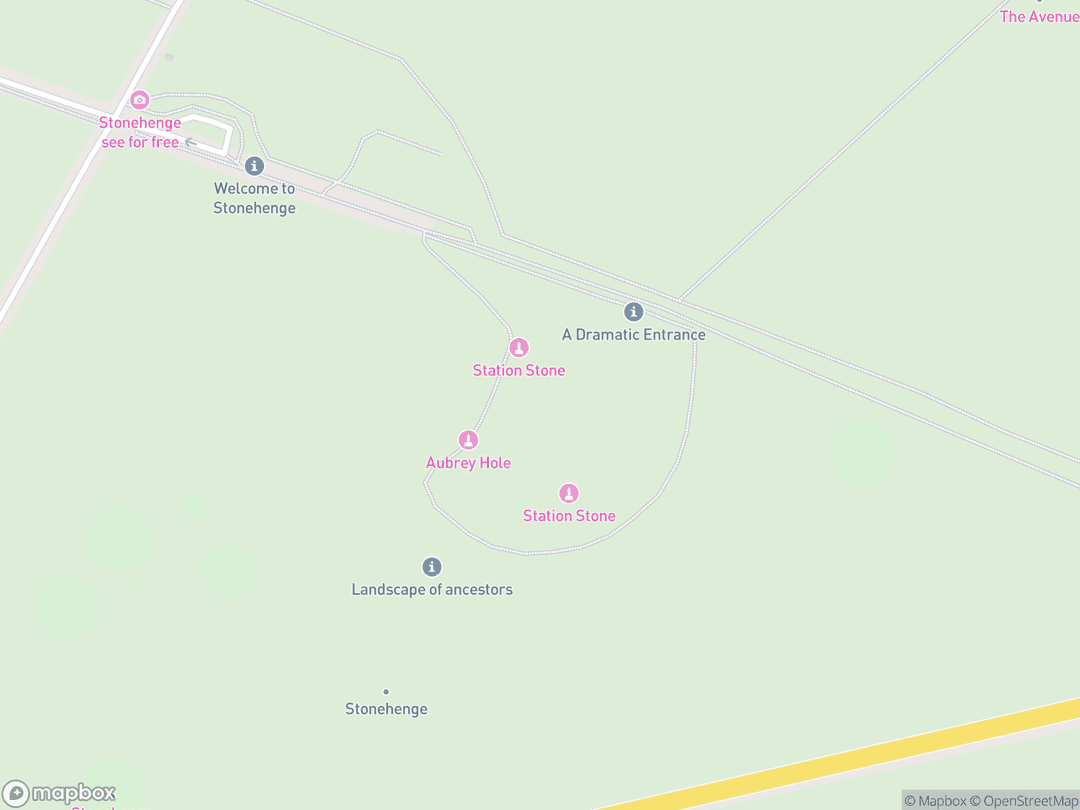
Near Amesbury, Wiltshire SP4 7DE, United Kingdom
Hours: Open daily, with varying hours depending on the season. Check the English Heritage website for current hours.
Getting There: Stonehenge is accessible by car, bus, and train. The nearest train station is Salisbury, from which you can take a bus to the site.
Get DirectionsTips for Your Visit
Book Tickets in Advance
To guarantee entry, especially during peak season, book your tickets online in advance.
Arrive Early or Late
Visit early in the morning or late in the afternoon to avoid the largest crowds.
About
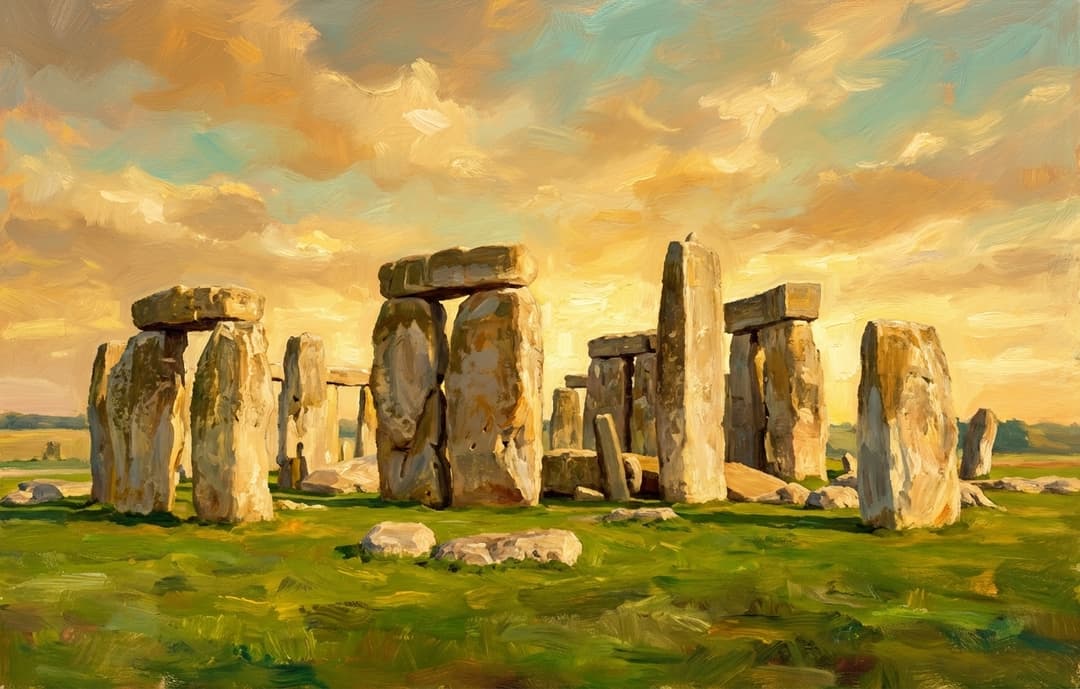
According to English Heritage, Stonehenge is a prehistoric monument located in Wiltshire, England, about 2 miles (3 km) west of Amesbury. Composed of an outer ring of large vertical sarsen standing stones, each around 13 feet (4.0 m) high, 7 feet (2.1 m) wide, and weighing around 25 tons, with a ring of smaller bluestones inside. It is one of the most famous landmarks in the United Kingdom and is regarded as a British cultural icon.
Stonehenge and its surrounding landscape were proclaimed a UNESCO World Heritage Site in 1986. The site is owned by the Crown and managed by English Heritage, while the surrounding land is owned by the National Trust. The monument's construction spanned several phases, beginning around 3000 BC and continuing for centuries.
The exact purpose of Stonehenge remains a mystery, but theories suggest it served as a religious site, an astronomical observatory, and a burial ground. Its alignment with the solstices indicates its importance in marking the passage of time and celebrating the cycles of nature. Today, Stonehenge continues to attract visitors and spiritual seekers from around the world, drawn to its enigmatic presence and ancient history.
Gallery
Symbolic Elements
The temple's exterior features intricate carvings, each rich with spiritual meaning:

Sarsen Stones
The large sarsen stones form the outer ring of Stonehenge and are made of sandstone. These stones were carefully shaped and fitted together using mortise and tenon joints, showcasing the advanced engineering skills of the builders. Their sheer size and weight contribute to the monument's imposing presence and enduring mystery.

Bluestones
The smaller bluestones, located inside the sarsen ring, are of various types and were brought from the Preseli Hills in Wales. Their transportation over such a long distance highlights the determination and resourcefulness of the ancient people who built Stonehenge. The bluestones are believed to have held special significance, possibly related to healing or spiritual practices.

Heel Stone
The Heel Stone stands outside the main stone circle and is aligned with the rising sun on the summer solstice. This alignment suggests that Stonehenge was used as an astronomical observatory to mark the passage of time and celebrate the cycles of nature. The Heel Stone serves as a visual marker of the sun's position, connecting the monument to the celestial realm.

Trilithons
The trilithons are the largest stone structures at Stonehenge, consisting of two vertical stones with a horizontal lintel on top. These massive structures are carefully balanced and fitted together, demonstrating the advanced engineering skills of the builders. The trilithons create a sense of grandeur and awe, emphasizing the monument's spiritual and ceremonial importance.

Altar Stone
The Altar Stone is a large sandstone block positioned in the center of the monument. It is believed to have been used for sacrifices or other religious rituals. The Altar Stone serves as a focal point within the stone circle, representing the connection between the earthly and spiritual realms.

Circular Ditch
The circular ditch surrounding Stonehenge is one of the earliest features of the monument. It is believed to have served as a boundary or protective barrier, separating the sacred space within from the outside world. The ditch also represents the connection between the earth and the heavens, symbolizing the cyclical nature of life and death.

Burial Mounds
The numerous burial mounds surrounding Stonehenge indicate its role as a burial ground and a place of remembrance for ancestors. These mounds contain the remains of individuals who were likely of high social status or religious importance. The burial mounds serve as a tangible link to the past, connecting the living with the dead and honoring the memory of those who came before.

Mortise and Tenon Joints
The mortise and tenon joints used to connect the sarsen stones are a testament to the advanced engineering skills of the builders. These joints, consisting of a projecting tenon that fits into a mortise hole, allowed the stones to be securely fastened together, creating a stable and enduring structure. The mortise and tenon joints demonstrate the ingenuity and craftsmanship of the ancient people who built Stonehenge.
Interesting Facts
The sarsen stones were transported from Marlborough Downs, about 20 miles north of Stonehenge.
The bluestones were brought from the Preseli Hills in Wales, over 150 miles away.
Stonehenge is aligned with the solstices, suggesting its use as an astronomical observatory.
The monument has been modified and rebuilt several times over its long history.
Stonehenge is surrounded by numerous burial mounds, indicating its role as a burial ground.
The exact purpose of Stonehenge remains a mystery, despite extensive research and speculation.
Stonehenge is a popular destination for tourists and spiritual seekers from around the world.
A new visitor center was opened in 2013 to improve the visitor experience and protect the monument.
Ongoing debates and controversies surround the construction of a road tunnel near Stonehenge.
Archaeological discoveries continue to shed new light on the history and significance of Stonehenge.
Common Questions
What is Stonehenge?
Stonehenge is a prehistoric monument located in Wiltshire, England, consisting of a ring of large standing stones. It is one of the most famous landmarks in the United Kingdom and is regarded as a British cultural icon.
When was Stonehenge built?
Construction of Stonehenge began around 3000 BC and continued for centuries, with various phases of modification and rebuilding.
Why was Stonehenge built?
The exact purpose of Stonehenge remains a mystery, but theories suggest it served as a religious site, an astronomical observatory, and a burial ground.
How were the stones transported to Stonehenge?
The sarsen stones were transported from Marlborough Downs, about 20 miles north of Stonehenge, while the bluestones were brought from the Preseli Hills in Wales, over 150 miles away. The methods used to transport these massive stones are still debated by archaeologists.
Can I visit Stonehenge?
Yes, Stonehenge is open to the public. You can book tickets in advance through the English Heritage website. It is recommended to arrive early or late in the day to avoid crowds.
Featured Stories
The Mystery of the Bluestones
c. 3000 BC
One of the most enduring mysteries of Stonehenge is the origin and transportation of the bluestones. These stones, which weigh several tons each, were brought from the Preseli Hills in Wales, over 150 miles away. The journey would have been an arduous undertaking, requiring a significant amount of planning, labor, and resources. How the ancient people managed to transport these massive stones across land and water remains a subject of debate and speculation among archaeologists.
Some theories suggest that the bluestones were transported by sea, using rafts or boats to navigate the coastline. Others propose that they were dragged overland, using rollers or sledges to move the stones across the landscape. Regardless of the method used, the transportation of the bluestones represents a remarkable feat of engineering and logistics, highlighting the ingenuity and determination of the people who built Stonehenge.
Source: English Heritage
Stonehenge and the Solstices
Ancient Times
Stonehenge is aligned with the solstices, the two days of the year when the sun reaches its highest and lowest points in the sky. On the summer solstice, the sun rises directly over the Heel Stone, casting a shadow that aligns with the center of the monument. This alignment suggests that Stonehenge was used as an astronomical observatory to mark the passage of time and celebrate the cycles of nature. The solstices were likely important religious festivals for the people who built Stonehenge, marking the changing seasons and the renewal of life.
Today, thousands of people gather at Stonehenge each year to celebrate the summer and winter solstices. These gatherings are a testament to the enduring power of Stonehenge as a place of spiritual significance and communal celebration. The solstices provide an opportunity to connect with the ancient past and reflect on the beliefs and practices of the people who built this remarkable monument.
Source: Britannica
The Role of Stonehenge as a Burial Ground
c. 3000-1600 BC
Archaeological evidence suggests that Stonehenge served as a burial ground for several centuries. Numerous burial mounds surround the monument, containing the remains of individuals who were likely of high social status or religious importance. These burials provide valuable insights into the beliefs and practices of the people who built Stonehenge, suggesting that the monument was a place of remembrance and connection with ancestors.
The presence of cremated remains and grave goods indicates that the burials were carefully planned and executed, reflecting the importance of the deceased in the community. The burial mounds serve as a tangible link to the past, connecting the living with the dead and honoring the memory of those who came before. The role of Stonehenge as a burial ground highlights its significance as a place of spiritual and ceremonial importance.
Source: HistoryExtra
Timeline
Mesolithic Activity
Evidence of Mesolithic activity in the Stonehenge area, including postholes possibly for supporting a large structure.
MilestoneFirst Henge Monument
Construction of the first henge monument, consisting of a circular ditch and bank.
MilestoneErection of Sarsen Stones
The erection of the sarsen stones, transported from Marlborough Downs about 20 miles north of Stonehenge.
MilestoneArrival of the Beaker People
The arrival of the Beaker people, who brought new burial practices and cultural influences.
EventLast Known Construction Activity
The last known construction activity at Stonehenge.
MilestoneFolklore Associations
Stonehenge is mentioned in early Welsh and English folklore, often associated with magic and the mythical King Arthur.
EventArchaeological Investigations
First archaeological investigations and restoration efforts at Stonehenge.
RenovationContinued Research and Protection
Continued archaeological research and public interest, leading to its status as a protected monument.
EventUNESCO World Heritage Site Designation
Stonehenge and Avebury are designated a UNESCO World Heritage Site.
MilestoneNew Visitor Center Opens
Opening of a new visitor center to improve the visitor experience and protect the monument.
RenovationRoad Tunnel Controversies
Ongoing debates and controversies surrounding the construction of a road tunnel near Stonehenge.
EventBluestones Erected
The bluestones are erected within the henge, brought from the Preseli Hills in Wales.
MilestoneTrilithons Added
The large trilithons, consisting of two vertical stones with a horizontal lintel, are added to the central area.
MilestoneAltar Stone Positioned
The Altar Stone, a large sandstone block, is positioned in the center of the monument.
MilestoneY and Z Holes Dug
The Y and Z Holes, a series of pits, are dug around the perimeter of the monument.
EventSources & Research
Every fact on Temples.org is backed by verified Sources & Research. Each piece of information is rated by source tier and confidence level.
View All Sources (6)
| Field | Source | Tier | Retrieved |
|---|---|---|---|
| About & Historical Background | English Heritage (opens in a new tab) | A | 2024-01-03 |
| About & Historical Background | UNESCO World Heritage Centre (opens in a new tab) | B | 2024-01-03 |
| Timeline | English Heritage (opens in a new tab) | A | 2024-01-03 |
| Architectural Description | English Heritage (opens in a new tab) | A | 2024-01-03 |
| Symbolic Elements | Britannica (opens in a new tab) | B | 2024-01-03 |
| Visitor Information | English Heritage (opens in a new tab) | A | 2024-01-03 |