Visitor Insights
Visiting Fresno California Temple
The Fresno California Temple is a sacred space reserved for authorized members of The Church of Jesus Christ of Latter-day Saints. It provides a serene environment for worship and participation in sacred ordinances. While the temple interior is not open to the general public, the beautiful grounds are accessible for quiet contemplation.
Highlights
- Experience the peaceful and meticulously maintained temple grounds.
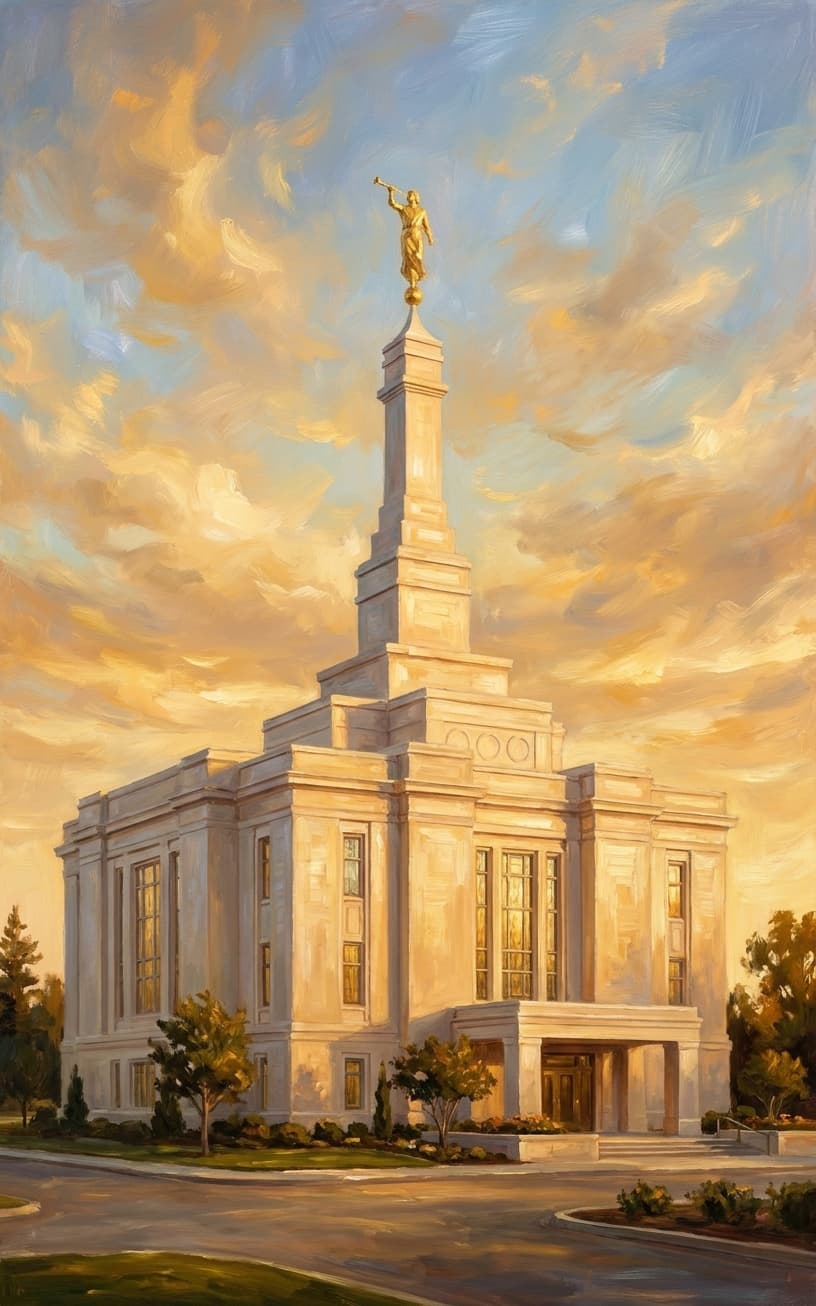
- Observe the distinctive architecture and the Angel Moroni statue atop the spire.
- Learn about the temple's significance to the local Latter-day Saint community.
Things to Know
- The temple interior is reserved for members with a current temple recommend.
- No public visitors' center or housing facilities are available on site.
- Temple clothing rentals are not available; patrons should bring their own.
Location
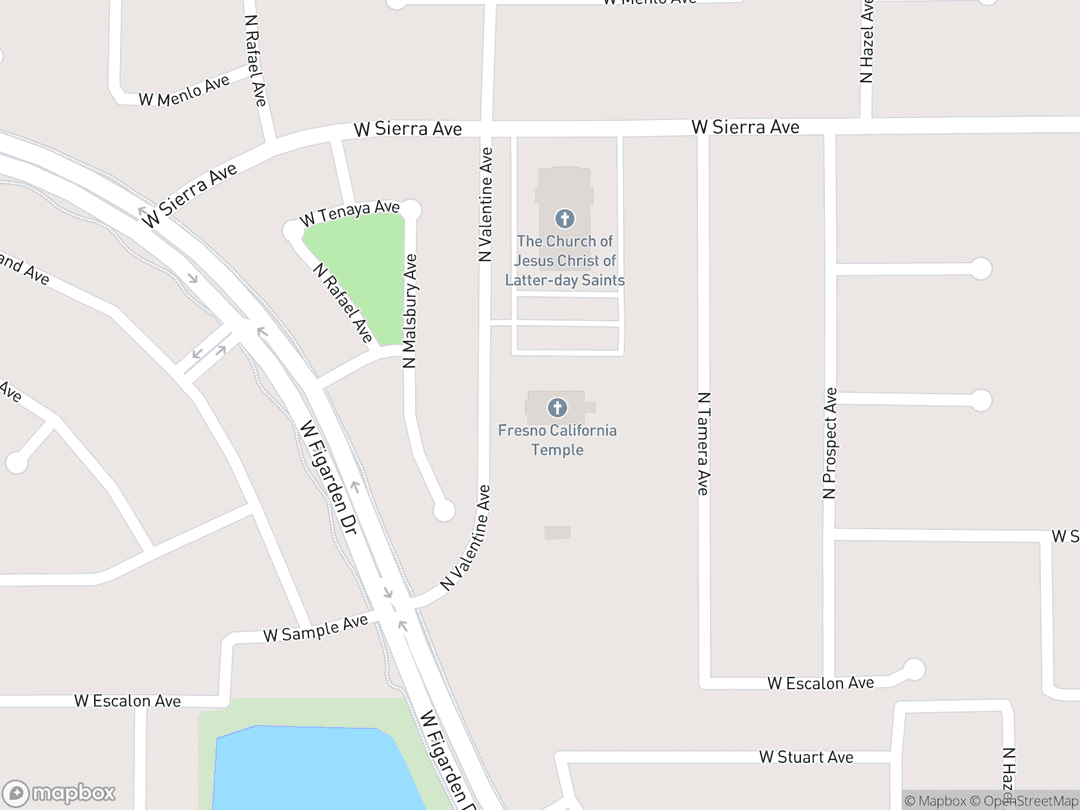
6290 N Valentine Ave, Fresno, CA 93711, United States
Hours: Operating Tuesday through Saturday; closed on Sundays and Mondays.
Getting There: Located in a residential area of northwest Fresno, accessible by car. Parking is available on site.
Get DirectionsTips for Your Visit
Explore the Grounds
Take time to walk around the beautifully landscaped gardens, which offer a tranquil setting for reflection.
Respect Sacred Space
Maintain a reverent demeanor while on the temple grounds, as it is considered a sacred place of worship.
About
The Fresno California Temple stands as a beacon of faith for members of The Church of Jesus Christ of Latter-day Saints in central California. Dedicated in 2000, it is a place of worship and sacred ordinances, embodying the Christian principles of eternal life and divine covenants.
Its construction marked a significant milestone, bringing a temple closer to a large and growing Latter-day Saint community. The temple's design and serene grounds offer a peaceful sanctuary for patrons seeking spiritual solace and connection. It serves as a testament to the enduring commitment of its members to their faith and community.
Gallery
Symbolic Elements
The temple's exterior features intricate carvings, each rich with spiritual meaning:

Angel Moroni Statue
Perched atop the spire, the Angel Moroni symbolizes the restoration of the gospel of Jesus Christ and its global proclamation.

Single Spire
The temple's single spire draws the eye heavenward, symbolizing the aspiration to look to God and Jesus Christ for guidance and salvation.

Almond Blossom Motif
Featured prominently in the interior, this motif symbolizes beauty, renewal, divine favor, and the hope of new beginnings in Christian contexts.

White Sierra Granite
The exterior cladding of locally quarried white Sierra granite signifies purity, strength, and a connection to the natural beauty of California.

Rectangular Art-Glass Windows
Arranged in groups of three, these windows provide natural light and add an artistic element, representing divine light and truth.

Manicured Gardens
The meticulously maintained gardens surrounding the temple symbolize the order, beauty, and peace associated with sacred spaces.

Tropical Trees
The presence of tropical trees on the grounds reflects the local climate and adds to the temple's serene and inviting atmosphere.
Interesting Facts
The Fresno California Temple was the fourth temple dedicated in California and the first in the state's Central Valley (Tier A).
Despite being the 98th or 99th temple announced, its efficient construction made it the 78th operating temple worldwide (Tier A).
Its groundbreaking ceremony on March 20, 1999, occurred on the same day as three other temples globally (Tier A).
The public open house attracted between 51,000 and 53,000 visitors, demonstrating significant community interest (Tier B).
The temple serves approximately 27,000 to 28,000 members across eight stakes in central California (Tier A).
Wilford L. Dredge, the first temple president, previously served as the city manager of Tulare, a nearby city (Tier A).
The temple shares a similar architectural design with over 30 other smaller temples built during the same period (Tier C).
During the cornerstone ceremony, President Gordon B. Hinckley remarked on the 'beautiful morning' in Fresno (Tier A).
The exterior is clad with Sierra white granite, quarried locally in Raymond, California, connecting it to the region's natural resources (Tier A).
Common Questions
Can the public enter the Fresno California Temple?
No, the Fresno California Temple interior is reserved for authorized members of The Church of Jesus Christ of Latter-day Saints, but the grounds are open to all.
What is the purpose of the Fresno California Temple?
The temple is a sacred house of the Lord where members participate in ordinances and make covenants to strengthen their relationship with God.
Are there any visitor facilities on the temple grounds?
There is no public visitors' center, arrival center, or temple housing located on the temple grounds.
What is the significance of the Angel Moroni statue?
The Angel Moroni statue symbolizes the restoration of the gospel of Jesus Christ to the earth in the latter days.
Featured Stories
A Day of Four Groundbreakings
March 20, 1999
The groundbreaking ceremony for the Fresno California Temple was a unique global event, occurring simultaneously with three other temples in Japan, Australia, and Mexico. This coordinated effort underscored the Church's accelerated temple building program, bringing sacred spaces closer to members worldwide. Elder John B. Dickson presided over the Fresno ceremony, marking a significant step in the temple's journey to completion.
Source: Church News
President Hinckley's Dedication
April 9, 2000
President Gordon B. Hinckley, then president of The Church of Jesus Christ of Latter-day Saints, dedicated the Fresno California Temple in four sessions. His presence brought a profound spiritual significance to the event, as he spoke of the temple's role in strengthening families and communities. The dedication was a joyous occasion for thousands of members who had long awaited a temple in their region.
Source: The Church of Jesus Christ of Latter-day Saints
Community Embraces Open House
March 25 - April 4, 2000
Before its dedication, the Fresno California Temple opened its doors to the public for an open house, attracting between 51,000 and 53,000 visitors. This event allowed community members of all faiths to tour the sacred interior and learn about Latter-day Saint beliefs and practices. The overwhelming attendance demonstrated a strong interest and goodwill from the broader Fresno community.
Source: ChurchofJesusChristTemples.org
Timeline
Church Members Arrive in California
The history of The Church of Jesus Christ of Latter-day Saints in California began with members arriving in San Francisco aboard the emigrant ship *Brooklyn*.
EventFirst Church Group in San Joaquin Valley
The first group of Church members was organized in the San Joaquin Valley, laying the groundwork for future growth.
EventFirst Fresno Branch Formed
The first branch, a small congregation, was formed in Fresno, marking the official establishment of the Church in the city.
EventFresno Branch Divides
The Fresno branch had grown to 600 members and was subsequently divided into two separate branches to accommodate the increasing membership.
EventFirst Fresno Stake Created
Fresno's first stake, a larger administrative unit similar to a diocese, was created, signifying significant organizational growth.
EventTemple Announced
The First Presidency announced plans to construct a temple in Fresno, California, the fourth in the state and first in the central region.
MilestoneGroundbreaking Ceremony
A groundbreaking ceremony and site dedication were held, presided over by Elder John B. Dickson, on the same day as three other temples worldwide.
component.timeline.groundbreakingPublic Open House Begins
A public open house commenced, allowing between 51,000 and 53,000 visitors to tour the temple interior before its dedication.
EventTemple Dedicated
President Gordon B. Hinckley dedicated the Fresno California Temple in four sessions, making it the 78th operating temple worldwide.
DedicationTemporary Closure Due to Pandemic
Like all other temples of the Church, the Fresno California Temple was temporarily closed in response to the COVID-19 pandemic.
EventHistory by Decade
1840s–1940s — Early Church Growth in California
The presence of The Church of Jesus Christ of Latter-day Saints in California began with members arriving in San Francisco in 1846. By the early 1900s, the first group of Church members was organized in the San Joaquin Valley, leading to the formation of the first Fresno branch in 1920. This branch grew significantly, necessitating its division into two separate congregations by 1945.
1950s–1990s — Organizational Expansion and Temple Announcement
The Church continued to grow in Fresno, leading to the creation of the city's first stake in 1951, a major administrative milestone. Decades later, on January 8, 1999, the First Presidency announced plans for the Fresno California Temple, marking it as the fourth temple in the state and the first in the central region. This announcement was met with great anticipation by local members.
2000s–Present — Dedication and Ongoing Service
The temple's groundbreaking ceremony occurred on March 20, 1999, a unique event shared with three other temples worldwide. Following a successful public open house that drew over 50,000 visitors, President Gordon B. Hinckley dedicated the Fresno California Temple on April 9, 2000. The temple has since served approximately 27,000 to 28,000 members, temporarily closing in 2020 due to the COVID-19 pandemic.
Architecture & Facilities
The Fresno California Temple features a classic modern, single-spire architectural style, characteristic of many Latter-day Saint temples built in the late 20th century. Its design blends contemporary aesthetics with traditional sacred symbolism, creating a dignified and inviting presence that reflects spiritual purpose and harmonizes with its Californian setting.
Building Materials
Exterior Cladding
White Sierra granite, quarried from Raymond, California, provides a durable and luminous finish to the temple's facade.
Windows
Rectangular art-glass windows, arranged in groups of three, adorn each wall, allowing natural light and adding artistic detail.
Roofing
The roof features durable materials designed to complement the granite exterior and withstand local weather conditions.
Interior Finishes
A combination of fine woods, plush carpeting, and decorative plasterwork creates a refined and reverent interior atmosphere.
Interior Features
Celestial Room
A serene space symbolizing eternal peace and a return to God's presence, featuring a distinctive almond blossom motif in its plush white carpet.
Baptistry
Housing a baptismal font resting on twelve oxen, this room is used for proxy baptisms for the deceased, with the almond blossom motif adorning its ceiling.
Instruction Rooms
Two instruction rooms are designed for patrons to receive sacred teachings and make covenants in a progressive, two-stage format.
Sealing Rooms
Two sealing rooms provide a sacred setting for eternal marriage ceremonies, uniting families for time and all eternity.
Temple Grounds
The 2.2-acre site is meticulously landscaped with manicured gardens and tropical trees, offering a peaceful and contemplative environment for visitors.
Additional Facilities
The temple grounds do not include a public visitors' center or housing, but they provide ample parking for patrons and visitors to the exterior.
Religious Significance
For members of The Church of Jesus Christ of Latter-day Saints, temples are sacred houses of the Lord, distinct from regular chapels. They are dedicated places where individuals can draw closer to God, learn about His plan of salvation, and make sacred covenants.
The Fresno California Temple serves as a spiritual sanctuary where members participate in ordinances essential to their Christian faith, including those that bind families eternally and offer blessings to the deceased.
Sacred Ordinances
Baptism for the Dead
Members perform proxy baptisms on behalf of their ancestors who died without the opportunity to receive this saving ordinance.
Endowment
Patrons receive sacred instructions, make covenants with God, and are endowed with power from on high, preparing them for eternal life.
Sealing
Families are sealed together for time and all eternity, a central doctrine emphasizing the eternal nature of family relationships through Jesus Christ.
Covenant Path
The temple experience guides individuals along a covenant path, a series of commitments and promises made with God that lead to spiritual growth and exaltation.
Eternal Families
A core belief is that families can be eternal, and the sealing ordinances performed in the temple make this sacred promise possible through the power of the priesthood.
Similar Temples
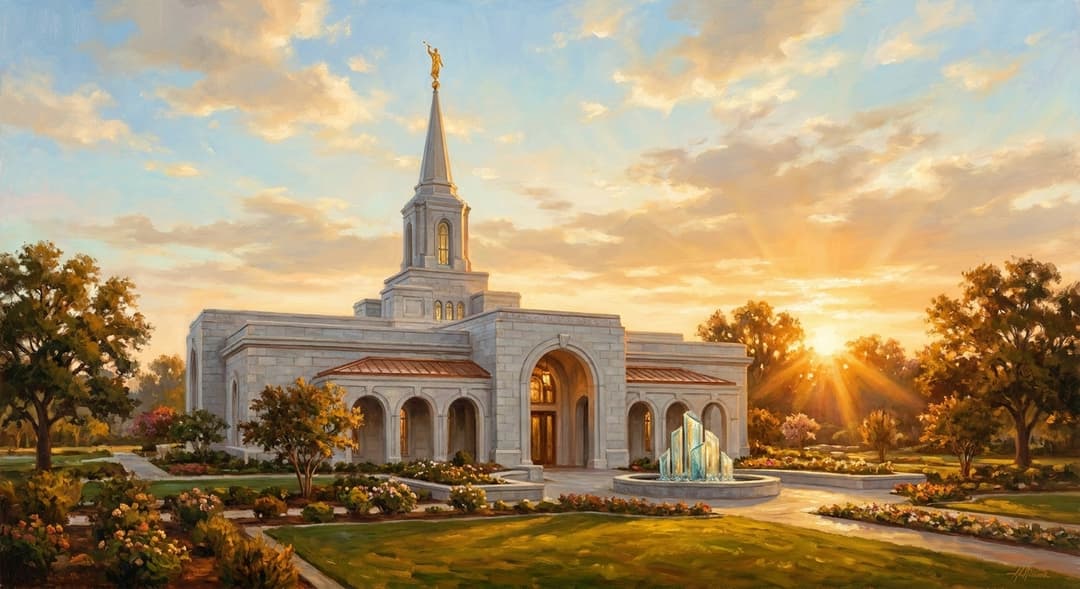
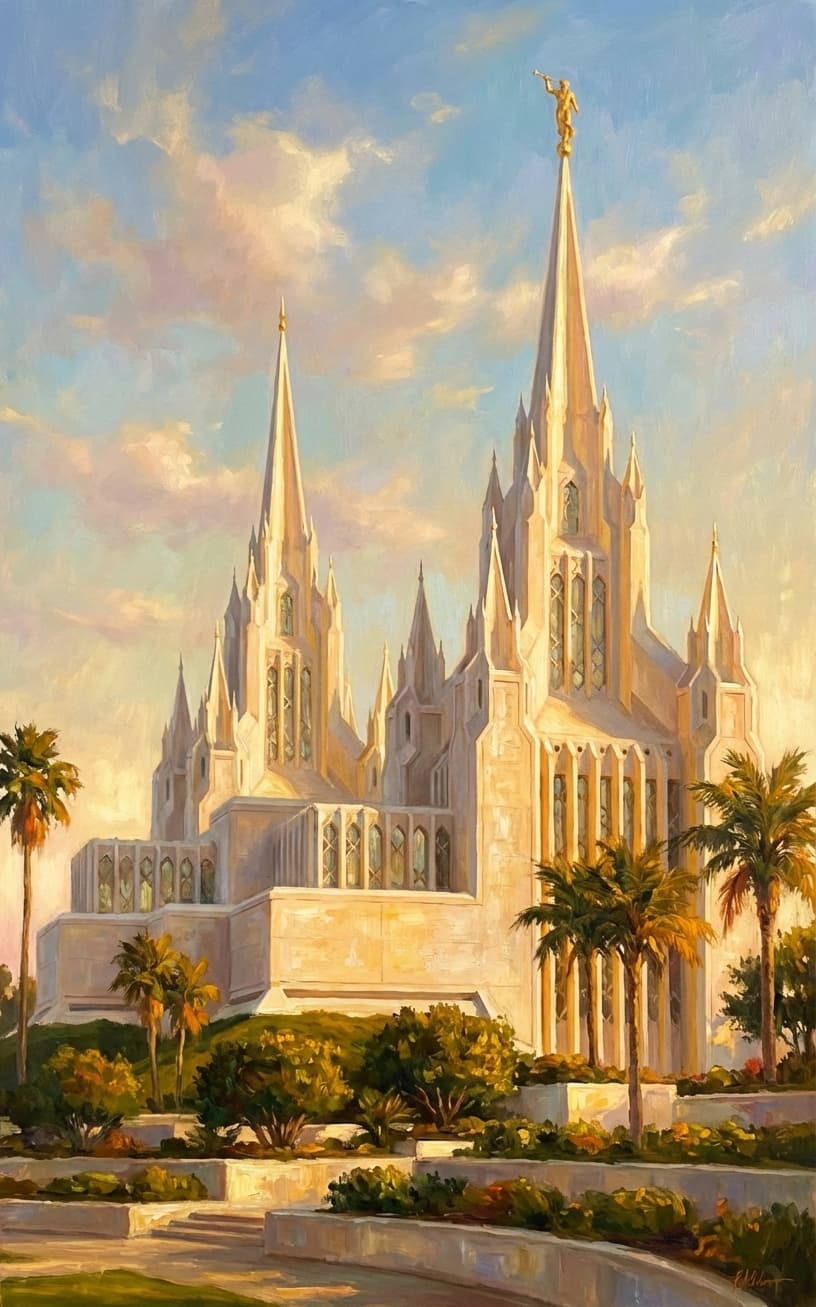
Sources & Research
Every fact on Temples.org is backed by verified Sources & Research. Each piece of information is rated by source tier and confidence level.
View All Sources (7)
| Field | Source | Tier | Retrieved |
|---|---|---|---|
| About & Historical Background | The Church of Jesus Christ of Latter-day Saints (opens in a new tab) | A | 2024-07-30 |
| Dedication & Operations | The Church of Jesus Christ of Latter-day Saints Newsroom (opens in a new tab) | A | 2024-07-30 |
| Historical Timeline & Community Growth | The Church of Jesus Christ of Latter-day Saints (opens in a new tab) | A | 2024-07-30 |
| Open House & Public Reception | ChurchofJesusChristTemples.org (opens in a new tab) | C | 2024-07-30 |
| Architectural Style & Materials | PhotoGent (opens in a new tab) | C | 2024-07-30 |
| Early Church History in California | Rickety.us (opens in a new tab) | D | 2024-07-30 |
| Almond Blossom Motif | Reddit (opens in a new tab) | D | 2024-07-30 |