Visitor Insights
Visiting Fort Collins Colorado Temple
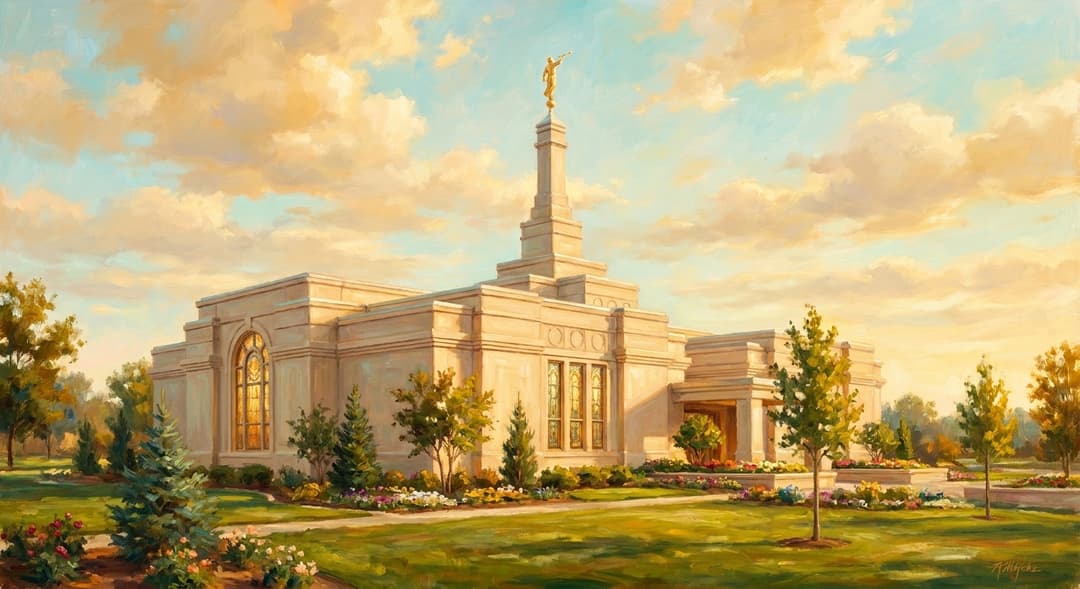
The Fort Collins Colorado Temple offers a serene and sacred experience for members of The Church of Jesus Christ of Latter-day Saints. While the interior is reserved for endowed members, the beautifully maintained grounds are open to the public for quiet reflection and enjoyment.
Highlights
- Experience the peaceful temple grounds, open daily to the public.
- Observe the distinctive architecture and landscaping inspired by local flora.
- A distribution center is available on site for temple clothing and garments.
Things to Know
- The temple interior is reserved for members with a current temple recommend.
- No dedicated visitors' center is available on the temple grounds.
- Patrons are encouraged to bring their own temple clothing for ordinances.
Location
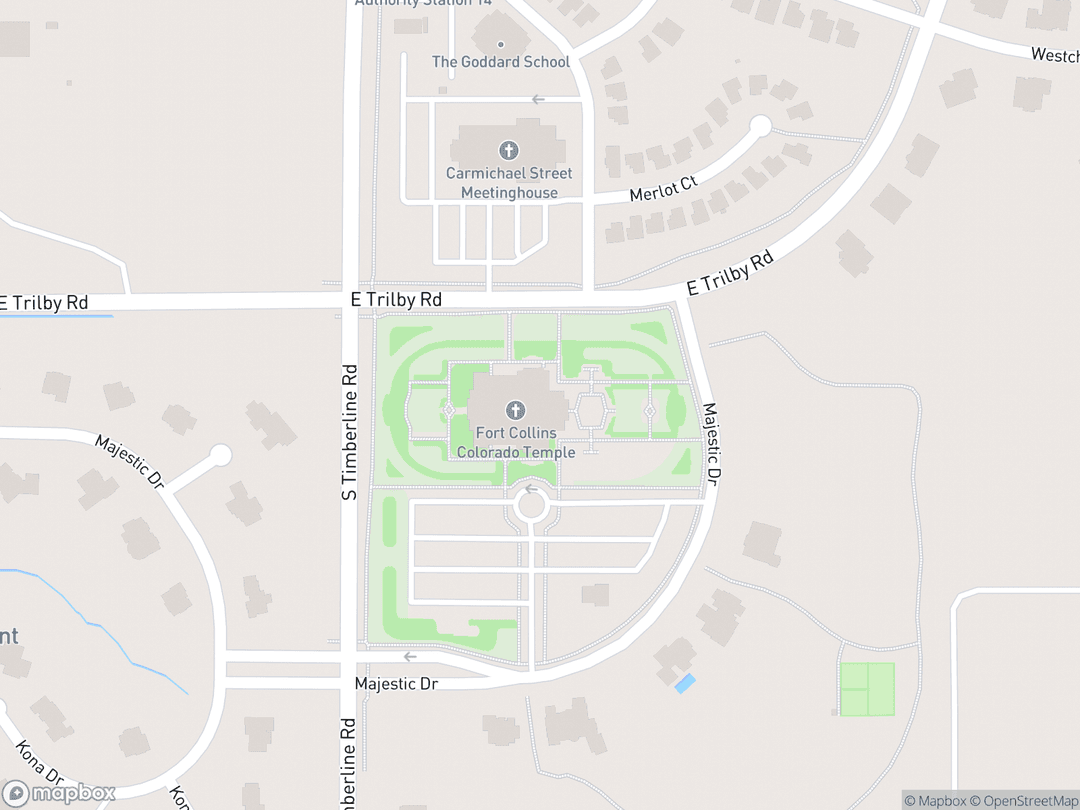
2180 Majestic Drive, Fort Collins, Colorado 80528, United States
Hours: Operating hours vary; check the official Church website for current schedules and closure dates.
Getting There: Located at 2180 Majestic Drive, the temple is accessible by car with ample parking available on site.
Get DirectionsTips for Your Visit
Explore the Grounds
Take time to walk around the beautifully landscaped gardens, which feature local tree species and a stone fountain.
Plan Your Visit
For members attending ordinances, reservations are available, and walk-ins are welcome, though a wait may occur.
About
The Fort Collins Colorado Temple stands as a beacon of faith for members of The Church of Jesus Christ of Latter-day Saints in the region. Announced in 2011 by President Thomas S. Monson, its construction marked a significant milestone for the growing Church community. The temple was formally dedicated on October 16, 2016, by President Dieter F. Uchtdorf.
This sacred structure provides a place for members to participate in essential ordinances and make solemn covenants with God. Its design thoughtfully incorporates elements reflecting the natural beauty and cultural heritage of the Rocky Mountain area. The temple grounds are open to the public, offering a tranquil environment for all to enjoy.
Gallery
Symbolic Elements
The temple's exterior features intricate carvings, each rich with spiritual meaning:

Angel Moroni Statue
The gilded statue of the Angel Moroni atop the spire symbolizes the Restoration of the gospel of Jesus Christ.

Cornerstone
The laying of the cornerstone symbolizes Jesus Christ as the foundational 'cornerstone in our lives and in His Church'.

Art-Glass Windows
These windows are adorned with intricate floral designs inspired by the native vegetation of the Rocky Mountains.

Oil Painting Mural
An original oil painting mural enhances the interior, depicting serene local landscapes of the Colorado region.

Instruction Rooms
These rooms serve as spaces for members to receive sacred instruction and learn about God's plan of salvation.

Sealing Rooms
In these rooms, eternal marriages and family relationships are solemnized, binding families together for eternity.

Baptistry
The baptistry is used for proxy baptisms for the deceased, a practice central to Latter-day Saint belief in salvation for all.

Landscaped Grounds
The grounds, featuring local tree species and a fountain, provide a tranquil and welcoming environment for all visitors.
Interesting Facts
The Fort Collins Colorado Temple is the 153rd operating temple of The Church of Jesus Christ of Latter-day Saints worldwide (Tier A).
It is the second temple constructed in Colorado, following the Denver Colorado Temple dedicated in 1986 (Tier B).
The temple serves approximately 44,000 Church members in northern Colorado and southern Wyoming (Tier A).
Over 105,000 visitors toured the temple's interior during its three-week public open house (Tier A).
Art-glass windows feature floral designs inspired by native Rocky Mountain vegetation (Tier A).
The exterior is clad in beige precast concrete panels, while the interior uses stone from Iran and Turkey (Tier B).
The groundbreaking ceremony was broadcast to Latter-day Saint meetinghouses across the region (Tier A).
The temple site was chosen for its scenic vistas and central accessibility, located across from an existing meetinghouse (Tier C).
Many open house visitors were surprised by the temple's multiple distinct rooms rather than a single large worship space (Tier A).
The Fort Collins Colorado Temple was dedicated in the same month as the Star Valley Wyoming Temple in October 2016 (Tier A).
Common Questions
What is the purpose of the Fort Collins Colorado Temple?
The temple is a sacred space where Latter-day Saints participate in ordinances and make covenants with God, central to their faith.
Is the Fort Collins Colorado Temple open to the public?
While the temple interior is reserved for faithful members, the beautifully landscaped grounds are open to the public.
What is the significance of the Angel Moroni statue?
The Angel Moroni statue symbolizes the Restoration of the gospel of Jesus Christ and stands atop many Latter-day Saint temples.
How many temples are in Colorado?
The Fort Collins Colorado Temple is the second temple built in the state, following the Denver Colorado Temple.
Are there any visitor facilities on site?
There is no dedicated visitors' center, but a distribution center is available for temple garments and clothing.
Featured Stories
A Dedication for Northern Colorado
October 16, 2016
The Fort Collins Colorado Temple was dedicated by President Dieter F. Uchtdorf, then Second Counselor in the First Presidency. This momentous occasion brought joy and spiritual renewal to thousands of Latter-day Saints in northern Colorado and southern Wyoming, marking the culmination of years of anticipation and effort.
Source: The Church News
Welcoming the Community: The Open House
August-September 2016
Prior to its dedication, the temple opened its doors for a public open house, welcoming over 105,000 visitors. This period allowed community members of all faiths to tour the sacred interior, fostering understanding and goodwill, and offering a glimpse into the unique purpose of Latter-day Saint temples.
Source: ChurchofJesusChristTemples.org
Groundbreaking: A New Beginning
August 24, 2013
The groundbreaking ceremony, presided over by Elder Ronald A. Rasband, marked the official start of construction for the Fort Collins Colorado Temple. This event was a spiritual highlight for local members, symbolizing the growth of the Church in the region and the promise of a sacred house of the Lord.
Source: The Church of Jesus Christ of Latter-day Saints
Timeline
Temple Announced
President Thomas S. Monson announced the construction of a temple in Fort Collins, Colorado.
component.timeline.announcementSite Revealed
The specific site for the temple was publicly revealed at Trilby Road and Timberline Road.
MilestoneAnnexation Petition
The Fort Collins City Council accepted a petition to begin annexation proceedings for the temple site.
EventSite Annexed and Zoned
The temple site was officially annexed into the City of Fort Collins and appropriately zoned.
EventPlans Approved
The Fort Collins Planning and Zoning Board unanimously approved the temple plans after a public hearing.
MilestoneGroundbreaking Ceremony
Elder Ronald A. Rasband presided over the groundbreaking, officially commencing construction.
component.timeline.groundbreakingVandalism Incident
The temple construction site experienced an act of vandalism during its development.
EventAngel Moroni Placed
The gilded statue of the Angel Moroni was placed atop the temple's spire, a significant construction milestone.
MilestonePublic Open House Begins
A public open house began, allowing over 105,000 visitors to tour the completed temple interior.
EventCultural Celebration
Nearly 4,000 youth from the temple district participated in a vibrant cultural celebration.
EventTemple Dedicated
President Dieter F. Uchtdorf formally dedicated the Fort Collins Colorado Temple.
DedicationHistory by Decade
2010s — A New House of the Lord
The temple is a symbol of our faith, a sanctuary from the world, and a place where we can draw closer to God.
The 2010s saw the announcement, construction, and dedication of the Fort Collins Colorado Temple. President Thomas S. Monson announced the temple in 2011, fulfilling a long-held desire for a sacred edifice in northern Colorado. Following site selection and city approvals, construction commenced, culminating in its dedication in 2016.
Architecture & Facilities
The Fort Collins Colorado Temple features a traditional Latter-day Saint temple design, carefully crafted to reflect the cultural heritage and natural beauty of the Fort Collins region. Its architecture blends classic lines with contemporary elements, creating an edifice that is both timeless and harmonious with its Rocky Mountain surroundings. The exterior is clad in durable, light-colored precast concrete, providing a dignified and enduring presence.
Building Materials
Exterior
Beige precast concrete panels, manufactured by Pretecsa in Mexico, provide a durable and aesthetically pleasing facade.
Interior Stone
White and gold onyx, beige limestone, gold, cream, and beige marble, and blue granite were sourced from Iran and Turkey for the interior.
Art Glass
Art-glass windows throughout the temple feature intricate floral designs inspired by the native vegetation of the Rocky Mountains.
Landscaping
Local tree species such as juniper, spruce, pine, maple, and honey locust are thoughtfully integrated into the temple grounds.
Interior Features
Instruction Rooms
These rooms are designed for members to receive sacred teachings and covenants related to God's eternal plan.
Sealing Rooms
Here, eternal marriages and family relationships are solemnized, binding families together beyond mortal life.
Baptistry
The baptistry houses a font where proxy baptisms for the deceased are performed, reflecting a belief in universal salvation.
Celestial Room
Representing a return to God's presence, this room is a place of quiet contemplation and spiritual communion.
Temple Grounds
The temple grounds are thoughtfully landscaped with local tree species and a beautiful stone fountain, creating a tranquil and serene environment for visitors.
Additional Facilities
A distribution center is located on the temple grounds, offering temple garments and clothing for purchase by members.
Religious Significance
As a 'house of the Lord,' the Fort Collins Colorado Temple holds profound spiritual significance for Latter-day Saints, serving as a dedicated sanctuary for sacred ordinances and covenants that are central to their Christian faith.
The core spiritual purpose of the temple is to provide a place where individuals can draw closer to God, make eternal commitments, and participate in saving ordinances for themselves and on behalf of their ancestors.
Sacred Ordinances
Baptism for the Dead
Members perform proxy baptisms for deceased ancestors, offering them the opportunity to accept the gospel in the spirit world.
Endowment
The endowment is a series of sacred instructions and covenants that provide spiritual power and knowledge, preparing individuals for eternal life.
Sealing
Families are sealed together for eternity, including husbands and wives, and children to their parents, affirming the eternal nature of family relationships.
Eternal Families
A foundational doctrine of The Church of Jesus Christ of Latter-day Saints is the belief in eternal families, and temple ordinances enable these relationships to continue beyond mortality.
Divine Covenants
Through sacred covenants made in the temple, members commit to follow Jesus Christ and receive divine blessings, strengthening their relationship with God.
Similar Temples
Sources & Research
Every fact on Temples.org is backed by verified Sources & Research. Each piece of information is rated by source tier and confidence level.
View All Sources (4)
| Field | Source | Tier | Retrieved |
|---|---|---|---|
| About & Historical Background | The Church of Jesus Christ of Latter-day Saints (opens in a new tab) | A | 2024-07-30 |
| Interior Art & Symbolism | LDS Living (opens in a new tab) | B | 2024-07-30 |
| Temple Facts & Figures | ChurchofJesusChristTemples.org (opens in a new tab) | C | 2024-07-30 |
| Groundbreaking & Construction | Photogent (opens in a new tab) | C | 2024-07-30 |