Visitor Insights
Visiting Izumo Taishakyo Mission of Hawaii
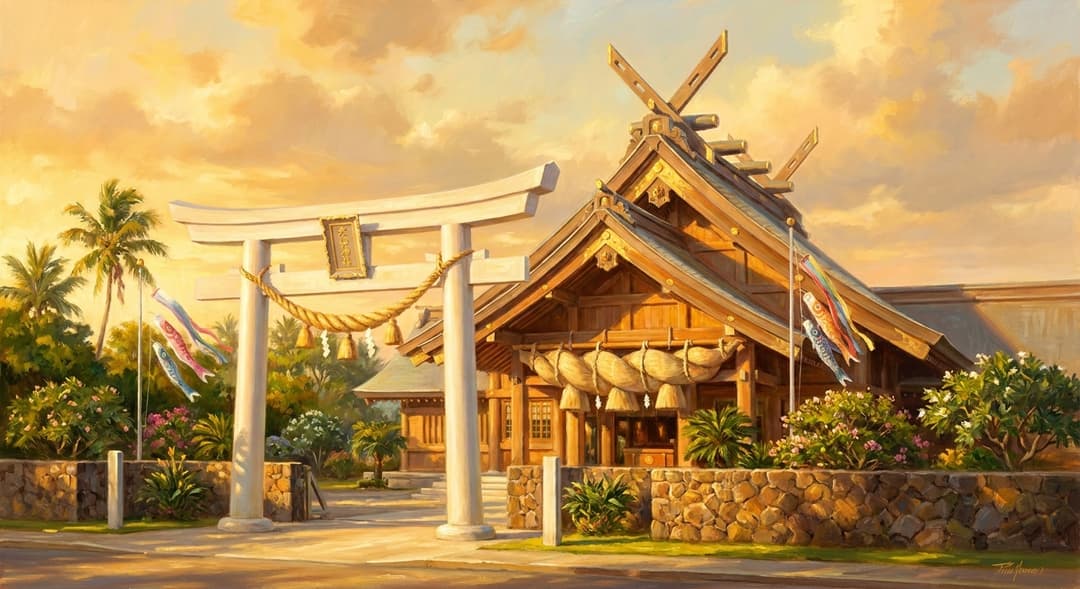
Izumo Taishakyo Mission offers a tranquil spiritual retreat along the Nuʻuanu Stream on the edge of Honolulu's historic Chinatown. Visitors are welcome to view the classical timber architecture, walk the peaceful grounds, and offer prayers at the worship hall.
Highlights
- Traditional wooden Taisha-zukuri architecture assembled with master joinery
- Stone komainu guardian statues adorned with fresh Hawaiian floral leis
- The historic Hiroshima Peace Bell gifted in 1985 to commemorate sister-city ties
- Authentic Izumo four-clap prayer protocol at the main worship hall
Things to Know
- Photography is welcome across the grounds but strictly restricted inside the inner worship hall
- Please cleanse your hands and mouth at the stone water basin before approaching the shrine
- Modest, respectful attire is expected within consecrated areas
- Small coin donations are customary when offering personal prayers at the altar
Location
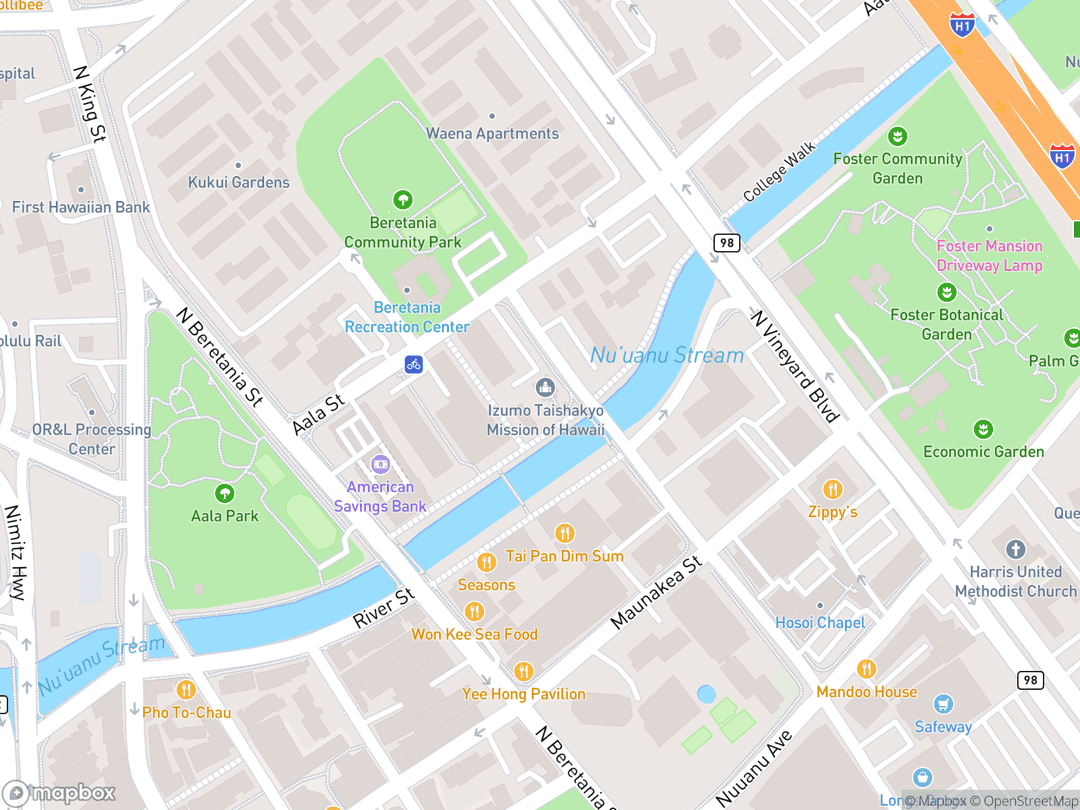
215 N. Kukui Street, Honolulu, HI 96817
Hours: Daily from 8:00 AM to 5:00 PM
Getting There: Located in downtown Honolulu along Nuʻuanu Stream at Kukui Street, accessible via city bus routes along Beretania Street or on-site visitor parking.
Get DirectionsTips for Your Visit
Master the Four Claps
Unlike most Shinto shrines requiring two claps, Izumo tradition prescribes two bows, four claps, and one final bow.
Purify Before Praying
Use the bamboo ladles at the stone temizuya to rinse both hands and rinse your mouth before climbing the sanctuary stairs.
Select a Consecrated Amulet
The office counter provides blessed omamori charms specifically tailored for safe driving, relationship harmony, and good health.
About
Within the broad cosmic framework of East Asian sacred traditions, spiritual life revolves around living in harmony with nature, honoring ancestral lineages, and recognizing the unseen spiritual energies that animate the universe. Shinto expresses this vision through the veneration of kami, the divine spiritual forces residing in natural landscapes, ancestral spirits, and communal virtues.
The Izumo Taishakyo Mission of Hawaii embodies the ancient Izumo lineage, dedicated primarily to Ōkuninushi-no-Ōkami. In classical cosmology, this benevolent deity oversees the unseen realm of spiritual destinies, health, agriculture, and enmusubi, the blessing and intertwining of harmonious human relationships.
Established in 1906 by Reverend Katsuyoshi Miyao to serve Japanese immigrant sugar cane workers, the mission erected its permanent sanctuary in 1922. Uniquely adapted to the islands, the shrine also enshrines Hawaiʻi Ubusuna-no-Kami, paying homage to the guardian spirits of the Hawaiian land and fostering cross-cultural respect.
Despite wartime confiscation in 1941 and subsequent displacement during urban renewal, the congregation successfully reclaimed and restored the sanctuary. Today, it remains one of the oldest and most architecturally significant traditional timber Shinto shrines standing outside Japan.
Gallery
Symbolic Elements
The temple's exterior features intricate carvings, each rich with spiritual meaning:

Shimenawa Rope
A colossal braided rice-straw rope demarcating the threshold between mundane and consecrated space.
Torii Gate
A white wooden entry archway standing along Kukui Street that marks the gateway into sacred territory.

Lei-Adorned Komainu
Stone lion-dog guardians protecting the path, lovingly draped in fresh Hawaiian floral leis by worshippers.

Temizuya Water Basin
A carved stone font with running water and bamboo ladles used for preliminary ritual purification.

Chigi Roof Horns
Crossed wooden bargeboard extensions soaring above the gable ridge that evoke primordial sanctuaries.

Katsuogi Ridge Logs
Cylindrical wooden billets mounted along the roofline that symbolize architectural antiquity and sanctity.
Hiroshima Peace Bell
A replica bronze bell commemorating sister-city ties, rung annually to reaffirm global reconciliation.

Onusa Wand
A wooden wand adorned with zigzag paper streamers used by priests to dispel ritual impurities.
Interesting Facts
The entire 1922 timber sanctuary was joined by master carpenter Ichisaburo Takata without driving a single metal nail into its structural frame (Tier B).
During the 1963 municipal redevelopment, the wooden shrine was placed atop steel oil drums and physically rolled across the street to its present location (Tier A).
Worshippers clap four times instead of the usual two, honoring both the deity and the sacred invisible bonds connecting human hearts (Tier A).
The mission formally co-enshrines Hawaiʻi Ubusuna-no-Kami to venerate the indigenous guardian spirits of the Hawaiian Islands (Tier A).
Local visitors adorn the granite komainu guardian lion-dogs with fresh floral leis rather than traditional Japanese cloth bibs (Tier B).
The sacred shimenawa straw rope above the entrance is twisted from left to right, reversing the standard direction found in mainland Japanese shrines (Tier A).
A bronze replica of the Hiroshima Peace Bell rings annually on August 6 during interfaith memorial services for global peace (Tier A).
The congregation regained their seized property following a landmark Hawaii Supreme Court victory affirming constitutional religious liberties (Tier B).
The shrine sheltered and absorbed the deities of multiple rural Oahu plantation altars that dissolved during the twentieth century (Tier A).
Thousands of multiethnic Hawaii residents visit the sanctuary every January for Hatsumōde blessings to welcome the New Year (Tier A).
Common Questions
What is the primary spiritual purpose of Izumo Taisha?
The mission is primarily dedicated to enmusubi, the blessing and sanctification of harmonious interpersonal and spiritual relationships.
How does worship etiquette differ at this shrine?
Parishioners and visitors perform four claps rather than the two claps standard at other Shinto shrines.
Can non-Shinto visitors enter the grounds?
Yes, visitors of all backgrounds and faiths are warmly welcomed to explore the grounds and pray respectfully.
Is there an admission fee to visit?
Admission to the grounds is free, though small coin donations in the saisen box are traditional when offering prayers.
Featured Stories
The Master Carpenter's Timeless Joinery
November 1922
When master builder Ichisaburo Takata assembled the sanctuary in 1922, he employed ancient kigumi techniques using interlocking timber joints without a single metal nail. Designed by pioneering Japanese American architect Hego Fuchino, the framework subtly flexes during tropical winds and earthquakes. Takata's craftsmanship ensured that the sacred structure endured decades of weathering, relocations, and environmental stresses.
Source: Cooper Hewitt Architectural Survey
Rolling a Sanctuary on Oil Drums
1963
Faced with displacement by Honolulu's urban redevelopment program in 1963, church elders orchestrated a daring physical relocation of the massive wooden structure. Engineers jacked the entire building off its stone foundation, balanced it across steel oil drums, and steadily rolled it across Kukui Street. This dramatic transit preserved the consecrated timber landmark intact for subsequent rededication.
Source: Izumo Taishakyo Mission Archives
A Landmark Victory for Religious Freedom
October 1961
Immediately following the attack on Pearl Harbor in 1941, military authorities interned the shrine's priests and the city seized the property. Undeterred by years of exile and temporary warehouse worship, parishioners mounted a decade-long legal struggle that reached the Hawaii Supreme Court. The court ordered the return of the site, establishing a vital legal precedent for immigrant religious freedoms.
Source: Hawaii Supreme Court Historical Records
Timeline
Mission Founded
Reverend Katsuyoshi Miyao conducts the inaugural worship gathering near Aʻala Park.
MilestoneInitial Chapel Completed
The congregation completes a modest temporary hall to serve plantation families.
MilestonePermanent Sanctuary Completed
Master carpenter Ichisaburo Takata completes the timber Taisha-zukuri building.
DedicationGrand Shrine Delegation
Dignitaries from Izumo Grand Shrine consecrate the altar and present a sacred shimenawa.
EventWartime Closure
Martial law forces the closure of the shrine and clergy are interned.
EventMunicipal Confiscation
The City and County of Honolulu seizes the shrine property during wartime.
EventPost-War Reassembly
Repatriated clergy resume services in a rented warehouse in McCully.
EventLegal Restitution
The Hawaii Supreme Court confirms the congregation's title and orders property return.
MilestoneSanctuary Relocation
The timber sanctuary is rolled across the street on steel drums for urban redevelopment.
RenovationRededication
Following a comprehensive restoration, the sanctuary is joyously reconsecrated.
DedicationHiroshima Peace Bell Presentation
The City of Hiroshima gifts a bronze peace bell commemorating sister-city partnerships.
Event110th Anniversary Observance
High Priest Nagahiko Senge travels from Japan to lead anniversary blessings.
MilestoneHistory by Decade
1900s — Plantation Origins
Reverend Katsuyoshi Miyao founded the mission in 1906 to provide pastoral care for Japanese contract laborers in Oahu's sugar cane fields. Worshippers met outdoors before dedicating a modest wooden chapel near Aʻala Park in 1907. This sanctuary quickly evolved into a vital cultural sanctuary for immigrant families navigating plantation life.
1910s — Congregational Growth
As laborers settled permanently across Hawaii, the congregation rapidly outgrew its initial quarters. Church leaders organized statewide fundraising campaigns across island labor camps to fund a monumental timber shrine. The vision focused on recreating the sacred architecture of the ancestral mother shrine in Japan.
1920s — Master Timber Craftsmanship
Architect Hego Fuchino and master carpenter Ichisaburo Takata completed the classical Taisha-zukuri shrine in November 1922. The following year, high-ranking priests from Shimane Prefecture officiated at the consecration ceremony. The sanctuary stood as an architectural gem of traditional Japanese mortise-and-tenon construction.
1930s — Community Flourishing
Under Bishop Shigemaru Miyao, the mission flourished as the spiritual center of Honolulu's Chinatown and Aʻala districts. The shrine hosted vibrant seasonal festivals, sumo tournaments, and annual New Year blessings. It provided stability and cultural continuity during the economic strain of the Great Depression.
1940s — Internment and Confiscation
The outbreak of World War II brought immediate suppression under martial law, leading to the internment of church clergy on the mainland. In 1942, municipal authorities confiscated the shrine grounds and closed the sanctuary. Following their 1945 release, the Miyao family quietly reconstituted services inside a rented warehouse.
1950s — Constitutional Legal Battle
The congregation initiated landmark civil rights litigation against the municipal government to reclaim their consecrated sanctuary. Citing constitutional protections for religious freedom, parishioners fought through local courts while the empty building fell into disrepair. The decade was defined by legal tenacity and quiet perseverance.
1960s — Restitution and Relocation
The Hawaii Supreme Court ruled in favor of the mission in October 1961, ordering the full restoration of the property. In 1963, the entire wooden building was rolled across the street atop steel oil drums to accommodate urban redevelopment. Extensive community fundraising culminated in the sanctuary's rededication on December 22, 1968.
1970s — Cultural Anchor
During the 1970s, the mission reaffirmed its stature as a premier cultural landmark in Honolulu. Traditional Shinto weddings, infant blessings, and milestone ceremonies welcomed a multiethnic generation of local families. The shrine's welcoming gardens became an oasis amidst downtown revitalization.
1980s — Interfaith Peace Building
In 1985, Hiroshima City gifted a replica of the historic Peace Bell to mark the 25th anniversary of their sister-city bond with Honolulu. The mission embraced an expanded role in interfaith peace convocations and cultural reconciliation. Annual memorial gatherings drew diverse civic and religious leaders together.
1990s — Pastoral Transition
The Hiroshima Peace Bell was permanently installed near the entrance gate in 1990 as an enduring peace monument. Bishop Shigemaru Miyao passed away in 1993 after six decades of dedicated leadership, succeeded by Bishop Daiya Amano. The mission continued to honor its historic mission while modernizing community outreach.
2000s — Centennial Celebrations
The mission marked its centennial in October 2006 with visits from Hawaiian practitioners and dignitaries from Shimane Prefecture. The celebration highlighted the harmonious coexistence of Shinto customs and Native Hawaiian spiritual values. Renovations upgraded the surrounding pathways and prayer infrastructure.
2010s — Heritage Preservation
In October 2016, High Priest Nagahiko Senge led celebrations commemorating 110 years of service on Oahu. Specialized woodworkers meticulously restored exterior timber eaves, roof joinery, and perimeter stonework. The shrine reinforced its prominence as an architectural and cultural treasure in the Chinatown Historic District.
2020s — Modern Renewal
The mission added a contemporary community annex to house administrative offices and accessible guest facilities. The shrine continues to conduct daily morning services, vehicle purifications, and holiday blessings for thousands of residents. In 2026, the congregation commemorates 120 years of continuous cultural and pastoral presence in Hawaii.
Architecture & Facilities
The sanctuary is an exceptionally rare overseas realization of Taisha-zukuri, an ancient architectural typology distinguished by an elevated palatial silhouette, steep gables, and heavy structural timbering. The design faithfully translates the sacred grandeur of Izumo Grand Shrine while incorporating subtle ventilation adaptations for the tropical climate of Oahu.
Building Materials
Japanese Cypress (Hinoki)
Fine-grained cypress forms the structural pillars, mortise joints, and sacred interior screens.
Aromatic Cedar
Weather-resistant cedar boards protect the exterior walls and roof gables from humidity.
Volcanic Basalt
Local Hawaiian basalt blocks provide a sturdy elevated foundation for the courtyard and perimeter.
Braided Rice Straw
Densely woven natural straw forms the colossal sacred shimenawa rope guarding the worship portal.
Interior Features
Haiden (Hall of Worship)
Polished hardwood floors and straw tatami mats accommodate parishioners during communal rituals.
Heiden (Hall of Offerings)
An elevated transitional chamber where priests present sake, rice, and evergreen tamagushi branches.
Honden (Inner Sanctuary)
The cloistered sacred chamber sheltering the physical repository of the divine spirit.
Goshintai Enclosure
A gilded timber tabernacle veil concealed behind bamboo curtains, visible only to ordained clergy.
Temple Grounds
The landscaped grounds feature a pristine entry torii gate, stone pathways, lei-draped guardian statues, a running water purification pavilion, and the historic Hiroshima Peace Bell beside the gentle flow of Nuʻuanu Stream.
Additional Facilities
A modern multi-purpose community annex houses church administrative offices, reception rooms, and accessible restrooms.
Religious Significance
Rooted in the ancient Taoic respect for cosmic balance and the vital spiritual energy uniting nature and humanity, Shinto perceives the divine in the living world through kami. Hawaii Izumo Taisha bridges this ancient reverence with local island culture, providing a sanctuary where worshippers express gratitude and seek spiritual harmony.
The mission honors Ōkuninushi-no-Ōkami to foster enmusubi, celebrate the sanctity of human relationships, and venerate the ancestral spiritual guardians of Hawaii.
Sacred Ordinances
Temizu (Water Purification)
A ritual washing of hands and mouth at the stone basin to wash away spiritual impurities before prayer.
Yon-te-tsu (Four-Clap Rite)
The unique Izumo liturgical rhythm of two bows, four rhythmic hand claps, and one final bow.
Harae (Purification Blessing)
Priestly blessing with the onusa wand to cleanse spiritual dust and invite divine clarity.
Hatsumōde (New Year Devotion)
The sacred initial shrine visitation of the New Year to give thanks and receive annual protective amulets.
The Spirit of Enmusubi
In Izumo theology, Ōkuninushi-no-Ōkami governs the unseen spiritual bonds that connect all living souls. Enmusubi extends beyond matrimonial blessing to embrace harmonious community relationships, trustworthy business partnerships, and mutual goodwill across diverse cultures.
Localization and Hawaiian Guardian Spirits
Demonstrating profound reverence for its island home, the shrine formalizes the veneration of Hawaiʻi Ubusuna-no-Kami. This practice honors the ancestral spirits of the Hawaiian land, seamlessly uniting traditional Japanese devotion with indigenous island sanctity.
Sources & Research
Every fact on Temples.org is backed by verified Sources & Research. Each piece of information is rated by source tier and confidence level.
View All Sources (6)
| Field | Source | Tier | Retrieved |
|---|---|---|---|
| About & Historical Background | Izumo Taishakyo Mission of Hawaii (opens in a new tab) | A | 2026-03-31 |
| Architecture & Joinery | Cooper Hewitt, Smithsonian Design Museum (opens in a new tab) | B | 2026-03-31 |
| Historic Designation & Architecture | University of Hawaii at Manoa (opens in a new tab) | B | 2026-03-31 |
| Historic Preservation & Relocation | Hawaii State Historic Preservation Division (opens in a new tab) | A | 2026-03-31 |
| Visitor Protocols & Shinto Traditions | Hawaii Public Radio (opens in a new tab) | B | 2026-03-31 |
| Cultural Integration & Guardian Deities | National Geographic (opens in a new tab) | B | 2026-03-31 |