Visitor Insights
Visiting Kona Hawaii Temple
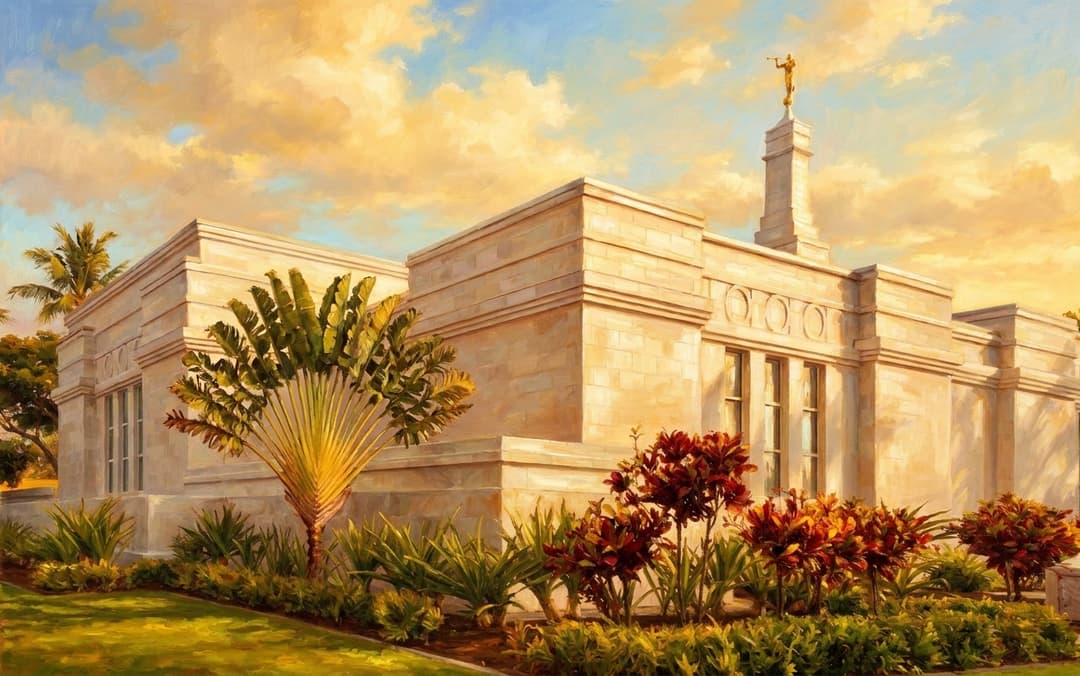
The Kona Hawaii Temple, while currently under renovation, offers a serene and spiritual experience for visitors. The temple grounds are meticulously maintained, featuring lush gardens and stunning views of the Pacific Ocean and Mount Hualālai. While the interior is not accessible during the renovation, visitors can still appreciate the temple's architecture and peaceful atmosphere from the outside.
Highlights
- Beautiful ocean and mountain views
- Lush, well-maintained gardens
- Peaceful and spiritual atmosphere
Things to Know
- The temple is currently closed for renovation.
- Check the Church's official website for updates on the renovation progress.
Location

75-230 Kalani St, Kailua-Kona, Hawaii 96740-1833, United States
Hours: Closed for renovation; expected to reopen in late 2027.
Getting There: The temple is located approximately 8 miles south of the Kona International Airport. Address: 75-230 Kalani St Kailua-Kona, Hawaii 96740-1833
Get DirectionsTips for Your Visit
Check Renovation Status
Before visiting, confirm the temple's reopening date on the official Church website.
Enjoy the Gardens
Even during renovation, the temple grounds offer a peaceful place for reflection.
About
The Kona Hawaii Temple is a cherished house of worship for members of The Church of Jesus Christ of Latter-day Saints, standing as the second temple constructed in Hawaii and the 70th operating temple of the Church worldwide. As part of the Christian theological grouping rooted in Abrahamic traditions, this temple provides a spiritual anchor for over 11,000 Church members on the Big Island (Kona and Hilo stakes) and the islands of Maui, Molokaʻi, and Lānaʻi (Kahului Hawaii Stake).
Announced on May 7, 1998, and dedicated on January 23-24, 2000, by President Gordon B. Hinckley, the temple has served as a beacon of faith and a center for sacred ordinances. These ordinances, including baptism for the dead, the endowment, and eternal sealings, are central to the beliefs of Latter-day Saints and are performed within the temple's walls.
Currently under renovation, with an expected completion in late 2027, the Kona Hawaii Temple is undergoing an expansion to enhance its facilities and better accommodate the needs of its growing congregation. This renovation reflects the Church's ongoing commitment to providing sacred spaces for worship and spiritual growth.
The temple's location offers breathtaking views of the Pacific Ocean and Mount Hualālai, creating a serene and inspiring setting for those who come to worship and seek spiritual guidance. The lush gardens and meticulously maintained grounds further contribute to the temple's peaceful atmosphere, making it a cherished landmark in the Kona community.
Gallery
Symbolic Elements
The temple's exterior features intricate carvings, each rich with spiritual meaning:

White Marble Veneer
The exterior of the Kona Hawaii Temple is clad in white marble veneer, symbolizing purity, light, and the sacred nature of the temple. This material reflects the temple's role as a House of the Lord, a place of reverence and spiritual enlightenment. The choice of white marble also connects the temple to classical architectural traditions, evoking a sense of timelessness and enduring faith.

Single Attached Spire
The single attached spire of the Kona Hawaii Temple directs the gaze upward, symbolizing the connection between earth and heaven. It represents the aspiration of Latter-day Saints to draw closer to God and to seek divine guidance. The spire serves as a visual reminder of the temple's sacred purpose and its role in facilitating spiritual growth.

Lush Gardens
The temple grounds are adorned with lush gardens, featuring a variety of tropical plants and flowers. These gardens symbolize the beauty and abundance of God's creations, creating a peaceful and inviting atmosphere for visitors. The carefully maintained landscape reflects the care and reverence with which Latter-day Saints approach their worship.

Pacific Ocean View
The Kona Hawaii Temple offers stunning views of the Pacific Ocean, providing a sense of tranquility and connection to the natural world. The ocean symbolizes the vastness of God's love and the eternal nature of His plan. The temple's location overlooking the ocean serves as a reminder of the importance of seeking spiritual refuge and finding peace in the midst of life's challenges.

Mount Hualālai
The temple's backdrop includes views of Mount Hualālai, a dormant volcano that represents strength, stability, and the enduring power of faith. The mountain serves as a reminder of the importance of standing firm in one's beliefs and overcoming challenges with resilience. Its presence adds to the temple's majestic setting, inspiring awe and reverence.

Ordinance Rooms
Inside the Kona Hawaii Temple are ordinance rooms, each dedicated to specific sacred ceremonies. These rooms are designed to create a reverent atmosphere conducive to spiritual reflection and worship. The ordinances performed within these rooms, such as baptisms for the dead and the endowment, are central to the beliefs of Latter-day Saints and are considered essential for eternal salvation.

Sealing Rooms
The sealing rooms in the Kona Hawaii Temple are sacred spaces where marriages are performed and families are eternally sealed together. These rooms symbolize the importance of family relationships and the belief that these bonds can last beyond mortality. The ceremonies performed in the sealing rooms are among the most sacred and cherished experiences for Latter-day Saints.

Baptistry
The baptistry in the Kona Hawaii Temple is a dedicated space for performing baptisms for the dead. This ordinance is based on the belief that all individuals should have the opportunity to accept the gospel of Jesus Christ, even those who have passed away without being baptized. The baptistry symbolizes cleansing, renewal, and the opportunity for spiritual rebirth.
Interesting Facts
The Kona Hawaii Temple was the sixth temple built in Polynesia.
The groundbreaking ceremony for the Kona Hawaii Temple was held on the same day as the groundbreaking ceremonies for the Nashville Tennessee Temple and Oaxaca Mexico Temple.
The temple serves Latter-day Saints on the Big Island of Hawaii, as well as the islands of Maui, Molokaʻi, and Lānaʻi.
The temple was dedicated as part of a yearlong celebration commemorating the sesquicentennial of the Church being established in Hawaii.
During the open house, local missionaries collected thousands of small marble pieces from the exterior construction to give to visitors as keepsakes.
The original spire was 66 feet tall and topped with a gold statue of the Angel Moroni.
The temple site is planted with lush gardens and over 150 palm trees.
The renovations are expected to be completed by late 2027.
An updated rendering of the temple shows a shorter steeple and no Angel Moroni statue following the renovation.
The Kona Hawaii Temple is a sacred place where members can perform ordinances such as baptisms for the dead.
Common Questions
What is the purpose of the Kona Hawaii Temple?
The Kona Hawaii Temple serves as a sacred place where members of The Church of Jesus Christ of Latter-day Saints can participate in religious ordinances, such as baptism for the dead, the endowment, and eternal sealings, which are considered essential for spiritual growth and eternal salvation.
When was the Kona Hawaii Temple dedicated?
The Kona Hawaii Temple was dedicated on January 23-24, 2000, by President Gordon B. Hinckley.
Why is the Kona Hawaii Temple currently closed?
The Kona Hawaii Temple is currently closed for extensive renovations, which are expected to be completed by late 2027. The renovations will expand the floor area and enhance the temple's facilities.
Where is the Kona Hawaii Temple located?
The Kona Hawaii Temple is located at 75-230 Kalani St, Kailua-Kona, Hawaii 96740-1833, United States, approximately 8 miles south of the Kona International Airport.
What are the key features of the Kona Hawaii Temple's architecture?
The original temple was designed in a modern style with a white marble veneer exterior and a single attached spire. Renovations are underway to expand the floor area and update the temple's design.
Featured Stories
Dedication of the Kona Hawaii Temple
January 23, 2000
The dedication of the Kona Hawaii Temple on January 23, 2000, was a momentous occasion for members of The Church of Jesus Christ of Latter-day Saints in Hawaii. President Gordon B. Hinckley presided over the dedication, offering prayers of gratitude and blessings upon the temple and its surrounding community. The dedication ceremonies were filled with spiritual power, as members rejoiced in the completion of this sacred edifice.
Local members had long anticipated the dedication, having contributed their time, talents, and resources to the temple's construction. The dedication marked the culmination of their efforts and a new chapter in the history of the Church in Hawaii. The event was particularly significant as it coincided with the sesquicentennial celebration of the Church's establishment in the islands, adding to the sense of historical importance.
The dedication ceremonies were held in multiple sessions to accommodate the large number of members who wished to attend. Each session was filled with inspiring messages, beautiful music, and heartfelt testimonies. The spirit of the Lord was palpable, uniting members in a shared sense of purpose and devotion. The dedication of the Kona Hawaii Temple stands as a testament to the faith and dedication of Latter-day Saints in Hawaii.
Source: The Church News
Groundbreaking Ceremony Marks the Beginning of Construction
March 13, 1999
On March 13, 1999, approximately 1,200 members and friends gathered to witness the groundbreaking ceremony for the Kona Hawaii Temple. Elder John B. Dickson of the Seventy presided over the event, offering a dedicatory prayer upon the temple site. The groundbreaking marked the official commencement of construction, signaling a significant step forward in the realization of the temple.
The atmosphere was filled with excitement and anticipation as attendees watched the first shovels of earth being turned. The groundbreaking ceremony symbolized the commitment of the Church and its members to build a sacred space for worship and spiritual growth in Kona. It was a day of unity and shared vision, as members looked forward to the completion of the temple.
The groundbreaking ceremony also provided an opportunity to reflect on the history of the Church in Hawaii and the sacrifices made by early members to establish the faith in the islands. It was a time to honor the past and to look forward to a future filled with blessings and opportunities for spiritual development. The groundbreaking of the Kona Hawaii Temple remains a cherished memory for those who were present.
Source: churchofjesuschristtemples.org
Local Missionaries Collect Marble Keepsakes During Open House
January 2000
During the public open house held in January 2000, local missionaries played a unique role in creating lasting memories for visitors. As the temple neared completion, small marble pieces from the exterior construction were collected by the missionaries. These pieces, remnants of the temple's building process, were then offered as keepsakes to those who toured the sacred edifice.
The marble keepsakes became treasured mementos, symbolizing the dedication and craftsmanship that went into creating the Kona Hawaii Temple. Visitors were touched by the thoughtfulness of the missionaries and the opportunity to take home a tangible reminder of their experience. The marble pieces served as a connection to the temple's history and a symbol of their own spiritual journey.
This act of kindness and generosity exemplified the spirit of aloha that permeated the Kona community. The missionaries' efforts to share a piece of the temple with visitors created a bond of friendship and goodwill, leaving a positive impression on all who participated. The marble keepsakes continue to be cherished reminders of the open house and the dedication of the Kona Hawaii Temple.
Source: thechurchnews.com
Timeline
Plans to build a temple in Kona announced
The First Presidency of the Church announces plans to build a temple in Kona, Hawaii, during the sesquicentennial celebration of the Church's establishment in Hawaii.
MilestoneGroundbreaking ceremony held
Elder John B. Dickson of the Seventy presides over the groundbreaking ceremony. Approximately 1,200 people attend.
component.timeline.groundbreakingPublic open house begins
A public open house is held, attracting significant local interest.
EventKona Hawaii Temple dedicated
President Gordon B. Hinckley dedicates the Kona Hawaii Temple in four sessions.
DedicationTemple temporarily closes due to COVID-19 pandemic
The temple closes temporarily due to the COVID-19 pandemic.
EventExtensive renovations announced
The First Presidency announces extensive renovations for the temple.
RenovationTemple closes for renovations
The temple closes for renovations, which are expected to be completed by late 2027. The renovation will expand the floor area.
RenovationTemple Announced
The announcement of the Kona Hawaii Temple was made during the sesquicentennial celebration of the Church's establishment in Hawaii.
MilestoneGroundbreaking Ceremony
The groundbreaking ceremony was presided over by Elder John B. Dickson, with approximately 1,200 people in attendance.
component.timeline.groundbreakingPublic Open House
A public open house was held, allowing the community to view the temple's interior before its dedication.
EventTemple Dedication
President Gordon B. Hinckley dedicated the Kona Hawaii Temple, marking its official opening for sacred ordinances.
DedicationTemporary Closure
The temple temporarily closed its doors due to the global COVID-19 pandemic, adhering to safety guidelines.
EventRenovation Announcement
The First Presidency announced plans for extensive renovations to enhance the temple's facilities and functionality.
RenovationRenovation Begins
The temple closed for renovations, with an anticipated completion date in late 2027, including an expansion of the floor area.
RenovationHistory by Decade
1990s — Announcement and Groundbreaking
The 1990s marked a significant period for The Church of Jesus Christ of Latter-day Saints in Hawaii, culminating in the announcement and groundbreaking of the Kona Hawaii Temple. On May 7, 1998, during the sesquicentennial celebration of the Church's establishment in Hawaii, the First Presidency announced plans to build a temple in Kona. This announcement was met with great excitement and anticipation by members throughout the islands. Following the announcement, preparations began for the construction of the temple. A suitable site was selected, and plans were drawn up for a modern-style temple that would blend harmoniously with the surrounding landscape. The groundbreaking ceremony was held on March 13, 1999, with Elder John B. Dickson of the Seventy presiding. Approximately 1,200 people attended the ceremony, marking the official commencement of construction. The groundbreaking ceremony was a time of celebration and reflection, as members looked forward to the blessings that the temple would bring to their lives. The 1990s set the stage for the construction and dedication of the Kona Hawaii Temple, a sacred edifice that would serve as a beacon of faith for generations to come.
2000s — Dedication and Early Years
The 2000s were a time of great joy and spiritual growth for members of The Church of Jesus Christ of Latter-day Saints in Kona, Hawaii, as the Kona Hawaii Temple was dedicated and began its service to the community. On January 23-24, 2000, President Gordon B. Hinckley dedicated the temple in four sessions. The dedication ceremonies were filled with spiritual power, as members rejoiced in the completion of this sacred edifice. Following the dedication, the temple opened its doors for the performance of sacred ordinances, including baptisms for the dead, the endowment, and eternal sealings. Members from the Big Island, as well as the islands of Maui, Molokaʻi, and Lānaʻi, traveled to the temple to participate in these ordinances and to draw closer to God. The temple became a center of spiritual activity, strengthening the faith of individuals and families throughout the region. The 2000s were a time of blessings and growth for the Church in Kona, as the temple fulfilled its purpose as a House of the Lord. The temple provided a sacred space for worship, reflection, and service, enriching the lives of members and contributing to the spiritual well-being of the community.
2010s — Continued Service and Community Impact
The 2010s marked a period of continued service and community impact for the Kona Hawaii Temple. Throughout the decade, the temple remained a beacon of faith, providing a sacred space for members to worship, serve, and strengthen their spiritual connections. The temple continued to serve members from the Big Island, as well as the islands of Maui, Molokaʻi, and Lānaʻi, fostering a sense of unity and shared purpose. In addition to its religious functions, the temple also played a role in the broader community. The temple grounds were meticulously maintained, providing a beautiful and peaceful environment for visitors. The temple also served as a venue for various community events, fostering goodwill and understanding among people of different faiths. The 2010s were a time of stability and continued growth for the Church in Kona, as the temple remained a vital part of the community. The temple's presence served as a reminder of the importance of faith, service, and community engagement, enriching the lives of members and contributing to the well-being of the region.
2020s — Renovation and Future Blessings
The 2020s brought a new chapter in the history of the Kona Hawaii Temple, as the temple closed for extensive renovations. On August 29, 2022, the First Presidency announced plans for a comprehensive renovation of the temple, including an expansion of the floor area and updates to its facilities. The temple closed for renovations in October 2023, with an expected completion date in late 2027. During the renovation period, members of the Church in Kona have continued to worship and serve in other temples and meetinghouses. The closure of the temple has provided an opportunity for members to reflect on the blessings they have received from the temple and to look forward to its reopening with renewed anticipation. The 2020s represent a time of renewal and preparation for the Kona Hawaii Temple. The renovations will ensure that the temple continues to serve as a sacred space for worship and spiritual growth for generations to come. The reopening of the temple will be a cause for great celebration, as members once again gather to participate in sacred ordinances and to strengthen their connection with God.
Architecture & Facilities
The Kona Hawaii Temple was originally designed in a modern architectural style, characterized by clean lines, geometric forms, and a focus on functionality. The temple's design sought to blend harmoniously with the natural beauty of the Hawaiian landscape, creating a serene and inviting atmosphere. The use of white marble veneer on the exterior contributed to the temple's sense of purity and reverence. The ongoing renovations aim to enhance the temple's architectural features while maintaining its connection to the surrounding environment.
Building Materials
White Marble Veneer
The exterior of the Kona Hawaii Temple was originally clad in white marble veneer, a material chosen for its purity, elegance, and timeless appeal. The marble reflected the temple's sacred purpose and its role as a House of the Lord. The marble was sourced from reputable quarries known for their high-quality stone.
Reinforced Concrete
The structural framework of the Kona Hawaii Temple was constructed using reinforced concrete, a durable and versatile material that provided stability and strength. The concrete was engineered to withstand the elements and to ensure the long-term integrity of the temple. The use of reinforced concrete allowed for the creation of spacious interior spaces and the incorporation of modern architectural features.
Glass
Glass played an important role in the design of the Kona Hawaii Temple, allowing natural light to flood the interior spaces and providing panoramic views of the surrounding landscape. The glass was carefully selected for its clarity, energy efficiency, and ability to enhance the temple's aesthetic appeal. The use of glass created a sense of openness and connection to the natural world.
Wood
Wood was used extensively in the interior of the Kona Hawaii Temple, adding warmth, texture, and a sense of natural beauty. The wood was carefully selected for its grain, color, and durability. The use of wood created a welcoming and inviting atmosphere, enhancing the spiritual experience for those who worshipped in the temple.
Interior Features
Baptistry
The baptistry in the Kona Hawaii Temple is a sacred space where baptisms for the dead are performed. The baptistry features a font of water, symbolizing cleansing and renewal. The room is designed to create a reverent atmosphere conducive to spiritual reflection and worship. The baptistry is a central part of the temple's mission to provide opportunities for all individuals to receive the blessings of the gospel.
Endowment Rooms
The endowment rooms in the Kona Hawaii Temple are dedicated to the performance of the endowment ordinance, a sacred ceremony in which members receive instruction and make covenants with God. The endowment rooms are designed to create a peaceful and reverent atmosphere, allowing members to focus on the spiritual significance of the ordinance. The endowment rooms are essential to the temple's role in helping members progress on their spiritual journey.
Sealing Rooms
The sealing rooms in the Kona Hawaii Temple are sacred spaces where marriages are performed and families are eternally sealed together. The sealing rooms are designed to create a beautiful and reverent atmosphere, reflecting the importance of family relationships. The ceremonies performed in the sealing rooms are among the most sacred and cherished experiences for Latter-day Saints.
Celestial Room
The celestial room in the Kona Hawaii Temple is a space of quiet contemplation and spiritual reflection. The room is designed to evoke a sense of peace, beauty, and connection with God. Members often spend time in the celestial room after participating in temple ordinances, allowing them to ponder the blessings they have received and to strengthen their spiritual resolve.
Temple Grounds
The grounds of the Kona Hawaii Temple are meticulously maintained, creating a beautiful and peaceful environment for visitors. The grounds feature lush gardens, with a variety of tropical plants and flowers. The grounds also include walking paths, providing opportunities for quiet reflection and contemplation. The grounds are an integral part of the temple experience, enhancing the spiritual atmosphere and providing a welcoming space for all who visit.
Additional Facilities
The Kona Hawaii Temple includes a visitors' center, where guests can learn more about the temple's history, purpose, and significance. The visitors' center features exhibits, displays, and interactive presentations. The visitors' center is staffed by knowledgeable volunteers who are eager to answer questions and share their testimonies. The visitors' center is an important resource for those who are interested in learning more about the temple and The Church of Jesus Christ of Latter-day Saints.
Religious Significance
Temples of The Church of Jesus Christ of Latter-day Saints, including the Kona Hawaii Temple, are considered Houses of the Lord, the most sacred places on earth. They are distinct from meetinghouses, where regular Sunday worship services are held. Temples are reserved for special ceremonies and ordinances that are considered essential for the salvation and exaltation of individuals and families. As part of the Christian theological grouping rooted in Abrahamic traditions, these temples emphasize covenants with God and the eternal nature of families.
The primary purpose of the Kona Hawaii Temple is to provide a sacred space where members of The Church of Jesus Christ of Latter-day Saints can participate in religious ordinances that are essential for their spiritual growth and eternal salvation. These ordinances include baptism for the dead, the endowment, and eternal sealings.
Sacred Ordinances
Baptism for the Dead
Members perform proxy baptisms for deceased individuals who did not have the opportunity to be baptized in life. This is based on the belief that all individuals should have the chance to accept the gospel of Jesus Christ.
Endowment
Adult members receive the endowment, a sacred ordinance providing instruction and covenants that deepen their understanding of God's plan and their relationship with Him.
Sealing
Marriages performed in the temple are considered eternal, meaning that the bonds between husband and wife, and between parents and children, can last beyond mortality. This is a central doctrine of the Church.
The Importance of Covenants
Covenants are sacred agreements between God and individuals, in which God promises blessings in exchange for obedience to His commandments. The ordinances performed in the Kona Hawaii Temple involve making covenants with God, which are essential for spiritual progress and eternal life. These covenants provide a framework for living a righteous life and receiving God's blessings.
The Eternal Nature of Families
The Church of Jesus Christ of Latter-day Saints teaches that families are eternal and that the bonds between family members can last beyond mortality. The sealing ordinance performed in the Kona Hawaii Temple allows families to be sealed together for eternity, ensuring that their relationships will continue in the afterlife. This doctrine provides hope and comfort to members and strengthens their commitment to family values.
Sources & Research
Every fact on Temples.org is backed by verified Sources & Research. Each piece of information is rated by source tier and confidence level.
View All Sources (4)
| Field | Source | Tier | Retrieved |
|---|---|---|---|
| About & Historical Background | The Church of Jesus Christ of Latter-day Saints (opens in a new tab) | A | 2024-01-02 |
| About & Historical Background | churchofjesuschristtemples.org (opens in a new tab) | C | 2024-01-02 |
| Announcement of Renovation | The Church of Jesus Christ of Latter-day Saints Newsroom (opens in a new tab) | A | 2024-01-02 |
| Dedication of the Temple | The Church News (opens in a new tab) | B | 2024-01-02 |