Visitor Insights
Visiting Twin Falls Idaho Temple
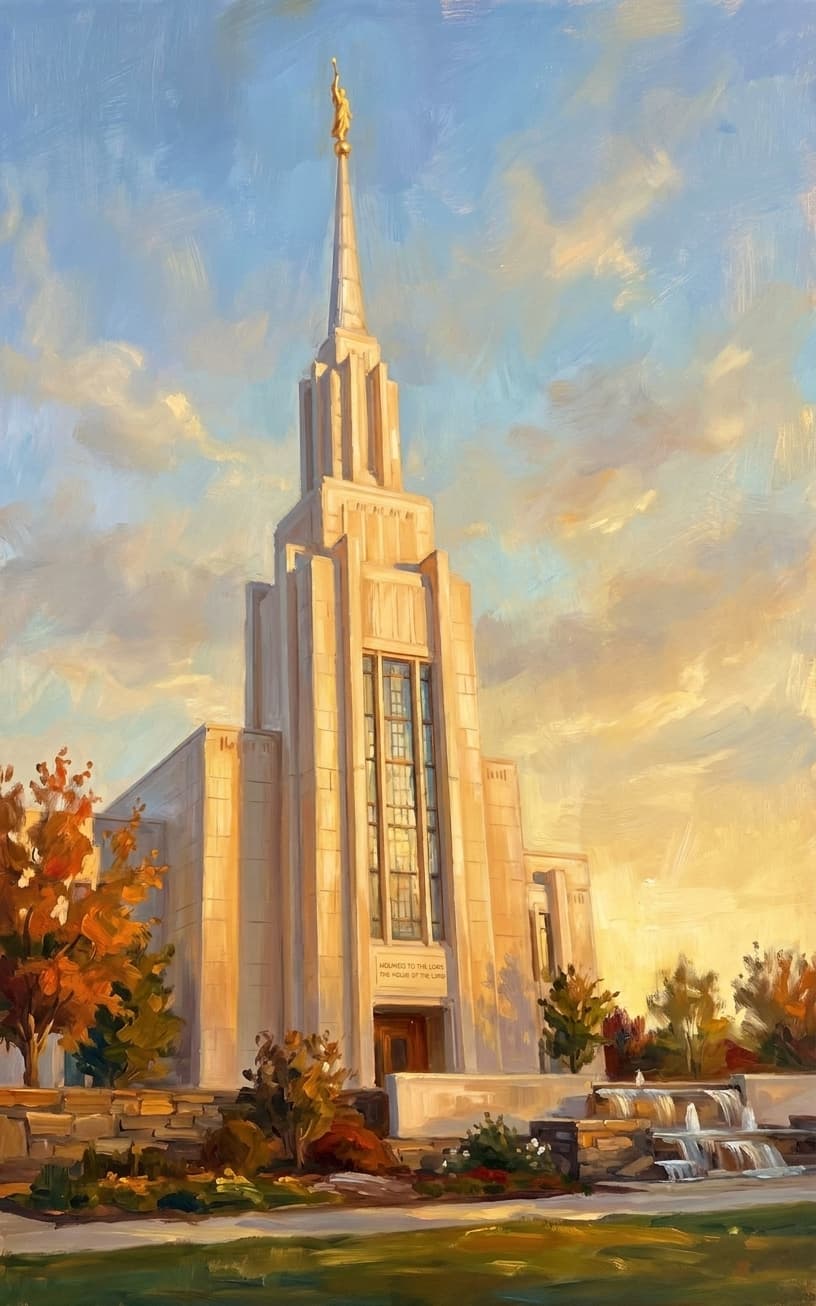
Visitors to the Twin Falls Idaho Temple can enjoy peaceful strolls across 9.1 acres of landscaped grounds featuring twin cascading fountains, tree-lined walkways, and vibrant seasonal flower beds. The site offers tranquil views of the surrounding Snake River Plain, and the exterior quartz-embedded concrete panels sparkle brightly under the Idaho sun.
Highlights
- Twin cascading exterior water fountains echoing Shoshone Falls
- Lush floral displays, specimen trees, and reflecting walkways
- Panoramic views near the Snake River Canyon rim
- Striking view of the 152-foot single end spire topped by Angel Moroni
Things to Know
- Public access is limited to the exterior grounds and adjacent meetinghouse
- Interior entry requires an active temple recommend for Church members
- Photography is welcome across the manicured outdoor gardens
Location
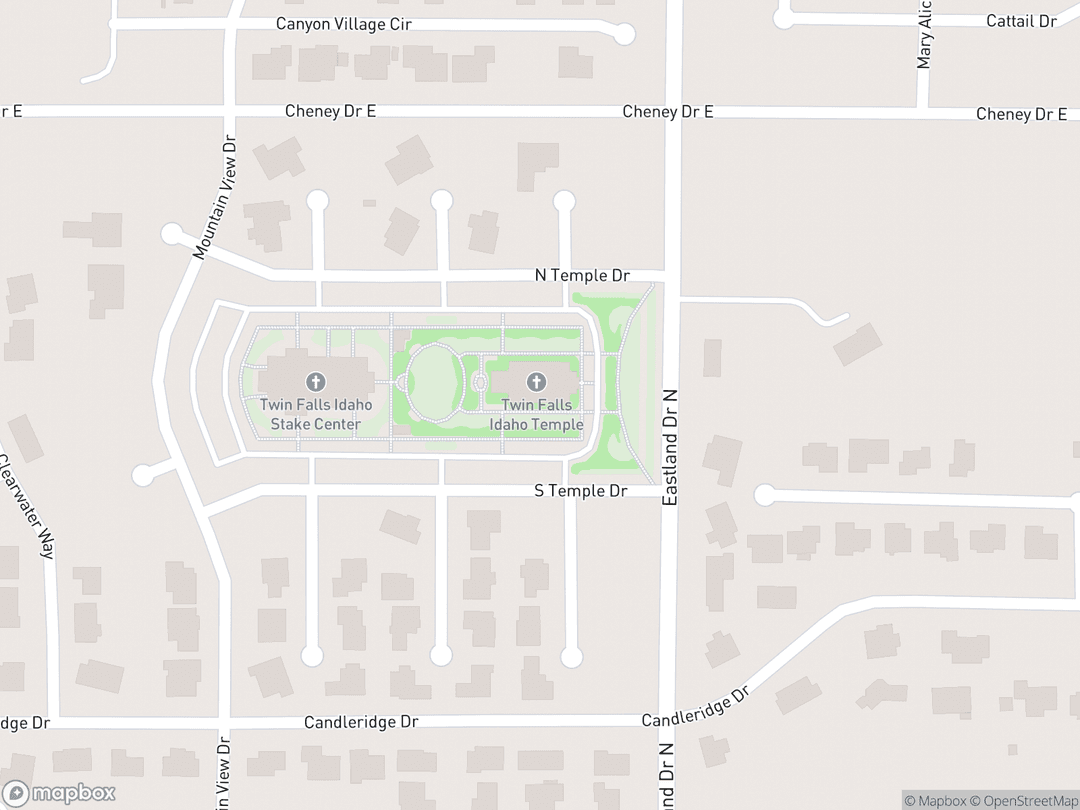
1405 Eastland Drive North, Twin Falls, Idaho 83301, United States
Hours: Grounds open daily from sunrise to sunset. Ordinance schedules vary Tuesday through Saturday.
Getting There: Located in northeast Twin Falls on Eastland Drive North, less than two miles from the Perrine Bridge on U.S. Route 93 with ample on-site parking.
Get DirectionsTips for Your Visit
Best Time for Photography
Visit at early morning sunrise to catch the morning light sparkling against the aggregate quartz facade.
Grounds Etiquette
Maintain a reverent tone while exploring the flower gardens and fountain areas.
About
The Twin Falls Idaho Temple stands as a sacred beacon across the high-desert landscape of the Snake River Plain. Rooted in the Christian theological tradition of sacred sanctuaries set apart for God, the edifice represents a physical space dedicated to divine worship, prayer, and covenant making centered on Jesus Christ as the Redeemer.
Announced in October 2004 by Church President Gordon B. Hinckley, the temple was constructed to meet the spiritual needs of nearly 50,000 Latter-day Saints in southern Idaho and northern Nevada. Built on the grounds of a former nine-hole golf course near the historic Snake River Canyon, the building pays architectural homage to nearby natural landmarks like Shoshone Falls and incorporates stylized motifs of Idaho's native flora into its stained-glass windows.
Dedicated on August 24, 2008, by President Thomas S. Monson, the temple serves as the 128th operating temple worldwide and the fourth dedicated in Idaho. Within its sacred halls, Latter-day Saints participate in essential ordinances such as eternal family sealings and proxy baptisms, extending the saving grace of Christ across generations.
Gallery
Symbolic Elements
The temple's exterior features intricate carvings, each rich with spiritual meaning:

Cascading Entrance Waterfalls
Twin cascading water features flank the entrance doors, symbolizing spiritual rebirth and Christ as 'Living Water'.

Syringa Flower Art Glass
The 200 windowpanes depict Idaho's state flower, symbolizing beauty, purity, and the sanctification of earthly creations.

Baptismal Font Oxen
Twelve fiberglass oxen support the baptismal font, mirroring King Solomon's temple and representing the twelve tribes of Israel.

Angel Moroni Statue
The gold-leaf statue atop the spire holds a trumpet, representing the modern restoration and preaching of the everlasting gospel.

Precast Quartz Facade
Aggregate quartz rock embedded in exterior concrete paneling sparkles in natural light, reflecting divine glory.

Snake River Canyon Murals
Hand-painted murals feature local landscapes and wildlife, affirming that nature testifies of the supreme Creator.

Holiness to the Lord Inscription
Engraved exterior lettering denotes the edifice as a sanctuary consecrated strictly unto God.
Interesting Facts
The temple was constructed on land previously occupied by the Candleridge Golf Course. (Tier A)
Fourteen regional stake presidents co-signed a single petition in 1996 requesting the temple. (Tier A)
The exterior facade features 282 precast concrete panels embedded with Washington state quartz. (Tier B)
Over 12,000 hand-cut glass pieces compose the 200 art-glass windowpanes designed by Tom Holdman. (Tier B)
The structure's 152-foot spire made it the highest architectural point in Twin Falls upon completion. (Tier B)
Hand-painted interior murals by Idaho artist Leon Parson depict photorealistic scenes of Shoshone Falls. (Tier A)
Dual cascading fountains at the entrance commemorate both the city's name and nearby Snake River waterfalls. (Tier A)
Nearly 160,000 visitors attended the 2008 public open house, with an estimated 40 percent non-LDS community members. (Tier A)
Common Questions
Can non-members visit the Twin Falls Idaho Temple?
Yes, visitors of all faiths are welcome to walk the peaceful grounds, view the waterfalls, and visit the adjacent meetinghouse.
Why are waterfalls featured in the temple design?
The water features pay tribute to nearby Shoshone Falls and symbolize spiritual rebirth and Christ as 'Living Water'.
What is the height of the temple?
The temple spire reaches an architectural height of 152 feet and 10 inches to the top of the Angel Moroni statue.
What flower is depicted in the stained-glass windows?
The windows incorporate stylized art glass depicting the Syringa, Idaho's official state flower.
Featured Stories
The United Petition of 1996
1996
In 1996, facing long travel times to temples in Boise or Idaho Falls, all fourteen stake presidents across Idaho's Magic Valley took the rare step of co-signing a single petition to President Gordon B. Hinckley. Their humble request for a local temple demonstrated extraordinary regional unity and paved the way for the sanctuary's eventual announcement eight years later.
Source: Deseret News Archives
Transforming the Fairway
2004–2006
When the Church purchased the failing Candleridge Golf Course, local leaders worked closely with nearby homeowners to address neighborhood traffic concerns. The city transformed 9.1 acres of golf fairway into sacred ground while surrounding parcels became peaceful residential streets named after local pioneer heritage.
Source: The Times-News
A Welcoming Community Open House
July 2008
During the 36-day public open house in 2008, nearly 160,000 visitors toured the newly completed temple interior. The event fostered immense goodwill, drawing praise from local civic leaders and an editorial in the local newspaper praising the temple as a blessing for the entire community.
Source: Church Newsroom
Timeline
Stake Presidents Petition
Fourteen Magic Valley stake presidents co-sign a letter requesting a local temple.
EventSite Selection
President Gordon B. Hinckley inspects candidate properties and selects the golf course site.
EventOfficial Announcement
President Hinckley announces the temple during General Conference.
MilestoneGroundbreaking Ceremony
Elder Neil L. Andersen presides over the site groundbreaking.
component.timeline.groundbreakingAngel Moroni Installed
The gold-leaf statue is raised atop the 144-foot spire structure.
MilestonePublic Open House Begins
A 36-day public open house welcomes nearly 160,000 community visitors.
EventYouth Cultural Celebration
Thousands of youth perform 'Living Water' at the Twin Falls County Fairgrounds.
EventTemple Dedication
President Thomas S. Monson dedicates the temple in four sessions.
DedicationHistory by Decade
1990s — Regional Growth and Faithful Petition
Rapid growth among Latter-day Saint congregations in southern Idaho created heavy travel demands on local members commuting over 120 miles to Boise or Idaho Falls. In 1996, fourteen regional stake presidents drafted a historic joint petition requesting a temple in Twin Falls.
2000s — Announcement, Design, and Dedication
President Gordon B. Hinckley selected the Candleridge Golf Course property in June 2004 and announced the temple that October. Designed by MHTN Architects with water and Syringa floral motifs, the temple was built between 2006 and 2008 and dedicated by President Thomas S. Monson on August 24, 2008.
2010s–Present — Faithful Sacred Service
Since its dedication, the Twin Falls Idaho Temple has continuously served approximately 50,000 Latter-day Saints across southern Idaho and northern Nevada. Regular maintenance preserves its hand-painted murals, art-glass windows, and manicured floral grounds.
Architecture & Facilities
The Twin Falls Idaho Temple exemplifies modern neoclassical sacred architecture tailored to the high-desert landscape of southern Idaho. Designed by MHTN Architects, the clean rectangular massing is accented by vertical relief channels echoing cascading water and an asymmetrical single end spire rising 152 feet. Clad in aggregate quartz concrete, the exterior radiates brilliant sunlight while linking natural geographic motifs directly to sacred space.
Building Materials
Quartz Concrete Facade
Precast concrete panels embedded with crushed Washington aggregate quartz.
Interior Millwork
Highly polished dark Sapele wood imported from Africa.
Art Glass Windows
Over 12,000 pieces of hand-cut glass depicting native Syringa blossoms.
Flooring Stone
High-grade granite imported from India and natural Montana stone.
Interior Features
Instruction Rooms
Features custom murals by Idaho artist Leon Parson depicting Shoshone Falls.
Celestial Room
A tranquil sanctuary accented with crystal chandeliers and gold leaf.
Sealing Rooms
Intimate rooms with custom mirrors for eternal marriage ordinances.
Baptistery
Sunken tiled basin resting atop twelve gold-leafed fiberglass oxen.
Temple Grounds
The 9.1-acre grounds include twin cascading entrance fountains, tree-lined boulevards, and extensive flower gardens overlooking the Snake River Plain.
Additional Facilities
An operating Latter-day Saint meetinghouse is located on the adjacent property directly west of the temple.
Religious Significance
Within the broader Abrahamic and Christian traditions, a temple serves as a holy sanctuary dedicated exclusively to God—a sacred intersection between heaven and earth. The Twin Falls Idaho Temple builds upon this revered foundation as a consecrated House of the Lord centered on Jesus Christ.
To provide a dedicated holy space where Latter-day Saints receive priesthood ordinances, make sacred covenants, and unite families eternally.
Sacred Ordinances
Baptism for the Dead
Vicarious baptisms performed on behalf of deceased ancestors, extending Christ's redemptive grace.
Endowment
Sacred instruction regarding God's plan of salvation and covenants of faithfulness.
Sealing Ordinance
Priesthood solemnization binding husbands, wives, and children eternally.
Living Water Symbolism
The architectural integration of cascading water throughout the temple design reinforces the Christian truth of Jesus Christ as the source of Living Water, offering eternal life to all who enter into His covenants.
Similar Temples
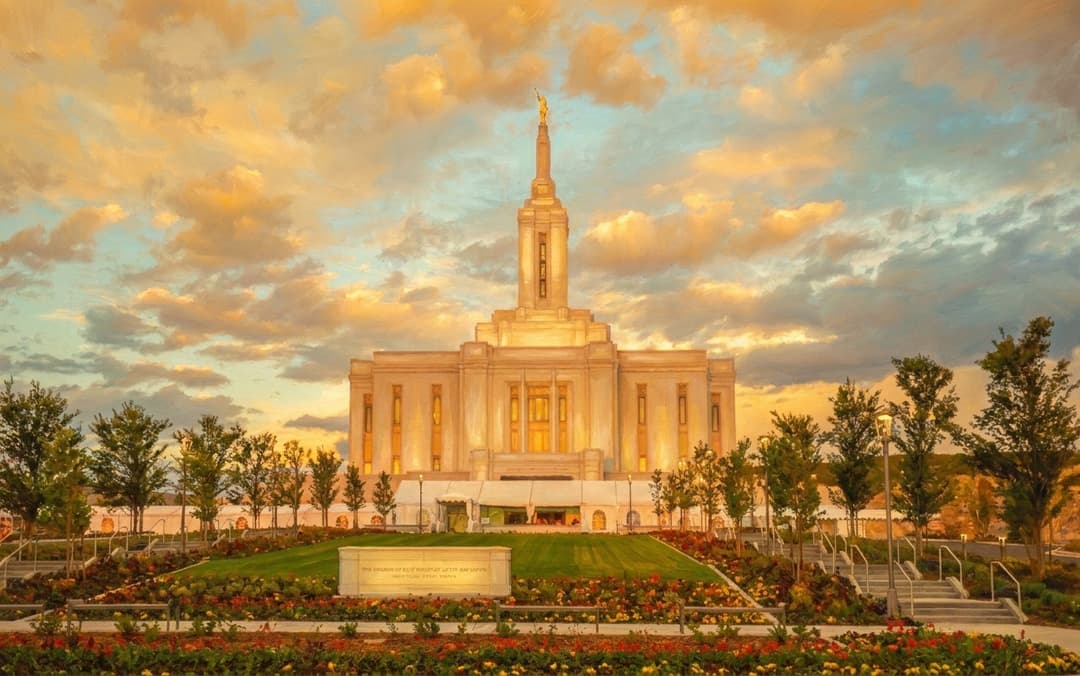
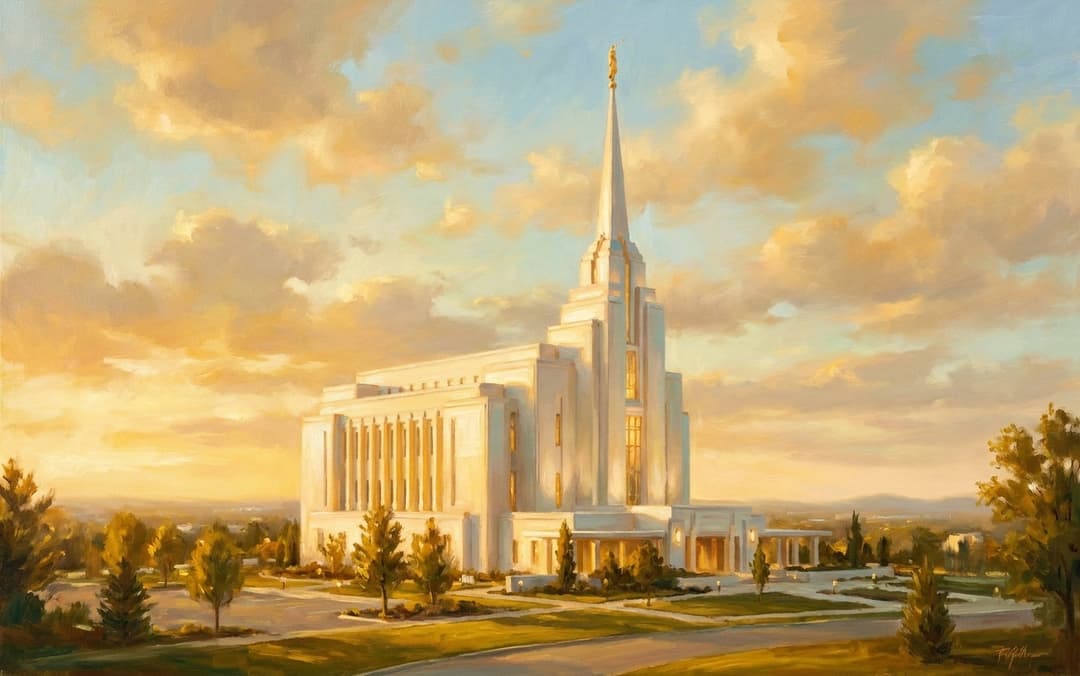
Sources & Research
Every fact on Temples.org is backed by verified Sources & Research. Each piece of information is rated by source tier and confidence level.
View All Sources (6)
| Field | Source | Tier | Retrieved |
|---|---|---|---|
| About & Historical Background | The Church of Jesus Christ of Latter-day Saints (opens in a new tab) | A | 2026-01-30 |
| Timeline & Featured Stories | The Church of Jesus Christ of Latter-day Saints (opens in a new tab) | A | 2026-01-30 |
| Architecture & Design | The Church of Jesus Christ of Latter-day Saints (opens in a new tab) | A | 2026-01-30 |
| Symbolic Elements | Church Magazines (opens in a new tab) | A | 2026-01-30 |
| Visitor Information | ChurchofJesusChristTemples.org (opens in a new tab) | C | 2026-01-30 |
| Architectural Specifications | MHTN Architects (opens in a new tab) | B | 2026-01-30 |