Visitor Insights
Visiting Detroit Michigan Temple
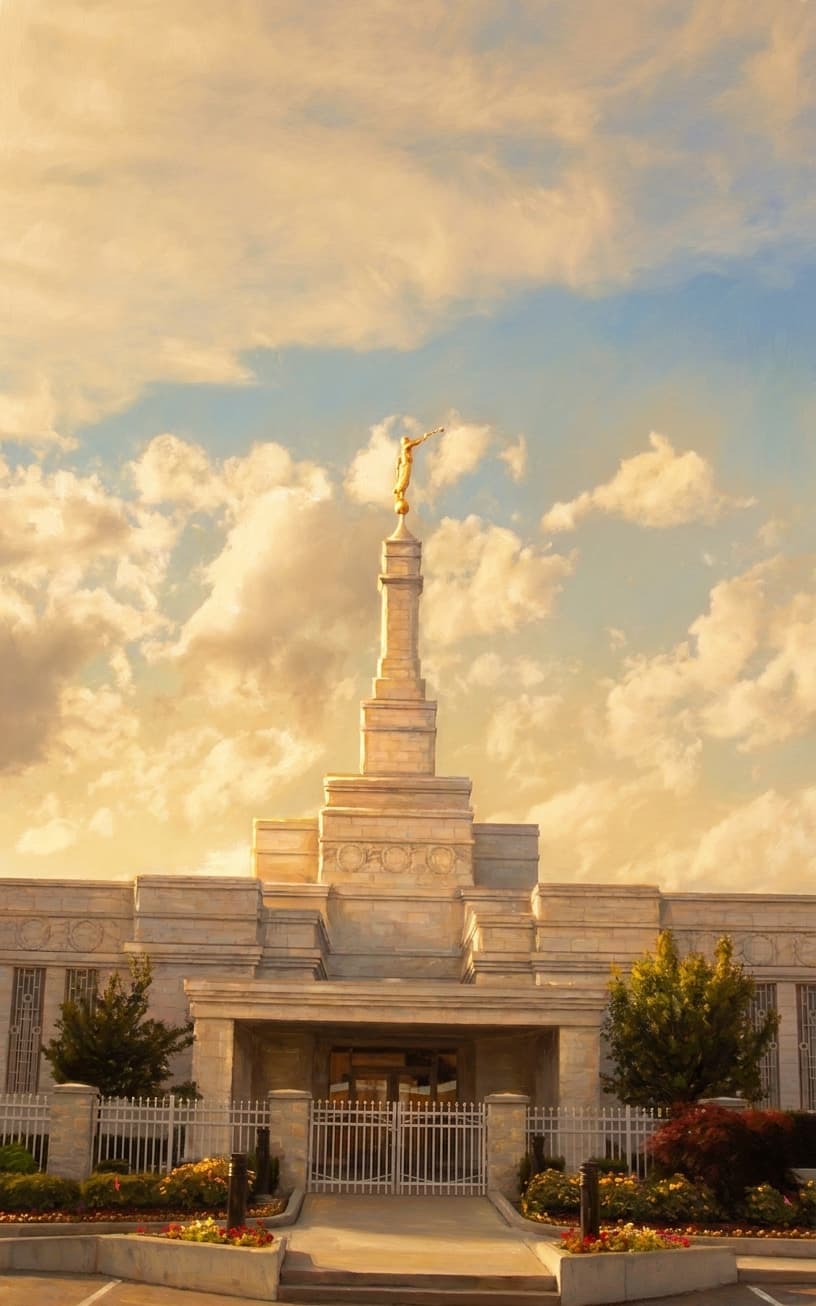
The Detroit Michigan Temple offers a serene and reverent experience for visitors to its beautifully maintained grounds. While the interior is reserved for members, the exterior provides a peaceful sanctuary for contemplation.
Highlights
- Enjoy the tranquil gardens and manicured lawns.
- Observe the distinctive Classic Modern architecture.
- Experience a sense of peace amidst a bustling suburban setting.
Things to Know
- The interior is not open to the public for tours.
- No visitors' center or patron housing is available on-site.
Location
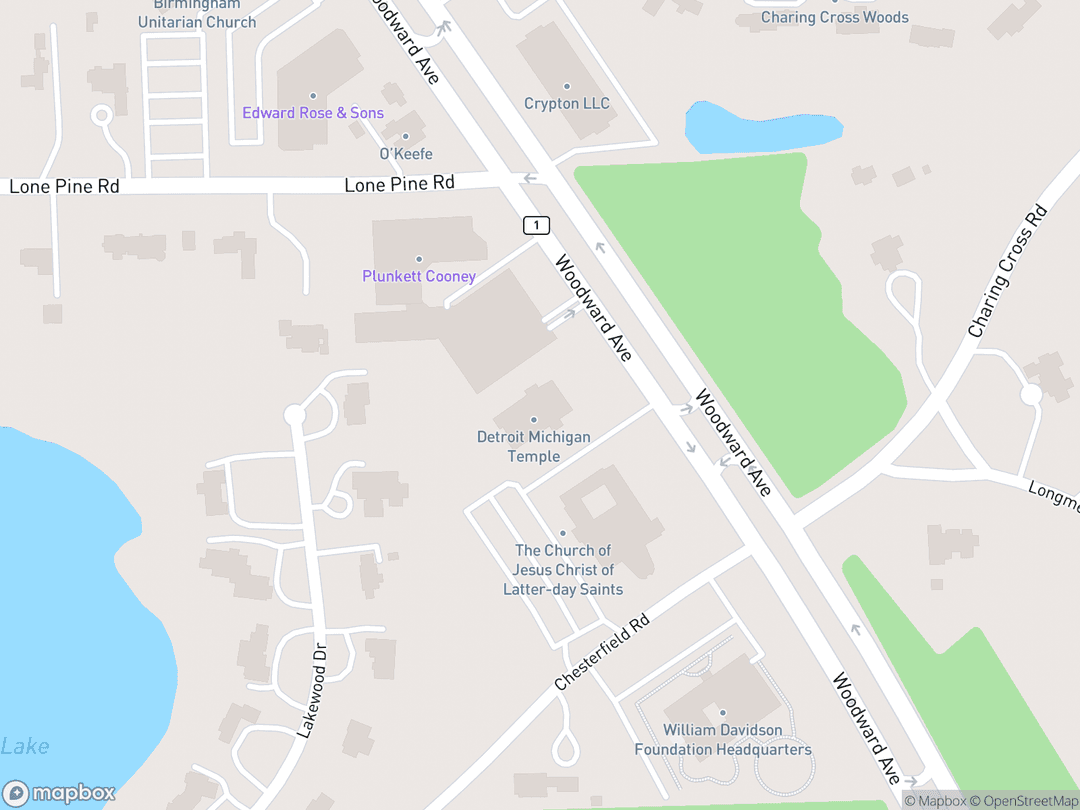
37425 Woodward Ave, Bloomfield Hills, Michigan 48304, United States
Hours: Grounds are open daily from dawn to dusk.
Getting There: Located directly on Woodward Avenue (M-1) in Bloomfield Hills, approximately 20 miles north of downtown Detroit, with ample shared parking.
Get DirectionsAbout
The Detroit Michigan Temple stands as a significant spiritual landmark for members of The Church of Jesus Christ of Latter-day Saints in the Great Lakes region. As the 63rd operating temple of the Church and the first to be constructed in Michigan, this sacred edifice represents a physical manifestation of the restoration of ancient temple worship within the modern era.
Belonging to the Latter-day Saint tradition—a restorationist Christian movement within the broader Abrahamic theological heritage—the temple is understood by its patrons not merely as a house of assembly, but as a literal "House of the Lord." It serves as a sacred bridge between heaven and earth, where believers make formal covenants with God and participate in ordinances aimed at eternal progression.
Gallery
Symbolic Elements
The temple's exterior features intricate carvings, each rich with spiritual meaning:

Single Spire
The upward reach of the single spire represents the soul's aspiration to rise toward God.

Angel Moroni
The gold-leafed statue of the angel Moroni symbolizes the restoration of the gospel of Jesus Christ to the earth.

Imperial Danby White Marble
The brilliant white marble exterior symbolizes purity, holiness, and the clean garments of those who enter the presence of the Lord.

Twelve Oxen in Baptistry
The baptismal font rests upon twelve sculpted oxen, representing the twelve tribes of Israel and symbolizing strength and sacrifice.

Progressive Instruction Rooms
The physical movement of patrons through instruction rooms serves as a spatial metaphor for the Christian journey of spiritual progression.

Facing Mirrors in Sealing Rooms
Mirrors on opposite walls reflect endlessly, symbolizing the eternal nature of the family unit and the infinite reach of covenants.

Celestial Room
This beautifully appointed space represents the peace and glory of the celestial kingdom, symbolizing the presence of God.
Interesting Facts
The temple stands on Woodward Avenue, a major thoroughfare originally surveyed and built by Colonel Stephen Mack, uncle of the Prophet Joseph Smith.
Stake President George Romney (future Governor of Michigan) strongly resisted selling unused land in 1956, insisting it be kept for a future sacred purpose.
The groundbreaking on October 10, 1998, was the first time in Latter-day Saint history that two temple groundbreakings occurred on the same day (with Spokane Washington).
The Imperial Danby White marble cladding the exterior was quarried in Vermont, near the birthplace of the Prophet Joseph Smith.
Despite freezing rain on dedication day, local Stake President Thomas C. Bithell remarked, 'There's lots of sunshine inside.'
Before the temple, local members faced border-crossing delays and 3-4 hour drives to the Toronto Ontario Temple in Canada.
The temple is one of 43 worldwide built using the efficient 10,700-square-foot standardized design, bringing blessings closer to smaller congregations.
During its first month, local members performed over 10,000 ordinances, with patrons frequently volunteering for daily operations.
The temple shares its 6.34-acre site and parking facilities with an adjacent stake center, maximizing land utility and minimizing costs.
Common Questions
Is the Detroit Michigan Temple open to the public?
The temple interior is reserved for members of The Church of Jesus Christ of Latter-day Saints, but the grounds are open to all visitors.
What is the purpose of a Latter-day Saint temple?
Temples are sacred places where members make covenants with God and participate in ordinances for eternal progression and family unity.
What is the significance of the angel Moroni statue?
The angel Moroni symbolizes the restoration of the gospel of Jesus Christ to the earth in the latter days, as prophesied in the Bible.
Are there any visitor services or a visitors' center on site?
There is no visitors' center, patron housing, or distribution center directly on the temple grounds.
Featured Stories
George Romney's Vision for Sacred Land
1956
In 1956, when the Church purchased an eight-acre lot on Woodward Avenue, some leaders suggested selling the unused portion. However, Stake President George Romney, a future Governor of Michigan, strongly resisted these proposals, expressing a profound spiritual conviction that the land must be preserved for a future, sacred purpose, a vision that was ultimately realized with the temple's construction.
Source: fheontheroad.com
A Double Groundbreaking Coincidence
October 10, 1998
The groundbreaking for the Detroit Michigan Temple on October 10, 1998, occurred on the exact same day as the groundbreaking for the Spokane Washington Temple. This unprecedented historical coincidence marked the first time in Church history that two temple groundbreakings were held concurrently, highlighting a period of rapid temple expansion.
Source: churchofjesuschristtemples.org
Warmth Amidst Freezing Rain
October 23, 1999
On the dedication day, a sudden cold front brought freezing rain to Bloomfield Hills, creating challenging weather conditions for attendees. Despite the frigid temperatures, Bloomfield Hills Stake President Thomas C. Bithell noted, 'For the members, it's a warm day... There's lots of sunshine inside,' reflecting the spiritual warmth and joy felt by members.
Source: thechurchnews.com
Timeline
Early Missionary Work in Michigan
The first Latter-day Saint missionaries, including Hyrum Smith, arrive in Michigan, and Lucy Mack Smith visits her brother, Colonel Stephen Mack, in Pontiac.
EventJoseph Smith Visits Detroit Area
The Prophet Joseph Smith, accompanied by his father and brother Hyrum, visits the Detroit area, likely traveling on the future Woodward Avenue.
EventLand Purchased for Future Purpose
The Church purchases an eight-acre lot on Woodward Avenue, with Stake President George Romney advocating to preserve unused acreage for a future sacred purpose.
EventTemple Announcement
President Gordon B. Hinckley officially announces plans to construct a temple in Detroit, bringing joy to local members.
MilestoneGroundbreaking Ceremony
Elder Jay E. Jensen breaks ground for the temple, marking the first time two temple groundbreakings occurred concurrently in Church history.
component.timeline.groundbreakingPublic Open House Begins
A public open house commences, allowing approximately 30,000 visitors to tour the temple's interior before its dedication.
EventTemple Dedication
President Gordon B. Hinckley dedicates the Detroit Michigan Temple in six sessions, despite freezing rain outside.
DedicationHigh Initial Demand
Local Saints perform over 10,000 ordinances in the temple's first month of operation, demonstrating strong regional demand.
EventSecond Michigan Temple Announced
Church President Russell M. Nelson announces a second temple for Michigan, to be built in Grand Rapids, cementing Detroit's pioneering legacy.
MilestoneHistory by Decade
1830s — Early Missionary Efforts
The 1830s saw the first Latter-day Saint missionaries, including Hyrum Smith, arrive in Michigan. The Prophet Joseph Smith, accompanied by his father and brother, also visited the Detroit area, likely traveling along the historic road that would become Woodward Avenue, the future site of the temple.
1950s — Preserving Sacred Ground
In 1956, the Church acquired an eight-acre parcel on Woodward Avenue for a stake center. Stake President George Romney, with a profound spiritual conviction, successfully advocated against selling the remaining acreage, believing it was destined for a future sacred purpose.
1990s — Announcement and Dedication
The Detroit Michigan Temple was announced in August 1998, bringing immense joy to local members. Ground was broken in October 1998, and after a public open house, President Gordon B. Hinckley dedicated the temple in October 1999, marking a significant milestone for the region.
2000s–Present — Sustained Growth and Expansion
The temple experienced exceptionally high initial demand, with members actively volunteering for operations. In October 2022, the announcement of a second Michigan temple in Grand Rapids further solidified the Detroit temple's legacy as a pioneering house of the Lord in the Great Lakes State.
Architecture & Facilities
The Detroit Michigan Temple features a Classic Modern, single-spire design, belonging to a highly successful standardized temple template developed by The Church of Jesus Christ of Latter-day Saints in the late 1990s. This design was conceived to bring temple blessings closer to smaller, far-flung congregations, maximizing spiritual utility while maintaining an elegant, understated aesthetic that integrates seamlessly into suburban landscapes.
Building Materials
Exterior Cladding
The exterior is finished with Imperial Danby White marble, quarried in Vermont, near the birthplace of the Prophet Joseph Smith.
Spire
The spire is topped with a gold-leafed statue of the angel Moroni, a signature feature of Latter-day Saint temple architecture.
Interior Finishes
Light-colored furnishings, exquisite chandeliers, and mirrors contribute to a serene and reflective interior atmosphere.
Baptistry Font
The baptismal font rests on the backs of twelve life-sized sculpted oxen, crafted with detailed artistry.
Interior Features
Instruction Rooms
Two instruction rooms are configured for a 'two-stage progressive' presentation of the endowment, symbolizing spiritual progression.
Sealing Rooms
Two sealing rooms are present, where marriages are solemnized for eternity, characterized by central altars and facing mirrors.
Baptistry
A single baptistry is located on the lower level, featuring a baptismal font resting on twelve sculpted oxen.
Celestial Room
Located at the heart of the temple, this quiet, beautifully appointed space represents the peace and glory of the celestial kingdom.
Temple Grounds
The temple is situated on a beautifully landscaped 6.34-acre site, set back from the busy Woodward Avenue behind a generous, grass-covered buffer zone, adorned with manicured lawns, vibrant seasonal flower beds, and mature ornamental trees.
Additional Facilities
The temple shares its site and parking facilities with an adjacent local stake center, which provides additional meeting and recreational spaces for the community.
Religious Significance
As a sacred edifice within the Latter-day Saint tradition, the Detroit Michigan Temple serves as a 'House of the Lord,' a place where members of The Church of Jesus Christ of Latter-day Saints engage in sacred ordinances and make covenants with God. This practice reflects an ancient Abrahamic tradition of seeking divine presence in consecrated spaces, continuing the pattern of temple worship found in biblical accounts.
The core spiritual purpose of the temple is to provide a dedicated space for members to participate in sacred ordinances that are essential for eternal progression and the strengthening of family bonds for eternity.
Sacred Ordinances
Baptism for the Dead
Members perform proxy baptisms on behalf of deceased ancestors, offering them the opportunity to accept these saving ordinances.
Endowment
The endowment is a series of instructions and covenants that provide spiritual power, knowledge, and blessings to participants.
Sealing
Families are sealed together for time and all eternity, uniting spouses and children in an everlasting covenant relationship.
Covenant Path
The temple experience guides individuals along a covenant path, a series of commitments made with God that lead to greater spiritual understanding and blessings.
Eternal Families
A central doctrine taught and practiced in the temple is the eternal nature of the family, where relationships can extend beyond mortal life through sacred sealing ordinances.
Divine Authority
Temple ordinances are performed under the authority of the Melchizedek Priesthood, believed to be the same divine authority held by ancient prophets and apostles.
Similar Temples
Sources & Research
Every fact on Temples.org is backed by verified Sources & Research. Each piece of information is rated by source tier and confidence level.
View All Sources (6)
| Field | Source | Tier | Retrieved |
|---|---|---|---|
| About & Historical Background | The Church of Jesus Christ of Latter-day Saints (opens in a new tab) | A | 2024-07-30 |
| Architectural Description | churchofjesuschristtemples.org (opens in a new tab) | C | 2024-07-30 |
| Historical Timeline - Early Seeds | photogent.com (opens in a new tab) | B | 2024-07-30 |
| Historical Timeline - Preserving Land | fheontheroad.com (opens in a new tab) | B | 2024-07-30 |
| Dedication & Events | The Church News (opens in a new tab) | B | 2024-07-30 |
| Visitor Information | LDS Living (opens in a new tab) | B | 2024-07-30 |