Visitor Insights
Visiting Cleveland Ohio Temple
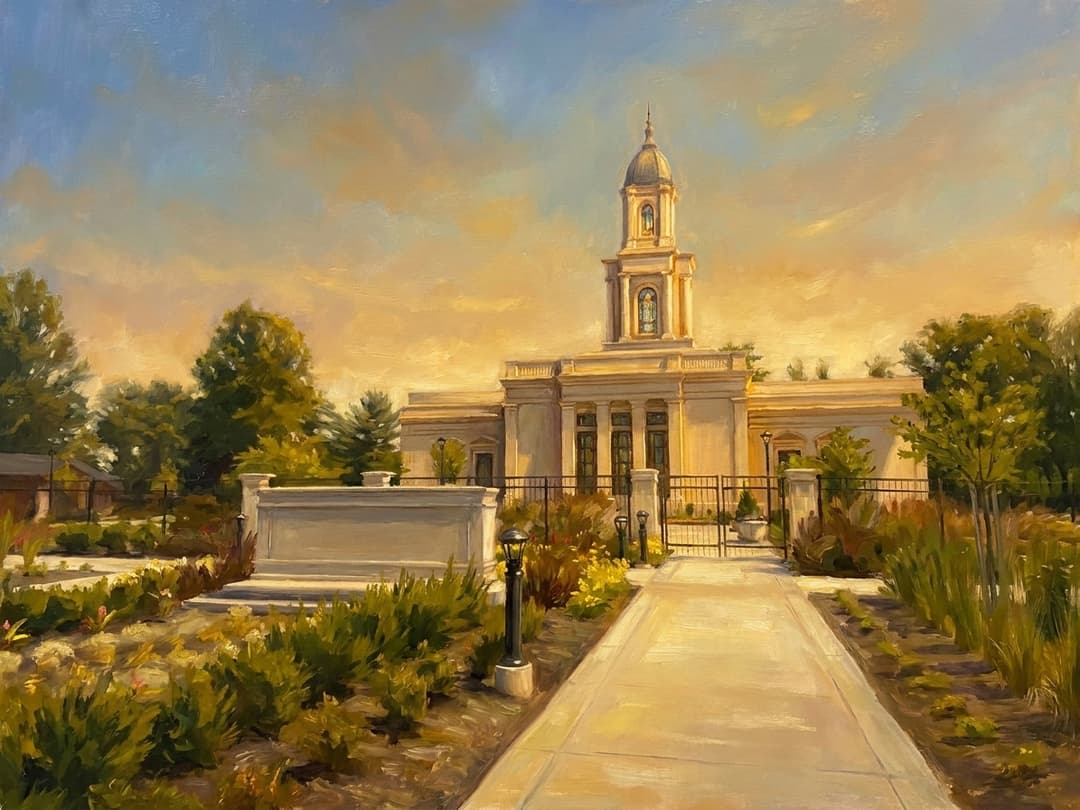
The Cleveland Ohio Temple sits within a peaceful 11-acre landscaped campus in suburban Independence. While interior sacred spaces are reserved for church members holding current temple recommends, the beautifully manicured exterior grounds and walking paths are open daily to the public.
Highlights
- Reflective walking paths bordered by flowering dogwoods and native plantings.
- Striking 100-foot central spire visible along the Brecksville Road corridor.
- Intricate exterior art glass featuring regional white trillium motifs.
Things to Know
- The interior is accessible exclusively to church members holding active temple recommends.
- Patrons should arrange ordinance appointments online in advance of arrival.
- No patron housing or cafeteria facilities are located on the premises.
Location
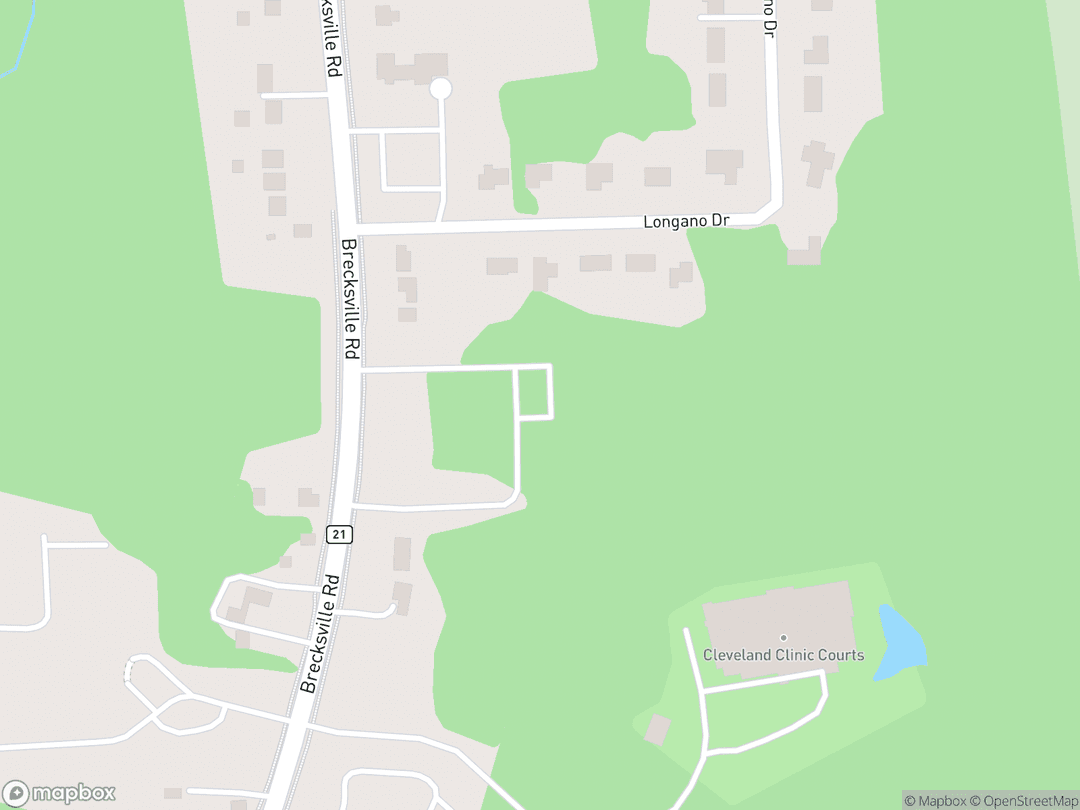
5997 Brecksville Road, Independence, Ohio 44131, United States
Hours: Patron appointments Tuesday through Saturday; landscaped grounds open daily during daylight hours
Getting There: Accessible from Interstate 77 (Exit 155 for Rockside Road) via State Route 21 (Brecksville Road) in Independence.
Get DirectionsTips for Your Visit
Photography Guidelines
Respectful exterior photography of the architecture and gardens is welcomed during daylight hours.
Patron Attire
Patrons should arrive in formal Sunday attire before changing into ceremonial white clothing inside.
Local Accommodations
Numerous hotels and restaurants are situated three minutes away along Rockside Road.
About
The Cleveland Ohio Temple stands in Independence, Ohio, as a modern manifestation of ancient Abrahamic worship. In continuity with the biblical tabernacle of Moses and Solomon's Temple, Latter-day Saints revere temples not as regular chapels for Sunday congregational services, but as consecrated sanctuaries where disciples make sacred covenants with God.
This sacred edifice marks a historic return to northeastern Ohio, situated twenty miles southwest of Kirtland, where early Latter-day Saints built their first temple in 1836. Following nearly two centuries without an operating temple in the region, the structure provides local members with a dedicated house of prayer, revelation, and eternal family ordinances.
Architecturally, the building blends contemporary Classical Revival lines with local heritage motifs, including native white trillium flowers and geometric patterns inspired by iconic Cleveland landmarks. Dedicated on August 16, 2026, by Elder David A. Bednar, the temple serves thousands of faithful members across northeastern Ohio.
Gallery
Symbolic Elements
The temple's exterior features intricate carvings, each rich with spiritual meaning:

Central Tower and Spire
Ascending 100 feet, the single spire symbolizes human aspiration reaching upward to commune with God.

White Trillium Wildflower
The three-petaled state wildflower represents spiritual rebirth and echoes the three members of the Godhead.

Terminal Tower Diamond Patterns
Geometric art glass patterns adapt local civic architecture to symbolize celestial order and refined light.

Oxen-Supported Baptismal Font
Twelve cast oxen recall the molten sea in Solomon's Temple and symbolize the gathering of Israel.

Celestial Room
The serene white and cream interior symbolizes peace and divine presence in the celestial kingdom.

Classical Pilasters and Pediments
Neoclassical exterior framing echoes biblical porticoes and imparts dignity to sacred thresholds.

Azul Macaubas Marble Accents
Blue-veined stone elements symbolize water, purification, and the calm depths of spiritual covenants.
Interesting Facts
It was announced as President Russell M. Nelson's 100th temple announcement since becoming Church President in 2018 (Tier A).
The temple stands just twenty miles from the historic Kirtland Temple, bridging nearly two centuries of church history (Tier A).
Interior art glass reflects the soft blue, teal, and coral palette of sunrise over Lake Erie (Tier B).
Decorative plaster moldings replicate classical profiles found inside the Cuyahoga County Courthouse and Cleveland City Hall (Tier B).
Ohio's state wildflower, the white trillium, is integrated into carpets, etched glass, and woodwork throughout the temple (Tier A).
The baptismal font rests on twelve sculpted oxen, symbolizing the ancient twelve tribes of Israel (Tier A).
Architects incorporated geometric ceiling motifs borrowed directly from Cleveland's iconic Terminal Tower (Tier B).
It was dedicated on August 16, 2026, the exact same day as the Belo Horizonte Brazil Temple (Tier A).
Common Questions
Can non-members enter the Cleveland Ohio Temple?
Following the public open house and dedication, only recommend-holding Latter-day Saints may enter the interior.
Are the temple grounds open to the community?
Yes, visitors of all backgrounds are welcome to enjoy the 11-acre gardens and pathways during daylight.
How does this temple relate to the historic Kirtland Temple?
The Kirtland Temple is an 1836 historic landmark, whereas the Cleveland temple operates active modern ordinances.
What is the purpose of the baptismal font inside the temple?
It is dedicated solely to vicarious baptisms performed by living proxies on behalf of deceased ancestors.
Featured Stories
A Sacred Return to Northeastern Ohio
August 16, 2026
When the Kirtland Temple was dedicated in 1836, early members rejoiced before persecution forced their departure westward. The dedication of the Cleveland Ohio Temple marked the historic restoration of operating temple ceremonies to northeastern Ohio after 188 years. Local families wept with gratitude as Elder David A. Bednar pronounced the dedicatory prayer in Independence.
Source: Church News Dedicatory Coverage
The Centennial Announcement
April 3, 2022
During the Sunday afternoon session of the 192nd Annual General Conference, President Russell M. Nelson unveiled plans for seventeen new temples. The announcement of the Cleveland Ohio Temple served as a profound personal milestone, representing the 100th temple announced under his prophetic leadership. Saints gathered across northeastern Ohio greeted the news with astonished celebration.
Source: General Conference Address
Crafting Sacred Geometry from Civic Heritage
June 1, 2024
Church architects sought to root the sacred structure deeply within the visual fabric of Greater Cleveland. Designers visited the Terminal Tower, the Cleveland Public Library, and the Cuyahoga County Courthouse to adapt historic neoclassical details into the art glass and plaster. The result seamlessly bridges the civic heritage of the Western Reserve with holy sanctuary design.
Source: Temple Open House Media Guide
Timeline
Dedication of the Kirtland Temple
The first temple of the Restoration is dedicated in nearby Lake County, Ohio.
MilestoneDedication of the Columbus Ohio Temple
Church President Gordon B. Hinckley dedicates Ohio's first modern operating temple.
DedicationTemple Announced
President Russell M. Nelson announces the Cleveland Ohio Temple during General Conference.
MilestoneSite Location Confirmed
The Church confirms the 11.04-acre building site on Brecksville Road in Independence.
MilestoneKirtland Temple Acquired
The Church acquires the historic Kirtland Temple, opening it as a preserved historic site.
MilestoneGroundbreaking Ceremony
Elder Vaiangina Sikahema presides at the official ground-turning ceremony.
component.timeline.groundbreakingMedia Day
Journalists and civic officials tour the newly completed interior rooms.
EventPublic Open House Begins
The public open house commences, welcoming thousands of visitors.
EventPublic Open House Concludes
The public viewing period ends following strong community turnout.
MilestoneTemple Dedication
Elder David A. Bednar dedicates the temple as the 221st operating house of the Lord.
DedicationHistory by Decade
1830s
The Lord has accepted this house, and His name shall be here.
In 1836, Latter-day Saints built the Kirtland Temple in Lake County, serving as the first temple of the Restoration. Financial crisis and violent mob hostility forced the body of the Church to abandon Ohio by 1838. The historic Kirtland building remained behind as an architectural monument rather than an operating temple.
1840s–1960s
Following the westward exodus to the Rocky Mountains, Ohio members lived as scattered congregations without local temple access. Devoted families undertook long-distance cross-country journeys by rail and highway to Salt Lake City, Idaho, or Arizona to solemnize their marriages and receive endowments.
1970s–1990s
Regional access expanded significantly with the dedication of temples in Washington, D.C. (1974) and Toronto, Canada (1990). In September 1999, President Gordon B. Hinckley dedicated the Columbus Ohio Temple, establishing the state's first operating temple in 163 years.
2000s–2010s
Northeastern Ohio experienced steady church growth, with active stakes operating across Cuyahoga, Summit, Lake, and Medina counties. Cleveland-area Saints routinely made the two-hour drive south along Interstate 71 to perform patron service in Columbus.
2020s
This holy house represents a consecrated point of intersection between heaven and earth.
President Russell M. Nelson announced the Cleveland Ohio Temple in April 2022, followed by groundbreaking in June 2024. In August 2026, Elder David A. Bednar formally dedicated the finished building, restoring an active House of the Lord to northeastern Ohio.
Architecture & Facilities
The Cleveland Ohio Temple exemplifies contemporary Classical Revival architecture adapted for sacred worship. Symmetrically proportioned on an east-west axis, the structure balances classical order, refined rusticated base cladding, and clean entablatures beneath a soaring 100-foot central octagonal tower and spire.
Building Materials
Glass-Fiber-Reinforced Concrete Panels
Exterior cladding engineered to emulate fine-grained Indiana limestone while providing exceptional thermal durability.
Spanish Burdur Beige Marble
Honed and polished imported beige marble lines the primary entryway thresholds, corridors, and baptistry floor.
Brazilian Azul Macaubas Quartzite
Striking blue-veined Brazilian stone borders decorative interior walkways and frames the baptismal font surround.
Custom Leaded Art Glass
Insulated art glass panels filter daylight through patterns inspired by regional trilliums and local architecture.
Interior Features
Celestial Room
A serene prayer room adorned with crystal chandeliers, carved moldings, and pure cream furnishings.
Instruction Ordinance Room
A stationary instruction hall featuring tiered seating, floral wool carpeting, and rich mahogany millwork.
Sealing Room
A sacred space featuring facing mirrors and a central altar where eternal marriages are solemnized.
Baptistry Suite
A lower-level font resting upon twelve bronze oxen for proxy baptisms on behalf of ancestors.
Temple Grounds
The 11.04-acre property is landscaped with manicured lawns, circular brick walkways, shaded benches, and beds of native perennial flowering shrubs and ornamental crabapple trees.
Additional Facilities
Ancillary utility building on site houses groundskeeping equipment, facility management machinery, and patron restrooms.
Religious Significance
Within the Abrahamic tradition, the House of the Lord serves as an earthly locus where the divine and mortal meet. Latter-day Saint temples expand this biblical heritage into active, modern covenant-making.
To provide a consecrated sanctuary where members enter into eternal covenants with God and perform sacred vicarious ordinances that unite families across generations.
Sacred Ordinances
Baptism and Confirmation for the Dead
Living proxies are immersed in water to extend Christ's saving gospel ordinances to ancestors who passed away without them.
Initiatory and Temple Endowment
Patrons receive sacred instructions, priestly clothing, and enter solemn covenants of obedience, sacrifice, and chastity.
Eternal Marriage Sealing
Husbands, wives, and children are bound together for eternity under apostolic priesthood authority.
The Ancient Sanctuary Pattern
Like the ancient Tabernacle in the wilderness and Solomon's Temple in Jerusalem, this temple reserves its inner sanctums for sacred rites, reflecting the biblical progression from the outer world into the symbolic presence of God.
Vicarious Redemption for Families
Rooted in the New Testament doctrine taught by the Apostle Paul, temple baptisms ensure that every soul who ever lived receives the opportunity to embrace the grace and atonement of Jesus Christ.
Sources & Research
Every fact on Temples.org is backed by verified Sources & Research. Each piece of information is rated by source tier and confidence level.
View All Sources (8)
| Field | Source | Tier | Retrieved |
|---|---|---|---|
| About & Historical Background | The Church of Jesus Christ of Latter-day Saints (opens in a new tab) | A | 2026-02-18 |
| Announcement & Groundbreaking | Church Newsroom (opens in a new tab) | A | 2026-02-18 |
| Dedication & Milestone Records | Church News (opens in a new tab) | B | 2026-02-18 |
| Historic Kirtland Context | Church History Department (opens in a new tab) | A | 2026-02-18 |
| Timeline & Construction Chronicle | ChurchofJesusChristTemples.org (opens in a new tab) | C | 2026-02-18 |
| Architecture & Structural Details | The Plain Dealer / Cleveland.com (opens in a new tab) | B | 2026-02-18 |
| Visitor Information & Operations | City of Independence Official Portal (opens in a new tab) | B | 2026-02-18 |
| Religious Significance & Ordinances | LDS Living (opens in a new tab) | B | 2026-02-18 |