Visitor Insights
Visiting Draper Utah Temple
The Draper Utah Temple grounds are open to the public, offering a peaceful environment and inspiring views of the valley. The temple interior is reserved for members of The Church of Jesus Christ of Latter-day Saints who hold a current temple recommend.
Highlights
- Enjoy the beautifully landscaped temple grounds.
- Experience a serene atmosphere with panoramic views.
Things to Know
- Interior access is restricted to authorized Church members.
- There is no dedicated visitor center on site.
Location
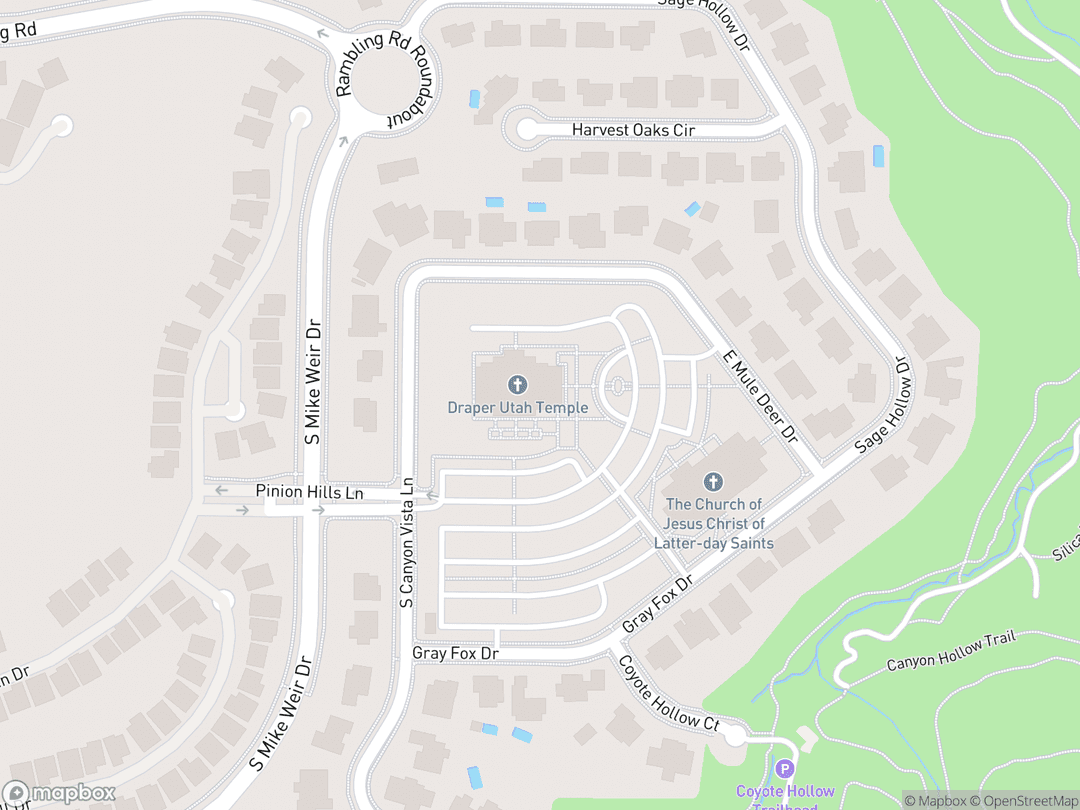
14065 Canyon Vista Lane, Draper, Utah 84020-5626, United States
Hours: Operating hours for members vary; check official Church resources for specific schedules and closure dates.
Getting There: The temple is located at 14065 Canyon Vista Lane, Draper, Utah, easily accessible by car with ample parking available.
Get DirectionsAbout
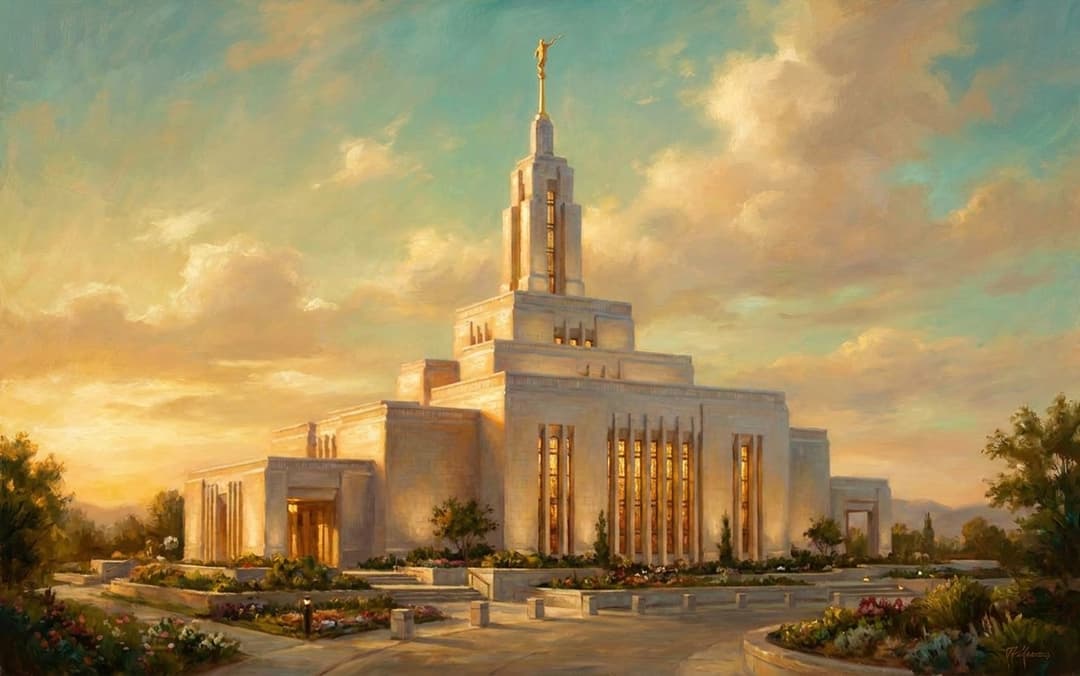
The Draper Utah Temple stands as a beacon of faith on a prominent ridgeline overlooking the Salt Lake Valley. Announced in 2004 by President Gordon B. Hinckley, it was the third temple constructed in the valley, reflecting the rapid growth of The Church of Jesus Christ of Latter-day Saints in the region. Its design harmonizes with the natural landscape, emphasizing verticality and light.
Dedicated by President Thomas S. Monson in 2009, the temple serves thousands of Latter-day Saints, providing a sacred space for worship, covenants, and eternal family ordinances. Its architecture incorporates symbolic elements that resonate with both Latter-day Saint theology and Utah's pioneer heritage, creating a profound spiritual experience for its patrons.
The temple's construction and dedication were significant events, drawing widespread community interest and participation in its public open house. It continues to be a cherished spiritual center, fostering a deeper connection to Christian principles and eternal truths for its members.
Gallery
Symbolic Elements
The temple's exterior features intricate carvings, each rich with spiritual meaning:

Angel Moroni Statue
A gold-leafed statue atop the spire, symbolizing the restoration of the gospel of Jesus Christ to the earth.

Sego Lily Motif
Utah's state flower, found throughout the temple's design, symbolizing resilience and divine sustenance for early pioneers.

Log Cabin Quilt Pattern
Incorporated into the art-glass windows, this pattern symbolizes the foundational strength and communal effort of early Latter-day Saint settlers.

Mirrors in Sealing Rooms
Placed on opposing walls, these mirrors create an illusion of infinite reflection, symbolizing the eternal nature of family relationships.

Baptismal Font on Oxen
The baptismal font rests on the backs of twelve oxen, representing the twelve tribes of Israel and the strength of the covenant people.

Light as Symbolism
The temple's design maximizes natural light, particularly in the Celestial Room and baptistry, symbolizing spiritual enlightenment and closeness to God.

Art-Glass Windows
Extensive hand-cut art-glass windows by Tom Holdman feature intricate patterns and colors, enhancing the temple's spiritual ambiance.

Rocky Mountain Panoramas
Hand-painted murals in ordinance rooms depict serene Rocky Mountain scenes, connecting the temple's interior to its natural Utah surroundings.
Interesting Facts
The Draper Utah Temple was the 129th operating temple of The Church of Jesus Christ of Latter-day Saints worldwide and the 12th in Utah.
It was the third temple built in the Salt Lake Valley, following the Salt Lake Temple (1893) and the Jordan River Utah Temple (1981).
The temple is situated on a site that also includes a Latter-day Saint meetinghouse, with a joint parking lot constructed simultaneously.
During its two-month public open house, the temple welcomed 684,721 visitors, making it one of the most widely attended temple open houses in Church history.
The temple is engineered to last for several hundred years, a crucial consideration given its location at the convergence of two fault lines.
In 2006, all members of the First Presidency of The Church of Jesus Christ of Latter-day Saints attended the groundbreaking ceremony, which was uncommon at the time.
The instruction rooms feature murals by Utah artist Linda Curley Christensen and Colorado artist Keith Bond, depicting panoramic mountain scenes.
The temple's design was initially planned to be larger, but site constraints led to a medium-sized temple, approximately one-fourth the size of the Salt Lake Temple.
The Angel Moroni statue on the spire is 10 feet 8 inches tall.
The temple serves more than 60,000 Latter-day Saints from 25 stakes in the Draper area.
Common Questions
When was the Draper Utah Temple dedicated?
The temple was dedicated by President Thomas S. Monson in 12 sessions from March 20–22, 2009.
Is the Draper Utah Temple open to the public?
The temple grounds are open to the public, but the interior is reserved for authorized members of the Church.
What is unique about the temple's art glass windows?
The windows feature the 'Log Cabin' quilt pattern and miraculously survived a fire at the artist's studio.
How many temples are in the Salt Lake Valley?
The Draper Utah Temple was the third temple built in the Salt Lake Valley, following the Salt Lake and Jordan River temples.
What is the significance of the Angel Moroni statue?
The Angel Moroni statue symbolizes the restoration of the gospel of Jesus Christ to the earth.
Featured Stories
A Dedication for a Growing Valley
March 2009
The dedication of the Draper Utah Temple by President Thomas S. Monson in March 2009 was a momentous occasion for the rapidly growing southern Salt Lake Valley. Over three days, 12 dedicatory sessions were held, making it the 129th operating temple worldwide and the 12th in Utah. This event marked a significant spiritual milestone for thousands of Latter-day Saints in the region.
Art Glass Survives a Fiery Ordeal
During Construction
During the temple's construction, a fire tragically broke out at Utah artist Tom Holdman's studio, where the intricate art-glass windows were being crafted. Miraculously, almost all of the 35,420 hand-cut pieces of glass, incorporating the 'Log Cabin' quilt pattern, survived the blaze. This unexpected event added a layer of profound resilience to the temple's artistic legacy.
A Historic Groundbreaking
August 5, 2006
The groundbreaking ceremony for the Draper Utah Temple on August 5, 2006, was a rare and significant event, attended by all members of the First Presidency of The Church of Jesus Christ of Latter-day Saints. President Gordon B. Hinckley presided over the ceremony and dedicated the site, emphasizing the temple's future role as a sacred sanctuary for the community. This collective presence underscored the importance of the new temple to Church leadership.
Timeline
Temple Announced
President Gordon B. Hinckley announced plans for a third temple in the Salt Lake Valley.
component.timeline.announcementLocation Confirmed
The First Presidency confirmed Draper as the specific location for the new temple.
EventPlans Approved
Draper's planning commission officially approved the architectural plans for the temple.
EventGroundbreaking Ceremony
President Gordon B. Hinckley presided over the groundbreaking and dedicated the temple site.
component.timeline.groundbreakingAngel Moroni Placed
A gold-leafed statue of the Angel Moroni was placed atop the temple's spire, marking a construction milestone.
MilestoneOpen House Announced
The Church announced the dates for the upcoming public open house for the temple.
EventPublic Open House Begins
The public open house commenced, allowing visitors to tour the interior before dedication.
EventPublic Open House Concludes
The public open house concluded after attracting 684,721 visitors.
EventTemple Dedicated
President Thomas S. Monson dedicated the Draper Utah Temple in the first of 12 sessions.
DedicationDedication Concludes
The dedication of the Draper Utah Temple concluded, making it the 129th operating temple worldwide.
DedicationMaintenance Period
The temple began operating on a modified schedule for maintenance and repairs to its art glass windows.
RenovationTemporary Closure
The Draper Utah Temple temporarily closed in response to the global COVID-19 pandemic.
EventHistory by Decade
2000s — Announcement and Construction
The 2000s marked the genesis and completion of the Draper Utah Temple. Announced in October 2004 by President Gordon B. Hinckley, the temple's location in Draper was confirmed later that year. Groundbreaking occurred in August 2006, with construction progressing steadily towards its dedication.
2009 — Dedication and Opening
The year 2009 was pivotal, with a public open house from January to March attracting nearly 700,000 visitors. President Thomas S. Monson dedicated the temple in March, establishing it as a vital spiritual center for the region. This period solidified its place as the 129th operating temple worldwide.
2010s — Ongoing Operations and Maintenance
Throughout the 2010s, the Draper Utah Temple continued its operations, serving thousands of Latter-day Saints. In 2016, the temple underwent a period of maintenance and repairs to address condensation issues with its art glass windows, operating on a modified schedule to facilitate these necessary improvements.
2020s — Global Pandemic Response
The early 2020s saw the Draper Utah Temple, like all other temples globally, temporarily close its doors in response to the COVID-19 pandemic. This unprecedented measure highlighted the Church's commitment to public health while maintaining the sacred nature of temple worship through adapted protocols.
Architecture & Facilities
The Draper Utah Temple features a classic modern, single-spire design, conceived specifically for its ridgeline location near Corner Canyon. Its architecture emphasizes a vertical expression, with a central building massing and tower culminating in the Angel Moroni statue, reflecting a radial design with the Celestial Room at its heart. The design integrates contemporary aesthetics with traditional temple symbolism, creating a structure that is both visually striking and spiritually profound.
Building Materials
Exterior Cladding
The temple's exterior is clad in temple white granite imported from China, providing a pristine and enduring facade.
Interior Flooring
Limestone floor tiles and bases from Lyon, France, contribute to the interior's elegant and refined atmosphere.
Woodwork
Makore wood, sourced from the west coast of central Africa, is used for doors, trim, wood paneling, and cabinets, adding warmth and richness.
Art Glass
Hand-cut pieces of art glass, designed by Utah artist Tom Holdman, adorn the windows, creating vibrant and symbolic light patterns.
Spire Finial
The spire is topped with a gold-leafed Angel Moroni statue, a traditional and symbolic element of Latter-day Saint temples.
Interior Features
Celestial Room
Positioned at the heart of the radial design, the Celestial Room is a serene space symbolizing eternal life and peace with God.
Ordinance Rooms
These rooms are adorned with hand-painted panoramic murals of Rocky Mountain scenes, including local Draper landscapes, by Utah and Colorado artists.
Baptistry
Uniquely situated on the downhill western side, the baptistry is filled with natural light through floor-to-ceiling windows, enhancing its sacred purpose.
Sealing Room
The temple boasts the largest sealing room in Utah, capable of seating up to 80 guests for eternal family covenants.
Historic Painting
A historic 1922 oil painting, previously from the Draper Tabernacle, depicting the Angel Moroni's visit to Joseph Smith, is featured within the temple.
Temple Grounds
The temple grounds are beautifully landscaped, offering peaceful pathways and inspiring views of the Salt Lake Valley from its prominent ridgeline location, designed to complement the natural environment.
Additional Facilities
A Latter-day Saint meetinghouse shares the temple site, with a joint parking lot constructed simultaneously to serve both facilities, fostering community gathering.
Religious Significance
As a sacred edifice of The Church of Jesus Christ of Latter-day Saints, the Draper Utah Temple serves as a house of the Lord, a place where members make and renew covenants with God. It stands as a testament to the enduring faith of Latter-day Saints and their commitment to eternal family relationships within the broader Christian theological context of seeking communion with God.
The temple's core spiritual purpose is to provide a dedicated space for sacred ordinances and covenants that enable individuals and families to draw closer to Jesus Christ and prepare for eternal life, emphasizing the eternal nature of the family unit.
Sacred Ordinances
Baptism for the Dead
Proxy baptisms are performed on behalf of deceased ancestors, offering them the opportunity to accept saving ordinances.
Endowment
Members receive a series of instructions and make sacred covenants, deepening their understanding of God's plan and their divine potential.
Sealing
Eternal marriage and family covenants are performed, uniting families for time and all eternity through the power of the priesthood.
Celestial Room
The Celestial Room symbolizes eternal life with God, representing a state of peace, purity, and ultimate spiritual enlightenment achieved through faithfulness to covenants.
Instruction Rooms
These rooms are where members receive spiritual teachings and participate in the endowment ordinance, learning about the plan of salvation and their journey back to God's presence.
Sealing Rooms
Sealing rooms are dedicated to performing eternal marriage and family covenants, emphasizing the central Latter-day Saint doctrine that families can be together forever.
Similar Temples
Sources & Research
Every fact on Temples.org is backed by verified Sources & Research. Each piece of information is rated by source tier and confidence level.
View All Sources (6)
| Field | Source | Tier | Retrieved |
|---|---|---|---|
| About & Historical Background | The Church of Jesus Christ of Latter-day Saints (opens in a new tab) | A | 2024-07-30 |
| Announcement & Dedication | Church Newsroom (opens in a new tab) | A | 2024-07-30 |
| Architecture & Design | FFKR Architects (opens in a new tab) | A | 2024-07-30 |
| General Temple Information | ChurchofJesusChristTemples.org (opens in a new tab) | C | 2024-07-30 |
| Historical Milestones | PhotoGent (opens in a new tab) | D | 2024-07-30 |
| Building Details | Rickety.us (opens in a new tab) | D | 2024-07-30 |