Visitor Insights
Visiting Ephraim Utah Temple
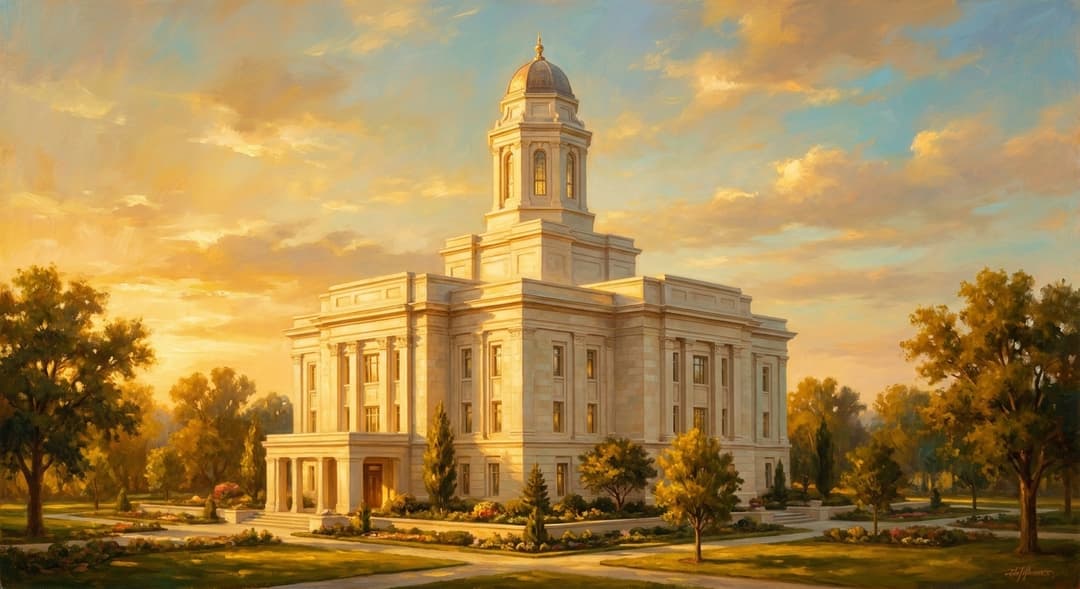
The Ephraim Utah Temple welcomes patrons and respectful visitors to its beautifully manicured 9.16-acre benchland grounds. While ordinance rooms within the temple are reserved for recommend-holding members, guests of all faiths are invited to stroll the stone plazas, view the native plantings, and enjoy vistas of the Wasatch Plateau.
Highlights
- Neoclassical exterior finished in cream-buff precast architectural stone.
- Central octagonal tower and cupola rising 156 feet above the valley floor.
- Extensive artisan glass panels inspired by Scandinavian rosemaling patterns.
- Peaceful mountain-facing grounds just blocks east of Snow College.
Things to Know
- Interior entry requires an active temple recommend endorsed by ecclesiastical leaders.
- Grounds are open daily from dawn to dusk for quiet reflection and photography.
- Modest attire and respectful demeanor are requested of all visitors on site.
- The facility shares patron housing infrastructure with the nearby Manti Temple.
Location
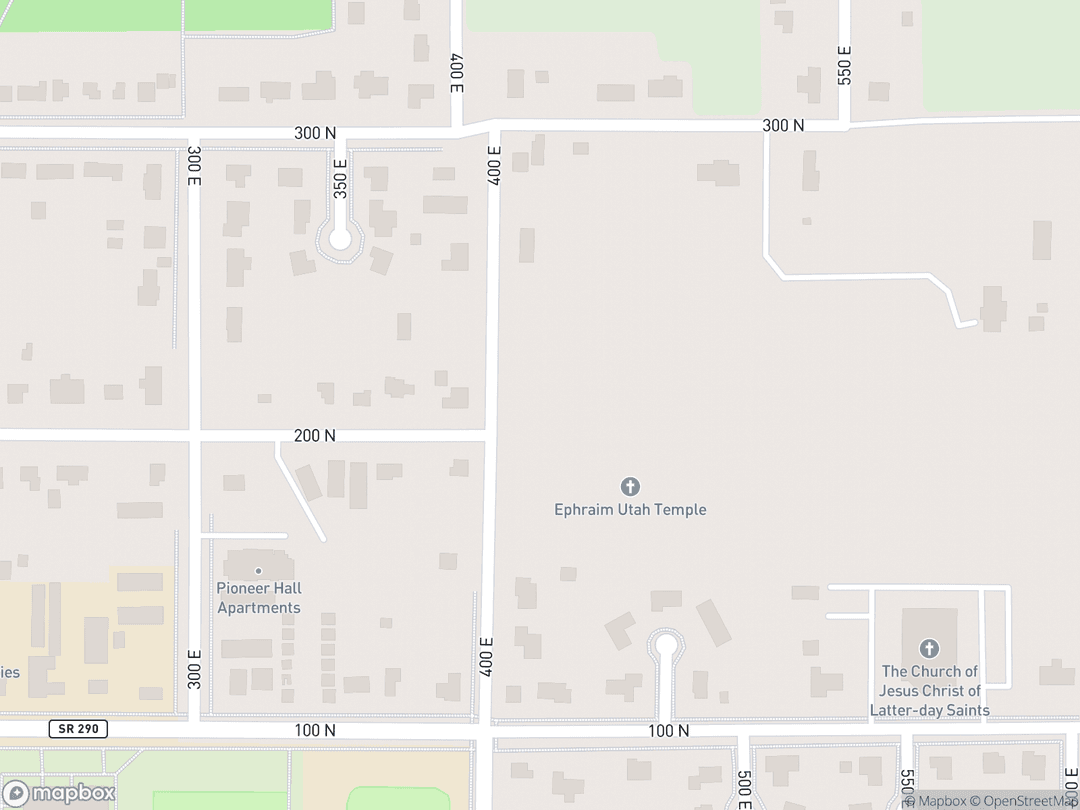
200 North 400 East, Ephraim, Utah 84627, United States
Hours: Tuesday through Saturday by appointment; grounds open daily dawn to dusk.
Getting There: Located five blocks east of Snow College along 200 North, approximately two hours south of Salt Lake City via Interstate 15 and Utah State Route 132.
Get DirectionsTips for Your Visit
Photography Lighting
Morning light provides ideal illumination across the east facade and the dramatic Wasatch mountain backdrop.
Student Proximity
The temple sits within walking distance of Snow College, creating vibrant youth attendance during academic semesters.
About
The Ephraim Utah Temple stands as a consecrated House of the Lord within the historic Sanpete Valley, serving as the 224th operating temple of The Church of Jesus Christ of Latter-day Saints. Rooted firmly in Abrahamic sacred sanctuary traditions, this holy edifice provides a dedicated threshold where worshippers step away from temporal concerns into a quiet cloister consecrated to Jesus Christ.
Settled by Scandinavian pioneer converts in the nineteenth century, Ephraim earned the historic moniker 'Little Denmark.' The temple's architectural language deliberately honors this legacy, combining neoclassical proportions with regional pioneer revival elements reminiscent of both the 1888 Manti Temple and the 1897 Ephraim Tabernacle.
Within its consecrated interior, faithful Latter-day Saints participate in sacred rites including the endowment, vicarious baptisms for deceased kindred, and eternal marriage sealings. The structure was announced under unique historical circumstances to provide expanded temple capacity while simultaneously ensuring the full preservation of historic murals in nearby Manti.
Gallery
Symbolic Elements
The temple's exterior features intricate carvings, each rich with spiritual meaning:

Wheat Sheaves
Carved into sapele wood and carpets to commemorate the Relief Society Granary and Christ as the Bread of Life.

Forget-Me-Not Blossoms
Depicted across art glass and bronze fixtures to symbolize enduring ancestral memories and sacred covenants.

Oxeye Daisy Motif
Patterned along moldings to celebrate native meadow flowers brought to bloom by Scandinavian settlers.

Sego and Water Lilies
Etched into glass transoms to signify pioneer endurance, divine sustenance, and moral purity.

Flowing Water Bands
Fluid wave patterns along glass borders represent Christ as Living Water and the renewal of baptism.

Scandinavian Rosemaling
Decorative painted scrollwork honoring Danish and Norwegian woodcarving traditions of nineteenth-century settlers.

Octagonal Cupola Spire
The eight-sided lantern tower represents rebirth, resurrection, and the eighth day of new creation.

Twelve Oxen Font
Cast oxen supporting the sub-grade baptistry represent the twelve tribes of Israel and Solomon's molten sea.
Interesting Facts
It is the only temple announced by President Russell M. Nelson outside of a worldwide General Conference. (Tier A)
The temple was planned so nearby historic Manti Temple murals could be preserved intact without room gutting. (Tier A)
President Russell M. Nelson's eight great-grandparents and four grandparents all lived in Ephraim. (Tier A)
At age ninety-seven, President Nelson made an unannounced appearance to personally conduct the groundbreaking. (Tier A)
A gentle rainfall passed over the groundbreaking crowd, which locals poetically called tears of joy from pioneers. (Tier B)
Sanpete County is one of the few rural counties globally with two operating temples separated by just seven miles. (Tier C)
Sapele hardwood carvings feature wheat stalks honoring the historic 1870s Ephraim Relief Society Granary. (Tier A)
The interior features rare imported stones from Italy, Turkey, Spain, Bolivia, and Brazil. (Tier A)
Common Questions
Why are there two temples so close together in rural Sanpete County?
Building in Ephraim met patron capacity demands while allowing the historic Manti Temple murals to be preserved without structural alteration.
Can the public tour the Ephraim Utah Temple?
The public toured the interior during the September 2026 open house, while the landscaped grounds remain open daily to all visitors.
What materials were used on the temple exterior?
The exterior features precast architectural stone panels designed to emulate the local oolite limestone of pioneer structures.
How does the temple reflect Scandinavian immigrant heritage?
Interiors incorporate traditional rosemaling patterns, forget-me-not flower motifs, and custom wheat carvings honoring early Danish settlers.
Featured Stories
The Surprise Groundbreaking
August 27, 2022
Saints in Ephraim expected a general authority seventy to conduct their groundbreaking on a warm August morning. To the collective amazement of the crowd, ninety-seven-year-old Church President Russell M. Nelson personally arrived to dedicate the site. Standing near the lands his pioneer ancestors cultivated, he offered the dedicatory prayer as a gentle rain drifted across the valley.
Source: The Church of Jesus Christ of Latter-day Saints Newsroom
Preserving Sanpete Heritage
May 1, 2021
When modernization plans for the Manti Temple threatened its century-old progressive room murals, historians and local residents voiced deep concern. Church leadership responded with extraordinary sensitivity by announcing the historic murals would remain untouched while a second temple would rise in Ephraim. The dual-temple solution celebrated both pioneer artistry and modern sacred expansion.
Source: The Church of Jesus Christ of Latter-day Saints Official Announcement
The Granary of Utah
1870s
During the late nineteenth century, the women of the Ephraim Relief Society systematically stored surplus grain to guard against drought. Their prudent stewardship saved neighboring communities during severe food shortages, earning Ephraim recognition as the granary of Utah. Architects memorialized this heroic communal selflessness by weaving golden wheat motifs into every ordinance room.
Source: Church History Department Records
Timeline
Sanpete Settlement
Latter-day Saint pioneers arrive in the valley at the invitation of Chief Wakara.
MilestoneArrival of Scandinavian Converts
Immigrants from Denmark, Sweden, and Norway settle Ephraim, founding Little Denmark.
MilestoneManti Temple Dedicated
The regional pioneer temple seven miles south opens to serve central Utah.
MilestoneEphraim Tabernacle Completed
Local stonecraft traditions culminate in the historic Sanpete stake meetinghouse.
MilestoneTemple Announcement
President Russell M. Nelson announces the temple from the Manti Tabernacle.
MilestoneGroundbreaking Ceremony
President Russell M. Nelson unexpectedly presides over the site groundbreaking.
component.timeline.groundbreakingMedia Day
Church officials present the completed temple interior to civic leaders and media.
EventPublic Open House
Public tours commence, welcoming thousands of local residents and regional visitors.
EventOpen House Concludes
Public open house concludes after seventeen days of community tours.
EventTemple Dedication
Elder Ronald A. Rasband dedicates the sacred edifice in two formal sessions.
DedicationHistory by Decade
1850s–1880s — Pioneer Roots in Little Denmark
Scandinavian converts embraced Latter-day Saint teachings and crossed the plains to establish agricultural colonies across the Sanpete Valley. By 1888, stonecutters finished the towering Manti Temple using creamy oolite limestone quarried nearby. Ephraim's deep religious and civic unity solidified around church cooperatives, shared irrigation, and faith.
1890s–1980s — Educational Center and Community Growth
Snow College grew from a pioneer stake academy into an essential regional college, bringing thousands of students to Ephraim. Local grain growers and livestock farmers maintained their agrarian culture while looking to Manti as their sacred beacon. The valley retained its close-knit immigrant identity across generations of steady civic development.
2020s — A New Sanctuary for Sanpete
Following the May 2021 announcement by President Nelson, construction moved rapidly on the eastern bench of Ephraim. The community witnessed the erection of its 156-foot tower, uniting classical styling with modern seismic engineering. Elder Ronald A. Rasband dedicated the holy building in October 2026, opening a new chapter of temple worship.
Architecture & Facilities
The Ephraim Utah Temple exemplifies neoclassical architecture infused with regional pioneer revival sensibilities, thoughtfully designed by Salt Lake City-based Method Studio Inc. Its symmetrical massing, layered stone pilasters, and central octagonal cupola echo the historic stone tabernacles and sanctuaries built across nineteenth-century Utah settlements.
Building Materials
Exterior Stone
Precast architectural stone panels finished in a creamy buff hue reminiscent of local Sanpete oolite limestone.
Interior Marble
Fine Italian Botticino Classico and Turkish BS Beige marble accented with borders of Spanish Emperador and Bolivian sodalite.
Art Glass
Custom artisan glass transoms patterned with wheat stalks and wildflowers in soft golds, ambers, and sage greens.
Ornamental Millwork
Rich quarter-cut sapele hardwood doors, balustrades, and casework carved with custom floral and wheat reliefs.
Interior Features
Celestial Room
A serene room featuring sculpted white broadloom rugs by Half Moon Studios, polished brass fixtures, and soft gold tones.
Instruction Rooms
Four endowment ordinance rooms appointed with wheat-patterned carpeting and quarter-sawn sapele trim for Christian instruction.
Sealing Rooms
Three marriage chambers featuring hand-carved floral area rugs, full-length mirrors, and crystal chandeliers for eternal unions.
Baptistry Suite
A sub-grade sacred baptistry where a bronze-cast font rests upon twelve sculpted oxen facing the cardinal directions.
Temple Grounds
Spanning 9.16 acres on Ephraim's gentle eastern bench, the temple grounds feature drought-tolerant perennial turf lawns, structured stone plazas, and native boxwoods. Flowering crabapple and maple trees line perimeter pathways that look out toward the dramatic skyline of the Wasatch Plateau.
Additional Facilities
Patron arrival gates, dedicated exterior reflection benches, secure bicycle accommodations, and surface parking serving patrons and campus visitors.
Religious Significance
In harmony with ancient Abrahamic sanctuaries, Latter-day Saint temples are constructed as literal Houses of the Lord where mortal worshippers seek communion with the divine. The Ephraim Utah Temple provides a sacred retreat from worldly distraction, focusing minds upon the atonement of Jesus Christ and the eternal nature of the human soul.
To administer higher Christian ordinances that bind families together across generations and provide spiritual enlightenment through sacred covenants.
Sacred Ordinances
Sacred Endowment
An instructional ordinance tracing the Creation, the Fall, and redemption through Jesus Christ, accompanied by personal covenants of obedience and consecration.
Eternal Marriage Sealing
A sacred rite uniting husband, wife, and children for time and all eternity under divine authority.
Vicarious Baptism
Baptism by immersion performed on behalf of deceased ancestors, giving every individual soul the opportunity to embrace the gospel of Christ.
The Sanpete Sanctuary Tradition
Temples in the Sanpete Valley represent more than architectural achievements; they are enduring symbols of communal sacrifice. Early Scandinavian immigrants contributed labor and scarce grain to build sanctuaries in the desert, establishing a sacred heritage that continues in the contemporary service of the Ephraim Temple.
Sources & Research
Every fact on Temples.org is backed by verified Sources & Research. Each piece of information is rated by source tier and confidence level.
View All Sources (8)
| Field | Source | Tier | Retrieved |
|---|---|---|---|
| About & Historical Background | The Church of Jesus Christ of Latter-day Saints (opens in a new tab) | A | 2026-03-30 |
| Groundbreaking & Construction | The Church of Jesus Christ of Latter-day Saints Newsroom (opens in a new tab) | A | 2026-03-30 |
| Dedication & Milestone Records | LDS Daily (opens in a new tab) | B | 2026-03-30 |
| Pioneer History & Sanpete Valley | Brigham Young University (opens in a new tab) | B | 2026-03-30 |
| Visitor Access & Community Impact | KSL News (opens in a new tab) | C | 2026-03-30 |
| Architecture & Structural Specifications | ChurchofJesusChristTemples.org (opens in a new tab) | C | 2026-03-30 |
| Architectural Photography & Design | Photogent (opens in a new tab) | D | 2026-03-30 |
| Doctrinal Significance & Ordinances | Meridian Magazine (opens in a new tab) | C | 2026-03-30 |