Visitor Insights
Visiting Layton Utah Temple
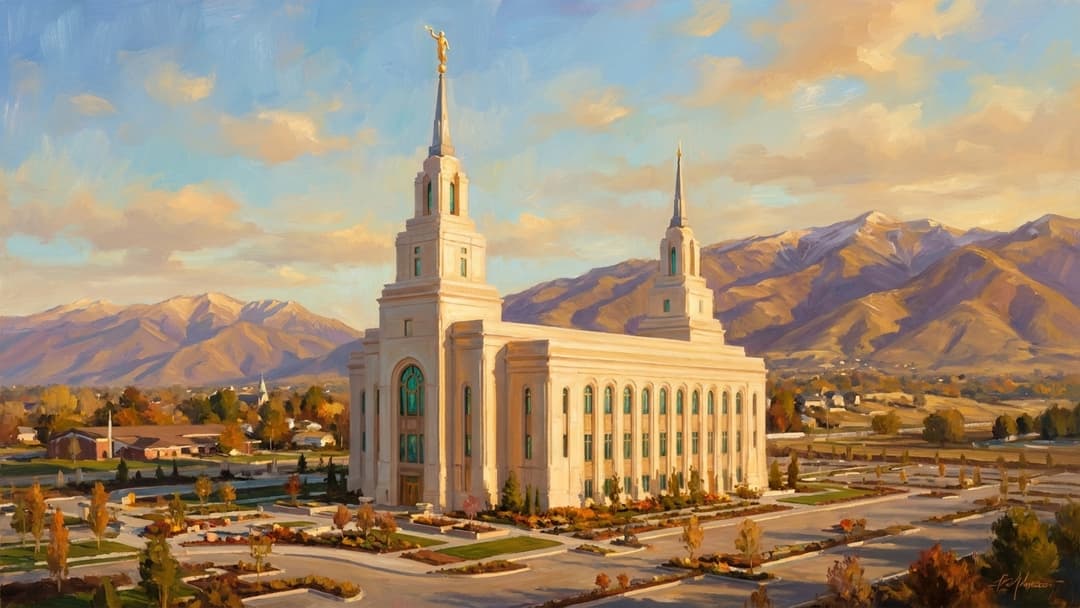
The Layton Utah Temple welcomes visitors to experience its serene atmosphere and beautiful grounds. As a dedicated space for members of The Church of Jesus Christ of Latter-day Saints, the temple offers a unique opportunity to feel closer to God and participate in sacred ordinances. While there is no visitor's center on site, the temple's exterior and surrounding gardens provide a peaceful environment for reflection and appreciation. The temple is a place of reverence and spiritual significance, inviting all who visit to feel its peaceful influence.
Highlights
- Admire the Art Nouveau-inspired architecture and design.
- Reflect in the beautifully landscaped gardens surrounding the temple.
- Experience the peaceful and reverent atmosphere of the temple grounds.
Things to Know
- The temple is an active place of worship; please be respectful of its sacred purpose.
- There is no visitor's center or public tours available inside the temple.
- Dress modestly when visiting the temple grounds.
Location
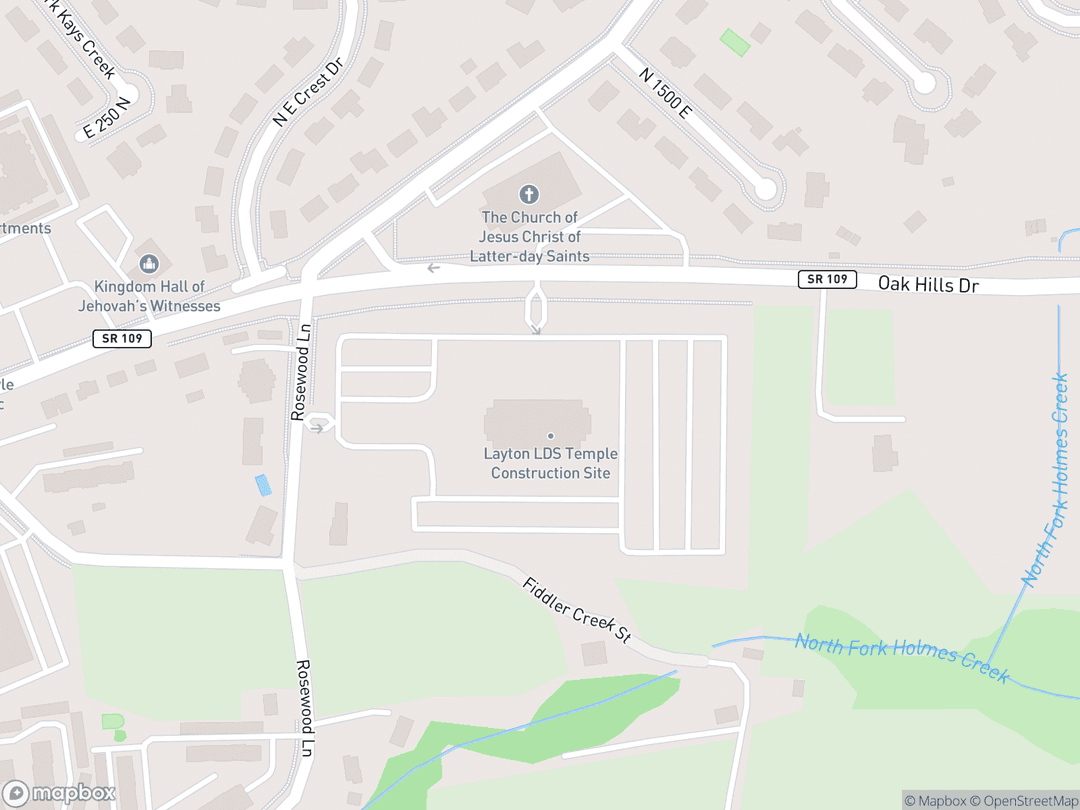
1400 Oak Hills Drive, Layton, UT 84040
Hours: The temple is open for ordinances Tuesday through Saturday. Specific hours vary; check the official website for details.
Getting There: The Layton Utah Temple is located at 1400 Oak Hills Drive in Layton, Utah. Parking is available on site.
Get DirectionsAbout
The Layton Utah Temple is a dedicated temple of The Church of Jesus Christ of Latter-day Saints, serving members in Layton, Kaysville, and Fruit Heights. As part of the Christian theological grouping, the temple provides a place where members can participate in sacred ordinances that bind families together and strengthen their connection with God and Jesus Christ. The temple's design, influenced by Art Nouveau and the agricultural heritage of the area, reflects a commitment to both tradition and progress.
Announced on April 1, 2018, by President Russell M. Nelson, the Layton Utah Temple was constructed on land with deep roots in the community, owned by the Morgan family since the 1850s. Groundbreaking ceremonies were held on May 23, 2020, and after a public open house, the temple was dedicated on June 16, 2024, by Elder David A. Bednar. The temple stands as a testament to the faith and dedication of the Latter-day Saints in the region.
The Layton Utah Temple's architecture and interior design incorporate symbolic elements that connect Latter-day Saints to the broader Christian tradition and their unique beliefs. The temple's motifs, including fruit trees and flowers, reflect the area's agricultural heritage and allude to spiritual growth. The temple's construction, designed to withstand an 8.0 earthquake, ensures its enduring presence as a sacred space for generations to come.
Gallery
Symbolic Elements
The temple's exterior features intricate carvings, each rich with spiritual meaning:

Angel Moroni Statue
The statue of the angel Moroni, a common feature on temples of The Church of Jesus Christ of Latter-day Saints, symbolizes the restoration of the gospel of Jesus Christ. This iconic figure represents the angel mentioned in the Book of Revelation, signifying the spreading of the gospel to all nations. The statue serves as a reminder of the divine message and the importance of sharing it with the world.

Fruit Tree Motifs
The temple's design incorporates fruit tree and flower motifs, reflecting the area's agricultural heritage and alluding to spiritual growth. These motifs are visible in the recessed millwork and art glass, symbolizing the blossoming of faith and the fruits of righteous living. The stained-glass windows depict a seedling growing into a fruit tree, representing the journey of spiritual development.

Baptistry
The baptistry is where baptisms for the dead are performed, continuing a practice with roots in early Christianity. This reflects the belief of members of The Church of Jesus Christ of Latter-day Saints in offering salvation to those who died without the opportunity to accept the gospel of Jesus Christ. The ordinance symbolizes cleansing and renewal, providing an opportunity for those who have passed on to receive the blessings of the gospel.

Art Nouveau Style
The Art Nouveau style, characterized by its flowing lines and organic motifs, influences the temple's design. This style reflects a sense of beauty and harmony, creating a sacred and inviting atmosphere. The arched windows soften the rectilinear shape of the temple, adding to its aesthetic appeal and creating a sense of grace.

Precast Concrete Panels
The exterior is constructed with precast concrete panels over a structural steel frame and cast-in-place concrete shear walls. This construction method ensures the temple's durability and ability to withstand an 8.0 earthquake. The panels provide a smooth and elegant finish, contributing to the temple's overall aesthetic appeal.

Tiffany Stained Glass Window
The temple incorporates an antique Tiffany art glass window, "The Resurrection," originally called the "Eaton Memorial Window" and designed in 1931. This window adds a touch of elegance and history to the temple's interior, showcasing the beauty of art and craftsmanship. The window's intricate design and vibrant colors enhance the spiritual atmosphere of the temple.

Rich African Anigre Wood
Rich African Anigre wood is used for paneling and detailed millwork throughout the temple. This wood adds warmth and sophistication to the interior, creating a welcoming and reverent atmosphere. The custom decorative painting, gold leaf accents, and inlaid stone flooring complement the wood, enhancing the temple's overall beauty.

Two Spires
The Layton Utah Temple features two spires, a common architectural element in temples of The Church of Jesus Christ of Latter-day Saints. These spires symbolize the connection between heaven and earth, pointing upwards towards God. The west tower, which supports the statue of the angel Moroni, is ten feet taller than the east tower, adding to the temple's visual appeal and spiritual significance.
Interesting Facts
The Layton Utah Temple is the 195th operating temple of The Church of Jesus Christ of Latter-day Saints.
It is the 22nd temple completed in Utah.
The temple stands a mile from the first reservoir built in Utah.
The groundbreaking ceremony was held one week early without public notice due to the COVID-19 pandemic.
The land for the temple was acquired by the Church two days before the temple announcement.
Queen Nompumelelo Mchiza Zulu of the Zulu nation in South Africa toured the temple on March 27, 2024.
The west tower, which supports the statue of the angel Moroni, is ten feet taller than the east tower.
The Tiffany Studios stained glass window, "The Resurrection," was originally called the "Eaton Memorial Window" and was designed in 1931.
The temple's district includes Layton, Kaysville, and Fruit Heights.
The architectural firm NWL Architects co-designed the vibrant exterior art glass, which uses rich, saturated colors to depict stylized floral patterns.
Common Questions
What is the significance of the Layton Utah Temple?
The Layton Utah Temple is a sacred space for members of The Church of Jesus Christ of Latter-day Saints, where they can participate in ordinances that unite families and strengthen their connection with God. It serves as a beacon of faith in the Layton community.
What are the architectural influences of the Layton Utah Temple?
The Layton Utah Temple's design is influenced by the Art Nouveau style and the agricultural heritage of the Layton area. This is reflected in the building's motifs, such as fruit trees and flowers, and its overall aesthetic.
When was the Layton Utah Temple dedicated?
The Layton Utah Temple was dedicated on June 16, 2024, by Elder David A. Bednar of the Quorum of the Twelve Apostles.
How can I visit the Layton Utah Temple?
While there is no visitor's center on site, the temple's grounds are open to the public. Visitors are welcome to admire the exterior architecture and reflect in the surrounding gardens. Please be respectful of the temple's sacred purpose.
What is the meaning of the angel Moroni statue on the temple?
The statue of the angel Moroni, which tops one of the spires, symbolizes the restoration of the gospel of Jesus Christ. It is a common feature on temples of The Church of Jesus Christ of Latter-day Saints and represents a key aspect of their faith.
What is the significance of baptisms performed in the temple?
The baptistry is where baptisms for the dead are performed, continuing a practice with roots in early Christianity. This reflects the belief of The Church of Jesus Christ of Latter-day Saints in offering salvation to those who died without the opportunity to accept the gospel of Jesus Christ.
Featured Stories
Announcement and Community Anticipation
April 1, 2018
The announcement of the Layton Utah Temple by President Russell M. Nelson during the 188th semi-annual general conference of The Church of Jesus Christ of Latter-day Saints brought immense joy and anticipation to the community. As one of six temples announced that day, the Layton Temple signified the continued growth and importance of the Church in Utah. The news resonated deeply with local members, who had long desired a temple in their area, fostering a sense of unity and spiritual renewal.
The selection of Layton as the site for the new temple was particularly meaningful, given the city's rich history and strong ties to the Church. The announcement sparked excitement and a renewed commitment to faith among the Latter-day Saints in Layton and surrounding communities. The anticipation of the temple's construction and eventual dedication created a palpable sense of hope and spiritual preparation.
Source: The Church of Jesus Christ of Latter-day Saints Newsroom
Groundbreaking Amidst a Pandemic
May 23, 2020
The groundbreaking ceremony for the Layton Utah Temple, held on May 23, 2020, was a unique event marked by the constraints of the COVID-19 pandemic. Presided over by Elder Craig C. Christensen, the ceremony was conducted without advance public notice to comply with health and safety guidelines. Despite the unusual circumstances, the event was a significant milestone, symbolizing the Church's unwavering commitment to building temples even in challenging times.
Elder Randy D. Funk dedicated the site, offering a prayer of gratitude and blessing upon the land and the people who would worship there. The groundbreaking represented a beacon of hope during a period of uncertainty and isolation, reinforcing the importance of faith and community. The Layton Utah Temple was one of 21 locations worldwide that broke ground during the pandemic in 2020, demonstrating the Church's global reach and resilience.
Source: The Church News
Dedication and Opening for Ordinances
June 16, 2024
The dedication of the Layton Utah Temple on June 16, 2024, by Elder David A. Bednar of the Quorum of the Twelve Apostles, marked the culmination of years of planning, construction, and anticipation. The dedication was a deeply spiritual event, with two sessions broadcast to congregations in the temple district, allowing members to participate remotely. The Layton Utah Temple was dedicated just three hours after the Salta Argentina Temple dedication, highlighting the global nature of the Church.
Two days later, on June 18, 2024, the temple opened for ordinances, providing members with the opportunity to participate in sacred ceremonies that strengthen their connection with God and their families. The opening of the temple represented a new chapter for the Latter-day Saints in Layton, offering a dedicated space for spiritual growth, reflection, and service. The temple stands as a testament to the faith and dedication of the community, a beacon of hope and a symbol of eternal promises.
Source: The Church of Jesus Christ of Latter-day Saints Newsroom
Timeline
Temple Announced
President Russell M. Nelson announces the intent to construct the Layton Utah Temple during the 188th semi-annual general conference.
MilestoneSite Announced
The Church announces that the temple will be constructed on an 11.8-acre property at the corner of Oak Hills Drive and Rosewood Lane.
MilestoneGroundbreaking Ceremony
Groundbreaking ceremonies are held, presided over by Elder Craig C. Christensen. Due to the COVID-19 pandemic, the groundbreaking was held without advance public notice.
component.timeline.groundbreakingPublic Open House Begins
A public open house begins, offering the community the opportunity to tour the newly constructed temple.
EventPublic Open House Ends
The public open house concludes after several weeks of welcoming visitors to the temple.
EventTemple Dedication
The temple is dedicated by Elder David A. Bednar of the Quorum of the Twelve Apostles. Two sessions were broadcast to congregations in the temple district.
DedicationTemple Opens for Ordinances
The temple opens for ordinances, allowing members to participate in sacred ceremonies.
MilestoneLand Ownership
The land where the temple now stands had been owned by the Morgan family since the 1850s.
MilestoneZulu Queen Tours Temple
Queen Nompumelelo Mchiza Zulu of the Zulu nation in South Africa toured the temple.
EventTiffany Window Design
The Tiffany Studios stained glass window, "The Resurrection," was originally called the "Eaton Memorial Window" and was designed in 1931.
MilestoneClosure for Maintenance
The temple is closed for maintenance.
RenovationReopens after Maintenance
The temple reopens after maintenance.
RenovationSix Temples Announced
The Layton Utah Temple was one of six temples announced at the same time by President Russell M. Nelson.
MilestoneGroundbreaking During Pandemic
The Layton Utah Temple was one of 21 locations that broke ground worldwide during the COVID-19 pandemic in 2020.
MilestoneDedication Timing
The Layton Utah Temple was dedicated just three hours after the Salta Argentina Temple dedication.
DedicationHistory by Decade
2010s — Temple Announcement
The 2010s marked a period of significant growth and anticipation for the Latter-day Saints in Layton, Utah. The decade culminated with the announcement of the Layton Utah Temple on April 1, 2018, by President Russell M. Nelson. This announcement was a momentous occasion, fulfilling the long-held desires of many local members who had previously needed to travel to other temples in the region. The news sparked excitement and a renewed commitment to faith within the community.
2020s — Construction and Dedication
The 2020s saw the realization of the Layton Utah Temple, with the groundbreaking ceremony held on May 23, 2020, despite the challenges posed by the COVID-19 pandemic. Construction progressed steadily, and the temple's unique architectural design, influenced by Art Nouveau and the area's agricultural heritage, began to take shape. The decade culminated with the temple's dedication on June 16, 2024, by Elder David A. Bednar, marking a new era of spiritual growth and service for the Latter-day Saints in Layton and surrounding communities.
Religious Significance
The Layton Utah Temple stands as a sacred edifice for members of The Church of Jesus Christ of Latter-day Saints, representing a physical manifestation of their faith and a place where they can draw closer to God and Jesus Christ. As part of the Christian theological grouping, the temple is considered a "House of the Lord," a sanctuary set apart from the world for sacred purposes.
The primary purpose of the Layton Utah Temple is to provide a space where members can participate in sacred ordinances and make covenants with God. These ordinances, such as baptisms for the dead, endowments, and sealings, are essential to the Latter-day Saint faith and are believed to have eternal significance. The temple is a place of learning, reflection, and spiritual growth, where members can seek divine guidance and strengthen their testimonies.
Sacred Ordinances
Baptism for the Dead
Baptisms for the dead are performed in the temple as a vicarious ordinance, allowing deceased individuals the opportunity to accept the gospel of Jesus Christ. This practice reflects the belief of members of The Church of Jesus Christ of Latter-day Saints in offering salvation to all of God's children, regardless of when or where they lived.
Endowment
The endowment is a sacred ordinance in which members make covenants with God and receive instruction on the plan of salvation. This ordinance provides a deeper understanding of the purpose of life and the blessings of eternal life.
Sealing
The sealing ordinance unites families together for eternity, allowing husbands and wives, and parents and children, to be bound together in eternal relationships. This ordinance is considered one of the most sacred and important in the faith of The Church of Jesus Christ of Latter-day Saints.
The Temple as a Symbol of Faith
The Layton Utah Temple serves as a visible symbol of the faith and dedication of the Latter-day Saints in the region. Its presence in the community represents a commitment to living according to the teachings of Jesus Christ and striving to become more like Him. The temple is a reminder of the eternal nature of families and the importance of seeking spiritual growth and knowledge.
The Temple as a Place of Refuge
The temple provides a place of refuge from the challenges and distractions of the world. It is a sanctuary where members can find peace, comfort, and inspiration. The temple's serene atmosphere and beautiful surroundings invite individuals to reflect on their lives, seek divine guidance, and strengthen their connection with God.
Sources & Research
Every fact on Temples.org is backed by verified Sources & Research. Each piece of information is rated by source tier and confidence level.
View All Sources (4)
| Field | Source | Tier | Retrieved |
|---|---|---|---|
| About & Historical Background | The Church of Jesus Christ of Latter-day Saints (opens in a new tab) | A | 2024-10-26 |
| About & Historical Background | churchofjesuschristtemples.org (opens in a new tab) | C | 2024-10-26 |
| Architectural Description | Naylor Wentworth Lund Architects (opens in a new tab) | A | 2024-10-26 |
| Architectural Description | The Church of Jesus Christ of Latter-day Saints Newsroom (opens in a new tab) | A | 2024-10-26 |