Visitor Insights
Visiting Nabi Shu'ayb
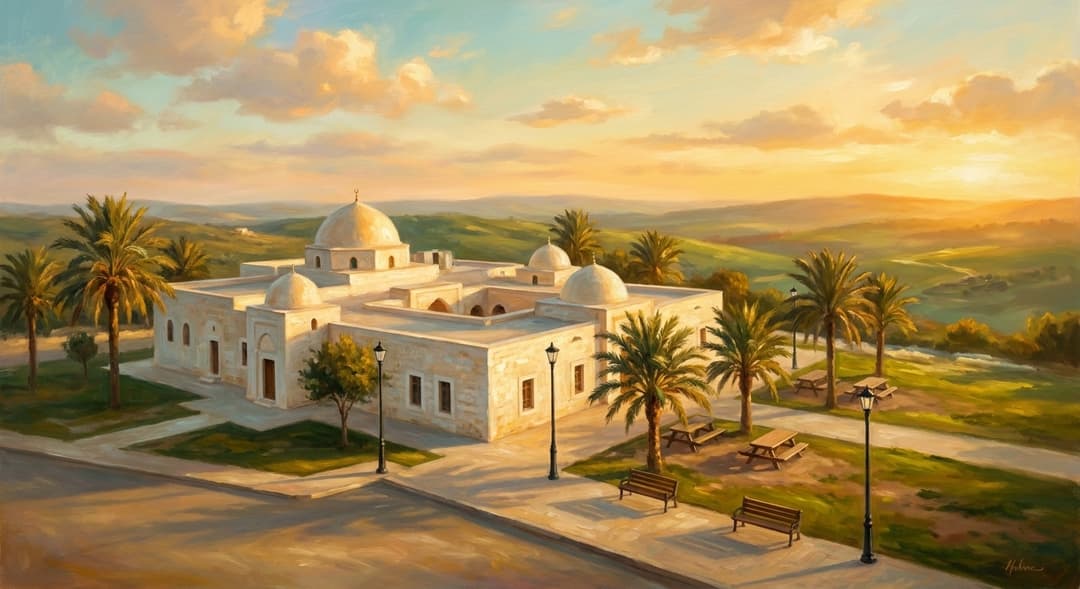
Nabi Shu'ayb offers a serene and spiritually significant experience for visitors. The atmosphere is peaceful and reverent, reflecting the site's importance to both Islamic and Druze communities. Pilgrims and tourists alike can explore the white-stone complex, including the tomb of Prophet Shu'ayb, prayer areas, and the unique rock formation believed to bear his footprint. Modest dress is expected, and the site is generally open from dawn until dusk.
Highlights
- Visit the tomb of Prophet Shu'ayb, revered in Islam and the most important shrine for the Druze faith.
- Experience the unique tradition of pouring oil into the imprint of Shu'ayb's foot for blessings.
- Attend the annual Druze religious festival in April for a vibrant cultural and spiritual event.
Things to Know
- Dress modestly, covering shoulders and knees.
- Be aware of the site's religious significance and maintain a respectful demeanor.
- Check for any specific visiting hours or guidelines before your visit.
Location
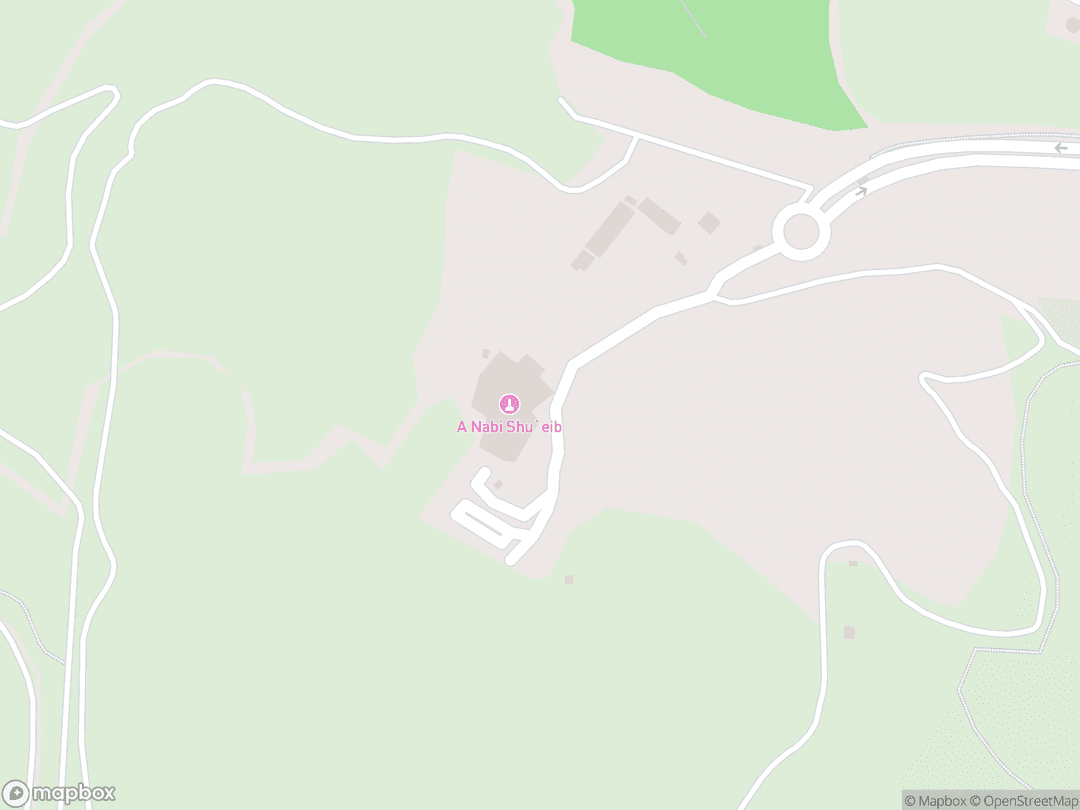
Lower Galilee, near Kfar Zeitim, Israel
Hours: Generally open from dawn until dusk. It is recommended to visit after 10 AM.
Getting There: Located near Kfar Zeitim, close to Tiberias in the Lower Galilee region of Israel, approximately 117 km from Jerusalem.
Get DirectionsTips for Your Visit
Dress Modestly
Ensure your attire covers shoulders and knees out of respect for the site's religious significance.
Visit During the Festival
Experience the vibrant Druze culture by visiting during the annual religious festival in April.
About
Nabi Shu'ayb, meaning "the Prophet Shu'ayb," is a site containing the purported tomb of the prophet Shu'ayb, identified with the biblical Jethro, Moses' father-in-law. While venerated in Islam as a prophet known for wisdom and eloquence, this site holds particular significance for the Druze faith, who consider it their most important religious shrine. As part of the Abrahamic traditions, this site represents a shared heritage and reverence for prophetic figures.
Located in the Lower Galilee region of Israel, west of Tiberias, the complex attracts pilgrims annually, especially during the Druze religious festival in April. The site has been under exclusive Druze care since 1948, with renovations and expansions to accommodate the growing number of visitors. The shrine stands as a testament to the enduring legacy of Prophet Shu'ayb and the deep spiritual connection felt by both Islamic and Druze communities.
The complex is constructed entirely of white stone and includes the tomb itself, prayer areas, and rooms for hosting pilgrims. A unique rock formation within the shrine is believed to be the imprint of Prophet Shu'ayb's left foot, which pilgrims visit and pour oil into, using it as holy oil. The site serves as a place of reflection, prayer, and communal gathering, embodying the rich religious traditions associated with Prophet Shu'ayb.
Gallery
Symbolic Elements
The temple's exterior features intricate carvings, each rich with spiritual meaning:

Tomb of Shu'ayb
The tomb itself is the central symbolic element, representing the final resting place of the revered prophet. It serves as a focal point for prayer and reflection for pilgrims.

White Stone Construction
The entire complex is constructed of white stone, symbolizing purity and spiritual enlightenment. The choice of material reflects the sacred nature of the site.

Imprint of Shu'ayb's Foot
A unique rock formation within the shrine is believed to be the imprint of Prophet Shu'ayb's left foot. Pilgrims pour oil into the imprint, seeking blessings and spiritual connection.
Prayer Areas
Dedicated prayer areas within the complex provide spaces for individual and communal worship. These areas are designed to foster a sense of peace and devotion.

Rooms for Pilgrims
The complex includes rooms for hosting pilgrims, reflecting the tradition of hospitality and communal support. These spaces provide comfort and accommodation for visitors.

Minaret
The minaret, a tower from which the call to prayer is traditionally made, stands as a symbol of Islamic presence and devotion. It serves as a visual marker of the shrine's religious significance.

Geometric Patterns
Intricate geometric patterns adorn the walls and ceilings of the shrine, reflecting Islamic artistic traditions. These patterns symbolize the infinite nature of God and the interconnectedness of all things.

Arabic Calligraphy
Arabic calligraphy, featuring verses from the Quran and sayings of the Prophet, is prominently displayed throughout the complex. These inscriptions serve as reminders of faith and spiritual guidance.
Interesting Facts
Nabi Shu'ayb is identified as Jethro, Moses' father-in-law, revered in Judaism, Christianity, and Islam.
Shu'ayb is considered the most important prophet in the Druze faith.
The site is considered the holiest shrine for the Druze community.
The modern structure dates back to 1880, with expansions and renovations occurring since then.
Druze tradition holds that Shu'ayb took refuge in a cave near Hittin, where he died.
Another tradition attributes the shrine's construction to Saladin, following a dream before the Battle of Hittin.
The Druze community was granted exclusive custodianship of the site after the establishment of Israel in 1948.
The site features an imprint of Shu'ayb's left foot, where pilgrims pour oil for blessings.
The annual Druze pilgrimage to Nabi Shu'ayb takes place between April 25th and 28th.
The Arabic name Shu'ayb means 'who shows the right path'.
Some scholars identify Shu'ayb as a great-grandson of Abraham.
Common Questions
Who is Nabi Shu'ayb?
Nabi Shu'ayb is the Arabic name for the prophet Shu'ayb, who is identified with the biblical Jethro, Moses' father-in-law. He is revered in Islam and considered the most important prophet in the Druze faith.
Where is Nabi Shu'ayb located?
Nabi Shu'ayb is located in the Lower Galilee region of Israel, near Kfar Zeitim and close to Tiberias.
What is the significance of Nabi Shu'ayb for the Druze community?
Nabi Shu'ayb is considered the holiest shrine for the Druze community, and the site is a major pilgrimage destination, especially during the annual religious festival in April.
What are the traditions associated with Nabi Shu'ayb?
One of the unique traditions is the pouring of oil into the imprint of Shu'ayb's foot, with pilgrims rubbing the oil on their bodies for blessings.
When was the modern structure of Nabi Shu'ayb built?
The older section of the existing structure was built in the 1880s, with expansions and renovations occurring since then.
Is there an annual pilgrimage to Nabi Shu'ayb?
Yes, a Druze religious festival takes place at the shrine every year in April, attracting thousands of pilgrims.
Featured Stories
Saladin's Dream and the Shrine's Construction
Late 12th Century
According to Druze tradition, the Ayyubid sultan Saladin had a dream the night prior to the Battle of Hittin. In this dream, an angel promised him victory on the condition that after the battle, he would ride his horse westward. The angel said that where the horse would stop, he would find the burial site of Shuʿayb.
The tradition holds that when Saladin's dream was realized, the Druze built a shrine for Shuʿayb at the site, honoring the prophet and fulfilling the divine promise. This story highlights the deep spiritual connection between the Druze community and Nabi Shu'ayb, as well as the historical significance of the site.
The construction of the shrine marked a pivotal moment in the site's history, transforming it into a major pilgrimage destination and a symbol of Druze identity. The story of Saladin's dream continues to resonate with visitors, adding to the site's mystique and spiritual significance.
Source: Historical Archives
The Discovery of Shu'ayb's Tomb
12th Century
Druze tradition recounts that the location of Shu'ayb's tomb was revealed through divine intervention. After years of searching, a shepherd had a vision leading him to a hidden cave near Hittin. Inside, he discovered the remains of a holy man, believed to be Shu'ayb.
News of the discovery spread quickly among the Druze community, who recognized the significance of the site and began to venerate it. The cave became a place of pilgrimage, and over time, a shrine was built to honor the prophet and mark his final resting place.
This story underscores the importance of faith and divine guidance in the Druze tradition. The discovery of Shu'ayb's tomb solidified the site's status as a sacred space and a symbol of Druze identity, attracting pilgrims from far and wide.
Source: https://religion.fandom.com/wiki/Nabi_Shu%27ayb
The Annual Pilgrimage and Celebration
Every April
Every year in April, the Druze community gathers at Nabi Shu'ayb for a week-long pilgrimage and celebration. This event is the most important religious festival for the Druze, attracting thousands of visitors from around the world. The pilgrimage is a time for prayer, reflection, and communal gathering.
During the festival, pilgrims participate in religious ceremonies, share meals, and celebrate their shared heritage. The atmosphere is festive and joyous, with music, dancing, and traditional performances. The pilgrimage is a time for strengthening community bonds and reaffirming faith.
The annual pilgrimage to Nabi Shu'ayb is a testament to the enduring legacy of the prophet and the deep spiritual connection felt by the Druze community. The event serves as a reminder of the importance of faith, community, and tradition in the Druze way of life.
Source: https://101israel.com/nabi-shueib/
Timeline
Shu'ayb's Death
According to Druze tradition, Shu'ayb took refuge in a cave near Hittin, where he died and was buried.
MilestoneFirst Historical Mention
The tomb is first historically mentioned as a pilgrimage site.
EventSaladin's Dream
Druze tradition holds that Saladin had a dream before the Battle of Hittin, leading to the shrine's construction.
EventModern Structure Built
The older section of the existing structure was built under the direction of Sheikh Muhanna Tarif.
MilestoneDruze Custodianship
After the establishment of Israel, the site was placed under the exclusive custodianship of the Druze.
EventRenovations and Expansions
Under the leadership of Sheikh Amin Tarif, the shrine was renovated and expanded to accommodate pilgrims.
RenovationAnnual Druze Pilgrimage
The annual Druze pilgrimage to Nabi Shu'ayb takes place, attracting thousands of visitors.
EventAnnual Druze Pilgrimage
The annual Druze pilgrimage to Nabi Shu'ayb takes place, attracting thousands of visitors.
EventAnnual Druze Pilgrimage
The annual Druze pilgrimage to Nabi Shu'ayb takes place, attracting thousands of visitors.
EventAnnual Druze Pilgrimage
The annual Druze pilgrimage to Nabi Shu'ayb takes place, attracting thousands of visitors.
EventAnnual Druze Pilgrimage
The annual Druze pilgrimage to Nabi Shu'ayb takes place, attracting thousands of visitors.
EventAnnual Druze Pilgrimage
The annual Druze pilgrimage to Nabi Shu'ayb takes place, attracting thousands of visitors.
EventAnnual Druze Pilgrimage
The annual Druze pilgrimage to Nabi Shu'ayb takes place, attracting thousands of visitors.
EventAnnual Druze Pilgrimage
The annual Druze pilgrimage to Nabi Shu'ayb takes place, attracting thousands of visitors.
EventAnnual Druze Pilgrimage
The annual Druze pilgrimage to Nabi Shu'ayb takes place, attracting thousands of visitors.
EventReligious Significance
Nabi Shu'ayb holds immense religious significance for both Islam and the Druze faith, representing a shared reverence for prophetic figures within the Abrahamic traditions. The site serves as a place of pilgrimage, prayer, and reflection, embodying the spiritual values associated with Prophet Shu'ayb.
The core spiritual purpose of Nabi Shu'ayb is to honor the prophet and provide a space for believers to connect with the divine. The site serves as a reminder of Shu'ayb's teachings and the importance of faith, wisdom, and eloquence.
Sacred Ordinances
Pilgrimage
Making a pilgrimage to Nabi Shu'ayb is a central practice for both Muslims and Druze, demonstrating devotion and seeking blessings. The journey to the site is considered a sacred act.
Prayer
Prayer is a fundamental practice at Nabi Shu'ayb, with dedicated prayer areas providing spaces for individual and communal worship. Prayers are offered for guidance, forgiveness, and spiritual growth.
Veneration of the Tomb
Venerating the tomb of Prophet Shu'ayb is a key aspect of the site's religious significance. Visitors pay respects to the prophet and seek his intercession.
Shu'ayb in Islam
In Islam, Shu'ayb is recognized as a prophet sent to the people of Madyan, calling them to worship Allah alone and to conduct themselves with honesty and justice. He is known for his wisdom and eloquence in conveying the message of God.
Shu'ayb in Druze Faith
In the Druze faith, Shu'ayb is considered the most important prophet, revered for his role in guiding humanity towards spiritual enlightenment. The site of Nabi Shu'ayb is the holiest shrine for the Druze community, symbolizing their deep connection to the prophet and their unique religious traditions.
Sources & Research
Every fact on Temples.org is backed by verified Sources & Research. Each piece of information is rated by source tier and confidence level.
View All Sources (6)
| Field | Source | Tier | Retrieved |
|---|---|---|---|
| About & Historical Background | The National Library of Israel (opens in a new tab) | B | 2024-02-23 |
| Location & Accessibility | Alamy (opens in a new tab) | D | 2024-02-23 |
| Visitor Information | Airial Travel (opens in a new tab) | D | 2024-02-23 |
| Status as Religious Site | 2Markers.com (opens in a new tab) | A | 2024-02-23 |
| Druze Traditions | Fandom (opens in a new tab) | C | 2024-02-23 |
| Genealogy of Shu'ayb | WordPress (opens in a new tab) | C | 2024-02-23 |