Visitor Insights
Visiting Harare Zimbabwe Temple
The Harare Zimbabwe Temple is a sacred space reserved for members of The Church of Jesus Christ of Latter-day Saints who hold a current temple recommend. A public open house was held prior to its dedication, allowing all to experience its beauty. Temple housing and a distribution center are available on-site for patrons.
Highlights
- Experience a sacred atmosphere dedicated to worship and covenants.
- Explore the unique architecture inspired by Zimbabwean culture.
- Utilize on-site temple housing and distribution center for convenience.
Things to Know
- Access after dedication is restricted to temple recommend holders.
- There is no dedicated visitors' center on site.
Location
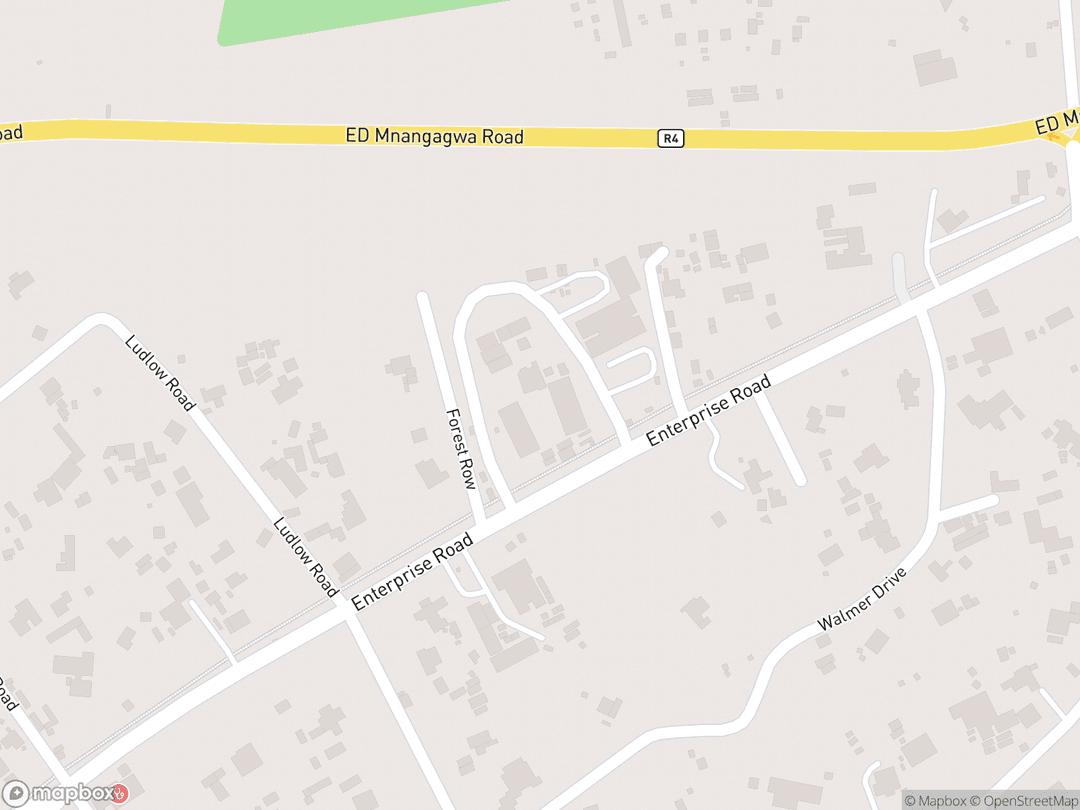
65 Enterprise Road, Highlands, Harare, Zimbabwe
Hours: Operating hours vary by session; check the official Church website for current schedules.
Getting There: The temple is located at 65 Enterprise Road, Highlands, Harare, Zimbabwe, with parking available on site.
Get DirectionsTips for Your Visit
Plan Your Visit
Members should schedule appointments for ordinances in advance through the official temple website.
Dress Modestly
Visitors to the temple grounds are encouraged to dress modestly out of respect for the sacred nature of the site.
About
The Harare Zimbabwe Temple stands as a sacred edifice for members of The Church of Jesus Christ of Latter-day Saints, a Christian faith within the broader Abrahamic traditions. Dedicated on March 1, 2026, it is the first temple in Zimbabwe and the ninth on the African continent. This temple serves as a spiritual beacon, providing a dedicated space for members to participate in sacred ordinances and make covenants with God.
Temples are distinct from regular church meetinghouses; while meetinghouses are open to all for weekly worship services, temples are considered "Houses of the Lord." Here, Latter-day Saints draw closer to Jesus Christ, strengthen their faith, and perform ordinances that unite families for eternity. The temple's design beautifully integrates elements inspired by Zimbabwe's indigenous culture and natural beauty.
Interesting Facts
The Harare Zimbabwe Temple is the first temple constructed in Zimbabwe and the ninth on the African continent (Tier A).
Before its construction, Latter-day Saints in Zimbabwe often traveled 13-14 hours by road to the Johannesburg South Africa Temple (Tier A).
At its announcement in 2016, Zimbabwe had the second-highest number of Church members globally without a temple in their country (Tier A).
The Harare temple was the last of the temples announced by President Thomas S. Monson to be dedicated (Tier A).
Zimbabwe's President Emmerson Mnangagwa attended both the groundbreaking ceremony and the public open house (Tier A).
The exterior design subtly incorporates simple triangular forms, a motif found in traditional Zimbabwean architecture (Tier B).
The temple's art glass and interior decorative elements prominently feature the flame lily, Zimbabwe's national flower (Tier B).
Elder Edward Dube, a native Zimbabwean and General Authority, presided over the temple's groundbreaking ceremony (Tier A).
The temple property also includes a mission office, a meetinghouse, and housing facilities, creating a comprehensive complex (Tier C).
The Book of Mormon was published in Shona, a primary language in Zimbabwe, in 1999, marking a significant milestone (Tier C).
Common Questions
What is the purpose of the Harare Zimbabwe Temple?
The temple is a sacred space where Latter-day Saints make covenants with God and participate in ordinances like eternal marriage and proxy baptisms.
Who can enter the Harare Zimbabwe Temple after its dedication?
After its dedication, only members of The Church of Jesus Christ of Latter-day Saints who hold a current temple recommend may enter.
Are there any unique architectural features in the temple?
Yes, the temple's design incorporates simple triangular forms and the flame lily motif, reflecting traditional Zimbabwean culture.
What languages are available for temple ordinances?
Endowment presentations are available in multiple languages, with accommodations for hearing impairment.
Is there a visitors' center at the Harare Zimbabwe Temple?
No, there is no dedicated visitors' center on site, but the grounds are open to the public.
Featured Stories
A Temple for Zimbabwe
April 3, 2016
The announcement of the Harare Zimbabwe Temple by President Thomas S. Monson brought immense joy and relief to Latter-day Saints in the region. For years, members had traveled arduous distances, often 13-14 hours by road, to attend the Johannesburg South Africa Temple. This new temple promised to bring sacred ordinances closer to home, easing the burden of travel and strengthening local communities.
A Native Son Presides
December 12, 2020
The groundbreaking ceremony for the Harare Zimbabwe Temple was a deeply significant event, presided over by Elder Edward Dube, a native of Zimbabwe and a General Authority of the Church. His presence underscored the Church's growth and the local leadership that had emerged over decades. The attendance of His Excellency Emmerson Mnangagwa, President of the Republic of Zimbabwe, further highlighted the national importance and acceptance of the temple project.
Cultural Echoes in Sacred Design
March 1, 2026
The architecture and interior design of the Harare Zimbabwe Temple are a beautiful tribute to the nation's heritage. From the simple triangular forms reflecting indigenous architecture to the prominent flame lily motif, Zimbabwe's national flower, every detail connects the sacred structure to its local context. This thoughtful integration ensures the temple feels like a cherished part of the Zimbabwean landscape and culture, a true House of the Lord for its people.
Timeline
Early Church Presence
The Church of Jesus Christ of Latter-day Saints began its presence in Zimbabwe as immigrants were baptized in Southern Rhodesia.
EventFormal Recognition and Dedication
The Zimbabwean government formally recognized the Church, and Elder James E. Faust dedicated the country for preaching the Gospel.
MilestoneZimbabwe Harare Mission Established
The Zimbabwe Harare Mission was established, separating from the broader South Africa Mission to support local growth.
MilestoneBook of Mormon in Shona & First Stake
The Book of Mormon was published in Shona, and the first stake in Zimbabwe was organized in Harare in December.
MilestoneTemple Announced
President Thomas S. Monson announced plans to construct a temple in Harare during the 186th Annual General Conference.
component.timeline.announcementPresident Nelson Visits Site
President Russell M. Nelson visited Harare as part of his world ministry tour and toured the future temple site.
EventExterior Rendering Released
An official exterior rendering of the Harare Zimbabwe Temple was released to the public, showcasing its design.
MilestoneGroundbreaking Ceremony
Elder Edward Dube presided over the groundbreaking and site dedication, attended by President Emmerson Mnangagwa.
component.timeline.groundbreakingMedia Day Held
A media day was held for the newly completed temple, offering a preview to journalists and community leaders.
EventPublic Open House Begins
A public open house commenced, inviting people of all faiths to tour the interior of the temple before its dedication.
EventTemple Dedicated
Elder Gerrit W. Gong of the Quorum of the Twelve Apostles dedicated the Harare Zimbabwe Temple in multiple sessions.
DedicationHistory by Decade
Early 20th Century — Seeds of Faith
The presence of The Church of Jesus Christ of Latter-day Saints in Zimbabwe began in the 1920s, when immigrants to what was then Southern Rhodesia were baptized. These early members laid the groundwork for future growth, often meeting in small groups and sharing their faith with neighbors. Their dedication in a new land established the initial roots of the Church.
1960s — Formal Recognition and Dedication
In 1963, the government of Zimbabwe formally recognized The Church of Jesus Christ of Latter-day Saints, a significant milestone for the burgeoning faith. That same year, Elder James E. Faust of the Quorum of the Twelve Apostles dedicated the country for the preaching of the Gospel. This official recognition and apostolic blessing provided a foundation for accelerated growth and missionary efforts.
1980s — Mission Establishment
The Church continued to grow steadily, leading to the establishment of the Zimbabwe Harare Mission in 1987. This new mission separated from the broader South Africa Mission, allowing for more focused administrative and missionary efforts within Zimbabwe. The creation of a dedicated mission signaled increasing maturity and self-sufficiency for the Church in the country.
1990s — Local Language and Leadership
A pivotal moment occurred in 1999 with the publication of the Book of Mormon in Shona, a major local language, making sacred texts more accessible. In December of the same year, the first stake (a group of local congregations) in Zimbabwe was organized in Harare. These developments empowered local members and leaders, fostering deeper spiritual engagement and community building.
2010s — Temple Announcement and Groundbreaking
The long-awaited announcement of a temple in Harare came on April 3, 2016, by Church President Thomas S. Monson, bringing immense joy to members. President Russell M. Nelson visited the site in 2018, and the groundbreaking ceremony took place on December 12, 2020, presided over by native Zimbabwean Elder Edward Dube. This era marked the transition from anticipation to the physical realization of a sacred promise.
2020s — Completion and Dedication
After years of construction, the Harare Zimbabwe Temple reached completion in early 2026. A media day was held on January 19, followed by a public open house from January 22 to February 7, allowing thousands to tour the sacred interior. The temple was then dedicated on March 1, 2026, by Elder Gerrit W. Gong, marking a spiritual culmination for Latter-day Saints in Zimbabwe and the surrounding region.
Architecture & Facilities
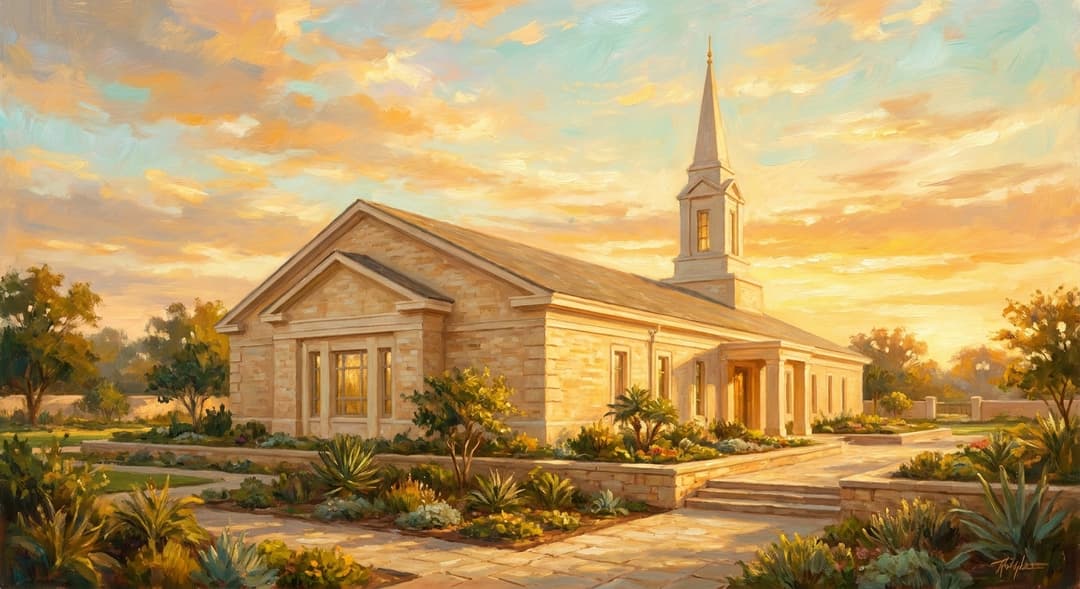
The Harare Zimbabwe Temple's architectural style is a contemporary interpretation that thoughtfully integrates elements inspired by the country's indigenous culture and architecture. It features simple triangular forms, reflecting local Zimbabwean traditions, combined with modern construction techniques and materials. The design balances spiritual solemnity with a profound connection to its cultural and natural surroundings, creating a distinctive and reverent edifice.
Building Materials
Exterior Shell
Constructed of cast-in-place concrete with concrete block infill walls, providing a robust and durable foundation for the temple.
Exterior Cladding
Corobrik Golden Wheat Travertine face brick, accented with precast concrete trim and parapets, gives the building a warm and inviting appearance.
Art Glass
Designed by Paton Taylor Architects and Fanus Boshoff, the art glass features geometric patterns with the flame lily motif and a color palette from native flora.
Interior Flooring
Hard surface flooring consists of porcelain tile, complemented by Sultan Beige stone baseboards and countertops sourced from Turkey.
Interior Features
Entry Rugs
Specifically feature flowers native to Harare, such as the flame lily, Aloe ballii, Yoruban bologi, African lettuce, and Wentzel's sugarbush.
Carpets
Rendered in neutral tones with sculpted designs that integrate geometric and floral motifs, echoing the art glass patterns.
Decorative Painting
Throughout the temple, decorative painting draws inspiration from the geometric and diamond petal patterns found in the art glass.
Artwork
Approximately 45 original art pieces are displayed, with a primary focus on Jesus Christ and the Creation, contributing to a spiritual atmosphere.
Temple Grounds
The 6.7-acre site features hardy, locally sourced plants, with feather duster and jacaranda trees lining the approach to create a picturesque and welcoming entrance.
Additional Facilities
The temple property includes a mission office, a meetinghouse, and housing facilities for patrons, creating a comprehensive complex for Church operations.
Religious Significance
As a temple of The Church of Jesus Christ of Latter-day Saints, the Harare Zimbabwe Temple holds profound religious significance within the Christian theological grouping, rooted in Abrahamic traditions. It is considered a 'House of the Lord,' a sacred space set apart from the world for the highest ordinances of the restored Gospel of Jesus Christ.
The core spiritual purpose of the temple is to provide a place where members can draw closer to God, learn more about His plan of salvation, and make sacred covenants that bind them to Him and to their families eternally. It is a place of peace, revelation, and spiritual renewal, focusing on the divine nature of humanity and the eternal potential of family relationships.
Sacred Ordinances
Baptism for the Dead
Members perform proxy baptisms on behalf of their deceased ancestors, offering them the opportunity to accept the Gospel in the spirit world.
Endowment
Participants receive instruction, make covenants, and are endowed with spiritual power from on high, preparing them for eternal life.
Sealing
Families are sealed together for time and all eternity, including husbands and wives, and children to their parents, affirming the eternal nature of family units.
Covenant Path
The temple represents the pinnacle of the 'covenant path,' a series of commitments and blessings that guide Latter-day Saints toward Christ. Each ordinance performed within its walls is a step on this path, deepening understanding and strengthening resolve to follow divine teachings.
Eternal Families
A central doctrine taught in the temple is the eternal nature of the family. Through sealing ordinances, families can be bound together beyond mortal life, providing hope and purpose for relationships that transcend death.
Drawing Closer to Jesus Christ
Every aspect of temple worship is designed to help individuals feel the Spirit of God and draw nearer to Jesus Christ, understanding His Atonement and His role as Savior and Redeemer. It is a place of profound personal revelation and spiritual growth.
Sources & Research
Every fact on Temples.org is backed by verified Sources & Research. Each piece of information is rated by source tier and confidence level.
View All Sources (7)
| Field | Source | Tier | Retrieved |
|---|---|---|---|
| About & Historical Background | The Church of Jesus Christ of Latter-day Saints (opens in a new tab) | A | 2024-07-30 |
| Dedication & Status | The Church News (opens in a new tab) | B | 2024-07-30 |
| Architectural Details & Materials | LDS Daily (opens in a new tab) | B | 2024-07-30 |
| Location & Coordinates | ChurchofJesusChristTemples.org (opens in a new tab) | C | 2024-07-30 |
| Groundbreaking & Announcements | Grokipedia (opens in a new tab) | C | 2024-07-30 |
| Early Church History in Zimbabwe | ReligionUnplugged.com (opens in a new tab) | B | 2024-07-30 |
| Open House & Media Day | LDS Living (opens in a new tab) | B | 2024-07-30 |