游客信息
参观 特奥蒂瓦坎金字塔(太阳与月亮金字塔)
位置
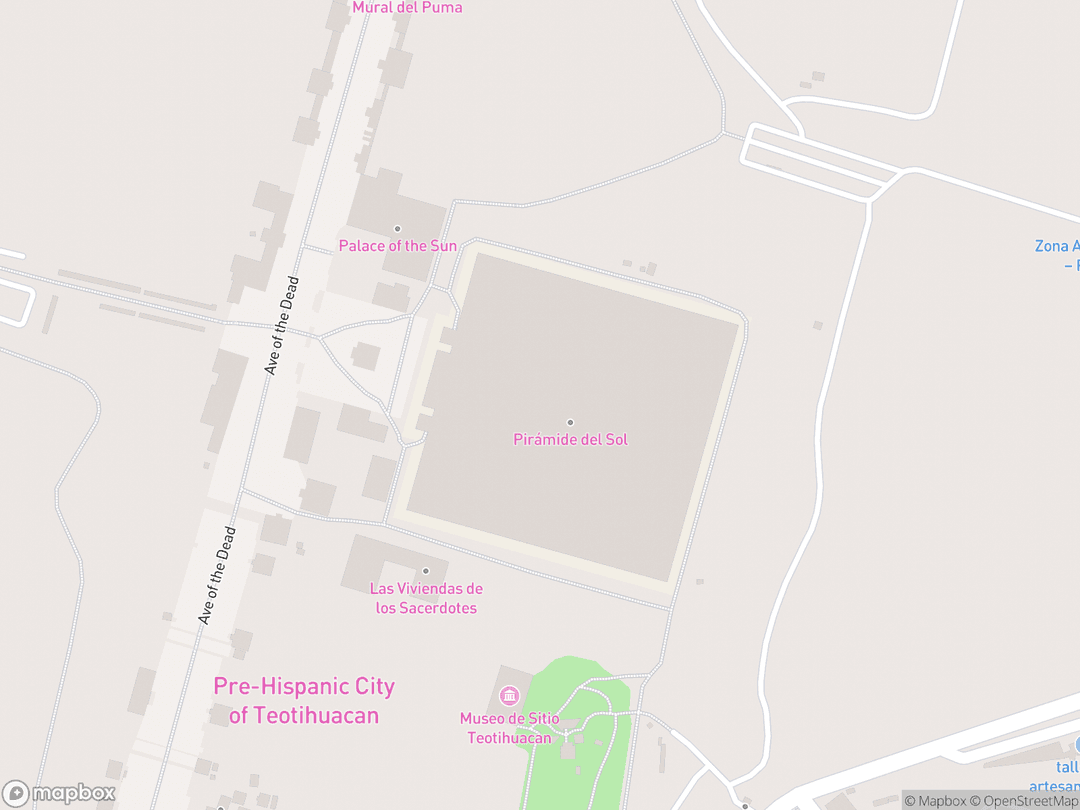
Ecatepec - Pirámides km 22, Zona Arqueológica de Teotihuacán, 55800 Teotihuacán de Arista, State of Mexico, Mexico
获取路线参观提示
避开正午烈日
在上午 8:00 从 1 号或 2 号门进入,在热浪达到顶峰之前,在凉爽的晨光中探索主要大道。
先参观遗址博物馆
尽早探索室内的 INAH 遗址博物馆,观赏原始的黑曜石武器、祭祀陪葬品和比例模型。
穿上结实的步行鞋
考古公园占地超过两公里,布满了裸露的碎石路和凹凸不平的古代鹅卵石。
关于
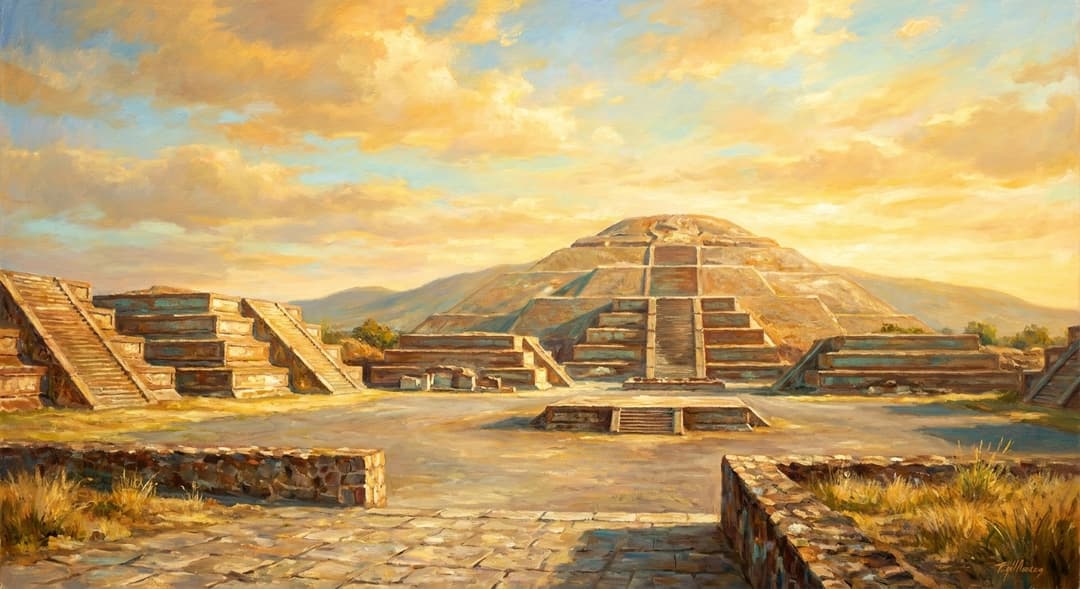
特奥蒂瓦坎(Teotihuacan)位于墨西哥城东北部,是美洲最重要且最神秘的古代遗址之一。这座城市在公元前1世纪至公元7世纪之间繁荣发展,其核心建筑包括宏伟的太阳金字塔和月亮金字塔,以及连接它们的亡者大道。
太阳金字塔是该遗址中最大的建筑,其规模在古代世界中名列前茅。月亮金字塔则位于亡者大道的北端,与周围的山脉景观完美呼应。这些建筑不仅是工程学的奇迹,更是古代宗教仪式和宇宙观的体现,吸引着来自世界各地的游客探索其深厚的历史底蕴。
图库
象征元素
寺庙外观有精美的雕刻,每一处都蕴含着丰富的精神意义:
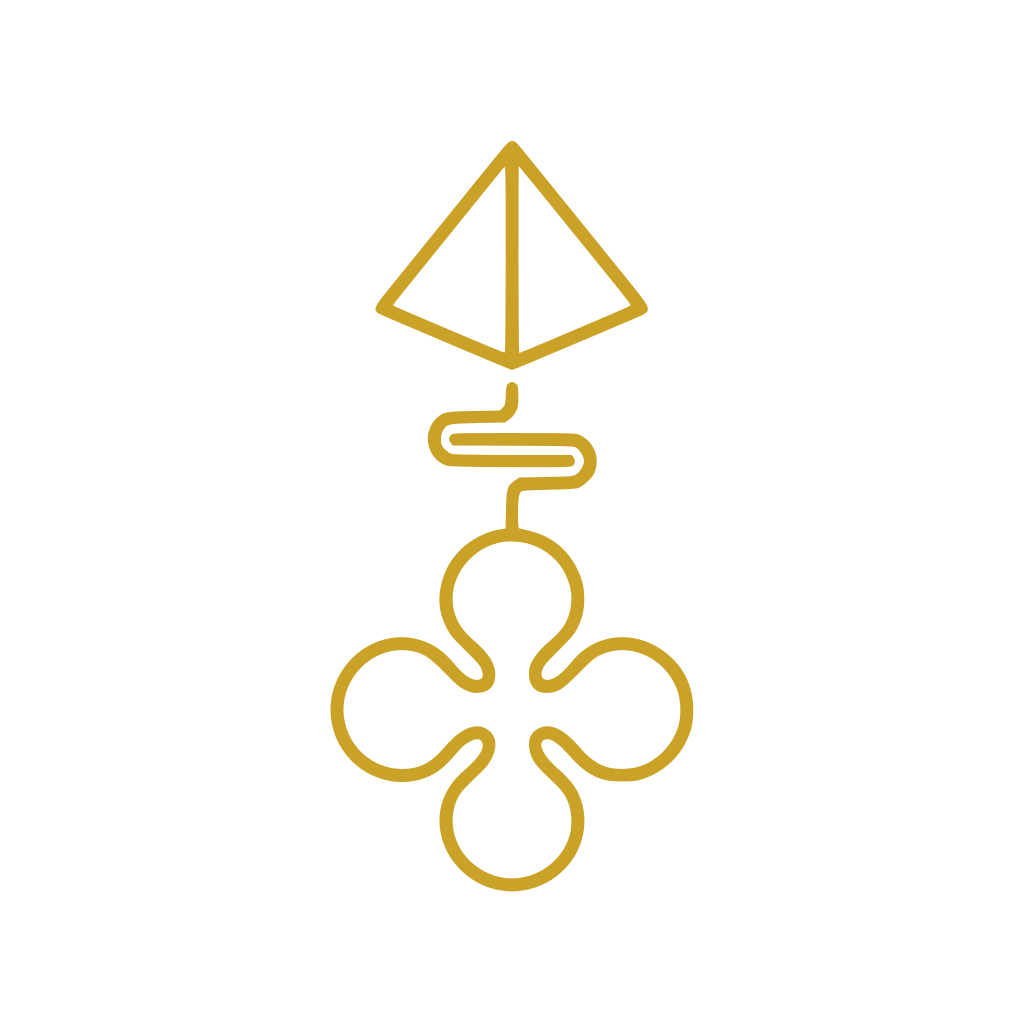
神圣熔岩洞穴
位于太阳金字塔正下方,一个长达100米的地下洞穴,末端呈四叶草形状,象征着创世的原始子宫。
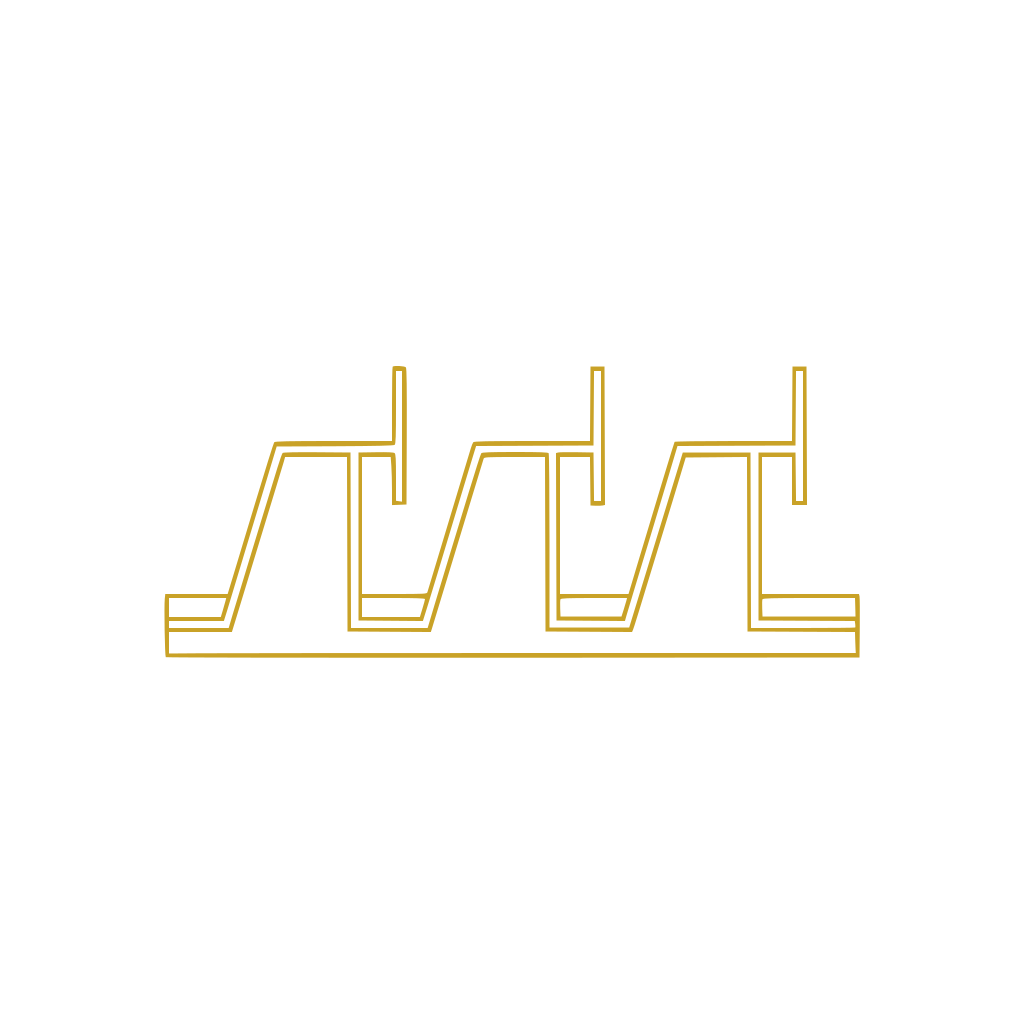
斜坡-镶板(Talud-Tablero)轮廓
交替的斜坡墙面和悬挑镶板轮廓创造了富有节奏的光影效果,并增强了建筑的抗震能力。
山峦轮廓模仿
月亮金字塔的建造旨在直接呼应其背后 Cerro Gordo 山的自然轮廓。
伟大女神的头饰
描绘中佩戴着羽毛鼻饰和浇水树木的至高水神,象征着大地的肥沃与生命。
羽蛇神头像
将格查尔鸟羽毛与响尾蛇头相结合的石雕,象征着大气中的水和神圣的政治权威。
赤铁矿红色壁画
绘制在金字塔外墙上鲜艳的红色石灰泥壁画,代表了血液、生命和神圣能量的流动。
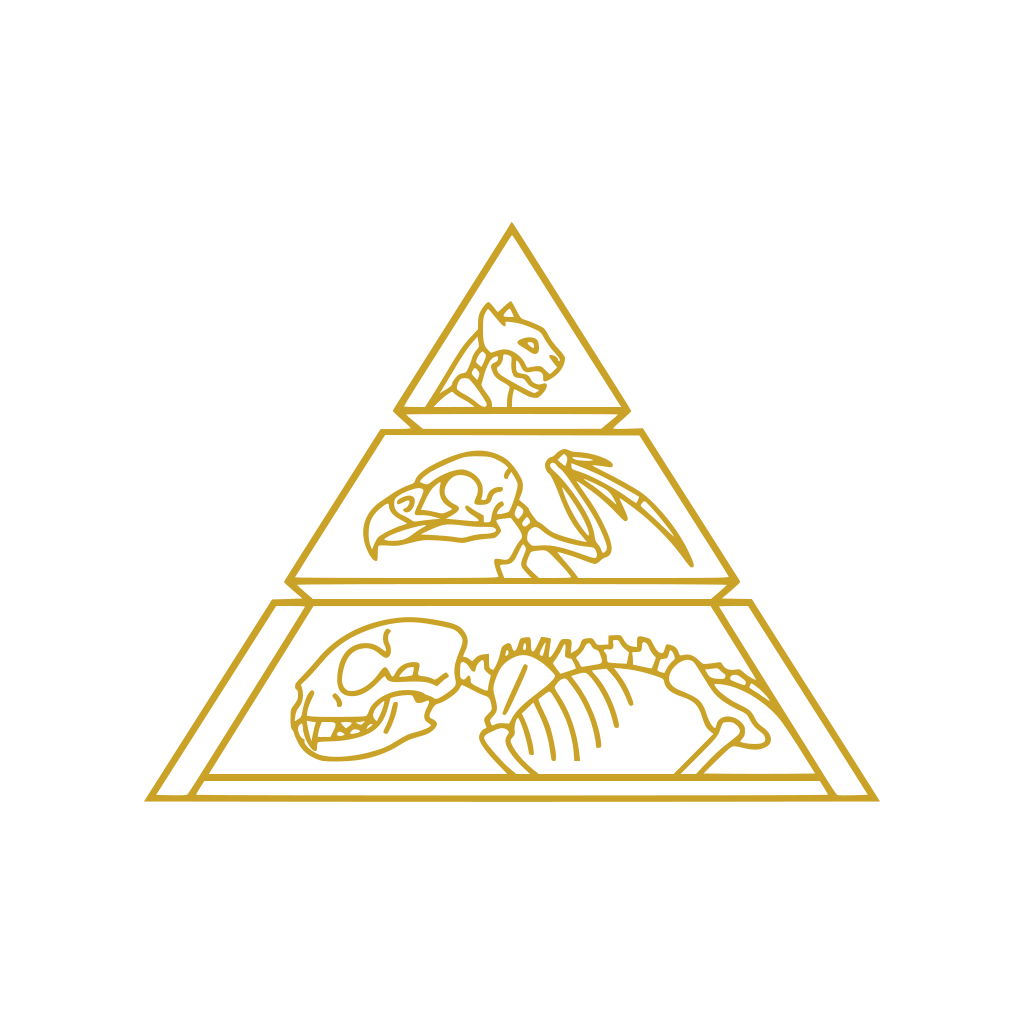
祭祀掠食者遗骸
金字塔层内的墓穴中发现了美洲豹、鹰和美洲狮的骨架,代表了太阳掠食者的能量。
绿色黑曜石镜
在城市作坊中批量生产的抛光火山玻璃镜,曾被用作与神灵沟通的占卜工具。
趣闻轶事
按总体积计算(约118万立方米),太阳金字塔是世界上第三大古代金字塔。
由于月亮金字塔建在较高的自然地基上,两座金字塔的塔顶处于相同的地理海拔高度。
在特奥蒂瓦坎从未发现过以名字命名的皇家陵墓或王朝统治者的肖像。
特奥蒂瓦坎是一座国际化大都市,拥有萨波特克人和玛雅人等多元民族的外国居民区。
其经济由对锋利的绿色黑曜石工具的工业垄断所驱动,这些工具被出口到整个中美洲。
在其鼎盛时期,几乎所有的建筑都覆盖着光滑的石灰泥,并绘有鲜艳的红色壁画。
考古学家在建筑群下方发现了液态汞池,旨在代表冥界的河流。
城市网格的朝向为北偏东15.5度,以与关键的太阳历日期对齐。
城市崩溃期间的破坏性火灾是专门针对金字塔顶端的精英神庙进行的。
常见问题
我可以攀登金字塔吗?
为了保护遗址的结构完整性,目前部分金字塔区域已禁止攀登,请遵循现场指示牌的规定。
参观特奥蒂瓦坎需要多长时间?
建议预留至少3到4个小时,以便充分游览整个遗址区域。
Why did the Aztecs name it Teotihuacan?
The Aztecs discovered the abandoned city centuries later and named it Teotihuacan, meaning 'Place Where Gods Were Born'.
How tall is the Pyramid of the Sun?
The Pyramid of the Sun stands at a structural height of 65.5 meters (215 feet).
How far is Teotihuacan from Mexico City?
It is located approximately 40 kilometers (25 miles) northeast of Mexico City, about an hour away by public bus.
精选故事
发现秘密三叶草洞穴
1971
1971年,考古学家在太阳金字塔底部附近做出了历史性的发现。他们发现了一个天然的100米长熔岩管,其尽头是一个位于金字塔中心正下方的四室三叶草形洞穴。这个地下室证明了古代建造者将金字塔作为神圣的顶石,矗立在原始生命之源的上方。
来源: INAH Archaeological Records
开启祭祀墓室
1998
一支墨西哥与美国的联合挖掘小组花费数年时间,挖掘进入月亮金字塔的核心。他们发现了六层墓室,里面包含被祭祀的外国俘虏、顶级掠食者以及精美的玉石雕像。这些发现揭示了每一次建筑扩建是如何通过复杂的皇家仪式进行神圣化的。
来源: Arizona State University Research Dossier
金字塔下的液态汞
2014
在对封闭的地下隧道进行微型机器人探测期间,考古学家发现了液态汞池。这种反光的液态金属被设计用来代表一个闪烁的冥界湖泊,映射着宇宙的夜空。这一发现突显了古代特奥蒂瓦坎仪式专家非凡的技术能力。
来源: INAH Research Reports
时间线
最初的城市定居点
农业社区在特奥蒂瓦坎山谷合并为一个规划好的城市核心区。
里程碑太阳金字塔动工
建筑者开始在神圣的火山洞穴上方建造太阳金字塔的核心部分。
里程碑太阳金字塔完工
太阳金字塔达到了65.5米的全高。
里程碑月亮金字塔扩建
建筑师完成了月亮金字塔和月亮广场的主要扩建工程。
里程碑最终建筑阶段
月亮金字塔通过第七个建造阶段达到了43米的最终高度。
里程碑大火事件
火灾摧毁了精英行政建筑,导致中央政府体系崩溃。
事件阿兹特克朝圣开始
阿兹特克统治者发现了这些古老的遗迹,并将其纳入了“第五太阳”的创世神话中。
事件百年考古发掘
利奥波多·巴特雷斯(Leopoldo Batres)在太阳金字塔进行了首次政府修复工作。
事件地下洞穴的发现
考古学家在太阳金字塔下方发现了100米长的地下洞穴。
事件联合国教科文组织世界遗产名录
联合国教科文组织正式将特奥蒂瓦坎列入世界遗产名录。
里程碑液态汞的发现
研究人员在密封的地下隧道内发现了液态汞池。
事件按年代历史
100 BCE — Urban Origin and Volcanic Displacement
Following catastrophic volcanic eruptions in the southern Basin of Mexico, displaced populations moved north into the Teotihuacan valley. Builders established an orthogonal urban grid aligned to astronomical calendar dates.
100 CE — Erection of the Pyramid of the Sun
Construction began on the massive core of the Pyramid of the Sun directly above a natural subterranean lava tube. Builders compacted over one million cubic meters of earth and stone behind volcanic scoria retaining walls.
200 CE — Expansion of the Pyramid of the Moon
Architects completed the initial build phases of the Pyramid of the Moon at the northern terminus of the Avenue of the Dead. Surrounding plazas were laid out to accommodate vast public ritual gatherings.
400 CE — The Metropolitan Peak
Teotihuacan reached its architectural zenith, housing over 100,000 multi-ethnic residents. The Pyramid of the Moon achieved its final height of 43 meters through seven super-positioned construction stages.
550 CE — The Great Internal Destruction
A intense fire destroyed elite administrative complexes and shrines atop the primary pyramids. Internal social revolt or ecological crisis triggered the rapid collapse of central urban governance.
1300 — Aztec Discovery and Mythological Rebirth
Nahuatl-speaking Aztecs arrived at the majestic ruined city and named it Teotihuacan. They integrated its colossal pyramids into their creation mythology as the sacred birthplace of the Fifth Sun.
1910 — Centennial Restorations
Pioneer archaeologist Leopoldo Batres directed major restoration efforts at the Pyramid of the Sun ahead of Mexico's Independence Centennial. Early scientific surveys established modern Mexican archaeology at the site.
1987 — World Heritage Listing
UNESCO inscribed the Pre-Hispanic City of Teotihuacan as a World Heritage Site. The designation recognized its exceptional architectural planning and influence on Mesoamerican civilization.
2014 — High-Tech Subterranean Exploration
Advanced LiDAR scanning and micro-robotics revealed new sealed tunnels, burial chambers, and liquid mercury deposits beneath the city's ceremonial core.
建筑与设施
Teotihuacano monumental civic-religious architecture is defined by its signature talud-tablero wall profiling, strict orthogonal grid planning, and harmonious integration with the surrounding natural landscape. Structures featured stepped platforms coated in smooth lime stucco and painted in vibrant hematite red pigments.
建筑材料
Tezontle Scoria Stone
Porous red volcanic scoria stone carved into facade blocks for pyramid exterior walls.
Compaction Rubble and Adobe
Millions of cubic meters of river cobbles, clay, and unbaked adobe bricks forming structural cores.
Lime Stucco Plaster
Smooth exterior lime plaster painted with natural mineral red hematite pigments.
Basalt Blocks
Dense volcanic rock utilized for heavy foundation courses and retaining walls.
室内特色
Subterranean Cloverleaf Cave
A natural 100-meter volcanic tube terminating in four chambers directly beneath the Pyramid of the Sun.
Pyramid of the Moon Burial Vaults
Seven super-positioned structural layers containing elite sacrificial tombs and ritual offerings.
Tunnels of Quetzalcoatl
Underground ritual passages containing offerings of obsidian, jade, and liquid mercury.
Palace of Quetzalpapalotl Courtyard
Enclosed elite ceremonial complex featuring stone pillars carved with feathered butterflies.
寺庙场地
Spanning over 20 square kilometers, the complex features the 2.4-kilometer Avenue of the Dead connecting the Plaza of the Moon, the Pyramid of the Sun, and the Ciudadela enclosure.
附加设施
Includes two official INAH site museums, archaeological conservation laboratories, visitor service centers, resting facilities, and regulated artisan craft markets.
宗教意义
特奥蒂瓦坎被设计为一张活生生的宇宙地图,人类建筑在此将尘世与天界力量以及地下的冥界连接起来。
作为世界轴心,精英阶层的国家仪式在此举行,以维持宇宙平衡、农业降雨周期和神圣的政治秩序。
神圣仪式
水与雨的祈求
旨在向大地女神和风暴之神祈求,以确保农业丰收和降雨的仪式。
春分/秋分太阳仪式
与东方地平线上的太阳运动及中天日对齐的仪式性观察。
祭祀奉献仪式
通过埋葬俘虏、动物和玉器等精心准备的祭品,来圣化建筑扩建阶段。
世界轴心与神圣山脉
金字塔充当了人工山脉,与自然山峰相呼应,捕捉雨云并汇聚宇宙能量。
冥界之门
金字塔下方天然和人工雕凿的地下洞穴代表了“奇科莫斯托克”(Chicomoztoc),即祖先创造的子宫。
来源与研究
Temples.org上的每个事实都有 来源与研究的支持。每条信息按来源等级和可信度进行分类。
查看所有来源 (8)
| 字段 | 来源 | 等级 | 检索日期 |
|---|---|---|---|
| About & Historical Background | Instituto Nacional de Antropología e Historia (INAH) (在新标签页中打开) | A | 2026-03-30 |
| Architecture & Urban Layout | UNESCO World Heritage Centre (在新标签页中打开) | B | 2026-03-30 |
| Symbolic Elements & Sacred Geography | Encyclopaedia Britannica (在新标签页中打开) | B | 2026-03-30 |
| Subterranean Tunnels & Excavations | Arizona State University Teotihuacan Research Laboratory (在新标签页中打开) | B | 2026-03-30 |
| Pyramid of the Moon Sacrifice Vaults | Science Magazine (在新标签页中打开) | B | 2026-03-30 |
| Visitor Insights & Travel Information | Secretaría de Cultura de México (在新标签页中打开) | A | 2026-03-30 |
| Chronology & Archaeological Survey | National Geographic Society (在新标签页中打开) | B | 2026-03-30 |
| Iconography & Religious Significance | The Metropolitan Museum of Art (在新标签页中打开) | B | 2026-03-30 |