প্রবেশদ্বারের উপাদান
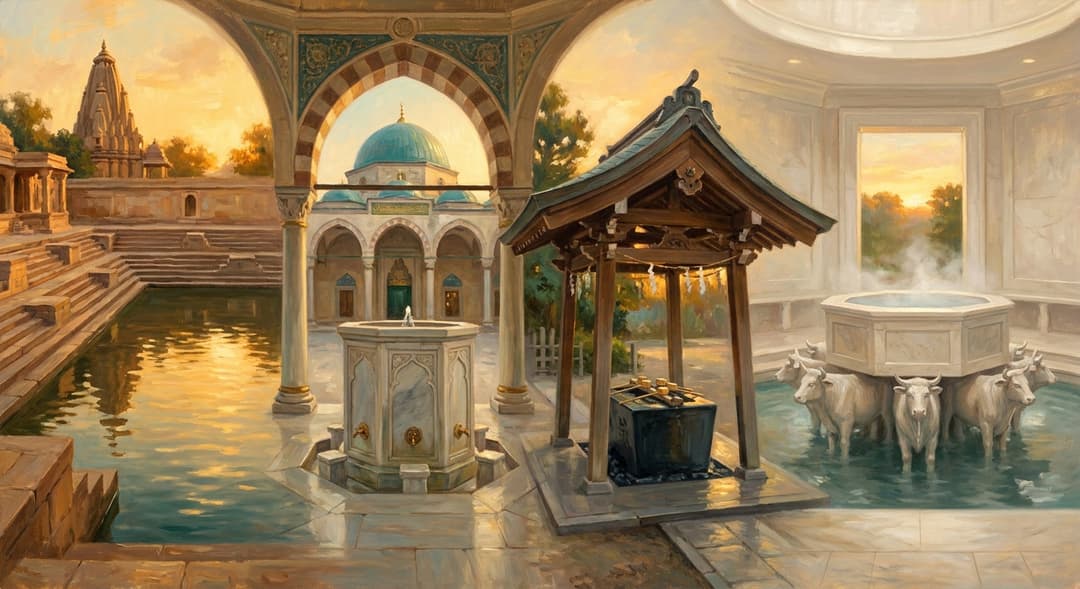
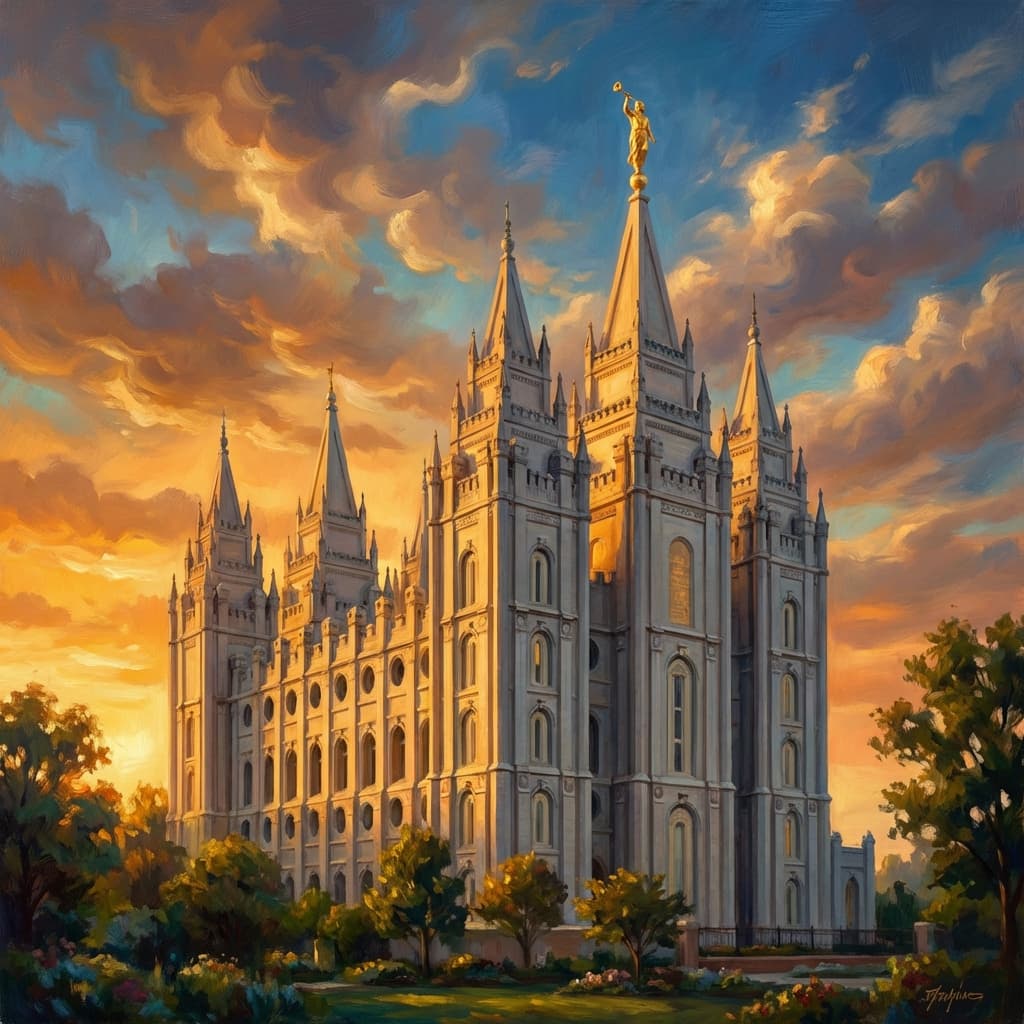
একটি শিন্তো উপাসনালয়ে প্রবেশ করলে আপনি প্রবেশদ্বারের কাছে শীতল জলের একটি মণ্ডপ দেখতে পাবেন। একটি বড় মসজিদে প্রবেশ করলে আপনি এমন একটি উঠোন পার হবেন যার কেন্দ্রে ওযুর ফোয়ারা রয়েছে। একটি হিন্দু মন্দির প্রাঙ্গণে প্রবেশ করলে আপনি সম্ভবত পাথরের সিঁড়ি বেয়ে একটি শান্ত জলের কুণ্ডে নেমে যাবেন। দ্য চার্চ অফ জেসাস ক্রাইস্ট অফ ল্যাটার-ডে সেন্টস-এর একটি মন্দিরে প্রবেশ করলে ভেতরে সম্পাদিত প্রথম অধ্যাদেশগুলোর একটি হলো বাপ্তিস্ম, যা বারোটি ষাঁড়ের পিঠের ওপর স্থাপিত একটি জলাধারে সম্পন্ন করা হয়।
প্রায় প্রতিটি ধর্মীয় ঐতিহ্যেই পবিত্র স্থানের প্রবেশদ্বারে জল অবস্থান করে। এটি হলো শুরুর, শুদ্ধিকরণের এবং এক অবস্থা থেকে অন্য অবস্থায় উত্তরণের উপাদান। আপনি গর্ভগৃহে বা পবিত্র স্থানে প্রবেশ করার আগে, জল সেই সীমানা চিহ্নিত করে যা আপনি অতিক্রম করতে চলেছেন।
মিকভাহ: ইহুদিদের আচারগত স্নান
ইহুদিদের অনুশীলনে, মিকভাহ হলো প্রাকৃতিক জলের একটি জলাশয় — যা বৃষ্টি, ঝরনা বা ‘জীবন্ত জল’-এর একটি সংযুক্ত আধার দ্বারা পূর্ণ থাকে — যা আচারগত স্নানের জন্য ব্যবহৃত হয়। মিকভাহ গুরুত্বপূর্ণ রূপান্তরগুলোর সাথে জড়িত: ধর্মান্তরকরণ, বিবাহ, মাসিক চক্র এবং ঐতিহ্যগতভাবে মন্দিরে প্রবেশের জন্য যাজকদের প্রস্তুতি। টেম্পল মাউন্টের চারপাশের প্রত্নতাত্ত্বিক খননে কয়েক ডজন প্রাচীন মিকভাহ আবিষ্কৃত হয়েছে, যা ইঙ্গিত করে যে শলোমন এবং হেরোদের মন্দিরে আসা তীর্থযাত্রীরা পবিত্র প্রাঙ্গণে যাওয়ার আগে স্নান সম্পন্ন করতেন।
মিকভাহর নকশার নিয়মগুলো অত্যন্ত সুনির্দিষ্ট: ন্যূনতম প্রায় ৫৭৫ লিটার মিশ্রণহীন জল, পুরো শরীর ঢেকে যায় এমন একটি একক ডুব এবং উৎসের সাথে একটি অবিচ্ছিন্ন শারীরিক সংযোগ। ব্রুকলিন থেকে জেরুজালেম পর্যন্ত বিভিন্ন শহরের আধুনিক মিকভাহগুলো এখনও প্রাচীনকালের শেষের দিকে নির্ধারিত এই বৈশিষ্ট্যগুলো মেনে চলে।
ওযু: ইসলামিক ওযুর স্থাপত্য
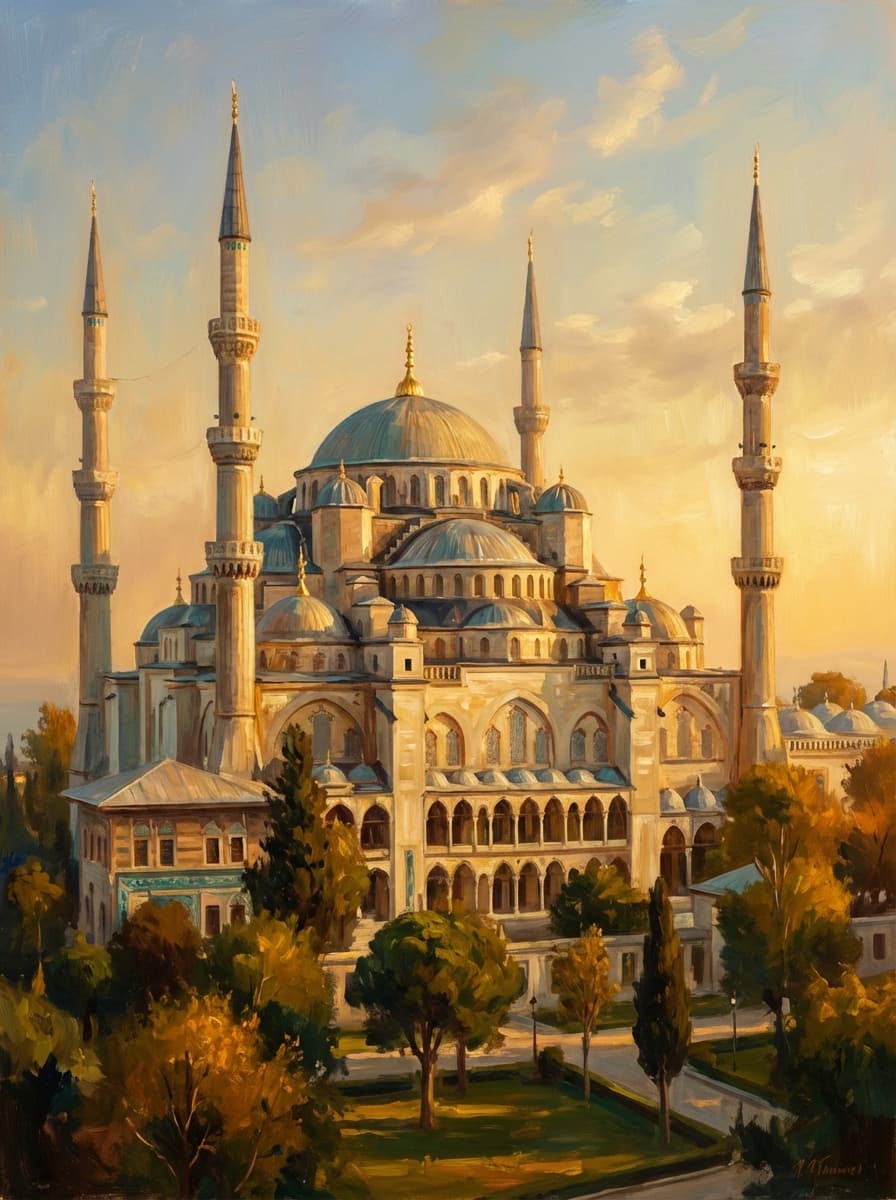
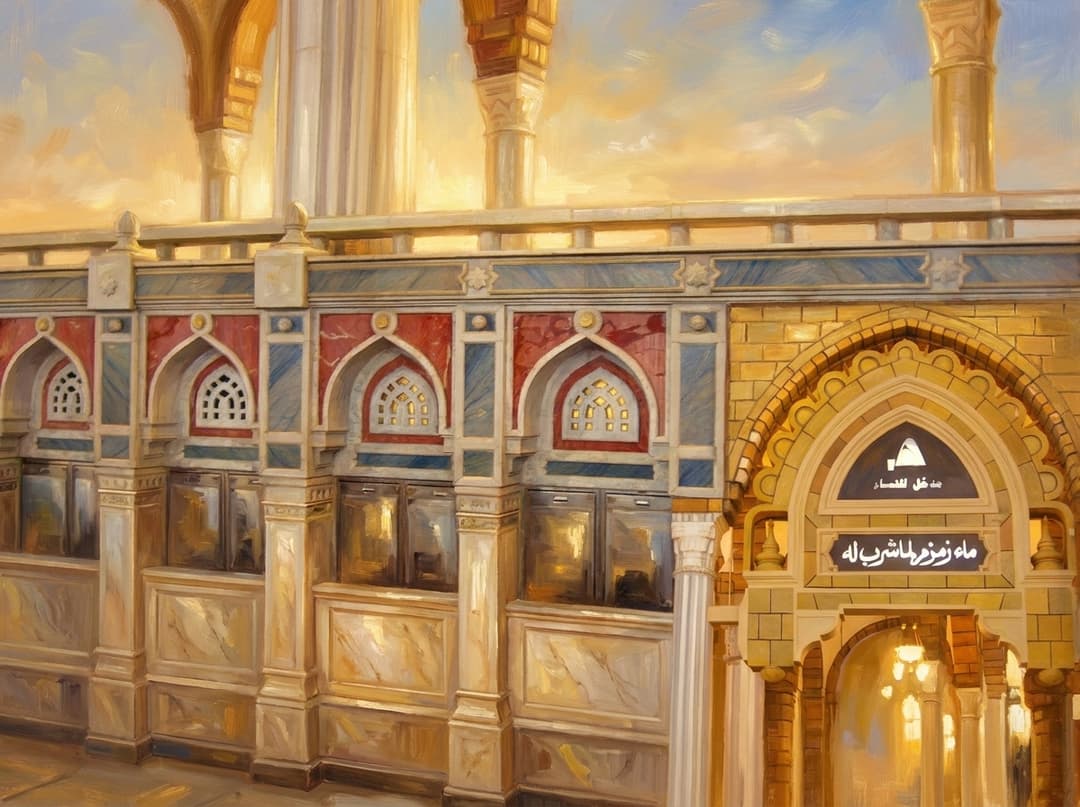
পবিত্র কুরআন মুসলমানদের প্রতিদিনের পাঁচ ওয়াক্ত নামাজের আগে শরীরের নির্দিষ্ট কিছু অংশ — মুখ, হাত, বাহু, মাথা, পা — ধোয়ার নির্দেশ দেয়। এই প্রক্ষালন বা পবিত্রকরণকে ওযু বলা হয়, যা বিশ্বের সবচেয়ে সুন্দর উঠোন স্থাপত্যের জন্ম দিয়েছে। বড় বড় মসজিদগুলো ফোয়ারাকে কেন্দ্র করে নির্মিত হয়েছে: দামেস্কের উমাইয়া মসজিদের কেন্দ্রীয় উঠোনের ফোয়ারা, ইস্তাম্বুলের সুলতান আহমেদ (ব্লু) মসজিদের মার্বেলের ওযুর মণ্ডপ, আবুধাবির শেখ জায়েদ গ্র্যান্ড মসজিদের উঠোনকে ঘিরে থাকা জলের কলের সারি।
এই স্থাপত্য কেবল কার্যকরীই নয়। মসজিদের উঠোনে জলের শীতল শব্দ নিজেই নামাজের প্রস্তুতির অভিজ্ঞতার একটি অংশ। অনেক পারস্য ও আন্দালুসীয় মসজিদ এবং মাদ্রাসায় প্রতিফলিত জলাশয়সহ বাগানের উঠোন যুক্ত করা হয়েছে, যা কুরআনে বর্ণিত জান্নাত বা স্বর্গের চিত্র থেকে অনুপ্রাণিত যেখানে বাগানের মধ্য দিয়ে নদী প্রবাহিত হয়।
হিন্দু মন্দিরের কুণ্ড এবং গঙ্গার ঘাট
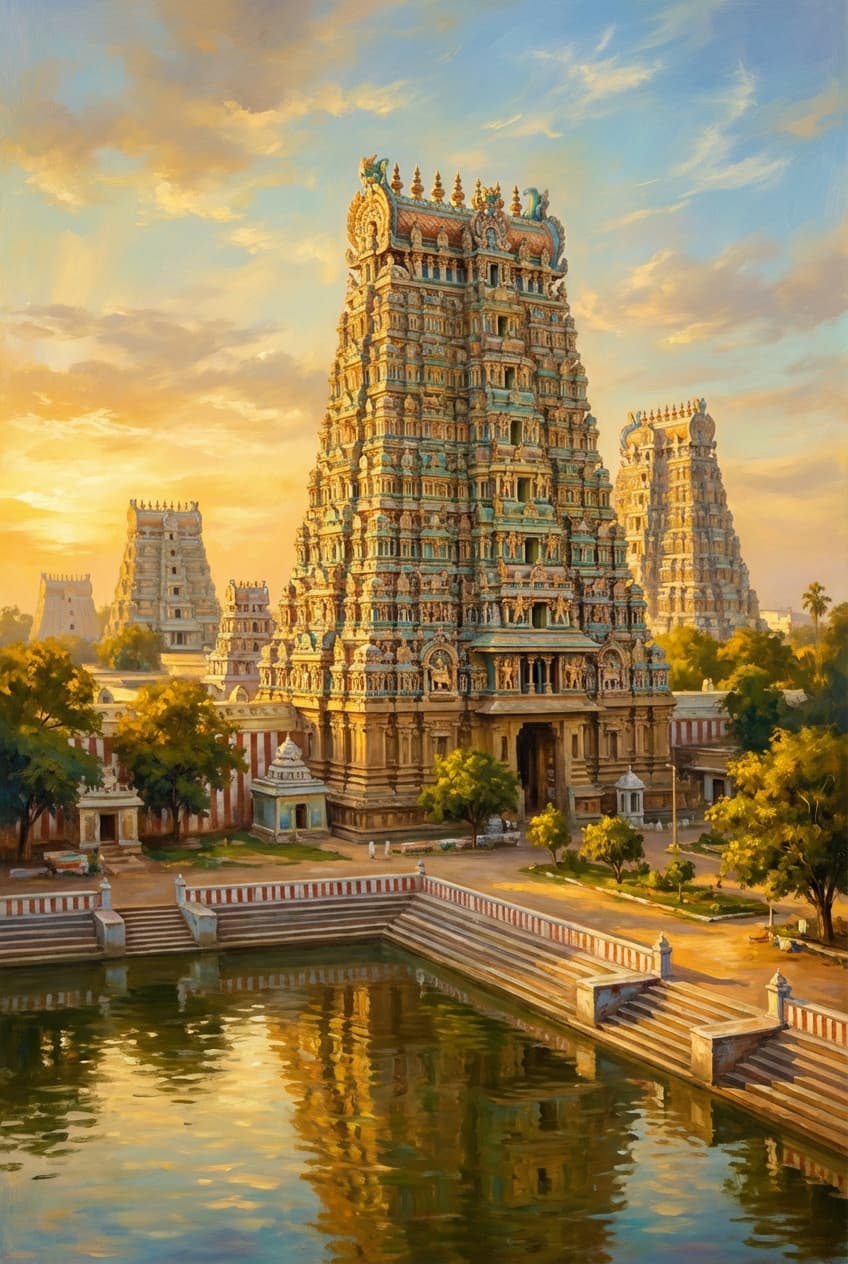
দক্ষিণ ভারত জুড়ে হিন্দু মন্দির প্রাঙ্গণগুলো ধাপে ধাপে নেমে যাওয়া জলাশয় — কুণ্ড বা পুষ্করিণী — ঘিরে তৈরি করা হয়েছে, যা গর্ভগৃহে প্রবেশের আগে আচারগত স্নানের জন্য ব্যবহৃত হয়। মাদুরাইয়ের মীনাক্ষী আম্মান মন্দিরে রয়েছে ‘পোট্টামরাই কুলাম’ বা ‘স্বর্ণপদ্মের পুকুর’, যা বহু শতাব্দী ধরে আচারগত শুদ্ধিকরণের জন্য অবিরাম ব্যবহৃত হয়ে আসছে। বড় মন্দিরগুলোতে প্রায়শই একাধিক কুণ্ড থাকে, যার প্রতিটি একটি নির্দিষ্ট দেবতা বা আচারগত কাজের সাথে যুক্ত।
আরও বিশাল পরিসরে, বারাণসীর ঘাটগুলো — নদীর তিন মাইল বিস্তৃত অংশ জুড়ে গঙ্গায় নেমে যাওয়া আশিরও বেশি পাথরের সিঁড়ি — একটি অবিচ্ছিন্ন উন্মুক্ত পবিত্র স্থাপত্য হিসেবে কাজ করে। তীর্থযাত্রীরা ভোরে স্নান করেন, মণিকর্ণিকা ও হরিশচন্দ্র ঘাটে চিতা জ্বলে এবং সন্ধ্যার আরতি অনুষ্ঠান হাজার হাজার মানুষকে আকর্ষণ করে। নদী নিজেই এখানে মন্দির, আর ঘাটগুলো হলো তার সিঁড়ি।
খ্রিস্টীয় বাপ্তিস্মের জলাধার
আদি খ্রিস্টীয় বাপ্তিস্মাল ভবনগুলো প্রায়শই প্রধান ব্যাসিলিকার কাছে অবস্থিত স্বতন্ত্র ভবন ছিল, যা সৃষ্টির অষ্টম দিন — অর্থাৎ পুনরুত্থানের দিনকে প্রতীকায়িত করার জন্য অষ্টভুজাকৃতির নকশায় তৈরি করা হতো। রাভেনার পঞ্চম শতাব্দীর ‘বাপ্তিস্ট্রি অফ নিয়ন’ এবং রোমের ‘ল্যাটারান বাপ্তিস্ট্রি’ এখনও টিকে থাকা প্রাচীনতম গির্জা কাঠামোগুলোর মধ্যে অন্যতম, এবং উভয়ই এই অষ্টভুজাকার নকশা অনুসরণ করে।
সময়ের সাথে সাথে, বাপ্তিস্মের জলাধারগুলো গির্জার ভেতরে স্থানান্তরিত হয়, যা প্রায়শই পার্থিব জগৎ থেকে পবিত্র স্থানে প্রবেশের রূপান্তরকে চিহ্নিত করতে প্রবেশদ্বারের কাছে স্থাপন করা হতো। ল্যাটার-ডে সেন্টদের মন্দিরের জলাধারটি ওল্ড টেস্টামেন্ট বা পুরাতন নিয়মের একটি চিত্রকে পুনরুজ্জীবিত করে: ব্রোঞ্জের ‘সমুদ্র’ যা শলোমন প্রথম মন্দিরের প্রাঙ্গণে স্থাপন করেছিলেন, যা চার প্রধান দিকে মুখ করে থাকা বারোটি ষাঁড়ের ওপর স্থাপিত ছিল। আধুনিক মন্দিরের জলাধারগুলোও একই বিন্যাস অনুসরণ করে, যেখানে প্রতিটি দিকে তিনটি করে ষাঁড় মুখ করে থাকে — যা ১ রাজাবলি ৭:২৫-এর একটি আক্ষরিক পাথুরে রূপ।
শিন্তো চোজুয়া এবং প্রবেশের পবিত্রতা
জাপানের কোনো শিন্তো উপাসনালয়ের দিকে এগিয়ে যাওয়ার সময়, একজন দর্শনার্থী প্রথমে একটি ‘তোরি’ তোরণের নিচ দিয়ে যান যা পবিত্র স্থানের সীমানা চিহ্নিত করে, তারপর তিনি ‘চোজুয়া’-তে পৌঁছান — এটি একটি ছোট উন্মুক্ত প্যাভিলিয়ন যেখানে একটি জলের পাত্র এবং লম্বা হাতলযুক্ত কাঠের চামচ রাখা থাকে। এই প্রক্রিয়াটি অত্যন্ত সুনির্দিষ্ট: প্রথমে বাম হাত ধোয়া, তারপর ডান হাত, তারপর বাম হাতের তালুতে জল নিয়ে মুখ ধোয়া এবং সবশেষে চামচের হাতলটি পরিষ্কার করার জন্য অবশিষ্ট জল হাতল বেয়ে নিচে পড়তে দেওয়া।
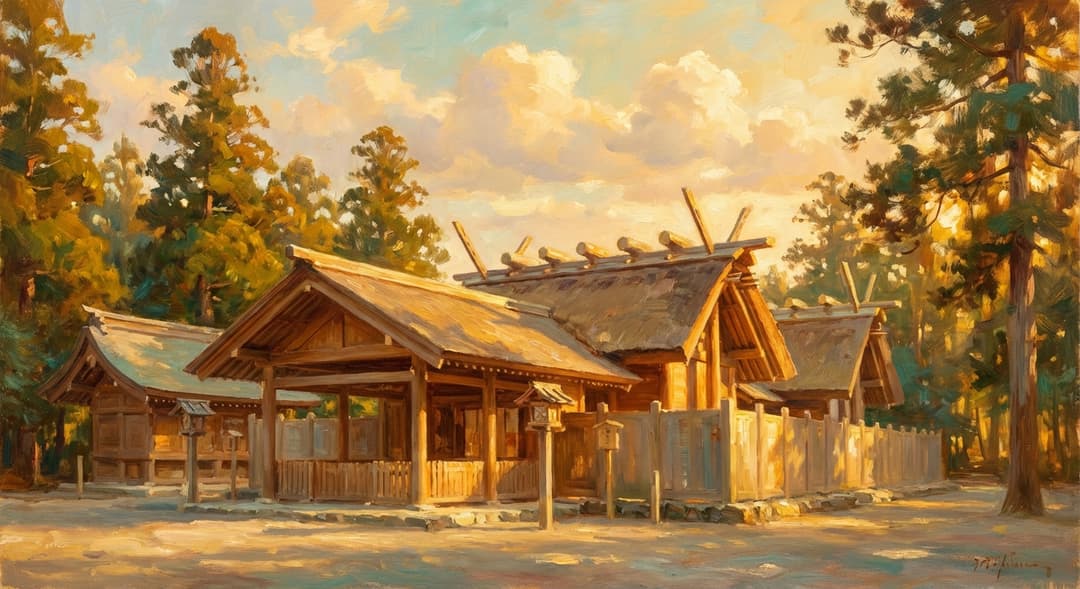
দর্শনার্থী যে উদ্দেশ্যেই সেখানে যান না কেন, প্রত্যেকেই এই আচারটি পালন করেন। এটি জাপানি ধর্মীয় জীবনের অন্যতম শান্ত ও গণতান্ত্রিক বৈশিষ্ট্য: ‘ইসে গ্র্যান্ড শ্রাইন’-এ সম্রাটদের দ্বারা এবং দুপুরের খাবারের পথে পাড়ার ছোট উপাসনালয়ে পর্যটকদের দ্বারা পবিত্রকরণের একই শারীরিক অঙ্গভঙ্গি অনুশীলন করা হয়।
জল কেন?
একের পর এক মন্দিরে একই উপাদানের পুনরাবৃত্তি ঘটে কারণ এটি সর্বত্র একই ধর্মতাত্ত্বিক কাজ সম্পন্ন করে। জল শরীরকে পরিষ্কার করে এবং এর প্রতীক হিসেবে এটি এমন কিছু পরিষ্কার করে যা দৃশ্যমান নয়। এটি সর্বজনীনভাবে সহজলভ্য এবং সর্বজনীনভাবে বোধগম্য। এটি একটি বাস্তব, সংবেদনশীল সীমানা চিহ্নিত করে — আপনি যখন এটি অতিক্রম করেন, তখন সেই মুহূর্তটি অনুভব করতে পারেন। এবং এটি এমন একটি উপাদান যা দিয়ে আমরা তৈরি, যা এটিকে আদি অবস্থায় ফিরে যাওয়ার এক পরম ও অকৃত্রিম প্রতীকে পরিণত করে।
পবিত্র স্থাপত্যকে সীমানা বা প্রবেশদ্বারকে দৃশ্যমান করার শিল্প হিসেবে বর্ণনা করা হয়েছে। যদি তা সত্য হয়, তবে জল হলো আমাদের খুঁজে পাওয়া সবচেয়ে স্থায়ী প্রবেশদ্বার উপাদান।
সংশ্লিষ্ট মন্দিরসমূহ
Sources & Research
Every fact on Temples.org is backed by verified Sources & Research. Each piece of information is rated by source tier and confidence level.
View All Sources (5)
| Field | Source | Tier | Retrieved |
|---|---|---|---|
| The mikvah and Jewish ritual immersion | My Jewish Learning (opens in a new tab) | B | 2026-05-08 |
| Ritual ablution (wudu) in Islamic practice | Encyclopædia Britannica (opens in a new tab) | B | 2026-05-08 |
| Varanasi ghats and the Ganges | UNESCO World Heritage Centre (opens in a new tab) | B | 2026-05-08 |
| Baptismal font on twelve oxen in LDS temples | The Church of Jesus Christ of Latter-day Saints (opens in a new tab) | A | 2026-05-08 |
| Temizu (chōzuya) purification at Shinto shrines | Japan National Tourism Organization (opens in a new tab) | B | 2026-05-08 |