দর্শনার্থীদের অন্তর্দৃষ্টি
দর্শন অ্যাপোলোর মন্দির (আর্ডিয়া)
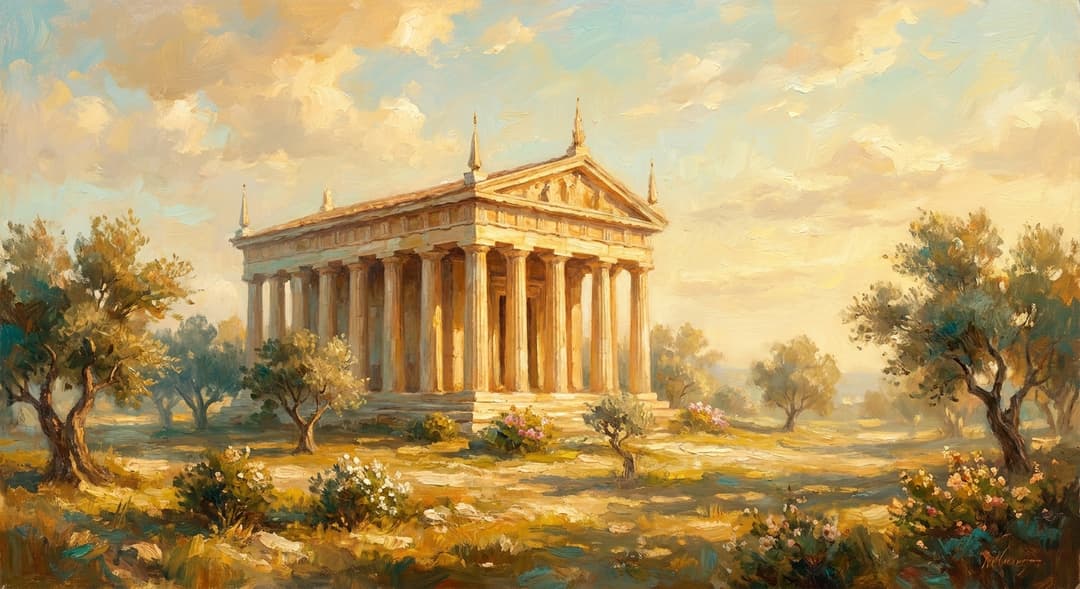
আর্ডিয়ার অ্যাপোলোর মন্দিরের ধ্বংসাবশেষ পরিদর্শন করা প্রাচীন অতীতের এক অনন্য আভাস দেয়। আধুনিক আর্ডিয়া শহরে অবস্থিত, যা প্রাচীন শহরের দুর্গ এলাকা জুড়ে গড়ে উঠেছে, এই স্থানটি রোমান এবং রুতুলিয়ান সভ্যতার সাথে একটি বাস্তব সংযোগ স্থাপন করে। যদিও মন্দিরটি নিজেই ধ্বংসপ্রাপ্ত, তবুও এই এলাকাটি ইতিহাসে সমৃদ্ধ এবং এটি একদা যে ধর্মীয় ও সাংস্কৃতিক গুরুত্ব বহন করত তার অনুভূতি প্রদান করে। নিজস্ব বা ব্যক্তিগত পরিবহনের মাধ্যমে আর্ডিয়ায় পৌঁছানো সবচেয়ে সুবিধাজনক।
প্রধান বৈশিষ্ট্য
- প্রাচীন অ্যাপোলোর মন্দিরের ধ্বংসাবশেষ অন্বেষণ করুন।
- পশ্চিম ইউরোপের অন্যতম প্রাচীন শহর আর্ডিয়ার ঐতিহাসিক গুরুত্ব আবিষ্কার করুন।
- দুর্গ থেকে মনোরম দৃশ্য উপভোগ করুন, যা একসময় প্রাচীন শহরের প্রাণকেন্দ্র ছিল।
জানার বিষয়
- মন্দিরের ধ্বংসাবশেষ সীমিত, তাই স্থানটির পূর্বের গৌরব কল্পনা করার জন্য আপনার কল্পনাশক্তি ব্যবহারের প্রস্তুতি রাখুন।
- আর্ডিয়ায় ব্যক্তিগত পরিবহনের মাধ্যমে যাতায়াত করা সবচেয়ে ভালো।
অবস্থান
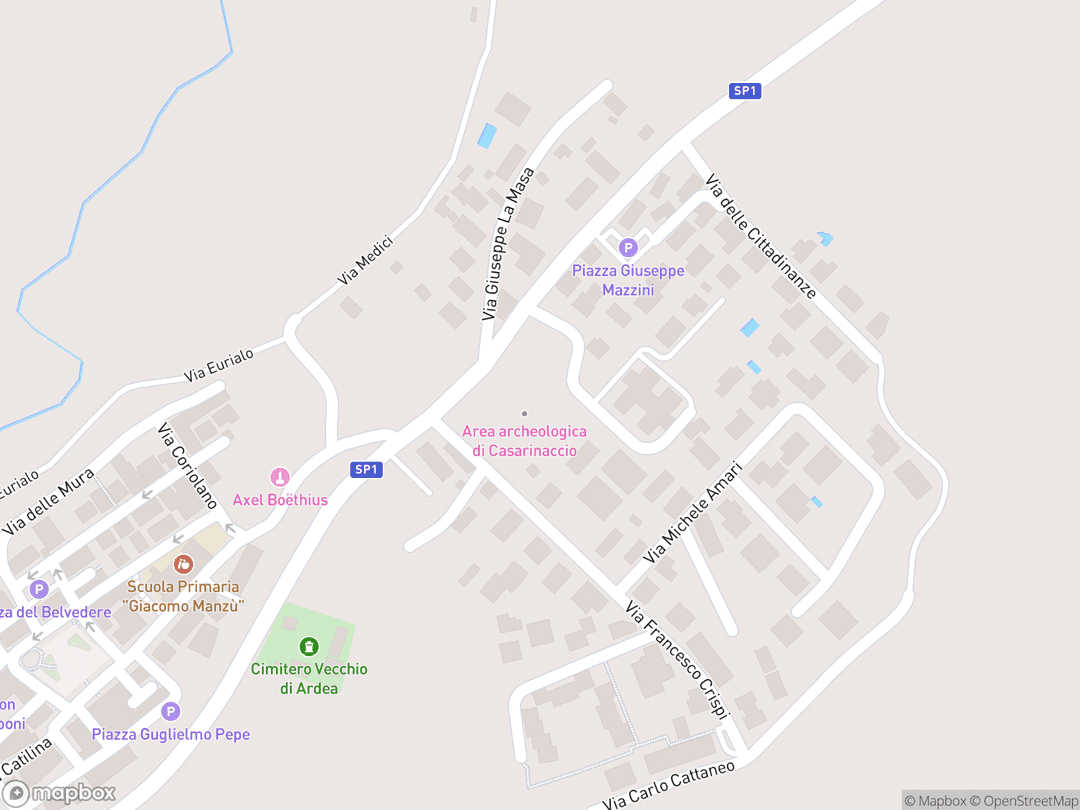
Ardea, Lazio, Italy
সময়: দিনের আলোর সময়ে খোলা থাকে; নির্দিষ্ট সময়ের জন্য স্থানীয় তালিকা পরীক্ষা করুন।
সেখানে যাওয়া: আর্ডিয়া রোম থেকে ৩৫ কিলোমিটার (২২ মাইল) দক্ষিণে অবস্থিত এবং গাড়িতে করে এখানে পৌঁছানো সবচেয়ে সুবিধাজনক।
দিকনির্দেশ পানআপনার দর্শনের জন্য টিপস
আরামদায়ক জুতো পরুন
ধ্বংসাবশেষের চারপাশের ভূখণ্ড অসমতল হতে পারে, তাই হাঁটার জন্য মজবুত জুতো পরুন।
পরিচিতি
topostext.org-এর তথ্য অনুযায়ী, আর্ডিয়ার অ্যাপোলোর মন্দিরটি পশ্চিম ইউরোপের অন্যতম প্রাচীন একটি শহরে অবস্থিত একটি প্রাচীন রোমান এবং রুতুলিয়ান ধর্মীয় স্থান। যদিও বর্তমানে এটি ধ্বংসাবশেষে পরিণত হয়েছে এবং এর আদি নির্মাণ সম্পর্কে সীমিত তথ্য পাওয়া যায়, তবুও এই মন্দিরের অস্তিত্ব প্রাচীন সম্প্রদায়ের ধর্মীয় জীবনে অ্যাপোলোর গুরুত্বকে তুলে ধরে।
আর্ডিয়া তার কৌশলগত অবস্থান এবং সমৃদ্ধ ইতিহাসের কারণে এই অঞ্চলের উন্নয়নে গুরুত্বপূর্ণ ভূমিকা পালন করেছিল। মন্দিরটি উপাসনা এবং ধর্মীয় আচার-অনুষ্ঠানের একটি কেন্দ্রীয় কেন্দ্র ছিল, যা তৎকালীন সাংস্কৃতিক মূল্যবোধ এবং বিশ্বাসকে প্রতিফলিত করে। ভার্জিলের ‘ইনিড’ (Aeneid) মহাকাব্যে ইনিয়াসের (Aeneas) প্রতিদ্বন্দ্বী টার্নাসের (Turnus) মতো ব্যক্তিত্বদের সাথে এই শহরের সংযোগ সাইটটির ঐতিহাসিক গুরুত্বকে আরও বাড়িয়ে দেয়।
আজ, অ্যাপোলোর মন্দিরের অবশিষ্টাংশ আর্ডিয়ার প্রাচীন অতীতের কথা স্মরণ করিয়ে দেয়। যদিও মন্দিরটি ধ্বংসপ্রাপ্ত, তবুও এই স্থানটি ইতিহাস এবং শ্রদ্ধাবোধের অনুভূতি জাগিয়ে তোলে, যা দর্শনার্থীদের একদা এর দেয়ালের অভ্যন্তরে পরিচালিত ধর্মীয় আচার-অনুষ্ঠানগুলো নিয়ে চিন্তা করতে অনুপ্রাণিত করে। মন্দিরের ঐতিহ্য আর্ডিয়ার বৃহত্তর ইতিহাসের সাথে জড়িত, এমন একটি শহর যা শতাব্দীর পর শতাব্দী ধরে পরিবর্তন এবং রূপান্তরের সাক্ষী হয়ে রয়েছে।
আকর্ষণীয় তথ্য
আর্ডিয়া ছিল ভার্জিলের “ইনিড”-এ ইনিয়াসের প্রতিদ্বন্দ্বী টার্নাসের রাজধানী।
কিংবদন্তি অনুসারে, আর্ডিয়া ওডিসিয়াস এবং সার্সির এক পুত্র অথবা পার্সিয়াসের মা ডানাই দ্বারা প্রতিষ্ঠিত হয়েছিল।
আর্ডিয়া ছিল লাতিয়ামের অন্যতম প্রাচীন শহর এবং অত্যন্ত গুরুত্বপূর্ণ একটি স্থান।
বলা হয়ে থাকে যে আর্ডিয়া একটি আরজিভ উপনিবেশ দ্বারা প্রতিষ্ঠিত হয়েছিল।
আর্ডিয়া তারকুইনিয়াস সুপারবাস দ্বারা বিজিত হয়েছিল।
দ্বিতীয় পিউনিক যুদ্ধের সময়, আর্ডিয়া রোমকে সামরিক সহায়তা দিতে অস্বীকার করেছিল এবং পরবর্তীতে এর স্বায়ত্তশাসন কেড়ে নেওয়া হয়েছিল।
প্রাচীনকালে আর্ডিয়া ছিল জুনোর উপাসনার একটি গুরুত্বপূর্ণ কেন্দ্র।
আধুনিক আর্ডিয়া গ্রামটি প্রাচীন শহরের দুর্গ এলাকাটি জুড়ে অবস্থিত।
আর্ডিয়া রোম শহরের কেন্দ্রস্থল থেকে ৩৫ কিলোমিটার (২২ মাইল) দক্ষিণে অবস্থিত।
আর্ডিয়াতে পৌঁছানোর সবচেয়ে ভালো উপায় হলো ব্যক্তিগত পরিবহন ব্যবহার করা।
সাধারণ জিজ্ঞাসা
অ্যাপোলোর মন্দিরটি কোথায় অবস্থিত?
অ্যাপোলোর মন্দিরটি ইতালির লাৎসিওর আর্ডিয়াতে অবস্থিত, যা রোম থেকে প্রায় ৩৫ কিলোমিটার দক্ষিণে। আধুনিক আর্ডিয়া শহরটি প্রাচীন শহরের দুর্গ এলাকাটি দখল করে আছে।
আর্ডিয়ার ঐতিহাসিক গুরুত্ব কী?
আর্ডিয়া পশ্চিম ইউরোপের অন্যতম প্রাচীন শহর, যার সমৃদ্ধ ইতিহাস খ্রিস্টপূর্ব ৮ম শতাব্দী পর্যন্ত বিস্তৃত। এটি ল্যাটিন লীগে একটি গুরুত্বপূর্ণ ভূমিকা পালন করেছিল এবং ভার্জিলের “ইনিড”-এ টার্নাসের মতো চরিত্রদের সাথে যুক্ত ছিল।
অ্যাপোলোর সাথে কোন প্রতীকী উপাদানগুলো যুক্ত ছিল?
অ্যাপোলো ছিলেন সঙ্গীত, শিল্পকলা, জ্ঞান, নিরাময়, মহামারী, ভবিষ্যদ্বাণী, কবিতা, পুরুষালি সৌন্দর্য এবং ধনুর্বিদ্যার গ্রীকো-রোমান দেবতা। তাঁর সাথে যুক্ত প্রতীকী উপাদানগুলোর মধ্যে রয়েছে লাইয়ার (বীণা), ধনুক ও তীর, লরেল পাতার মুকুট এবং সূর্য।
অ্যাপোলোর মন্দিরের বর্তমান অবস্থা কী?
অ্যাপোলোর মন্দিরটি বর্তমানে ধ্বংসপ্রাপ্ত। যদিও নির্দিষ্ট স্থাপত্যের বিবরণ খুব কম, এই স্থানটি আর্ডিয়ার প্রাচীন অতীত এবং একসময় সেখানে প্রচলিত ধর্মীয় আচার-অনুষ্ঠানের কথা স্মরণ করিয়ে দেয়।
আমি কীভাবে আর্ডিয়াতে যেতে পারি?
আর্ডিয়াতে পৌঁছানোর সবচেয়ে ভালো উপায় হলো ব্যক্তিগত পরিবহন ব্যবহার করা, কারণ এটি রোম থেকে প্রায় ৩৫ কিলোমিটার দক্ষিণে অবস্থিত।
বৈশিষ্ট্যযুক্ত গল্প
আর্ডিয়ার প্রতিষ্ঠা এবং মন্দিরের উৎপত্তি
8th Century BC
পশ্চিম ইউরোপের অন্যতম প্রাচীন শহর আর্ডিয়া খ্রিস্টপূর্ব ৮ম শতাব্দীতে প্রতিষ্ঠিত হয়েছিল। কিংবদন্তি অনুসারে, এটি ওডিসিয়াস এবং সার্সির এক পুত্র অথবা পার্সিয়াসের মা ডানাই দ্বারা প্রতিষ্ঠিত হয়েছিল। অ্যাপোলোর মন্দিরটি, যা সম্ভবত এই প্রাথমিক যুগে নির্মিত হয়েছিল, ক্রমবর্ধমান সম্প্রদায়ের জন্য উপাসনার একটি কেন্দ্রীয় স্থান হিসেবে কাজ করত, যা তাদের ধর্মীয় বিশ্বাস এবং সাংস্কৃতিক পরিচয়কে প্রতিফলিত করে।
মন্দিরের উৎপত্তি একটি গুরুত্বপূর্ণ ল্যাটিন কেন্দ্র হিসেবে শহরের বিকাশের সাথে ওতপ্রোতভাবে জড়িত। আর্ডিয়ার সমৃদ্ধির সাথে সাথে মন্দিরটিও প্রসারিত এবং সুসজ্জিত করা হয়েছিল, যা অ্যাপোলোর প্রতি শহরের সমৃদ্ধি এবং ভক্তির প্রতীক হয়ে উঠেছিল। আর্ডিয়ার আদি বাসিন্দারা, যারা তাদের সহনশীলতা এবং সম্পদশালিতার জন্য পরিচিত ছিলেন, তাদের দেবতাদের সম্মান জানাতে একটি পবিত্র স্থান তৈরিতে উল্লেখযোগ্য প্রচেষ্টা বিনিয়োগ করেছিলেন।
আর্ডিয়ার সর্বোচ্চ স্থান দুর্গের ওপর মন্দিরের অবস্থানটি শহরের ধর্মীয় ও সামাজিক জীবনে এর গুরুত্বকে তুলে ধরে। এই সুবিধাজনক অবস্থান থেকে মন্দিরটি সবার কাছে দৃশ্যমান হতো, যা ঐশ্বরিক শক্তির সাথে সম্প্রদায়ের সংযোগের একটি ধ্রুবক অনুস্মারক হিসেবে কাজ করত। আর্ডিয়ার প্রতিষ্ঠা এবং অ্যাপোলোর মন্দিরের স্থাপন শহরের ইতিহাসে একটি গুরুত্বপূর্ণ মুহূর্ত চিহ্নিত করে, যা এর ভবিষ্যৎ বিকাশ এবং সাংস্কৃতিক তাত্পর্যের পথ প্রশস্ত করেছিল।
তারকুইনিয়াস সুপারবাসের বিরুদ্ধে আর্ডিয়ার প্রতিরোধ
509 BC
৫০৯ খ্রিস্টপূর্বাব্দে, রোমের রাজা লুসিয়াস তারকুইনিয়াস সুপারবাস আর্ডিয়া দখল করার একটি ব্যর্থ চেষ্টা করেছিলেন। এই ঘটনাটি আর্ডিয়ার কৌশলগত গুরুত্ব এবং তার স্বাধীনতা বজায় রাখার দৃঢ় সংকল্পকে তুলে ধরে। অ্যাপোলোর মন্দিরটি, শহরের সাংস্কৃতিক ও ধর্মীয় পরিচয়ের প্রতীক হিসেবে, সম্প্রদায়ের প্রতিরোধকে অনুপ্রাণিত করতে ভূমিকা পালন করেছিল।
আর্ডিয়ার মানুষ, তাদের অভিন্ন বিশ্বাস এবং মূল্যবোধ দ্বারা ঐক্যবদ্ধ হয়ে, এই সংকটের সময়ে নির্দেশনা এবং শক্তির জন্য মন্দিরের দিকে ঝুঁকেছিলেন। অ্যাপোলোর পুরোহিত এবং পুরোহিতগণ শহরকে আক্রমণ থেকে রক্ষা করার জন্য ঐশ্বরিক হস্তক্ষেপ কামনা করে প্রার্থনা এবং বলিদান করেছিলেন। মন্দিরের উপস্থিতি একটি মিলনস্থল হিসেবে কাজ করেছিল, যা আর্ডিয়ার নাগরিকদের তাদের অভিন্ন ঐতিহ্য এবং তাদের বাড়ি রক্ষার প্রতিশ্রুতির কথা মনে করিয়ে দিত।
তারকুইনিয়াস সুপারবাসের আর্ডিয়া জয় করতে ব্যর্থতা শহরের সহনশীলতা এবং বাহ্যিক হুমকি মোকাবেলা করার ক্ষমতাকে তুলে ধরে। অ্যাপোলোর মন্দিরটি, শহরের আধ্যাত্মিক শক্তির প্রতীক হিসেবে, এই দ্বন্দ্ব থেকে আরও বেশি সম্মানিত এবং শ্রদ্ধেয় হয়ে উঠেছিল। এই ঘটনাটি প্রতিকূলতার মুখে বিশ্বাস এবং সম্প্রদায়ের স্থায়ী শক্তির প্রমাণ হিসেবে কাজ করে।
দ্বিতীয় পিউনিক যুদ্ধের সময় আর্ডিয়া
209 BC
দ্বিতীয় পিউনিক যুদ্ধের সময় (২১৮-২০১ খ্রিস্টপূর্বাব্দ), আর্ডিয়া রোমকে সামরিক সহায়তা দিতে অস্বীকার করে নিজেকে আলাদা করেছিল। এই সিদ্ধান্তটি বিতর্কিত হলেও, আর্ডিয়ার স্বাধীন মনোভাব এবং নিজস্ব পথ চলার ইচ্ছাকে প্রতিফলিত করে। অ্যাপোলোর মন্দিরটি, শহরের অনন্য পরিচয়ের প্রতীক হিসেবে, আর্ডিয়ার ইতিহাসের এই গুরুত্বপূর্ণ মুহূর্তের এক নীরব সাক্ষী ছিল।
যুদ্ধ এবং রাজনৈতিক অস্থিরতার চ্যালেঞ্জের মুখোমুখি হয়ে আর্ডিয়ার মানুষ মন্দিরে সান্ত্বনা এবং নির্দেশনা চেয়েছিলেন। অ্যাপোলোর পুরোহিত এবং পুরোহিতগণ পরামর্শ এবং সহায়তা প্রদান করেছিলেন, যা সম্প্রদায়কে এই দ্বন্দ্বের জটিলতাগুলো কাটিয়ে উঠতে সাহায্য করেছিল। মন্দিরের উপস্থিতি বাহ্যিক চাপের মুখেও নিজের মূল্যবোধের প্রতি সত্য থাকার গুরুত্বের অনুস্মারক হিসেবে কাজ করেছিল।
রোমকে সমর্থন করতে আর্ডিয়ার অস্বীকৃতির মারাত্মক পরিণতি হয়েছিল, কারণ পরবর্তীতে শহরটি তার স্বায়ত্তশাসন থেকে বঞ্চিত হয়েছিল। তবে, এই ঘটনাটি আর্ডিয়ার নিজস্ব নীতির প্রতি প্রতিশ্রুতি এবং ভিড় থেকে আলাদা থাকার ইচ্ছাকেও তুলে ধরে। অ্যাপোলোর মন্দিরটি, শহরের স্থায়ী চেতনার প্রতীক হিসেবে, পরবর্তী বছরগুলোতে আশা এবং সহনশীলতার আলোকবর্তিকা হিসেবে কাজ করে চলেছিল।
সময়রেখা
আর্ডিয়া প্রতিষ্ঠিত হয়
আর্ডিয়া প্রতিষ্ঠিত হয়, যা পশ্চিম ইউরোপের অন্যতম প্রাচীনতম শহরে পরিণত হয়।
মাইলস্টোনআর্ডিয়ার বিকাশ ঘটে
আর্ডিয়া একটি গুরুত্বপূর্ণ ল্যাটিন শহর এবং ল্যাটিন লীগের সদস্য হিসেবে গড়ে ওঠে।
মাইলস্টোনতারকুইনিয়াস সুপারবাস আর্ডিয়া দখল করতে ব্যর্থ হন
রোমের রাজা লুসিয়াস তারকুইনিয়াস সুপারবাস আর্ডিয়া দখল করার ব্যর্থ চেষ্টা করেন।
ঘটনারোমের সাথে চুক্তি
আর্ডিয়া রোমানদের সাথে একটি চুক্তি স্বাক্ষর করে।
ঘটনাভলসিদের অবরোধ
ভলসিরা আর্ডিয়া অবরোধ করে।
ঘটনাপিউনিক যুদ্ধ
পিউনিক যুদ্ধের সময়, অস্টিয়া (আর্ডিয়ার কাছে) ইতালির পশ্চিম উপকূলে রোমের প্রধান নৌবহর ঘাঁটি হিসেবে কাজ করেছিল।
ঘটনাআর্ডিয়া সামরিক সহায়তা প্রত্যাখ্যান করে
আর্ডিয়া ছিল এমন কয়েকটি শহরের একটি যা দ্বিতীয় পিউনিক যুদ্ধের সময় রোমকে সামরিক সহায়তা দিতে অস্বীকার করেছিল এবং পরবর্তীতে এর স্বায়ত্তশাসন কেড়ে নেওয়া হয়।
ঘটনাআর্ডিয়ার পতন ঘটে
আর্ডিয়ার পতন শুরু হয়।
মাইলস্টোনরোমান গৃহযুদ্ধ
মারিয়াস এবং সুলার অধীনে রোমান গৃহযুদ্ধ আর্ডিয়ার পতনকে আরও ত্বরান্বিত করে।
ঘটনাবিরল জনবসতিপূর্ণ
আর্ডিয়া বিরল জনবসতিপূর্ণ হয়ে পড়ে।
মাইলস্টোনআর্ডিয়া আবার বাড়তে শুরু করে
পশ্চিম রোমান সাম্রাজ্যের পতনের পর পরিত্যক্ত হওয়ার পর আর্ডিয়া আবার বাড়তে শুরু করে।
মাইলস্টোনপোপ গেলাসিয়াস দ্বিতীয়
আর্ডিয়ার দুর্গে পোপ গেলাসিয়াস দ্বিতীয় অবস্থান করেছিলেন।
ঘটনাকলোনা পরিবার
পোপ মার্টিন পঞ্চম আর্ডিয়াকে কলোনা পরিবারের হাতে অর্পণ করেন।
ঘটনাসেসারিনি পরিবার
কলোনা পরিবার আর্ডিয়াকে সেসারিনিদের কাছে বিক্রি করে দেয়।
ঘটনাজেনজানোর ফ্রাজিওনে
আর্ডিয়া জেনজানোর একটি ফ্রাজিওনে পরিণত হয়।
ঘটনাজল নিষ্কাশন এবং সমৃদ্ধি
পার্শ্ববর্তী এলাকার জল নিষ্কাশন করা হয় এবং আর্ডিয়া আবার সমৃদ্ধ হতে শুরু করে।
মাইলস্টোনপোমেৎসিয়ার ফ্রাজিওনে
আর্ডিয়া পোমেৎসিয়ার একটি ফ্রাজিওনে পরিণত হয়।
ঘটনাস্বাধীন পৌরসভা
আর্ডিয়া একটি স্বাধীন পৌরসভায় পরিণত হয়।
মাইলস্টোনধর্মীয় তাৎপর্য
আর্ডিয়ার অ্যাপোলোর মন্দিরটি সেখানে উপাসনা করা প্রাচীন রোমান এবং রুতুলিয়ানদের জন্য গভীর ধর্মীয় তাৎপর্য বহন করত। সঙ্গীত, শিল্পকলা, জ্ঞান, নিরাময় এবং ভবিষ্যদ্বাণীর দেবতা হিসেবে অ্যাপোলো মানবজীবনে তাঁর বহুমুখী ভূমিকার জন্য পূজিত হতেন। মন্দিরটি একটি পবিত্র স্থান হিসেবে কাজ করত যেখানে সম্প্রদায়টি ঐশ্বরিক শক্তির সাথে সংযোগ স্থাপন করতে এবং অ্যাপোলোর आशीर्वाद প্রার্থনা করতে পারত।
অ্যাপোলোর মন্দিরের মূল আধ্যাত্মিক উদ্দেশ্য ছিল দেবতার প্রতি সম্মান ও শ্রদ্ধা প্রদর্শন করা এবং তাঁর অবিরাম কৃপা ও সুরক্ষা প্রার্থনা করা। আচার-অনুষ্ঠান, বলিদান এবং প্রার্থনার মাধ্যমে উপাসকরা ঐশ্বরিক শক্তির সাথে সম্প্রীতি বজায় রাখতে এবং তাদের দৈনন্দিন জীবনে নির্দেশনা পেতে চাইতেন। মন্দিরটি ব্যক্তিগত এবং সামাজিক উভয় ধরনের উপাসনার স্থান ছিল, যা আর্ডিয়ার মানুষের মধ্যে একতা এবং অংশীদারিত্বের অনুভূতি জাগ্রত করত।
পবিত্র বিধি
বলিদান
অ্যাপোলোর মন্দিরে পশুবলি একটি সাধারণ প্রথা ছিল, যা দেবতার সম্মানার্থে এবং তাঁর কৃপা লাভের জন্য উৎসর্গ করা হতো। প্রাচীন ঐতিহ্য অনুযায়ী বলিদানগুলো অত্যন্ত সতর্কতার সাথে সম্পন্ন করা হতো, যেখানে পুরোহিতরা অনুষ্ঠান পরিচালনা করতেন এবং উৎসর্গগুলো সঠিকভাবে উপস্থাপিত হয়েছে কিনা তা নিশ্চিত করতেন।
প্রার্থনা এবং মানত
জীবনের বিভিন্ন ক্ষেত্রে তাঁর নির্দেশনা এবং সাহায্য চেয়ে অ্যাপোলোর কাছে প্রার্থনা এবং মানত করা হতো। উপাসকরা তাদের কৃতজ্ঞতা প্রকাশ করতেন, আরোগ্য প্রার্থনা করতেন অথবা ঐশ্বরিক হস্তক্ষেপের বিনিময়ে প্রতিশ্রুতি দিতেন। প্রার্থনা এবং মানতের সাথে প্রায়শই ধূপ, ফুল বা অন্যান্য প্রতীকী উপহার উৎসর্গ করা হতো।
উৎসব এবং উদযাপন
অ্যাপোলোর মন্দিরে উৎসব এবং উদযাপনের আয়োজন করা হতো, যা দেবতাকে সম্মান জানাত এবং সম্প্রদায়ের জীবনের গুরুত্বপূর্ণ ঘটনাগুলোকে চিহ্নিত করত। এই অনুষ্ঠানগুলোতে সঙ্গীত, নৃত্য এবং নাট্য পরিবেশনা অন্তর্ভুক্ত থাকত, যা শিল্পকলার সাথে অ্যাপোলোর সংযোগকে প্রতিফলিত করত। উৎসবগুলো ছিল আনন্দ এবং সামাজিক মেলবন্ধনের সময়, যা আর্ডিয়ার মানুষকে একত্রিত করার বন্ধনকে আরও দৃঢ় করত।
নিরাময় এবং ভবিষ্যদ্বাণীতে অ্যাপোলোর ভূমিকা
অ্যাপোলো রোগ নিরাময় এবং স্বাস্থ্য পুনরুদ্ধারে সক্ষম এক নিরাময়কারী দেবতা হিসেবে পূজিত হতেন। উপাসকরা আরোগ্য লাভের আশায় প্রার্থনা ও বলিদান উৎসর্গ করে তাঁর হস্তক্ষেপ কামনা করতে মন্দিরে আসতেন। অ্যাপোলো তাঁর ভবিষ্যদ্বাণী করার ক্ষমতার জন্যও পরিচিত ছিলেন এবং মন্দিরটি এমন একটি স্থান হিসেবে কাজ করত যেখানে ব্যক্তিরা ভবিষ্যৎ সম্পর্কে নির্দেশনা চাইতে পারত। অ্যাপোলোর পুরোহিত এবং পুরোহিতগণ লক্ষণগুলো ব্যাখ্যা করতেন এবং ভবিষ্যদ্বাণী প্রদান করতেন, যা ঐশ্বরিক ইচ্ছার অন্তর্দৃষ্টি প্রদান করত।
জ্ঞান ও সংস্কৃতির কেন্দ্র হিসেবে মন্দির
অ্যাপোলোর মন্দিরটি কেবল উপাসনার স্থানই ছিল না, বরং জ্ঞান ও সংস্কৃতির একটি কেন্দ্রও ছিল। এখানে একটি গ্রন্থাগার ছিল এবং এটি পণ্ডিত ও শিল্পীদের মিলনমেলা হিসেবে কাজ করত। মন্দিরটি প্রাচীন ঐতিহ্য সংরক্ষণ ও প্রেরণে ভূমিকা পালন করেছিল, যা আর্ডিয়ার মানুষের মধ্যে শিক্ষা এবং সৃজনশীলতার প্রতি ভালোবাসা জাগ্রত করেছিল। সঙ্গীত এবং শিল্পকলার সাথে মন্দিরের সংযোগ শহরের প্রাণবন্ত সাংস্কৃতিক জীবনে অবদান রেখেছিল।
অনুরূপ মন্দিরসমূহ
উৎস ও গবেষণা
Temples.org-এর প্রতিটি তথ্য যাচাইকৃত দ্বারা সমর্থিত <strong>উৎস ও গবেষণা</strong>। তথ্যের প্রতিটি অংশ উৎস স্তর এবং আত্মবিশ্বাসের স্তর দ্বারা রেট করা হয়।
সমস্ত উৎস দেখুন (7)
| ক্ষেত্র | উৎস | স্তর | পুনরুদ্ধার করা হয়েছে |
|---|---|---|---|
| About & Historical Background | topostext.org (নতুন ট্যাবে খোলে) | A | 2024-01-02 |
| About & Historical Background | Britannica (নতুন ট্যাবে খোলে) | B | 2024-01-02 |
| About & Historical Background | University of Chicago (নতুন ট্যাবে খোলে) | B | 2024-01-02 |
| About & Historical Background | Rome Art Lover (নতুন ট্যাবে খোলে) | D | 2024-01-02 |
| Symbolic Elements | Smithsonian Magazine (নতুন ট্যাবে খোলে) | B | 2024-01-02 |
| Location & Access | ilia-olympia.org (নতুন ট্যাবে খোলে) | D | 2024-01-02 |
| Interesting Facts | UNESCO (নতুন ট্যাবে খোলে) | B | 2024-01-02 |