Judaïsme
Les synagogues sont les centres communautaires du culte, de l'étude et de l'assemblée juifs, préservant les anciennes traditions de la prière et de l'apprentissage de la Torah.
À propos des lieux sacrés Juif
Les synagogues sont au centre de la vie communautaire juive depuis plus de deux mille ans, depuis la destruction du Second Temple de Jérusalem en 70 de notre ère. Le mot « synagogue » vient du grec et signifie « assemblée », et ces espaces sacrés remplissent trois fonctions principales : une maison de prière (bet tefilah), une maison d'étude (bet midrash) et une maison d'assemblée (bet knesset). L'architecture des synagogues varie considérablement, des anciennes synagogues en pierre de Galilée aux grandes synagogues européennes du XIXe siècle, mais toutes partagent des éléments communs, notamment l'arche de la Torah (aron kodesh), la flamme éternelle (ner tamid) et la plateforme de lecture (bimah). Le mur des Lamentations à Jérusalem reste le site le plus sacré du judaïsme, le dernier vestige de l'ancien mont du Temple.
Sites Religieux 12
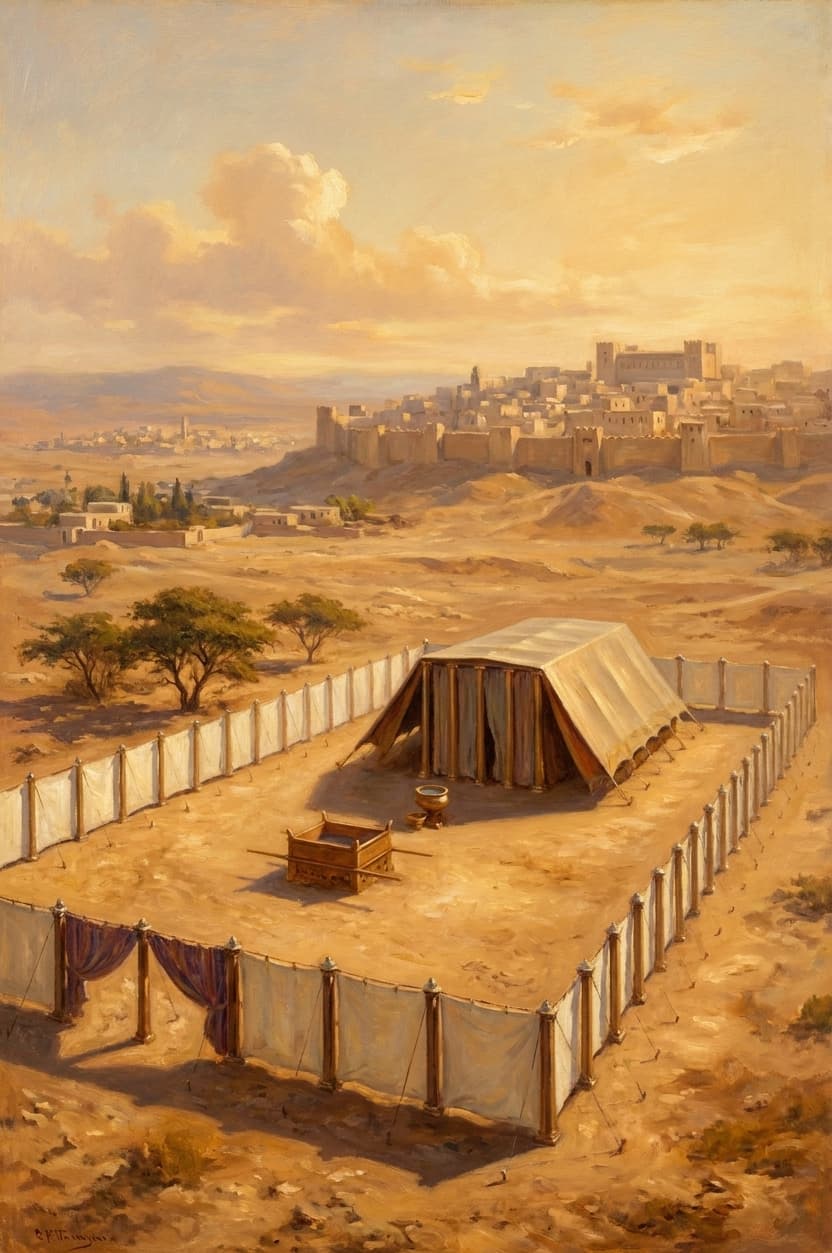
Ancien Tabernacle de Moïse
Le sanctuaire portable des Israélites durant leur voyage de 40 ans dans le désert.
Explorer →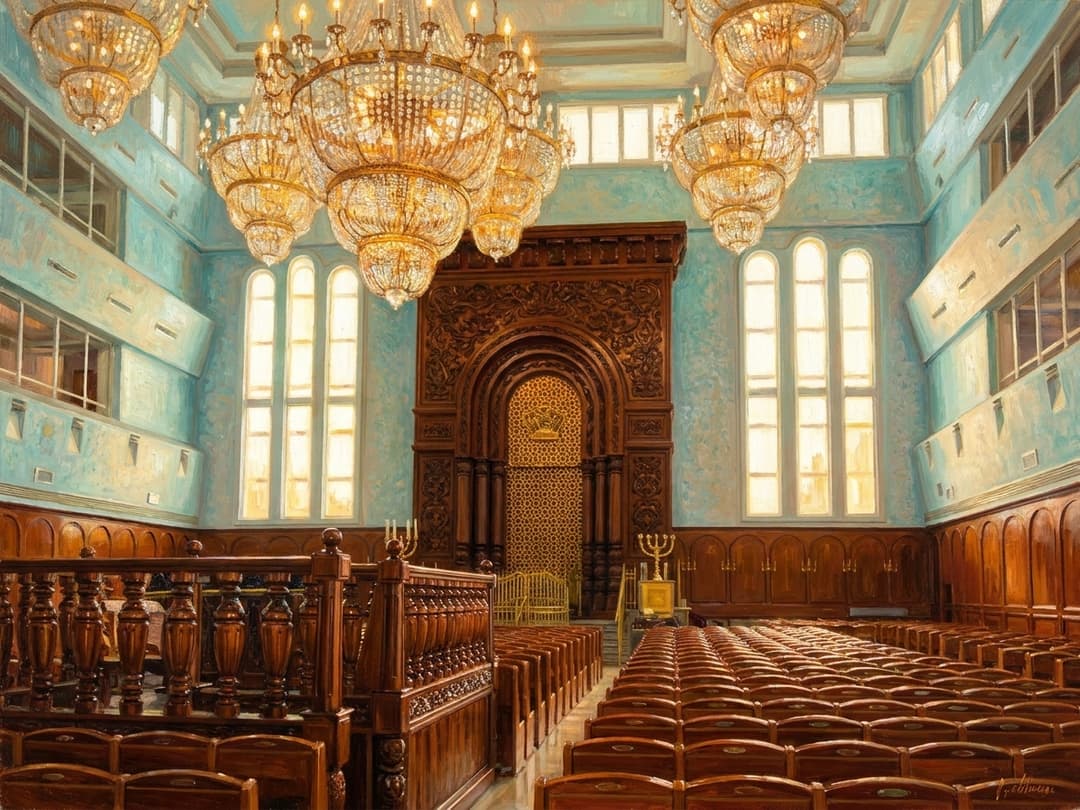
Grande synagogue de Belz
Une magnifique synagogue hassidique à Jérusalem, servant de centre spirituel et communautaire pour les hassidim de Belz.
Explorer →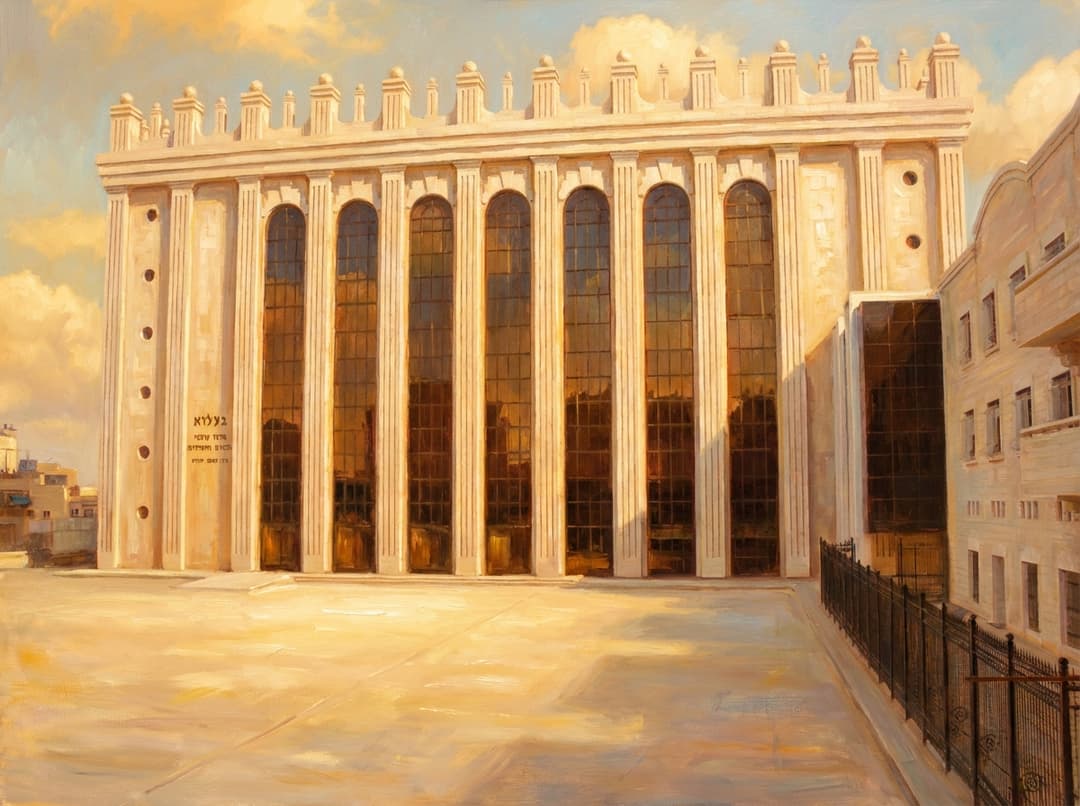
Grande Synagogue de Belz
Un témoignage de la résilience et de la foi de la communauté hassidique de Belz, reconstruite à Jérusalem.
Explorer →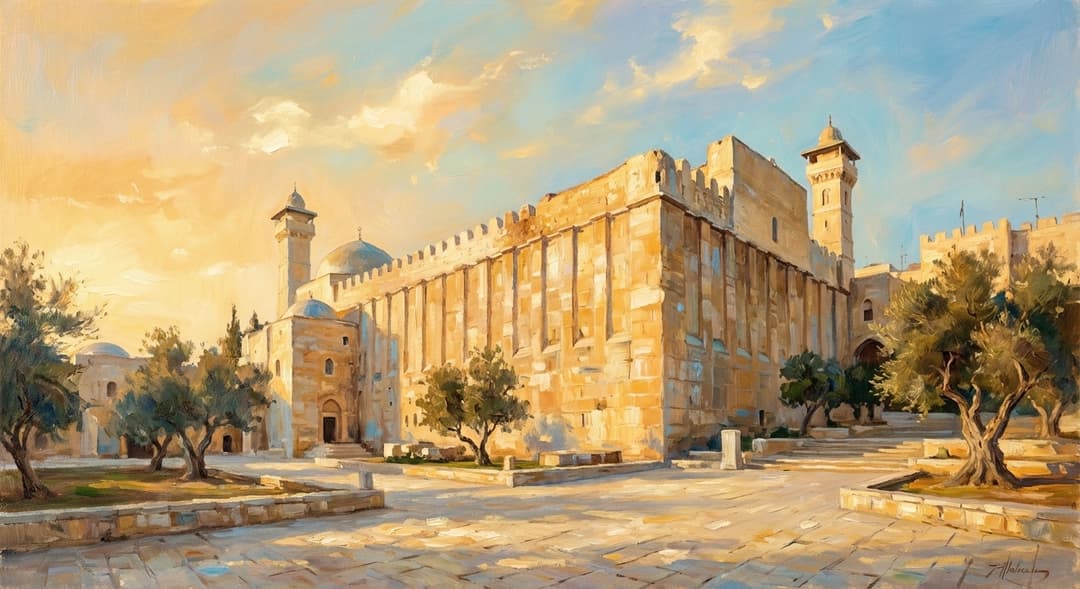
Grotte des Patriarches
Un site sacré à Hébron, vénéré par les Juifs, les musulmans et les chrétiens comme le lieu de sépulture des patriarches et matriarches bibliques.
Explorer →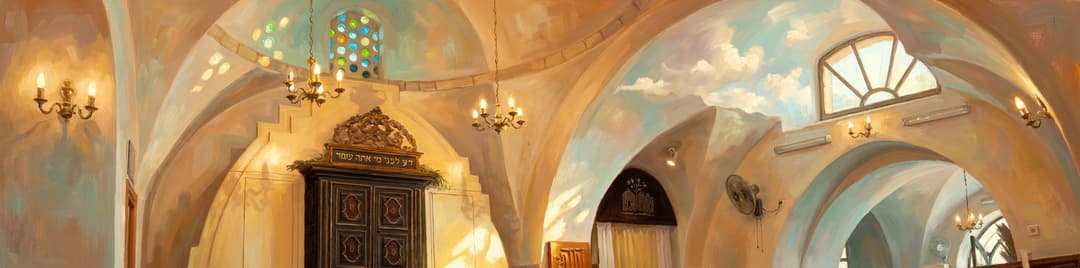
Les quatre synagogues séfarades
Un complexe de synagogues historiques dans le quartier juif de Jérusalem, incarnant l’héritage et la résilience séfarades.
Explorer →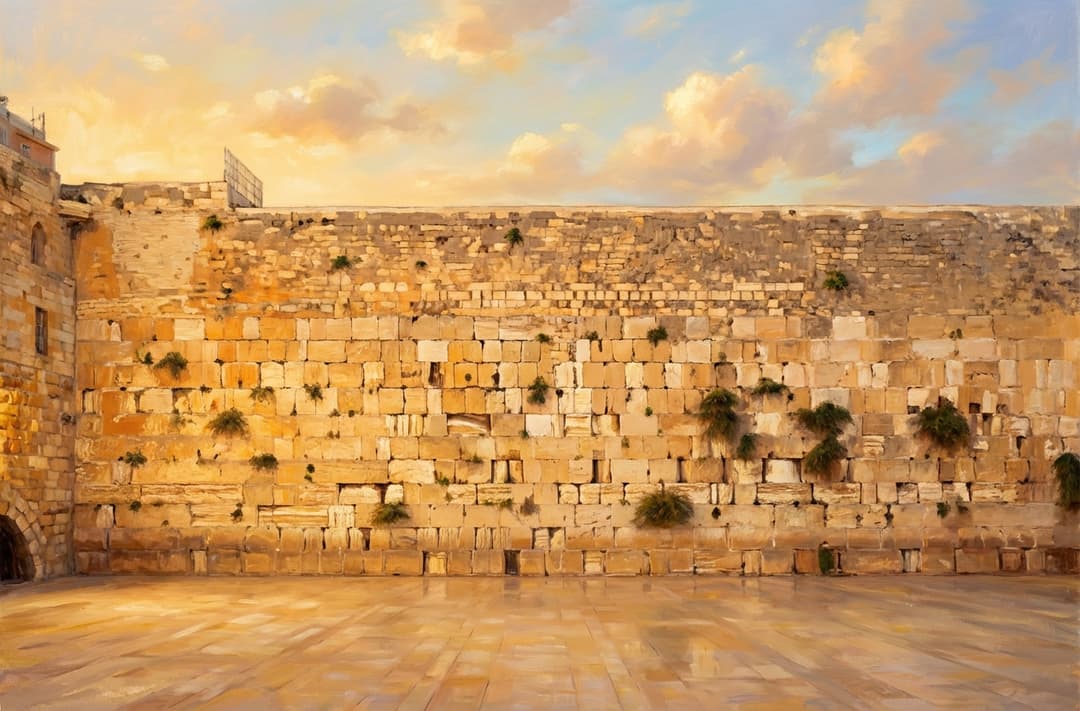
Mur occidental
Le Mur occidental, vestige du Second Temple, est le site le plus sacré du judaïsme et un lieu de prière et de pèlerinage.
Explorer →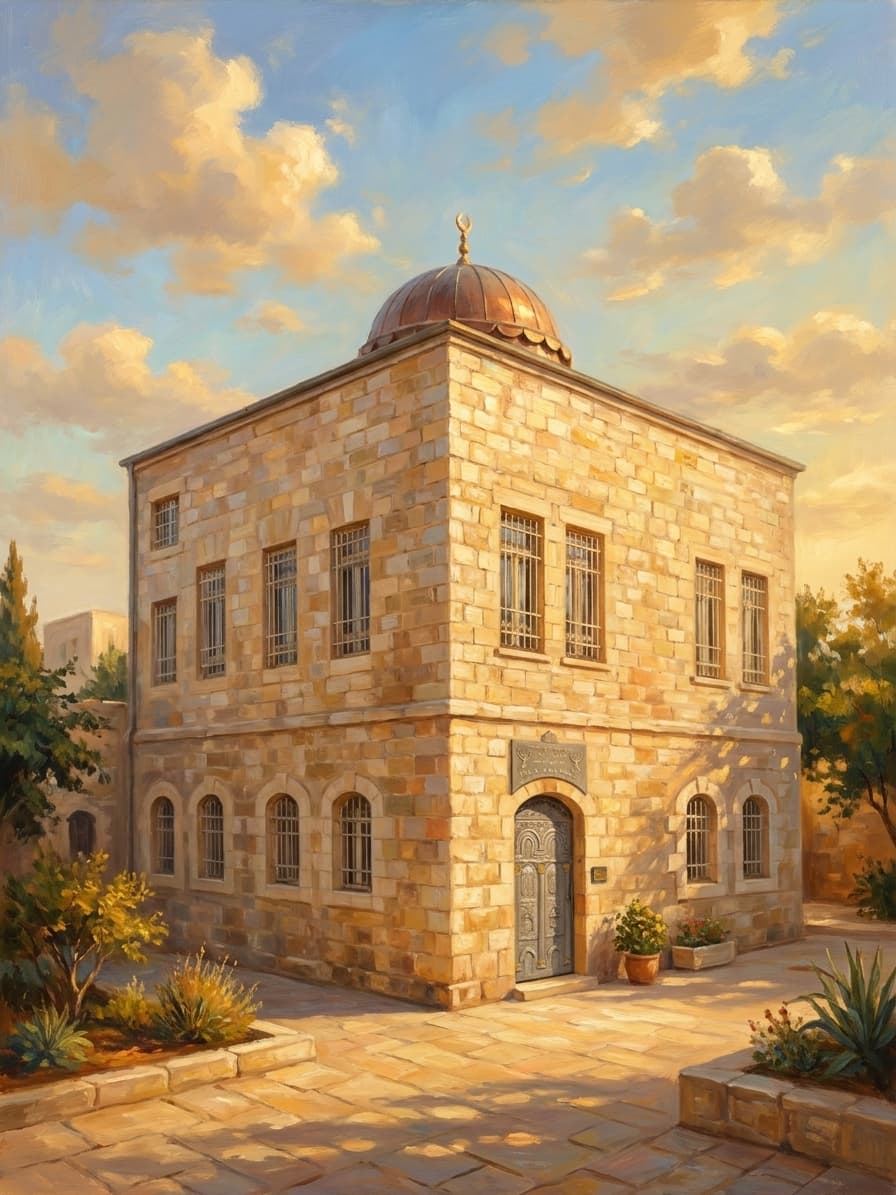
Synagogue Beit El
Un centre historique d’étude de la Kabbale au cœur de Jérusalem, imprégné de tradition juive.
Explorer →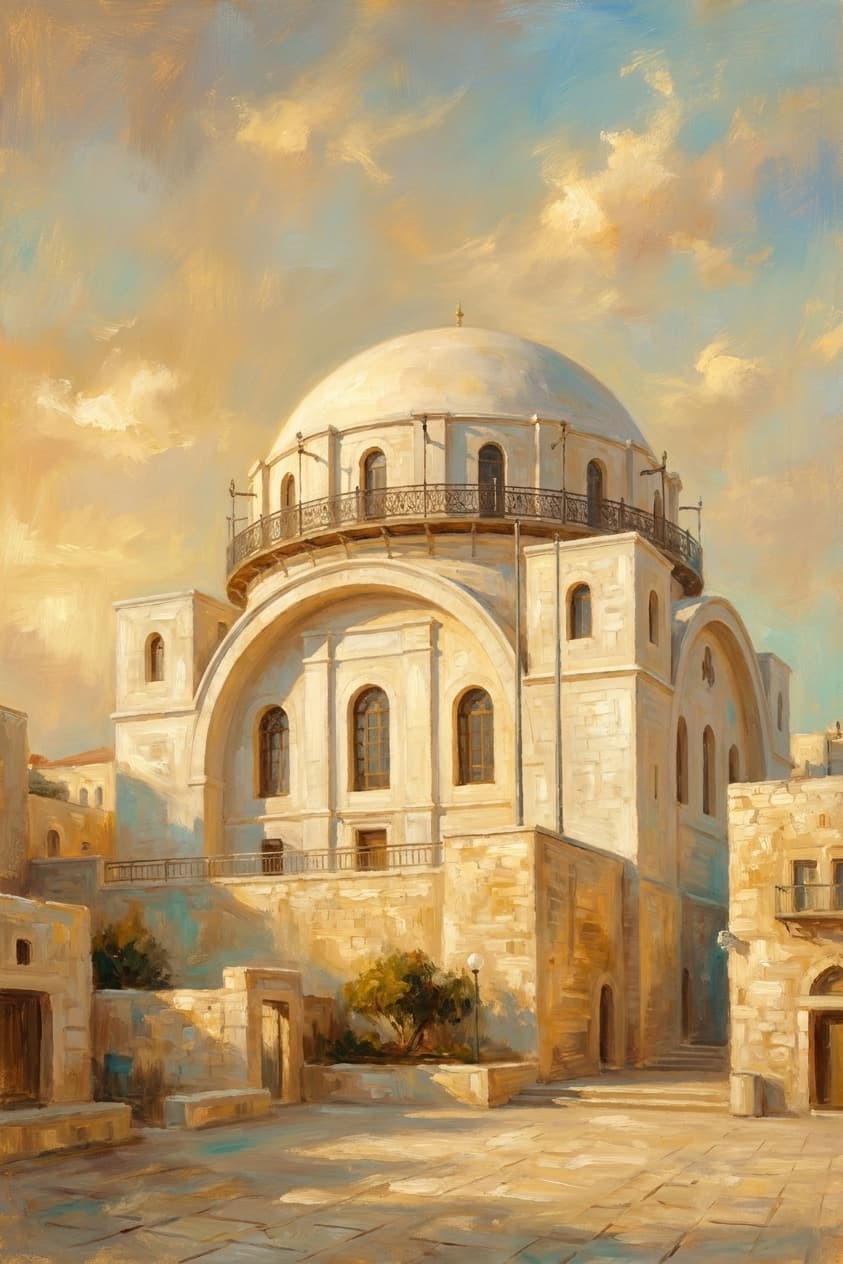
Synagogue de la Hurva
Une synagogue historique du quartier juif de Jérusalem, symbolisant la résilience et le lien indéfectible du peuple juif avec la ville.
Explorer →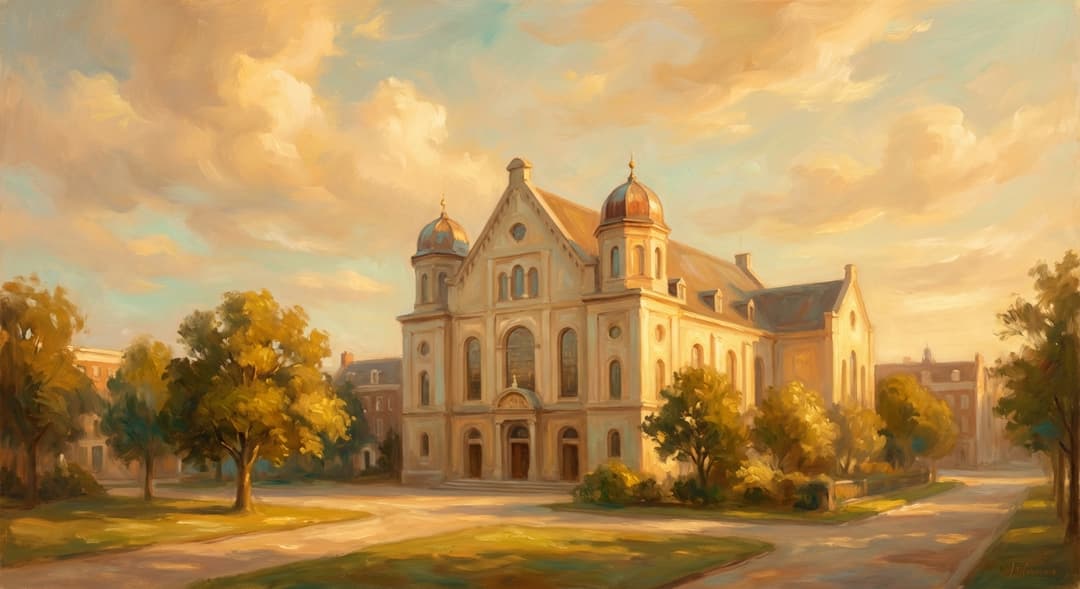
Synagogue portugaise
Une synagogue séfarade historique à Amsterdam, témoignage de la résilience et du patrimoine culturel juifs.
Explorer →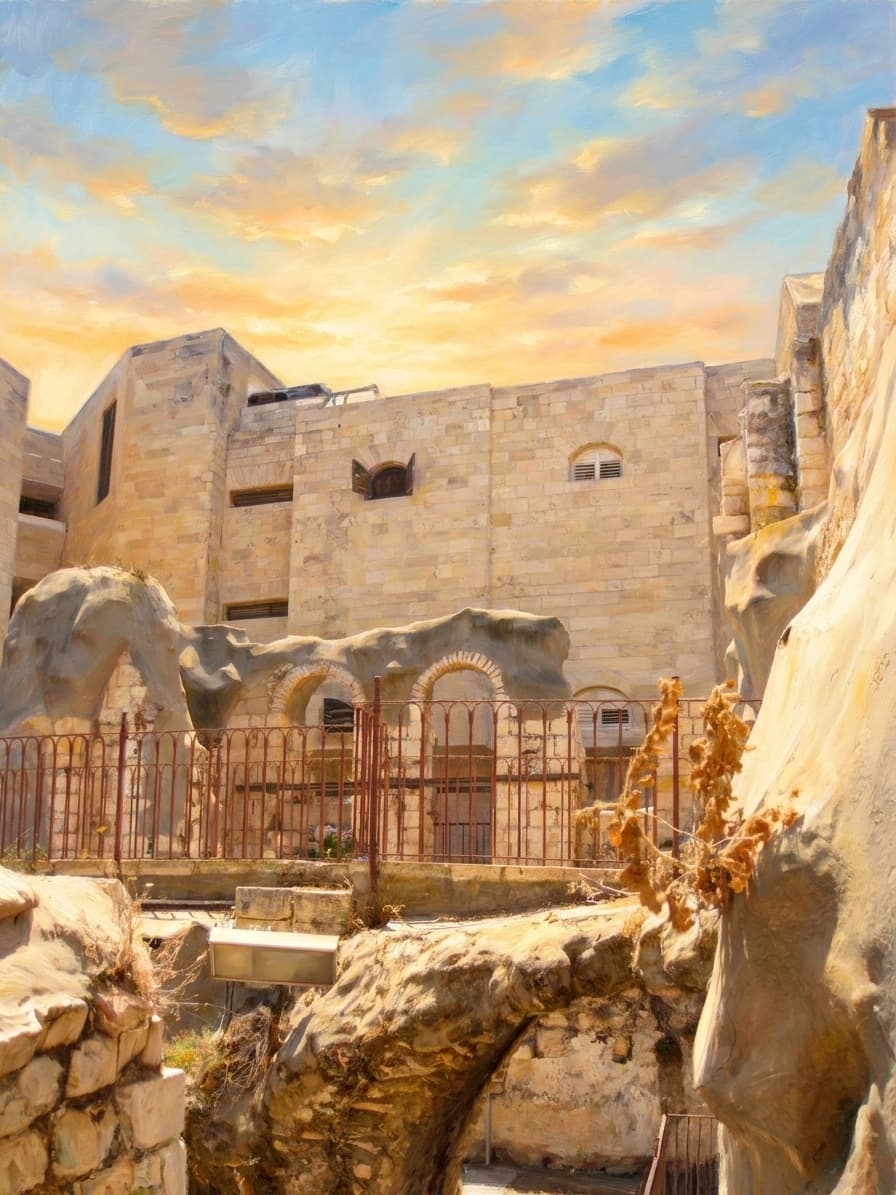
Synagogue Tiferet Yisrael
Une synagogue hassidique historique dans la vieille ville de Jérusalem, actuellement en reconstruction.
Explorer →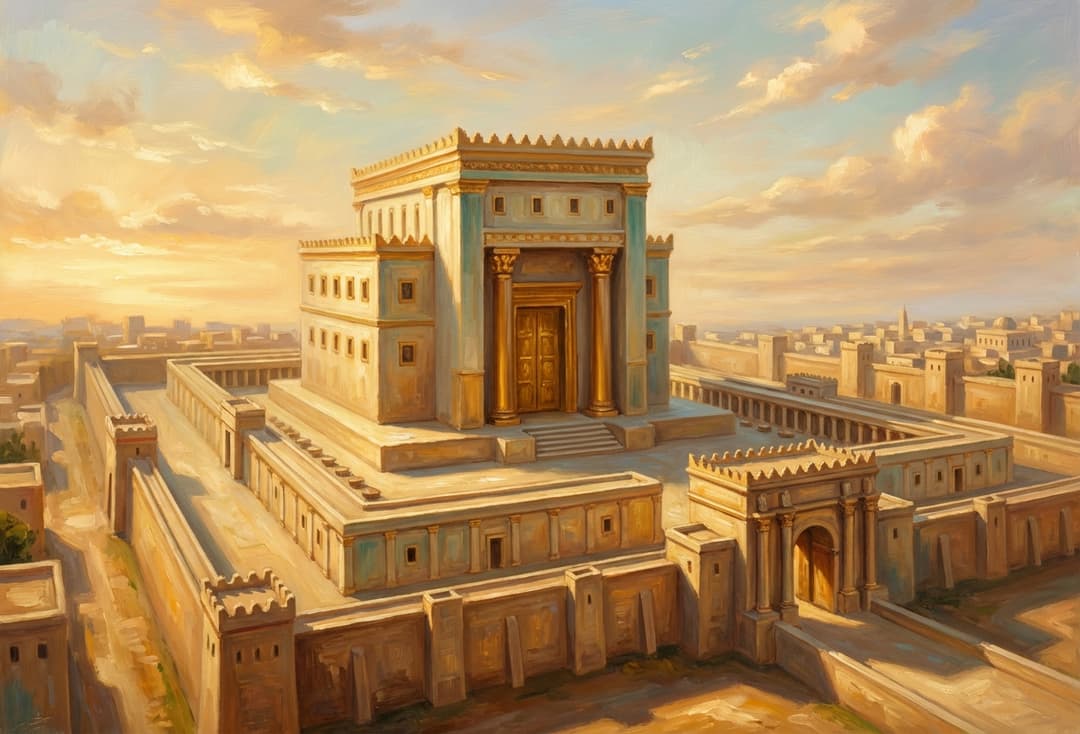
Temple de Salomon
Le Premier Temple de Jérusalem, lieu de culte central pour les anciens Israélites, commandé par le roi Salomon au Xe siècle avant notre ère.
Explorer →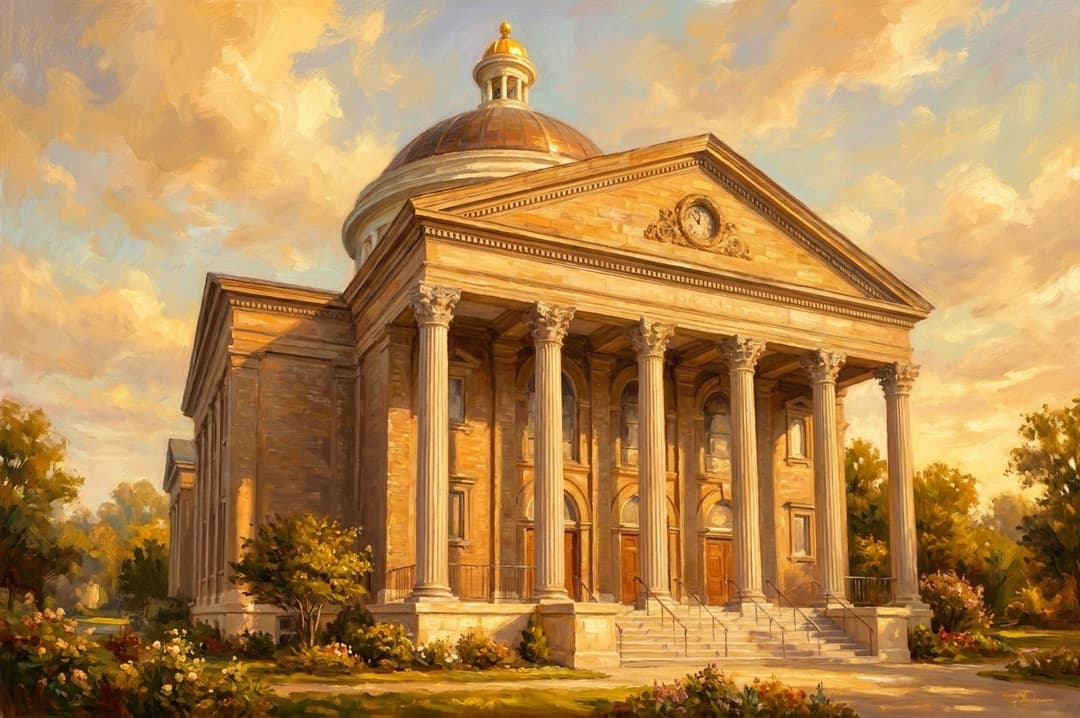
Temple de Silo
Le site antique de Silo, un lieu central de l'histoire juive, a abrité le Tabernacle pendant 369 ans avant le Premier Temple de Jérusalem.
Explorer →