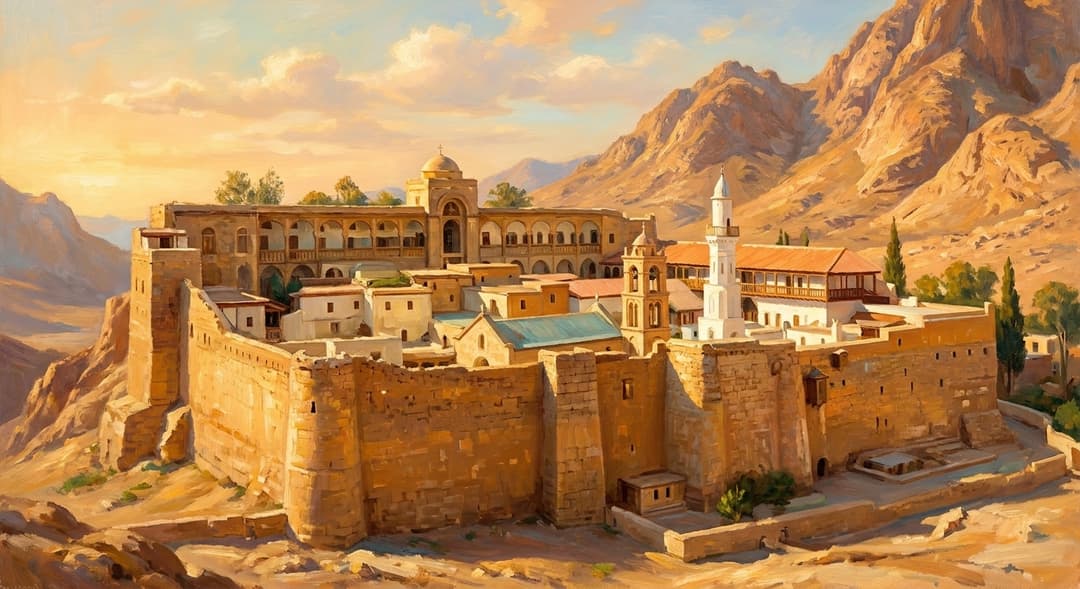
Informations Visiteurs
Visiter Monastère Sainte-Catherine
Visitors should arrive early in the morning to experience the ancient katholikon before group tours gather. Modest dress covering shoulders and knees is strictly enforced by monastic gatekeepers. Footwear must be removed when entering the sacred Chapel of the Burning Bush.
Points Forts
- Marvel at the glittering 6th-century Transfiguration mosaic in the Katholikon apse.
- Venerate the living bramble revered as the biblical Burning Bush in the central courtyard.
- View world-renowned 6th-century encaustic icons and illuminated manuscript treasures in the monastic museum.
- Contemplate the historical coexistence visible in the adjacent Fatimid-era minaret and Christian bell tower.
À Savoir
- Public visiting hours are restricted to 09:00 AM through 11:30 AM on non-fasting weekdays and Saturdays.
- The monastery is completely closed to casual tourism on Fridays, Sundays, and major Orthodox feast days.
- Photography is strictly forbidden within the basilica, the relic chapels, and the museum vault.
- Winter mornings in the high desert can drop below freezing, requiring warm layered clothing.
Emplacement
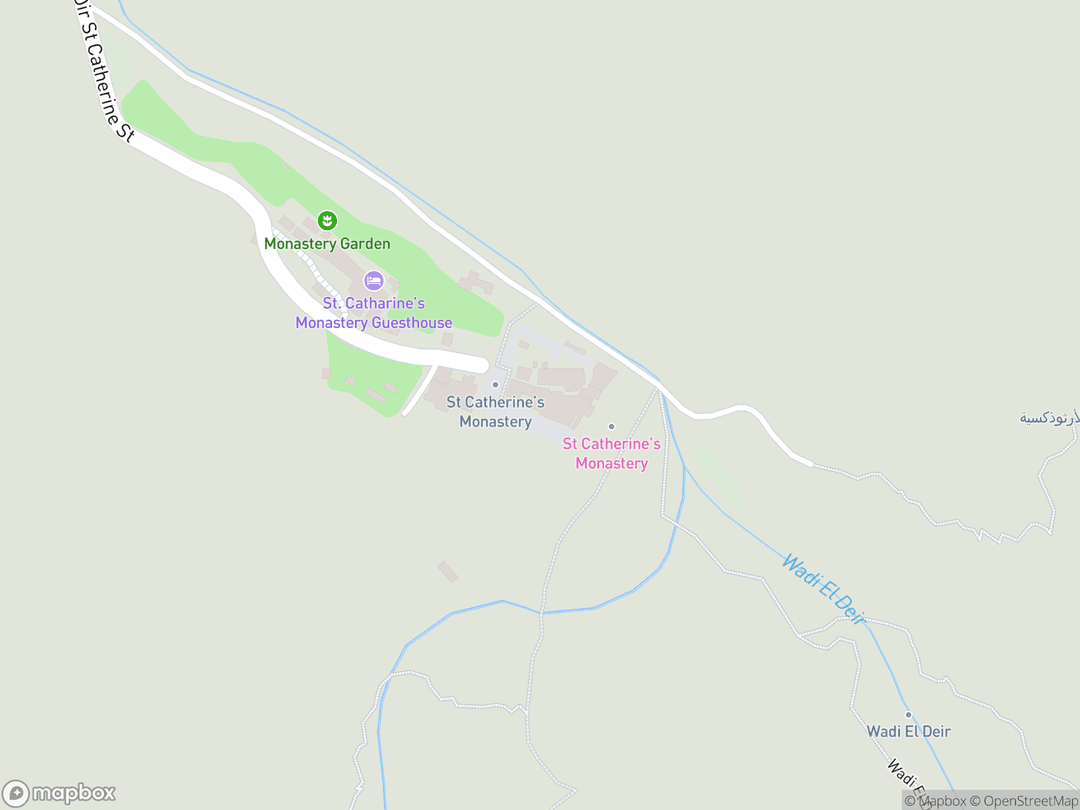
Wadi el-Deir, Saint Catherine City, South Sinai Governorate, Egypt
Horaires: Monday through Thursday and Saturday: 09:00 AM to 11:30 AM; Closed Friday and Sunday.
Comment s'y rendre: Located 220 km northwest of Sharm El-Sheikh and 450 km southeast of Cairo via South Sinai desert highways.
ItinéraireConseils pour votre Visite
Arrivez avant l'ouverture
Passez les contrôles de sécurité avant 08h30 pour entrer dans la Basilique avant l'arrivée des grandes excursions en bus en provenance des stations balnéaires de la mer Rouge.
Planifiez les randonnées au mont Sinaï séparément
Les randonnées au sommet du mont Sinaï partent généralement entre 01h00 et 02h00 du matin avec des guides bédouins Jebeliya obligatoires.
À Propos
Situé au pied du mont Sinaï, le monastère Sainte-Catherine est l’un des plus anciens monastères chrétiens encore en activité au monde. Fondé au VIe siècle par l’empereur Justinien Ier, il abrite une collection inestimable de manuscrits, d’icônes et d’art religieux. Ce site sacré est un lieu de pèlerinage majeur, reconnu pour son importance historique, spirituelle et culturelle, et est inscrit au patrimoine mondial de l’UNESCO.
Galerie
Éléments Symboliques
L'extérieur du temple présente des sculptures complexes, chacune riche de signification spirituelle :

Le Buisson Ardent
Le buisson vivant représente la présence divine et symbolise la Vierge Marie portant la flamme divine sans être consumée.
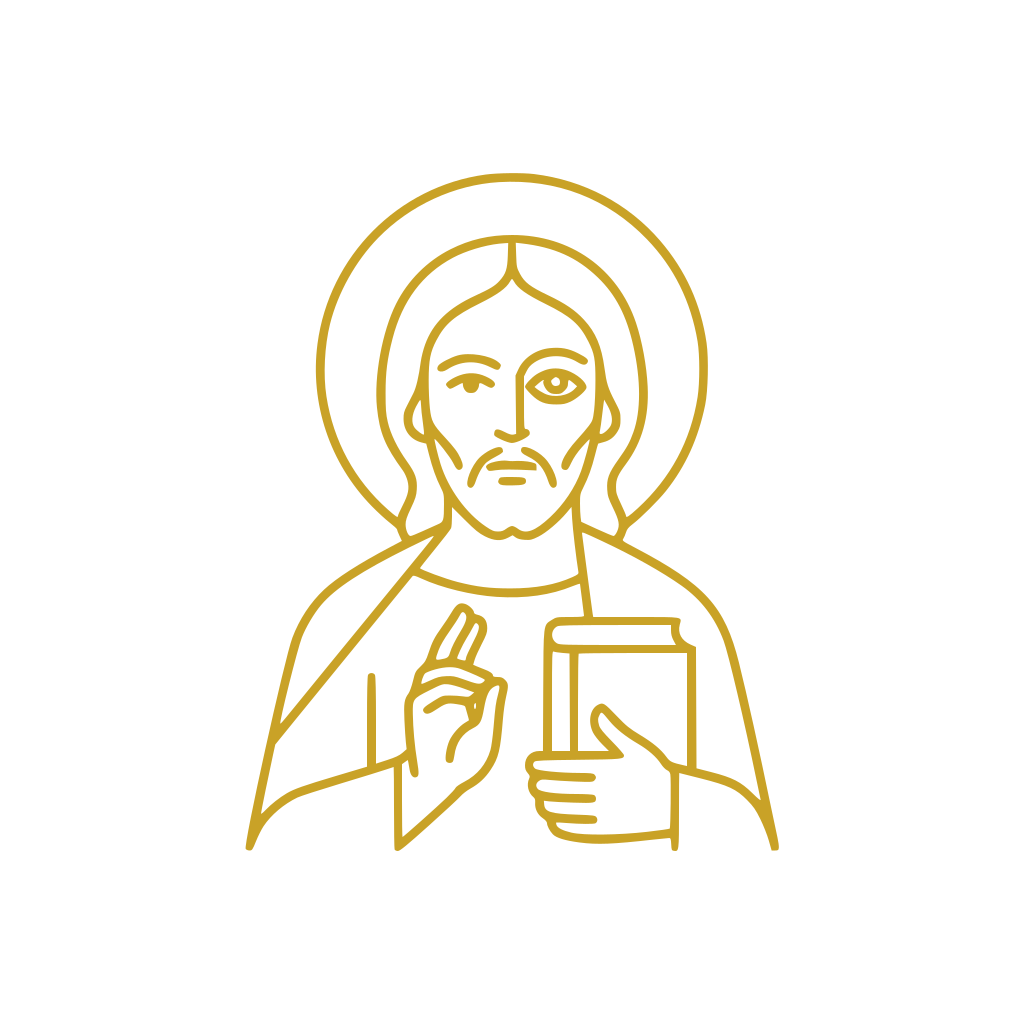
Icône du Christ Pantocrator
Ce chef-d’œuvre à l’encaustique du VIe siècle illustre les doubles natures divine et humaine du Christ par une asymétrie faciale intentionnelle.

Mandorle de la Transfiguration
Les bandes concentriques de tesselles de mosaïque bleue et dorée de l’abside dépeignent la Lumière incréée du mont Thabor.

L’Échelle de la Divine Ascension
Une échelle à trente barreaux symbolise le voyage ascétique pour surmonter les passions et atteindre l’union divine.

Le Sceau de l’Achtiname
La charte portant l’empreinte de la main du prophète Mahomet représente la protection interconfessionnelle et l’immunité religieuse à travers les siècles.

Reliquaire de Sainte Catherine
Les reliquaires dorés renfermant les reliques de la martyre symbolisent la sagesse spirituelle et l’incorruptibilité corporelle par la foi.
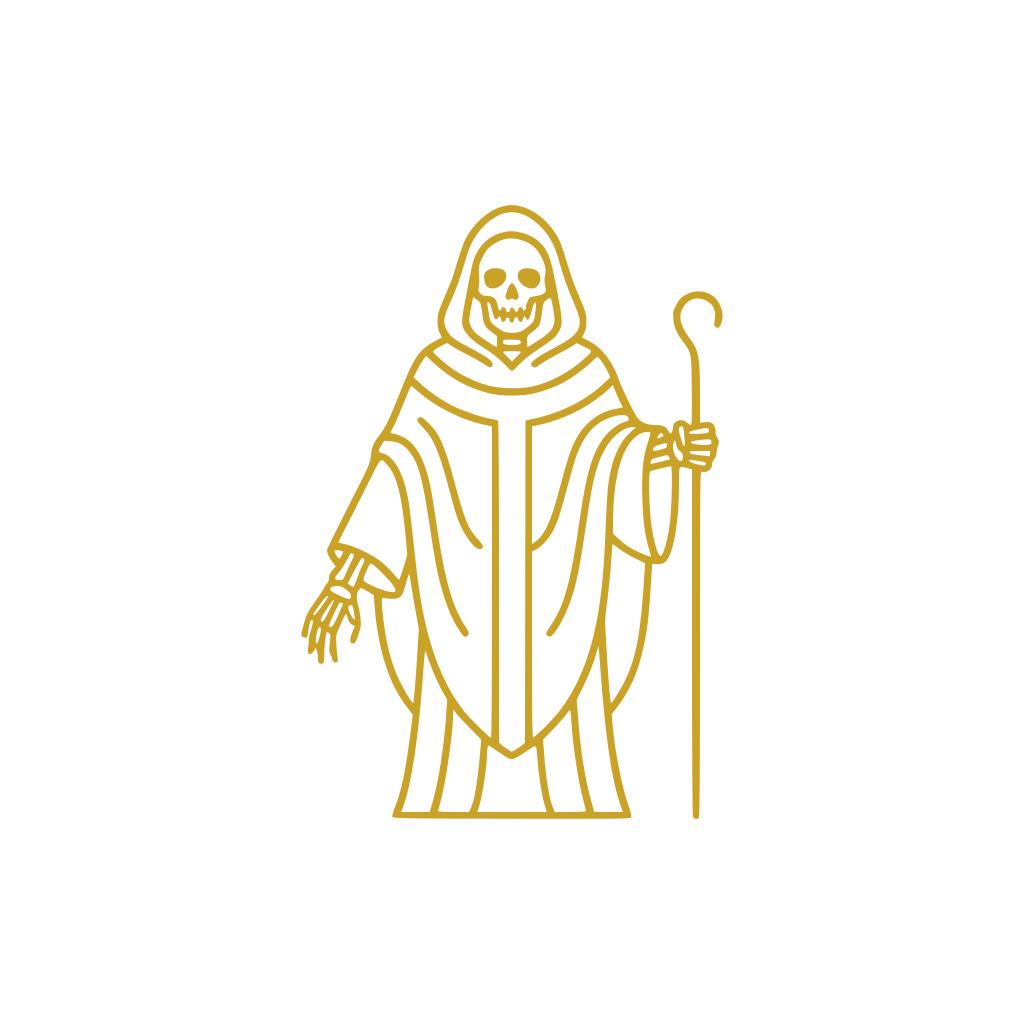
Stéphanos le Gardien
Le squelette vêtu des habits sacerdotaux de cet ermite du VIe siècle illustre la vigilance ascétique et le souvenir de la mortalité.
Faits Intéressants
Saint Catherine's is the world's oldest continuously inhabited Christian monastic community, maintaining daily prayer for 1,500 years (Tier A).
Guinness World Records recognizes the monastery as home to the world's oldest continuously operating library (Tier A).
Because Sinai was governed by Islamic rulers during the Iconoclasm, it preserves half of the world's surviving pre-8th-century icons (Tier A).
The local Jebeliya Bedouins who guard the monastery descend from Roman guards sent by Justinian in the 6th century (Tier B).
A Christian bell tower and an Islamic minaret stand together inside the defensive walls from the Fatimid era (Tier A).
High-tech multispectral imaging has uncovered lost classical languages and erased biblical texts beneath its palimpsests (Tier B).
Botanists have documented that cuttings taken from the monastery's sacred bramble bush have failed to grow elsewhere (Tier B).
The intact skeleton of 6th-century hermit monk Stephanos has remained seated in full vestments inside the ossuary for 1,400 years (Tier A).
Questions Fréquentes
Le monastère est-il ouvert aux visiteurs ?
Oui, le monastère accueille des visiteurs, mais il est important de respecter les horaires de prière et les règles de modestie vestimentaire.
Is the Burning Bush inside the monastery genuinely alive?
Yes, an ancient specimen of Rubus sanctus continues to grow in the courtyard adjoining the original 4th-century chapel.
Why is there an Islamic mosque inside a Christian monastery?
The Fatimid mosque was erected in 1106 CE to preserve the monastery from destruction by hostile caliphate factions.
Can tourists attend Orthodox liturgical services at the monastery?
Orthodox Christians may request permission for morning liturgies, but regular services are reserved for the monastic brotherhood.
Histoires en Vedette
Le mandat impérial de Stephanos d'Aila
548
Lorsque les raids dans le désert menacèrent les anachorètes du mont Sinaï, l'empereur byzantin Justinien chargea le maître architecte Stephanos d'Aila d'ériger une redoute de montagne imprenable. Stephanos extraya d'énormes blocs de granit rouge des sommets adjacents pour construire des murs d'enceinte atteignant vingt mètres de haut, gravant son propre nom sur les poutres du toit en cèdre. Son génie architectural a permis au sanctuaire de survivre à quinze siècles de tremblements de terre, de sièges et de troubles politiques.
Source: Holy Monastery of Saint Catherine Archives
L'alliance impériale de l'Achtiname
628
Face à la montée de la gouvernance islamique dans la région, une délégation de moines du Sinaï se rendit à Médine pour demander une protection diplomatique au prophète Mahomet. Impressionné par leur paix ascétique, le Prophète leur accorda l'Achtiname, un décret garantissant une immunité perpétuelle, une autonomie religieuse et des exemptions fiscales. Portant l'empreinte de la main de Mahomet, ce pacte a protégé le monastère sous les règnes omeyyade, fatimide, mamelouk et ottoman.
Source: Sinai Monastic Charters
La redécouverte des nouvelles trouvailles
May 26, 1975
Alors qu'ils déblayaient des décombres après un incendie accidentel sous la chapelle de Saint-Georges, des moines découvrirent une pièce souterraine oubliée remplie de manuscrits anciens. La cache a révélé plus de mille feuillets, dont douze folios manquants du Codex Sinaiticus du IVe siècle et des textes albanais du Caucase perdus. Cette découverte historique a déclenché des projets de conservation internationaux qui ont révolutionné l'érudition numérique moderne.
Source: Saint Catherine Foundation
Chronologie
Hélène commande la chapelle du Buisson Ardent
L'impératrice Hélène ordonne la construction d'un sanctuaire sur le site du Buisson Ardent pour protéger les ermites du désert.
JalonLa pèlerine Égérie visite le Sinaï
La pèlerine Égérie consigne l'existence de cellules monastiques actives et la généreuse hospitalité ascétique dans le Wadi el-Deir.
ÉvénementDébut de la construction de la forteresse impériale
L'empereur Justinien Ier envoie l'architecte Stephanos d'Aila pour entourer le sanctuaire de murs d'enceinte massifs en granit.
component.timeline.groundbreakingAchèvement de la Basilique de la Transfiguration
Des maîtres artisans terminent la basilique monumentale à trois nefs et les mosaïques de l'abside impériale.
DédicaceL'abbé Jean Climaque écrit un classique spirituel
Saint Jean Climaque écrit L'Échelle sainte, définissant la théologie hésychaste byzantine.
JalonLe monastère reçoit l'Achtiname
Le prophète Mahomet accorde une charte impériale garantissant l'immunité et la protection à la confrérie du Sinaï.
ÉvénementDécouverte des reliques de Sainte Catherine
Les moines transfèrent les reliques incorrompues de la martyre Catherine depuis le sommet adjacent vers le Katholikon.
ÉvénementConstruction de la mosquée fatimide
Une mosquée en pierre et un minaret sont construits à l'intérieur des murs du monastère pour protéger le complexe de la destruction.
JalonRenouvellement ottoman des privilèges monastiques
Le sultan Sélim Ier confirme les anciennes protections de l'Achtiname après la conquête ottomane de l'Égypte.
JalonDécouverte du Codex Sinaiticus
Constantin von Tischendorf identifie des feuillets du manuscrit biblique grec du IVe siècle dans la bibliothèque.
JalonDécouverte des nouvelles trouvailles
Les moines découvrent une chambre cachée contenant plus de 1 100 feuillets de manuscrits et des folios bibliques manquants.
ÉvénementInscription au patrimoine mondial de l'UNESCO
La zone de Sainte-Catherine est inscrite sur la liste du patrimoine mondial de l'UNESCO pour son importance culturelle.
JalonHistoire par Décennie
330s — The Marian Hermitage of Empress Helena
The place where you are standing is holy ground.
Empress Helena visited Mount Sinai in 330 CE, commissioning a stone tower and chapel at the traditional site of the Burning Bush. Desert hermits flocked to the valley, dwelling in mountain caves while gathering for weekly prayer around the sacred spring. Western pilgrims, including Egeria, documented the hospitable colony of ascetics in the late 4th century.
550s — Justinian's Fortress and the Transfiguration
Between 548 and 565 CE, Emperor Justinian fortified the shrine against nomadic raiders by building colossal granite walls. Master architect Stephanos of Aila oversaw construction of the Basilica of the Transfiguration, adorning its apse with magnificent imperial mosaics. A garrison of Roman soldiers was permanently stationed to defend the monastic community.
620s — Hesychastic Flourishing and the Islamic Charter
Under Abbot John Climacus, the monastery became the intellectual capital of Byzantine hesychasm and ascetic contemplation. In 628 CE, the brotherhood secured the Achtiname from the Prophet Muhammad, gaining inviolable protection under Islamic authority. This charter guaranteed continuous liturgical life while neighboring Christian communities vanished.
800s — Arrival of Saint Catherine's Relics
Hermits discovered the uncorrupted remains of the 4th-century martyr Saint Catherine atop the neighboring peak of Mount Catherine. The brotherhood enshrined her relics within the Katholikon, attracting Christian pilgrims from across Europe and the Levant. Western travelers began referring to the complex by Saint Catherine's name.
1100s — The Fatimid Mosque and Crusader Pilgrimage
To deter the destructive edicts of Caliph Al-Hakim, the monks converted a fortified refectory into an Islamic mosque in 1106 CE. A stone minaret was raised alongside the Christian bell tower, fostering interfaith harmony within the walls. Crusader kings of Jerusalem recognized monastic privileges and established protected pilgrim trails.
1510s — Ottoman Protection and Tsarist Benefaction
Following the 1517 conquest of Egypt, Ottoman Sultan Selim I reaffirmed the historic privileges established by the Achtiname. Simultaneously, the Tsars of Russia sent precious liturgical gifts, gold revetments, and bronze bells cast in Moscow. The monastery emerged as a major center of international diplomacy and Orthodox heritage.
1970s — Discoveries and Modern Conservation
In 1975, monks clearing debris beneath the Chapel of Saint George uncovered a hidden vault filled with over 1,100 ancient manuscript folios. International conservation bodies partnered with the brotherhood to restore the priceless codices. The discovery affirmed the monastery's place as an unmatched treasure trove of Christian antiquity.
2000s — UNESCO Inscription and Digital Heritage
UNESCO inscribed the Saint Catherine Area in 2002, recognizing its universal cultural and spiritual significance. The Sinai Palimpsests Project utilized multispectral imaging to reveal erased ancient writings beneath layered parchment pages. Ongoing diplomatic accords between Egypt and Greece continue to preserve the monastery's unique autonomy.
Architecture et Installations
Saint Catherine's Monastery represents the pinnacle of 6th-century Byzantine fortified architecture, integrating an imperial Roman military compound with organic monastic additions. Designed by Stephanos of Aila, its irregular quadrilateral perimeter follows the natural topography of Wadi el-Deir, blending monumental red granite defenses with classical basilica proportions and later Fatimid-era Islamic stone additions.
Matériaux de Construction
Red Sinai Granite
Quarried from neighboring Mount Sinai and dressed into defensive ashlar wall blocks.
Lebanese Cedar
Imported timber forming the structural roof beams and carved ceiling coffers of the basilica.
Glass and Gold Smalti
Imperial tesserae crafted in Constantinople to execute the luminous Transfiguration apse mosaic.
Proconnesian Marble
Fine imported marble used for classical columns, chancel revetments, and opus sectile floors.
Caractéristiques Intérieures
Basilica of the Transfiguration
A three-aisled Katholikon flanked by twelve granite columns symbolizing the apostles.
Chapel of the Burning Bush
A shoe-free sanctuary situated directly above the ancient root system of the holy shrub.
Monastic Library
The world's oldest operating library housing thousands of irreplaceable ancient codices.
The Fatimid Mosque
A stone-built 12th-century Islamic house of prayer preserving a hand-carved wooden minbar.
Terrain du Temple
Ancient terraced orchards featuring centuries-old olive trees, pomegranates, and cypresses irrigated by natural mountain aquifers outside the walls.
Installations Supplémentaires
Climate-controlled digital manuscript preservation laboratories, an advanced icon conservation studio, and a monastic museum gallery.
Signification Religieuse
Le monastère Sainte-Catherine est vénéré dans toute l'orthodoxie orientale comme le sanctuaire sacré de la théophanie au mont Sinaï.
Perpétuer la prière liturgique ininterrompue, la contemplation ascétique et l'hospitalité monastique sur le site du Buisson Ardent.
Ordonnances Sacrées
La Divine Liturgie
La célébration eucharistique quotidienne célébrée en grec selon l'ancienne liturgie de saint Jean Chrysostome.
Prière hésychaste
Pratique silencieuse et contemplative de la prière de Jésus visant à percevoir la Lumière incréée de Dieu.
Vénération des reliques
Honoration dévotionnelle des restes incorrompus de sainte Catherine et des pères ermites du désert.
Jeûne et vigile ascétiques
Renoncement monastique rigoureux et veillées de prière nocturnes maintenus depuis dix-sept siècles.
La théophanie du Sinaï
La théologie du Sinaï fait le pont entre la révélation de Dieu à Moïse dans l'Ancienne Alliance et la Transfiguration de Jésus-Christ sur le mont Thabor dans la Nouvelle Alliance.
Le berceau du monachisme chrétien
Sainte-Catherine représente un lien ininterrompu avec les Pères du désert du IVe siècle qui ont fui les cités mondaines pour rechercher la déification spirituelle dans la solitude.
Sources et Recherche
Chaque fait sur Temples.org est soutenu par des Sources et Recherche vérifiées. Chaque information est classée par niveau de source et de confiance.
Voir Toutes les Sources (6)
| Champ | Source | Niveau | Récupéré |
|---|---|---|---|
| About & Historical Background | Holy Monastery of Saint Catherine at Mount Sinai (s'ouvre dans un nouvel onglet) | A | 2026-03-31 |
| About & Historical Background | UNESCO World Heritage Centre (s'ouvre dans un nouvel onglet) | B | 2026-03-31 |
| Timeline & Featured Stories | Saint Catherine Foundation (s'ouvre dans un nouvel onglet) | A | 2026-03-31 |
| Symbolic Elements & Relics | Sinai Palimpsests Project / EMEL (s'ouvre dans un nouvel onglet) | A | 2026-03-31 |
| Religious Significance & Liturgy | Library of Congress (s'ouvre dans un nouvel onglet) | B | 2026-03-31 |
| Visitor Guidelines & Local Logistics | Memphis Tours Egypt (s'ouvre dans un nouvel onglet) | D | 2026-03-31 |