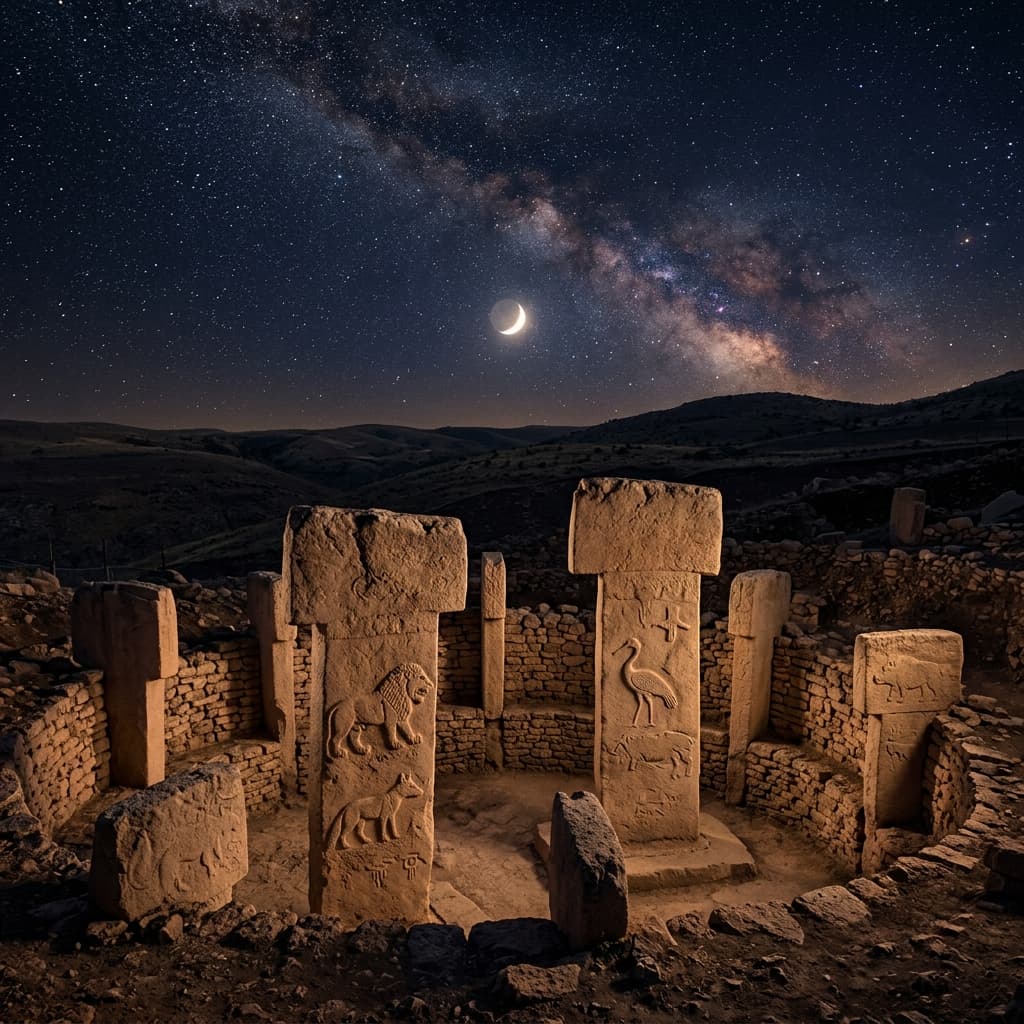
Unearthing the Foundations of Worship
For as long as humans have gathered in communities, they have constructed spaces dedicated to the sacred. Archaeology reveals that temple building often preceded cities and agriculture, suggesting that the drive to worship and connect with the divine is a foundational element of human civilization itself.
Göbekli Tepe: The Birth of Sacred Architecture
Located in modern-day Turkey, Göbekli Tepe is considered the oldest known temple complex in the world, dating back over 11,000 years. Built by hunter-gatherers before the advent of agriculture or writing, the site features massive T-shaped stone pillars carved with detailed reliefs of wild animals. It stands as evidence that the organization of labor for sacred purposes was a catalyst for civilization, rather than a byproduct of it.
Karnak and Luxor: Solar Mandates of Egypt
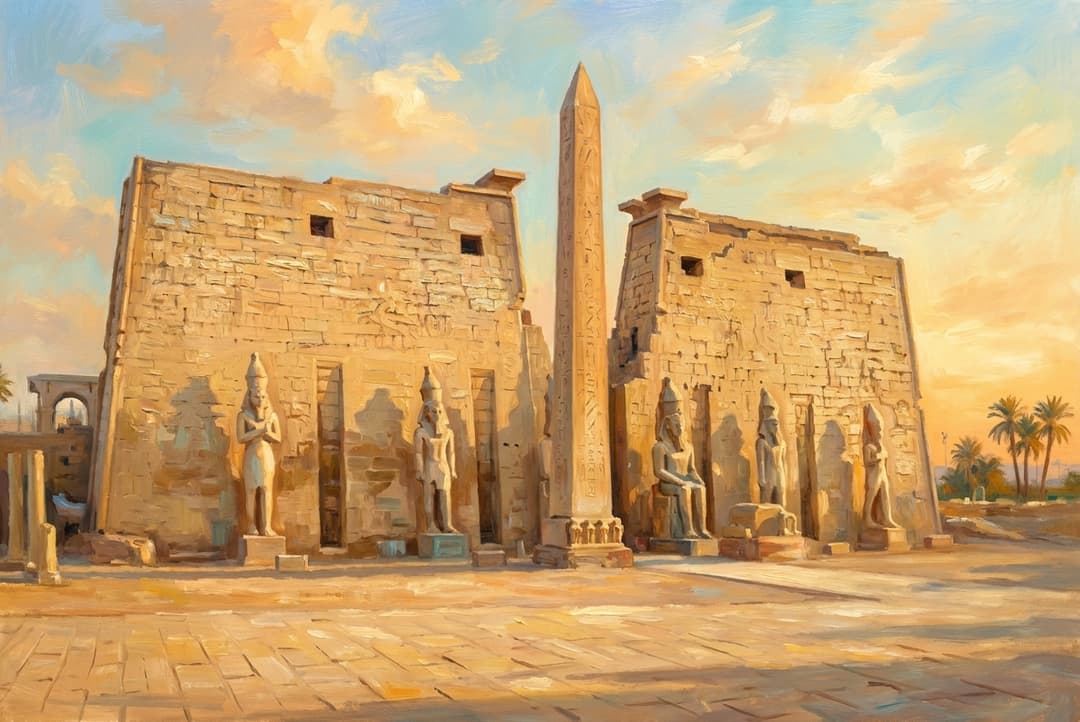
Along the banks of the Nile, the ancient Egyptians built monumental temple complexes that functioned as administrative, economic, and spiritual centers. The Temple of Karnak, dedicated to Amun-Ra, was expanded over 2,000 years. Its vast Hypostyle Hall features 134 towering sandstone columns representing a primordial papyrus swamp, reflecting Egyptian creation myths and solar cycles.
Preserving Lost Sanctuaries
Archaeological sites like Karnak, Dwarka, and Mesoamerican pyramids offer vital windows into the history of faith and human ingenuity. Preserving these ruins is not merely about maintaining stone and mortar; it is about keeping the stories, beliefs, and aspirations of our ancestors alive. By studying these ancient sites, we better understand the universal human quest to create a bridge between the earthly and the eternal.
Related Temples
Sources & Research
Every fact on Temples.org is backed by verified Sources & Research. Each piece of information is rated by source tier and confidence level.
View All Sources (2)
| Field | Source | Tier | Retrieved |
|---|---|---|---|
| Göbekli Tepe: The World's First Temple | Smithsonian Magazine (opens in a new tab) | B | 2026-05-28 |
| Karnak Temple Complex Overview | Encyclopædia Britannica (opens in a new tab) | B | 2026-05-28 |