Bahá'í Faith
Founded on the essential oneness of God, religion, and humanity, Bahá'í sacred spaces welcome people of all beliefs for peaceful prayer, reflection, and community service.
About Bahá'í Sacred Sites
Bahá'í sacred architecture is manifested primarily in its continental and local Houses of Worship, historically designated in Arabic as the Mashriqu'l-Adhkár ('Dawning-place of the mention of God'). Embodying core theological tenets of inclusivity and divine unity, each temple features a distinctive nine-sided geometric layout crowned by a central dome, symbolizing openness to spiritual seekers from all directions of the compass. Sanctuaries are deliberately free of pulpits, altars, clergy, and sectarian iconography, hosting services centered entirely on the choral recitation of sacred scriptures from the world's major faiths. Designed to anchor vibrant communal life, every House of Worship is planned to be complemented by social institutions such as hospitals, schools, and care homes, harmonizing collective spiritual devotion with practical humanitarian service.
Religious Sites 3
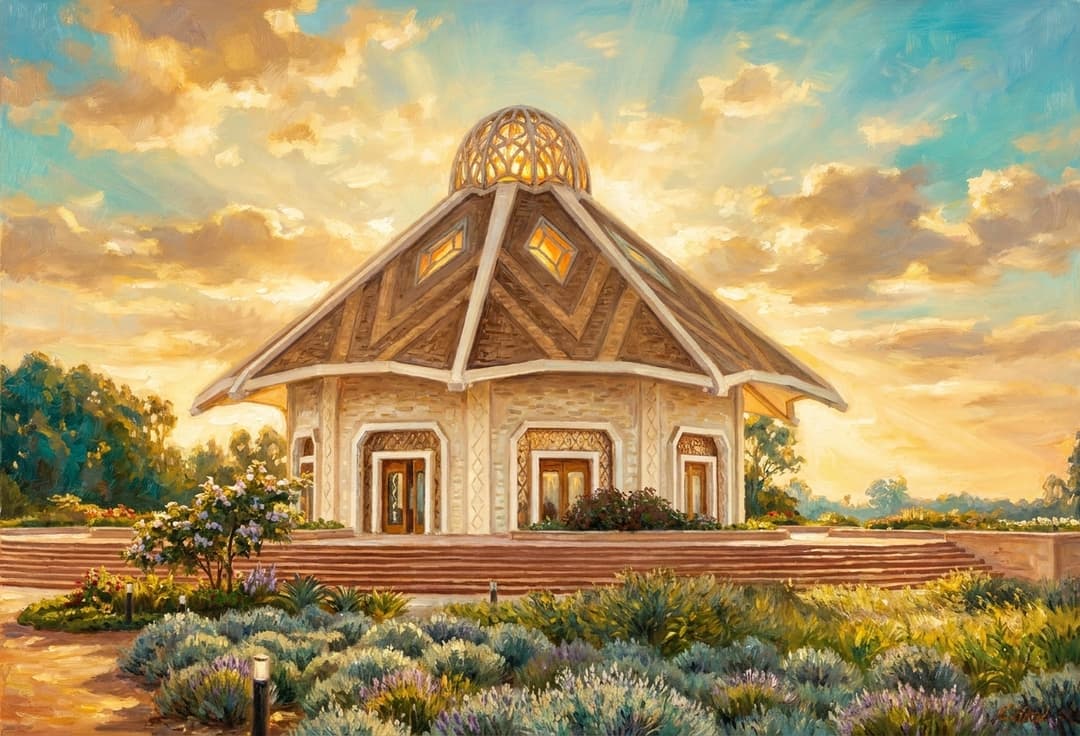
Baháʼí House of Worship
The historic 'Mother Temple of the West' uniting global spiritual traditions through light, geometry, and humanitarian service.
Explore →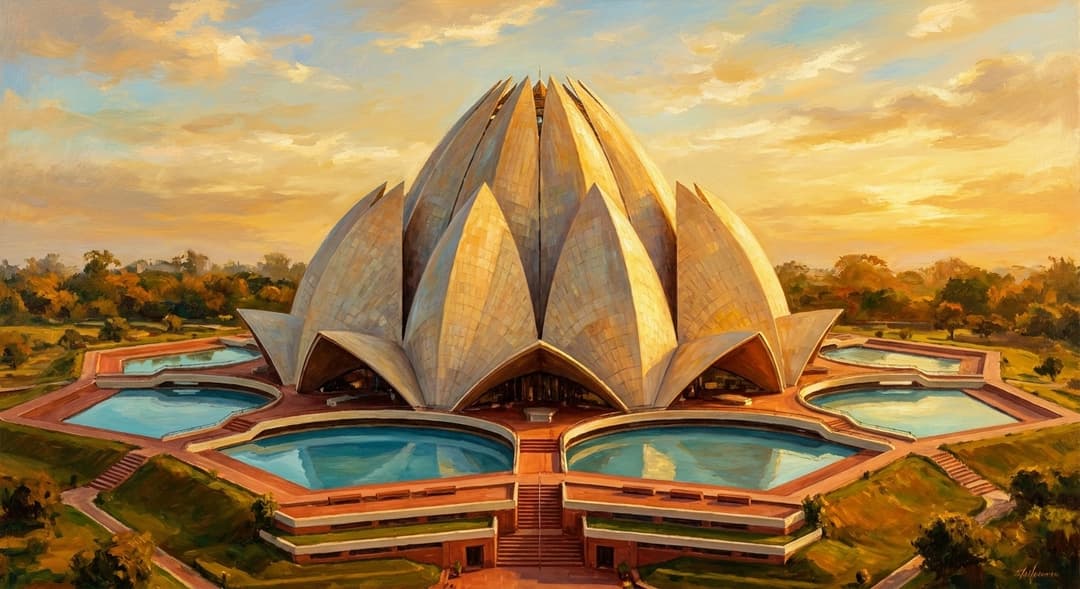
Lotus Temple
An architectural marvel of biomimicry celebrating the unity of God, religion, and humanity.
Explore →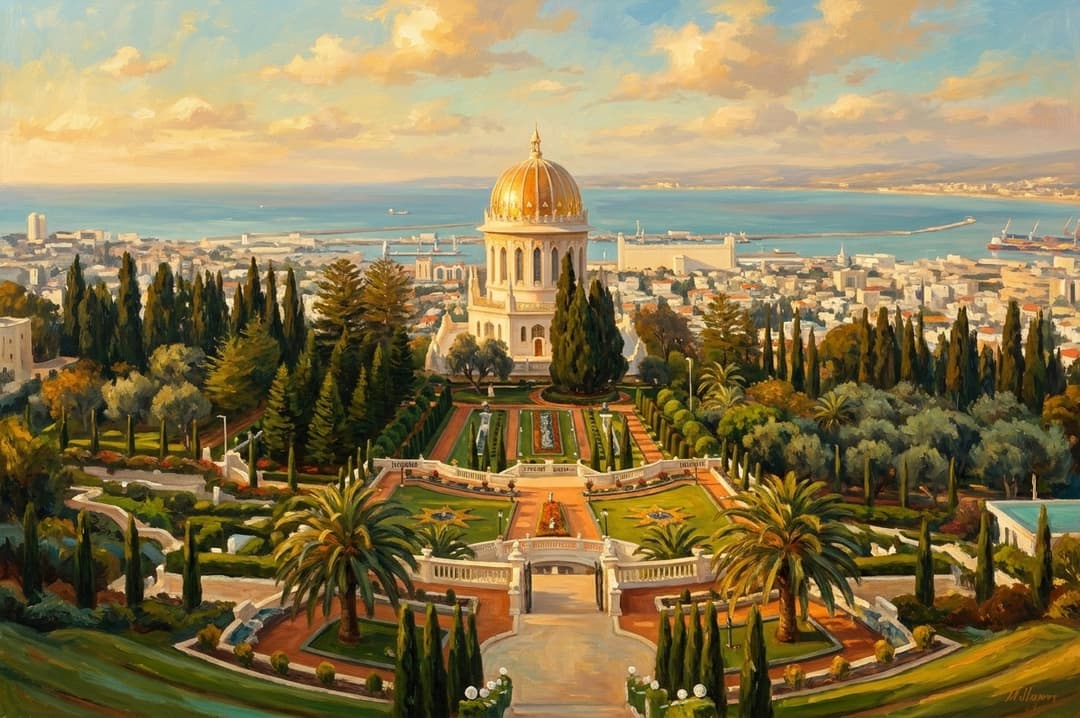
Shrine of the Báb
The golden-domed Queen of Carmel crowning nineteen monumental terraced gardens above Haifa Bay.
Explore →