The Ascension of Jesus Christ, a cornerstone of Christian belief, marks the culmination of his earthly ministry and the dawn of his heavenly reign. This profound event, chronicled in the Gospels of Luke and Mark, and further elaborated in the Book of Acts, signifies Jesus's glorification and his return to the Father. It is a moment of both departure and promise, as Jesus leaves his disciples with the assurance of the Holy Spirit and the anticipation of his eventual return.
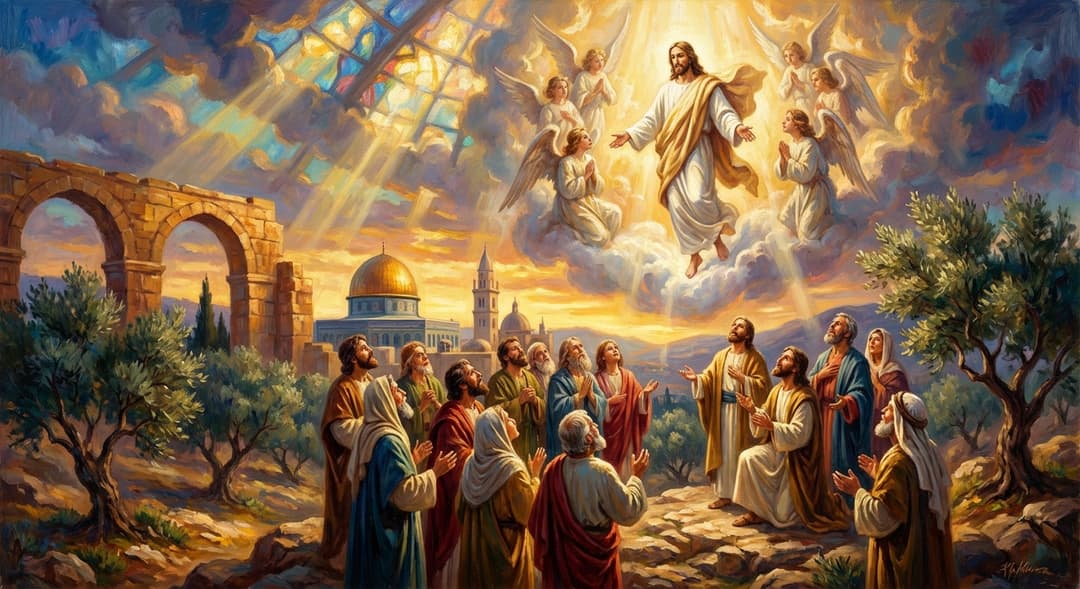
According to the biblical accounts, forty days after his resurrection, Jesus led his disciples to the vicinity of Bethany, near the Mount of Olives. There, he imparted final instructions, blessed them, and was taken up into heaven. As they gazed upward, a cloud concealed him from their sight, and two angels appeared, proclaiming that Jesus would return in the same manner he had ascended. This event transformed the disciples, filling them with great joy and inspiring them to return to Jerusalem, where they praised God in the temple.
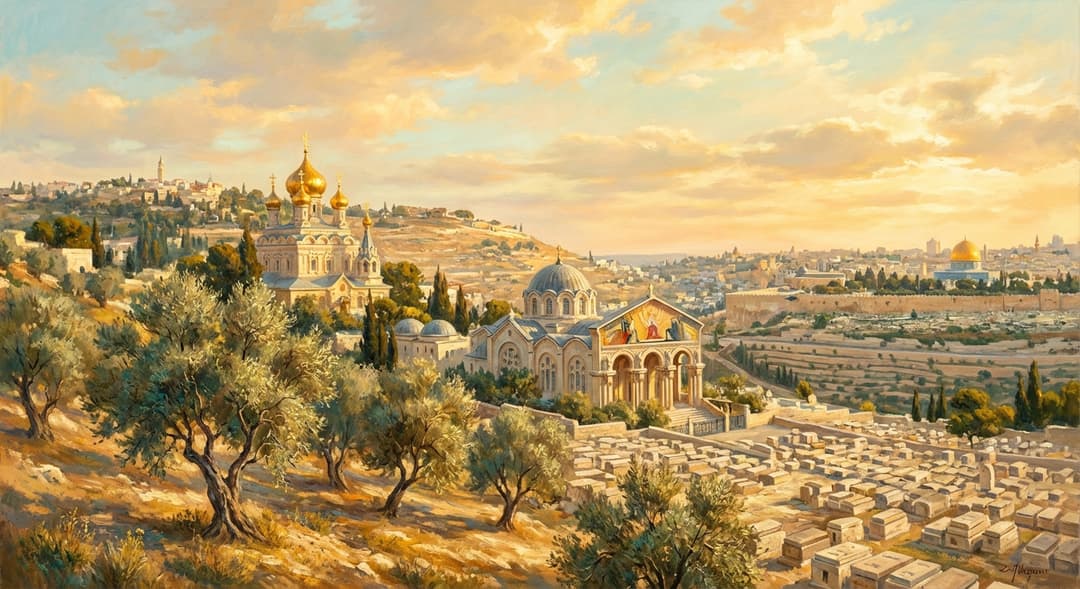
The Mount of Olives, east of Jerusalem, holds a unique place in Christian tradition as the location of the Ascension. This ridge offers a panoramic view of the city and is associated with numerous significant events in Jesus's life, including his triumphal entry into Jerusalem, his teachings, and his agony in the Garden of Gethsemane. The Ascension from this site underscores its spiritual significance, solidifying its status as a destination for pilgrimage and reflection.
The Ascension is not merely a historical event; it is a theological cornerstone. It signifies Jesus's exaltation to the right hand of God, his role as our intercessor, and the promise of the Holy Spirit. It is a testament to the fulfillment of prophecy and a source of hope for believers, who await his promised return. The Mount of Olives, therefore, stands as a tangible reminder of this pivotal moment, inviting contemplation on the profound implications of the Ascension for Christian faith and practice.
Key Details
- Location Mount of Olives, near Bethany
- Biblical Accounts Luke 24:50-53, Acts 1:6-12, Mark 16:19
- Time After Resurrection 40 days
- Key Figures Jesus, Disciples, Angels
- Significance Exaltation, Intercession, Promise of Return
- Theological Importance Beginning of Jesus's role as high priest
Timeline
The Ascension
Jesus ascends into heaven from the Mount of Olives, marking the end of his earthly ministry and the beginning of his heavenly reign.
MilestoneSources & Research
Every fact on Temples.org is backed by verified Sources & Research. Each piece of information is rated by source tier and confidence level.
View All Sources (6)
| Field | Source | Tier | Retrieved |
|---|---|---|---|
| Omaha Daily Bee, 1910 | Library of Congress (opens in a new tab) | C | 2024-01-01 |
| Birmingham Age-Herald, 1919 | Library of Congress (opens in a new tab) | C | 2024-01-01 |
| Omaha Daily Bee, 1899 | Library of Congress (opens in a new tab) | C | 2024-01-01 |
| Luke 24:50-53 | Bible Gateway (opens in a new tab) | A | 2024-01-01 |
| Acts 1:6-12 | Bible Gateway (opens in a new tab) | A | 2024-01-01 |
| Mark 16:19 | Bible Gateway (opens in a new tab) | A | 2024-01-01 |