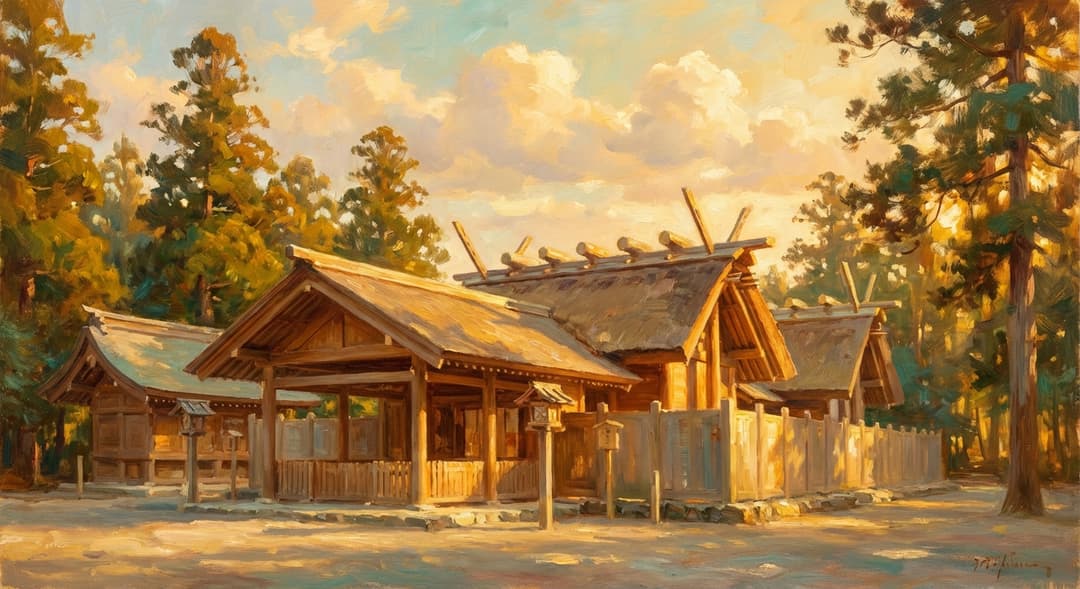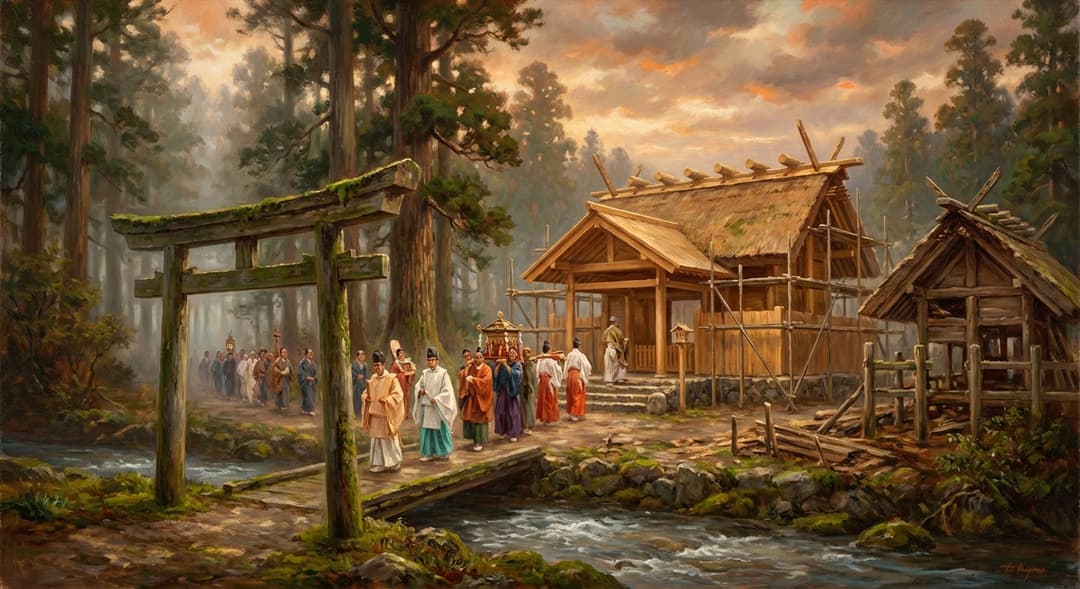
The Shikinen Sengu, a profound Shinto ritual at Ise Grand Shrine, stands as a testament to the enduring principles of purity, renewal, and the cyclical nature of time. This "periodic transfer of the shrine" involves the meticulous rebuilding of the Naiku and Geku sanctuaries every twenty years and the symbolic transfer of the deity's spirit to the new structures. While its precise origins remain debated, historical records suggest the ritual's inception during the reign of Empress Jito in the late 7th century CE, with the first documented Shikinen Sengu taking place in 690 CE. The establishment of this tradition likely stemmed from a confluence of factors deeply rooted in Shinto beliefs and practices.
Central to the Shikinen Sengu is the Shinto emphasis on purity (kegare) and the avoidance of defilement. Periodically rebuilding the shrines ensures their ritual purity, maintaining their sacredness and honoring the divine presence. Beyond purification, the ritual serves as a vital mechanism for preserving traditional craftsmanship. The construction of the shrines employs ancient and intricate woodworking techniques, passed down through generations of skilled artisans. The Shikinen Sengu provides a crucial opportunity to transmit this knowledge and maintain these invaluable skills, ensuring their survival for future generations.
The act of rebuilding also carries profound symbolic weight, representing the renewal of the deity's power and the continuity of the imperial line and the nation. It reinforces the sacred connection between the present and the past, reaffirming the enduring legacy of Shinto traditions. Furthermore, the cyclical rebuilding provides a structured approach to resource management, particularly concerning the surrounding forests. By carefully selecting and utilizing timber, the Shikinen Sengu promotes sustainable forestry practices, demonstrating a harmonious relationship between humanity and nature. The Shikinen Sengu is more than just a construction project; it is a living embodiment of Shinto values, a celebration of tradition, and a powerful symbol of national identity.
Key Details
- First Documented Sengu 690 CE
- Frequency Every 20 years
- Timber Used Cypress (Hinoki)
- Empress Credited Empress Jito
- Total Time to Complete Approximately 8 years
- Purpose Renewal and Purity
Timeline
First Documented Shikinen Sengu
The first officially recorded Shikinen Sengu took place, marking the formal establishment of the ritual.
component.timeline.historicalReign of Empress Jito
Empress Jito's reign is believed to be the period when the Shikinen Sengu ritual was initiated.
component.timeline.periodSources & Research
Every fact on Temples.org is backed by verified Sources & Research. Each piece of information is rated by source tier and confidence level.
View All Sources (4)
| Field | Source | Tier | Retrieved |
|---|---|---|---|
| south bend news-times (south bend, ind.) | Library of Congress (opens in a new tab) | B | 2024-01-01 |
| evening star (washington, d.c.) | Library of Congress (opens in a new tab) | B | 2024-01-01 |
| Ise Jingu Official Website | Ise Jingu (opens in a new tab) | A | 2024-01-01 |
| Encyclopedia of Shinto | Kokugakuin University (opens in a new tab) | A | 2024-01-01 |