Visitor Insights
Visiting Ise Grand Shrine
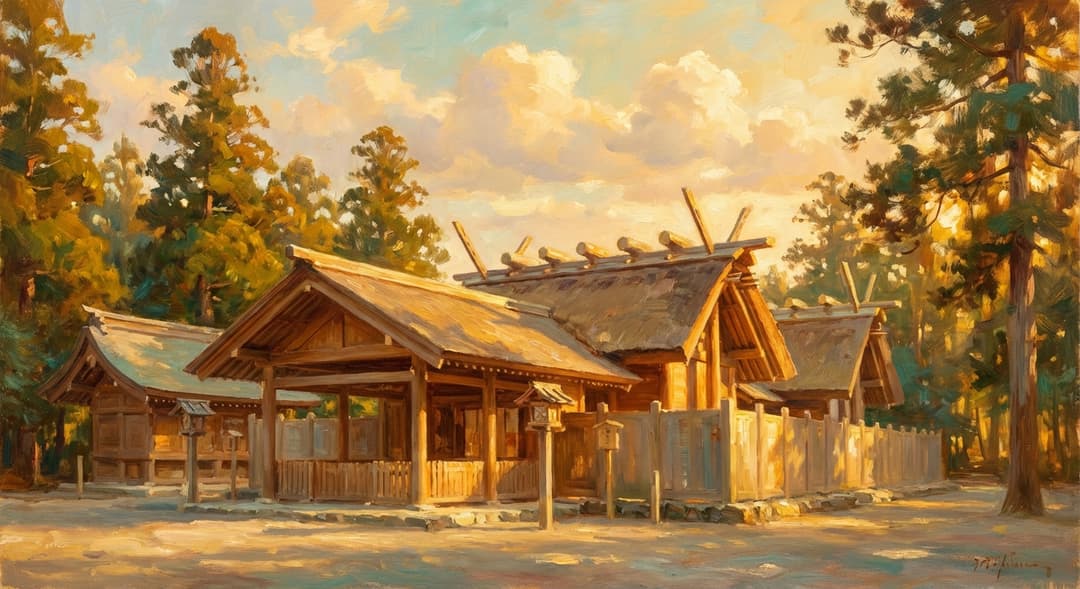
Visiting Ise Grand Shrine is a deeply spiritual and culturally enriching experience. The serene atmosphere and the grandeur of the ancient architecture offer a unique glimpse into Japan's Shinto traditions. Visitors can explore the Naiku and Geku shrines, as well as the surrounding forests and smaller shrines. The area is well-maintained and provides a peaceful environment for reflection and appreciation of nature.
Highlights
- Witnessing the traditional architecture and craftsmanship of the shrines.
- Experiencing the spiritual atmosphere and the reverence of the Shinto religion.
- Exploring the surrounding forests and smaller shrines.
Things to Know
- Photography is restricted in certain areas of the shrines.
- Dress modestly and maintain a respectful demeanor.
- Be prepared for walking, as the shrine complex is extensive.
Location
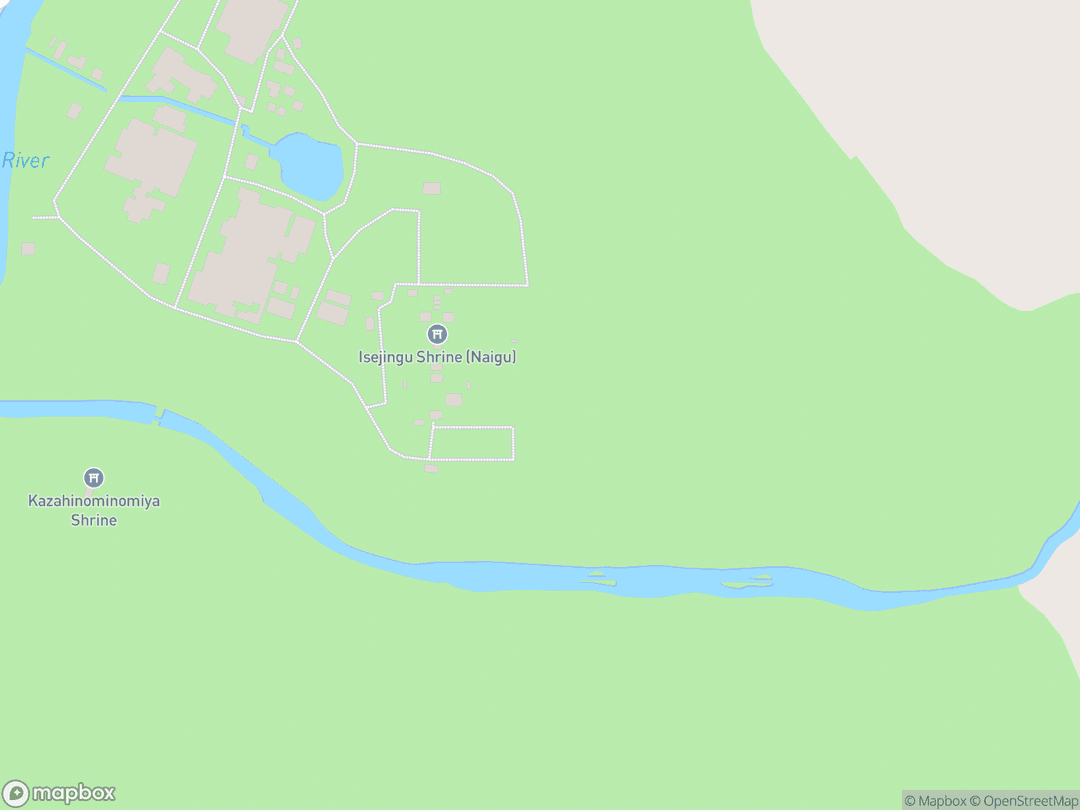
1 Ujitachi-cho, Ise, Mie 516-0023, Japan
Hours: Open daily from sunrise to sunset.
Getting There: Accessible by train and bus from major cities. The nearest train station is Ise-shi Station.
Get DirectionsTips for Your Visit
Respectful Attire
Dress modestly when visiting the shrine. Avoid revealing clothing.
Photography Restrictions
Be aware of areas where photography is prohibited, especially within the inner sanctums.
About
Ise Grand Shrine (伊勢神宮, Ise Jingū), located in Ise, Mie Prefecture, Japan, is a Shinto shrine complex dedicated to the sun goddess Amaterasu-ōmikami. It is considered the most sacred Shinto shrine and one of Japan's most important cultural sites. The shrine is not a single entity but a collection of over 125 shrines, with the two main shrines, Naiku (Inner Shrine) and Geku (Outer Shrine), being the most significant.
Naiku, dedicated to Amaterasu, houses the Sacred Mirror, Yata no Kagami, one of the Three Sacred Treasures of Japan. Geku, located a few kilometers away, is dedicated to Toyouke-Ōmikami, the goddess of agriculture and industry, who provides food for Amaterasu. The architecture of the shrines is characterized by its simplicity and purity, reflecting ancient Japanese building techniques. The structures are made of Japanese cypress wood and are rebuilt every 20 years in a ritual called Shikinen Sengu.
The history of Ise Grand Shrine dates back to the 3rd century AD, with the establishment of Naiku. Geku was established in the 5th century AD. The practice of Shikinen Sengu began in the 7th century and continues to this day, symbolizing renewal and the cyclical nature of life. The shrine plays a central role in Shinto beliefs and practices, attracting millions of pilgrims and visitors each year. The serene and spiritual atmosphere of Ise Grand Shrine offers a profound connection to Japan's ancient traditions and the divine.
Gallery
Symbolic Elements
The temple's exterior features intricate carvings, each rich with spiritual meaning:

Yata no Kagami (Sacred Mirror)
The Yata no Kagami is one of the Three Sacred Treasures of Japan, symbolizing honesty and wisdom. It is housed in Naiku and is believed to embody the spirit of Amaterasu-ōmikami. The mirror represents self-reflection and the importance of truth in Shinto beliefs.

Japanese Cypress Wood (Hinoki)
The shrines are constructed using Japanese cypress wood (hinoki), known for its durability, fragrance, and natural beauty. This material symbolizes purity and is considered sacred in Shinto. The use of hinoki reflects the reverence for nature and the importance of natural materials in Shinto architecture.
Chigi and Katsuogi
Chigi are the forked extensions on the roof of the shrine, and katsuogi are the short logs placed on the roof ridge. These architectural elements are symbolic of Shinto shrine architecture and are believed to have protective and decorative functions. The number and style of chigi and katsuogi can indicate the gender and status of the enshrined deity.
Uji Bridge
The Uji Bridge is a large wooden bridge that marks the entrance to Ise Grand Shrine, symbolizing the transition from the secular world to the sacred grounds. Crossing the bridge is a ritual act of purification and preparation for entering the shrine. The bridge is rebuilt every 20 years along with the main shrine structures.
Isuzu River
The Isuzu River flows through the shrine complex and is used for purification rituals. Worshippers often cleanse their hands and mouths with the river water before entering the shrine. The river symbolizes purity and the cleansing of the spirit, essential aspects of Shinto practice.
Torii Gate
The Torii gate is a traditional Japanese gate commonly found at the entrance of Shinto shrines. It symbolizes the transition from the mundane to the sacred and marks the boundary of the shrine grounds. Passing through the Torii gate is a symbolic act of entering a sacred space.

Sacred Forests
The shrine is surrounded by ancient forests, which are considered sacred and are carefully preserved. These forests are believed to be the dwelling place of spirits and are an integral part of the shrine's spiritual atmosphere. The forests symbolize the connection between nature and the divine in Shinto beliefs.

Stone Lanterns (Tōrō)
Stone lanterns, known as Tōrō, line the pathways within the shrine complex, providing light and guiding visitors through the sacred grounds. These lanterns are often donated by worshippers and symbolize enlightenment and the dispelling of darkness. They add to the serene and spiritual ambiance of the shrine.
Interesting Facts
Ise Grand Shrine is rebuilt every 20 years in a ritual called Shikinen Sengu, which has been practiced for over 1300 years.
The shrines are constructed using Japanese cypress wood, sourced from the surrounding forests.
The Sacred Mirror, Yata no Kagami, one of the Three Sacred Treasures of Japan, is housed in Naiku.
The Uji Bridge, leading to the shrine entrance, is rebuilt every 20 years along with the main structures.
Ise Grand Shrine is not a single shrine but a complex of over 125 shrines.
The Geku shrine is dedicated to Toyouke-Ōmikami, the goddess of agriculture and industry.
The architecture of the shrines is characterized by its simplicity and purity, reflecting ancient Japanese building techniques.
Millions of pilgrims and visitors come to Ise Grand Shrine each year to pay their respects.
The Ise Grand Shrine plays a central role in Shinto beliefs and practices.
The serene and spiritual atmosphere of Ise Grand Shrine offers a profound connection to Japan's ancient traditions.
Common Questions
What is Ise Grand Shrine?
Ise Grand Shrine is the most sacred Shinto shrine in Japan, dedicated to the sun goddess Amaterasu-ōmikami. It is a complex of over 125 shrines, with Naiku (Inner Shrine) and Geku (Outer Shrine) being the most important.
Who is Amaterasu-ōmikami?
Amaterasu-ōmikami is the sun goddess and one of the most important deities in Shinto. She is believed to be the ancestor of the Japanese Imperial family and is revered as the source of light and life.
What is Shikinen Sengu?
Shikinen Sengu is the ritual rebuilding of the main shrines at Ise Grand Shrine every 20 years. This practice symbolizes renewal, purity, and the cyclical nature of life. The structures are rebuilt using traditional techniques and materials.
Why are the shrines rebuilt every 20 years?
The rebuilding every 20 years is a Shinto tradition that maintains the purity and freshness of the shrines. It also preserves the ancient building techniques and ensures the continuity of the sacred rituals.
Can anyone visit Ise Grand Shrine?
Yes, anyone can visit Ise Grand Shrine. However, access to the inner sanctums is restricted to priests and certain members of the Imperial family. Visitors are expected to maintain a respectful demeanor and follow the guidelines of the shrine.
Related Stories
Explore the rich history, traditions, and people connected to this sacred site.
Featured Stories
The Legend of Amaterasu and the Sacred Mirror
Ancient Times
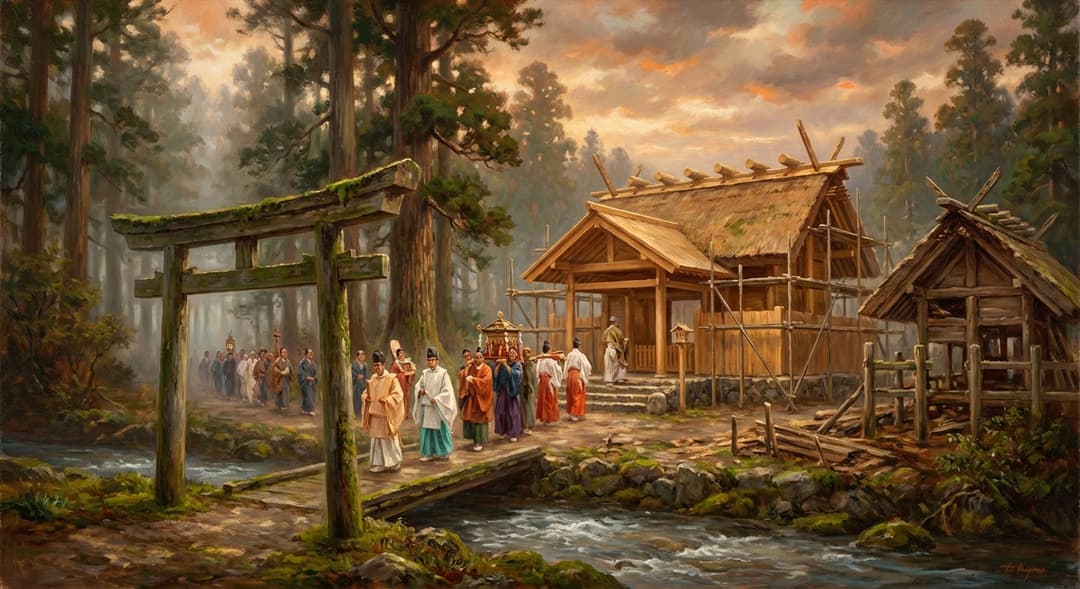
According to Shinto mythology, Amaterasu-ōmikami, the sun goddess, once hid in a cave, plunging the world into darkness. To lure her out, the other gods crafted a sacred mirror, the Yata no Kagami, and performed a lively dance. Intrigued by the commotion, Amaterasu peeked out, and upon seeing her reflection in the mirror, she was drawn out of the cave, restoring light to the world. This story highlights the importance of the mirror as a symbol of truth and self-discovery.
The Yata no Kagami is now enshrined in Naiku, the Inner Shrine of Ise Grand Shrine, and is one of the Three Sacred Treasures of Japan. It is never seen by the public, but its presence is a constant reminder of Amaterasu's divine light and the power of reflection. The legend continues to inspire reverence and awe among worshippers who visit the shrine.
Source: Encyclopedia of Shinto
The Ritual of Shikinen Sengu: Rebuilding the Sacred
690 AD – Present
Every 20 years, Ise Grand Shrine undergoes a complete rebuilding in a ritual known as Shikinen Sengu. This ancient practice involves constructing new shrines identical to the old ones, using traditional techniques and materials. The ritual symbolizes renewal, purity, and the cyclical nature of life. It also serves to preserve the ancient building skills and craftsmanship.
The process is a massive undertaking, involving thousands of people and taking several years to complete. The old shrines are carefully dismantled, and the new ones are built with meticulous attention to detail. The deities are then transferred to the new shrines in a solemn ceremony. This tradition ensures the continuity of Shinto beliefs and practices for future generations.
Source: Ise Jingu Official Website
The Pilgrimage to Ise: A Journey of Faith
Edo Period – Present
During the Edo period, the pilgrimage to Ise Grand Shrine became immensely popular among commoners. People from all walks of life embarked on long journeys to visit the sacred site, often traveling on foot for weeks or months. These pilgrimages were not only religious experiences but also opportunities for social interaction and cultural exchange.
Today, the pilgrimage to Ise continues to be a significant part of Japanese culture. Millions of visitors come to Ise Grand Shrine each year, seeking spiritual renewal and a connection to their ancestral roots. The journey to Ise is a testament to the enduring power of faith and the importance of tradition in Japanese society. The act of visiting the shrine is seen as a way to purify the soul and gain blessings from the deities.
Source: Mie Prefecture Tourism Guide
Timeline
Establishment of Naiku
The Inner Shrine, Naiku, dedicated to Amaterasu-ōmikami, is established, marking the beginning of Ise Grand Shrine's history.
MilestoneEstablishment of Geku
The Outer Shrine, Geku, dedicated to Toyouke-Ōmikami, is established to provide food for Amaterasu.
MilestoneFirst Shikinen Sengu
The first recorded Shikinen Sengu, the ritual rebuilding of the shrines every 20 years, takes place.
EventFormalization of Shikinen Sengu
The practice of Shikinen Sengu becomes a formalized and regular event, symbolizing renewal and purity.
MilestoneKamakura Period
Ise Grand Shrine gains further prominence and support from the ruling shogunate.
EventMuromachi Period
The shrine continues to be a significant religious and cultural center, despite political changes.
EventEdo Period
Ise Grand Shrine experiences a surge in popularity among commoners, leading to increased pilgrimage.
EventMeiji Restoration
Shinto is declared the state religion of Japan, further elevating the importance of Ise Grand Shrine.
MilestoneState Shinto
Ise Grand Shrine becomes a central institution in the State Shinto system, promoting national unity.
EventPost-World War II
The State Shinto system is abolished, and Ise Grand Shrine returns to being a privately supported religious institution.
Event60th Shikinen Sengu
The 60th Shikinen Sengu takes place, continuing the tradition of rebuilding the shrines.
Event61st Shikinen Sengu
The 61st Shikinen Sengu is conducted, maintaining the cycle of renewal.
Event62nd Shikinen Sengu
The 62nd Shikinen Sengu is performed, preserving the ancient rituals.
Event63rd Shikinen Sengu
The 63rd Shikinen Sengu is completed, marking another renewal of the sacred structures.
EventArchitecture & Facilities
Ancient Shinto shrine architecture in the Yuitsu-shinmei-zukuri style, the purest and oldest form of Japanese shrine construction. The main halls are built entirely from hinoki (Japanese cypress) without nails, featuring raised wooden floors on pillars, thatched reed-grass (kaya) roofs, and straight chigi (forked finials) and katsuogi (ridge logs) that distinguish the gender and rank of the enshrined deity. Each structure sits within a succession of nested wooden fences, the innermost accessible only to priests and imperial family. The complex encompasses over 125 shrines spanning 5,500 hectares of sacred forest, with the two principal sanctuaries — Naiku (Inner Shrine) and Geku (Outer Shrine) — located several kilometers apart. Every 20 years, the entire shrine is completely rebuilt in a ritual known as Shikinen Sengu, preserving the original design exactly and perpetuating ancient carpentry techniques dating to the Kofun period. The Uji Bridge at Naiku's entrance spans the Isuzu River and is likewise reconstructed on this 20-year cycle.
Religious Significance
Ise Grand Shrine holds a place of deep reverence within the Shinto tradition, Japan's indigenous spiritual path that celebrates the sacred presence of kami — divine spirits that inhabit natural phenomena, ancestors, and sacred places. Shinto shrines are not merely places of worship but are understood as dwelling places of the kami, where the boundary between the visible and invisible worlds grows thin and humans can commune with the divine forces that animate all of creation.
The shrine serves as a sacred meeting point between humanity and the kami, providing a consecrated space where visitors can offer prayers, express gratitude, seek purification, and receive blessings for health, prosperity, and spiritual harmony. It preserves ancient Shinto rituals that have been practiced for centuries, maintaining the living connection between the Japanese people and the spiritual forces that sustain the natural world.
Sacred Ordinances
Sanpai (Shrine Worship)
Visitors follow the traditional worship protocol of bowing, clapping twice, offering a silent prayer, and bowing again before the main hall. This ritual sequence, practiced by millions of Japanese each year, establishes a personal connection between the worshipper and the enshrined kami.
Harae (Purification Rites)
Before approaching the inner shrine, visitors perform temizu — the ritual washing of hands and mouth at the chozuya (purification fountain). This act of cleansing symbolizes the purification of body and spirit necessary to enter sacred space and commune with the kami.
Norito (Ritual Prayers)
Shinto priests recite formal prayers (norito) during ceremonies, using ancient Japanese that has been preserved for centuries. These prayers invoke the kami, express gratitude for blessings received, and petition for continued divine protection and guidance.
Matsuri (Festivals)
The shrine hosts seasonal festivals that celebrate the kami through processions, music, dance, and communal offerings. These matsuri are among the most vibrant expressions of Japanese spiritual culture, blending reverence for the divine with community celebration and cultural continuity.
Kami and the Sacred Landscape
In Shinto belief, kami are not distant, transcendent beings but immanent spiritual presences that dwell within nature — in mountains, rivers, trees, rocks, and storms. The shrine's location was chosen because the kami were believed to be especially present here, making the site a natural nexus of spiritual power. The surrounding landscape is not merely a backdrop but an integral part of the sacred precinct, reflecting the Shinto conviction that nature itself is inherently divine and worthy of reverence.
Harmony Between Humanity and Nature
Shinto teaches that human beings exist in an interdependent relationship with the natural world and the kami who sustain it. Visiting the shrine is an act of acknowledging this relationship — of expressing gratitude for the blessings of nature, seeking forgiveness for transgressions against the natural order, and renewing one's commitment to living in harmony with the world. The shrine thus serves not only as a place of personal devotion but as a reminder of humanity's sacred responsibility to protect and honor the living world.
Similar Temples
Sources & Research
Every fact on Temples.org is backed by verified Sources & Research. Each piece of information is rated by source tier and confidence level.
View All Sources (8)
| Field | Source | Tier | Retrieved |
|---|---|---|---|
| Ise Jingu Official Website | Ise Grand Shrine (opens in a new tab) | A | 2026-02-13 |
| Japan National Tourism Organization - Ise Grand Shrine | Japan National Tourism Organization (opens in a new tab) | A | 2026-02-13 |
| Encyclopedia of Shinto - Ise Jingu | Kokugakuin University (opens in a new tab) | B | 2026-02-13 |
| Mie Prefecture Tourism Guide - Ise Grand Shrine | Mie Prefecture (opens in a new tab) | A | 2026-02-13 |
| Britannica - Ise Shrine | Encyclopedia Britannica (opens in a new tab) | B | 2026-02-13 |
| Ise City Official Website | Ise City (opens in a new tab) | B | 2026-02-13 |
| Sacred Destinations - Ise Grand Shrine | Sacred Destinations (opens in a new tab) | B | 2026-02-13 |
| Ancient History Encyclopedia - Shinto | World History Encyclopedia (opens in a new tab) | B | 2026-02-13 |