Visitor Insights
Visiting Fushimi Inari Taisha
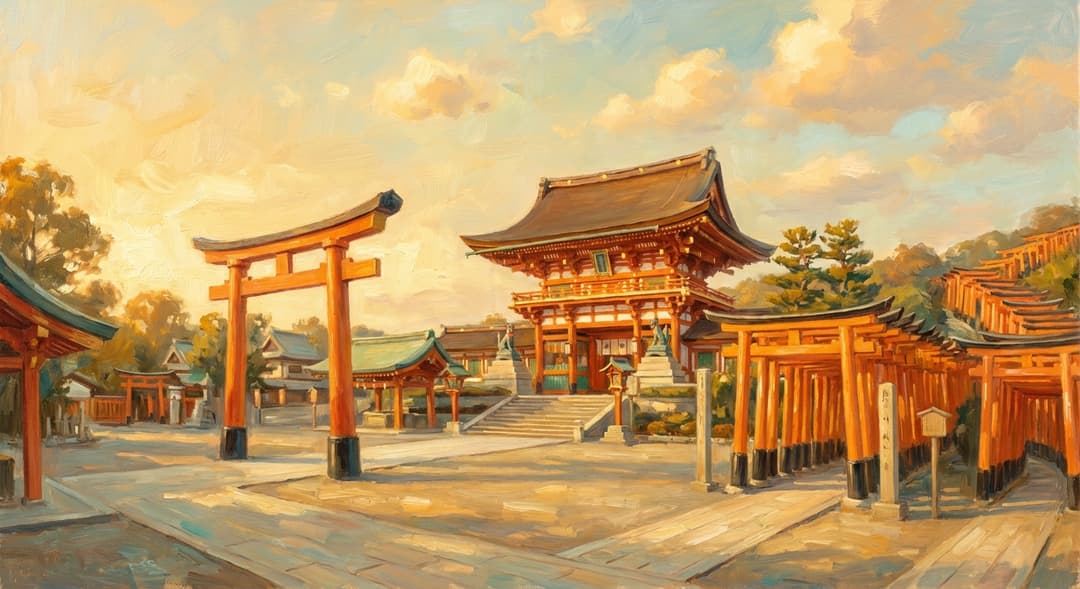
Visiting Fushimi Inari Taisha offers a unique and immersive experience into Shinto culture and the worship of Inari, the god of rice, agriculture, business, and prosperity. The shrine is famous for its thousands of vermilion torii gates that wind up Mount Inari, creating a visually stunning and spiritually uplifting pathway. The hike to the summit and back takes approximately 2-3 hours, with smaller shrines and rest areas along the way. The shrine is open 24 hours a day, allowing visitors to explore at their own pace and experience the serene atmosphere, especially during early morning or late evening hours when the crowds are thinner. The main shrine area is easily accessible from Kyoto, making it a popular destination for both locals and tourists. Whether you're interested in Shinto traditions, hiking, or simply taking in the breathtaking scenery, Fushimi Inari Taisha provides a memorable and enriching visit. Don't forget to look out for the many fox statues, which are considered messengers of Inari, often holding a key in their mouths, symbolizing the key to the rice granary.
Highlights
- Thousands of vermilion torii gates winding up Mount Inari.
- The opportunity to hike to the summit of Mount Inari and explore smaller shrines along the way.
- The serene atmosphere, especially during early morning or late evening hours.
Things to Know
- The hike to the summit can be strenuous, so wear comfortable shoes and bring water.
- The shrine can be crowded, especially during peak tourist seasons.
- Respectful attire and behavior are expected when visiting the shrine.
Location
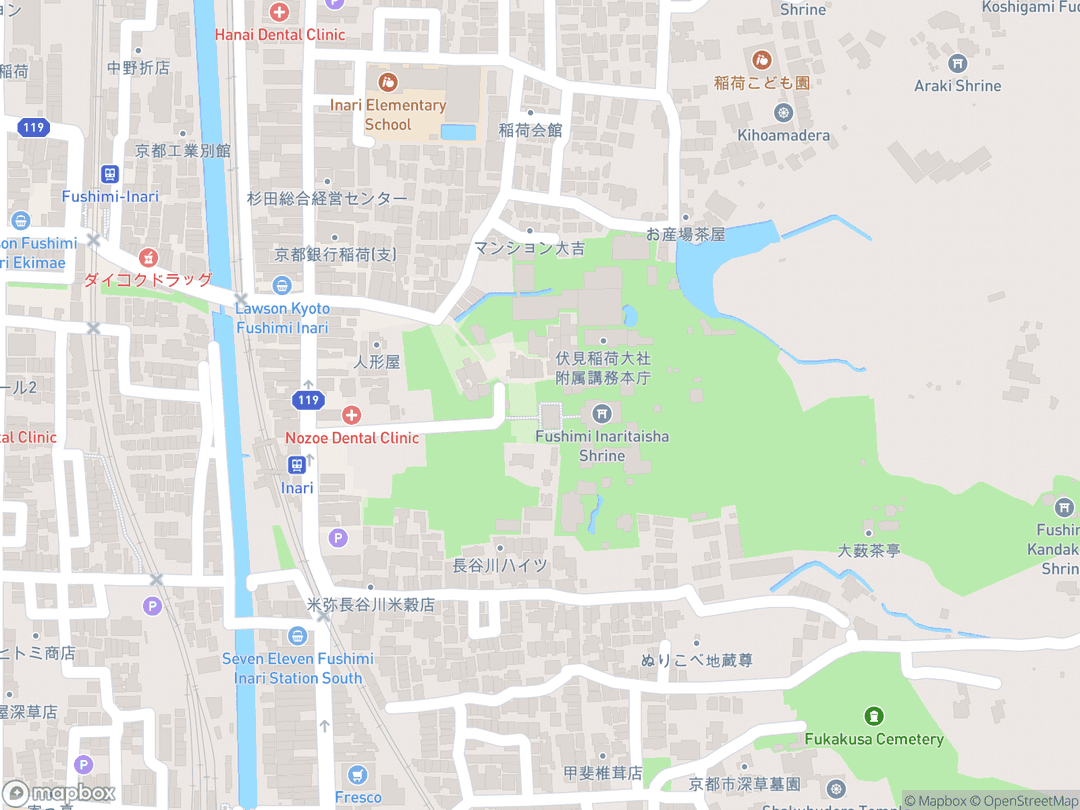
68 Yabunouchi-cho, Fukakusa Fushimi-ku, Kyoto, Kyoto Prefecture 612-0882, Japan
Hours: Open 24 hours
Getting There: Accessible via the Keihan Main Line or Nara Line to Fushimi-Inari or Inari Station respectively.
Get DirectionsTips for Your Visit
Wear Comfortable Shoes
The hike up Mount Inari involves a lot of walking, so comfortable shoes are essential.
Bring Water
It's important to stay hydrated, especially during the warmer months.
About
According to Kyoto.travel, Fushimi Inari Taisha, founded in 711 CE, is the head shrine of Inari and sits at the base of Mount Inari in Kyoto, Japan. It is renowned for its thousands of vermilion torii gates that create a mesmerizing pathway up the mountain.
As the most important of the thousands of shrines dedicated to Inari, Fushimi Inari Taisha holds a significant place in Shinto tradition. Inari is the Shinto god of rice, agriculture, business, and prosperity, making the shrine a vital center for those seeking blessings in these areas. The shrine's history dates back to the 8th century, with the main shrine being rebuilt in 1499 after a fire.
Visitors to Fushimi Inari Taisha can explore the stunning architecture, including the Rōmon gate built in 1589, and hike the trails lined with approximately 10,000 torii gates. The shrine is open 24 hours a day, allowing for visits at any time, and offers a unique and spiritual experience for all who come. The iconic fox statues, considered Inari's messengers, add to the shrine's mystical atmosphere.
Gallery
Symbolic Elements
The temple's exterior features intricate carvings, each rich with spiritual meaning:
Torii Gates
The vermilion torii gates are the most iconic symbol of Fushimi Inari Taisha. Each gate has been donated by a Japanese business as a sign of gratitude and to ensure continued prosperity. The gates symbolize the entrance to a sacred space, guiding visitors along the path to the inner shrine.
Fox Statues (Kitsune)
Foxes, known as kitsune, are considered the messengers of Inari, the kami of rice and agriculture. Many fox statues are found throughout the shrine grounds, often holding a key in their mouths, which symbolizes the key to the rice granary. These statues represent the vital connection between Inari and the prosperity of the people.

Vermilion Color
The vibrant vermilion color used throughout the shrine, especially on the torii gates, is a significant symbolic element. In Japanese tradition, vermilion is believed to ward off evil spirits and bring good fortune. The color creates a visually striking and spiritually protective atmosphere.

Mount Inari
Mount Inari itself is a sacred site, with the shrine built at its base and the trails winding up to the summit. The mountain is considered a place of spiritual power and connection to the kami. The hike to the summit is a pilgrimage, allowing visitors to immerse themselves in the natural and spiritual environment.

Rice Granary Key
Many of the fox statues hold a key in their mouths, which is the key to the rice granary. This key symbolizes Inari's role as the kami of rice and agriculture, ensuring a bountiful harvest and prosperity for the people. The key represents access to the essential resources for life and well-being.

Romon Gate
The Romon Gate, built in 1589 by Toyotomi Hideyoshi, is a prominent architectural feature of the shrine. This two-story gate serves as a grand entrance to the sacred grounds, showcasing the shrine's historical and cultural significance. The gate's design reflects the architectural style of the Azuchi-Momoyama period.

Honden (Main Hall)
The Honden, or main hall, was rebuilt in 1499 after a fire and is a significant architectural sample of the Azuchi-Momoyama period. This structure serves as the central place of worship and houses the enshrined deities. Its design and construction reflect the shrine's historical and religious importance.

Kasuga-zukuri Style
The shrine is built in the Kasuga-zukuri style, which is characterized by a gabled roof with a curved silhouette and a distinctive entrance. This architectural style is traditional to Shinto shrines and adds to the shrine's unique aesthetic and cultural value. The Kasuga-zukuri style reflects the shrine's deep roots in Japanese history and religious practices.
Interesting Facts
Fushimi Inari Taisha heads a network of more than 30,000 Inari shrines throughout Japan.
The shrine was founded in 711 CE by the Hata clan.
Each of the approximately 10,000 torii gates was donated by a Japanese business.
The Senbon Torii are two parallel rows of densely packed vermilion-colored torii gates.
Inari was originally the kami of rice and agriculture, but is also the patron of business.
Foxes are believed to be Inari's messengers.
The shrine gained imperial patronage during the early Heian period.
From 1871 through 1946, Fushimi Inari-taisha was officially designated one of the Kanpei-taisha.
The main shrine was rebuilt in 1499 after being destroyed in a fire.
The hike to the summit of Mount Inari takes about 2-3 hours.
The shrine is open 24 hours a day, allowing visitors to explore at any time.
The shrine is built in the Kasuga-zukuri style.
The Romon Gate was built by Toyotomi Hideyoshi.
The shrine is located in Fushimi-ku, Kyoto.
The shrine is famous for its vermilion torii gates.
Common Questions
What is Fushimi Inari Taisha?
Fushimi Inari Taisha is the head shrine of Inari, the Shinto god of rice, agriculture, business, and prosperity, located in Fushimi-ku, Kyoto, Japan. It is famous for its thousands of vermilion torii gates that wind up Mount Inari.
Who is Inari?
Inari is the Shinto god of rice, agriculture, business, and prosperity. The deity is often associated with foxes, which are considered to be Inari's messengers.
Why are there so many torii gates at Fushimi Inari Taisha?
Each of the approximately 10,000 torii gates at Fushimi Inari Taisha was donated by a Japanese business as a sign of gratitude and to ensure continued prosperity. The gates symbolize the entrance to a sacred space.
How long does it take to hike to the summit of Mount Inari?
The hike to the summit of Mount Inari at Fushimi Inari Taisha takes approximately 2-3 hours, spanning 4 kilometers (2.5 mi). The trails are lined with smaller shrines and rest areas.
What are the best times to visit Fushimi Inari Taisha?
The best times to visit Fushimi Inari Taisha are late morning to mid-afternoon, or early dawn or late evening to avoid crowds. The shrine is open 24 hours, allowing for visits at any time.
Related Stories
Explore the rich history, traditions, and people connected to this sacred site.
Featured Stories
The Legend of the Founding
711 CE
The founding of Fushimi Inari Taisha is rooted in a captivating legend involving Hata no Irogu, a member of the influential Hata clan. According to the tale, Hata no Irogu shot an arrow at a mochi, a traditional Japanese rice cake. Miraculously, the mochi transformed into a white bird and soared to the peak of Mount Inari.
Upon reaching the summit, the white bird caused rice to sprout and flourish, signifying the divine connection between the land and the prosperity of the people. This extraordinary event led to the establishment of the shrine as a place to honor Inari, the kami of rice and agriculture. The legend underscores the shrine's deep historical and spiritual significance, linking its origins to a miraculous occurrence and the blessings of Inari.
Source: Fushimi Inari-taisha
The Significance of the Torii Gates
Ongoing
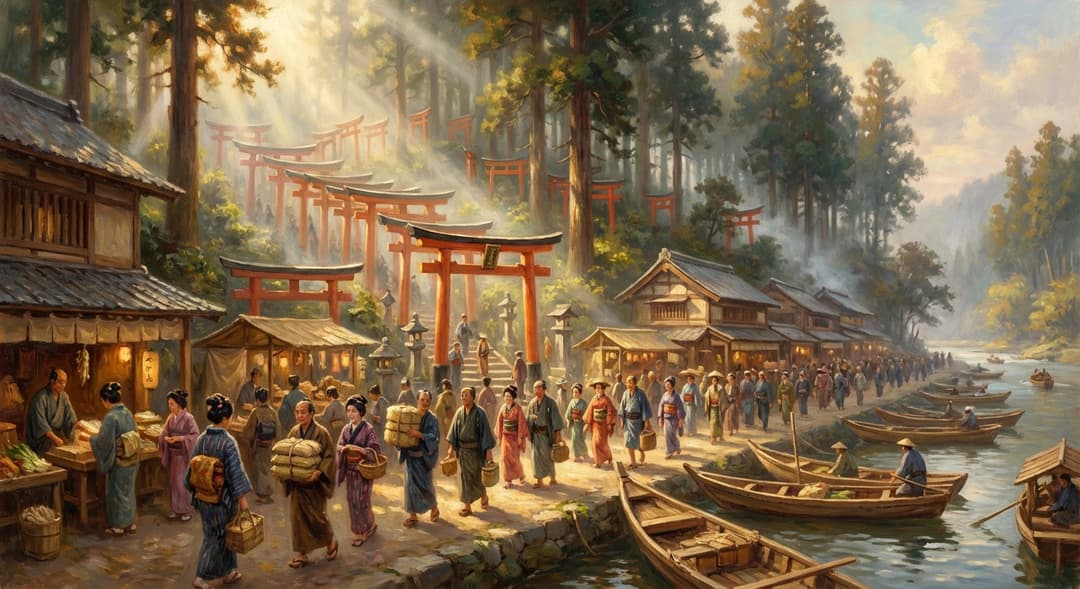
The thousands of vermilion torii gates that line the path up Mount Inari are more than just a visual spectacle; they represent the enduring faith and gratitude of Japanese businesses. Each gate has been donated by a company seeking to honor Inari, the kami of business and prosperity, and to ensure continued success in their ventures.
Walking through the Senbon Torii, the two parallel rows of densely packed gates, is a deeply spiritual experience, as visitors are surrounded by the symbols of prosperity and divine favor. The gates serve as a testament to the enduring relationship between the shrine and the business community, highlighting the importance of faith and tradition in Japanese society.
Source: Japan-Guide.com - Fushimi Inari Shrine
The Role of Foxes as Messengers
Ancient Times
Foxes, known as kitsune, hold a special place in the lore of Fushimi Inari Taisha, serving as the messengers of Inari, the kami of rice, agriculture, business, and prosperity. These revered animals are often depicted in statues throughout the shrine grounds, frequently holding a key in their mouths, symbolizing access to the rice granary and the blessings of a bountiful harvest.
The presence of foxes at the shrine is a reminder of the vital connection between the natural world and the divine, as well as the importance of respecting and honoring the creatures that play a role in sustaining life. The fox statues serve as a tangible representation of Inari's presence and influence, guiding visitors on their spiritual journey.
Source: Kiddle - Fushimi Inari-taisha
Timeline
Shrine Founded
The shrine was formally founded by the Hata clan. According to legend, Hata no Irogu shot an arrow at a mochi (rice cake), which transformed into a white bird and flew to the peak of Mount Inari, where rice began to grow.
MilestoneCapital Moved to Kyoto
The capital was moved to Kyoto, increasing the shrine's prominence.
EventEarly Heian Period
The shrine gained imperial patronage during the early Heian period.
EventShrine Relocated
The shrine was relocated at the request of the monk Kūkai.
EventHighest Rank Acquired
Fushimi Inari acquired the highest possible rank for a Shinto shrine.
MilestoneEmperor's Decree
Emperor Murakami decreed that messengers carry written accounts of important events to the guardian kami of Japan, including the Inari Shrine.
EventMain Shrine Destroyed
The main shrine structure was destroyed in a fire during the Onin Rebellion.
EventMain Shrine Rebuilt
The main shrine (Honden) was rebuilt.
MilestoneRomon Gate Built
The Romon Gate was built by Toyotomi Hideyoshi.
MilestoneKanpei-taisha Designation
Fushimi Inari-taisha was officially designated one of the Kanpei-taisha, meaning it stood in the first rank of government-supported shrines.
EventArchitecture & Facilities
Traditional Shinto shrine architecture in the Kasuga-zukuri style, characterized by a gabled roof with a distinctive curved silhouette, raised wooden floor, and a thatched or cypress-bark roof. The main hall (Go-Honden), rebuilt in 1499, is an exemplary structure of the Azuchi-Momoyama period. The two-story Rōmon gate, constructed in 1589 by Toyotomi Hideyoshi, serves as the grand entrance. Behind the main shrine, approximately 10,000 vermilion-painted torii gates — each donated by Japanese businesses — create the iconic Senbon Torii pathway that winds 4 kilometers up the 233-meter Mount Inari, passing smaller sub-shrines and rest pavilions. The shrine compound integrates its structures organically into the forested mountainside, blending built architecture with the naturalistic Shinto aesthetic. Key structures include the inner shrine (Okumiya) accessible via the torii-lined paths, and numerous fox (kitsune) statues positioned as guardians and messengers of Inari.
Religious Significance
Fushimi Inari Taisha holds a place of deep reverence within the Shinto tradition, Japan's indigenous spiritual path that celebrates the sacred presence of kami — divine spirits that inhabit natural phenomena, ancestors, and sacred places. Shinto shrines are not merely places of worship but are understood as dwelling places of the kami, where the boundary between the visible and invisible worlds grows thin and humans can commune with the divine forces that animate all of creation.
The shrine serves as a sacred meeting point between humanity and the kami, providing a consecrated space where visitors can offer prayers, express gratitude, seek purification, and receive blessings for health, prosperity, and spiritual harmony. It preserves ancient Shinto rituals that have been practiced for centuries, maintaining the living connection between the Japanese people and the spiritual forces that sustain the natural world.
Sacred Ordinances
Sanpai (Shrine Worship)
Visitors follow the traditional worship protocol of bowing, clapping twice, offering a silent prayer, and bowing again before the main hall. This ritual sequence, practiced by millions of Japanese each year, establishes a personal connection between the worshipper and the enshrined kami.
Harae (Purification Rites)
Before approaching the inner shrine, visitors perform temizu — the ritual washing of hands and mouth at the chozuya (purification fountain). This act of cleansing symbolizes the purification of body and spirit necessary to enter sacred space and commune with the kami.
Norito (Ritual Prayers)
Shinto priests recite formal prayers (norito) during ceremonies, using ancient Japanese that has been preserved for centuries. These prayers invoke the kami, express gratitude for blessings received, and petition for continued divine protection and guidance.
Matsuri (Festivals)
The shrine hosts seasonal festivals that celebrate the kami through processions, music, dance, and communal offerings. These matsuri are among the most vibrant expressions of Japanese spiritual culture, blending reverence for the divine with community celebration and cultural continuity.
Kami and the Sacred Landscape
In Shinto belief, kami are not distant, transcendent beings but immanent spiritual presences that dwell within nature — in mountains, rivers, trees, rocks, and storms. The shrine's location was chosen because the kami were believed to be especially present here, making the site a natural nexus of spiritual power. The surrounding landscape is not merely a backdrop but an integral part of the sacred precinct, reflecting the Shinto conviction that nature itself is inherently divine and worthy of reverence.
Harmony Between Humanity and Nature
Shinto teaches that human beings exist in an interdependent relationship with the natural world and the kami who sustain it. Visiting the shrine is an act of acknowledging this relationship — of expressing gratitude for the blessings of nature, seeking forgiveness for transgressions against the natural order, and renewing one's commitment to living in harmony with the world. The shrine thus serves not only as a place of personal devotion but as a reminder of humanity's sacred responsibility to protect and honor the living world.
Similar Temples
Sources & Research
Every fact on Temples.org is backed by verified Sources & Research. Each piece of information is rated by source tier and confidence level.
View All Sources (3)
| Field | Source | Tier | Retrieved |
|---|---|---|---|
| Japan-Guide.com - Fushimi Inari Shrine | Japan-Guide.com (opens in a new tab) | C | 2026-02-13 |
| Kiddle - Fushimi Inari-taisha | Kiddle (opens in a new tab) | C | 2026-02-13 |
| Kyoto.travel - Fushimi Inari Shrine | Kyoto.travel (opens in a new tab) | C | 2026-02-13 |