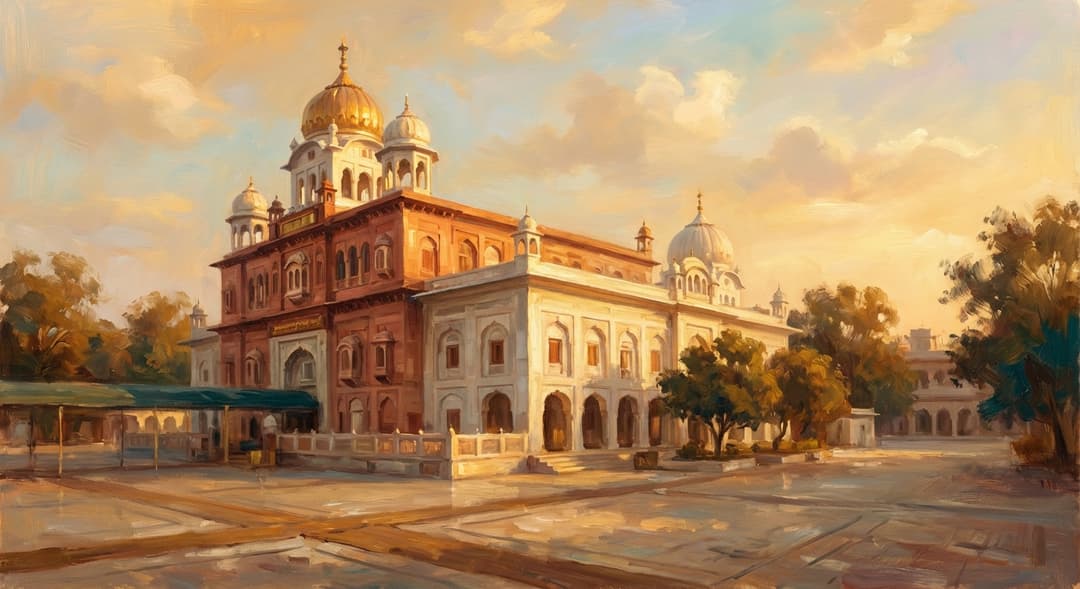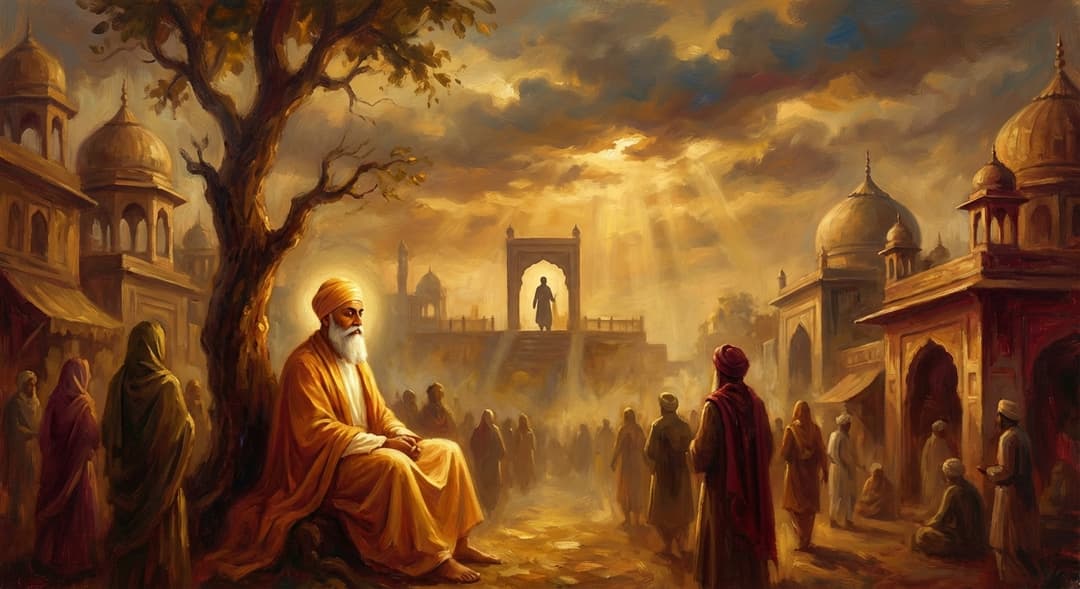
In the annals of Sikh history, the martyrdom of Guru Tegh Bahadur stands as a beacon of courage, compassion, and unwavering commitment to religious freedom. The ninth Sikh Guru, Guru Tegh Bahadur, lived during a tumultuous era in 17th-century India, marked by the religious persecution of Emperor Aurangzeb. His life and sacrifice are inextricably linked to Gurudwara Sis Ganj Sahib in Delhi, the site where he was publicly executed for refusing to convert to Islam and for defending the rights of others to practice their faith freely.
Guru Tegh Bahadur's journey to martyrdom began with the plight of the Kashmiri Pandits, who sought his intervention against Aurangzeb's oppressive policies. Moved by their suffering, the Guru made the ultimate sacrifice, traveling to Delhi to challenge the Emperor's injustice. He was arrested and offered a choice: convert to Islam or face death. Unwavering in his conviction, Guru Tegh Bahadur refused to renounce his faith, asserting the fundamental right of all individuals to choose their own spiritual path.
The Guru's defiance led to his public execution in Chandni Chowk on November 11, 1675. Before his beheading, his companions, Bhai Mati Das, Bhai Sati Das, and Bhai Dyal Das, were subjected to brutal tortures and executions for standing by their Guru. Guru Tegh Bahadur's martyrdom became a defining moment in Sikh history, solidifying the community's resolve to defend religious freedom and resist oppression. His sacrifice inspired his son, Guru Gobind Singh, to establish the Khalsa, a warrior community dedicated to upholding justice and protecting the Sikh faith.
Gurudwara Sis Ganj Sahib, built on the site of Guru Tegh Bahadur's execution, serves as a powerful reminder of his sacrifice and the enduring values he championed. The Gurudwara stands as a testament to the Guru's courage, compassion, and unwavering commitment to religious freedom, attracting pilgrims from around the world who come to pay homage to his memory and reflect on his profound message of universal human rights. The legacy of Guru Tegh Bahadur continues to inspire generations to stand up against injustice and defend the rights of all to practice their faith without fear or coercion.
Key Details
- Date of Martyrdom November 11, 1675
- Location of Martyrdom Chandni Chowk, Delhi
- Mughal Emperor Aurangzeb
- Ninth Sikh Guru Guru Tegh Bahadur
- Significance Sacrifice for religious freedom
- Gurudwara Commemorating Martyrdom Gurudwara Sis Ganj Sahib
Timeline
Birth of Guru Tegh Bahadur
The ninth Sikh Guru is born.
MilestoneMartyrdom of Guru Tegh Bahadur
Guru Tegh Bahadur is executed in Delhi for defending religious freedom.
EventEstablishment of the Khalsa
Guru Gobind Singh establishes the Khalsa, a warrior community dedicated to defending the Sikh faith.
MilestoneSources & Research
Every fact on Temples.org is backed by verified Sources & Research. Each piece of information is rated by source tier and confidence level.
View All Sources (4)
| Field | Source | Tier | Retrieved |
|---|---|---|---|
| Official Website of Delhi Sikh Gurdwara Management Committee | Delhi Sikh Gurdwara Management Committee (opens in a new tab) | A | 2024-01-01 |
| All About Sikhs - Guru Tegh Bahadur | All About Sikhs (opens in a new tab) | B | 2024-01-01 |
| Sikh History - Guru Tegh Bahadur | Sikh History (opens in a new tab) | B | 2024-01-01 |
| Understanding Sikhism - Guru Tegh Bahadur | Understanding Sikhism Research Journal (opens in a new tab) | B | 2024-01-01 |