Visitor Insights
Visiting Gurudwara Sis Ganj Sahib
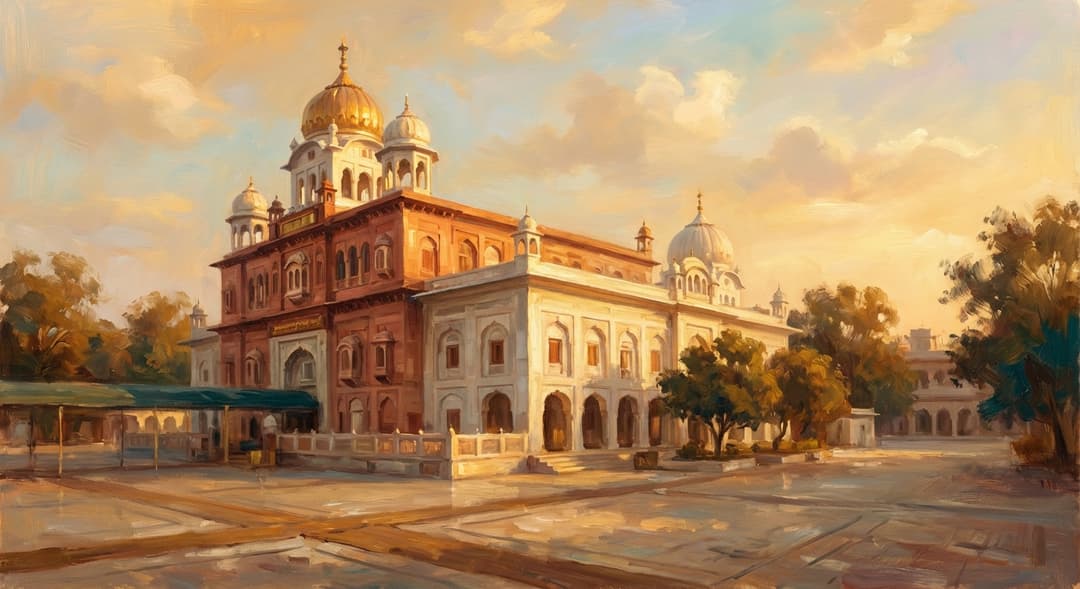
Visiting Gurudwara Sis Ganj Sahib offers a profound experience of Sikh history and spirituality. Located in the bustling Chandni Chowk, the gurdwara is easily accessible and welcomes visitors of all faiths. The atmosphere is serene and reverent, providing a peaceful retreat from the city's chaos.
Highlights
- Witness the architectural blend of Mughal and Sikh styles.
- Pay homage at the site of Guru Tegh Bahadur's martyrdom.
- Partake in the langar, a free community meal.
Things to Know
- Dress modestly and cover your head. Scarves are available at the entrance.
- Remove your shoes before entering the gurdwara.
- Maintain silence and respect within the prayer halls.
Location
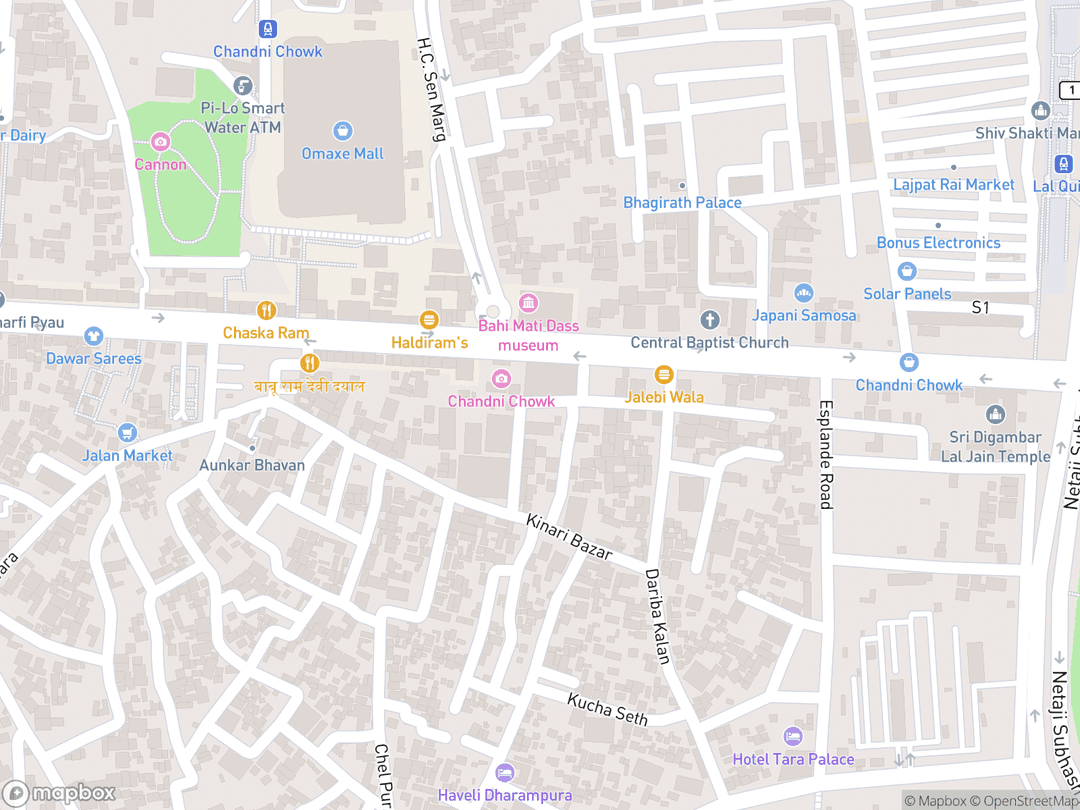
Chandni Chowk, Old Delhi, India
Hours: Open daily from 12:00 PM to 11:30 PM. Some sources claim it is open 24 hours.
Getting There: The nearest metro station is Chandni Chowk (Yellow Line), a short walk from the gurdwara.
Get DirectionsTips for Your Visit
Plan Your Visit
Visit during the cooler months (October to March) for a more comfortable experience.
Experience Langar
Participate in the langar for a taste of Sikh hospitality and community spirit.
About
Gurudwara Sis Ganj Sahib stands as a poignant reminder of Guru Tegh Bahadur's sacrifice for religious freedom. Located in Chandni Chowk, Delhi, it marks the site where the ninth Sikh Guru was beheaded in 1675 on the orders of the Mughal emperor Aurangzeb. His martyrdom is a cornerstone of Sikh history, symbolizing the protection of religious liberties for all.
The gurdwara's history dates back to 1783 when Sikh military leader Baghel Singh secured permission to build shrines on Sikh historical sites in Delhi. The current structure, however, was primarily constructed after 1930, blending Mughal and Sikh architectural styles. The gilded dome and intricate marble work reflect the gurdwara's spiritual significance and artistic heritage.
Today, Gurudwara Sis Ganj Sahib serves as a vibrant center for Sikh worship and community service. Thousands of devotees visit daily to pay homage to Guru Tegh Bahadur and partake in the langar, a free community meal open to all. The gurdwara stands as a testament to courage, sacrifice, and the enduring values of Sikhism.
The site also preserves relics of the Guru's martyrdom, including the trunk of the tree under which he was beheaded and the well from which he drew water while imprisoned. These sacred artifacts deepen the gurdwara's historical and spiritual resonance, drawing pilgrims and visitors from across the world.
Gallery
Symbolic Elements
The temple's exterior features intricate carvings, each rich with spiritual meaning:

Martyrdom Site
The Gurudwara marks the exact location where Guru Tegh Bahadur was beheaded, making it a deeply sacred site for Sikhs. It symbolizes the ultimate sacrifice for religious freedom and the protection of human rights. The site serves as a constant reminder of the Guru's unwavering commitment to his principles.

Gilded Dome
The prominent gilded dome is a key architectural feature, reflecting the Gurudwara's spiritual significance and artistic heritage. The gold symbolizes purity, divinity, and the radiant light of spiritual enlightenment. Its height represents the elevated state of consciousness achieved through devotion and sacrifice.

Nishan Sahib
The Nishan Sahib, a Sikh flag, is prominently displayed, representing the sovereignty and presence of the Sikh community. The flag is saffron-colored and bears the Sikh symbol, the Khanda. It signifies the courage, valor, and unwavering faith of the Sikh people.

Marble Work
The intricate marble work adorning the prayer hall showcases the Gurudwara's artistic beauty and attention to detail. The marble symbolizes purity, peace, and the enduring nature of spiritual truths. The detailed carvings and patterns reflect the rich cultural heritage of Sikhism.

Langar Hall
The Langar Hall, where free meals are served to all, represents the Sikh values of equality, community service, and selfless giving. It symbolizes the breaking down of social barriers and the sharing of blessings with all, regardless of background or belief. The Langar is a vital part of the Gurudwara's mission.

The Well
The well from which Guru Tegh Bahadur drew water during his imprisonment is preserved within the Gurudwara. It symbolizes resilience, perseverance, and the sustaining power of faith in the face of adversity. The well serves as a tangible connection to the Guru's personal struggles and spiritual strength.

Tree Trunk
The trunk of the tree under which Guru Tegh Bahadur was beheaded is preserved as a sacred relic. It represents the physical site of the Guru's martyrdom and serves as a powerful reminder of his sacrifice. The tree trunk symbolizes the enduring impact of his actions and the unwavering commitment to his principles.

Deori (Gateway)
The main entrance, marked by an impressive gateway called the "Deori," is adorned with intricate marble work and a high arched facade. This symbolizes the entrance to a sacred space, inviting devotees to leave behind worldly concerns and enter a realm of spiritual reflection. It represents the transition from the ordinary to the divine.
Interesting Facts
Gurudwara Sis Ganj Sahib marks the site where Guru Tegh Bahadur was beheaded on the orders of Aurangzeb.
The Gurudwara was first constructed in 1783 by Baghel Singh.
The current structure was mostly built post 1930, blending Mughal and Sikh architectural styles.
The trunk of the tree under which Guru Tegh Bahadur was martyred is still preserved inside the Gurudwara.
The well from which he used to take bath while in prison is also preserved.
The Sikh regiment of the Indian army salutes the Sis Ganj Gurudwara before saluting the president of India since 1979.
Guru Tegh Bahadur was executed for refusing to convert to Islam and defending the religious freedom of others.
The Gurudwara is a symbol of sacrifice, valor, and the protection of religious liberties.
Thousands of devotees are served free meals (langar) daily at the Gurudwara.
The severed head of Guru Tegh Bahadur was brought to Anandpur Sahib by Bhai Jaita.
The body was taken by Lakhi Shah Vanjara and cremated secretly at his home, now Gurdwara Rakab Ganj Sahib.
The Gurudwara houses around 250 rooms and 200 lockers for visitors and pilgrims.
Common Questions
What is the significance of Gurudwara Sis Ganj Sahib?
Gurudwara Sis Ganj Sahib commemorates the martyrdom of Guru Tegh Bahadur, who sacrificed his life to defend religious freedom. It marks the site where he was beheaded in 1675 for refusing to convert to Islam.
What are the visiting hours of Gurudwara Sis Ganj Sahib?
The Gurudwara is open daily from 12:00 PM to 11:30 PM. Some sources claim it is open 24 hours.
What is the dress code for visiting Gurudwara Sis Ganj Sahib?
Visitors are required to dress modestly and cover their heads. Scarves are available at the entrance. Shoes must be removed before entering the Gurudwara.
How can I reach Gurudwara Sis Ganj Sahib?
The easiest way to reach the Gurudwara is via the Delhi Metro. The nearest metro station is Chandni Chowk (Yellow Line), which is a short walk from the location.
What is Langar?
Langar is a free community meal served to all visitors at the Gurudwara, regardless of their faith or background. It is a central aspect of Sikh hospitality and community service.
Are there accommodation facilities available at Gurudwara Sis Ganj Sahib?
Yes, the Gurudwara houses around 250 rooms and 200 lockers for visitors and pilgrims.
Related Stories
Explore the rich history, traditions, and people connected to this sacred site.
Featured Stories
Guru Tegh Bahadur's Sacrifice
November 11, 1675
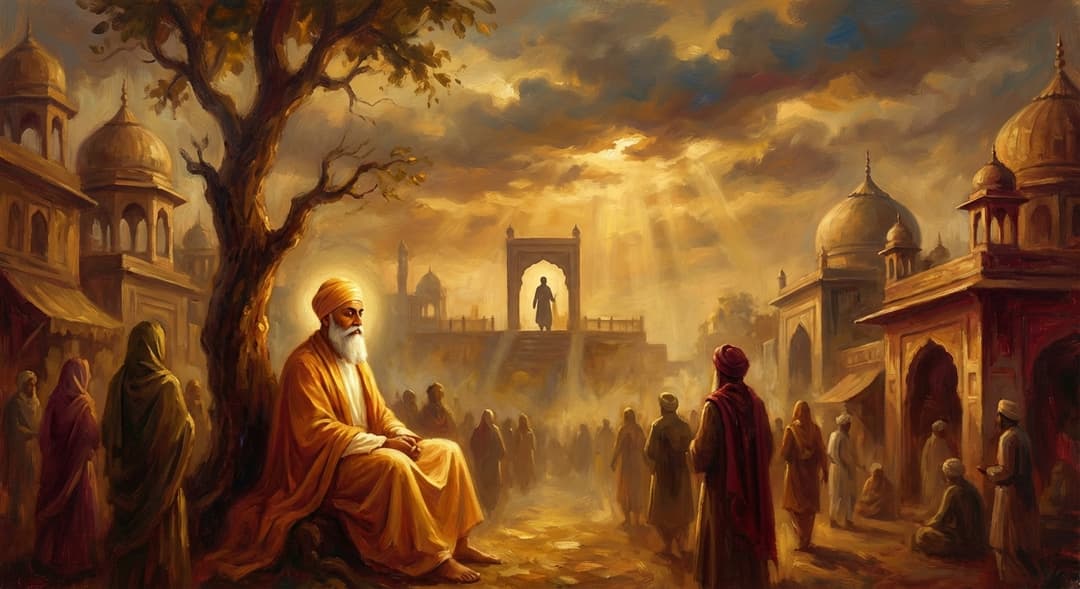
Guru Tegh Bahadur's martyrdom is a pivotal event in Sikh history. He was beheaded in Chandni Chowk on the orders of Aurangzeb for refusing to convert to Islam and for standing up for the religious freedom of Kashmiri Pandits. His sacrifice is viewed as a defense of the rights of all people to practice their faith without coercion.
The Guru's unwavering commitment to his principles and his willingness to sacrifice his life for the sake of others have made him a revered figure in Sikhism. His martyrdom is commemorated annually with solemn ceremonies and serves as a reminder of the importance of religious freedom and tolerance. The Gurudwara stands as a testament to his courage and selflessness.
The impact of Guru Tegh Bahadur's sacrifice extends far beyond the Sikh community. His actions have inspired countless individuals to stand up against oppression and to defend the rights of marginalized groups. He is remembered as a champion of human rights and a symbol of resistance against tyranny.
Source: Sikh History Archives
The Construction of the Gurudwara
1783–1930
The construction of Gurudwara Sis Ganj Sahib began in 1783, when Sikh military leader Baghel Singh secured permission to build shrines on Sikh historical sites in Delhi. The initial structure was a small shrine marking the site of Guru Tegh Bahadur's martyrdom. Over the years, the shrine was expanded and renovated, culminating in the construction of the current structure after 1930.
The construction process involved a blend of Mughal and Sikh architectural styles, reflecting the diverse cultural influences of the region. The gilded dome and intricate marble work were added in later years, enhancing the Gurudwara's splendor. The construction of the Gurudwara was a testament to the resilience and determination of the Sikh community.
The Gurudwara stands as a symbol of the Sikh community's enduring presence in Delhi and their commitment to preserving their historical and cultural heritage. The construction of the Gurudwara was a collaborative effort, involving contributions from various individuals and organizations within the Sikh community. It represents a shared vision and a collective commitment to honoring the memory of Guru Tegh Bahadur.
Source: Delhi Sikh Gurdwara Management Committee
The Langar Tradition
Ongoing
The Langar tradition at Gurudwara Sis Ganj Sahib is a central aspect of Sikh hospitality and community service. Every day, thousands of devotees and visitors are served free meals in the Langar Hall, regardless of their faith or background. The Langar symbolizes the Sikh values of equality, selfless giving, and the breaking down of social barriers.
The meals served in the Langar are prepared and served by volunteers, who dedicate their time and energy to providing nourishment to all who come seeking it. The Langar is a tangible expression of the Sikh community's commitment to serving humanity and promoting social justice. It is a place where all are welcome and treated with respect and dignity.
The Langar tradition at Gurudwara Sis Ganj Sahib has a long and rich history, dating back to the time of the Sikh Gurus. It is a living tradition that continues to evolve and adapt to the changing needs of the community. The Langar is a vital part of the Gurudwara's mission and a powerful symbol of Sikh values in action.
Source: Gurudwara Sis Ganj Sahib Archives
Timeline
Guru Tegh Bahadur's Martyrdom
Guru Tegh Bahadur is beheaded on November 11, 1675, on the orders of Aurangzeb for refusing to convert to Islam.
MilestoneFirst Shrine Established
Sikh military leader Baghel Singh builds a small shrine on the site of Guru Tegh Bahadur's martyrdom.
MilestoneLand Given to Sikhs
The British demolish the Mughal Kotwali and grant the land to the Sikhs for their support during the Indian Rebellion.
MilestoneCurrent Structure Completed
The current structure of Gurudwara Sis Ganj Sahib is completed, blending Mughal and Sikh architectural styles.
MilestoneGold Gilding Added
The domes of the Gurudwara are adorned with gold gilding in later years, enhancing its splendor.
RenovationSikh Regiment Salutes
The Sikh regiment of the Indian army begins saluting the Sis Ganj Gurudwara before saluting the President of India during the Republic Day parade.
EventKotwali Handed Over
The Mughal-era Kotwali is handed over to the Delhi Sikh Gurdwara Management Committee.
EventGuru Tegh Bahadur's Execution
Guru Tegh Bahadur is publicly executed in Chandni Chowk for defending the religious freedom of Kashmiri Pandits.
MilestoneBaghel Singh's March
Baghel Singh marches into Delhi and negotiates with Shah Alam II to build gurdwaras on Sikh historical sites.
EventIndian Rebellion
The Mughal Kotwali is destroyed by the British following the Indian Rebellion, marking a significant shift in control of the site.
EventConstruction by Rai Bahadur Narain Singh
Rai Bahadur Narain Singh, a contractor, oversees the construction of the current Gurudwara structure.
RenovationIncreased Devotion
The Gurudwara becomes an increasingly important pilgrimage site for Sikhs worldwide.
EventPreservation Efforts
Efforts are made to preserve the historical artifacts and architectural integrity of the Gurudwara.
RenovationCommunity Service
The Gurudwara continues to provide langar and other community services to thousands of visitors daily.
EventSymbol of Resilience
Gurudwara Sis Ganj Sahib stands as a symbol of resilience, sacrifice, and the enduring spirit of Sikhism.
MilestoneHistory by Decade
1675 — Guru Tegh Bahadur's Martyrdom
In 1675, Guru Tegh Bahadur, the ninth Sikh Guru, was publicly executed in Chandni Chowk on the orders of the Mughal emperor Aurangzeb. The Guru had refused to convert to Islam and had stood up for the religious freedom of Kashmiri Pandits, who were being persecuted by the Mughal authorities. His martyrdom is a pivotal event in Sikh history, symbolizing the protection of religious liberties for all. The site of his execution became a sacred place for Sikhs, and a small shrine was later built to commemorate his sacrifice.
1783 — Establishment of the First Shrine
In 1783, Sikh military leader Baghel Singh marched into Delhi and, after a settlement with Mughal emperor Shah Alam II, was permitted to build gurdwaras on Sikh historical sites in the city. One of the sites chosen was the location of Guru Tegh Bahadur's martyrdom. A small shrine was constructed to mark the spot, becoming the first formal structure dedicated to the Guru's memory. This marked the beginning of Gurudwara Sis Ganj Sahib as a place of worship and remembrance.
Post 1857 — British Era and Land Grant
Following the Indian Rebellion of 1857, the Mughal Kotwali (police station and jail) that stood at the site was demolished by the British. The land was given to the Sikhs because the Sikh Maharaja of Patiala and other Sikh soldiers had helped the British during the rebellion. This marked a significant shift in the control and ownership of the site, paving the way for further development of the Gurudwara.
1930s — Construction of the Current Structure
The current structure of Gurudwara Sis Ganj Sahib was completed in the 1930s. The construction involved a blend of Mughal and Sikh architectural styles, reflecting the diverse cultural influences of the region. The gilded dome and intricate marble work were added, enhancing the Gurudwara's splendor. This marked a significant milestone in the development of the Gurudwara, transforming it into the iconic landmark that it is today.
Late 20th Century — Growing Importance
Throughout the late 20th century, Gurudwara Sis Ganj Sahib grew in importance as a pilgrimage site for Sikhs from around the world. The Gurudwara became a symbol of Sikh resilience and the enduring legacy of Guru Tegh Bahadur. Efforts were made to preserve the historical artifacts and architectural integrity of the Gurudwara, ensuring that it would continue to serve as a place of worship and remembrance for generations to come.
21st Century — Preservation and Community Service
In the 21st century, Gurudwara Sis Ganj Sahib continues to thrive as a vibrant center for Sikh worship and community service. The Gurudwara provides langar (free meals) to thousands of visitors daily, regardless of their faith or background. The Gurudwara also houses around 250 rooms and 200 lockers for visitors and pilgrims. The Gurudwara stands as a testament to the enduring values of Sikhism and its commitment to serving humanity.
Architecture & Facilities
A blend of Mughal and Sikh architectural styles, featuring a large three-storied rectangular building constructed in brick masonry, stone, and marble. The current structure, mostly built post-1930 by contractor Rai Bahadur Narain Singh, is crowned with gold-gilded domes — the central one rising high as a symbol of spiritual aspiration. The main entrance is marked by an impressive Deori gateway adorned with intricate marble work and a high arched facade. Prominent features include chhatris (domed pavilions with curved tops) lining the roof, multi-arched hanging jharokha windows, and a domed chhatri at each corner of the terrace. Inside, the Darbar Sahib (main prayer hall) features pure marble work. Historical relics preserved within include the trunk of the tree under which Guru Tegh Bahadur was martyred (1675) and the well from which he bathed during imprisonment.
Religious Significance
Gurudwara Sis Ganj Sahib holds immense spiritual and historical significance for the Sikh community worldwide. Sikh gurdwaras (meaning "doorway to the Guru") are sacred spaces where the Guru Granth Sahib — the eternal living Guru of the Sikhs — is installed and where the core principles of Sikh faith are practiced: devotion to the one God (Waheguru), equality of all people, and selfless service to humanity. This gurdwara carries particular historical weight in the narrative of Sikh sacrifice and resilience.
The gurdwara serves as the spiritual center of the Sikh community, providing a space for congregational worship (sangat), the singing of devotional hymns (kirtan), the reading of scripture (Gurbani), and the practice of langar — the communal kitchen that feeds all visitors regardless of caste, creed, or social standing. It embodies the Sikh vision of a just and egalitarian society grounded in devotion to the One God.
Sacred Ordinances
Kirtan (Devotional Singing)
The singing of hymns from the Guru Granth Sahib is the central form of Sikh worship. Ragis (musicians) perform kirtan using traditional instruments, and the congregation joins in singing praises to Waheguru. Kirtan is considered a powerful means of connecting with the divine and purifying the mind of ego and worldly attachment.
Langar (Community Kitchen)
Every gurdwara operates a langar that provides free meals to all visitors without distinction. This practice, instituted by Guru Nanak, embodies the Sikh principles of equality, humility, and seva (selfless service). Sitting together on the floor to share a meal eliminates social hierarchies and demonstrates that all people are equal before God.
Ardas (Communal Prayer)
The Ardas is a formal prayer recited by the congregation, recounting Sikh history, honoring the sacrifices of the Gurus and martyrs, and petitioning Waheguru for strength, wisdom, and blessings. It is performed before and after significant events, meals, and worship services.
Hukamnama (Daily Divine Order)
Each day, a random passage is read from the Guru Granth Sahib, serving as the divine guidance (hukam) for the congregation. This practice reflects the Sikh belief that the scripture is a living Guru whose words offer timely wisdom and direction for daily life.
Sacrifice and Martyrdom
This gurdwara stands as a testament to the profound sacrifices made by the Sikh Gurus and their followers in defense of religious freedom and human dignity. The history of Sikh martyrdom — from the execution of Guru Arjan Dev to the supreme sacrifice of Guru Tegh Bahadur — is not merely historical narrative but a living spiritual legacy that inspires the Sikh community to stand against injustice and tyranny. Pilgrims who visit this site connect with that legacy of courage and are reminded of the Sikh commitment to defending the rights of all people, regardless of faith.
The Guru Granth Sahib as Living Guru
Central to Sikh worship at the gurdwara is the Guru Granth Sahib, the sacred scripture that Sikhs regard not as a book but as their eternal, living Guru. Compiled by the Sikh Gurus themselves, it contains 1,430 pages of devotional poetry and spiritual wisdom from Sikh Gurus, Hindu saints, and Muslim mystics — a remarkable testament to the Sikh belief in the universality of divine truth. The scripture is treated with the same reverence accorded to a living person: it is ceremonially installed each morning, read throughout the day, and put to rest each evening.
Similar Temples
Sources & Research
Every fact on Temples.org is backed by verified Sources & Research. Each piece of information is rated by source tier and confidence level.
View All Sources (9)
| Field | Source | Tier | Retrieved |
|---|---|---|---|
| About & Historical Background | Bharatpedia (opens in a new tab) | A | 2024-01-30 |
| Facts & Monument Status | National Monuments Authority, India (opens in a new tab) | A | 2024-01-30 |
| History by Decade | Historical Gurudwaras (opens in a new tab) | C | 2024-01-30 |
| Visitor Insights & Getting There | Delhi Tourism (opens in a new tab) | A | 2024-01-30 |
| Coordinates & Address | Maps of India (opens in a new tab) | C | 2024-01-30 |
| Symbolic Elements & Religious Context | SikhNet (opens in a new tab) | B | 2024-01-30 |
| FAQs & Langar Tradition | Delhi Sikh Gurdwara Management Committee (opens in a new tab) | A | 2024-01-30 |
| Architecture & Interesting Facts | eHeritage Project (opens in a new tab) | B | 2024-01-30 |
| Tips & Visiting Hours | Wanderon (opens in a new tab) | C | 2024-01-30 |