Visitor Insights
Visiting Takht Sachkhand Sri Hazur Abchalnagar Sahib
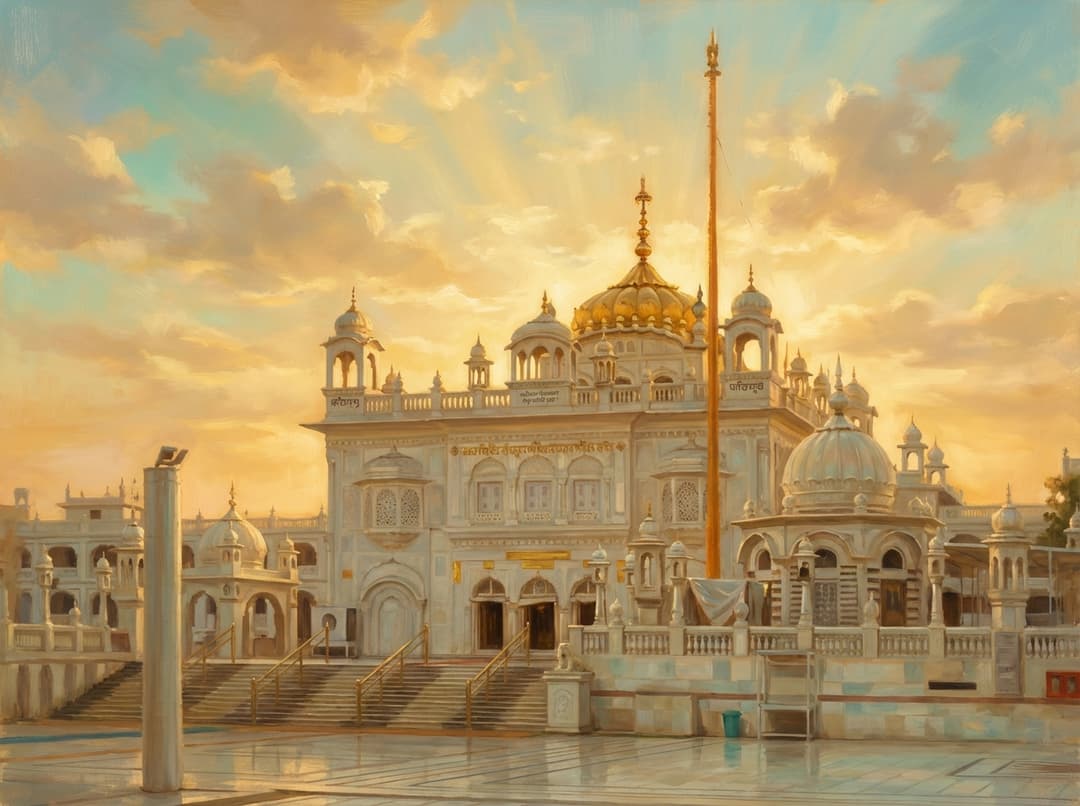
Visiting Hazur Sahib is a deeply spiritual experience. The serene atmosphere, the melodious recitations from the Guru Granth Sahib, and the selfless service offered in the Langar create a sense of peace and unity. Visitors should dress modestly, cover their heads, and remove their shoes as a sign of respect. The Gurudwara is easily accessible by road and rail, and accommodations are available nearby.
Highlights
- Witness the daily rituals and ceremonies performed with utmost devotion.
- Partake in the Langar, a community kitchen serving free meals to all.
- Explore the architectural marvels of the Gurudwara, blending Mughal and Sikh styles.
Things to Know
- Maintain silence and decorum within the Gurudwara premises.
- Photography may be restricted in certain areas.
- Be mindful of the local customs and traditions.
Location
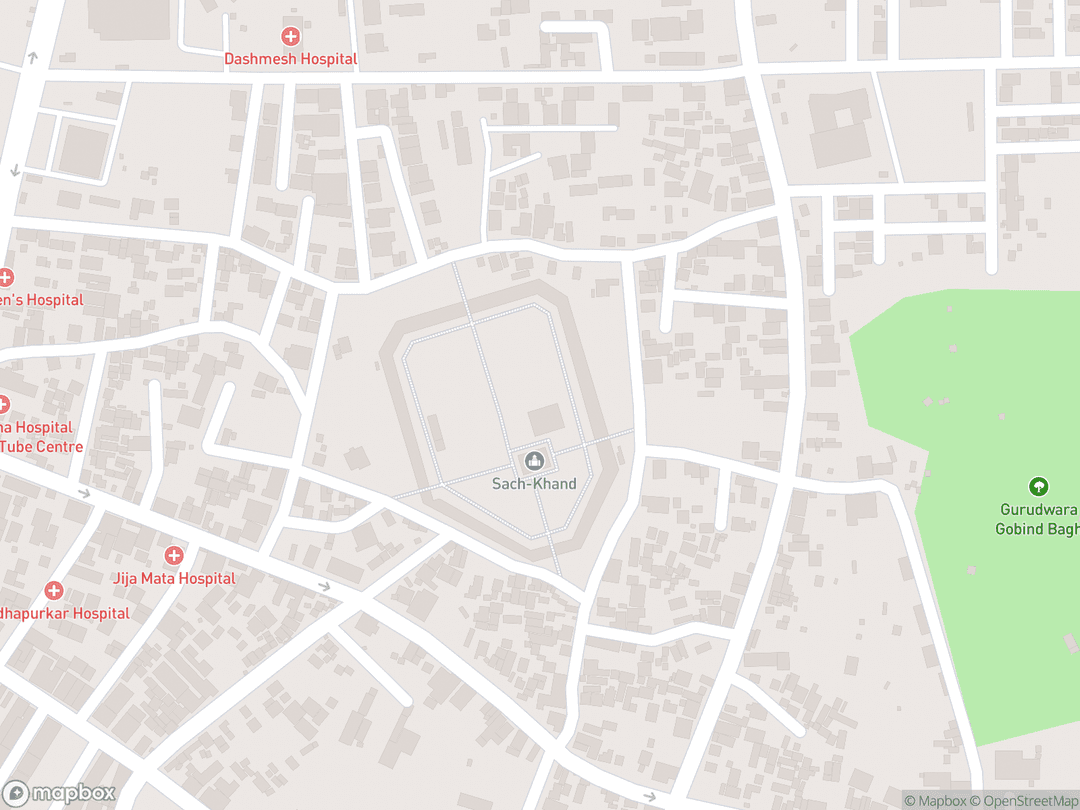
Gurudwara Road, Yatri Niwas Rd, Sharda Nagar, Hyder Bagh, Nanded, Maharashtra 431601, India
Hours: 2:00 AM to 9:00 PM
Getting There: Hazur Sahib is located 4 km from Nanded Railway Station and 5.6 km from Nanded Airport.
Get DirectionsAbout
Hazur Sahib, officially known as Takht Sachkhand Sri Hazur Abchalnagar Sahib, is one of the most significant places of worship in Sikhism. Located on the banks of the Godavari River in Nanded, Maharashtra, India, it marks the site where Guru Gobind Singh Ji, the tenth Sikh Guru, spent his final days and left his earthly life in 1708. The Gurudwara is not just a historical monument but a vibrant center of Sikh spirituality. It is one of the five Takhts, or seats of authority, in Sikhism. The name "Hazur Sahib" means "Presence of the Master," signifying the divine presence brought by Guru Gobind Singh Ji to this place.
Sikhism, founded by Guru Nanak in the 15th century, emphasizes the equality of all human beings, selfless service, and remembrance of God. The faith is rooted in the concept of one God and the teachings of the ten Gurus, whose messages are enshrined in the Guru Granth Sahib, the holy scripture of Sikhism. Hazur Sahib is particularly significant because it was here that Guru Gobind Singh Ji declared the Guru Granth Sahib as the eternal Guru of the Sikhs, establishing the scripture as the ultimate spiritual guide.
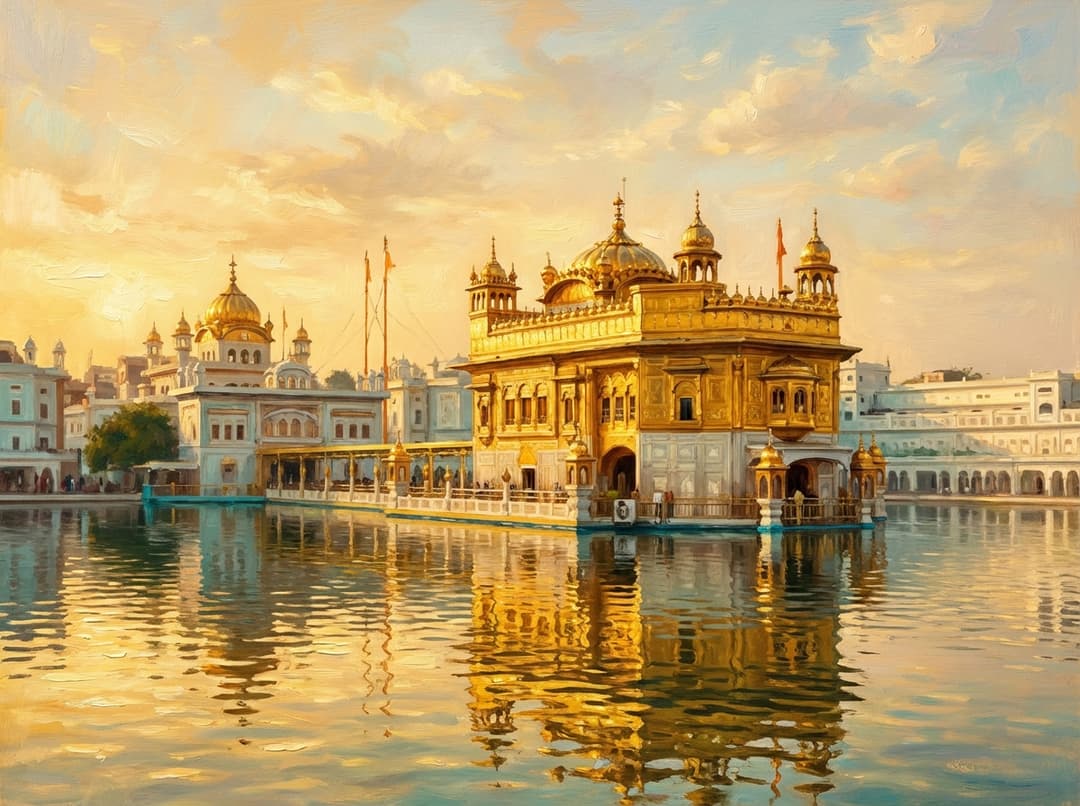
The Gurudwara's architectural splendor, blending Mughal and Sikh styles, reflects the rich cultural heritage of the region. Constructed primarily of white marble and crowned with a golden dome, the edifice stands as a testament to the devotion and artistry of the Sikh community. The interior is adorned with intricate frescoes, gilded panels, and exquisite stucco work, reminiscent of the Harmandir Sahib (Golden Temple) in Amritsar.
Today, Hazur Sahib continues to be a beacon of Sikh faith, drawing millions of visitors annually. Pilgrims from around the world come to pay homage to Guru Gobind Singh Ji, seek spiritual solace, and experience the vibrant traditions of Sikhism. The Gurudwara's management board oversees its operations, ensuring the well-being of devotees and preserving the sanctity of this sacred site.
Gallery
Symbolic Elements
The temple's exterior features intricate carvings, each rich with spiritual meaning:

Guru Granth Sahib
The central object of reverence, the Guru Granth Sahib, is enshrined in the main hall. It represents the eternal Guru and the spiritual authority of Sikhism, guiding devotees on their spiritual journey.

Golden Dome
The golden dome symbolizes the divine connection between earth and heaven. Its reflective surface represents the spiritual aura of the site, radiating peace and tranquility to all who visit.

Weapons
The weapons of Guru Gobind Singh Ji, preserved within the Toshakhana, embody the martial spirit and divine mission of the Guru. They serve as a reminder of the Guru's courage and commitment to defending the oppressed.

Nishan Sahib
The Sikh flag, the Nishan Sahib, flies high near the Gurudwara, symbolizing the Sikh presence and sovereignty. It represents the Sikh community's unwavering faith and commitment to justice and equality.

Langar
The community kitchen, or Langar, represents the Sikh principles of selfless service and equality. Free meals are served to all visitors, regardless of their background, fostering a sense of unity and compassion.

White Marble
The Gurudwara is constructed primarily of white marble, symbolizing purity, peace, and spiritual enlightenment. The smooth, reflective surface of the marble enhances the serene atmosphere of the site.

Frescoes
The interior of Hazur Sahib is adorned with intricate frescoes, depicting scenes from Sikh history and mythology. These artistic expressions add to the aesthetic beauty of the Gurudwara and provide a visual narrative of the Sikh faith.

Sarovar
The Sarovar (holy pool) within the complex is where pilgrims take bath for spiritual purification. The water is considered sacred and is believed to cleanse the body and soul, preparing devotees for worship.
Interesting Facts
Hazur Sahib marks the site where Guru Gobind Singh Ji spent his final days and where his sacred relics are preserved.
It is one of the five Takhts, or seats of authority, in Sikhism, making it a site of paramount importance.
The present structure was commissioned by Maharaja Ranjit Singh in the early 19th century and completed between 1832 and 1837.
Hazur Sahib is also known as Abchalnagar, meaning 'Steadfast city'.
The Gurudwara complex extends over several acres and consists of two buildings - Bunga Mai Bhago and Angitha Sahib.
Hazur Sahib houses the Sri Guru Granth Sahib Ji and the Sri Dasam Granth.
A unique tradition at Hazur Sahib is the application of sandalwood tilak on the foreheads of priests and local devotees, a practice preserved since the time of Guru Gobind Singh Ji.
Hazur Sahib upholds the tradition of Langar, a community kitchen where free meals are served to all visitors.
The Gurudwara has a management board that oversees its operations and ensures the well-being of devotees.
Hazur Sahib is not only a historical monument but also a vibrant center of Sikh spirituality, with daily recitations from the Guru Granth Sahib.
A Sikh Heritage Museum is located near Hazur Sahib, showcasing artifacts, manuscripts, and exhibits that provide a deep dive into the Sikh faith's rich heritage.
The laser show at Gobind Bagh near the main Gurudwara briefly describes the lives of the ten Gurus.
Common Questions
What is the significance of Hazur Sahib?
Hazur Sahib is one of the five Takhts, or seats of authority, in Sikhism. It marks the site where Guru Gobind Singh Ji, the tenth Sikh Guru, spent his final days and declared the Guru Granth Sahib as the eternal Guru of the Sikhs.
What are the visiting hours for Hazur Sahib?
The visiting hours for Hazur Sahib are from 2:00 AM to 9:00 PM.
What is the dress code for visiting Hazur Sahib?
Visitors are expected to dress modestly and respectfully. Head coverings must be worn, and shoes must be removed before entering the Gurudwara.
How can I get to Hazur Sahib?
Hazur Sahib is located 4 km from Nanded Railway Station and 5.6 km from Nanded Airport. Taxis and auto-rickshaws are readily available for transportation.
What is the Langar at Hazur Sahib?
The Langar is a community kitchen where free meals are served to all visitors, regardless of their background. It represents the Sikh principles of selfless service and equality.
What is the laser show at Hazur Sahib?
A laser show narrating the life of Guru Gobind Singh Ji is held in the evening at Gobind Bagh near the main Gurudwara. The timings are generally between 7:30 PM and 8:30 PM, but it can start between 8:00 PM and 8:30 PM.
Related Stories
Explore the rich history, traditions, and people connected to this sacred site.
Featured Stories
The Final Days of Guru Gobind Singh Ji
1708
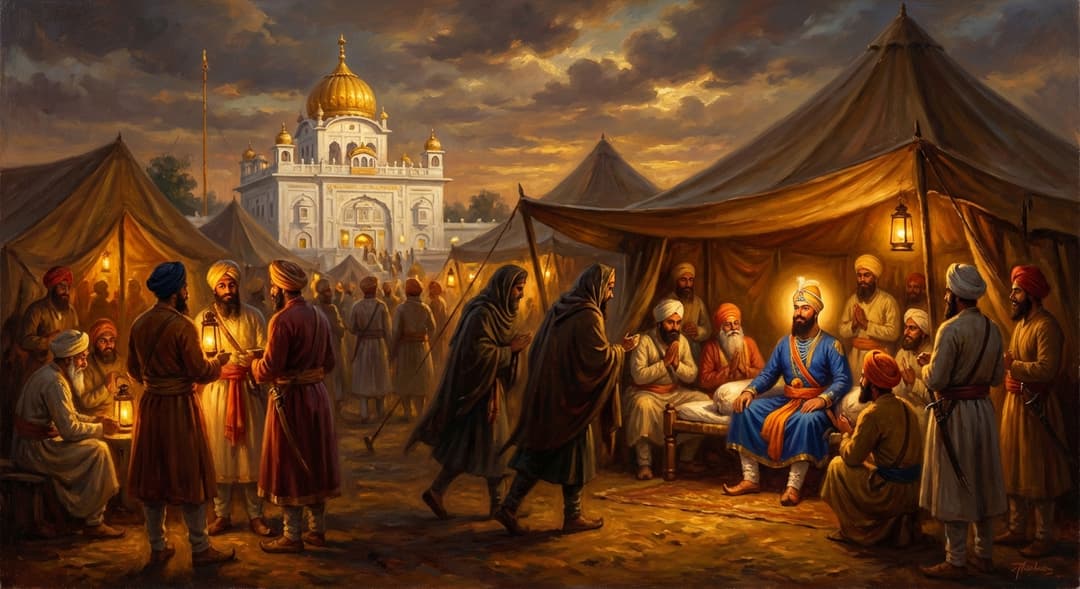
In 1708, Guru Gobind Singh Ji arrived in Nanded, Maharashtra, after enduring years of battles and sacrifices. Despite his physical wounds, his spirit remained unbroken, and he continued to inspire his followers with his unwavering faith and wisdom. Nanded became his final spiritual abode, where he spent his last months imparting profound teachings and solidifying the foundation of Sikhism.
During this time, Guru Gobind Singh Ji made the momentous declaration that the Guru Granth Sahib, the holy scripture of the Sikhs, would be the eternal Guru, ending the line of personal Gurus. This decision ensured the continuity of Sikh teachings and provided a timeless guide for future generations. The Guru Granth Sahib became the central object of reverence in Sikhism, embodying the spiritual authority and wisdom of the ten Gurus.
On October 7, 1708, Guru Gobind Singh Ji left his earthly abode, leaving behind a legacy of courage, compassion, and unwavering devotion to God. His final days in Nanded transformed the city into a sacred site, forever revered by Sikhs around the world. Hazur Sahib stands as a testament to his enduring spirit and the profound impact he had on the Sikh faith.
Source: The Daily Jagran
The Construction of Hazur Sahib Gurudwara
1832–1837
In the early 19th century, Maharaja Ranjit Singh, the 'Lion of Punjab,' recognized the immense significance of Nanded as the final resting place of Guru Gobind Singh Ji. Inspired by his deep reverence for the Guru, he commissioned the construction of a magnificent Gurudwara at the site, aiming to create a lasting tribute to his memory. The construction of Hazur Sahib Gurudwara commenced in 1832, marking a significant milestone in preserving the legacy of Guru Gobind Singh Ji.
Skilled artisans from Punjab were brought in to create a structure that would reflect the architectural splendor of the Sikh faith. The Gurudwara was designed with a blend of Mughal and Sikh styles, incorporating intricate frescoes, gilded panels, and exquisite stucco work. The use of white marble added to the serene atmosphere of the site, creating a space for spiritual reflection and devotion.
The construction of Hazur Sahib Gurudwara was completed in 1837, transforming the site into a magnificent shrine that attracts millions of visitors annually. The Gurudwara stands as a testament to the devotion and artistry of the Sikh community, and a symbol of their unwavering faith in the teachings of Guru Gobind Singh Ji.
Source: airial.travel
The Significance of the Langar at Hazur Sahib
Ongoing
The tradition of Langar, a community kitchen, is an integral part of Sikhism, embodying the principles of selfless service and equality. At Hazur Sahib, the Langar is upheld daily, providing free meals to all visitors, regardless of their background, caste, or religion. This practice reflects the Sikh belief that all human beings are equal in the eyes of God and deserve to be treated with dignity and respect.
The Langar at Hazur Sahib is a testament to the spirit of seva, or selfless service, which is a core tenet of Sikhism. Volunteers from the community dedicate their time and effort to preparing and serving the meals, ensuring that everyone who visits the Gurudwara is well-fed and cared for. The Langar fosters a sense of unity and compassion, bringing people together in a spirit of shared humanity.
The Langar at Hazur Sahib is not just a place to eat; it is a symbol of the Sikh community's commitment to social justice and equality. It represents the belief that everyone deserves access to basic necessities, regardless of their circumstances. The Langar serves as a reminder that we are all interconnected and have a responsibility to care for one another.
Source: indiatimes.com
Timeline
Guru Gobind Singh Ji Arrives in Nanded
Guru Gobind Singh Ji arrives in Nanded after the Battle of Chamkaur, establishing it as his spiritual abode.
MilestoneGuru Gobind Singh Ji Leaves His Earthly Abode
Guru Gobind Singh Ji is attacked by assassins and declares the Guru Granth Sahib as the eternal Guru of the Sikhs, ending the line of personal Gurus. He leaves his earthly abode on this day.
MilestoneEstablishment of Takhat Sahib
A small community of Sikhs remains in Nanded after Guru Gobind Singh Ji's passing, establishing a room over the platform where the Guru held his final court and placing the Guru Granth Sahib there, calling it Takhat Sahib.
MilestoneMaharaja Ranjit Singh Commissions Construction
Maharaja Ranjit Singh, the 'Lion of Punjab,' commissions the construction of a Gurudwara at the site of Guru Gobind Singh Ji's passing.
MilestoneConstruction of Hazur Sahib Gurudwara
Construction of the Hazur Sahib Gurudwara takes place under the patronage of Maharaja Ranjit Singh. Skilled artisans from Punjab create a structure that honors the Guru's memory and symbolizes Sikh architectural splendor.
DedicationAct Passed by Legislature of Hyderabad
An Act is passed by the legislature of Hyderabad, placing the management of the Takhat Sahib and other historical Gurdwaras under a 17-member Gurudwaras Board and a five-member Managing Committee.
Event300th Anniversary Celebration
The 300th-anniversary celebration of the Guruship of Guru Granth Sahib Ji takes place at Hazur Sahib.
EventHazur Sahib Remains a Vibrant Center
Hazur Sahib remains a vibrant center of Sikh faith, drawing millions of visitors annually. Modern elements, like the daily laser show, are introduced.
EventNew Dress Code Issued
Shri Hazur Sahib Takht issues a new dress code for brides, prohibiting them from wearing Lehenga and Ghagra during Anand Karaj.
EventControversy Over Management Board
The Maharashtra government increases the number of nominated members in the Takht Sri Hazur Sahib management board, drawing criticism.
EventGuru Gobind Singh Ji's Final Teachings
During his final months in Nanded, Guru Gobind Singh Ji imparts profound teachings and composes significant Sikh scriptures, solidifying the spiritual foundation of the faith.
EventConstruction Begins
The construction of the magnificent Hazur Sahib Gurudwara commences, marking a significant milestone in preserving the legacy of Guru Gobind Singh Ji.
component.timeline.groundbreakingGurudwara Completed
The Hazur Sahib Gurudwara is completed, showcasing a blend of Mughal and Sikh architectural styles, and becoming a symbol of Sikh resilience and artistic expression.
DedicationCenter of Sikh Pilgrimage
Hazur Sahib continues to serve as a major center of Sikh pilgrimage, attracting devotees from around the world who seek spiritual solace and connection to their faith.
EventLangar Service
The tradition of Langar, a community kitchen, is upheld daily at Hazur Sahib, providing free meals to all visitors, regardless of their background, embodying the Sikh principles of selfless service and equality.
EventReligious Significance
Hazur Sahib holds immense religious significance for Sikhs as the site where Guru Gobind Singh Ji, the tenth Sikh Guru, spent his final days and declared the Guru Granth Sahib as the eternal Guru. It is one of the five Takhts, or seats of authority, in Sikhism, making it a place of paramount importance for spiritual guidance and pilgrimage.
The core spiritual purpose of Hazur Sahib is to provide a place for Sikhs to connect with the teachings of Guru Gobind Singh Ji and the Guru Granth Sahib, to seek spiritual solace, and to reaffirm their commitment to the principles of Sikhism, including equality, selfless service, and remembrance of God.
Sacred Ordinances
Recitation of Gurbani
The recitation of Gurbani, the sacred hymns from the Guru Granth Sahib, is a central practice at Hazur Sahib. Devotees listen to and participate in the recitation, seeking to internalize the teachings of the Gurus and to connect with the divine.
Partaking in Langar
Partaking in the Langar, the community kitchen, is a symbolic act of equality and selfless service. By sharing a meal with people from all backgrounds, devotees reaffirm their commitment to the Sikh principle of treating all human beings with dignity and respect.
Paying Homage to the Relics
Paying homage to the relics of Guru Gobind Singh Ji, preserved within the Gurudwara, is a way for devotees to connect with the Guru's physical presence and to draw inspiration from his life and teachings. The relics serve as a reminder of the Guru's courage, compassion, and unwavering devotion to God.
The Eternal Guru
Guru Gobind Singh Ji's declaration of the Guru Granth Sahib as the eternal Guru was a pivotal moment in Sikh history. It ensured the continuity of Sikh teachings and provided a timeless guide for future generations. The Guru Granth Sahib became the central object of reverence in Sikhism, embodying the spiritual authority and wisdom of the ten Gurus.
The Five Takhts
The five Takhts, including Hazur Sahib, are the five most important seats of authority in Sikhism. They serve as centers for spiritual guidance, decision-making, and the preservation of Sikh traditions. Each Takht has its own unique history and significance, but all are united in their commitment to upholding the principles of Sikhism.
Similar Temples
Sources & Research
Every fact on Temples.org is backed by verified Sources & Research. Each piece of information is rated by source tier and confidence level.
View All Sources (2)
| Field | Source | Tier | Retrieved |
|---|---|---|---|
| About & Historical Background | airial.travel (opens in a new tab) | C | 2024-01-31 |
| About & Historical Background | indiatimes.com (opens in a new tab) | B | 2024-01-31 |