Visitor Insights
Visiting Buenos Aires Argentina Temple
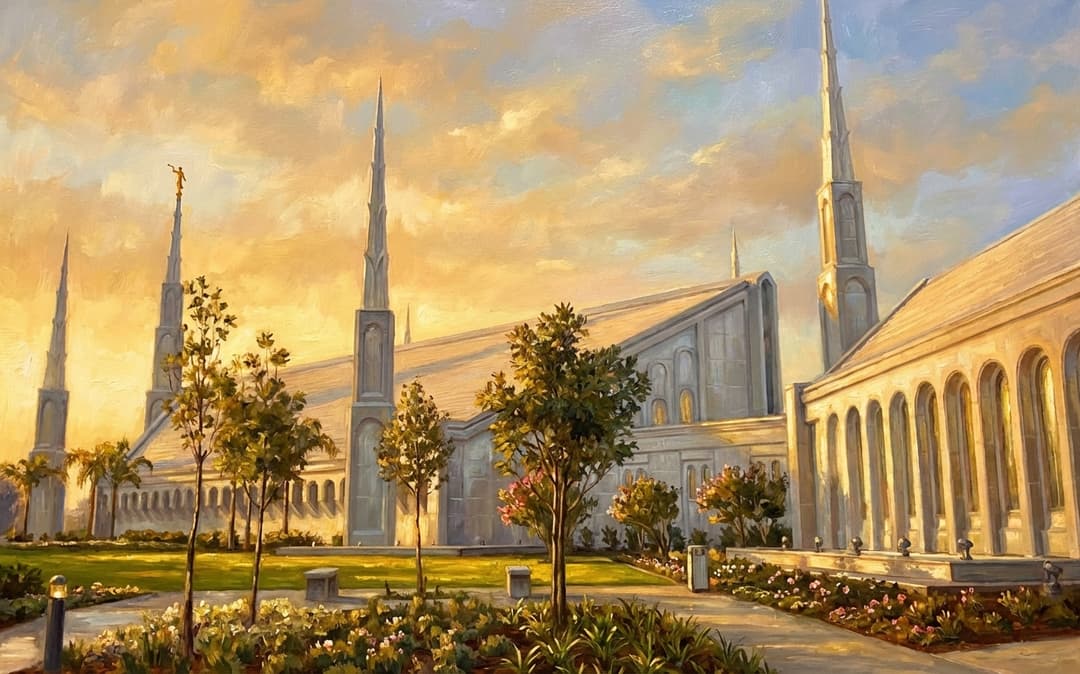
The Buenos Aires Argentina Temple welcomes visitors to its beautifully maintained grounds, offering a serene environment for contemplation and spiritual reflection. The temple grounds feature gardens, benches, walking paths, and water fountains, creating a peaceful atmosphere. While only members of the Church in good standing are permitted to enter the temple itself, all are welcome to enjoy the tranquility of the surrounding grounds.
Highlights
- Explore the beautifully landscaped gardens and grounds.
- Reflect in the peaceful atmosphere surrounding the temple.
- View the temple's architecture, featuring six tall, gray spires.
Things to Know
- The temple is an active place of worship; please be respectful.
- Only members of the Church with a valid temple recommend may enter the temple.
- Photography inside the temple is not permitted.
Location
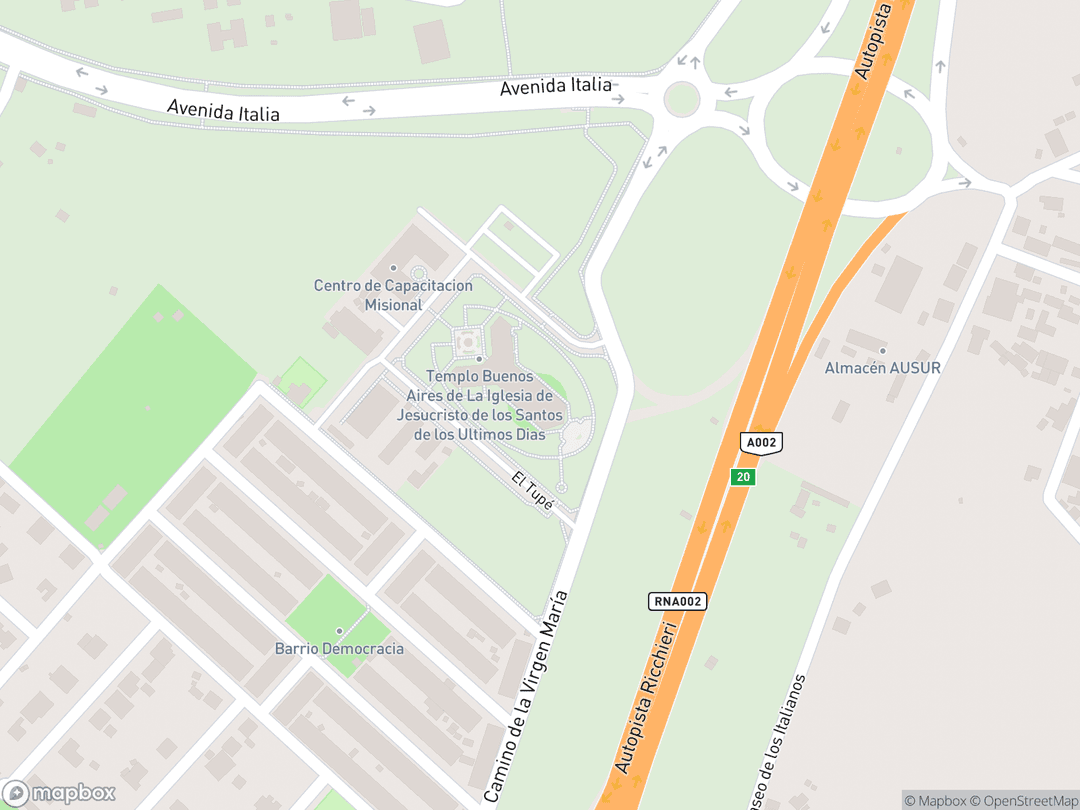
Ciudad Evita, Buenos Aires Province, Argentina
Hours: The temple grounds are open to the public during daylight hours. Please check the official Church website for specific hours of operation for the temple itself.
Getting There: The Buenos Aires Argentina Temple is located in Ciudad Evita, Buenos Aires, and is easily accessible from the Teniente General Pablo Ricchieri Freeway. Public transportation options are also available.
Get DirectionsAbout
The Buenos Aires Argentina Temple stands as a beacon of faith in Ciudad Evita, Buenos Aires Province. As the first temple of The Church of Jesus Christ of Latter-day Saints in Argentina, it holds a special place in the hearts of Latter-day Saints throughout the region. Its construction and dedication marked a significant milestone in the Church's growth in South America, providing a sacred space for members to draw closer to God and participate in eternal ordinances.
Announced in 1980 and dedicated in 1986, the temple has undergone renovations to better serve the needs of its patrons. The temple's architecture blends modern design with traditional elements, creating a serene and inviting atmosphere for worship and reflection. The beautifully landscaped grounds offer a peaceful retreat for visitors and members alike.
As part of the Christian theological grouping and Abrahamic traditions, the Buenos Aires Argentina Temple is dedicated to the principles of faith, family, and service. It stands as a testament to the enduring legacy of faith in Argentina and a symbol of hope for generations to come. The temple's presence in Buenos Aires has strengthened the Church community and provided a spiritual anchor for members seeking to deepen their connection with the divine.
Gallery
Symbolic Elements
The temple's exterior features intricate carvings, each rich with spiritual meaning:

Angel Moroni
A statue of the angel Moroni stands atop the highest spire, symbolizing the restoration of the gospel.

Six Spires
The temple features six tall, gray spires, which draw the eyes heavenward and represent the restoration of priesthood keys.

Argentine Flag Colors
The art glass installed during the renovation incorporates the colors of the Argentine flag, blue and white, symbolizing the connection between the temple and the Argentine people.
Interesting Facts
Elder Melvin J. Ballard dedicated all of South America for preaching the gospel in 1925 when there were only four members of the Church in South America.
Elder Angel Abrea, the first president of the Buenos Aires Argentina Temple, was the first General Authority from Latin America.
Local members contributed to the temple project in meaningful ways; for example, women crocheted 64 altar cloths when only seven were requested.
Over 29,000 visitors toured the temple during its initial open house in 1985.
The dedications of the Lima Peru Temple and the Buenos Aires Argentina Temple in January 1986 doubled the number of temples in South America.
The temple closed in November 2009 for nearly three years for extensive expansion and remodeling.
More than 100,000 visitors attended the public open house after the temple's renovation.
A cultural celebration involving more than 2,000 youth was held on September 8, 2012, to acknowledge the area's immigrant heritage and show their appreciation for the temple.
The Buenos Aires Argentina Temple was the first temple dedicated by President Thomas S. Monson.
A second temple, the Buenos Aires City Center Argentina Temple, was announced on October 2, 2022.
Common Questions
What is the purpose of the Buenos Aires Argentina Temple?
The Buenos Aires Argentina Temple is a sacred house of the Lord where members of The Church of Jesus Christ of Latter-day Saints can draw closer to God and participate in sacred ordinances such as baptisms for the dead, the endowment, and sealings, which unite families for eternity.
Who can enter the Buenos Aires Argentina Temple?
Only members of The Church of Jesus Christ of Latter-day Saints who are in good standing and have a valid temple recommend are permitted to enter the temple. However, the temple grounds are open to the public.
What are the grounds of the Buenos Aires Argentina Temple like?
The temple grounds are open to the public and feature gardens, benches, walking paths, and water fountains, providing a peaceful and inviting atmosphere for visitors.
When was the Buenos Aires Argentina Temple originally dedicated?
The Buenos Aires Argentina Temple was originally dedicated from January 17–19, 1986, by Thomas S. Monson.
When was the Buenos Aires Argentina Temple rededicated?
Following extensive renovations, the Buenos Aires Argentina Temple was rededicated on September 9, 2012, by Henry B. Eyring.
What is the architectural style of the Buenos Aires Argentina Temple?
The Buenos Aires Argentina Temple features a light gray granite exterior with a row of arches and six tall, gray spires. It has large sloping rooftops and three wings branching from a central foyer.
Featured Stories
Dedication of South America
1925
In 1925, Elder Melvin J. Ballard, an Apostle of The Church of Jesus Christ of Latter-day Saints, visited Buenos Aires, Argentina, with a prophetic vision. During his visit, he dedicated the entire continent of South America for the preaching of the gospel. This act of dedication was a pivotal moment in the history of the Church in South America, paving the way for future growth and the establishment of temples like the Buenos Aires Argentina Temple.
At the time of Elder Ballard's dedication, there were only a handful of Church members in all of South America. His faith and vision foresaw a future where the gospel would flourish and temples would dot the landscape, providing sacred spaces for members to worship and receive eternal blessings. This dedication laid the spiritual foundation for the construction of the Buenos Aires Argentina Temple and the subsequent growth of the Church throughout the continent.
Source: The Church of Jesus Christ of Latter-day Saints
The First Temple in Argentina
January 17, 1986
The dedication of the Buenos Aires Argentina Temple in January 1986 marked a significant milestone in the history of The Church of Jesus Christ of Latter-day Saints in South America. As the first temple in Argentina, it provided a sacred space for members to participate in temple ordinances without having to travel great distances. The temple became a symbol of hope and a beacon of faith for Latter-day Saints throughout Argentina, Uruguay, and Paraguay.
The dedication of the temple was a joyous occasion, attended by thousands of members who had eagerly anticipated its completion. President Thomas S. Monson, then a member of the First Presidency, presided over the dedication services, offering words of encouragement and inspiration to the Saints. The temple's presence in Buenos Aires strengthened the Church community and provided a spiritual anchor for members seeking to deepen their connection with the divine.
Source: The Church News
A Cultural Celebration
September 8, 2012
On September 8, 2012, a vibrant cultural celebration took place in Buenos Aires, Argentina, to commemorate the rededication of the Buenos Aires Argentina Temple following extensive renovations. The celebration involved more than 2,000 youth from the region, who came together to showcase their talents and express their gratitude for the temple. The event was a testament to the rich cultural heritage of the area and the deep appreciation the youth felt for the temple's presence in their lives.
The cultural celebration featured music, dance, and theatrical performances that highlighted the immigrant heritage of the region and the importance of faith, family, and community. The youth poured their hearts and souls into their performances, creating a memorable and inspiring experience for all who attended. The celebration served as a powerful reminder of the blessings the temple brings to the lives of Latter-day Saints in Argentina and the surrounding countries.
Source: The Church of Jesus Christ of Latter-day Saints
Timeline
South America Dedicated for Preaching of the Gospel
Elder Melvin J. Ballard dedicated all of South America for the preaching of the gospel during a visit to Buenos Aires.
MilestoneTemple Announced
The Buenos Aires Argentina Temple was announced by Church President Spencer W. Kimball.
MilestoneGroundbreaking Held
Ground was broken for the temple, with Elder Bruce R. McConkie presiding.
component.timeline.groundbreakingPublic Open House Begins
A public open house was held, with around 29,000 visitors touring the temple.
EventTemple Dedicated
The temple was dedicated in 11 sessions by Thomas S. Monson.
DedicationPatron Housing Facility Dedicated
A three-story patron housing facility was dedicated by Joseph B. Wirthlin.
EventTemple Closed for Renovations
The temple closed for extensive renovations and expansion.
RenovationPublic Open House Held After Renovations
A public open house was held after the renovations were completed, with more than 100,000 visitors.
EventTemple Rededicated
The temple was rededicated by Henry B. Eyring.
DedicationCultural Celebration Held
A cultural celebration involving more than 2,000 youth was held to acknowledge the area's immigrant heritage and show their appreciation for the temple.
EventSecond Temple Announced for Buenos Aires
Plans were announced to construct a second temple in Buenos Aires, the Buenos Aires City Center Argentina Temple.
MilestoneDedication Completed
Thomas S. Monson completed the dedication of the Buenos Aires Argentina Temple.
DedicationPublic Open House Ends
The public open house concluded after a week of welcoming visitors to tour the newly completed temple.
EventPost-Renovation Open House Ends
The public open house after the temple's renovation concluded, having welcomed over 100,000 visitors.
EventTemple Serves Large Membership
At the time of dedication, the temple served approximately 162,500 church members in 40 stakes across Argentina, Uruguay, and Paraguay.
MilestoneHistory by Decade
1920s — Early Missionary Work
In 1925, Elder Melvin J. Ballard dedicated South America for the preaching of the gospel, a pivotal moment despite the presence of only a few members. This act laid the groundwork for future growth and temple construction.
1980s — Temple Announcement and Dedication
The Buenos Aires Argentina Temple was announced in 1980 by President Spencer W. Kimball, marking a significant step for the Church in Argentina. Ground was broken in 1983, and the temple was dedicated in 1986 by Thomas S. Monson, serving a large membership across multiple countries.
1990s — Expansion and Patron Housing
In 1994, a three-story patron housing facility was dedicated, reflecting the growing needs of temple patrons traveling from distant areas. This addition enhanced the temple's capacity to serve members from Argentina, Uruguay, and Paraguay.
2000s — Closure for Renovation
The temple closed in 2009 for extensive renovations and expansion, a necessary step to modernize the facilities and accommodate the increasing number of temple attendees. This closure marked a period of anticipation for the rededication.
2010s — Rededication and Cultural Celebration
Following the renovations, the temple was rededicated in 2012 by Henry B. Eyring, accompanied by a vibrant cultural celebration involving thousands of youth. This event highlighted the temple's importance to the community and its immigrant heritage.
2020s — Second Temple Announcement
In 2022, plans were announced for a second temple in Buenos Aires, the Buenos Aires City Center Argentina Temple, signaling continued growth and commitment to serving the Latter-day Saint community in Argentina.
Architecture & Facilities
The Buenos Aires Argentina Temple exhibits a modern architectural style with a light gray granite exterior, characterized by clean lines and a symmetrical design. The temple's architecture is both functional and aesthetically pleasing, creating a sacred and inviting atmosphere for worship and reflection. The design incorporates elements of traditional temple architecture while also reflecting the local culture and environment.
Building Materials
Exterior Granite
The light gray granite used for the temple's exterior was carefully selected for its durability, beauty, and ability to withstand the elements. The granite's subtle color and texture create a sense of reverence and peace, enhancing the temple's overall aesthetic appeal.
Art Glass
The art glass installed during the 2009-2012 renovation incorporates the colors of the Argentine flag, blue and white. This symbolizes the connection between the temple and the Argentine people, as well as the integration of faith and national identity.
Interior Finishes
The interior of the temple is finished with high-quality materials, including wood, marble, and fabric, creating a warm and inviting atmosphere. The use of natural light and soft colors enhances the sense of peace and tranquility within the temple.
Landscaping
The temple grounds are beautifully landscaped with a variety of trees, shrubs, and flowers, creating a peaceful and inviting environment for visitors and members alike. The landscaping is carefully maintained to enhance the temple's overall aesthetic appeal and provide a serene setting for contemplation and reflection.
Interior Features
Celestial Room
The Celestial Room is a sacred space within the temple where members can spend time in quiet contemplation and prayer. The room is designed to evoke a sense of peace and reverence, with soft lighting, comfortable seating, and beautiful artwork.
Sealing Rooms
The sealing rooms are where families are united for eternity through the ordinance of sealing. These rooms are decorated with elegant furnishings and artwork, creating a sacred and intimate atmosphere for this important ordinance.
Baptistry
The baptistry is where baptisms for the dead are performed, symbolizing cleansing and rebirth. The baptistry features a large font of water and is decorated with artwork depicting the Savior's baptism.
Ordinance Rooms
The ordinance rooms are where members participate in temple ordinances, such as the endowment. These rooms are designed to create a sacred and reverent atmosphere for these important spiritual experiences.
Temple Grounds
The temple grounds are open to the public and feature gardens, benches, walking paths, and water fountains, providing a peaceful and inviting atmosphere for visitors. The grounds are carefully maintained to enhance the temple's overall aesthetic appeal and provide a serene setting for contemplation and reflection.
Additional Facilities
The temple includes an arrival center with an area to change clothes.
Religious Significance
The Buenos Aires Argentina Temple is a sacred house of the Lord, dedicated to the principles of faith, family, and service. It provides a space for members of The Church of Jesus Christ of Latter-day Saints to draw closer to God and participate in sacred ordinances that have eternal significance.
The primary purpose of the temple is to provide a place where members can make covenants with God and receive blessings that are not available elsewhere. These covenants and blessings are essential for eternal progression and exaltation.
Sacred Ordinances
Baptisms for the Dead
Baptisms for the dead are performed in the temple as a vicarious ordinance for those who have died without the opportunity to be baptized. This ordinance allows deceased individuals to receive the blessings of baptism and become members of the Church.
Endowment
The endowment is a sacred ordinance in which members receive instruction, make covenants with God, and are promised blessings conditioned upon their faithfulness. This ordinance provides a deeper understanding of God's plan of salvation and prepares members for eternal life.
Sealing
The sealing ordinance unites families for eternity, binding husbands and wives, parents and children together in an eternal bond. This ordinance ensures that family relationships can continue beyond this life, bringing joy and fulfillment to those who are sealed together.
The Temple as a House of Prayer
The temple is a place of prayer, where members can commune with God and seek guidance and inspiration. The temple's serene and reverent atmosphere encourages prayer and meditation, allowing members to connect with the divine and receive personal revelation.
The Temple as a Symbol of Eternal Life
The temple serves as a symbol of eternal life, reminding members of the blessings that are available through the Atonement of Jesus Christ. The ordinances performed in the temple prepare members for eternal life and exaltation in the presence of God.
Sources & Research
Every fact on Temples.org is backed by verified Sources & Research. Each piece of information is rated by source tier and confidence level.
View All Sources (6)
| Field | Source | Tier | Retrieved |
|---|---|---|---|
| Basic Facts & Historical Timeline | The Church of Jesus Christ of Latter-day Saints (opens in a new tab) | A | 2024-02-29 |
| Basic Facts & Architectural Description | The Church News (opens in a new tab) | B | 2024-02-29 |
| Historical Timeline & Visitor Information | Photogent.com (opens in a new tab) | C | 2024-02-29 |
| Basic Facts & Architectural Description | churchofjesuschristtemples.org (opens in a new tab) | C | 2024-02-29 |
| Historical Timeline & Interesting Facts | MormonWiki (opens in a new tab) | B | 2024-02-29 |
| Historical Timeline & Interesting Facts | Fandom (opens in a new tab) | B | 2024-02-29 |