Visitor Insights
Visiting Sydney Australia Temple
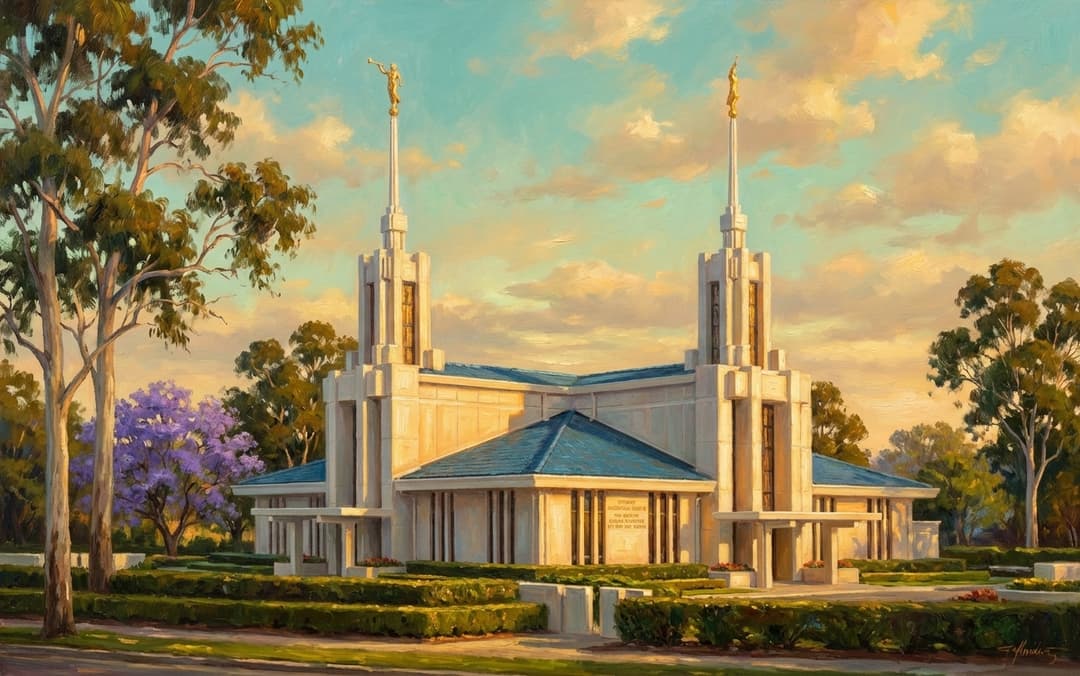
Visitors to the Sydney Australia Temple can experience a sense of peace and reverence on the temple grounds. The well-maintained gardens and mature eucalyptus trees provide a tranquil setting for quiet reflection. While the temple interior is generally open to members with temple recommends, the grounds are accessible to all who wish to appreciate the beauty and serenity of this sacred space.
Highlights
- Experience the peaceful atmosphere of the temple grounds.
- Admire the modern architecture and beautiful landscaping.
- Reflect on the spiritual significance of the temple.
Things to Know
- The temple interior is only accessible to members with temple recommends.
- Modest attire and respectful behavior are expected on the temple grounds.
- Photography inside the temple is not permitted.
Location
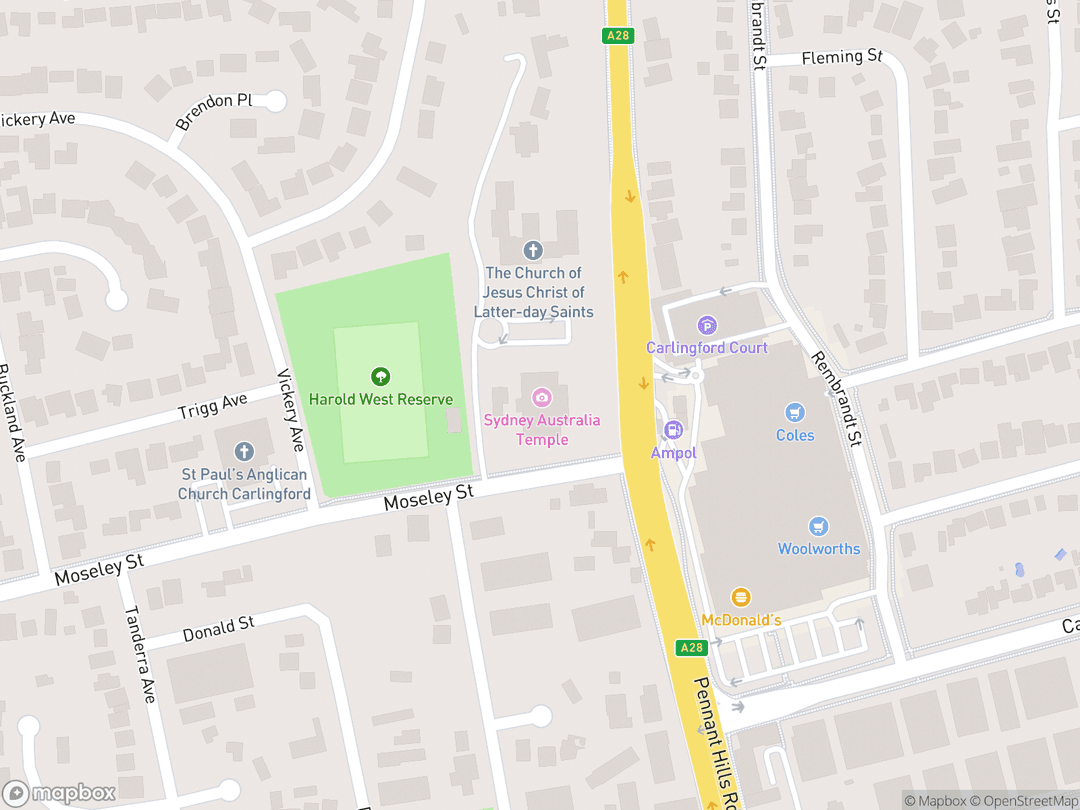
756 Pennant Hills Road, Carlingford, NSW 2118, Australia
Hours: The temple grounds are generally open to the public during daylight hours.
Getting There: The Sydney Australia Temple is located at 756 Pennant Hills Road, Carlingford. Public transportation and parking are available.
Get DirectionsTips for Your Visit
Plan Your Visit
Check the temple's official website for information on visiting hours and guidelines.
Dress Modestly
Please dress modestly and respectfully when visiting the temple grounds.
About
The Sydney Australia Temple stands as a beacon of faith for members of The Church of Jesus Christ of Latter-day Saints in Australia. As part of the Abrahamic tradition, this temple provides a sacred space where individuals and families can draw closer to God through ordinances and covenants. The temple serves as a reminder of the eternal nature of families and the importance of living a Christ-centered life.
Announced on April 2, 1980, by Church President Spencer W. Kimball, the Sydney Australia Temple was the first temple built in Australia. Its construction reflected the Church's commitment to providing more accessible temples for its growing membership worldwide. The groundbreaking ceremony, held on August 13, 1982, marked the beginning of a significant chapter in the history of the Church in Australia.
Dedicated from September 20-23, 1984, by Gordon B. Hinckley, then Second Counselor in the First Presidency, the temple has become a spiritual landmark for Latter-day Saints across the country. Its presence symbolizes the enduring faith and dedication of Church members in Australia, providing a place of peace, revelation, and spiritual growth. The temple continues to be a vital center for worship, service, and eternal family connections.
Gallery
Symbolic Elements
The temple's exterior features intricate carvings, each rich with spiritual meaning:

Angel Moroni Statue
The angel Moroni statue, which stands atop the spire of the Sydney Australia Temple, symbolizes the spreading of the restored gospel message to the world. This iconic figure is a representation of the angel who appeared to Joseph Smith, revealing the Book of Mormon and the restoration of the Church. The statue serves as a reminder of the divine mission of the Church and its commitment to sharing the gospel with all nations.

Azure Blue Roof Tiles
The exterior of the Sydney Australia Temple is adorned with 25,000 azure blue roof tiles, creating a visually striking and spiritually uplifting effect. The color blue is often associated with heaven and divinity, symbolizing the temple's sacred purpose as a house of the Lord. These tiles reflect the light and beauty of the surrounding landscape, enhancing the temple's presence as a beacon of faith and hope.

Single Spire Design
The Sydney Australia Temple features a modern, single-spire design, which directs the gaze upward towards the heavens. This architectural element symbolizes the temple's role as a bridge between earth and eternity, inviting individuals to draw closer to God. The spire serves as a focal point, reminding visitors of the temple's sacred purpose and the eternal covenants made within its walls.
Precast Concrete Panels
The exterior of the Sydney Australia Temple is constructed using precast concrete panels with a white quartz finish. This material provides durability and elegance, reflecting the temple's enduring nature and sacred purpose. The white quartz finish symbolizes purity and light, representing the spiritual blessings and divine guidance available to those who enter the temple.
Baptistry Font on Twelve Oxen
The baptistry font within the Sydney Australia Temple rests on twelve oxen, reminiscent of Old Testament symbolism. This design represents the twelve tribes of Israel and symbolizes the importance of baptism for the remission of sins. The oxen represent strength and service, reflecting the sacred ordinance of baptism for the dead, which allows individuals to perform vicarious baptisms for their ancestors.

Gardens and Eucalyptus Trees
The grounds of the Sydney Australia Temple feature beautifully maintained gardens and mature eucalyptus trees, creating a tranquil and inviting atmosphere. These natural elements symbolize the beauty of God's creation and the peace that can be found in His presence. The gardens provide a space for quiet reflection and spiritual renewal, enhancing the temple experience for all who visit.

Ordinance Rooms
The Sydney Australia Temple houses two ordinance rooms, where members of The Church of Jesus Christ of Latter-day Saints participate in sacred ceremonies and make covenants with God. These rooms are designed to create a reverent and spiritual atmosphere, allowing individuals to focus on their relationship with the Divine. The ordinances performed in these rooms are essential for eternal progression and family unity.
Sealing Rooms
The Sydney Australia Temple includes three sealing rooms, where marriages are performed to unite couples for eternity. These sacred spaces are adorned with beautiful furnishings and artwork, creating an atmosphere of love and commitment. The sealing ordinance is a central part of the Church's teachings, emphasizing the eternal nature of families and the importance of building strong, loving relationships.
Interesting Facts
The Sydney Australia Temple was the first temple built in Australia.
The announcement of the Sydney Australia Temple was made with six other temples.
The temple site was previously used as a school for boys.
During construction, many workers who were not members of the Church asked questions about the temple.
The temple was dedicated without the angel Moroni statue due to local government restrictions, which were later lifted.
The landscaping of the temple grounds has won community beautification awards.
The temple's exterior is decorated with 25,000 azure blue roof tiles.
The temple shares its site with Church area offices and patron housing.
The open house for the temple occurred in the same week as the open houses for the Manila Philippines Temple and the Dallas Texas Temple.
The temple is located about 12 miles northwest of downtown Sydney.
Common Questions
What is the purpose of the Sydney Australia Temple?
The Sydney Australia Temple serves as a sacred place where members of The Church of Jesus Christ of Latter-day Saints can make covenants with God and participate in ordinances such as marriages, baptisms for the dead, and other sacred rites. These ordinances strengthen individuals and families and connect them to God's eternal plan.
Who can enter the Sydney Australia Temple?
The temple interior is generally open to members of The Church of Jesus Christ of Latter-day Saints who are in good standing and have a valid temple recommend. The temple grounds are open to the public, providing a place for quiet reflection and appreciation of the temple's beauty.
What is the significance of temples in The Church of Jesus Christ of Latter-day Saints?
Temples are considered houses of the Lord, the most sacred places on earth. They are dedicated to God and serve as places where individuals can feel closer to Him. Temples are essential for performing ordinances that bind families together eternally and allow individuals to receive the fullness of God's blessings.
How can I learn more about the Sydney Australia Temple?
You can learn more about the Sydney Australia Temple by visiting the official website of The Church of Jesus Christ of Latter-day Saints or by contacting local Church leaders. You can also explore resources available at the Church's Family History Centers and libraries.
What should I wear when visiting the Sydney Australia Temple grounds?
When visiting the Sydney Australia Temple grounds, it is recommended to dress modestly and respectfully. This demonstrates reverence for the sacred nature of the temple and helps create a peaceful atmosphere for all visitors.
Featured Stories
The Dedication of the Sydney Australia Temple
September 20-23, 1984
The dedication of the Sydney Australia Temple was a momentous occasion for members of The Church of Jesus Christ of Latter-day Saints in Australia. Over four days, Gordon B. Hinckley, then Second Counselor in the First Presidency, presided over 14 dedicatory sessions, with 7,689 members attending. The dedicatory services were filled with spiritual power, as members expressed their gratitude for the blessings of the temple.
During the dedication, Elder Hinckley spoke of the temple's significance as a house of the Lord, where sacred ordinances could be performed for the living and the dead. He encouraged members to make the temple a central part of their lives, drawing closer to God through service and worship. The dedication marked a new era for the Church in Australia, providing a sacred space for members to strengthen their faith and build eternal families.
Source: https://www.thechurchnews.com/archives/1991/11/24/16727584/addition-to-sydney-temple-dedicated
The Placement of the Angel Moroni Statue
September 3, 1985
The placement of the angel Moroni statue on the spire of the Sydney Australia Temple was a significant event, symbolizing the spreading of the restored gospel message to the world. Initially, local government restrictions had prevented the statue from being placed during the temple's dedication. However, after persistent efforts, the Church was granted permission to install the statue, fulfilling a long-awaited dream for many members.
On September 3, 1985, the angel Moroni statue was carefully lifted and secured atop the temple spire. The event was met with joy and celebration, as members gathered to witness this historic moment. The statue serves as a reminder of the divine mission of the Church and its commitment to sharing the gospel with all nations, standing as a beacon of hope and faith for generations to come.
Source: https://www.churchofjesuschrist.org/temples/details/sydney-australia-temple
Early Missionary Work in Australia
1840s
The history of The Church of Jesus Christ of Latter-day Saints in Australia dates back to the 1840s, when early missionaries like William Barratt and Andrew Anderson arrived in the country. These dedicated individuals faced numerous challenges as they shared the gospel message with the people of Australia. Despite the difficulties, they laid a strong foundation for the Church's growth and development.
Their unwavering faith and tireless efforts helped to establish congregations and build a community of believers. The early missionaries' sacrifices paved the way for future generations of Latter-day Saints in Australia, leading to the eventual construction of the Sydney Australia Temple. Their legacy of service and dedication continues to inspire members of the Church today, reminding them of the importance of sharing the gospel and building strong communities of faith.
Source: https://www.churchofjesuschrist.org/study/history/topics/australia?lang=eng
Timeline
Early Missionaries Arrive
William Barratt and Andrew Anderson, among others, arrive in Australia and begin preaching the gospel.
MilestoneTemple Announced
Church President Spencer W. Kimball announces the construction of a temple in Sydney, Australia.
component.timeline.announcementGroundbreaking Ceremony
The groundbreaking ceremony takes place, with Bruce R. McConkie presiding over the event.
component.timeline.groundbreakingPublic Open House
A public open house is held, attracting thousands of visitors to tour the newly completed temple.
EventTemple Dedication
The Sydney Australia Temple is dedicated by Gordon B. Hinckley, then Second Counselor in the First Presidency.
DedicationTemple Dedication Session 2
Second dedicatory session held with members participating from across the region.
DedicationTemple Dedication Session 3
Third dedicatory session held with members participating from across the region.
DedicationTemple Dedication Session 4
Fourth and final dedicatory session held with members participating from across the region.
DedicationAngel Moroni Statue Placed
The statue of the angel Moroni is placed on the temple spire after local government restrictions are lifted.
MilestoneTemple Addition Dedicated
An addition to the temple, including a full baptistry, is dedicated by Russell M. Nelson.
Dedication30th Anniversary Commemoration
Church members in Australia commemorate the 30th anniversary of the temple's opening.
EventTemporary Closure Due to Pandemic
The Sydney Australia Temple is temporarily closed due to the COVID-19 pandemic.
RenovationTemple Reopens
The Sydney Australia Temple reopens with limited capacity following COVID-19 restrictions.
RenovationReturn to Normal Operations
The Sydney Australia Temple returns to normal operating hours and capacity.
EventHistory by Decade
1840s — Early Missionary Work
The history of The Church of Jesus Christ of Latter-day Saints in Australia began in the 1840s with the arrival of early missionaries such as William Barratt and Andrew Anderson. These missionaries faced numerous challenges as they shared the gospel message with the people of Australia. Despite the difficulties, they laid a strong foundation for the Church's growth and development.
1980s — Temple Announcement and Construction
On April 2, 1980, Church President Spencer W. Kimball announced the construction of a temple in Sydney, Australia. This announcement was met with great excitement and anticipation by members of the Church in Australia. The groundbreaking ceremony took place on August 13, 1982, marking the beginning of a significant chapter in the history of the Church in Australia.
1984 — Temple Dedication
The Sydney Australia Temple was dedicated from September 20-23, 1984, by Gordon B. Hinckley, then Second Counselor in the First Presidency. The dedication was a momentous occasion for members of the Church in Australia, providing a sacred space for them to strengthen their faith and build eternal families.
1990s — Temple Expansion
In November 1991, an addition to the temple, including a full baptistry, was dedicated by Russell M. Nelson. This expansion provided additional facilities for members to participate in sacred ordinances and further enhanced the temple's role as a spiritual center for the Church in Australia.
2000s — Continued Growth
The Sydney Australia Temple continued to serve as a beacon of faith for members of The Church of Jesus Christ of Latter-day Saints in Australia throughout the 2000s. The temple provided a place of peace, revelation, and spiritual growth for individuals and families, strengthening their connection to God and each other.
2010s — 30th Anniversary
In 2014, Church members in Australia commemorated the 30th anniversary of the temple's opening. This milestone was celebrated with various events and activities, highlighting the temple's enduring legacy and its impact on the lives of Latter-day Saints in Australia.
Architecture & Facilities
The Sydney Australia Temple features a modern architectural style, characterized by clean lines, geometric shapes, and a focus on functionality. The temple's design reflects a blend of contemporary aesthetics and traditional temple symbolism, creating a sacred space that is both visually appealing and spiritually uplifting. The exterior is constructed using precast concrete panels with a white quartz finish, providing durability and elegance.
Building Materials
Exterior
The exterior of the Sydney Australia Temple is constructed using precast concrete panels with a white quartz finish. This material provides durability and elegance, reflecting the temple's enduring nature and sacred purpose. The white quartz finish symbolizes purity and light, representing the spiritual blessings and divine guidance available to those who enter the temple.
Roof
The roof of the Sydney Australia Temple is made of azure blue terracotta tiles, creating a visually striking and spiritually uplifting effect. The color blue is often associated with heaven and divinity, symbolizing the temple's sacred purpose as a house of the Lord. These tiles reflect the light and beauty of the surrounding landscape, enhancing the temple's presence as a beacon of faith and hope.
Interior Finishes
The interior of the Sydney Australia Temple is adorned with high-quality finishes, including marble, wood, and intricate detailing. These materials create a reverent and peaceful atmosphere, inviting individuals to focus on their relationship with God. The interior design reflects a blend of traditional temple symbolism and modern aesthetics, enhancing the spiritual experience for all who enter.
Landscaping
The grounds of the Sydney Australia Temple feature beautifully maintained gardens and mature eucalyptus trees, creating a tranquil and inviting atmosphere. These natural elements symbolize the beauty of God's creation and the peace that can be found in His presence. The gardens provide a space for quiet reflection and spiritual renewal, enhancing the temple experience for all who visit.
Interior Features
Baptistry
The baptistry in the Sydney Australia Temple is a sacred space where members of The Church of Jesus Christ of Latter-day Saints perform baptisms for the dead. The font rests on twelve oxen, reminiscent of Old Testament symbolism, representing the twelve tribes of Israel. This ordinance allows individuals to perform vicarious baptisms for their ancestors, connecting families across generations.
Ordinance Rooms
The ordinance rooms in the Sydney Australia Temple are designed to create a reverent and spiritual atmosphere, allowing individuals to focus on their relationship with the Divine. These rooms are used for sacred ceremonies and covenants, which are essential for eternal progression and family unity. The design and furnishings of these rooms reflect the temple's sacred purpose.
Sealing Rooms
The sealing rooms in the Sydney Australia Temple are where marriages are performed to unite couples for eternity. These sacred spaces are adorned with beautiful furnishings and artwork, creating an atmosphere of love and commitment. The sealing ordinance is a central part of the Church's teachings, emphasizing the eternal nature of families and the importance of building strong, loving relationships.
Celestial Room
The celestial room in the Sydney Australia Temple is a space for quiet reflection and prayer, symbolizing the presence of God. This room is designed to create a sense of peace and reverence, allowing individuals to feel closer to the Divine. The celestial room is a place where members can contemplate the blessings of the temple and renew their commitment to living a Christ-centered life.
Temple Grounds
The grounds of the Sydney Australia Temple are beautifully landscaped with gardens and mature eucalyptus trees, creating a tranquil and inviting atmosphere. These natural elements symbolize the beauty of God's creation and the peace that can be found in His presence. The gardens provide a space for quiet reflection and spiritual renewal, enhancing the temple experience for all who visit.
Additional Facilities
The Sydney Australia Temple shares its site with Church area offices and patron housing, providing convenient access for members traveling from afar. The Distribution Center is on-site for purchasing temple clothing and other items, enhancing the overall temple experience.
Religious Significance
The Sydney Australia Temple holds profound religious significance for members of The Church of Jesus Christ of Latter-day Saints. As a house of the Lord, it serves as a sacred space where individuals can draw closer to God and participate in ordinances that bind families together eternally. Rooted in the Abrahamic tradition, the temple emphasizes the importance of covenants and the eternal nature of the family.
The primary purpose of the Sydney Australia Temple is to provide a place where members can make sacred covenants with God and receive blessings that are essential for eternal life. These covenants and blessings are available to both the living and the dead, connecting families across generations and strengthening their relationship with the Divine.
Sacred Ordinances
Baptism for the Dead
Baptism for the dead is a vicarious ordinance performed in temples, allowing individuals to be baptized on behalf of their deceased ancestors who did not have the opportunity to be baptized during their lifetime. This ordinance reflects the Church's belief in the importance of offering salvation to all of God's children, regardless of when they lived.
Endowment
The endowment is a sacred ordinance in which members receive instruction, make covenants, and are promised blessings that will help them return to God's presence. This ordinance provides a deeper understanding of God's plan and strengthens individuals' commitment to living a Christ-centered life.
Sealing
The sealing ordinance unites couples and families for eternity, allowing them to be together forever. This ordinance is performed in temples and reflects the Church's belief in the eternal nature of families and the importance of building strong, loving relationships.
The Eternal Family
The Sydney Australia Temple emphasizes the importance of the eternal family, providing a place where families can be sealed together for eternity. This doctrine is central to the Church's teachings and reflects the belief that families can continue to grow and progress together even after death. The temple serves as a symbol of hope and love, reminding members of the eternal nature of their relationships.
Covenants and Blessings
The covenants made in the Sydney Australia Temple are sacred agreements between individuals and God, promising blessings in exchange for obedience and faithfulness. These covenants provide a framework for living a Christ-centered life and offer guidance and support in times of need. The blessings received in the temple are essential for eternal progression and provide a deeper understanding of God's love and plan for His children.
Sources & Research
Every fact on Temples.org is backed by verified Sources & Research. Each piece of information is rated by source tier and confidence level.
View All Sources (6)
| Field | Source | Tier | Retrieved |
|---|---|---|---|
| About & Historical Background | The Church of Jesus Christ of Latter-day Saints (opens in a new tab) | A | 2024-01-02 |
| Historical Timeline | Church History Department (opens in a new tab) | A | 2024-01-02 |
| Architectural Description | churchofjesuschristtemples.org (opens in a new tab) | C | 2024-01-02 |
| Symbolic Elements | The Church of Jesus Christ of Latter-day Saints (opens in a new tab) | A | 2024-01-02 |
| Interesting Facts | churchofjesuschristtemples.org (opens in a new tab) | C | 2024-01-02 |
| Temple History | The Church of Jesus Christ of Latter-day Saints (opens in a new tab) | A | 2024-01-02 |