Visitor Insights
Visiting Mount Kawagarbo
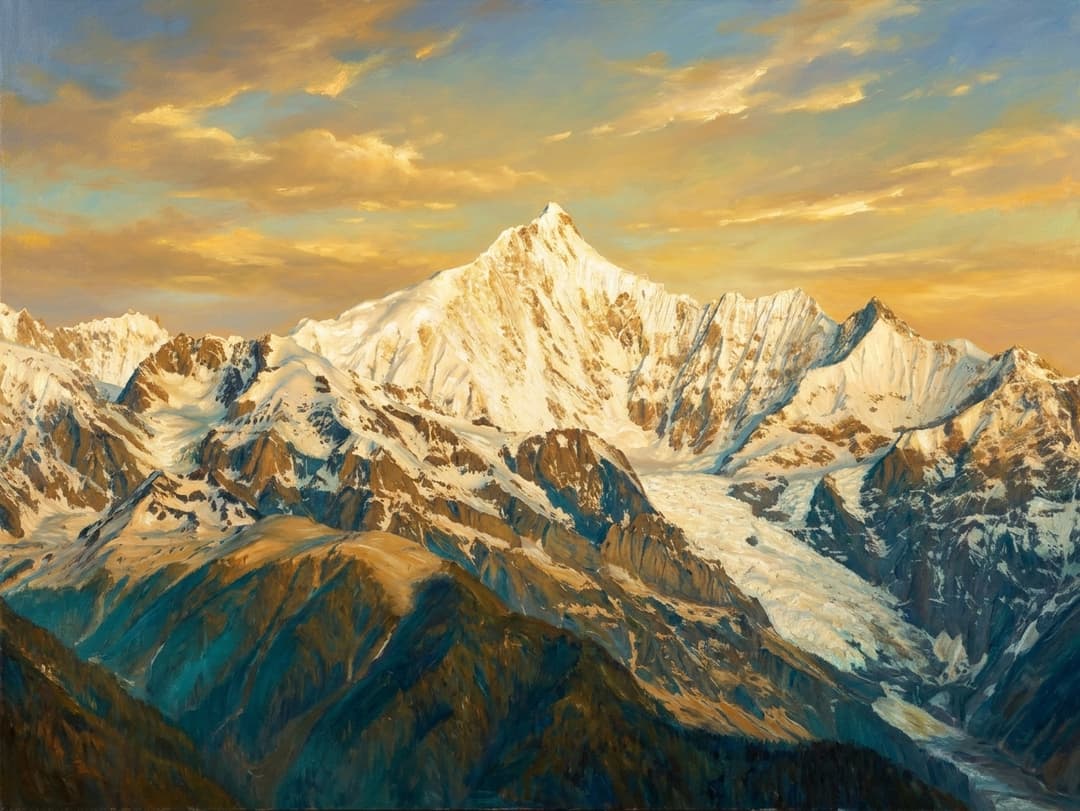
Mount Kawagarbo offers a spiritual encounter where magnificent natural geography merges with indigenous pilgrimage traditions.
Highlights
- Unobstructed views of the peak from Feilai Temple viewing platforms during autumn sunrises.
- Trekking the Inner Kora to Yubeng Village and its sacred glacial waterfall.
- Observing thousands of colorful prayer flags fluttering at high mountain passes.
- Witnessing the dramatic low-altitude ice cascade of the Mingyong Glacier.
Things to Know
- Mountaineering on Kawagarbo or its neighboring peaks is strictly prohibited by law.
- High altitude precautions are essential when crossing passes above 4,000 meters.
- Pilgrims and visitors must always walk clockwise around sacred monuments and trails.
Location
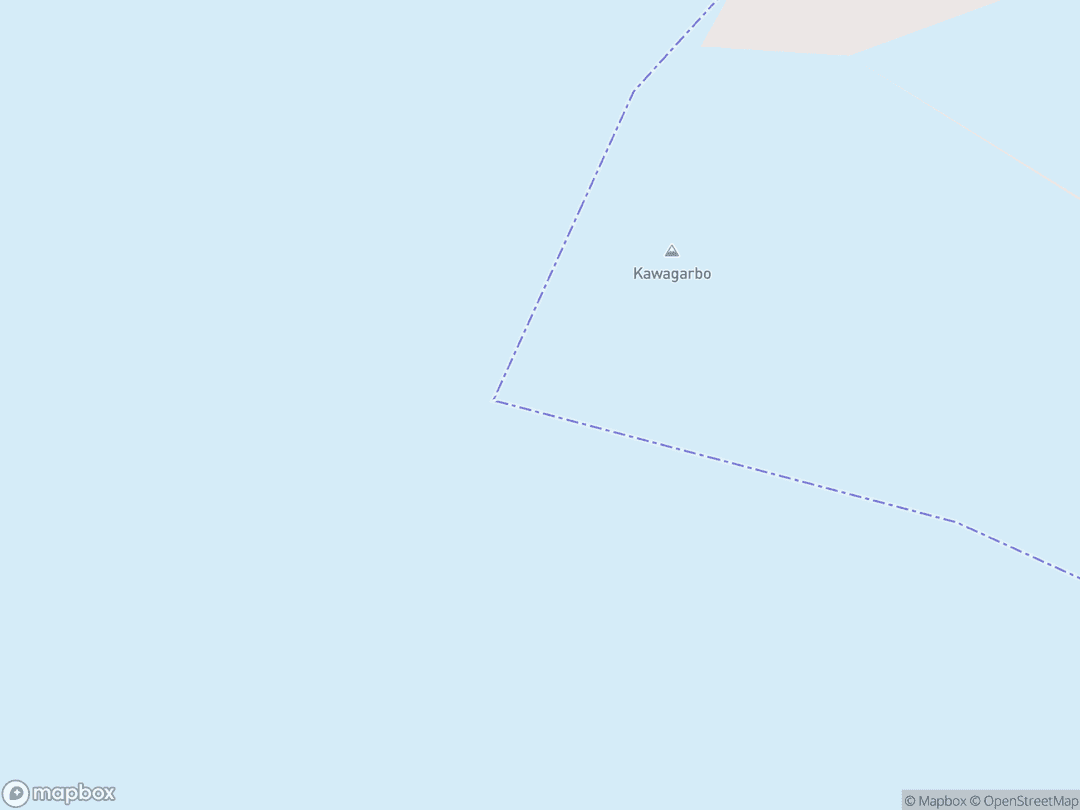
Meili Snow Mountain Range, Deqin County, Diqing Tibetan Autonomous Prefecture, Yunnan Province, China
Hours: Feilai Temple viewing platform open daily 06:00 to 20:00; mountain trails accessible year-round weather permitting.
Getting There: Accessible via Highway G214 from Shangri-La to Deqin County seat, continuing to Feilai Temple on the Mekong ridge.
Get DirectionsTips for Your Visit
Optimal Viewing Months
Visit between October and December for clear skies and dry weather offering reliable mountain visibility.
Respect Local Taboos
Do not step on ritual cairns, disturb prayer flags, or litter near sacred glacial streams.
Prepare for Altitude
Acclimatize in Shangri-La before attempting treks over high passes on the Inner or Outer Kora.
About
Mount Kawagarbo stands at 6,740.1 meters as the highest peak in Yunnan Province and one of the most sacred mountains in Tibetan Buddhism and indigenous Bon traditions. Located in the Hengduan Mountains along the border of Yunnan Province and the Tibet Autonomous Region, the mountain is revered as the physical abode of a powerful warrior deity converted by Guru Padmasambhava into a protector of the Buddhist dharma.
The peak remains completely unclimbed by human feet. Following a catastrophic avalanche in 1991 that claimed the lives of 17 Japanese and Chinese mountaineers, local petitions led to formal government legislation in 2001 permanently banning all climbing on the peak out of respect for indigenous religious faith. Today, Kawagarbo forms a core component of the UNESCO Three Parallel Rivers World Heritage site and attracts thousands of pilgrims annually who complete sacred circumambulation circuits around its base.
Gallery
Symbolic Elements
The temple's exterior features intricate carvings, each rich with spiritual meaning:

Kawagarbo Warrior Deity Iconography
A fierce warrior god riding a white horse clad in crystal armor representing the mountain's protective spiritual essence.
The 13 Peak Princes Spire Ridge
Thirteen sharp snow summits surrounding the central spire representing the warrior deity's divine court.

Prayer Flag Canopy Networks
Five-colored fabric flags strung across mountain passes distributing prayers across the landscape via mountain winds.

Mani Stone Cairns
Carved river stones inscribed with sacred mantras piled by pilgrims at high boundary thresholds.
Yubeng Sacred Waterfall
A high-altitude glacial stream cascading over limestone cliffs where pilgrims bathe for spiritual purification.

Incense Burner Towers
Masonry chimneys burning juniper branches and tsampa to send aromatic offerings upward to the mountain spirit.

Feilai Temple White Chörtens
Conical whitewashed stupa monuments framing the western horizon opposite the peak to anchor ritual offerings.

Mingyong Maritime Glacier
A fast-flowing low-altitude glacier symbolising the living cooling flow of the deity's spiritual energy.
Interesting Facts
Mount Kawagarbo remains one of the highest unclimbed peaks in the world due to severe hazards and legal bans (Tier A).
The loss of 17 climbers in 1991 was one of the deadliest single events in Himalayan mountaineering history (Tier B).
In 1998 expedition gear from 1991 was returned by the glacier four kilometers downhill from the accident site (Tier B).
In 2001 local laws permanently banned climbing on the peak specifically to honor indigenous religious faith (Tier A).
Completing the circuit in a Horse Year grants spiritual merit equal to thirteen standard circumambulations (Tier B).
The landscape ascends from dry subtropical river valleys at 1,900 meters to arctic alpine glaciers at the summit (Tier B).
The Mingyong Glacier descends to 2,700 meters above sea level into broadleaf temperate forests (Tier A).
Indigenous Khampa tradition holds that climbing the summit causes the deity to abandon the valley to drought (Tier B).
Common Questions
Why is climbing Mount Kawagarbo permanently banned?
Local legislation protects the peak out of respect for indigenous beliefs holding that climbing the mountain desecrates its protector deity.
How high is Mount Kawagarbo?
Primary topographic survey records specify the exact elevation as 6,740.1 meters (22,113 feet).
What is the Outer Kora?
It is a 150-kilometer pilgrimage trek around the entire mountain range that takes 8 to 12 days to complete.
When is the most sacred time to perform the pilgrimage?
Completing the kora during the Tibetan Year of the Horse bestows thirteen times the usual spiritual merit.
Featured Stories
Taming of the Mountain Spirit
c. 770 CE
According to regional tradition, the ancient spirit of Kawagarbo was a fierce indigenous warrior deity who ruled the high peaks with stormy wrath. When the Indian master Guru Padmasambhava entered the region, he engaged the spirit in spiritual combat and converted him into a powerful Dharmapala sworn to protect the Buddhist teachings.
Source: Tibetan Nyingma Historical Tradition
The 1991 Camp III Tragedy
January 4, 1991
A joint team of 17 Chinese and Japanese mountaineers established Camp III high on Kawagarbo despite intense emotional protests from local Tibetan villagers. On the night of January 3, a colossal avalanche buried the camp under tons of snow, creating a tragic milestone that eventually led to the total protection of the mountain.
Source: Academic Alpine Club of Kyoto Records
Legislation for Sacred Space
2001
Sustained environmental advocacy and indigenous petitions culminated in historic 2001 legislation by local prefecture authorities. The ordinance established a total, permanent ban on all climbing attempts, making Kawagarbo one of the world's first peaks legally protected solely out of respect for indigenous religious veneration.
Source: Diqing Prefecture Government Directives
Timeline
Buddhist Consecration
Guru Padmasambhava converts the indigenous warrior spirit Kawagarbo into a Buddhist protector deity.
MilestoneEstablishment of Pilgrimage Routes
The 2nd Karmapa Karma Pakshi formalizes the sacred circumambulation paths around the mountain.
EventQing Provincial Border Settlement
Imperial authorities fix the boundary between Yunnan and Tibet along the Hengduan crest.
EventFirst Alpine Survey
British explorer W. H. Murray conducts the first documented European reconnaissance of the range.
EventNature Reserve Designation
Yunnan Provincial Government establishes the Meili Snow Mountain Nature Reserve.
EventExpedition Disaster
An avalanche destroys Camp III, taking the lives of 17 Chinese and Japanese climbers.
EventGlacial Remains Recovery
Mingyong Glacier yields recovered artifacts and remains from the 1991 expedition.
EventMountaineering Ban Enacted
Diqing Prefecture legally prohibits all climbing on Mount Kawagarbo out of religious respect.
MilestoneUNESCO Inscription
The peak is inscribed as a core zone of the Three Parallel Rivers World Heritage site.
MilestoneProtection Infrastructure Upgraded
Enhanced eco-tourism regulations and conservation checkpoints are established along pilgrimage trails.
RenovationHistory by Decade
Pre-8th Century — Indigenous Bon Spiritual Tradition
Indigenous Khampa communities venerated Kawagarbo as a fierce mountain deity controlling weather and game. The peak was understood as a living spirit whose anger brought severe hail and whose favor ensured fertile harvests.
8th Century — Tantric Buddhist Integration
Guru Padmasambhava visited the Hengduan region and bound the mountain spirit under sacred oaths. Re-named Khawa Karpo, the peak became recognized as one of Tibetan Buddhism's eight principal sacred mountains.
13th–14th Centuries — Formalizing Pilgrimage Circuits
Prominent leaders of the Karma Kagyu lineage visited the region and designated exact route markers for the Outer and Inner Kora. Sacred texts and ritual relics were concealed in surrounding caves to guide future generations of pilgrims.
1990s — Mountaineering Conflict and Tragedy
Climbing expeditions encountered passionate local resistance as villagers gathered in prayer to defend their sacred protector. The death of 17 climbers in 1991 altered international perspectives on climbing sacred peaks.
2000s–2020s — Legal Protection and Ecological Stewardship
Enactment of the 2001 climbing ban and 2003 UNESCO World Heritage inscription solidified Mount Kawagarbo's international status. Today, balanced eco-tourism supports thousands of peaceful pilgrims without disturbing the sacred summit.
Architecture & Facilities
Natural sacred mountain architecture described in Tibetan cosmology as a living crystal palace and divine mandala of the warrior deity Kawagarbo.
Building Materials
Glacial Ice and Snow
Permanent snowfields and high-velocity maritime glaciers forming the mountain's crystalline white upper facade.
Hengduan Metamorphic Slate
Metamorphic rock strata forming the steep eastern precipice that drops vertically toward the Mekong River.
River Slate and Flagstone
Hand-carved slate slabs used by pilgrims to construct high-pass cairns and Mani stone mounds.
Timber and Mortar
Traditional timber frames and whitewashed masonry forming surrounding threshold shrines like Feilai Temple.
Interior Features
The Crystal Palace Summit
The unscaled 6,740.1-meter peak revered as the inviolable personal throne room of deity Kawagarbo.
Yubeng Sacred Amphitheater
A high alpine bowl housing sacred glacial waterfalls where pilgrims perform circumambulations.
Feilai Temple Shrine Chamber
The primary viewing sanctuary housing traditional Tibetan statues, butter lamps, and ritual altars.
High Pass Sacred Thresholds
Mountain pass sanctums where ritual offerings and incense smoke reach the divine realm.
Temple Grounds
Extensive wilderness precinct spanning subtropical river gorges at 1,900 meters to arctic alpine crests at 6,740.1 meters, traversed by ancient circuit trails.
Additional Facilities
Pilgrim rest stations, traditional guesthouses in Yubeng Village, and viewing platforms at Feilai Temple.
Religious Significance
Mount Kawagarbo occupies a central position in Tibetan sacred geography as a living spiritual protector and cosmic axis.
Serves as an active pilgrimage center where circumambulation purifies negative karma and generates spiritual merit.
Sacred Ordinances
Outer Kora Circumambulation
An intensive multi-day pilgrimage circuit around the base of the entire mountain range.
Inner Kora & Waterfall Purification
A shorter trek into Yubeng Valley ending with ritual circumambulation beneath the sacred glacial waterfall.
Sang Smoke Offerings
Burning aromatic juniper branches and tsampa flour at viewing shrines to invite divine blessings.
The Warrior Deity Concept
In Tibetan tradition, mountain deities act as active defenders of the environment and spiritual community.
The Horse Year Pilgrimage
Every twelve years during the Tibetan Year of the Horse, pilgrimage activity dramatically increases due to multiplied spiritual benefits.
Sources & Research
Every fact on Temples.org is backed by verified Sources & Research. Each piece of information is rated by source tier and confidence level.
View All Sources (7)
| Field | Source | Tier | Retrieved |
|---|---|---|---|
| Mountaineering History & Banning | Diqing Tibetan Autonomous Prefecture Government (opens in a new tab) | A | 2026-02-18 |
| Conservation & Protection | Yunnan Provincial Department of Culture and Tourism (opens in a new tab) | A | 2026-02-18 |
| Mountaineering History & Banning | Academic Alpine Club of Kyoto (opens in a new tab) | B | 2026-02-18 |
| Conservation & Protection | The Nature Conservancy (opens in a new tab) | B | 2026-02-18 |
| About & Historical Background | International Union for Conservation of Nature (opens in a new tab) | B | 2026-02-18 |
| Pilgrimage & Sacred Geography | Buddhist Digital Resource Center (opens in a new tab) | A | 2026-02-18 |
| Pilgrimage & Sacred Geography | China National Geography (opens in a new tab) | B | 2026-02-18 |