Visitor Insights
Visiting Jade Water Village
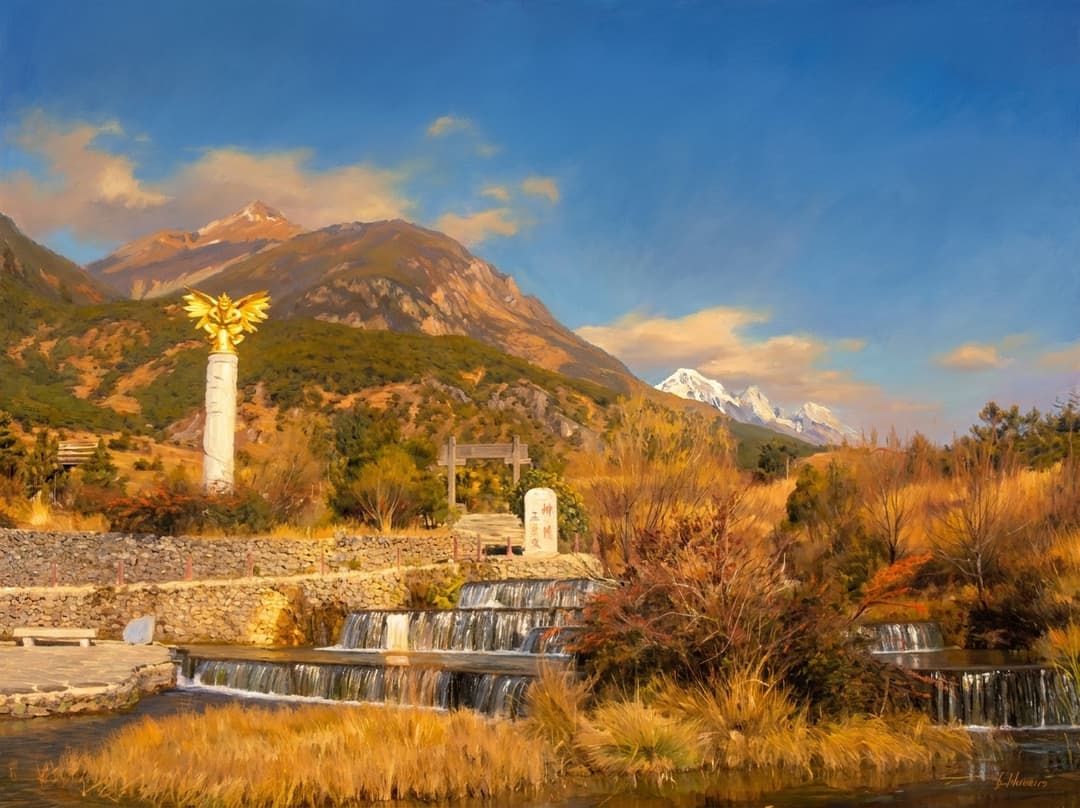
Jade Water Village offers an authentic immersive encounter with Naxi Dongba culture, featuring serene alpine spring walks, traditional handicraft workshops, and active ritual shrines set against dramatic mountain peaks.
Highlights
- Sacred Spring mouth releasing one cubic meter of alpine meltwater per second
- Dongba Shiluo Temple housing sacred pictographic scriptures and ancestral icons
- Three Dragon Waterfalls terracing down unpainted mountain stone basins
- Living craft workshops producing handmade bug-resistant Wikstroemia paper
Things to Know
- Maintain respectful silence around sacred water sources and sacrificial altars
- Do not touch or disturb ritual offerings, totem poles, or hearth fires
- High altitude of 2,500 meters requires sun protection and comfortable walking shoes
Location
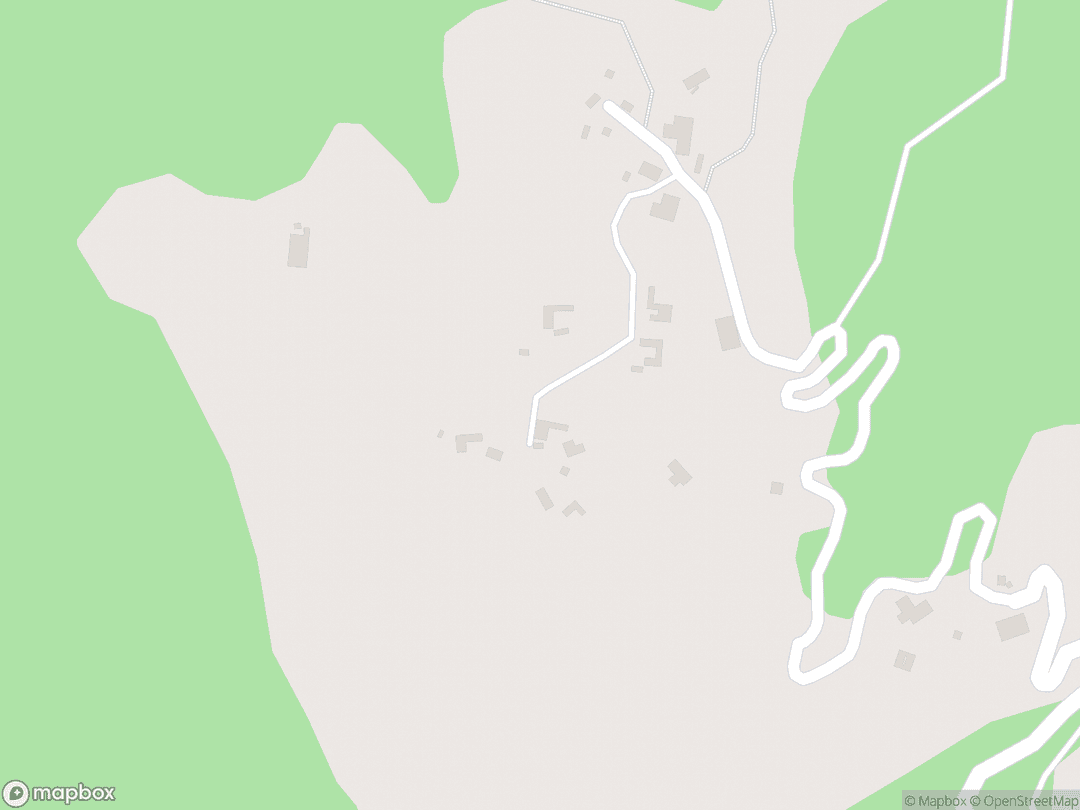
Baisha Town, Yulong Naxi Autonomous County, Lijiang City, Yunnan Province, China
Hours: 08:00 AM – 06:00 PM Daily
Getting There: Located 15 km north of Lijiang Old Town; accessible via Bus No. 6 or No. 7 directly to the Yushuizhai terminus or a 25-minute taxi ride.
Get DirectionsTips for Your Visit
Spring Water Etiquette
Refrain from placing hands or objects in the upper spring source, which is reserved strictly for sacred offerings.
Dongba Script Souvenirs
Visit the paper workshop to watch priests hand-write custom pictographic blessings on traditional bark paper.
Festival Visits
Plan your visit during the third lunar month to witness the annual gathering of senior Dongba priests.
About
Jade Water Village, known locally in the Naxi language as Gejiben, serves as the spiritual heartland and chief conservation sanctuary for the indigenous Naxi Dongba tradition. Nestled at the foot of Yulong Snow Mountain north of Lijiang Old Town, this sanctuary surrounds a magnificent natural spring that gushes pure alpine snowmelt.
According to Dongba belief, humanity and Nature, embodied by the deity Shu, are half-brothers born of the same spiritual lineage. The village was developed to preserve ancient Dongba religious architecture, ritual ceremonies, music, and the world's only active pictographic writing system directly at the primary source of Lijiang's water network.
Visitors and pilgrims encounter open-air sacrificial altars, traditional wood-and-stone dwellings, terraced cascading pools, and active Dongba priests practicing sacred chants. The sanctuary stands as an enduring model of indigenous environmental ethics where ecological stewardship and spiritual devotion seamlessly converge.
Gallery
Symbolic Elements
The temple's exterior features intricate carvings, each rich with spiritual meaning:

The Sacred Spring
Pure alpine snowmelt emerging from Yulong Snow Mountain, representing divine grace and unpolluted life energy.

The Nature God Statue Shu
An icon with human torso, frog head, and serpent tail signifying the spiritual unity of water, land, and humanity.

Twin Sacred Trees
Ancient maple trees shading the spring mouth that serve as a cosmic pillar connecting heaven, earth, and underworld.

Dongba Pictographs
Sacred pictographic glyphs painted on paper and stone that function as visual channels for divine communication.

Sacred Hearth Fire
An eternal fire pit inside traditional dwellings representing ancestral presence, warmth, and family unity.

White Crane Symbol
A sacred avian motif symbolizing spiritual purity, peace, and playful harmony between gods and creation.

Three Dragon Waterfalls
Terraced spring runoff basins symbolizing the dynamic movement of natural vitality through the earth.

Sacred Totem Pillars
Hand-carved wooden posts surrounding the plaza depicting guardian spirits and cosmic mythology.
Interesting Facts
The sacred spring gushes alpine meltwater at a constant rate of one cubic meter per second, forming the main headwater for Lijiang Old Town. (Tier A)
Dongba script used by local priests is recognized as the world's only living pictographic writing system in active daily religious practice. (Tier B)
Traditional Dongba paper is crafted from Wikstroemia root bark, creating natural insect resistance that preserves scriptures over a millennium. (Tier A)
Austro-American explorer Dr. Joseph Rock drank exclusively from this sacred spring during his decades of residence in Northwest Yunnan. (Tier B)
The cascading mountain pools host thriving populations of golden and rainbow trout in near-freezing, highly oxygenated water. (Tier B)
A monumental stone pillar stands in the courtyard commemorating UNESCO's 2003 Memory of the World inscription of Dongba literature. (Tier B)
The natural runoff forms three distinct terraced waterfalls named Appearing Dragon, Playing Dragon, and Farewell Dragon. (Tier A)
Strict Dongba customary law forbids felling trees or polluting water near the spring under threat of spiritual retribution from Nature. (Tier A)
Common Questions
What religion is practiced at Jade Water Village?
The site practices the indigenous Naxi Dongba religion, an animist tradition centered on nature reverence and ancestral harmony.
Can visitors drink the spring water?
Pure alpine spring water is available for drinking at designated collection taps near the middle terraced pools.
Why is traditional Dongba paper unique?
It is handmade from Wikstroemia bark containing natural toxins that render the paper insect-proof for over a thousand years.
Are Dongba pictographs still in active religious use?
Yes, it is recognized as the world's only living pictographic script still actively used in daily rituals.
Featured Stories
The Cosmic Covenant of Humanity and Nature
Ancient Era
According to Dongba scripture, humans and Nature were born as half-brothers from the same divine lineage. When human greed led to deforestation and water pollution, Nature invoked powerful floods to defend the earth. Through the mediation of patriarch Dongba Shiluo, a binding covenant was forged establishing that humanity could utilize natural resources only while offering regular sacrificial rites to ask forgiveness and restore balance.
Source: Naxi Dongba Creation Epic (Chobudol)
Dr. Joseph Rock and the Alpine Spring
1920s
During his 27-year botanical and anthropological exploration of Northwest Yunnan, Austro-American scholar Dr. Joseph Rock frequented the quiet spring at Jade Water Village. Fascinated by the pristine water purity and the ancient pictographic scriptures chanted by village priests, Rock insisted on drinking exclusively from this mountain source, documenting its surrounding flora and rituals for National Geographic.
Source: Joseph Rock Yunnan Field Notes
Rescuing the World's Last Pictographic Script
1980
Following decades of political upheaval during which public religious rituals were banned, elderly Dongba priests in Baisha retrieved hidden manuscripts buried beneath hearths and mountain caves. Gathering at the sacred spring, these surviving elders began copying, reciting, and cataloging thousands of pictographic pages, culminating in UNESCO Memory of the World recognition.
Source: Lijiang Dongba Culture Heritage Association
Timeline
Joseph Rock Exploration
Botanist Joseph Rock begins documenting Naxi nature rituals and collecting scriptures at the spring.
EventSacred Site Suppression
Public Dongba ceremonies are temporarily suppressed, but local reverence for the spring continues in secret.
EventCultural Revival Movement
Scholars and surviving elders begin systematic recovery and cataloging of Dongba manuscripts.
EventSanctuary Formal Establishment
Jade Water Village is constructed as a living conservation base for Dongba religious architecture and heritage.
component.timeline.groundbreakingUNESCO Heritage Inscription
UNESCO officially inscribes Naxi Dongba Ancient Manuscripts into the global Memory of the World Register.
MilestoneNational Tourism Evaluation
Inspectors complete the comprehensive site evaluation for national cultural scenic designation.
MilestoneAAAA Cultural Site Designation
The sanctuary is formally awarded National AAAA-Level Cultural and Ecological Scenic status.
MilestoneDongba Assembly Expansion
The annual Dongba Hui gathering expands, becoming the primary training center for new priesthood initiates.
EventAncient Music Conservation
A dedicated academy opens within the sanctuary to preserve classical Baisha Fine Music traditions.
MilestoneEcological Integration Project
Interactive environmental education programs link Dongba eco-ethics with modern spring watershed protection.
EventHistory by Decade
Pre-20th Century — Sacred Spring & Ancestral Rites
Indigenous Naxi pastoralists and farmers revered the spring at the base of Yulong Snow Mountain as the sacred realm of Shu, the Nature deity. Dongba priests performed regular outdoor sacrificial rites to maintain cosmic equilibrium and preserve water purity.
1920s–1940s — Western Exploration & Documentation
Explorer Dr. Joseph Rock spent decades living in nearby villages, documenting Dongba ceremonies, collecting pictographic manuscripts, and photographing the pristine spring ecosystem for international research institutions.
1950s–1970s — Preservation of Sacred Knowledge
During periods of political turbulence, public Dongba ceremonies were suspended throughout Yunnan. Local families secretly preserved sacred manuscripts and ceremonial objects, maintaining quiet personal reverence for the mountain spring.
1980s–1990s — Cultural Revival & Sanctuary Foundation
Scholarly initiatives revived interest in Dongba heritage, culminating in the formal 1997 establishment of Jade Water Village as a living sanctuary to preserve Dongba architecture, rituals, and traditional crafts at the water's source.
2000s–2010s — UNESCO Inscription & Public Education
In 2003, UNESCO inscribed Naxi Dongba ancient manuscripts into the Memory of the World Register. Jade Water Village expanded its annual Dongba assembly and opened heritage workshops for public cultural education.
2020s — Ecological Integration & Living Heritage
Today, the sanctuary operates as both a spiritual sanctuary and an ecological educational center, linking ancient Dongba nature ethics directly with modern alpine watershed conservation.
Architecture & Facilities
The architecture of Jade Water Village represents an authentic fusion of traditional Naxi vernacular building customs and Dongba sacred spatial arrangements. Structures are constructed on sloping mountain contours using unpainted timber and rough stone, designed to blend naturally into the alpine forest landscape.
Building Materials
Native Pine & Cedar Timber
Hand-carved post-and-lintel structural frames left unpainted to honor natural beauty.
Uncut Mountain Fieldstone
Rough river basalt and fieldstone used for terraced spring basins and retaining walls.
Clay & Slate Roof Tiles
Dark grey hand-molded clay tiles providing traditional weather protection against mountain rain.
Wikstroemia Bark Paper
Handmade toxic-bark paper used for sacred banners, lanterns, and script scrolls.
Interior Features
Dongba Shiluo Main Shrine
Central timber sanctuary holding ancestral statues, ritual altars, and pictographic scrolls.
Traditional Hearth Room (Hutang)
An authentic family gathering space centered around an active square stone hearth fire.
Scripture Preservation Hall
A climate-controlled archive housing historical Dongba pictographic manuscripts and ritual gear.
Ancient Craft Workshop
A functional timber workshop space operating water-powered mills and hand paper presses.
Temple Grounds
Terraced spring pools cascading down forested mountain slopes, connected by stone flagstone walkways, sacred grove pathways, and open ceremonial plazas.
Additional Facilities
Includes an eco-museum, traditional paper-making workshop, ancient liquor distillery, weaving house, and a visitor education center.
Religious Significance
In the Dongba faith, the universe is governed by an delicate balance between human society and the spiritual forces of nature. Jade Water Village embodies this eco-theology, serving as a physical bridge where humans offer gratitude and seek harmony with the Divine Source.
To maintain the cosmic covenant between humanity and Nature through ritual offerings, scriptural chanting, and water stewardship.
Sacred Ordinances
Sacrificial Nature Rite (Ji Daziran)
Outdoor sacrificial ceremonies conducted at the spring altar to ask forgiveness from Shu for human resource use.
Heavenly Sacrifice (Ji Tian)
Ancient communal prayers and food offerings dedicated to the high celestial deities of the Naxi pantheon.
Pictographic Scripture Recitation
Rhythmic chanting of sacred texts written in Dongba pictographs to heal diseases and purify space.
Eco-Ethics in Dongba Cosmology
Dongba theology treats environmental damage not merely as a physical harm, but as a severe spiritual offense against Nature deities that demands ritual reconciliation.
Sources & Research
Every fact on Temples.org is backed by verified Sources & Research. Each piece of information is rated by source tier and confidence level.
View All Sources (8)
| Field | Source | Tier | Retrieved |
|---|---|---|---|
| About & Historical Background | Lijiang Municipal People's Government (opens in a new tab) | A | 2026-02-18 |
| About & Historical Background | UNESCO World Heritage Centre (opens in a new tab) | B | 2026-02-18 |
| Architecture & Sacred Features | Yunnan Provincial People's Government (opens in a new tab) | A | 2026-02-18 |
| Architecture & Sacred Features | Institute of Ethnic Literature, Chinese Academy of Social Sciences (opens in a new tab) | B | 2026-02-18 |
| Religious Significance & Symbols | Ministry of Culture and Tourism of the People's Republic of China (opens in a new tab) | A | 2026-02-18 |
| Religious Significance & Symbols | China Daily Culture Heritage Section (opens in a new tab) | C | 2026-02-18 |
| Visitor Insights & Access | Travel China Guide Travel Information (opens in a new tab) | D | 2026-02-18 |
| Visitor Insights & Access | Yunnan Exploration Heritage Portal (opens in a new tab) | D | 2026-02-18 |