Visitor Insights
Visiting Temple of Confucius
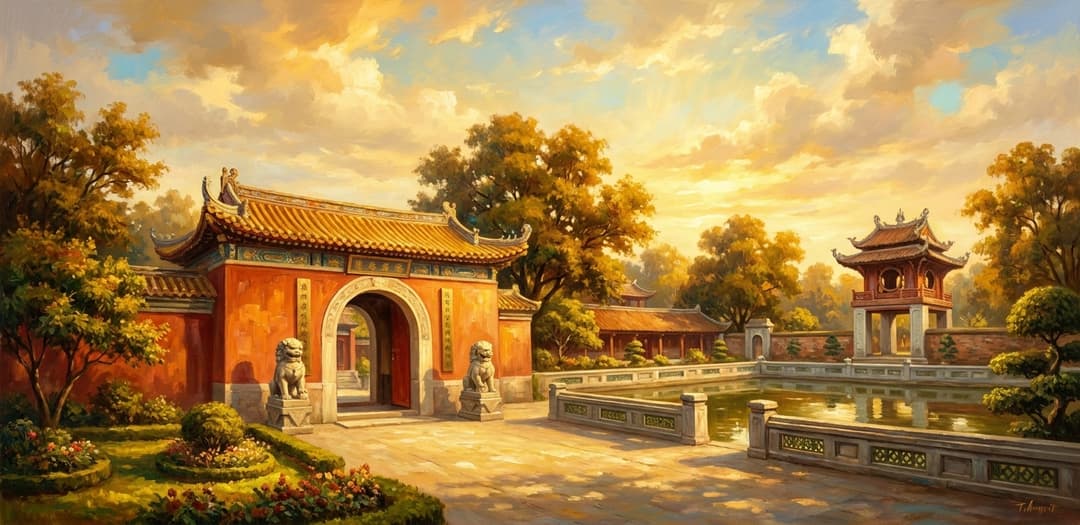
Visitors encounter an expansive 16,000-square-meter imperial precinct filled with towering ancient cypresses, quiet cloisters, and majestic pavilions. The progression through nine grand courtyards offers a contemplative journey through centuries of scholarly devotion.
Highlights
- Dacheng Hall flanked by ten deeply carved dragon stone pillars
- The historic Apricot Platform where Confucius instructed his disciples
- Thirteen Stele Pavilions housing over one thousand imperial tablets
- Towering Kuwen Pavilion preserving centuries of classical literature
Things to Know
- Extensive walking across uneven stone paving requires comfortable footwear
- Respectful decorum is expected near ancestral spirit tablets
- Autumn morning visits offer optimal photography and comfortable temperatures
- Guided cultural tours clarify subtle architectural symbolism
Location
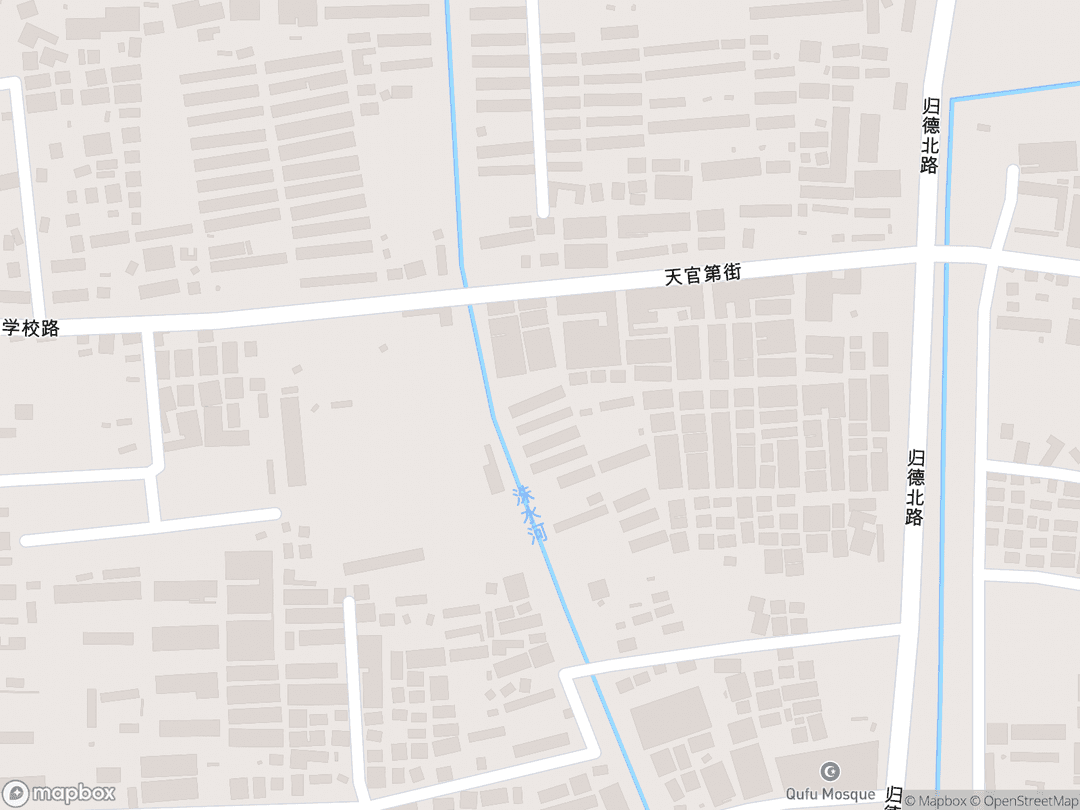
No. 1 Gulou South Street, Qufu, Jining, Shandong Province, China
Hours: 8:00 AM - 5:00 PM daily
Getting There: Accessible from Qufu East High-Speed Railway Station via bus route K01 or local taxi directly to the South Gate.
Get DirectionsTips for Your Visit
Arrive Early for Morning Quiet
Enter at opening to experience the quiet morning mist filtering through century-old cypress canopies.
Examine the Pillar Carvings
Inspect the twenty-eight Dacheng Hall columns closely to appreciate the intricate imperial stone relief technique.
Combine the Three Kong Sites
Purchase the joint pass covering the Confucius Temple, Kong Family Mansion, and the Confucius Cemetery.
About
The Temple of Confucius in Qufu stands as the primary sanctuary and philosophical cradle of Confucianism worldwide. Established in 478 BCE following the sage's death, the compound originated within Confucius's humble three-room residence before evolving over two millennia into a vast imperial complex.
Encompassing nine successive courtyards arranged symmetrically along a central meridian, the complex mirrors the architecture of imperial palaces. Its grand halls, ancient cypress groves, and monumental stelae reflect the profound cultural foundation of Chinese statecraft, ethics, and scholarship.
Recognized collectively with the neighboring Kong Family Mansion and Cemetery as a UNESCO World Heritage Site, the temple continues to serve as an active ceremonial center. Pilgrims, educators, and scholars assemble here annually to celebrate moral self-cultivation and cultural memory.
Gallery
Symbolic Elements
The temple's exterior features intricate carvings, each rich with spiritual meaning:

Spirit Tablets
Inscribed wooden tablets represent the moral presence of Confucius and prominent disciples without idolatry.

Imperial Yellow Roof Tiles
Glazed yellow ceramic tiles signify the supreme imperial dignity bestowed upon Confucius by ruling dynasties.
Carved Dragon Columns
Ten front stone pillars bear deep-relief dragons symbolizing royal patron reverence exceeding ordinary palatial standards.

Apricot Platform
This central open pavilion commemorates the open-air grove where Confucius gathered and tutored his students.

Ancient Cypress Trees
Centuries-old evergreen cypresses embody the enduring vigor, resilience, and timelessness of moral integrity.
Imperial Stele Pavilions
Massive stone tablets standing on mythical turtle bases preserve imperial eulogies and historical reconstruction records.
Lingxing Gate
The primary boundary gate likens paying homage to the sage to offering cosmic sacrifices to the morning star.
Interesting Facts
The temple complex is one of the largest ancient architectural complexes in China, covering 16,000 square meters. (Tier B)
Dacheng Hall's ten front pillars feature dragons carved so vividly that emperors allegedly had them covered during inspections. (Tier C)
The temple grounds preserve more than one thousand stone stelae spanning from the Han Dynasty to the modern era. (Tier B)
Confucius was originally venerated here within his humble three-room family residence immediately following his death. (Tier A)
The complex served as an inspirational administrative architectural model for thousands of Confucian school temples across East Asia. (Tier B)
Over fifty reigning emperors personally visited or dispatched high envoys to offer official sacrifices at the sanctuary. (Tier B)
The grand Dacheng Hall ranks among China's three great imperial halls alongside those in Beijing and Mount Tai. (Tier B)
Ancient cypress trees planted along the central axis date back to the Song and Yuan dynasties. (Tier C)
Common Questions
Is the Temple of Confucius considered a religious site?
It serves as both a cultural monument and the preeminent ceremonial sanctuary of Confucian ethics and ancestor veneration.
Why does the temple resemble the Forbidden City?
The 1499 rebuilding was directed by Ming imperial architects using royal palace designs and imperial yellow roof tiles.
Are statues of Confucius worshipped inside the halls?
Traditional veneration centers on inscribed wooden spirit tablets representing moral authority rather than deity worship.
What is the historical significance of the Apricot Platform?
It commemorates the open-air pavilion where Confucius gathered his disciples to teach moral philosophy and literature.
Featured Stories
The Duke's Consecration of 478 BCE
478 BCE
Following the death of Confucius, Duke Ai of the State of Lu formally dedicated the philosopher's modest three-room home as a commemorative shrine. His personal robes, books, musical zither, and carriage were preserved within the rooms for public veneration. This respectful gesture established the oldest continuously dedicated memorial site in Chinese civilization.
Source: Historical Records of the Grand Historian
The Imperial Tribute of Han Gaozu
205 BCE
Emperor Gaozu of the Han Dynasty visited Qufu and offered a grand animal sacrifice before the spirit of Confucius. This unprecedented royal ceremony set a solemn imperial precedent followed by dozens of subsequent reigning monarchs. The visit permanently elevated the philosopher from a regional teacher to the supreme spiritual preceptor of the Chinese state.
Source: Records of the Western Han Dynasty
The Ming Rebirth of 1499
1499
Devastating fires leveled much of the complex in 1499, prompting Emperor Xiaozong to initiate an ambitious total reconstruction. Master artisans modeled the new complex on the Forbidden City, introducing imperial yellow tiles and monumental courtyards. The extensive rebuild produced the stately architectural layout that endures today.
Source: Annals of Shandong Cultural Relics
Timeline
Birth of Confucius
Confucius is born in the State of Lu near modern-day Qufu.
MilestonePassing of the Sage
Confucius dies at age seventy-one after a lifetime of philosophical teaching.
MilestoneOriginal Temple Established
Duke Ai of Lu consecrates the former three-room home of Confucius as a shrine.
DedicationFirst Imperial Sacrifice
Han Emperor Gaozu performs royal sacrifice at Qufu, establishing imperial precedent.
EventSui Dynasty Reconstruction
The original three-room house is dismantled to accommodate an expanded sacrificial complex.
RenovationTang Dynasty Empire-Wide Decree
Emperor Taizong decrees that Confucian temples be established in all prefectural administrative centers.
MilestoneSong Dynasty Expansion
Emperor Zhenzong expands the temple into three parallel sections and four expansive courtyards.
RenovationDestruction by Fire
Wartime conflagrations severely damage pavilions across the Jin dynasty complex.
EventYuan Dynasty Rebuilding
Extensive imperial renovations restore the grand halls and enclosing brick walls.
RenovationGrand Ming Reconstruction
Catastrophic fire prompts full redesign mirroring the Forbidden City palace configuration.
RenovationQing Dynasty Stone Dragon Columns
Emperor Yongzheng funds the carving of the twenty-eight monolithic dragon pillars of Dacheng Hall.
RenovationUNESCO World Heritage Inscription
The Temple, Cemetery, and Kong Family Mansion are collectively inscribed by UNESCO.
MilestoneHistory by Decade
5th Century BCE — The Duke's Consecration
The Master said: Is it not pleasant to learn with a constant perseverance and application?
Following Confucius's passing in 478 BCE, Duke Ai of Lu set aside the philosopher's residence to venerate his moral legacy. The original three-room dwelling contained his personal belongings, scholarly texts, and musical instruments. Early disciples maintained the site as a retreat for ongoing philosophical dialogue and remembrance.
3rd Century BCE — Han Imperial Precedent
The Han Dynasty elevated Confucianism to the official philosophical bedrock of civil administration. Emperor Gaozu's ceremonial visit in 205 BCE established a vital model of imperial patronage. Successive Han emperors continued to award hereditary titles and land endowments to Confucius's direct descendants.
7th Century — Tang Dynasty Expansion
Tang rulers expanded Confucian veneration across the Chinese empire. A decree in 630 mandated that every county school include an associated temple dedicated to the sage. The Qufu compound was formally designated the foremost ancestral temple among all imperial shrines.
11th Century — Song Dynasty Quadrangle Plan
Song imperial patrons systematically redesigned the sanctuary into a multi-courtyard arrangement. Between 1012 and 1094, the grounds grew to include defensive battlements, lecture halls, and dedicated ancestor shrines. Scholars from across China traveled here to review classic texts and sit for local qualifying examinations.
15th Century — Ming Imperial Rebirth
A catastrophic conflagration in 1499 decimated large portions of the timber-frame halls. Ming Emperor Xiaozong marshaled royal architects to recreate the complex using imperial palace blueprints. This sweeping undertaking produced the grand Dacheng Hall and classical nine-courtyard axial progression seen today.
18th Century — Qing Monumentalism
Qing emperors Kangxi and Qianlong showered the Qufu sanctuary with unprecedented imperial gifts. Following a fire in 1724, twenty-eight massive stone pillars were carved from single granite blocks for Dacheng Hall. Qianlong made multiple personal pilgrimages to offer grand sacrifices and compose imperial commemorative poetry.
20th Century to Present — Global Heritage
After enduring significant mid-century political upheaval, the temple underwent comprehensive scientific restoration starting in the late 1970s. In 1994, UNESCO designated the complex a World Heritage Site. Today, the temple hosts annual International Confucius Cultural Festivals and scholarly symposiums.
Architecture & Facilities
The Temple of Confucius reflects the pinnacle of traditional Chinese imperial timber-frame architecture, characterized by strict bilateral symmetry, sweeping double-eaved roofs, and a dominant 1.3-kilometer north-south meridian. Red-lacquered walls, brilliant yellow glazed tiles, and massive mortise-and-tenon bracket complexes express the profound dignity of China's classical state ideology.
Building Materials
Yellow Glazed Tiles
Imperial ceramic roofing tiles were cast specifically to reflect divine authority and state patronage.
Qufu Grey Granite
Monolithic stone blocks were quarried nearby to carve the intricate Dacheng Hall dragon columns.
Chinese Cedar and Pine
Dense mountain timber was selected to construct durable load-bearing pillars and complex bracket systems.
Vermilion Mineral Pigment
Natural cinnabar pigments were prepared to paint walls and wooden columns with lasting protective red tones.
Interior Features
Dacheng Hall Central Sanctuary
Houses the central spirit tablet of Confucius beneath an imperial coffer ceiling inscribed with imperial calligraphy.
Chongsheng Shrine
Honors five generations of Confucius's direct ancestors through formal ancestral tablets.
Kuwen Pavilion
Serves as the historic repository for classical texts and imperial book donations.
Apricot Platform Pavilion
Commemorates the sage's teaching legacy with an open timber pavilion surrounded by carved stone balustrades.
Temple Grounds
Encompasses nine sprawling courtyards containing centuries-old cypress and pine groves, paved ceremonial walkways, stone dragon gates, and over a thousand ancient memorial stelae.
Additional Facilities
Includes the adjacent Kong Family Mansion, administrative heritage exhibition halls, cultural preservation laboratories, and visitor interpretation centers.
Religious Significance
The Temple of Confucius functions as the primary ritual epicenter of Ruist philosophy, embodying reverence for moral virtue, familial piety, and scholarly dedication.
To preserve traditional ritual propriety, honor ancestral ethical teachers, and provide an inspiring environment for educational self-cultivation.
Sacred Ordinances
Shi Dian Ceremony
Grand triennial and annual ancestral sacrifices incorporating classical music, ritual wine offerings, and formal choreography.
Ba Yi Sacred Dance
An ancient ceremonial dance performed by sixty-four scholars carrying pheasant plumes and bamboo flutes.
Offering of Wine and Silk
Solemn ritual presentation of ceremonial silk, jade, and wine before the supreme spirit tablet of Confucius.
The Philosophy of Li (Ritual Propriety)
The temple's physical layout actively instructs visitors in harmonious hierarchy, balance, and quiet self-reflection through deliberate spatial progression.
Veneration Without Idolatry
Ceremonies center on wooden spirit tablets rather than religious idols, emphasizing the living continuation of moral virtues over mythical worship.
Similar Temples
Sources & Research
Every fact on Temples.org is backed by verified Sources & Research. Each piece of information is rated by source tier and confidence level.