Visitor Insights
Visiting Temple of Confucius at Qufu
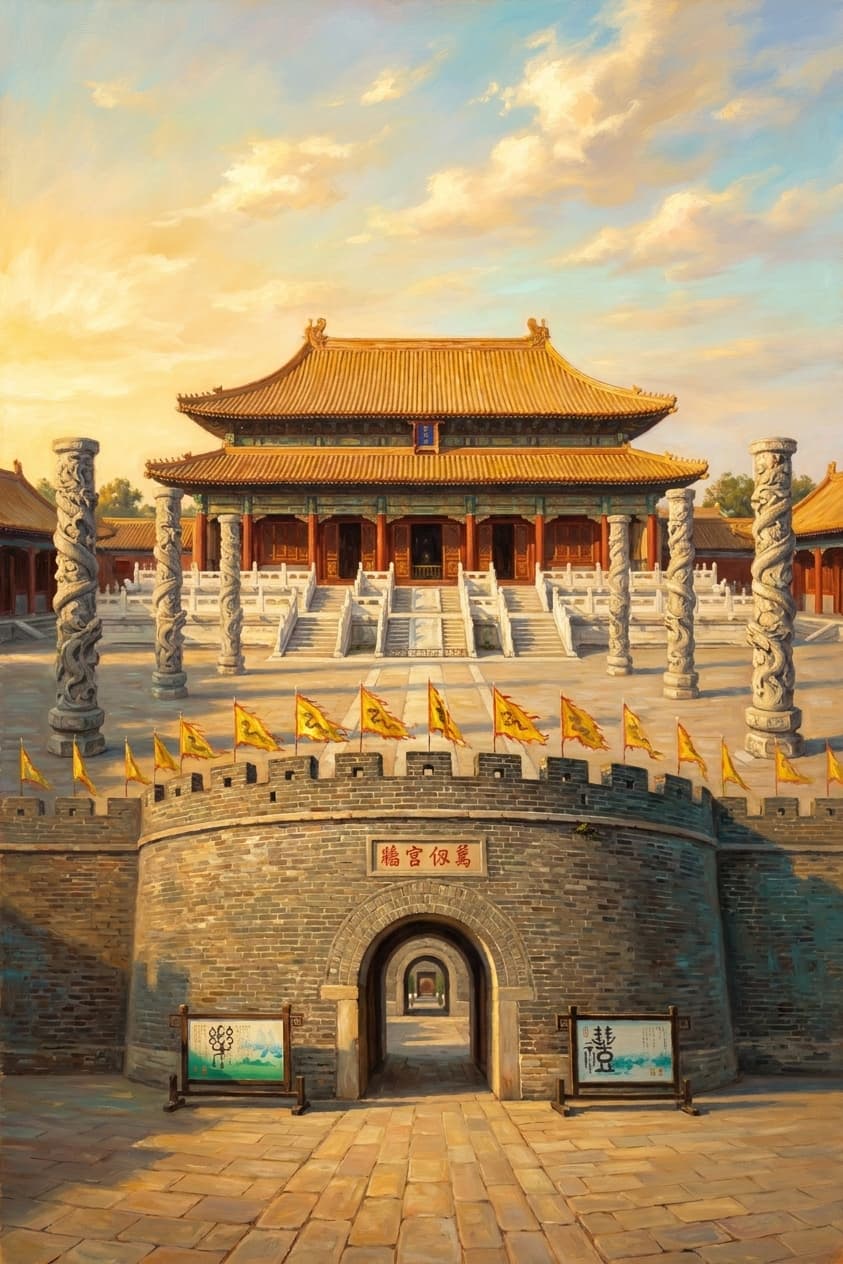
Visiting the Temple of Confucius at Qufu provides an unmissable journey into China's ethical and architectural heart. Guests navigate a grand 1.3-kilometer series of tree-shaded courtyards culminating in the majestic Dacheng Hall. Arriving early allows visitors to experience the morning opening ceremonies and witness quiet reflection among ancient cypress groves.
Highlights
- The dramatic carved dragon columns surrounding Dacheng Hall.
- The ancient Apricot Altar surrounded by historical courtyards.
- The 13 Stele Pavilions featuring stone tortoises and imperial calligraphy.
- The historic Wall of Lu where sacred texts were hidden.
Things to Know
- Wear comfortable walking shoes to traverse the 1.3-kilometer central axis.
- Peak travel occurs on September 28th during the official Grand Sacrificial Ceremony.
- English signage is available, but hiring a local licensed guide enhances understanding of historical steles.
Location
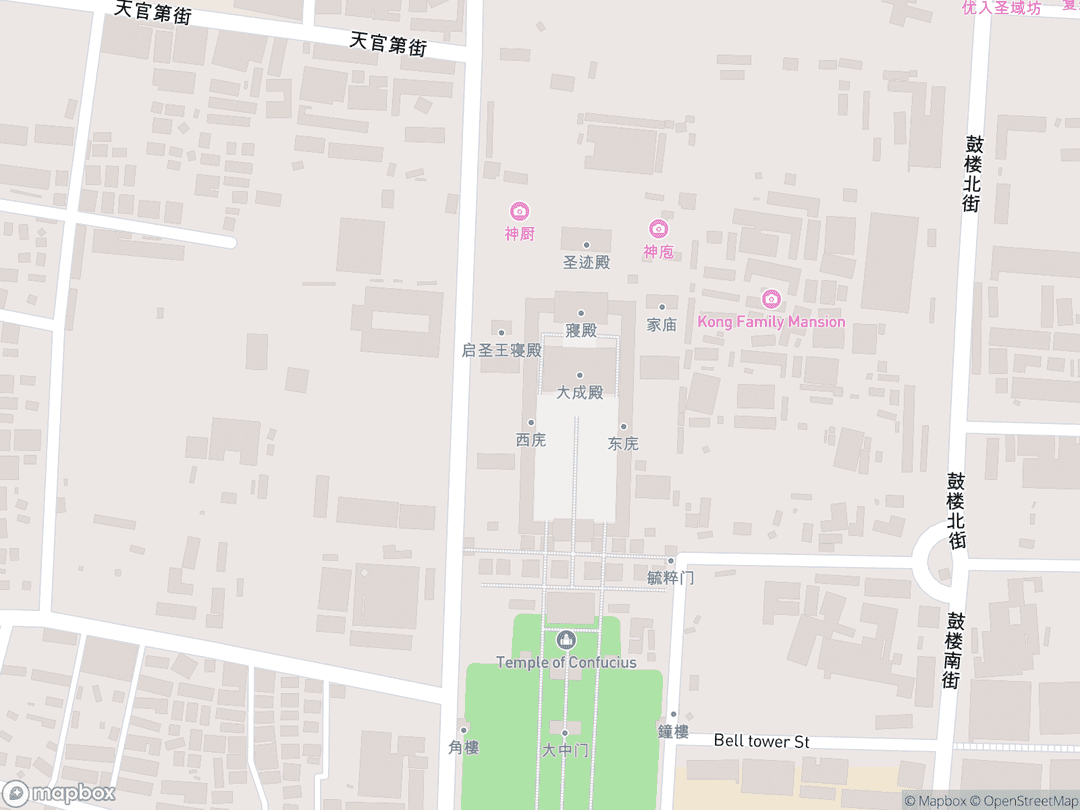
Shendao Road, Ancient City Center, Qufu, Jining City, Shandong Province, China
Hours: Peak Season (Apr 16 – Oct 31): 07:30–17:30; Off-Peak (Nov 1 – Apr 15): 07:30–17:00.
Getting There: Take high-speed rail to Qufu East Railway Station, followed by Express Bus K01 or K05 directly to the Ancient City South Gate.
Get DirectionsTips for Your Visit
Attend the Morning Opening
Arrive at the South Gate by 08:00 AM to watch the costumed Ming-dynasty gate opening ceremony.
Combine the 'San Kong' Sites
Purchase a combo ticket covering the Confucius Temple, Kong Family Mansion, and Cemetery of Confucius.
About
The Temple of Confucius at Qufu stands as the premier ancestral sanctuary dedicated to Kǒng Zǐ (Confucius, 551–479 BCE), the foundational philosopher of East Asian civilization. Consecrated in 478 BCE immediately following the sage's death, the shrine expanded over two millennia from a simple three-room residence into a monumental imperial complex.
Encompassing nine sequential courtyards designed along a 1.3-kilometer north-south axis, the temple architecture models the ceremonial majesty of Beijing's Forbidden City. As China's primary state shrine for Confucian ritual, it embodies the core principles of moral humaneness (Rén), ritual propriety (Lǐ), and filial devotion (Xiào).
Designated a UNESCO World Heritage Site in 1994 alongside the adjacent Kong Family Mansion and Cemetery of Confucius, the site remains an active cultural sanctuary and global pilgrimage destination for students, scholars, and devotees of Confucian philosophy.
Gallery
Symbolic Elements
The temple's exterior features intricate carvings, each rich with spiritual meaning:

Coiled Dragon Columns
Ten deeply carved marble pillars around Dacheng Hall depict coiling dragons, signifying Confucius's revered title as the 'Uncrowned King'.

Apricot Altar
A central pavilion marking the historic location where Confucius instructed his primary disciples beneath an open apricot grove.

Yellow Glazed Roof Tiles
Brilliant imperial ceramic tiles crowning main halls demonstrate the highest state authority granted to the ancestral shrine.

Nine Sequential Courtyards
The nine-stage processional spatial layout represents cosmic order and the supreme tier of imperial ceremonial hierarchy.

Tortoise Pedestals (Bixi)
Monumental stone tortoises supporting commemorative steles symbolize permanence, endurance, and historical memory.

Wall of Lu
A preserved wall section commemorating sacred manuscripts hidden inside double brickwork to survive the imperial book burnings.

Lingxing Gate
A ceremonial four-pillar entrance portal equating the honor of Confucius with formal sacrifices offered directly to Heaven.

Kuiwen Pavilion
A landmark triple-eaved timber library designed specifically to safeguard imperial manuscripts and classic Confucian texts.
Interesting Facts
The temple complex features nine sequential courtyards, utilizing the supreme odd number reserved for imperial royalty. (Tier A)
Dacheng Hall features ten solid stone pillars wrapped in high-relief coiling dragon carvings. (Tier A)
Local legends hold that dragon pillars were wrapped in silk when the Qing Emperor visited to avoid royal envy. (Tier B)
The site contains over 1,000 stone steles mounted on carved tortoise pedestals spanning two millennia. (Tier A)
Kuiwen Pavilion survived a magnitude-8.0 earthquake in 1668 due to its flexible timber bracket engineering. (Tier B)
An ancient cypress tree inside the main courtyard is traditionally held to have been planted by Confucius. (Tier B)
Unlike most Asian Confucian temples displaying only wooden tablets, Qufu features a grand statue of Confucius. (Tier A)
Sacred canonical texts were saved from destruction by being bricked into a double wall in 213 BCE. (Tier A)
Common Questions
Is the Temple of Confucius a active place of religious worship?
It is an active ancestral shrine and state sanctuary dedicated to Confucian moral values and cultural veneration.
When is the best time of year to visit Qufu?
Autumn and spring offer pleasant weather, with September 28 celebrating the Sage's official birthday ceremony.
Can visitors enter the interior of Dacheng Hall?
Visitors can view the sacred statue and ancestral tablets inside Dacheng Hall from designated exterior viewing portals.
How far is the temple from Beijing?
Qufu is easily reached in approximately two to two-and-a-half hours via direct high-speed trains from Beijing.
Featured Stories
The Sacred Manuscripts of the Double Wall
154 BCE
During the devastating Qin Dynasty book burnings of 213 BCE, descendants of Confucius hid sacred classic texts inside the hollow double wall of their ancestral home. Decades later in 154 BCE, workers dismantling part of the residence discovered the preserved manuscripts written in ancient script. This courageous preservation saved foundational texts including the Analects and Classic of Filial Piety for future generations.
Source: Ancient Records of Shandong Preservation
Imperial Respect for the Secret Dragons
1748
When Qing Emperor Qianlong made his imperial pilgrimage to Qufu, local administrators reportedly wrapped Dacheng Hall's ten stone dragon pillars in silk covers. Local records recount that officials feared the sovereign would be offended by masterwork carvings that rivaled the craftsmanship of his own imperial palace. Impressed by the sanctuary's dignity, Qianlong composed royal eulogies that remain inscribed on surrounding stone steles.
Source: Qing Imperial Pilgrimage Records
The Resilience of Kuiwen Pavilion
1668
In 1668, a massive magnitude-8.0 earthquake struck Shandong province, destroying thousands of masonry homes and fortresses across the region. The grand wooden structure of Kuiwen Pavilion, built in 1191 using flexible interlocking timber bracket sets, absorbed the shockwaves and survived intact. Today it stands as a testament to ancient Chinese structural engineering and timber framing mastery.
Source: Shandong Historical Architectural Survey
Timeline
Initial Shrine Consecration
Duke Ai of Lu converts Confucius's three-room home into an ancestral shrine one year after his death.
DedicationFirst Imperial Sacrifice
Emperor Gaozu of Han visits Qufu and offers the Grand Sacrifice to Confucius, setting imperial precedent.
MilestoneDiscovery of Hidden Classics
Sacred texts hidden during the Qin book burnings are uncovered inside a double wall of the house.
EventNationwide Temple Decree
Tang Emperor Taizong orders every prefecture to build a Confucius temple with Qufu as the mother site.
MilestoneConstruction of Dacheng Hall
Song Emperor Zhenzong orders a grand expansion and builds the first Hall of Great Accomplishment.
RenovationErection of Kuiwen Pavilion
The Jurchen Jin Dynasty constructs Kuiwen Hall as a triple-eaved wooden library for rare manuscripts.
RenovationMing Dynasty Reconstruction
Following a major fire, Ming Emperor Hongzhi rebuilds the complex to mirror Beijing's Imperial Palace.
RenovationQing Imperial Rebuild
Emperor Yongzheng authorizes imperial yellow roof tiles and restores Dacheng Hall after a lightning fire.
RenovationCultural Revolution Impact
Portions of the temple complex and historical artifacts sustain damage during local political unrest.
EventUNESCO World Heritage Inscription
The temple, cemetery, and family mansion at Qufu are inscribed on the UNESCO World Heritage list.
MilestoneArchitecture & Facilities
The Temple of Confucius at Qufu represents the pinnacle of Chinese imperial ritual architecture, incorporating Ming and Qing dynasty structural design along a strict 1.3-kilometer north-south processional axis. Modeled explicitly after the Forbidden City, the complex utilizes yellow glazed roof tiles, red timber framing, and grand marble terraces to reflect supreme state reverence for the Sage.
Building Materials
Timber Framework
Interlocking wooden bracket sets (dougong) support heavy double-eaved hip roofs.
Glazed Roof Tiles
Imperial yellow ceramic tiles crown all primary central halls and ceremonial pavilions.
Marble Substructures
Carved white marble terraces and balustrades elevate the central sacrificial halls.
Carved Granite Columns
Monolithic stone pillars surround the central sanctuary carved with intricate high-relief dragons.
Interior Features
Dacheng Hall Main Chamber
Houses a 3.35-meter statue of Confucius flanked by ancestral tablets of his principal disciples.
Kuiwen Pavilion Library
A three-story timber interior constructed to store rare manuscripts and imperial calligraphy rolls.
Hall of Odes and Rites
A dedicated hall reserved for instructional lectures and study of classical ritual texts.
Shengji Hall
Contains 120 stone engravings depicting sequential biographical scenes from the life of Confucius.
Temple Grounds
The walled complex features over 1,000 ancient cypress and pine trees spanning centuries, flanked by processional paths, 13 monumental stele pavilions housing tortoise-borne stones, and stone portals opening into nine distinct courtyards.
Additional Facilities
Includes the neighboring Kong Family Mansion administrative complex, a heritage museum displaying ancient ritual instruments, and official visitor reception halls.
Religious Significance
The Temple of Confucius at Qufu serves as the spiritual heart of Confucian ancestral veneration, functioning not as a temple to a deity, but as the supreme state sanctuary honoring humanity's ultimate moral teacher.
To preserve moral tradition, perform state sacrificial rites (Jikong), and cultivate virtue through ancestral memory and ethical education.
Sacred Ordinances
Jikong Sacrificial Rite
Solemn state ceremony incorporating offerings of wine, incense, and classical music to honor the Sage.
Bayi Dance
An eight-row ritual dance performed by 64 dancers reflecting ultimate cosmological order and propriety.
Veneration of Ancestors
Formal bowings and incense offerings before ancestral tablets to renew personal commitments to filial piety.
The Concept of Wanshi Shibiao
Confucius is venerated as the 'Sacred Model for Ten Thousand Generations,' establishing ethics rooted in humaneness, wisdom, and social harmony.
The Role of State Pilgrimage
For over two millennia, Chinese emperors conducted personal pilgrimages to Qufu to solidify political legitimacy through moral alignment with Confucian values.
Sources & Research
Every fact on Temples.org is backed by verified Sources & Research. Each piece of information is rated by source tier and confidence level.
View All Sources (8)
| Field | Source | Tier | Retrieved |
|---|---|---|---|
| About & Historical Background | UNESCO World Heritage Centre (opens in a new tab) | B | 2026-01-30 |
| About & Historical Background | Encyclopædia Britannica (opens in a new tab) | B | 2026-01-30 |
| Architecture & Structural Design | Shandong Provincial Department of Culture and Tourism (opens in a new tab) | A | 2026-01-30 |
| Visitor Insights & Access | Qufu Municipal People's Government (opens in a new tab) | A | 2026-01-30 |
| Religious Significance & Rites | Ministry of Culture and Tourism of the People's Republic of China (opens in a new tab) | A | 2026-01-30 |
| Architecture & Structural Design | Tsinghua University School of Architecture (opens in a new tab) | B | 2026-01-30 |
| Timeline & Historical Events | The Palace Museum, Beijing (opens in a new tab) | B | 2026-01-30 |
| Timeline & Historical Events | National Museum of China (opens in a new tab) | B | 2026-01-30 |