Visitor Insights
Visiting Wudang Mountains
Visiting the Wudang Mountains offers a unique opportunity to experience the beauty of Taoist architecture and the serenity of the natural landscape. The mountains are accessible year-round, but the best time to visit is during the spring, summer, and autumn months. Visitors can explore the ancient temples, hike through the scenic landscape, and learn about the rich cultural heritage of this sacred site.
Highlights
- Explore the Golden Hall on Tianzhu Peak
- Visit the Purple Cloud Temple, the spiritual heart of the Wudang complex
- Hike through the scenic landscape and enjoy the natural beauty of the mountains
Things to Know
- Wear comfortable shoes for hiking
- Bring sunscreen and a hat to protect yourself from the sun
- Be respectful of the religious customs and traditions of the Taoist temples
Location
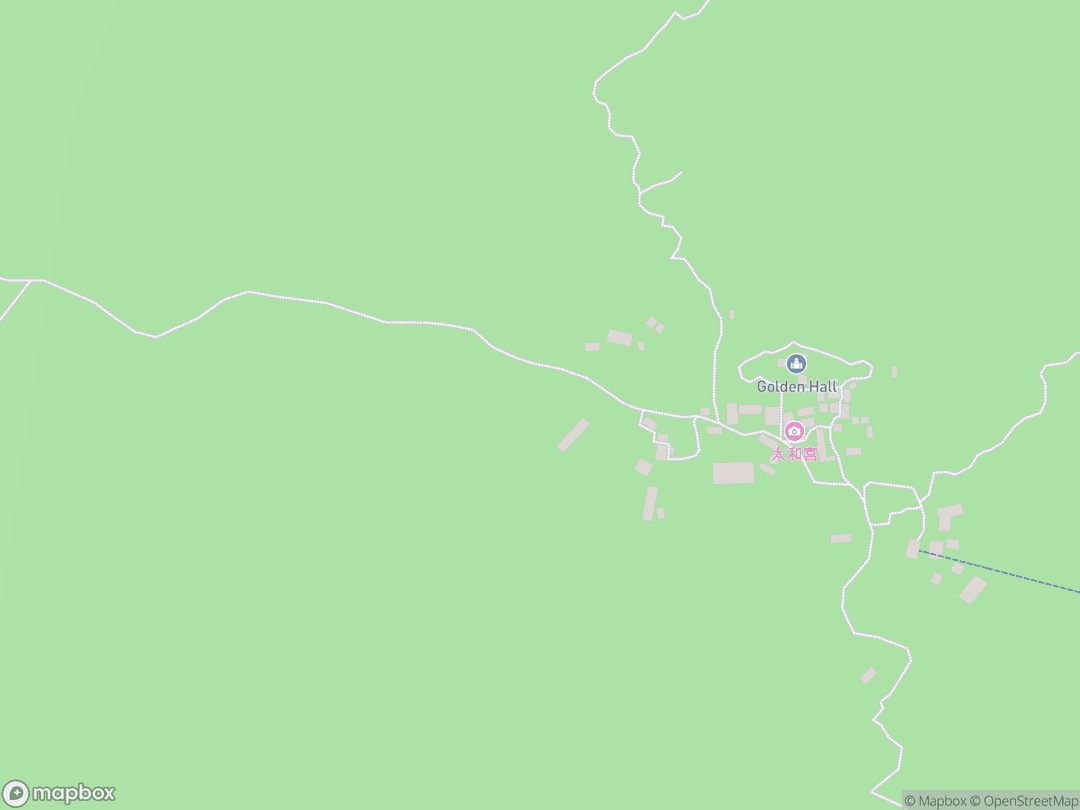
Shiyan City, Hubei Province, China
Hours: 07:30-17:00 (last entry: 16:30)
Getting There: Accessible by train to Wudang Mountain Station or Wudang Mountain West Station, bus from Shiyan or Xiangfan, or airplane to Shiyan Wudangshan Airport.
Get DirectionsTips for Your Visit
Best Time to Visit
The best time to visit the Wudang Mountains is during the spring, summer, and autumn months when the weather is mild and the scenery is at its most beautiful.
What to Wear
Wear comfortable shoes for hiking and bring sunscreen and a hat to protect yourself from the sun.
Respectful Attire
Dress respectfully when visiting the temples. Avoid wearing shorts, tank tops, or other revealing clothing.
About
The Wudang Mountains, located in northwestern Hubei Province, China, are a UNESCO World Heritage Site and one of the Four Sacred Mountains of Taoism. Stretching for 800 miles, the mountains are known for their stunning natural scenery, ancient temples, and as the legendary birthplace of Tai Chi. For centuries, Wudang has been a center for Taoist worship, study, and martial arts practice, attracting pilgrims and visitors from around the world.
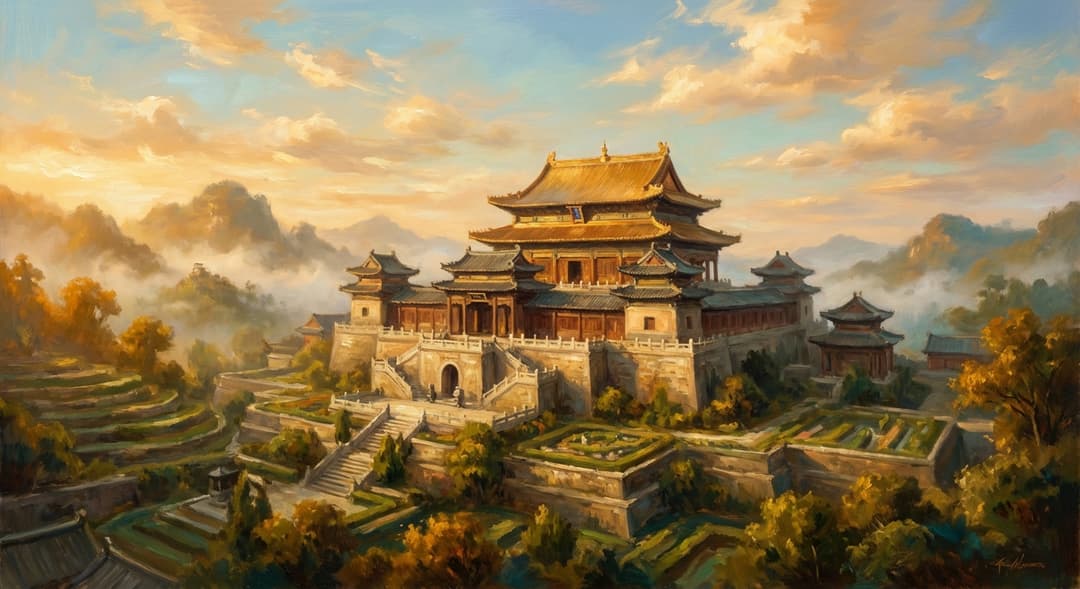
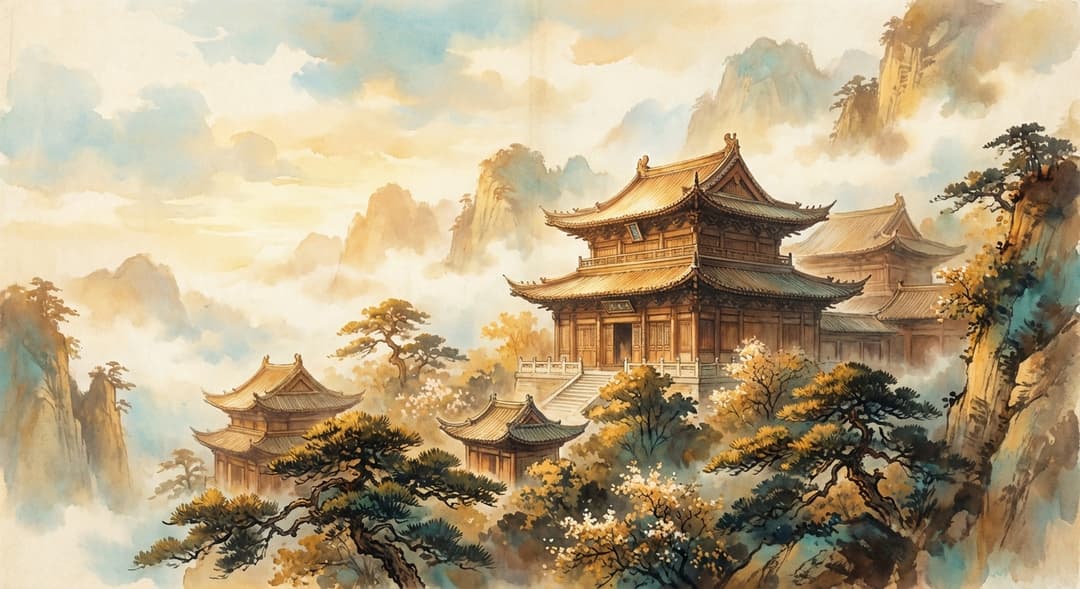
The architectural complex in the Wudang Mountains represents the artistic and architectural achievements of the Yuan, Ming, and Qing dynasties. Temples and palaces are strategically built on peaks, in ravines, and on cliffs, blending seamlessly with the natural landscape. Key structures include the Golden Hall on Tianzhu Peak, Nanyan Palace built into a cliff face, and the Purple Cloud Temple, the spiritual heart of the Wudang complex.
Throughout history, Wudang Mountain has been revered by emperors and religious practitioners alike. The first temple was constructed during the Tang Dynasty, and the mountain reached its peak during the Ming Dynasty when Emperor Chengzu commissioned a massive building complex. Despite periods of decline and damage, the Wudang Mountains have been restored and recognized for their cultural and historical significance.
Today, the Wudang Mountains continue to be a vibrant center for Taoism and martial arts. Visitors can explore the ancient temples, hike through the scenic landscape, and learn about the rich cultural heritage of this sacred site. The mountains offer a unique blend of natural beauty, historical significance, and spiritual inspiration.
Gallery
Symbolic Elements
The temple's exterior features intricate carvings, each rich with spiritual meaning:

Tao (Dao)
The Tao, meaning 'the way' or 'the path,' is the origin of all creation and the force behind all changes in the natural world. Taoists seek harmony with the Tao through simplicity, peace, and retreat into nature, reflecting a deep connection to the universe.
Xuantian Shangdi (Emperor Zhenwu)
Xuantian Shangdi, also known as Emperor Zhenwu, is the Lord of the North and a major Taoist deity closely associated with Wudang. Many structures within the mountains contain stories and depictions related to him, highlighting his importance in Taoist mythology and worship.

Tai Chi
Wudang is considered the cradle of Tai Chi, a martial art emphasizing internal strength, flexibility, and balance. Legend says it was created by Zhang Sanfeng, a Taoist monk who lived in the mountains, blending martial arts with Taoist philosophy.
Harmony with Nature
The architecture and layout of the temples in the Wudang Mountains reflect the Taoist ideal of living in harmony with the natural world. Temples are strategically built on peaks, in ravines, and on cliffs, blending seamlessly with the landscape and emphasizing the connection between humanity and nature.
Golden Hall (Jinding)
The Golden Hall, located on Tianzhu Peak, is a masterpiece of gilded bronze architecture symbolizing the spiritual heart of the Wudang Mountains. Built in 1416, it represents the artistic and architectural achievements of the Ming Dynasty and the reverence for Taoist deities.
Purple Cloud Temple (Zixiao Palace)
The Purple Cloud Temple, also known as Zixiao Palace, is a main temple and spiritual heart of the Wudang complex. It serves as a center for Taoist worship and study, attracting pilgrims and visitors seeking spiritual enlightenment and connection to Taoist traditions.
Five Dragon Temple (Wulong Shrine)
The Five Dragon Temple, or Wulong Shrine, is the oldest structure in the Wudang Mountains, built during the Tang Dynasty. It represents the beginning of Taoism's prosperity in the area and serves as a historical landmark showcasing the evolution of Taoist architecture.
Nanyan Palace (South Cliff Palace)
Nanyan Palace, or South Cliff Palace, is built into the cliff face, exemplifying the harmony between architecture and nature. This unique construction reflects the Taoist ideal of integrating human creations with the natural landscape, creating a seamless blend of spirituality and environment.
Interesting Facts
Wudang Mountains are considered one of the 'Four Sacred Mountains of Taoism' in China.
Wudang Mountain stretches for 800 miles.
The name 'Wudang' comes from a quote about martial arts providing resistance.
During the Ming Dynasty, 9 palaces, 9 monasteries, 36 nunneries, and 72 temples were located at the site.
Wudang Kung Fu emphasizes the mind and spirit as the source of strength.
The Golden Hall is made of gold-leafed copper.
Wudang is home to over 5,000 cultural relics.
The mountains have 72 peaks, 24 streams, 11 caves, and ponds.
Wudang Mountain is known for its combination of natural and cultural scenery.
The Wudang Mountains served as a defensive location as early as the 8th-5th centuries BC.
Common Questions
What are the Wudang Mountains known for?
The Wudang Mountains are known for being one of the Four Sacred Mountains of Taoism in China, a UNESCO World Heritage Site, and the legendary birthplace of Tai Chi. They are famous for their stunning natural scenery, ancient temples, and rich cultural heritage.
When is the best time to visit the Wudang Mountains?
The best time to visit the Wudang Mountains is during the spring, summer, and autumn months when the weather is mild and the scenery is at its most beautiful. The mountains are accessible year-round, but these seasons offer the most pleasant conditions for hiking and exploring.
How do I get to the Wudang Mountains?
The Wudang Mountains are accessible by train to Wudang Mountain Station or Wudang Mountain West Station, by bus from Shiyan or Xiangfan, or by airplane to Shiyan Wudangshan Airport. From these transportation hubs, you can take local buses or taxis to the mountain area.
What should I wear when visiting the Wudang Mountains?
When visiting the Wudang Mountains, it is recommended to wear comfortable shoes for hiking, as there is a lot of walking involved. It is also advisable to bring sunscreen and a hat to protect yourself from the sun. When visiting the temples, dress respectfully, avoiding shorts, tank tops, or other revealing clothing.
What are some of the key structures to see in the Wudang Mountains?
Some of the key structures to see in the Wudang Mountains include the Golden Hall on Tianzhu Peak, Nanyan Palace built into the cliff face, the Purple Cloud Temple, the Five Dragon Temple, and the Yuxu Palace. Each of these structures offers a unique glimpse into the history and architecture of the Wudang Mountains.
What is the significance of Tai Chi in the Wudang Mountains?
The Wudang Mountains are considered the cradle of Tai Chi, a martial art emphasizing internal strength, flexibility, and balance. Legend says it was created by Zhang Sanfeng, a Taoist monk who lived in the mountains. Today, visitors can learn and practice Tai Chi in the Wudang Mountains, experiencing the connection between martial arts and Taoist philosophy.
Related Stories
Explore the rich history, traditions, and people connected to this sacred site.
Featured Stories
The Legend of Zhang Sanfeng and the Creation of Tai Chi
12th Century
The Wudang Mountains are steeped in legend, and one of the most enduring is the story of Zhang Sanfeng, a Taoist monk credited with creating Tai Chi. According to tradition, Zhang Sanfeng lived in the Wudang Mountains during the 12th century, dedicating himself to the pursuit of Taoist principles and martial arts.
One day, Zhang Sanfeng witnessed a battle between a snake and a crane. He observed how the snake's fluid, yielding movements allowed it to evade the crane's aggressive attacks. Inspired by this observation, Zhang Sanfeng developed a new martial art that emphasized internal strength, flexibility, and balance, rather than brute force.
This martial art, known as Tai Chi, became a cornerstone of Wudang's martial arts tradition, blending physical discipline with Taoist philosophy. Today, visitors to the Wudang Mountains can learn and practice Tai Chi, experiencing the connection between martial arts and spiritual enlightenment.
Source: Wudang Kung Fu
The Construction of the Golden Hall on Tianzhu Peak
1416 AD
The Golden Hall, located on Tianzhu Peak, stands as a testament to the artistic and architectural achievements of the Ming Dynasty. Its construction in 1416 was a monumental undertaking, requiring skilled artisans and laborers to transport materials and erect the gilded bronze structure on the mountain's summit.
The Golden Hall was commissioned by Emperor Chengzu (Yongle) as part of a larger building complex aimed at solidifying Wudang's status as a 'royal temple.' The hall was meticulously crafted with intricate details and covered in gold leaf, symbolizing the spiritual heart of the Wudang Mountains.
Today, the Golden Hall remains one of the most iconic landmarks in the Wudang Mountains, attracting visitors and pilgrims who marvel at its beauty and significance. It serves as a reminder of the dedication and craftsmanship that went into creating this sacred space.
Source: China Highlights
The Resilience of Taoism During the Cultural Revolution
1966–1976
The Cultural Revolution (1966–1976) was a tumultuous period in Chinese history, and the Wudang Mountains were not spared from its impact. Many monasteries were damaged, ancient writings and sacred books of Taoism were burned, temples were destroyed, and monks were sent to labor camps.
Despite the widespread destruction, the spirit of Taoism in the Wudang Mountains remained unbroken. Some monks managed to preserve sacred texts and traditions in secret, while others continued to practice their faith in the face of adversity. The resilience of these individuals helped ensure the survival of Taoism in the Wudang Mountains.
After the Cultural Revolution, restoration efforts were undertaken to revive the Wudang Mountains, leading to its recognition as a protected site and the revitalization of Taoist practices. The story of the Cultural Revolution serves as a reminder of the challenges faced by Taoism and the enduring strength of its followers.
Source: UNESCO
Timeline
Early Religious Activities
Wudang Mountains become an important site for early religious activities.
EventConstruction of Five Dragons Temple
The first temple, Five Dragons Temple (Wulong Shrine), was constructed under Emperor Taizong, marking the beginning of Taoism's prosperity in the area.
MilestoneImperial Family Reverence
The imperial family revered the god of Taoism, Emperor of Zhenwu, who took Wudang Mountain as his shrine, further enhancing the mountain's religious significance.
EventConstruction of Nanyang Palace
Nanyang Palace was built between 1285 and 1310, and the area was officially sealed as the 'Wudang Blessed Land,' solidifying its sacred status.
MilestonePeak of Wudang Mountain's Influence
Wudang Mountain reached its peak during the Ming Dynasty, with Emperor Chengzu (Yongle) commissioning a massive building complex that included numerous palaces, observatories, monasteries, and temples.
MilestoneConstruction of the Golden Hall
The Golden Hall, a masterpiece of gilded bronze architecture, was built on Tianzhu Peak, symbolizing the spiritual heart of the Wudang Mountains.
MilestoneRepairs and Expansion
Repairs and expansions continued during the Qing Dynasty, but Taoism witnessed a gradual decline, impacting the mountain's religious activities.
RenovationDamage to Monasteries
Many monasteries were damaged during the Cultural Revolution, with ancient writings and sacred books of Taoism burned, temples destroyed, and monks sent to labor camps.
RenovationRestoration and Recognition
Restoration efforts were undertaken to revive the Wudang Mountains, leading to its recognition as a protected site and the revitalization of Taoist practices.
RenovationUNESCO World Heritage Site Designation
The Wudang Mountains were designated a UNESCO World Heritage Site, recognizing their outstanding universal value and cultural significance.
MilestoneFire at Yuzhengong Palace
A fire broke out at Yuzhengong Palace, causing damage to one of the key structures within the Wudang Mountains complex.
EventDefensive Location
The Wudang Mountains served as a defensive location as early as the 8th-5th centuries BC, highlighting their strategic importance throughout history.
EventFire at Yuxu Palace
The largest complex, Yuxu Palace, was ruined in a fire.
EventNanyang Palace Built
Construction of Nanyang Palace.
MilestoneGolden Hall Built
The Golden Hall was built.
MilestoneHistory by Decade
Spring and Autumn Period (770-476 BC)
During the Spring and Autumn Period, the Wudang Mountains began to emerge as a site of religious significance. The natural beauty and serene environment of the mountains attracted early Taoist practitioners who sought to connect with the Tao through meditation and contemplation. While concrete historical records from this era are scarce, archaeological evidence suggests that the mountains were already recognized as a sacred space.
Tang Dynasty (618-907 AD)
The Tang Dynasty marked a significant turning point in the history of the Wudang Mountains with the construction of the first temple, the Five Dragons Temple (Wulong Shrine), under Emperor Taizong. This event signaled the beginning of Taoism's prosperity in the area, as the imperial court began to recognize and support the mountain's religious importance. The construction of the Five Dragons Temple laid the foundation for future architectural and spiritual developments in the Wudang Mountains.
Yuan Dynasty (1271-1368)
During the Yuan Dynasty, the Wudang Mountains continued to gain prominence as a center of Taoist worship and practice. The construction of Nanyang Palace between 1285 and 1310 further enhanced the mountain's architectural landscape. In recognition of its sacred status, the area was officially sealed as the "Wudang Blessed Land," solidifying its position as a revered site for Taoists and pilgrims.
Ming Dynasty (1368-1644)
The Ming Dynasty represents the peak of Wudang Mountain's influence and architectural development. Emperor Chengzu (Yongle) commissioned a massive building complex that included numerous palaces, observatories, monasteries, and temples. This ambitious project transformed the Wudang Mountains into a "royal temple," the largest Taoist rite nationwide, and a symbol of imperial patronage and religious devotion.
Qing Dynasty
During the Qing Dynasty, the Wudang Mountains experienced a period of relative stability and continued development, although Taoism witnessed a gradual decline in influence. Repairs and expansions were undertaken to maintain the existing structures, but the mountain's religious activities and imperial support diminished compared to the Ming Dynasty.
1966–1976 (Cultural Revolution)
The Cultural Revolution brought significant challenges to the Wudang Mountains, as many monasteries were damaged, ancient writings and sacred books of Taoism were burned, temples were destroyed, and monks were sent to labor camps. This tumultuous period threatened the survival of Taoism in the Wudang Mountains, but the resilience of its followers helped preserve its traditions and practices.
1982–2012
In the aftermath of the Cultural Revolution, restoration efforts were undertaken to revive the Wudang Mountains and restore its cultural and religious heritage. The mountain was recognized as a protected site, and efforts were made to revitalize Taoist practices and attract visitors. This period marked a turning point in the history of the Wudang Mountains, as it began to reclaim its status as a sacred and cultural landmark.
Architecture & Facilities
The Wudang Mountains architectural complex represents one of China's most remarkable achievements in sacred architecture, spanning nearly a millennium from the Tang Dynasty (7th century) through the Qing Dynasty. The buildings exemplify imperial-scale Taoist palatial architecture, designed to embody the principle of "unity of heaven and man" (天人合一). Structures are strategically sited on peaks, cliffs, ravines, and along mountain ridgelines following feng shui principles, creating a sacred landscape where architecture and nature become inseparable. During the Ming Dynasty, Emperor Chengzu (Yongle) commissioned the most ambitious building program in the complex's history, constructing 9 palaces, 9 monasteries, 36 nunneries, and 72 temples — transforming Wudang into the largest Taoist ritual center in China and a "royal temple" rivaling the Forbidden City in ambition. The architectural techniques range from traditional Chinese timber-frame construction to monumental bronze casting and rock-carved cliff dwellings, demonstrating mastery across multiple building traditions.
Building Materials
Gilded Bronze (Golden Hall)
The Golden Hall atop Tianzhu Peak is cast entirely from bronze and covered in gold leaf, weighing over 80 tons. Its tiles, rafters, ridgepoles, beams, and gates are all cast bronze mimicking timber-frame construction. Components were prefabricated in Beijing, transported via the Grand Canal, and assembled on the summit using precise riveting and welding techniques.
Granite and Local Stone
Locally quarried granite forms the foundations and base structures throughout the complex, including the twelve stone lotus-based columns supporting the Golden Hall. The Xuanyue Gate, a monumental stone gateway built in 1522, marks the ceremonial entrance to the sacred mountains.
Chinese Fir and Hardwood (Timber Frame)
Traditional Chinese timber-frame construction using massive wooden pillars and beams is employed in the Purple Cloud Temple and other palatial structures. Colossal wooden columns support the Purple Heaven Hall, showcasing Ming Dynasty carpentry at its finest.
Cliff-Carved Stone (Nanyan Palace)
Nanyan Palace (South Cliff Palace) is unique — its hall-pillars, beams, arches, gates, and windows are carved directly from the living rock of the cliff face. This technique creates seamless integration between architecture and geology, embodying Taoist harmony with nature.
Glazed Ceramic Tiles
Imperial-grade glazed ceramic tiles in green, yellow, and blue cover the roofs of the major palaces, following the color hierarchy of Chinese imperial architecture. The double-eaves roofs feature detailed ceramic depictions of gods, mythical creatures, and animals.
Gilded Iron (Nanyan Palace Statues)
Nanyan Palace contains 500 gilded iron statues of heavenly officials, each approximately 30 cm tall, renowned for their lifelike proportions and fine craftsmanship.
Interior Features
Golden Hall Altar and Statuary
The interior of the Golden Hall houses bronze statues of Xuantian Shangdi (Zhenwu) and attending deities, along with brass altars and sacrificial vessels — all cast in the same gilded bronze as the structure itself.
Purple Heaven Hall (Main Worship Hall)
The central hall of the Purple Cloud Temple serves as the primary space for Taoist rituals, scripture study, and worship. Features include massive wooden pillars, intricate ceiling carvings with cloud patterns and spirals, and carved depictions of dragons and phoenixes.
Dragon and Tiger Hall
A ceremonial entrance hall within the Purple Cloud Temple complex, featuring guardian deity statues and symbolic carvings representing the protective spirits of Taoism.
Monks' Quarters and Meditation Halls
Living quarters and dedicated meditation spaces throughout the complex support the resident monastic community and visiting practitioners studying Taoist philosophy and martial arts.
Scripture Libraries and Archives
Several temples house collections of Taoist scriptures, sacred texts, and cultural relics, some dating back to the 7th century Tang Dynasty. Many were hidden during the Cultural Revolution to preserve them from destruction.
Martial Arts Training Halls
Dedicated training spaces where Wudang martial arts — including Tai Chi, Wudang Sword, and internal kung fu — are taught and practiced, continuing a tradition spanning centuries.
Temple Grounds
The Wudang Mountains complex spans a vast sacred landscape encompassing 72 peaks, 24 streams, 11 caves, and numerous ponds, with Tianzhu Peak (1,612 meters) as its crown. Ancient stone stairways and pilgrim paths wind through dense forests, connecting the major temple complexes across the mountainous terrain. A modern cable car system provides access to the Golden Summit, while scenic overlooks along the mountain roads offer panoramic views of the temple rooftops emerging from mist-shrouded valleys below. The complex is organized along an ascending spiritual axis — visitors begin at the Xuanyue Gate at the mountain's base, ascending through progressively more sacred spaces until reaching the Golden Hall at the summit. Major complexes along the route include the Purple Cloud Temple on Zhanqi Peak, Nanyan Palace built into the southern cliff, and the ruins of the once-grand Yuxu Palace (destroyed by fire in 1745). The integration of built structures with the natural landscape follows Taoist geomantic principles (feng shui), with each temple precisely positioned to harmonize with the surrounding peaks, water flows, and wind patterns.
Additional Facilities
The Wudang Mountains Martial Arts Cultural Center serves as the primary venue for international martial arts competitions, Taoist cultural conferences, and academic seminars on Wudang heritage. Adjacent visitor centers at the mountain base provide orientation, cultural exhibits, and access to guided tours of the temple complex.
Religious Significance
The Wudang Mountains are a sacred site of Taoism, reflecting Taoist beliefs and cosmology. The mountains are associated with the deity Xuantian Shangdi (Emperor Zhenwu), and are considered the cradle of Tai Chi.
The purpose of the Wudang Mountains is to provide a space for Taoist worship, study, and martial arts practice, promoting harmony with nature and spiritual enlightenment.
Sacred Ordinances
Meditation
Meditation is a key practice in Taoism, allowing practitioners to connect with the Tao and cultivate inner peace.
Tai Chi
Tai Chi is a martial art that emphasizes internal strength, flexibility, and balance, promoting physical and spiritual well-being.
Taoist Rituals
Taoist rituals are performed to honor deities, seek blessings, and maintain harmony with the natural world.
Harmony with Nature
The architecture and layout of the temples reflect the Taoist ideal of living in harmony with the natural world.
Spiritual Enlightenment
The Wudang Mountains provide a space for spiritual seekers to connect with the Tao and achieve enlightenment.
Martial Arts
The Wudang Mountains are a center for Taoist martial arts, emphasizing internal strength and spiritual discipline.
Similar Temples
Sources & Research
Every fact on Temples.org is backed by verified Sources & Research. Each piece of information is rated by source tier and confidence level.
View All Sources (11)
| Field | Source | Tier | Retrieved |
|---|---|---|---|
| Wudang Mountains UNESCO World Heritage Listing | UNESCO World Heritage Centre (opens in a new tab) | B | 2026-02-13 |
| Ancient Building Complex — UNESCO Full Description | UNESCO World Heritage Centre (opens in a new tab) | B | 2026-02-13 |
| Golden Hall Architecture and Construction | Chinese Academy of Sciences (opens in a new tab) | A | 2026-02-13 |
| Wudang Mountains Cultural Heritage | Hubei Provincial Government (opens in a new tab) | A | 2026-02-13 |
| Wudang Mountains Ancient Architecture | Ministry of Culture of the People's Republic of China (opens in a new tab) | A | 2026-02-13 |
| Wudang Temple Complex — Architectural Analysis | China Daily (opens in a new tab) | B | 2026-02-13 |
| Spatial Patterns of Wudang Temple Complexes (GIS Study) | MDPI — Multidisciplinary Digital Publishing Institute (opens in a new tab) | B | 2026-02-13 |
| Nanyan Palace — Architecture and Sacred Space | Dean Francis Press — Academic Papers (opens in a new tab) | B | 2026-02-13 |
| World Heritage Training and Research Institute | WHITR-AP (UNESCO Category II Centre) (opens in a new tab) | B | 2026-02-13 |
| Wudang Kung Fu History and Tradition | Wudang Kung Fu (opens in a new tab) | B | 2026-02-13 |
| Wudang Mountains Travel and Visitor Information | China Fetching (opens in a new tab) | C | 2026-02-13 |