Visitor Insights
Visiting Sanctuary of Las Lajas
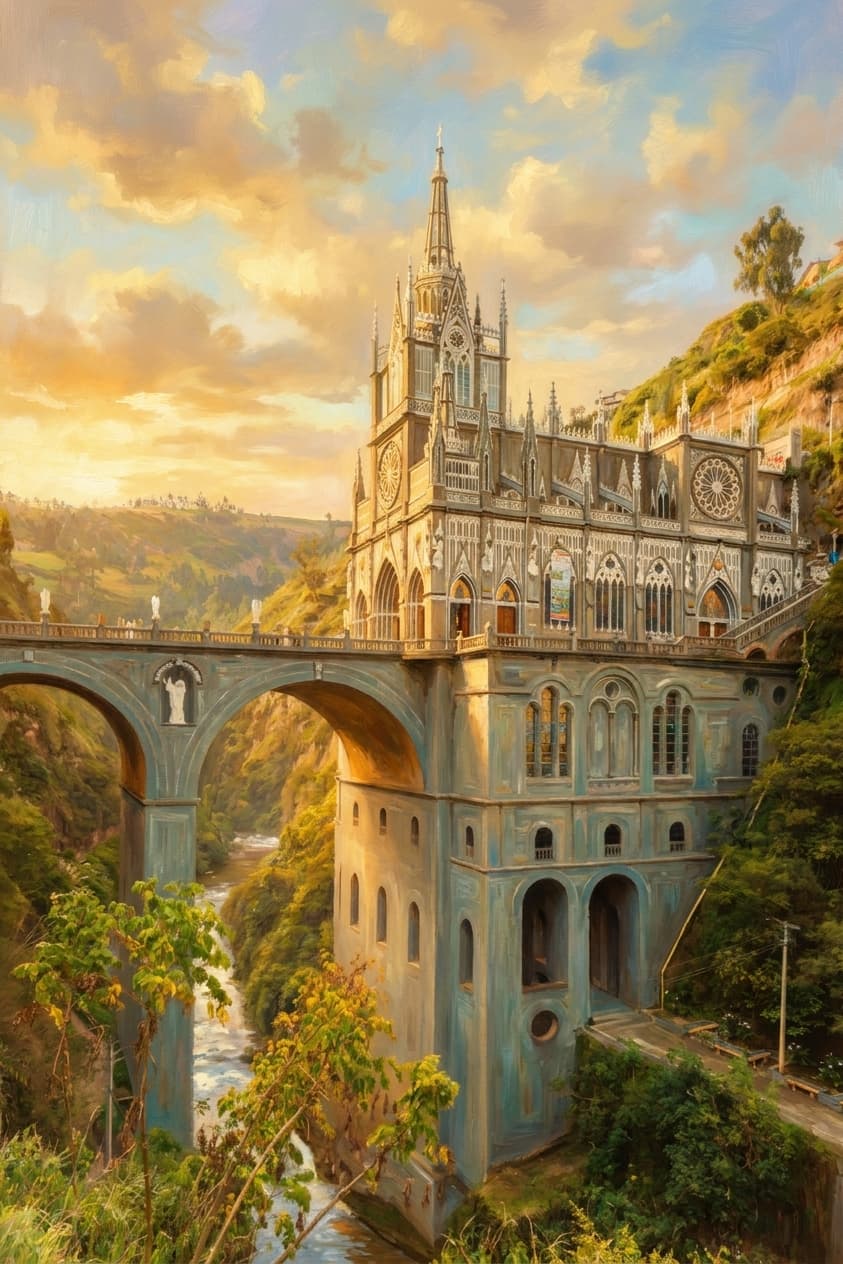
Visiting the Sanctuary of Las Lajas is a truly unforgettable experience. The basilica's stunning neo-Gothic architecture, combined with its dramatic location within the Guáitara River canyon, creates an atmosphere of awe and reverence. Visitors can expect to be amazed by the church's intricate details, the colorful stained-glass windows, and the breathtaking views of the surrounding landscape. The sanctuary offers a peaceful and spiritual environment for reflection and contemplation.
Highlights
- Marvel at the neo-Gothic architecture of the basilica.
- Witness the stunning views of the Guáitara River canyon.
- Experience the spiritual atmosphere of this pilgrimage site.
Things to Know
- The path to the sanctuary involves inclines and steps.
- Weekdays are recommended to avoid crowds.
- Exercise caution in Ipiales at night.
Location
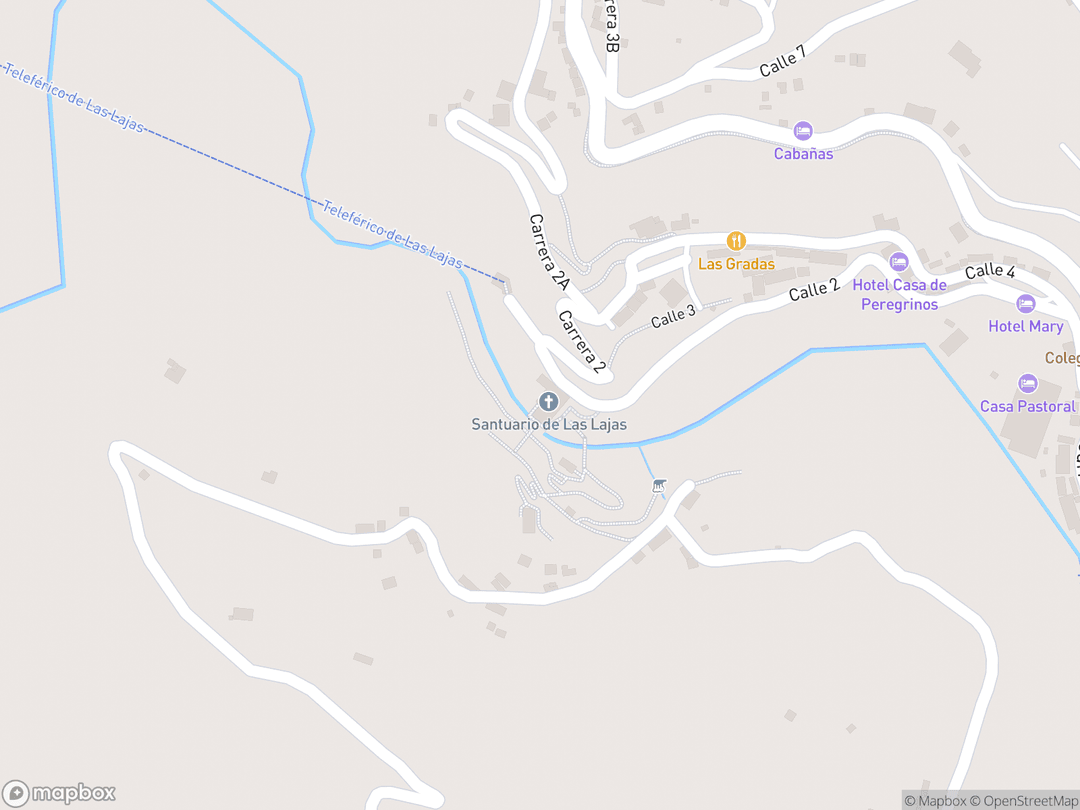
Ipiales, Nariño Department, Colombia
Hours: Open daily from 9 am to 6 pm.
Getting There: Fly to Pasto airport, then travel to Ipiales. From Ipiales, take a taxi or colectivo to Las Lajas. A cable car offers an alternative route to the sanctuary.
Get DirectionsAbout
The Sanctuary of Las Lajas, also known as the National Shrine Basilica of Our Lady of Las Lajas, is a breathtaking Catholic church located in southern Colombia, near the border with Ecuador. This architectural marvel is nestled within the canyon of the Guáitara River, creating a dramatic and awe-inspiring setting. The basilica is not only a significant religious site but also a testament to human ingenuity and devotion.
The sanctuary's origins are rooted in local legend, dating back to the mid-18th century. According to the story, the Virgin Mary appeared to Maria Mueses de Quiñones and her deaf-mute daughter, Rosa, during a storm. Rosa, who had never spoken before, exclaimed that "the Mestiza is calling me," referring to the image of the Virgin illuminated by lightning. This miraculous event inspired the construction of a shrine on the site.
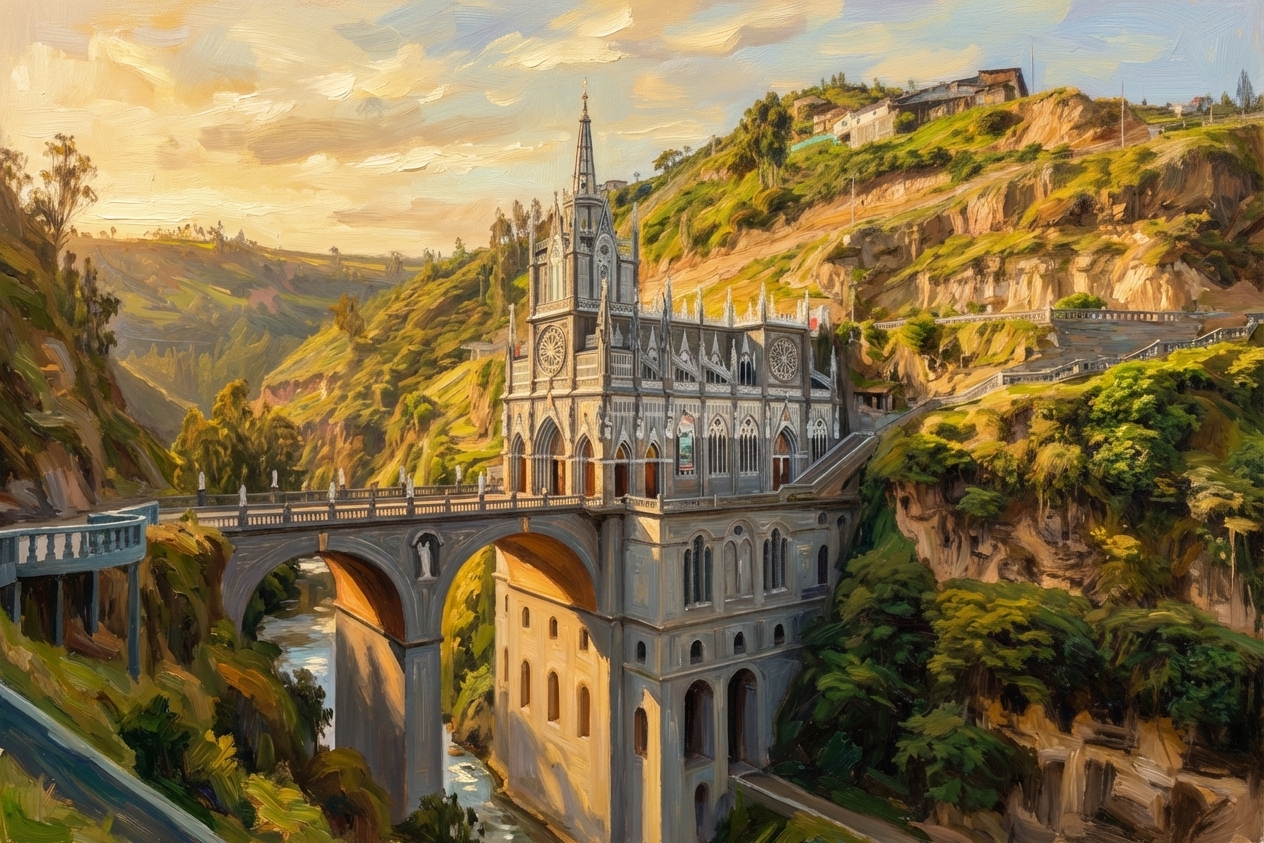
Construction of the current neo-Gothic church began in 1916 and was completed in 1949. The basilica is built into the canyon wall, rising 100 meters (330 feet) from the bottom of the canyon and connected to the opposite side by a 50-meter (160-foot) tall bridge. The church's design incorporates shale, a sedimentary rock, and features stained-glass windows, open arches, and a central rose window. The Sanctuary of Las Lajas stands as a beacon of faith and a symbol of hope for pilgrims and visitors from around the world.
Gallery
Symbolic Elements
The temple's exterior features intricate carvings, each rich with spiritual meaning:

Neo-Gothic Architecture
The Sanctuary of Las Lajas is a prime example of Neo-Gothic architecture, characterized by its pointed arches, ribbed vaults, and flying buttresses. This style evokes a sense of grandeur and spirituality, drawing inspiration from European Gothic cathedrals. The intricate details and soaring heights of the basilica reflect the aspirations of faith and the desire to connect with the divine.

Stained-Glass Windows
The stained-glass windows of the Sanctuary of Las Lajas are a vibrant display of color and artistry. These windows depict biblical scenes and religious figures, allowing light to filter through and create a mesmerizing atmosphere within the church. The stained glass serves as a visual narrative, telling stories of faith and inspiring contemplation among visitors.

Guáitara River Canyon
The Sanctuary of Las Lajas is uniquely situated within the canyon of the Guáitara River, adding to its dramatic and awe-inspiring setting. The canyon's steep walls and the river flowing below create a sense of seclusion and reverence. The natural beauty of the canyon complements the architectural grandeur of the basilica, enhancing the spiritual experience for visitors.

Image of Our Lady of Las Lajas
The central symbolic element is the image of Our Lady of Las Lajas, which is said to have miraculously appeared on a stone wall. The image depicts the Madonna with the child Jesus in her arms, with Saint Francis of Assisi and Saint Dominic on either side. The image is the focal point of the shrine and a major draw for pilgrims.

The Bridge
The bridge connecting the Sanctuary of Las Lajas to the opposite side of the canyon is a symbolic representation of connection and passage. It allows visitors to cross the divide and enter the sacred space of the basilica. The bridge also serves as a visual reminder of the link between the earthly and the divine, inviting pilgrims to embark on a spiritual journey.

Shale Construction
The Sanctuary of Las Lajas is constructed using shale, a sedimentary rock found in the region. This material not only provides structural integrity but also connects the basilica to its natural surroundings. The shale's earthy tones and textures blend harmoniously with the canyon landscape, creating a sense of unity between the built environment and the natural world.

Catholic Cross Roof
The roof of the Sanctuary of Las Lajas is designed in the shape of a Catholic cross, a powerful symbol of the Christian faith. This architectural feature is visible from afar, marking the basilica as a place of worship and spiritual significance. The cross serves as a reminder of the sacrifice and redemption central to Christian beliefs.
Interesting Facts
The story of the Virgin Mary's apparition involves a deaf-mute girl, Rosa, who miraculously spoke for the first time.
The origin of the image of the Virgin Mary on the stone wall remains unknown, adding to the mystery of the sanctuary.
The sanctuary has been a pilgrimage destination since the 18th century, attracting visitors from around the world.
The construction of the current church was funded mainly through donations from local people, showcasing their devotion.
A blind man, 'El Ciego Rivera,' played a key role in collecting donations for the church's construction, demonstrating his commitment.
The sanctuary is built over a canyon, with a bridge connecting it to the opposite side, creating a unique architectural design.
The name 'Las Lajas' comes from a type of flat sedimentary rock found in the area, reflecting the local geology.
The sanctuary is considered one of the most beautiful and unique churches in the world, attracting visitors and pilgrims alike.
The sanctuary is a major religious center in Colombian Marian devotion, honoring the Virgin Mary.
The roof of the structure is designed in the shape of a Catholic cross, symbolizing the Christian faith.
Common Questions
What is the Sanctuary of Las Lajas?
The Sanctuary of Las Lajas is a stunning neo-Gothic basilica located in southern Colombia, built into the canyon of the Guáitara River. It is a significant Catholic pilgrimage site and a testament to human ingenuity and devotion.
What is the origin of the sanctuary?
The sanctuary's origins are rooted in local legend, dating back to the mid-18th century. According to the story, the Virgin Mary appeared to Maria Mueses de Quiñones and her deaf-mute daughter, Rosa, during a storm. This miraculous event inspired the construction of a shrine on the site.
When was the current church built?
Construction of the current neo-Gothic church began in 1916 and was completed in 1949. The basilica is built into the canyon wall, creating a dramatic and awe-inspiring setting.
What are the key architectural features of the sanctuary?
The Sanctuary of Las Lajas is built in the Neo-Gothic style, inspired by European Gothic architecture. It features shale construction, stained-glass windows, open arches, a central rose window, and a Romanesque-style crypt. The church is connected to the opposite side of the canyon by a 50-meter (160-foot) tall bridge.
How can I get to the Sanctuary of Las Lajas?
To get to the Sanctuary of Las Lajas, you can fly to Pasto airport, then travel to Ipiales. From Ipiales, take a taxi or colectivo to Las Lajas. A cable car offers an alternative route to the sanctuary.
Featured Stories
The Miraculous Apparition
c. 1754
The story of the Sanctuary of Las Lajas begins with a miraculous event in the mid-18th century. Maria Mueses de Quiñones and her deaf-mute daughter, Rosa, were caught in a storm near the Las Lajas canyon. Seeking shelter, they encountered a cave where, to their astonishment, an image of the Virgin Mary was illuminated by lightning. Rosa, who had never spoken before, cried out, 'The Mestiza is calling me!'
This extraordinary event sparked a wave of devotion and pilgrimage to the site. The image of the Virgin Mary, now known as Our Lady of Las Lajas, became a symbol of hope and healing for the local community. The story of Rosa's miraculous recovery spread far and wide, drawing pilgrims from across Colombia and beyond to witness the power of faith and the intercession of the Virgin Mary.
The apparition at Las Lajas is a testament to the enduring power of belief and the profound impact of divine encounters. It serves as a reminder that even in the darkest of times, hope can emerge, and miracles can happen. The story of Maria and Rosa continues to inspire generations of pilgrims who seek solace, healing, and spiritual connection at the Sanctuary of Las Lajas.
Source: https://www.medellinguru.com/sanctuary-las-lajas-colombia/
Construction of a Dream
1916-1949
The construction of the current neo-Gothic basilica was a monumental undertaking that spanned several decades. Beginning in 1916, the project faced numerous challenges, including the difficult terrain of the Guáitara River canyon, limited resources, and the complexities of building a structure of such grandeur. Yet, despite these obstacles, the local community remained steadfast in their commitment to creating a sanctuary worthy of the Virgin Mary.
The construction process involved the labor of skilled artisans, engineers, and countless volunteers who dedicated their time and effort to bringing the vision to life. Donations poured in from across the region, demonstrating the widespread support for the project. The basilica's design incorporated local materials, such as shale, and drew inspiration from European Gothic cathedrals, creating a unique blend of architectural styles.
The completion of the Sanctuary of Las Lajas in 1949 was a moment of immense pride and celebration for the community. The basilica stands as a testament to their unwavering faith, their collective determination, and their ability to overcome seemingly insurmountable challenges. It became a symbol of hope and a beacon of light for pilgrims seeking spiritual solace and connection.
Source: https://www.visitmycolombia.com/blog/travel-guide/las-lajas-sanctuary-a-marvel-of-colombian-architecture/
A Place of Pilgrimage
Ongoing
For centuries, the Sanctuary of Las Lajas has been a place of pilgrimage for Catholics from across Colombia and around the world. Drawn by the story of the Virgin Mary's apparition and the basilica's stunning architecture, pilgrims journey to Las Lajas seeking spiritual renewal, healing, and connection with the divine. The sanctuary offers a space for prayer, reflection, and contemplation, allowing visitors to escape the stresses of daily life and immerse themselves in a sacred atmosphere.
The pilgrimage to Las Lajas is often a deeply personal and transformative experience. Many pilgrims travel long distances, overcoming physical and financial challenges to reach the sanctuary. They come with hopes, dreams, and burdens, seeking solace and guidance from the Virgin Mary. The act of pilgrimage itself is a testament to their faith and their willingness to make sacrifices for their spiritual beliefs.
The Sanctuary of Las Lajas continues to be a vibrant center of religious life and a testament to the enduring power of faith. It is a place where miracles are believed to happen, where prayers are answered, and where the human spirit is uplifted. The basilica stands as a beacon of hope for all who seek solace, healing, and connection with the divine, inviting them to embark on a journey of faith and transformation.
Source: https://www.atlasobscura.com/places/santuario-de-las-lajas
Timeline
Apparition of the Virgin Mary
According to local belief, the Virgin Mary appeared to Maria Mueses de Quiñones and her deaf-mute daughter Rosa during a storm.
MilestoneFirst Shrine Built
The first simple shrine, made of straw and wood, was built on the site of the apparition.
MilestoneBrick Chapel Replaces Original Shrine
A brick chapel replaced the original shrine, providing a more permanent structure for worship.
MilestoneLarger Shrine and First Bridge Constructed
A larger shrine was built, and the first version of the bridge connecting the church to the other side of the canyon was erected.
MilestoneShrine Extended and Connected to Canyon
The shrine was extended and connected to the opposite side of the canyon with a bridge.
MilestoneConstruction Begins on New Stone Church
Construction began on a new stone church under the guidance of Ecuadorian architect Mariano Aulestia.
MilestoneConstruction of Current Church Begins
Construction of the current neo-Gothic church began, marking a significant step in the sanctuary's development.
MilestoneCurrent Church Completed
The current church was completed, showcasing its stunning neo-Gothic architecture.
DedicationMarian Image Receives Canonical Coronation
The Marian image received a canonical coronation, authorized by Pope Pius XII.
EventShrine Elevated to Minor Basilica
The shrine was elevated to a minor basilica, recognizing its religious significance.
MilestoneMarian Title Granted
The Marian title was granted as the Virgin of the Holy Rosary as the Patroness of Ipiales by Pope Paul VI.
EventLas Lajas Sanctuary Declared a National Monument
Las Lajas Sanctuary was declared a National Monument, preserving its cultural and historical importance.
MilestoneSanctuary Named a Minor Basilica
The sanctuary was officially named a minor basilica, solidifying its status within the Catholic Church.
MilestoneReligious Significance
The Sanctuary of Las Lajas holds profound religious significance for Catholics, serving as a sacred space dedicated to the Blessed Virgin Mary. As part of the Christian theological tradition rooted in Abrahamic faiths, the sanctuary embodies core tenets of faith, devotion, and the belief in divine intervention. It stands as a testament to the enduring power of Marian devotion and the importance of pilgrimage in the Catholic faith.
The core spiritual purpose of the Sanctuary of Las Lajas is to provide a place of worship, prayer, and pilgrimage where Catholics can connect with the divine through the intercession of the Virgin Mary. The sanctuary serves as a focal point for Marian devotion, offering a space for reflection, contemplation, and the seeking of spiritual solace and healing.
Sacred Ordinances
Prayer and Devotion
Prayer is a central practice at the Sanctuary of Las Lajas, with pilgrims offering personal prayers, reciting the Rosary, and participating in liturgical services. Devotion to the Virgin Mary is expressed through acts of veneration, such as lighting candles, leaving offerings, and seeking her intercession for personal needs and intentions.
Pilgrimage
Pilgrimage to the Sanctuary of Las Lajas is a significant act of faith, with Catholics traveling from near and far to visit the sacred site. The journey itself is seen as a spiritual undertaking, with pilgrims often making sacrifices and enduring hardships to reach the sanctuary. The act of pilgrimage symbolizes a desire to draw closer to God and to seek spiritual renewal.
Sacramental Celebrations
The Sanctuary of Las Lajas is a place where Catholics can participate in the sacraments, including the Eucharist (Mass), Reconciliation (Confession), and Anointing of the Sick. These sacraments offer opportunities for spiritual healing, forgiveness, and the strengthening of faith. The celebration of the sacraments at the sanctuary reinforces its role as a center of Catholic worship and spiritual life.
Marian Devotion
Marian devotion is a central aspect of Catholic spirituality, with the Virgin Mary revered as the Mother of God and a powerful intercessor. The Sanctuary of Las Lajas embodies this devotion, serving as a place where Catholics can express their love, gratitude, and reverence for Mary. The image of Our Lady of Las Lajas is a focal point of this devotion, inspiring pilgrims to seek her guidance and protection.
Theological Context
Within the broader context of Christian theology, the Sanctuary of Las Lajas reflects the Abrahamic tradition's emphasis on divine revelation and the importance of sacred places. The story of the Virgin Mary's apparition aligns with the belief in God's active presence in the world and the potential for divine intervention in human affairs. The sanctuary serves as a tangible reminder of this belief, offering a space where Catholics can encounter the sacred and experience the power of faith.
Similar Temples
Sources & Research
Every fact on Temples.org is backed by verified Sources & Research. Each piece of information is rated by source tier and confidence level.
View All Sources (6)
| Field | Source | Tier | Retrieved |
|---|---|---|---|
| About & Historical Background | Liturgical Arts Journal (opens in a new tab) | A | 2024-01-03 |
| About & Historical Background | Re-thinking the Future (opens in a new tab) | A | 2024-01-03 |
| Architectural Description | Komoot (opens in a new tab) | B | 2024-01-03 |
| Visitor Information | Eva Darling (opens in a new tab) | D | 2024-01-03 |
| Historical Timeline | Kiddle (opens in a new tab) | C | 2024-01-03 |
| Interesting Facts | Cartagena Explorer (opens in a new tab) | D | 2024-01-03 |