Visitor Insights
Visiting Otavalo Ecuador Temple
The Otavalo Ecuador Temple is currently in its planning and design phase, meaning the physical structure is not yet open to the public. Once completed, the temple grounds will offer a serene, beautifully landscaped environment featuring native Andean flora and peaceful walkways open to all visitors. During the public open house prior to dedication, visitors of all faiths will be invited to tour the sacred interior. Following dedication, the interior will be reserved for members of the Church holding active temple recommends, while the exterior grounds will remain a public sanctuary for quiet contemplation.
Highlights
- Stunning views of the surrounding Andean peaks and the Imbabura volcano.
- Beautifully landscaped public grounds featuring native high-altitude flora.
- A peaceful, contemplative atmosphere designed for personal reflection and prayer.
Things to Know
- The temple is currently in the planning phase; interior access is not yet available.
- Otavalo is situated at an elevation of over 2,500 meters (8,200 feet); visitors should prepare for high-altitude conditions.
- Once dedicated, the interior will require an active temple recommend for entry.
Location
Otavalo, Imbabura Province, Ecuador
Hours: The temple grounds will be open daily to the public during daylight hours once construction is complete. Temple services hours are to be determined.
Getting There: Located in the Imbabura Province, Otavalo is approximately 90 kilometers north of Quito. Visitors can travel via the Pan-American Highway (E35), which takes about two hours by car or bus from the capital city.
Get DirectionsTips for Your Visit
Prepare for the Altitude
Otavalo sits at a high altitude of approximately 2,530 meters. Take time to acclimate, stay hydrated, and walk at a relaxed pace.
Combine with Local Cultural Sites
When visiting the temple grounds, consider exploring the famous Otavalo Plaza de Ponchos market to experience the local Kichwa textile artistry.
About
The Otavalo Ecuador Temple stands as a beacon of faith in the Imbabura Province, representing a historic milestone for the indigenous Kichwa Latter-day Saints and the broader Christian community in the Andean highlands. Announced in May 2026, this sacred edifice will serve as the third temple of The Church of Jesus Christ of Latter-day Saints in Ecuador, joining sister temples in Guayaquil and Quito. Its establishment reflects decades of profound spiritual growth, devotion, and pioneering sacrifice among the local people, who have embraced the gospel while maintaining their vibrant cultural identity.
Rooted deeply in the Christian and Abrahamic traditions of sacred spaces, the temple is dedicated as a literal House of the Lord. Like the biblical tabernacles and temples of old, it is a sanctuary set apart from the secular world where individuals seek a closer communion with God. Within its walls, Latter-day Saints participate in sacred ordinances that build upon their faith in Jesus Christ, emphasizing personal covenants, moral devotion, and the eternal nature of the human soul.
The temple is not only a spiritual center but also a cultural landmark that honors the rich heritage of the Otavalo valley. By integrating local design motifs with classic Christian architectural forms, the temple symbolizes the universal reach of Christ's gospel, which embraces and elevates all cultures. It stands as a testament to the vibrant faith of the local Kichwa saints, who have built a legacy of devotion that has transformed their community into one of the highest densities of Latter-day Saint membership in South America.
Interesting Facts
When the temple was announced on May 14, 2026, the local congregation erupted in an immediate, audible collective gasp and emotional tears of joy.
Otavalo is a non-metropolitan choice for a temple, highlighting the spiritual strength of the local community rather than sheer urban population size.
Approximately 10% of Otavalo's population is on the records of the Church, representing one of the highest densities of membership in South America.
The Otavalo Ecuador Stake, organized in 1981, was the first stake in South America with an almost entirely indigenous American (Kichwa) membership.
In May 1967, Elder Spencer W. Kimball stood on a hillside in nearby Peguche and preached about the Book of Mormon to a largely indigenous audience.
To gather a crowd in 1967, Elder Kimball and missionaries stood near a local bus stop, inviting arriving passengers to hear a living Apostle.
Rafael Tabango, baptized on July 14, 1968, was the first native Otavalo Latter-day Saint and later became the stake's first patriarch.
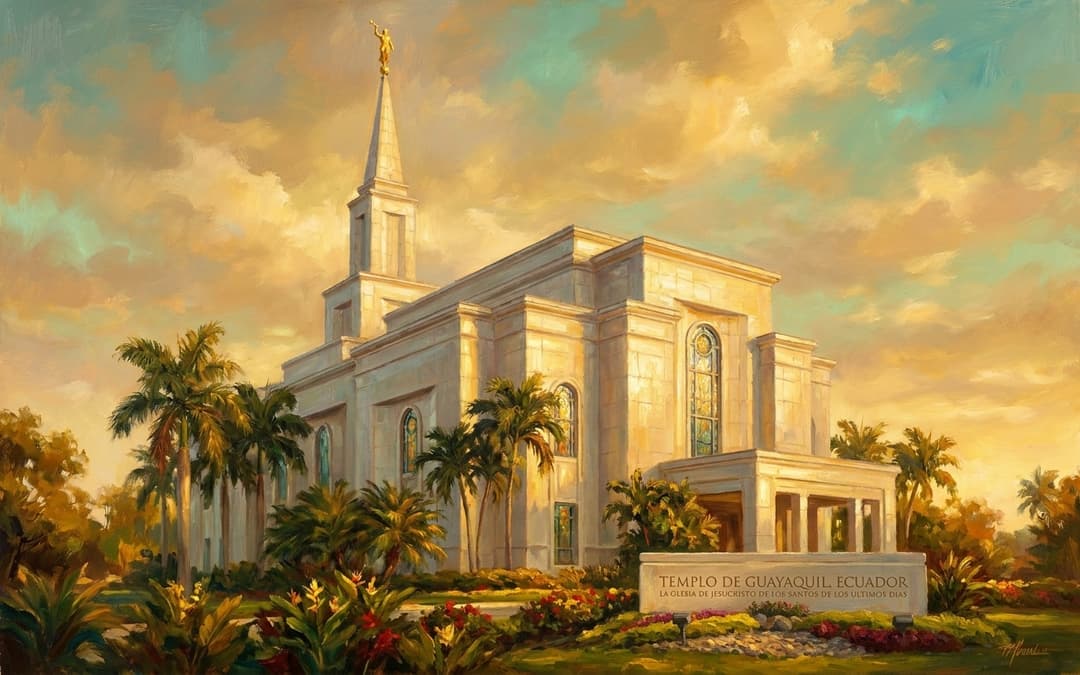
The Otavalo Temple will be Ecuador's third temple, joining temples in Guayaquil (1999) and Quito (2022).
The temple was announced locally during an evening devotional rather than at the Church's general conference in Salt Lake City.
The devotional where the temple was announced was presided over by Elder Dale G. Renlund of the Quorum of the Twelve Apostles.
Common Questions
When will the Otavalo Ecuador Temple be completed?
An official groundbreaking and construction timeline have not yet been announced. Typically, temple construction takes two to three years once the site is cleared and groundbreaking occurs.
Who can enter the Otavalo Ecuador Temple once it is dedicated?
During the public open house prior to dedication, anyone of any faith or background is welcome to tour the interior. After dedication, the temple is reserved for members of the Church who hold active temple recommends, though the public grounds remain open to all.
What makes the Otavalo temple announcement historically significant?
Otavalo is a relatively small, non-metropolitan city, making the announcement unique. It reflects the incredible spiritual strength and high density of the local Kichwa Latter-day Saint community, which comprises about 10% of the city's population.
How does the temple relate to traditional Christian worship?
As part of the Christian and Abrahamic tradition, the temple is dedicated as a House of the Lord. While weekly worship occurs in local chapels, the temple is a sacred space for higher covenants, focusing on eternal families and drawing closer to Jesus Christ.
Will the temple's architecture reflect the local culture?
Yes. While official designs are pending, modern Latter-day Saint temples in culturally rich areas typically incorporate local motifs. The Otavalo temple is expected to feature geometric patterns and colors inspired by traditional Kichwa textiles.
Featured Stories
The Hillside Preaching of Peguche
May 29, 1967
In May 1967, Elder Spencer W. Kimball of the Quorum of the Twelve Apostles visited the Otavalo region, a moment that would become a spiritual turning point for the local Kichwa people. Standing near a local bus stop, Elder Kimball and his missionary companions began inviting arriving passengers to hear a message from a living Apostle. As the crowd grew to over 100 people, they moved to a scenic hillside in nearby Peguche. There, Elder Kimball preached passionately about the Book of Mormon and the Savior's ancient appearance in the Americas. This historic gathering deeply resonated with the indigenous listeners, laying a firm foundation for the rapid growth of the Church in the valley.
Source: Church History Department Archives
The First Native Stake in South America
June 14, 1981
The organization of the Otavalo Ecuador Stake in June 1981 marked a historic milestone for the global Church. It was the very first stake organized in South America with an almost entirely indigenous American membership, primarily composed of Kichwa-speaking Saints. This achievement was a testament to the rapid, deep-rooted conversion of the local people, who embraced the gospel while maintaining their rich cultural identity. Rafael Tabango, the first native convert of Otavalo, was later called as the stake's first patriarch, solidifying a legacy of local leadership. The stake's creation proved that the gospel of Jesus Christ transcends cultural boundaries, uniting diverse peoples under a shared covenant.
Source: LDS Church News Archives
An Unforgettable Devotional Announcement
May 14, 2026
On a quiet evening in May 2026, local Latter-day Saints gathered for a special devotional in Otavalo, unaware of the historic announcement that awaited them. Presided over by Elder Dale G. Renlund of the Quorum of the Twelve Apostles, the meeting reached an emotional peak when Elder Juan Pablo Villar read a letter from the First Presidency. The announcement of the Otavalo Ecuador Temple was met with an immediate, audible collective gasp, followed by tears of joy and soft weeping throughout the congregation. For decades, these faithful members had traveled hours to reach temples in Guayaquil or Quito. The realization that a House of the Lord would rise in their own historic valley was an answer to years of collective prayers.
Source: Church Newsroom Announcement
Timeline
First Missionaries Arrive in Ecuador
The first Latter-day Saint missionaries arrive in Quito, Ecuador, sent by Andes Mission President James Averil Jesperson.
MilestoneMissionaries Expand North to Otavalo
Missionaries travel to the northern cities of Otavalo and nearby Ibarra to begin proselytizing in the Imbabura Province.
EventInaugural Branch Meeting in Otavalo
The first branch meeting is held in Otavalo, attended only by the missionaries and local resident Manuel Macías Caseras.
MilestoneFirst Baptisms in Otavalo
José and Rosa Bautista are baptized, becoming the first official members of the Church in Otavalo.
EventApostolic Visit by Elder Spencer W. Kimball
Elder Spencer W. Kimball of the Quorum of the Twelve Apostles visits the region and preaches to a crowd of over 100 people on a hillside in Peguche.
EventFirst Native Indigenous Convert Baptized
Rafael Tabango is baptized by sister missionaries, becoming the first native indigenous Otavalo Latter-day Saint.
EventBaptism of Teresa Tabango
Teresa Tabango, wife of Rafael Tabango, is baptized shortly after her husband, establishing a strong family foundation.
EventEcuador Mission Organized
The Ecuador Mission is formally organized to oversee the rapid expansion of congregations throughout the country.
MilestoneFirst Otavalo Meetinghouse Dedicated
Church leaders dedicate the first meetinghouse in Otavalo, establishing a permanent structural presence in the city.
MilestoneFirst Indigenous Stake in South America
The Otavalo Ecuador Stake is organized, making history as the first stake in South America with an almost entirely indigenous American membership.
MilestoneGuayaquil Ecuador Temple Announced
The First Presidency announces plans to construct Ecuador's first temple in the coastal city of Guayaquil.
MilestonePresident Gordon B. Hinckley Visits Ecuador
President Gordon B. Hinckley visits Ecuador, marking the first time a sitting President of the Church visits the nation.
EventDedication of the Guayaquil Ecuador Temple
President Gordon B. Hinckley dedicates the Guayaquil Ecuador Temple, the first temple in the nation.
DedicationQuito Ecuador Temple Announced
President Thomas S. Monson announces the Quito Ecuador Temple, the second temple for the country, to be built in the capital city.
MilestoneDedication of the Quito Ecuador Temple
Elder Quentin L. Cook of the Quorum of the Twelve Apostles dedicates the Quito Ecuador Temple.
DedicationOtavalo Ecuador Temple Announced
During a special evening devotional in Otavalo, Elder Juan Pablo Villar announces plans by the First Presidency to construct the Otavalo Ecuador Temple.
MilestoneHistory by Decade
1960s — The Arrival of Missionaries and First Converts
The history of the Church in Ecuador began in earnest in October 1965 when the first missionaries arrived in Quito. By March 1966, these elders had traveled north to the mountain city of Otavalo. Despite initial opposition and printed notices warning residents against the new faith, the missionaries persisted. On March 6, 1966, the first branch meeting was held with only a single local attendee. However, the work quickly bore fruit; on June 5, 1966, José and Rosa Bautista became the first converts baptized in Otavalo. The spiritual landscape shifted dramatically in May 1967 when Elder Spencer W. Kimball visited, preaching on a hillside in Peguche. Shortly after, on July 14, 1968, Rafael Tabango was baptized, becoming the first native indigenous Otavalan member, paving the way for thousands more.
1970s — Rapid Growth in the Andean Highlands
The 1970s were characterized by explosive growth among the indigenous Kichwa population of the Imbabura Province. The Ecuador Mission was formally organized in 1970 to manage the expanding congregations. Missionaries and local members worked side-by-side, translating teaching materials and hymns into the Kichwa language to ensure the gospel was accessible to all. Multiple branches were established in the small mountain villages surrounding Otavalo, creating a tight-knit network of faithful Latter-day Saints who integrated their traditional community values with their new Christian faith.
1980s — Establishing the First Indigenous Stake
By 1980, the Church had established a permanent physical presence in Otavalo with the dedication of its first formal meetinghouse. The crowning achievement of this decade came on June 14, 1981, when the Otavalo Ecuador Stake was organized. This was a historic first for South America, as the stake's leadership and membership were almost entirely indigenous Kichwa. This decade also saw the announcement of Ecuador's first temple in Guayaquil, sparking a culture of temple preparation among the Otavalan Saints, many of whom began saving resources for the long journey to the coast.
1990s–2010s — Temple Blessings and Presidential Visits
In November 1997, President Gordon B. Hinckley became the first sitting President of the Church to visit Ecuador, bringing immense joy to the local members. Two years later, in August 1999, President Hinckley dedicated the Guayaquil Ecuador Temple. For the Saints of Otavalo, this meant a grueling, multi-hour journey to the coast to participate in sacred temple ordinances. The burden of travel was eased somewhat in April 2016 when President Thomas S. Monson announced the Quito Ecuador Temple, located in the capital city just two hours south of Otavalo.
2020s — A House of the Lord in the Otavalo Valley
The Quito Ecuador Temple was dedicated in November 2022 by Elder Quentin L. Cook, bringing temple blessings much closer to the northern highlands. However, the ultimate blessing for the Otavalan Saints arrived on May 14, 2026. During a local devotional presided over by Elder Dale G. Renlund, the First Presidency announced plans to construct the Otavalo Ecuador Temple. This announcement was received with profound emotion, marking the beginning of a new chapter where the sacred covenants of the Abrahamic tradition would be anchored permanently in the soil of the Otavalo valley.
Architecture & Facilities
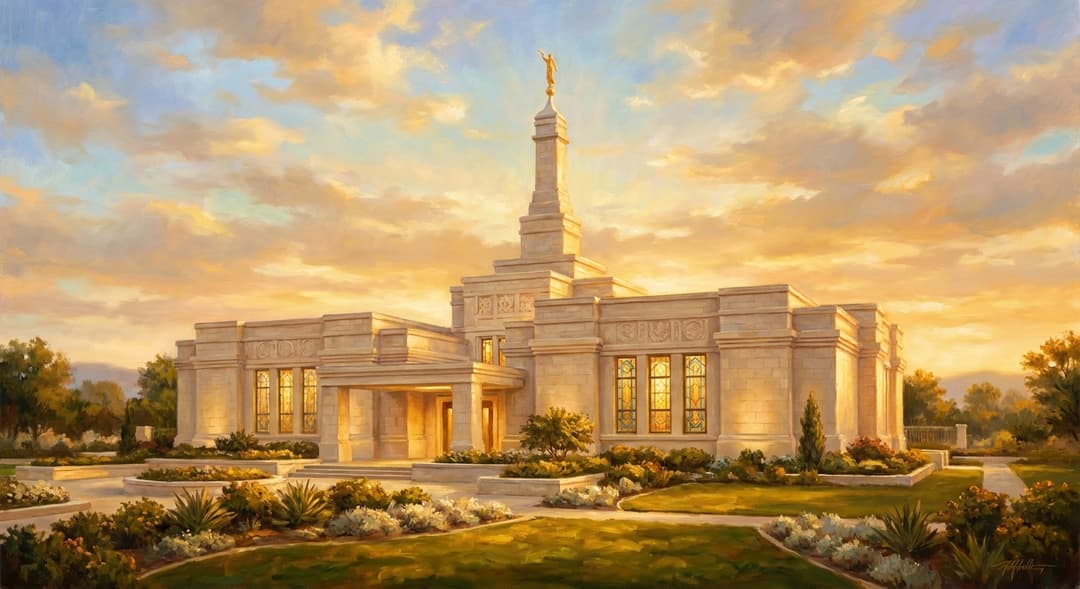
The Otavalo Ecuador Temple is designed to reflect a classic modern temple aesthetic, harmonizing sacred Christian architectural forms with the rich cultural heritage of the Andean highlands. The structure's design is expected to incorporate geometric patterns and stylized motifs inspired by the world-renowned textile traditions of the indigenous Kichwa people. This unique blend of sacred symbolism and local artistry creates a visual representation of the universal nature of the gospel of Jesus Christ.
Building Materials
Exterior Stone Cladding
High-quality, durable granite or marble designed to withstand the high-altitude Andean climate while presenting a brilliant, light-reflecting facade.
Reinforced Concrete Foundation
A robust structural foundation engineered to meet strict seismic safety standards, ensuring the temple stands secure in the active Andes region.
Custom Art Glass
Windows featuring localized color palettes and geometric designs, potentially incorporating hues inspired by local flora and traditional Andean weaving.
Premium Interior Hardwoods
High-grade interior millwork and detailed carvings used throughout the sacred rooms to establish a warm, reverent, and highly crafted atmosphere.
Interior Features
The Celestial Room
A quiet, beautifully adorned space with elegant, light-colored furnishings, mirrors, and a central crystal chandelier, symbolizing heaven and communion with the Divine.
The Baptistry
A sacred font resting on the backs of twelve sculpted oxen, symbolizing the twelve tribes of Israel and the strength of God's covenant people.
Instruction Rooms
Classrooms where patrons participate in sacred presentations regarding the plan of salvation and make personal covenants with God.
Sealing Rooms
Sacred rooms featuring central altars where couples are united in marriage for eternity, bridging generations in a sacred covenant.
Temple Grounds
The temple grounds will feature beautifully manicured gardens, paved pedestrian walkways, and reflective water features. The landscaping will incorporate native Andean flora, creating a peaceful, contemplative oasis that is open to the public.
Additional Facilities
The temple site is anticipated to include patron housing or arrival facilities to accommodate Latter-day Saints traveling from remote mountainous communities throughout northern Ecuador.
Religious Significance
Latter-day Saint temple worship is deeply rooted in the broader Christian and Abrahamic traditions of sacred spaces. Like the biblical tabernacle of Moses and the Temple of Solomon, temples are dedicated as literal houses of God where humanity can draw closer to the Divine.
The core spiritual purpose of the temple is to provide a sacred sanctuary where members can make eternal covenants with God, receive saving ordinances, and feel a profound sense of peace and communion with Jesus Christ.
Sacred Ordinances
The Endowment
A sacred ceremony where patrons receive instruction regarding God's plan of salvation and make personal covenants to live Christ-like lives.
Eternal Marriage Sealing
An ordinance performed in sealing rooms where couples are united in marriage for eternity, reflecting the doctrine that family relationships transcend death.
Proxy Baptism for the Deceased
A sacred practice where members are baptized on behalf of their ancestors, offering them the opportunity to accept the gospel in the spirit world.
Bridging the Abrahamic Covenant
The ordinances performed within the temple build upon the ancient Abrahamic covenant, emphasizing God's promises of eternal families and spiritual inheritance. These covenants represent a continuation of biblical promises, made accessible through the redeeming grace of Jesus Christ.
A Sanctuary of Peace
Beyond the formal ordinances, the temple serves as a physical and spiritual refuge from the noise and distractions of the world. It is a place where individuals can pray, meditate, and seek divine guidance in a setting dedicated entirely to the holiness of God.
Similar Temples
Sources & Research
Every fact on Temples.org is backed by verified Sources & Research. Each piece of information is rated by source tier and confidence level.
View All Sources (8)
| Field | Source | Tier | Retrieved |
|---|---|---|---|
| About & Historical Background | The Church of Jesus Christ of Latter-day Saints (opens in a new tab) | A | 2026-02-18 |
| Timeline & Featured Stories | Church News (opens in a new tab) | B | 2026-02-18 |
| Architecture & Symbolic Elements | ChurchofJesusChristTemples.org (opens in a new tab) | C | 2026-02-18 |
| Timeline & Historical Background | LDS Daily (opens in a new tab) | B | 2026-02-18 |
| About & Historical Background | The Church of Jesus Christ of Latter-day Saints (opens in a new tab) | A | 2026-02-18 |
| Timeline & Historical Background | ResearchGate (opens in a new tab) | B | 2026-02-18 |
| Interesting Facts & Community Impact | The Cultural Hall (opens in a new tab) | C | 2026-02-18 |
| Timeline & Historical Background | Reddit LDS Community (opens in a new tab) | C | 2026-02-18 |