Visitor Insights
Visiting Mount Sinai
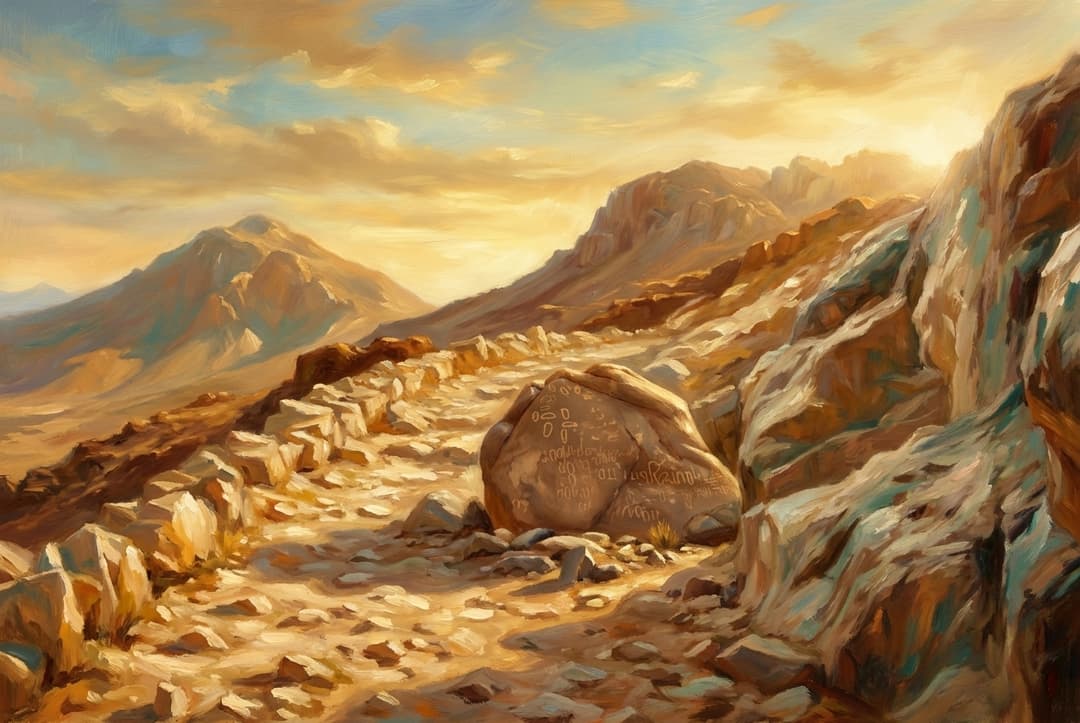
Visiting Mount Sinai offers a unique spiritual experience, allowing pilgrims to walk in the footsteps of Prophet Musa. The ascent, whether via the steps of penitence or the camel path, provides stunning views of the Sinai Peninsula. The atmosphere is serene, especially at sunrise, making it a memorable journey for those seeking religious reflection.
Highlights
- Witness the sunrise from the summit.
- Explore Saint Catherine's Monastery.
- Reflect on the spiritual significance of the mountain.
Things to Know
- The ascent can be physically demanding.
- Dress modestly out of respect for the sacred site.
- Bring water and snacks for the journey.
Location
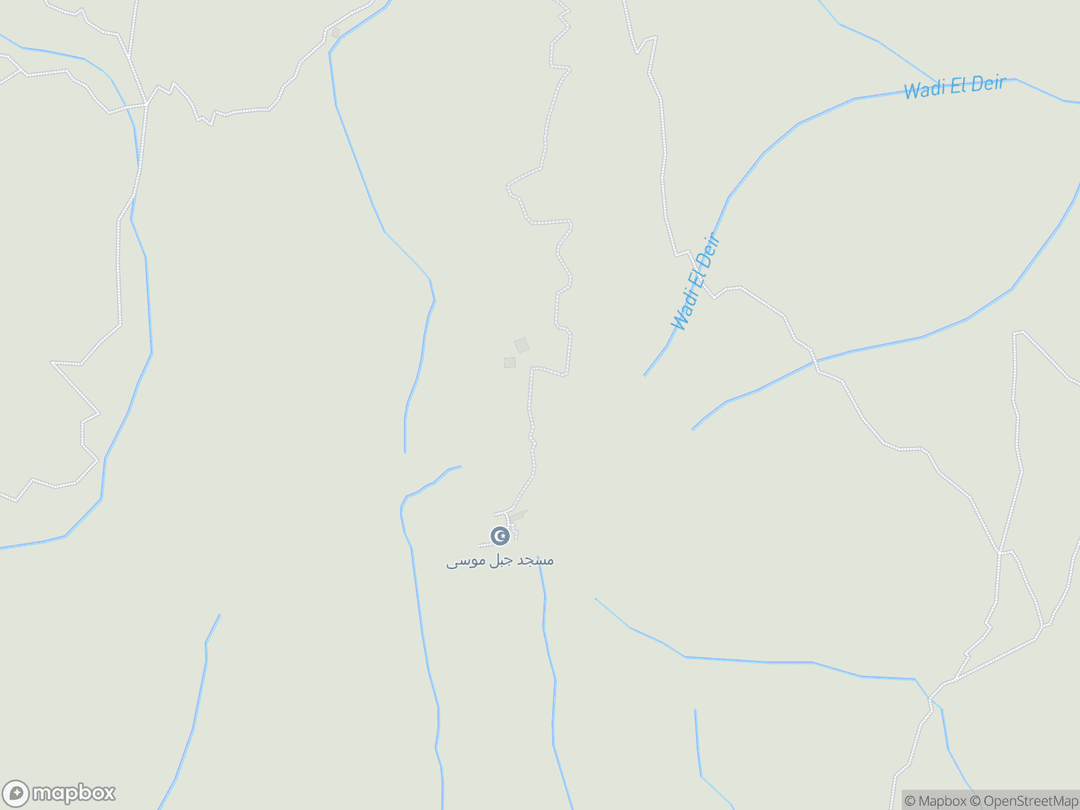
Sinai Peninsula, Egypt
Hours: Open daily, with climbs often beginning in the early morning to reach the summit by sunrise.
Getting There: Located near Saint Catherine, Egypt. Accessible by taxi or organized tours from nearby cities.
Get DirectionsTips for Your Visit
Start Early
Begin your climb before dawn to witness the breathtaking sunrise from the summit.
Dress Appropriately
Wear comfortable and modest clothing suitable for a religious site.
About
Mount Sinai, known in Arabic as Jabal Musa (جبل موسى), holds immense religious significance in Islam, as well as in Judaism and Christianity. This mountain, located in the Sinai Peninsula of Egypt, is believed to be the place where Prophet Musa (Moses) received divine revelation from Allah. As part of the Abrahamic tradition, Mount Sinai is a site of profound historical and spiritual importance for Muslims.
The Quran refers to Mount Sinai as "At-Tur" and "Tur Sinin," emphasizing its sanctity and the divine communication that took place there. Islamic tradition also associates Mount Sinai with Prophet Elijah (Ilyas), believing it to be the place where he sought refuge. The mountain continues to be a site of pilgrimage for Muslims, Christians, and Jews, drawn by its spiritual legacy and historical significance.
The landscape of Mount Sinai is characterized by its rugged terrain and geological formations, including alkaline granites and volcanic rocks. A small mosque stands on the summit, serving Muslim pilgrims, while Saint Catherine's Monastery lies at the foot of the mountain, adding to the rich tapestry of religious history found in this sacred place.
Gallery
Symbolic Elements
The temple's exterior features intricate carvings, each rich with spiritual meaning:

Jabal Musa
Jabal Musa, meaning 'Mountain of Moses' in Arabic, is the Islamic name for Mount Sinai. It signifies the mountain's profound connection to Prophet Musa (Moses) and his divine encounter with Allah. The name reflects the mountain's revered status in Islamic tradition as a place of revelation and spiritual significance.

At-Tur
At-Tur is the name given to Mount Sinai in the Quran, emphasizing its sanctity and divine communication. This name highlights the mountain's role as a site of direct interaction between Allah and Prophet Musa. The Quranic reference underscores the mountain's importance in Islamic scripture and theology.

Summit Mosque
The small mosque on the summit of Mount Sinai serves as a place of worship for Muslim pilgrims. Its presence symbolizes the enduring Islamic reverence for the mountain as a site of divine revelation and spiritual reflection. The mosque provides a space for prayer and contemplation, connecting pilgrims to the historical and religious significance of Mount Sinai.

Steps of Penitence
The 3,750 'steps of penitence' represent a challenging yet rewarding path to the summit of Mount Sinai. These steps symbolize the spiritual journey and the effort required to attain closeness to Allah. Pilgrims who ascend these steps often reflect on their lives and seek forgiveness, adding a layer of personal and spiritual significance to their climb.

Saint Catherine's Monastery
Located at the foot of Mount Sinai, Saint Catherine's Monastery is one of the oldest working Christian monasteries in the world. While primarily a Christian site, its presence underscores the shared Abrahamic heritage of Mount Sinai. The monastery has historically provided refuge and hospitality to pilgrims of all faiths, symbolizing interreligious respect and coexistence.

Granite Formations
The granite formations of Mount Sinai are a testament to its geological history and enduring presence. These rocks, formed during the Arabian-Nubian Shield's evolution, symbolize the strength and permanence of the mountain. The unique geological features contribute to the awe-inspiring landscape, enhancing the spiritual experience for visitors.

Sunrise
Witnessing the sunrise from the summit of Mount Sinai is a deeply symbolic experience. The rising sun represents new beginnings, enlightenment, and the presence of Allah. Many pilgrims begin their climb before dawn to reach the summit in time for sunrise, seeking spiritual renewal and a connection to the divine in the mountain's serene atmosphere.

The Burning Bush
The story of the burning bush is a significant symbol in the Abrahamic traditions, representing the divine presence and the call to prophecy. While the exact location of the burning bush is debated, the association with Mount Sinai reinforces the mountain's role as a site of divine communication and revelation. The burning bush symbolizes the transformative power of faith and the importance of heeding divine guidance.
Interesting Facts
Mount Sinai is part of the Arabian-Nubian Shield, a geological formation that developed during the Neoproterozoic Era (870–550 million years ago).
The mountain is also referred to as Jabal Musa, meaning 'Mountain of Moses' in Arabic.
A mosque on the summit serves Muslim pilgrims who revere the mountain as the site where Prophet Musa received divine revelation.
The mountain is considered one of the most sacred locations in the world, especially in Judaism, Christianity, and Islam.
Mount Sinai has been a site of pilgrimage and spiritual reflection for thousands of years.
The Sinai Peninsula may be divided into three geological districts, named from the granitic, limestone, and sandstone rocks of which they are composed.
Mount Sinai displays a ring complex that consists of alkaline granites intruded into diverse rock types, including volcanics.
Ibn Kathir, a classical Islamic scholar, explains that Mount Sinai is universally recognized as the mountain where Allah spoke directly to Prophet Musa.
Al-Tabari's linguistic analysis connects 'Tur' to a lush, treed mountain, and 'Sinin' to blessings and beauty, underscoring its special status.
Mount Sinai is mentioned many times in the Book of Exodus and other books of the Bible, and the Quran.
Common Questions
Why is Mount Sinai important in Islam?
Mount Sinai, known as Jabal Musa in Arabic, is revered as the place where Prophet Musa (Moses) received divine revelation from Allah. The Quran refers to it as 'At-Tur' and 'Tur Sinin,' emphasizing its sanctity and the divine communication that took place there. It is a site of profound historical and spiritual significance for Muslims.
What is the significance of the mosque on the summit of Mount Sinai?
The small mosque on the summit of Mount Sinai serves Muslim pilgrims who revere the mountain as the site where Prophet Musa received divine revelation. The current structure is believed to date back to the Fatimid period (909–1171 CE), representing a historical connection to Islamic worship on this sacred mountain.
How can visitors ascend Mount Sinai?
There are two principal routes to the summit. The longer and shallower route, Siket El Bashait, takes about 2.5 hours on foot, though camels can be used. The steeper, more direct route (Siket Sayidna Musa) is up the 3,750 'steps of penitence' in the ravine behind St. Catherine's Monastery. Both routes offer unique experiences and stunning views.
What other religious traditions recognize Mount Sinai?
Mount Sinai holds immense religious significance in Judaism and Christianity, as well as in Islam. In Jewish tradition, it is the place where Moses received the Ten Commandments. In Christianity, it is associated with the Old Testament and the story of Moses. The shared reverence for Mount Sinai underscores its importance in the Abrahamic traditions.
What geological features characterize Mount Sinai?
Mount Sinai's rocks were formed during the late stage of the evolution of the Arabian-Nubian Shield. The mountain displays a ring complex consisting of alkaline granites intruded into diverse rock types, including volcanics. The granites range in composition from syenogranite to alkali feldspar granite, contributing to the unique landscape of the Sinai Peninsula.
Featured Stories
The Revelation to Musa
Historical Account
Mount Sinai holds a central place in Islamic tradition as the site where Allah revealed himself to Prophet Musa (Moses). According to Islamic scripture, Musa ascended the mountain and received the divine commandments, marking a pivotal moment in the history of monotheism. This event is commemorated by Muslims as a testament to the direct communication between Allah and his prophets.
The Quran recounts the story of Musa's encounter with Allah on Mount Sinai, emphasizing the sanctity of the mountain and the divine nature of the revelation. The event is seen as a demonstration of Allah's power and mercy, providing guidance and laws for the Children of Israel. The story continues to inspire Muslims to seek closeness to Allah through prayer and reflection.
Pilgrims who visit Mount Sinai often reflect on the story of Musa and the revelation, seeking to connect with the spiritual energy of the mountain. The experience of climbing the mountain and standing on the summit is seen as a way to honor the legacy of Musa and reaffirm their faith in Allah's divine guidance. The story serves as a reminder of the importance of obedience and devotion in Islam.
Source: QuranGallery.app
The Journey of Prophet Elijah
Historical Account
Islamic tradition also associates Mount Sinai with Prophet Elijah (Ilyas), believing it to be the place where he sought refuge. According to Islamic accounts, Elijah fled to Mount Sinai to escape persecution and seek solace in the presence of Allah. The mountain provided him with a sanctuary and a place to renew his faith.
The story of Elijah's journey to Mount Sinai highlights the mountain's role as a place of refuge and spiritual renewal. Muslims who visit Mount Sinai often reflect on Elijah's experience, seeking to find strength and guidance in their own lives. The mountain's serene atmosphere and natural beauty provide a conducive environment for contemplation and prayer.
The association of Mount Sinai with both Musa and Elijah underscores its significance as a site of divine intervention and prophetic inspiration. The stories of these prophets serve as a reminder of the importance of perseverance and faith in the face of adversity. Pilgrims who visit Mount Sinai often feel a sense of connection to these historical figures, drawing inspiration from their examples.
Source: About Islam
The Enduring Pilgrimage
Contemporary Era
For centuries, Mount Sinai has been a destination for pilgrims from various faiths, drawn by its spiritual significance and historical legacy. Muslims, Christians, and Jews have all made the journey to the mountain, seeking to connect with the divine and honor the prophets who have walked its paths. The pilgrimage to Mount Sinai is a testament to the enduring power of faith and the shared Abrahamic heritage.
The experience of climbing Mount Sinai is often described as transformative, providing pilgrims with a sense of accomplishment and spiritual renewal. The challenging ascent, the breathtaking views, and the serene atmosphere all contribute to the unique character of the pilgrimage. Many pilgrims report feeling a sense of closeness to Allah and a deeper understanding of their faith.
Today, efforts are being made to preserve the historical and religious significance of Mount Sinai while accommodating the increasing number of visitors. Sustainable tourism practices are being implemented to protect the mountain's natural environment and ensure that future generations can continue to experience its spiritual power. The enduring pilgrimage to Mount Sinai is a symbol of hope and unity, bringing people together from different backgrounds to share in a common spiritual journey.
Source: ZamZam Travels BD
Timeline
Geological Formation
The Arabian-Nubian Shield, of which Mount Sinai is a part, developed.
MilestoneChristian Establishment
Coptic Christians establish a small church at the foot of the mountain, later evolving into St. Catherine's Monastery.
MilestoneJustinian's Commission
Emperor Justinian I commissions religious structures in the Sinai region, including Saint Catherine's Monastery.
MilestoneMosque Construction
A mosque is believed to have been built on the summit of Mount Sinai.
MilestoneRevelation to Musa
Prophet Musa (Moses) received divine revelation from Allah on Mount Sinai, as described in the Quran.
EventElijah's Refuge
Islamic tradition associates Mount Sinai with Prophet Elijah (Ilyas), believing it to be the place where he sought refuge.
EventContinuous Pilgrimage
Mount Sinai continues to be a site of pilgrimage for Muslims, Christians, and Jews.
EventTourism and Preservation
Efforts are made to preserve the historical and religious significance of Mount Sinai while accommodating visitors.
EventMosque on Summit
The mosque on the summit of Mount Sinai serves Muslim pilgrims.
MilestoneChapel of the Holy Trinity
The Chapel of the Holy Trinity, a Greek Orthodox church, is built on the summit in the 20th century.
MilestoneGeological Study
Mount Sinai's rocks are studied to understand the evolution of the Arabian-Nubian Shield.
MilestoneAscent Routes Established
The Siket El Bashait and Siket Sayidna Musa routes become popular paths for ascending the mountain.
MilestoneSt. Catherine's Monastery
St. Catherine's Monastery evolves into a significant religious and historical site at the foot of Mount Sinai.
MilestoneQuranic References
The Quran mentions Mount Sinai in several verses, emphasizing its sanctity and divine communication.
MilestoneOngoing Reverence
Mount Sinai remains one of the most sacred locations in the world, revered in Judaism, Christianity, and Islam.
EventReligious Significance
Mount Sinai holds profound religious significance in Islam as the site where Prophet Musa (Moses) received divine revelation from Allah. As part of the Abrahamic tradition, it is a place of immense historical and spiritual importance.
The core spiritual purpose of Mount Sinai is to serve as a reminder of the divine communication between Allah and his prophets, inspiring Muslims to seek closeness to Allah through prayer, reflection, and obedience.
Sacred Ordinances
Prayer (Salah)
Muslims often perform Salah on Mount Sinai, seeking blessings and guidance from Allah. The act of praying in this sacred location is seen as a way to honor the legacy of Prophet Musa and reaffirm their faith.
Reflection (Tafakkur)
Mount Sinai provides a serene environment for reflection and contemplation. Muslims use this time to ponder the meaning of life, seek forgiveness, and strengthen their connection with Allah.
Remembrance (Dhikr)
Engaging in Dhikr, the remembrance of Allah, is a common practice on Mount Sinai. Muslims recite praises and affirmations, seeking to purify their hearts and draw closer to the divine.
The Quranic Perspective
The Quran refers to Mount Sinai as 'At-Tur' and 'Tur Sinin,' emphasizing its sanctity and the divine communication that took place there. These references underscore the mountain's importance in Islamic scripture and theology.
The Legacy of Prophet Musa
Prophet Musa's encounter with Allah on Mount Sinai is a central event in Islamic history. It serves as a reminder of the importance of obedience, devotion, and the pursuit of divine knowledge.
The Shared Abrahamic Heritage
Mount Sinai's significance extends beyond Islam, as it is also revered in Judaism and Christianity. This shared heritage underscores the common roots of the Abrahamic faiths and the importance of interreligious respect and understanding.
Similar Temples
Sources & Research
Every fact on Temples.org is backed by verified Sources & Research. Each piece of information is rated by source tier and confidence level.
View All Sources (7)
| Field | Source | Tier | Retrieved |
|---|---|---|---|
| About & Historical Background | Madain Project (opens in a new tab) | B | 2024-02-29 |
| About & Historical Background | ZamZam Travels BD (opens in a new tab) | C | 2024-02-29 |
| Religious Significance in Islam | QuranGallery.app (opens in a new tab) | A | 2024-02-29 |
| Visitor Information | Quora (opens in a new tab) | D | 2024-02-29 |
| Religious Significance in Islam | About Islam (opens in a new tab) | C | 2024-02-29 |
| Coordinates | Latitude.to (opens in a new tab) | A | 2024-02-29 |
| Architectural Description | The Geological Society (opens in a new tab) | B | 2024-02-29 |