Visitor Insights
Visiting Freiberg Germany Temple
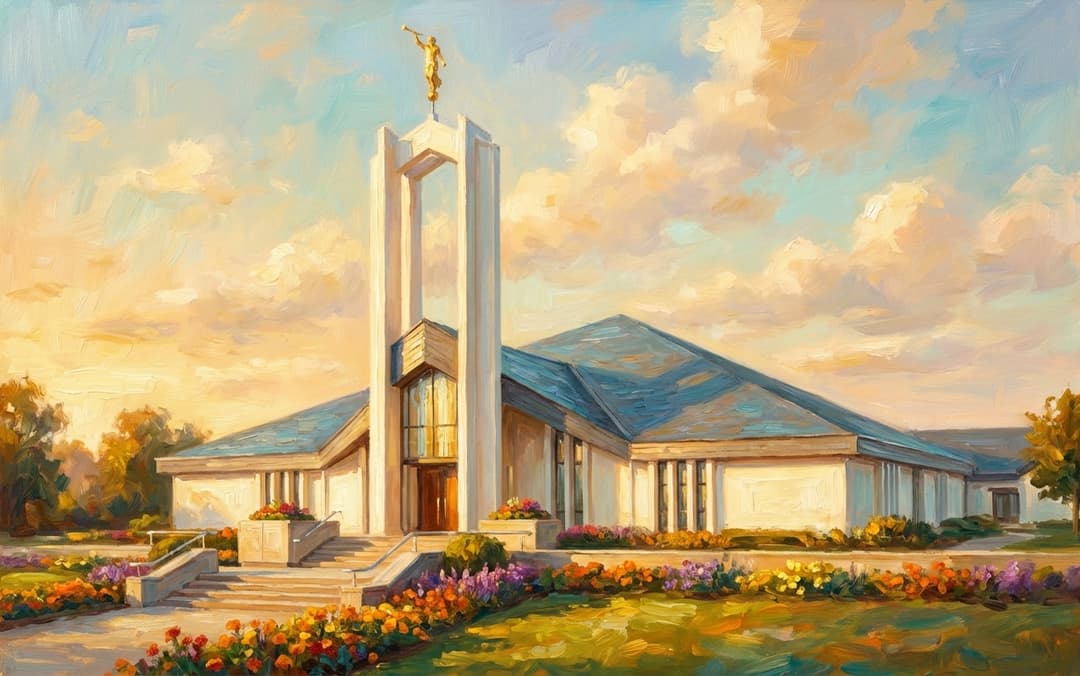
The Freiberg Germany Temple welcomes visitors to experience its serene grounds and admire its unique architecture. While there is no formal visitors' center, the temple grounds are open to the public, offering a peaceful environment for reflection. Visitors can appreciate the temple's design, which incorporates German influences and Gothic-style arches, and learn about its significance to the Latter-day Saints in the region.
Highlights
- Explore the beautifully maintained temple grounds.
- Admire the temple's unique architecture, blending modern and traditional German styles.
- Reflect on the temple's historical significance as the first temple built in a communist nation.
Things to Know
- There is no visitors' center on site.
- The temple is an active place of worship; please be respectful of the sacred environment.
- Check the temple's official website for any closures or special events.
Location
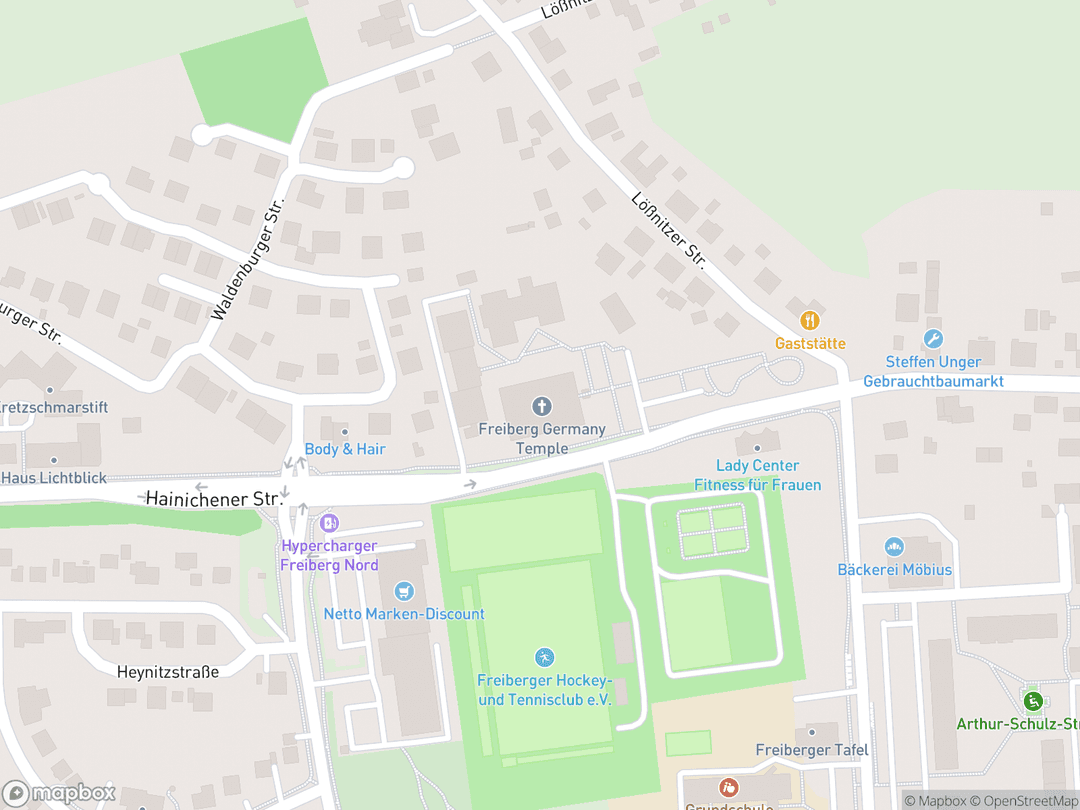
Hainichener Strasse 64, 09599 Freiberg, Germany
Hours: The temple grounds are open to the public during daylight hours.
Getting There: The Freiberg Germany Temple is located at Hainichener Strasse 64, 09599 Freiberg, Germany. Public transportation and parking are available.
Get DirectionsAbout
The Freiberg Germany Temple of The Church of Jesus Christ of Latter-day Saints holds a unique place in the history of the Church. Announced on October 9, 1982, it became the first temple built in a communist nation, symbolizing hope and resilience for members living in East Germany. Its construction was a remarkable achievement, reflecting the faith and dedication of Latter-day Saints who had long desired a temple closer to home.
The temple's presence in Freiberg provided a spiritual sanctuary for members who previously faced significant challenges in traveling to the Bern Switzerland Temple. The Freiberg Temple has undergone several renovations and rededications, each marking a renewed commitment to serving the spiritual needs of the Saints in the region. These milestones reflect the ongoing growth and vitality of the Church in Germany and surrounding countries.
The Freiberg Germany Temple stands as a symbol of faith and perseverance, representing the enduring legacy of Latter-day Saints in Germany. As part of the Christian theological grouping (Abrahamic traditions), the temple emphasizes the importance of covenants, family, and service, providing a sacred space for members to draw closer to God and strengthen their faith. The temple serves not only as a place of worship but also as a testament to the enduring spirit of the Latter-day Saints in Germany and beyond.
Gallery
Symbolic Elements
The temple's exterior features intricate carvings, each rich with spiritual meaning:

Single Spire
The single spire of the Freiberg Germany Temple symbolizes the upward reach towards heaven and the connection between the earthly and divine realms. Its prominent presence signifies the temple's role as a beacon of faith and hope in the community.
Gothic Arches
The Gothic arches incorporated into the temple's design reflect traditional European architectural influences, adding a sense of grandeur and reverence to the structure. These arches symbolize strength, stability, and the enduring nature of faith.

White Stucco Exterior
The white stucco exterior of the Freiberg Germany Temple represents purity, cleanliness, and spiritual enlightenment. Its bright and pristine appearance symbolizes the sacred nature of the temple and its role as a place of refuge and peace.

Slate Stone Slab Roof
The blue-gray slate stone slab roof provides protection and durability to the temple, symbolizing the strength and resilience of the Latter-day Saint community in the region. Its natural beauty adds to the temple's aesthetic appeal and timeless elegance.

Art Glass Windows
The art glass windows, crafted by Derix Glasstudios, feature stylized floral motifs that symbolize beauty, growth, and the blossoming of faith. These intricate designs add a touch of artistry and elegance to the temple's interior, creating a serene and uplifting atmosphere.

Angel Moroni Statue
The angel Moroni statue, placed atop the temple in 2001, is a powerful symbol of the restoration of the gospel of Jesus Christ. It represents the divine messenger heralding the message of hope and salvation to the world.

Temple Grounds
The meticulously maintained temple grounds offer a tranquil and inviting space for visitors and members to reflect and connect with nature. The gardens, pathways, and landscaping symbolize the beauty and harmony of God's creations, providing a peaceful sanctuary for spiritual contemplation.

Interior Cove Lighting
The coved ceilings in the sealing and instruction rooms, embellished with decorative paint and gold leaf accents, create a warm and inviting atmosphere. This lighting symbolizes the divine light and guidance available within the temple.
Interesting Facts
The Freiberg Germany Temple was the first temple built in a communist nation.
It was also the first temple built on German soil.
The German Democratic Republic government suggested building the temple to reduce travel outside the country.
The Freiberg Germany Temple was originally named the Freiberg DDR Temple.
At 7,840 square feet, it was the smallest temple the Church had ever constructed.
Citizens of Freiberg, regardless of their faith, often refer to the temple as 'our' temple.
During the open house in 1985, nearly 90,000 people toured the temple, some waiting up to seven hours.
The temple serves members in eastern Germany, Czech Republic, Poland, Moldova, Romania, and Hungary.
Ordinances are offered in multiple languages in the Freiberg Temple.
The temple stands in the northwest section of Freiberg, a city known for its mining heritage and technological advancements.
Common Questions
What is the significance of the Freiberg Germany Temple?
The Freiberg Germany Temple holds historical importance as the first temple built in a communist nation. It provided a spiritual center for Latter-day Saints in East Germany and surrounding countries, allowing them to participate in sacred ordinances closer to home.
When was the Freiberg Germany Temple dedicated?
The Freiberg Germany Temple was originally dedicated on June 29-30, 1985, by Gordon B. Hinckley. It was later rededicated on September 7, 2002, by Gordon B. Hinckley, and again on September 4, 2016, by Dieter F. Uchtdorf after renovations.
What are the architectural features of the Freiberg Germany Temple?
The Freiberg Germany Temple features a modern, single-spire design with German influences and Gothic-style arches. The exterior is made of white German stucco, and the interior includes art glass with stylized floral motifs.
What ordinances are performed in the Freiberg Germany Temple?
In the Freiberg Germany Temple, members of The Church of Jesus Christ of Latter-day Saints participate in sacred ordinances such as baptism, confirmation, the endowment, and sealings, which unite families for eternity.
Is there a visitors' center at the Freiberg Germany Temple?
While there is no formal visitors' center at the Freiberg Germany Temple, the temple grounds are open to the public, offering a peaceful environment for reflection and appreciation of the temple's architecture.
Featured Stories
Dedication Amidst Challenges
June 29, 1985
The dedication of the Freiberg Germany Temple in June 1985 was a momentous occasion, especially considering the political climate of the time. As the first temple built in a communist nation, its construction required delicate negotiations and unwavering faith. Members of The Church of Jesus Christ of Latter-day Saints in East Germany had long yearned for a temple closer to home, and the dedication marked the fulfillment of their dreams.
Gordon B. Hinckley, then a member of the First Presidency, presided over the dedication, offering words of encouragement and hope to the Saints. The dedication ceremonies were filled with emotion, as members expressed their gratitude for the blessings of the temple and their commitment to living the gospel of Jesus Christ. The Freiberg Germany Temple became a symbol of resilience and spiritual strength for Latter-day Saints in the region.
Source: The Church of Jesus Christ of Latter-day Saints Newsroom
The Angel Moroni's Arrival
December 20, 2001
In December 2001, the Freiberg Germany Temple received a significant addition: an angel Moroni statue placed atop its spire. The installation of the statue was a joyous event for members of the Church, as it symbolized the restoration of the gospel of Jesus Christ and the temple's role as a beacon of faith. The angel Moroni, a prominent figure in Latter-day Saint theology, represents the divine messenger heralding the message of hope and salvation to the world.
The statue's arrival brought renewed enthusiasm and dedication to the temple, as members recognized its significance as a symbol of their beliefs. The angel Moroni statue serves as a reminder of the temple's sacred purpose and its connection to the divine. Its presence has strengthened the faith and commitment of Latter-day Saints in Freiberg and surrounding communities.
Source: The Church of Jesus Christ of Latter-day Saints
Rededication After Renovations
September 4, 2016
Following extensive remodeling, the Freiberg Germany Temple was rededicated on September 4, 2016, by Dieter F. Uchtdorf, then a member of the First Presidency. The renovations included upgrades to the temple's interior and exterior, ensuring its continued functionality and beauty. The rededication marked a renewed commitment to serving the spiritual needs of Latter-day Saints in the region.
The rededication ceremonies were filled with gratitude and joy, as members expressed their appreciation for the temple's enhanced facilities and its enduring role in their lives. Dieter F. Uchtdorf's presence added a special significance to the event, as he shared words of encouragement and inspiration. The Freiberg Germany Temple continues to stand as a testament to the faith and dedication of Latter-day Saints in Germany and beyond.
Source: The Church of Jesus Christ of Latter-day Saints Newsroom
Timeline
Missionary Work Begins
Missionary work of The Church of Jesus Christ of Latter-day Saints begins in Germany.
MilestoneMissionary Work Slows
Missionary work slows during World War II, and missionaries are evacuated.
EventBern Switzerland Temple Dedicated
The Bern Switzerland Temple is dedicated, serving Latter-day Saints throughout Europe.
DedicationTemple Announced
Plans to build a temple in Freiberg, Germany, are announced.
MilestoneGroundbreaking Ceremony
Groundbreaking ceremonies are held, presided over by Thomas S. Monson.
component.timeline.groundbreakingPublic Open House Begins
The temple is open to the public for tours.
EventTemple Dedicated
The Freiberg Germany Temple is dedicated by Gordon B. Hinckley.
DedicationGerman Reunification
German Democratic Republic (East Germany) is reunited with the Federal Republic of Germany (West Germany).
MilestoneAir Conditioning Added
Air conditioning is added to the temple.
RenovationAngel Moroni Statue Placed
An angel Moroni statue is placed on top of the temple.
MilestoneSecond Open House Begins
A second open house is held.
EventTemple Rededicated
The temple is rededicated by Gordon B. Hinckley.
DedicationTemple Closed for Remodeling
The temple closes for extensive remodeling.
RenovationPublic Open House Held
A public open house is held after renovations.
EventTemple Rededicated
The temple is rededicated by Dieter F. Uchtdorf.
DedicationHistory by Decade
1840s — Early Missionary Efforts
The seeds of The Church of Jesus Christ of Latter-day Saints were sown in Germany during the 1840s, as early missionaries ventured into the region to share their message. These dedicated individuals faced numerous challenges, including language barriers, cultural differences, and religious opposition. Despite these obstacles, they persevered, establishing small congregations and laying the foundation for future growth. The early missionary efforts in Germany marked the beginning of a long and enduring relationship between the Church and the German people.
1939-1945 — World War II
The outbreak of World War II brought significant disruptions to the Church's activities in Germany. Missionary work slowed, and many missionaries were evacuated for their safety. German members of the Church faced immense hardships during the war, including persecution, displacement, and loss. Despite these trials, their faith remained strong, and they continued to support one another and maintain their religious practices. The war years tested the resilience and commitment of Latter-day Saints in Germany.
1950s — Post-War Challenges
Following World War II, Germany was divided into East and West, each under different political systems. While missionaries were allowed to re-enter West Germany, the same was not true for East Germany. Latter-day Saints in East Germany faced restrictions on their religious freedom and limited contact with the outside world. The Bern Switzerland Temple, dedicated in 1955, served as a beacon of hope for members throughout Europe, but travel restrictions made it difficult for East German Saints to visit.
1980s — A Temple in East Germany
The announcement of the Freiberg Germany Temple in 1982 was a momentous occasion for Latter-day Saints in East Germany. The construction of a temple in a communist nation was a remarkable achievement, requiring delicate negotiations and unwavering faith. The groundbreaking ceremony in 1983, presided over by Thomas S. Monson, marked the beginning of a new era for the Church in the region. The dedication of the temple in 1985 provided a spiritual sanctuary for members who had long desired a temple closer to home.
1990s — Reunification and Growth
The reunification of Germany in 1990 brought significant changes to the Church in the region. With the lifting of travel restrictions, Latter-day Saints in East Germany were able to connect more freely with members in West Germany and throughout the world. The Church experienced continued growth in Germany during the 1990s, as more people embraced the gospel of Jesus Christ. The Freiberg Germany Temple played a vital role in fostering unity and spiritual growth among members in the newly reunited nation.
2000s — Renovations and Rededication
In the early 2000s, the Freiberg Germany Temple underwent renovations to enhance its facilities and ensure its continued functionality. The addition of an angel Moroni statue in 2001 symbolized the restoration of the gospel and the temple's sacred purpose. The rededication of the temple in 2002 by Gordon B. Hinckley marked a renewed commitment to serving the spiritual needs of Latter-day Saints in the region. The Freiberg Germany Temple continues to stand as a testament to the faith and dedication of members in Germany and beyond.
2010s — Continued Service
In 2015, the Freiberg Germany Temple closed for further extensive remodeling. Following the renovations, a public open house was held in August 2016, allowing the community to see the updated facilities. On September 4, 2016, the temple was rededicated by Dieter F. Uchtdorf. The Freiberg Germany Temple continues to serve members in eastern Germany, Czech Republic, Poland, Moldova, Romania, and Hungary, offering ordinances in multiple languages.
Architecture & Facilities
The Freiberg Germany Temple exhibits a modern architectural style with German influences and Gothic-style arches. The design reflects a blend of contemporary aesthetics and traditional elements, creating a unique and visually appealing structure. The temple's exterior is characterized by its clean lines, symmetrical proportions, and elegant detailing, while the interior features a serene and uplifting atmosphere.
Building Materials
Exterior Stucco
The exterior of the Freiberg Germany Temple is clad in white German stucco, providing a smooth and pristine surface. This material was chosen for its durability, aesthetic appeal, and ability to withstand the local climate.
Slate Stone Slab Roof
The roof of the temple is constructed of blue-gray slate stone slabs, adding a touch of elegance and sophistication to the structure. This material is known for its longevity, weather resistance, and natural beauty.
Art Glass Windows
The temple features art glass windows manufactured by Derix Glasstudios, incorporating stylized floral motifs. These intricate designs add a touch of artistry and elegance to the temple's interior, creating a serene and uplifting atmosphere.
Gypsum Board Ceilings
The ceilings are of gypsum board with a full coating of leveling compound. The ceilings in the sealing and instruction rooms are coved and embellished with decorative paint, while the celestial room features a deep cove with decorative painting and gold leaf accents.
Interior Features
Celestial Room
The celestial room is the most sacred space within the temple, representing the presence of God. It is designed to evoke feelings of peace, reverence, and spiritual enlightenment. The room features elegant furnishings, soft lighting, and intricate detailing, creating a serene and uplifting atmosphere.
Sealing Rooms
Sealing rooms are where marriages are performed, uniting families for eternity. These rooms are designed to be intimate and reverent, providing a sacred space for couples to make eternal covenants. The rooms feature beautiful altars, comfortable seating, and soft lighting, creating a warm and inviting atmosphere.
Baptistry
The baptistry is where baptisms for the dead are performed, allowing individuals to receive this essential ordinance on behalf of their deceased ancestors who did not have the opportunity to receive this ordinance during their lifetime. This act of service demonstrates love and compassion for those who have passed on.
Instruction Rooms
Instruction rooms are where members receive instruction on the gospel of Jesus Christ and the purpose of the temple. These rooms are designed to be conducive to learning and spiritual growth. The rooms feature comfortable seating, visual aids, and a reverent atmosphere, creating an ideal setting for instruction.
Temple Grounds
The temple is surrounded by beautifully maintained grounds, featuring lush gardens, winding pathways, and serene water features. The grounds provide a peaceful and inviting space for visitors and members to reflect, meditate, and connect with nature. The landscaping is carefully designed to complement the temple's architecture and create a harmonious environment.
Additional Facilities
The Freiberg Germany Temple includes a distribution center on site for purchasing temple garments and clothing. Temple clothing rental and housing are also available for those participating in temple ordinances.
Religious Significance
The Freiberg Germany Temple is a sacred edifice for members of The Church of Jesus Christ of Latter-day Saints, serving as a house of the Lord where they can draw closer to God and participate in sacred ordinances. As part of the Christian theological grouping (Abrahamic traditions), the temple emphasizes the importance of covenants, family, and service.
The primary purpose of the Freiberg Germany Temple is to provide a sacred space where members can make covenants with God, receive blessings, and perform ordinances for themselves and their deceased ancestors. These ordinances are essential for eternal progression and exaltation.
Sacred Ordinances
Baptism for the Dead
Baptism for the dead is an ordinance performed in the temple, allowing individuals to be baptized on behalf of their deceased ancestors who did not have the opportunity to receive this ordinance during their lifetime. This act of service demonstrates love and compassion for those who have passed on.
Endowment
The endowment is a sacred ordinance in which members receive instruction, make covenants, and are blessed with power from on high. This ordinance prepares individuals to live righteously, serve others, and return to God's presence.
Sealing
The sealing ordinance unites families for eternity, allowing husbands and wives, parents and children to be bound together in eternal relationships. This ordinance is essential for the continuation of the family unit beyond mortality.
The Importance of Covenants
Covenants are sacred agreements between God and individuals, in which God promises blessings in exchange for obedience to His commandments. The temple is a place where members make and renew covenants, strengthening their relationship with God and receiving His divine guidance.
The Role of the Family
The family is central to God's plan, and the temple plays a vital role in strengthening family relationships. The sealing ordinance unites families for eternity, allowing them to be together forever. The temple also provides opportunities for families to serve together and grow closer to God.
The Blessings of Service
Service is an essential principle of the gospel of Jesus Christ, and the temple provides opportunities for members to serve others, both living and deceased. By participating in temple ordinances, members demonstrate their love and compassion and contribute to the salvation of all mankind.
Sources & Research
Every fact on Temples.org is backed by verified Sources & Research. Each piece of information is rated by source tier and confidence level.
View All Sources (2)
| Field | Source | Tier | Retrieved |
|---|---|---|---|
| About & Historical Background | The Church of Jesus Christ of Latter-day Saints (opens in a new tab) | A | 2024-01-02 |
| Temple Renovations | churchofjesuschristtemples.org (opens in a new tab) | C | 2024-01-02 |