Visitor Insights
Visiting Sri Venkateswara Temple
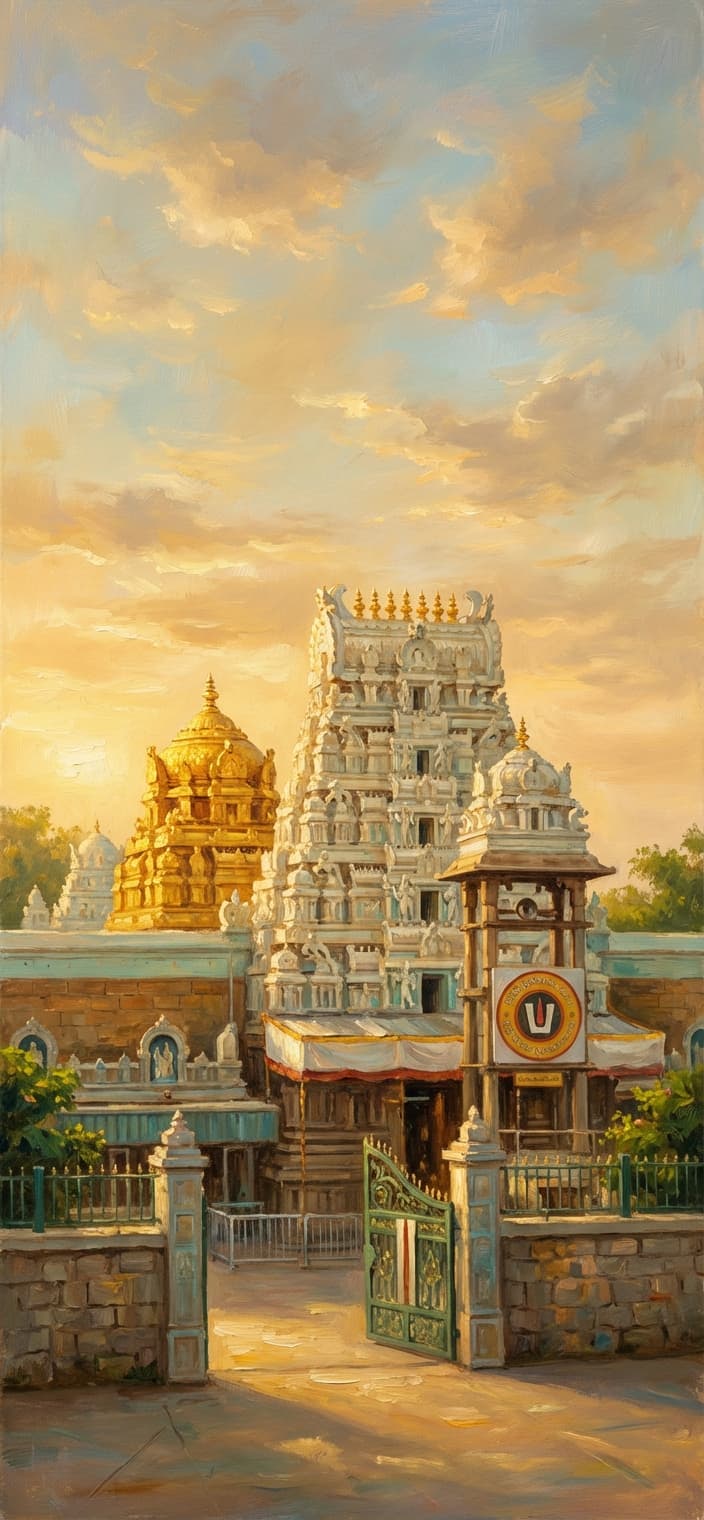
Visiting the Sri Venkateswara Temple is a deeply spiritual and culturally enriching experience. Pilgrims should be prepared for large crowds and long waiting times, especially during festivals and weekends. The atmosphere is filled with devotion, as chants and prayers resonate throughout the temple complex. It is essential to adhere to the dress code and follow the guidelines provided by the TTD for a smooth and respectful visit.
Highlights
- Witness the stunning Dravidian architecture and intricate carvings of the temple.
- Participate in the unique tonsuring ceremony, offering hair as a symbol of devotion.
- Experience the spiritual energy and profound sense of peace within the temple complex.
Things to Know
- Book accommodations and darshan tickets in advance to avoid long queues.
- Dress modestly and respectfully, adhering to the temple's dress code.
- Be prepared for large crowds and potential delays, especially during peak seasons.
Location
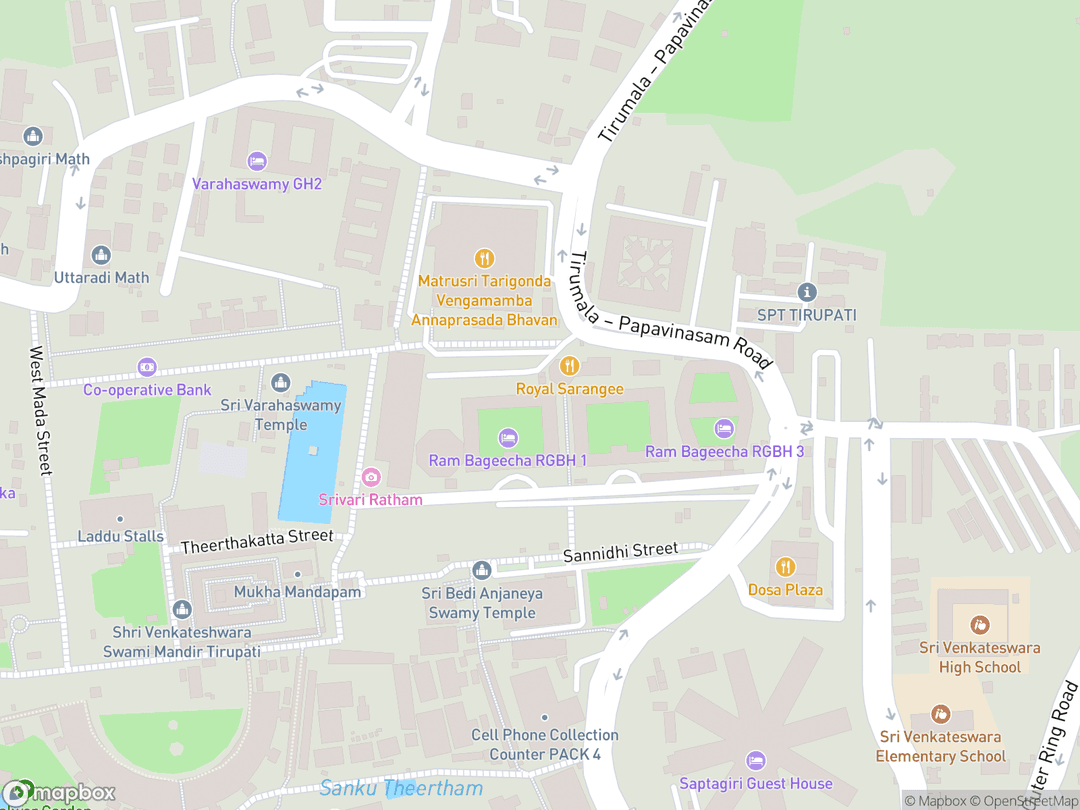
Tirumala, Tirupati, Andhra Pradesh 517504, India
Hours: Open daily from early morning to late evening, with specific timings varying based on the day and rituals.
Getting There: The temple is accessible by road, rail, and air, with regular bus and train services from major cities. The nearest airport is Tirupati Airport, located about 15 km from the temple.
Get DirectionsTips for Your Visit
Plan Ahead
Book accommodations and darshan tickets in advance to avoid long queues and ensure a hassle-free visit.
Dress Code
Adhere to the temple's dress code by wearing traditional attire, such as dhoti/pants and shirt for men, and saree/salwar for women.
About
According to the Tirumala Tirupati Devasthanams (TTD), the Sri Venkateswara Temple, located in Tirumala, Tirupati, Andhra Pradesh, is one of the most revered and visited Hindu temples in the world. Dedicated to Lord Venkateswara, an incarnation of Lord Vishnu, the temple stands as a symbol of devotion, architectural grandeur, and spiritual significance. The temple's history spans several centuries, with contributions from various dynasties, including the Pallavas, Cholas, and Vijayanagara emperors, each adding to its rich cultural and architectural heritage.
The temple complex is situated on the Seshachalam Hills, offering a picturesque and serene environment for devotees. The main deity, Lord Venkateswara, is enshrined in the sanctum sanctorum, attracting millions of pilgrims annually who seek his blessings for prosperity, health, and spiritual upliftment. The temple is renowned for its unique rituals, including the tonsuring ceremony where devotees offer their hair as a symbol of sacrifice and devotion.
The Sri Venkateswara Temple is not only a religious center but also a hub of cultural and economic activity. The Tirumala Tirupati Devasthanams (TTD), which manages the temple, oversees numerous charitable and educational institutions, contributing to the welfare of the community. The temple's architecture, religious practices, and historical significance make it a prominent landmark in India's spiritual landscape.
Gallery
Symbolic Elements
The temple's exterior features intricate carvings, each rich with spiritual meaning:

Gopuram
The gopuram, or monumental tower, is a prominent feature of the Sri Venkateswara Temple, symbolizing the gateway between the mundane and divine realms. Adorned with intricate carvings and sculptures depicting scenes from Hindu mythology, the gopuram serves as a visual representation of the temple's spiritual significance. Its towering presence dominates the landscape, inviting devotees to enter the sacred space and seek the blessings of Lord Venkateswara.

Ananda Nilayam Vimanam
The Ananda Nilayam Vimanam is the golden-roofed tower located directly above the sanctum sanctorum, housing the self-manifested statue of Lord Sri Venkateswara. Gilded with pure gold, the vimanam radiates a divine aura, symbolizing the pinnacle of spiritual energy and the eternal presence of the deity. It is a focal point of reverence for devotees, representing the ultimate destination of their pilgrimage and the source of divine grace.

Pushkarini
The Pushkarini is a sacred tank located within the temple complex, where devotees take a holy dip to purify themselves before entering the sanctum sanctorum. The waters of the Pushkarini are believed to possess cleansing properties, washing away sins and impurities, both physical and spiritual. Taking a dip in the Pushkarini is considered an essential part of the pilgrimage, symbolizing the devotee's commitment to spiritual purity and devotion.

Hundi
The Hundi is the donation box placed near the deity, where devotees offer their wealth as a symbol of gratitude and devotion. The Sri Venkateswara Temple is renowned for receiving vast amounts of donations, making it one of the wealthiest temples in the world. The Hundi represents the devotee's willingness to sacrifice material possessions for spiritual gain, acknowledging the divine source of all blessings and prosperity.

Tonsuring Ceremony
The tonsuring ceremony, where devotees shave their heads as an offering to the deity, is a unique and significant ritual at the Sri Venkateswara Temple. By offering their hair, devotees symbolize the renunciation of ego and worldly attachments, surrendering themselves completely to the divine will. The tonsured hair is then collected and auctioned, with the proceeds used for charitable purposes, further emphasizing the spirit of sacrifice and selfless service.

Prasadam
Prasadam refers to the sacred food offered to the deity and then distributed among the devotees as a blessed offering. At the Sri Venkateswara Temple, the prasadam includes various sweets and delicacies, prepared with utmost care and devotion. Receiving prasadam is considered a great blessing, symbolizing the divine grace and nourishment bestowed upon the devotees. It is a tangible reminder of the devotee's connection with the deity and the spiritual sustenance received through worship.

Dhwaja Stambham
The Dhwaja Stambham, or flag post, stands tall near the entrance of the temple, symbolizing the victory of good over evil and the triumph of righteousness. A flag is hoisted on the Dhwaja Stambham during festivals and special occasions, announcing the sacred event to the world and inviting devotees to participate in the celebrations. The Dhwaja Stambham serves as a beacon of hope and inspiration, reminding devotees of the eternal principles of dharma and the ultimate triumph of divine justice.

Garuda
Garuda, the divine eagle and vehicle of Lord Vishnu, holds a significant place in the Sri Venkateswara Temple. Images and sculptures of Garuda are prominently displayed throughout the temple complex, symbolizing devotion, strength, and unwavering loyalty to the deity. Devotees often offer prayers to Garuda, seeking his blessings for protection, courage, and spiritual guidance. Garuda represents the ideal devotee, always ready to serve the Lord with utmost dedication and selflessness.
Interesting Facts
Tirupati Balaji Temple is considered the wealthiest temple globally in terms of donations received.
The idol of Lord Venkateswara is believed to have real hair that is silky, smooth, and tangle-free.
The back of the idol is often covered with tiny water droplets, believed to be sweat.
Devotees and priests have reported hearing the sound of ocean waves inside the main sanctum.
A lamp that has been lit since forever.
Flowers offered to the deity are in no condition brought out.
Flowers, clarified butter, milk, and other items are collected from an unknown village for ritual worship.
The idol of Lord Tirupati Balaji may appear to be standing in the center of the sanctum sanctorum, but technically, it is not.
The temple is one of the busiest in the world, with an average of 50,000 to 100,000 devotees visiting daily.
The idol of Lord Venkateswara at Tirupati Balaji is said to be self-manifested, meaning it was not sculpted by human hands.
Common Questions
What is the significance of the Sri Venkateswara Temple?
The Sri Venkateswara Temple is one of the most revered Hindu temples globally, dedicated to Lord Venkateswara, an incarnation of Lord Vishnu. It is believed that seeking his blessings can lead to spiritual enlightenment, material prosperity, and liberation.
What are the key rituals performed at the temple?
Key rituals include the tonsuring ceremony, where devotees offer their hair as a symbol of sacrifice, and various daily prayers and offerings to the deity. The temple also celebrates numerous festivals throughout the year, attracting large crowds of pilgrims.
What is the best time to visit the temple?
The winter months (November to February) are generally considered the best time to visit Tirupati, as the weather is pleasant and conducive for pilgrimage. However, it is essential to book accommodations and darshan tickets in advance, especially during peak seasons.
What should I wear when visiting the temple?
Devotees are expected to dress modestly and respectfully when visiting the temple. Men should wear dhoti/pants and shirt, while women should wear saree/salwar. Avoid wearing revealing or inappropriate clothing.
How can I book darshan tickets and accommodations?
Darshan tickets and accommodations can be booked online through the official website of the Tirumala Tirupati Devasthanams (TTD). It is advisable to book well in advance to secure your preferred dates and avoid long queues.
Related Stories
Explore the rich history, traditions, and people connected to this sacred site.

Featured Stories
The Legend of Lord Venkateswara's Marriage
Ancient Times
One of the most cherished legends associated with the Sri Venkateswara Temple is the story of Lord Venkateswara's marriage to Padmavathi, a mortal princess. According to the legend, Lord Venkateswara, an incarnation of Vishnu, descended to earth and fell in love with Padmavathi, the daughter of King Akasa Raja. Their love story is a tale of divine romance, symbolizing the union of the divine and the earthly realms.
As Lord Venkateswara prepared for his marriage, he faced a financial challenge, as he needed to borrow money from Kubera, the god of wealth. To this day, devotees believe that Lord Venkateswara is still repaying this debt, and the donations offered in the Hundi are seen as contributions towards this divine loan. The legend of Lord Venkateswara's marriage serves as a reminder of the importance of love, devotion, and financial responsibility.
The Sri Padmavathi Ammavari Temple in Tiruchanur, located near Tirupati, is dedicated to Goddess Padmavathi, the consort of Lord Venkateswara. Pilgrims often visit this temple before or after visiting the Sri Venkateswara Temple, seeking the blessings of the divine couple for marital harmony, prosperity, and spiritual fulfillment. The legend of Lord Venkateswara's marriage continues to inspire millions of devotees, reinforcing their faith in the power of love and devotion.
Source: Puranic Texts and Local Legends
The Discovery of the Self-Manifested Idol
Ancient Times
The idol of Lord Venkateswara at the Sri Venkateswara Temple is believed to be self-manifested, meaning it was not sculpted by human hands. According to legend, the idol miraculously appeared on the Seshachalam Hills, attracting the attention of local tribes and devotees. The discovery of the self-manifested idol marked the beginning of the temple's prominence as a major pilgrimage site.
The circumstances surrounding the idol's appearance are shrouded in mystery, with various accounts and interpretations passed down through generations. Some believe that the idol emerged from the earth, while others claim it descended from the heavens. Regardless of its origin, the self-manifested nature of the idol is seen as a testament to the divine presence and the sacredness of the temple.
The self-manifested idol of Lord Venkateswara continues to inspire awe and reverence among devotees, who believe that it possesses extraordinary powers and blessings. Pilgrims flock to the temple to witness the divine form of the deity, seeking solace, guidance, and spiritual upliftment. The story of the idol's discovery serves as a reminder of the miraculous nature of faith and the enduring power of divine intervention.
Source: Temple Records and Oral Traditions
The Ritual of Hair Tonsuring: A Symbol of Sacrifice
Centuries Old
The ritual of hair tonsuring, where devotees shave their heads as an offering to the deity, is a unique and significant practice at the Sri Venkateswara Temple. This ancient tradition symbolizes the renunciation of ego and worldly attachments, surrendering oneself completely to the divine will. By offering their hair, devotees demonstrate their humility, devotion, and willingness to sacrifice personal vanity for spiritual gain.
The tonsured hair is then collected and auctioned, with the proceeds used for charitable purposes, further emphasizing the spirit of selfless service and compassion. The act of offering hair is seen as a way to cleanse oneself of past sins and impurities, both physical and spiritual. It is a symbolic gesture of renewal, signifying a fresh start on the path of righteousness and devotion.
The tonsuring ceremony attracts thousands of devotees daily, creating a spectacle of faith and sacrifice. The Sri Venkateswara Temple is renowned for being one of the largest centers for hair collection in the world, with the tonsured hair being a valuable commodity in the global market. The ritual of hair tonsuring serves as a powerful reminder of the transformative power of sacrifice and the enduring spirit of devotion.
Source: Temple Practices and Religious Texts
Timeline
Early Settlements
Archaeological evidence suggests settlements thrived in the Tirupati region as early as the 3rd century BCE.
MilestonePallava Dynasty
The Pallava dynasty laid the foundation for the city’s growth and the temple's early development.
MilestoneVaishnava Center
Tirupati became a significant Vaishnava center during the time of Ramanujacharya, spreading Srivaishnavism.
MilestoneSafeguarding of Sri Ranganathaswamy Idol
During the early 1300s Muslim invasion of South India, the idol of Sri Ranganathaswamy Temple, Srirangam was brought to Tirupati for safekeeping.
EventVijayanagara Empire
The temple town was part of the Vijayanagara Empire, with rulers contributing resources and wealth.
MilestoneMaratha Oversight
The Maratha General Raghoji I Bhonsale formed a committee to oversee the temple procedures.
MilestoneBritish East India Company
The British East India Company began overseeing the temple's administration.
MilestoneEstablishment of TTD
The Tirumala Tirupati Devasthanams (TTD) was established under the TTD Act to manage the temple.
MilestoneGlobal Pilgrimage Site
The Sri Venkateswara Temple remains one of the most visited and revered Hindu temples in the world.
MilestoneDaily Visitors
The temple is one of the busiest in the world, with an average of 50,000 to 100,000 devotees visiting daily.
EventOfferings and Rituals
A unique aspect of the temple is the ritual of hair tonsuring, where pilgrims shave their heads as an offering to the deity.
EventCharitable Activities
The TTD oversees numerous charitable and educational institutions, contributing to the welfare of the community.
EventBest Time to Visit
The winter months (November to February) are considered the best time to visit Tirupati.
EventDarshan Availability
Sarva Darshan (Free Darshan) and Special Entry Darshan (₹300 Ticket Darshan) are available for devotees.
EventMust-Visit Places
Sri Padmavathi Ammavari Temple, Kapila Theertham, and Sri Govindarajaswami Temple are popular places to visit.
EventHistory by Decade
3rd Century BCE
Archaeological evidence suggests that settlements thrived in the Tirupati region as early as the 3rd century BCE. This indicates a long history of human habitation and cultural development in the area, setting the stage for the emergence of Tirupati as a significant religious center. The early inhabitants of the region likely engaged in agriculture, trade, and other economic activities, contributing to the growth and prosperity of the community.
6th Century
The Pallava dynasty, which ruled over much of South India during the 6th century, played a crucial role in laying the foundation for the city's growth and the temple's early development. The Pallavas were known for their patronage of art, architecture, and religion, and their influence can be seen in the early structures and religious practices associated with the Sri Venkateswara Temple.
11th Century
During the 11th century, Tirupati became a significant Vaishnava center, largely due to the influence of Ramanujacharya, a prominent philosopher and theologian. Ramanujacharya's teachings emphasized devotion to Lord Vishnu and the importance of spiritual liberation. His presence in Tirupati helped to spread Srivaishnavism, a branch of Vaishnavism, to other parts of Andhra Desa, solidifying Tirupati's position as a major religious hub.
1300s
In the early 1300s, during the Muslim invasion of South India, the idol of Sri Ranganathaswamy Temple in Srirangam was brought to Tirupati for safekeeping. This event highlights the importance of Tirupati as a secure and revered religious site, capable of protecting sacred artifacts during times of conflict. The presence of the Sri Ranganathaswamy idol further enhanced the spiritual significance of Tirupati.
17th Century
The temple town was part of the Vijayanagara Empire until the 17th century. Rulers like Krishna Deva Raya and Achyuta Deva Raya contributed resources and wealth to the temple, enhancing its infrastructure and prestige. The Vijayanagara emperors were great patrons of art and architecture, and their contributions to the Sri Venkateswara Temple are evident in the intricate carvings and sculptures that adorn the temple complex.
18th Century
In the mid-18th century, the Maratha General Raghoji I Bhonsale established a committee to oversee the temple procedures. This marked a period of Maratha influence over the temple's administration, ensuring the smooth functioning of its rituals and ceremonies. The Marathas were known for their administrative skills and their respect for religious institutions, and their involvement in the temple's management helped to maintain its sanctity and efficiency.
19th Century
The early 19th century saw the beginning of British East India Company oversight of the temple. This marked a shift in the temple's administration, with the British exerting increasing control over its affairs. The British administration introduced various reforms and regulations, impacting the temple's management and financial practices.
1933
A significant milestone in the temple's history occurred in 1933 with the establishment of the Tirumala Tirupati Devasthanams (TTD) under the TTD Act. The TTD was created to manage the temple's affairs in a more organized and efficient manner, ensuring the preservation of its traditions and the welfare of its devotees. The TTD continues to oversee the temple's administration to this day, playing a crucial role in its growth and development.
Architecture & Facilities
The Sri Venkateswara Temple is a masterpiece of Dravidian architecture, characterized by its distinct gopurams (monumental gateway towers), intricate stone carvings, and pillared halls. The defining feature is the Ananda Nilayam Vimanam, the glittering gold-plated tower that crowns the main sanctum sanctorum. The temple complex is a sprawling layout of mandapams (pavilions), circumambulatory paths, and sacred water tanks, all designed to guide the devotee physically and spiritually toward the central deity. The pillars are often adorned with sculptures of lions, yalis (mythical beasts), and deities, showcasing the consummate skill of ancient artisans.
Building Materials
Granite
The primary building material for the temple is granite, sourced from the surrounding hills. The granite provides a durable and aesthetically pleasing foundation for the temple's intricate carvings and sculptures.
Gold
Gold is used extensively in the temple, particularly for the Ananda Nilayam Vimanam, the golden-roofed tower above the sanctum sanctorum. The gold symbolizes the divine presence and the temple's wealth and prosperity.
Wood
Wood is used for various structural and decorative elements within the temple, including doors, pillars, and chariots. The wooden elements are often intricately carved and painted, adding to the temple's artistic richness.
Interior Features
Sanctum Sanctorum
The sanctum sanctorum is the innermost chamber of the temple, housing the self-manifested idol of Lord Sri Venkateswara. It is the most sacred space within the temple, radiating divine energy and attracting the devotion of millions of pilgrims.
Mukha Mandapam
The Mukha Mandapam is the main hall in front of the sanctum sanctorum, where devotees gather for prayers and darshan. It is a spacious and ornate hall, adorned with intricate carvings and sculptures depicting scenes from Hindu mythology.
Vendi Vakili
The Vendi Vakili is the silver entrance to the sanctum sanctorum, separating the Mukha Mandapam from the inner chamber. It is a beautifully crafted silver doorway, symbolizing the transition from the outer world to the divine realm.
Temple Grounds
The temple complex is situated on the Seshachalam Hills, offering a picturesque and serene environment for devotees. The grounds include gardens, tanks, and various other structures, creating a harmonious blend of nature and architecture.
Additional Facilities
The temple complex includes various facilities for pilgrims, such as accommodation, dining halls, and information centers. The Tirumala Tirupati Devasthanams (TTD) manages these facilities, ensuring the comfort and convenience of the devotees.
Religious Significance
The Sri Venkateswara Temple holds immense religious significance for Hindus, serving as the sacred abode of Lord Venkateswara, an incarnation of Lord Vishnu. The temple is revered as one of the holiest places on earth, attracting millions of pilgrims seeking blessings and spiritual enlightenment.
The core spiritual purpose of the temple is to provide devotees with a direct connection to the divine, allowing them to experience the grace and blessings of Lord Venkateswara. The temple serves as a center for prayer, meditation, and the performance of sacred rituals, fostering a sense of community and devotion among its followers.
Sacred Ordinances
Darshan
Darshan refers to the act of viewing the deity, Lord Venkateswara, in the sanctum sanctorum. It is the most important ritual at the temple, allowing devotees to establish a direct connection with the divine and receive blessings.
Tonsuring
Tonsuring is the ritual of shaving one's head as an offering to the deity, symbolizing the renunciation of ego and worldly attachments. It is a unique and significant practice at the Sri Venkateswara Temple, attracting thousands of devotees daily.
Prasadam Distribution
Prasadam distribution involves the offering of sacred food to the deity and its subsequent distribution among the devotees as a blessed offering. Receiving prasadam is considered a great blessing, symbolizing the divine grace and nourishment bestowed upon the devotees.
The Significance of Lord Venkateswara
Lord Venkateswara is revered as an incarnation of Lord Vishnu, the preserver of the universe. He is believed to have descended to earth to protect humanity and bestow his blessings upon his devotees. The Sri Venkateswara Temple serves as his earthly abode, attracting millions of pilgrims seeking his grace and guidance.
The Importance of Pilgrimage
Pilgrimage to the Sri Venkateswara Temple is considered a sacred journey, allowing devotees to cleanse themselves of past sins and impurities and to strengthen their connection with the divine. The act of traveling to the temple, enduring hardships, and offering prayers is seen as a testament to one's devotion and commitment to spiritual growth.
Similar Temples
Sources & Research
Every fact on Temples.org is backed by verified Sources & Research. Each piece of information is rated by source tier and confidence level.
View All Sources (6)
| Field | Source | Tier | Retrieved |
|---|---|---|---|
| Official Website | Tirumala Tirupati Devasthanams (opens in a new tab) | A | 2024-02-27 |
| Encyclopedia Britannica | Encyclopedia Britannica (opens in a new tab) | B | 2024-02-27 |
| UNESCO World Heritage Tentative List | UNESCO (opens in a new tab) | B | 2024-02-27 |
| Archaeological Survey of India | Archaeological Survey of India (opens in a new tab) | A | 2024-02-27 |
| About & Historical Background | Tirumala Tirupati Devasthanams (opens in a new tab) | A | 2024-02-27 |
| Visitor Information | Tournami (opens in a new tab) | D | 2024-02-27 |