Visitor Insights
Visiting Al-Aqsa Mosque
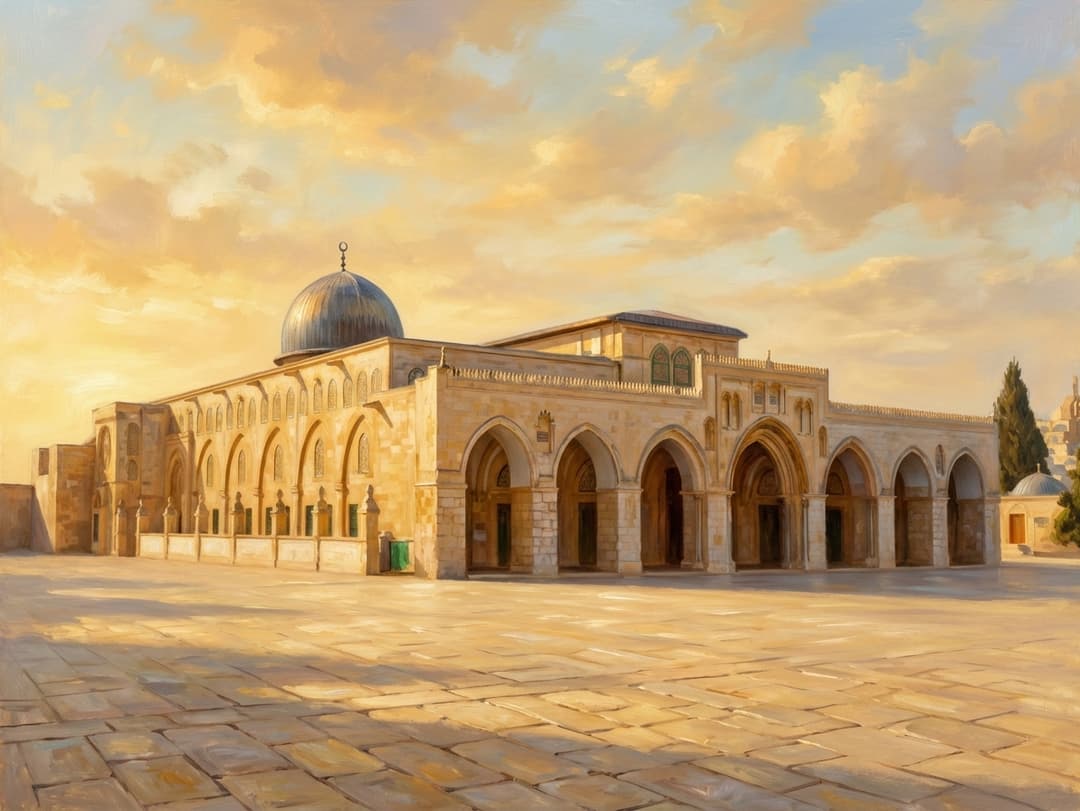
Visiting Al-Aqsa Mosque offers a profound experience, steeped in history and spiritual significance. The atmosphere is generally serene, though it's important to be aware of the political sensitivities surrounding the site. Expect to encounter a diverse mix of worshippers and visitors from around the world. Modest dress is required, and non-Muslims should be mindful of prayer times and restrictions on entering mosque buildings.
Highlights
- Witnessing the stunning architecture and intricate decorations of the mosque.
- Experiencing the spiritual atmosphere of one of Islam's holiest sites.
- Exploring the Al-Haram ash-Sharif (Noble Sanctuary) compound.
Things to Know
- Non-Muslims can visit the Temple Mount (Al-Haram al-Sharif) during specific hours, typically Monday through Thursday, except during prayer times.
- The compound is closed to non-Muslim tourists on Fridays, Saturdays, and Muslim holidays.
- During Ramadan, non-Muslim access is limited to mornings only.
Location
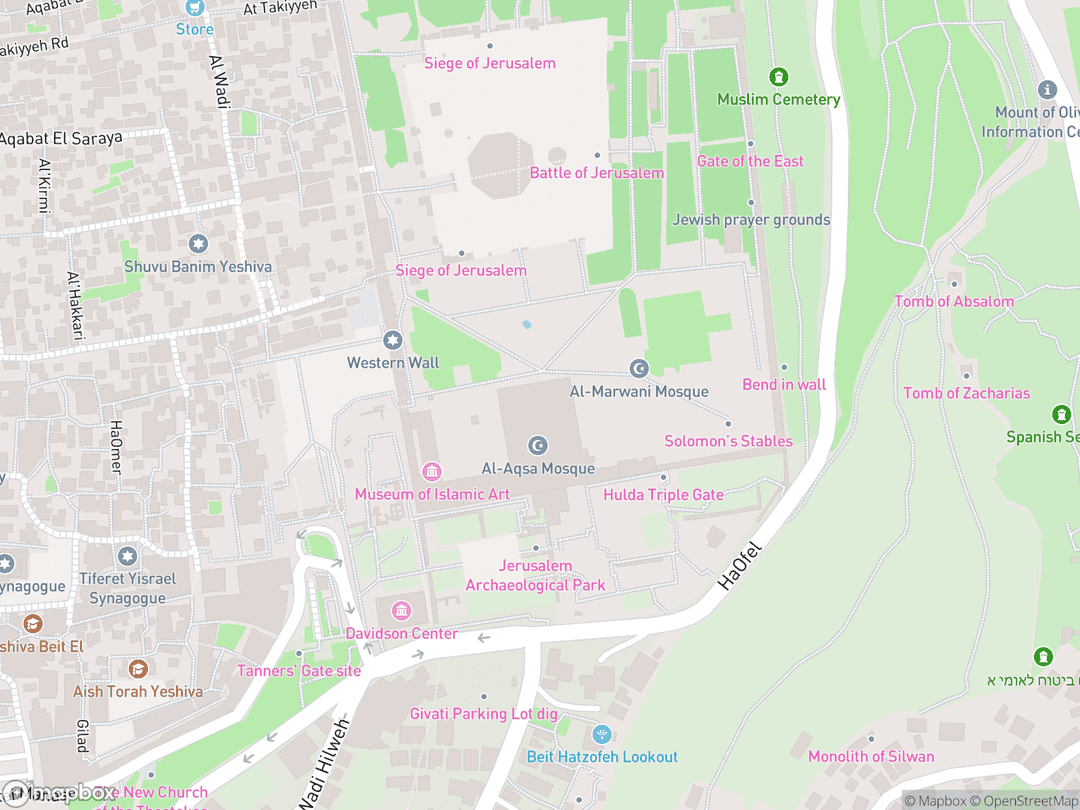
Old City of Jerusalem, Palestine
Hours: Non-Muslim visiting hours vary by season. In winter, typically 7:00-10:30 and 12:30-13:30, while in summer, the hours are 7:00-11:00 and 13:30-14:30, from Sunday to Thursday.
Getting There: Al-Aqsa Mosque is located in the Old City of Jerusalem and is accessible by foot or public transportation. Consult local guides for the most up-to-date information on access and security.
Get DirectionsTips for Your Visit
Dress Modestly
Ensure your attire covers your shoulders and knees out of respect for the religious site.
Check Visiting Hours
Confirm the current visiting hours for non-Muslims before your visit, as they can change.
About
Al-Aqsa Mosque, also known as Al-Jami' al-Aqsa, is situated in the Old City of Jerusalem, Palestine, and stands as the third holiest site in Islam. This sacred mosque is part of the Islamic theological grouping of Abrahamic traditions, sharing historical and spiritual connections with Judaism and Christianity. The Al-Aqsa Mosque compound, also referred to as Al-Haram ash-Sharif (the Noble Sanctuary), encompasses a rich tapestry of religious history and architectural marvels.
The mosque's origins trace back to the early days of Islam, with initial construction taking place in the 7th century. Over the centuries, Al-Aqsa Mosque has undergone numerous renovations and reconstructions, reflecting the diverse empires and rulers who have shaped the region. Despite these changes, the mosque has retained its essential character as a place of worship and a symbol of Islamic heritage.
Today, Al-Aqsa Mosque continues to be a vibrant center of religious life for Muslims, attracting worshippers and visitors from around the world. Its stunning architecture, intricate decorations, and profound spiritual atmosphere make it a truly unique and unforgettable destination. The mosque also stands as a potent symbol of Palestinian identity and resilience.
Gallery
Symbolic Elements
The temple's exterior features intricate carvings, each rich with spiritual meaning:

Dome of the Rock
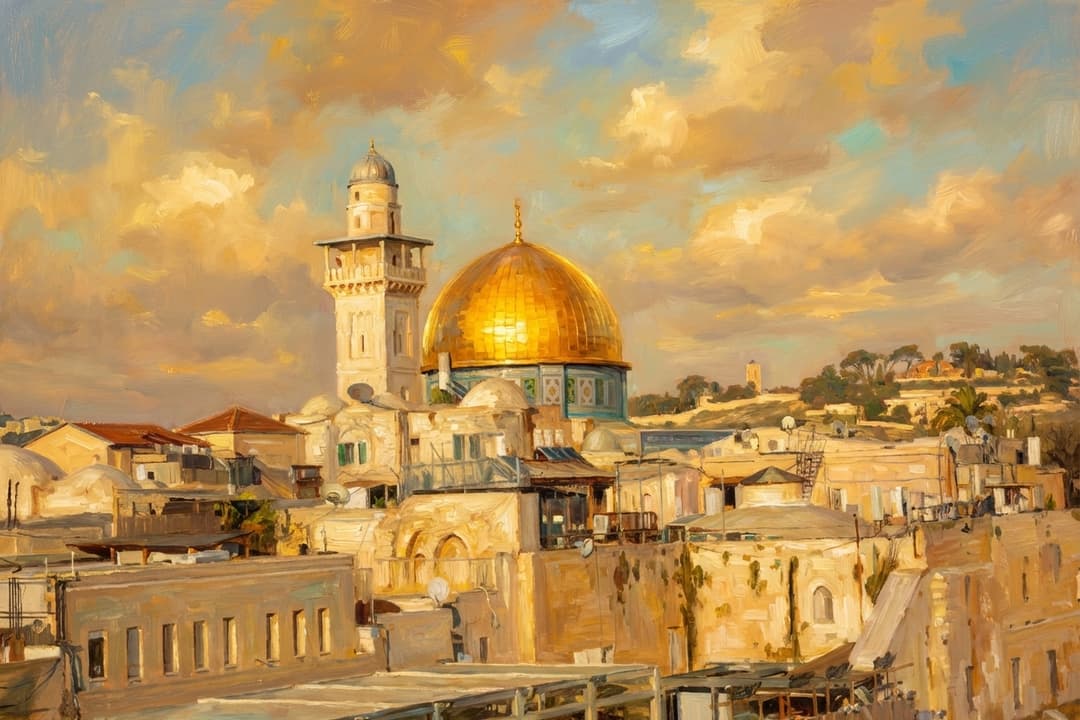
The Dome of the Rock, located within the Al-Aqsa Mosque compound, is an iconic Islamic shrine. Its golden dome and intricate mosaics represent a significant example of Islamic architecture and artistry, symbolizing the spiritual importance of the site.

Al-Qibli Mosque
The Al-Qibli Mosque, with its distinctive silver dome, is a central structure within the Al-Aqsa complex. This mosque serves as a primary prayer space for worshippers and is a focal point for religious gatherings and ceremonies.

Minarets
The minarets of Al-Aqsa Mosque stand tall as architectural landmarks and serve as a call to prayer for Muslims. These slender towers are strategically positioned around the compound, symbolizing the presence of Islam and inviting believers to worship.

Arches
The Romanesque-style arches that adorn the facade of Al-Aqsa Mosque contribute to its architectural beauty and historical significance. These arches reflect the diverse influences that have shaped the mosque's design over the centuries, blending Islamic and Roman architectural elements.

Stained Glass Windows
The interior of Al-Aqsa Mosque is illuminated by 121 stained glass windows, showcasing intricate designs and vibrant colors. These windows, dating back to the Abbasid and Fatimid eras, add to the mosque's artistic and spiritual ambiance.

Mihrab
The mihrab, a niche in the wall of the mosque that indicates the direction of Mecca, is an essential element of Al-Aqsa Mosque. The colorful principal mihrab, created in the late 1200s, serves as a focal point for prayer and symbolizes the connection between worshippers and the Kaaba.

Columns
The 45 columns that support the hypostyle naves of Al-Aqsa Mosque are constructed from a mix of white marble and stone materials. These columns represent a testament to the architectural skill and craftsmanship of the builders who created this sacred space.

Hypostyle Naves
The seven aisles of hypostyle naves within Al-Aqsa Mosque create a spacious and awe-inspiring interior. These naves, supported by numerous columns, provide ample space for worshippers to gather and pray, fostering a sense of community and devotion.
Interesting Facts
Al-Aqsa Mosque is more than just one mosque; the whole complex is known as the Blessed Masjid Al-Aqsa.
Al-Aqsa Mosque is one of the few mosques mentioned in the Holy Qur'an.
The mosque has gone through multiple reconstructions.
The silver-domed structure is the Al-Qibli Mosque, which is considered one of the most significant structures on the site.
The mosque can accommodate up to 5,000 worshippers at a time.
Al-Aqsa Mosque is not only the third holiest site in Islam but also a pivotal symbol of Palestinian identity and resistance.
Al-Aqsa Mosque is associated with important events revolving around the lives of almost all prophets.
The Al-Aqsa Mosque complex belongs to the Haram al-Sharif (Noble Sanctuary), which occupies more than 230,000 square meters.
The site is believed to be the location of the resurrection and gathering of believers during the Day of Judgment.
Al-Aqsa Mosque was built 40 years after Al Masjid Al Haram in Makkah.
Common Questions
What is the significance of Al-Aqsa Mosque in Islam?
Al-Aqsa Mosque is the third holiest site in Islam. It is believed to be the site where Prophet Muhammad ascended to heaven during the Night Journey (Isra and Mi'raj). It was also the first Qibla (direction of prayer) for Muslims.
Can non-Muslims visit Al-Aqsa Mosque?
Non-Muslims can visit the Temple Mount (Al-Haram al-Sharif), where Al-Aqsa Mosque is located, during specific hours, typically Monday through Thursday, except during prayer times. However, non-Muslims are not allowed to worship within the compound or enter the Mosque buildings.
What is the architectural style of Al-Aqsa Mosque?
Al-Aqsa Mosque is a remarkable example of early Islamic architecture. The mosque has seven aisles of hypostyle naves supported by 45 columns, with a mix of white marble and stone materials. The interior is adorned with 121 stained glass windows, and the facade consists of 14 Romanesque-style arches.
How many worshippers can Al-Aqsa Mosque accommodate?
Al-Aqsa Mosque can accommodate up to 5,000 worshippers at a time.
What is the Al-Haram ash-Sharif?
The Al-Aqsa Mosque compound is also referred to as Al-Haram ash-Sharif (the Noble Sanctuary). It is a larger complex that includes the Dome of the Rock and other religious structures.
Featured Stories
The Night Journey (Isra and Mi'raj)
7th Century
Al-Aqsa Mosque holds a paramount position in Islamic tradition as the site where Prophet Muhammad is believed to have ascended to heaven during the Night Journey (Isra and Mi'raj). This miraculous event, recounted in the Qur'an, signifies the spiritual importance of Jerusalem and Al-Aqsa Mosque in the Islamic faith. The Night Journey is a testament to the divine connection between the Prophet and the Almighty.
According to Islamic belief, Prophet Muhammad traveled from Mecca to Jerusalem in a single night, where he led prayers with other prophets before ascending to the heavens. This journey symbolizes the unity of all prophets and the continuity of divine guidance. The Night Journey is a source of inspiration and reverence for Muslims worldwide.
Source: https://dompetdhuafa.org
The First Qibla
Early Islamic Era
Before the direction of prayer was changed to the Kaaba in Mecca, Al-Aqsa Mosque served as the first Qibla (direction of prayer) for Muslims. This historical significance underscores the mosque's central role in the early development of Islam. The act of facing Al-Aqsa during prayer connected the nascent Muslim community to Jerusalem and its rich religious heritage.
The decision to change the Qibla to Mecca was a pivotal moment in Islamic history, marking a shift in focus towards the Kaaba as the central point of worship. However, the memory of Al-Aqsa as the first Qibla remains a cherished part of Islamic tradition, symbolizing the enduring connection between Muslims and Jerusalem.
Source: https://muslimhands.org.uk
Reconstruction After the 1969 Fire
1969
In 1969, a devastating fire swept through Al-Aqsa Mosque, causing significant damage to the structure and its historical artifacts. This tragic event sparked outrage and sorrow among Muslims worldwide, highlighting the vulnerability of the sacred site. The fire served as a catalyst for a major reconstruction effort, aimed at restoring the mosque to its former glory.
Following the fire, the dome of Al-Aqsa Mosque was reconstructed using concrete and covered with anodized aluminum. This reconstruction project involved skilled artisans and engineers who worked diligently to preserve the mosque's architectural integrity and historical character. The rebuilt dome stands as a symbol of resilience and the enduring spirit of the Muslim community.
Source: https://confinity.com
Timeline
Early Prayer House Erected
Following the Muslim entry into Jerusalem, a small prayer house was erected near the site of the mosque by either the Rashidun Caliph Umar or the Umayyad Caliph Mu'awiya I.
MilestoneArchitectural Projects Initiated
Abd al-Malik initiates architectural projects on the Temple Mount, including the Dome of the Rock.
MilestoneConstruction Started
Construction of the Al-Aqsa Mosque was started by Abd ul-Malik ibn-i Marwan.
MilestoneConstruction Begins Under al-Walid I
The construction of Al-Aqsa Mosque began under the Umayyad Caliph al-Walid I.
MilestoneMosque Built by the Umayyads
Al-Aqsa Mosque was built by the Umayyads, led by Caliph al-Walid I.
MilestoneMosque Destroyed in Earthquake
The mosque was destroyed in an earthquake.
RenovationRebuilt by al-Mansur
Rebuilt by the Abbasid caliph al-Mansur.
RenovationExpanded by al-Mahdi
Expanded upon by the Abbasid caliph al-Mahdi.
RenovationDestroyed in Earthquake
Again destroyed during the Jordan Rift Valley earthquake.
RenovationRebuilt by al-Zahir
Rebuilt by the Fatimid caliph al-Zahir.
RenovationFacade Built
The facade of the mosque was built.
MilestoneJerusalem Captured by Crusaders
Jerusalem captured by the Crusaders, who named the mosque Templum Solomonis (Solomon's Temple).
EventAyyubids Reclaim Jerusalem
Ayyubids under Saladin reconquered Jerusalem, and repairs and renovations were undertaken at al-Aqsa Mosque.
EventMihrab Created
Commissioned by the Ayuubid ruler Salah al-Din, the colorful principal mihrab was created.
MilestoneDome Reconstructed
The dome was reconstructed in concrete and covered with anodized aluminum, after a fire.
RenovationHistory by Decade
630s CE — Early Islamic Era
Following the Muslim entry into Jerusalem in 638 CE, a small prayer house was erected near the site of the future Al-Aqsa Mosque. This humble structure marked the beginning of Islamic presence at the Temple Mount, a site already revered by Jews and Christians. The prayer house served as a place of worship for the early Muslim community in Jerusalem.
690s CE — Umayyad Caliphate
During the Umayyad Caliphate, Abd al-Malik initiated significant architectural projects on the Temple Mount, including the construction of the Dome of the Rock. In 695 CE, construction of the Al-Aqsa Mosque was started by Abd ul-Malik ibn-i Marwan, laying the foundation for the grand mosque that would become a symbol of Islamic Jerusalem.
700s CE — Completion Under al-Walid I
The construction of Al-Aqsa Mosque continued under the Umayyad Caliph al-Walid I, son of Abd al-Malik. The mosque was completed in 715 CE, solidifying its status as a major center of Islamic worship and learning. The Umayyad Caliphate invested significant resources in the construction of Al-Aqsa, reflecting its importance to the ruling dynasty.
740s CE — Earthquake Destruction
In 746 CE, a devastating earthquake struck Jerusalem, causing widespread damage to Al-Aqsa Mosque. The earthquake destroyed much of the original structure, necessitating extensive repairs and reconstruction efforts. This natural disaster tested the resilience of the Muslim community in Jerusalem.
750s-780s CE — Abbasid Reconstruction
During the Abbasid period, Caliphs al-Mansur and al-Mahdi oversaw the renovation and reconstruction of Al-Aqsa Mosque. These Abbasid rulers invested in restoring the mosque to its former glory, expanding upon the original Umayyad design. The Abbasid reconstruction efforts helped to preserve Al-Aqsa as a vital center of Islamic life.
1030s CE — Fatimid Rebuilding
In 1033 CE, another major earthquake struck Jerusalem, causing further damage to Al-Aqsa Mosque. The Fatimid Caliph al-Zahir undertook the rebuilding of the mosque in 1035 CE, incorporating new architectural elements and designs. The Fatimid reconstruction reflected the artistic and cultural influences of the era.
1090s CE — Crusader Conquest
In 1099 CE, Jerusalem was captured by the Crusaders, who renamed Al-Aqsa Mosque Templum Solomonis (Solomon's Temple). The Crusaders used the mosque as a royal palace and stable for horses, desecrating the sacred site. This period marked a dark chapter in the history of Al-Aqsa Mosque.
1180s CE — Ayyubid Restoration
In 1187 CE, the Ayyubids under Saladin reconquered Jerusalem, restoring Al-Aqsa Mosque to Muslim control. Saladin ordered repairs and renovations to be undertaken at the mosque, removing the traces of Crusader occupation. The Ayyubid restoration symbolized the resurgence of Islam in Jerusalem.
1960s CE — Modern Reconstruction
In 1969 CE, a fire damaged the mosque. The dome was reconstructed in concrete and covered with anodized aluminum.
Religious Significance
Al-Aqsa Mosque holds immense religious significance for Muslims as the third holiest site in Islam and a central place of worship within the Abrahamic tradition.
The core spiritual purpose of Al-Aqsa Mosque is to provide a sacred space for Muslims to connect with Allah through prayer, reflection, and devotion.
Sacred Ordinances
Salah (Prayer)
Salah, the daily ritual prayer, is a fundamental practice in Islam, and Al-Aqsa Mosque serves as a focal point for communal prayers and individual supplications.
Ziyarat (Visitation)
Ziyarat, the act of visiting holy sites, is a cherished tradition in Islam, and Al-Aqsa Mosque attracts pilgrims from around the world seeking spiritual enrichment and blessings.
I'tikaf (Seclusion)
I'tikaf, the practice of secluding oneself in a mosque for prayer and contemplation, is a spiritual retreat often observed during Ramadan, with Al-Aqsa Mosque providing a serene environment for this devotion.
The Night Journey and Ascension
Islamic tradition holds that Prophet Muhammad's Night Journey (Isra) and Ascension (Mi'raj) took place from the site of Al-Aqsa Mosque, solidifying its status as a sacred destination and a symbol of divine connection.
The First Qibla
Al-Aqsa Mosque served as the first Qibla (direction of prayer) for Muslims before the direction was changed to the Kaaba in Mecca, underscoring its historical importance and its role in the early development of Islam.
Similar Temples
Sources & Research
Every fact on Temples.org is backed by verified Sources & Research. Each piece of information is rated by source tier and confidence level.
View All Sources (16)
| Field | Source | Tier | Retrieved |
|---|---|---|---|
| About & Historical Background | Islamic Landmarks (opens in a new tab) | A | 2024-02-29 |
| About & Historical Background | Dompet Dhuafa (opens in a new tab) | A | 2024-02-29 |
| About & Historical Background | Rasm (opens in a new tab) | A | 2024-02-29 |
| About & Historical Background | As-Salaam Foundation (opens in a new tab) | A | 2024-02-29 |
| About & Historical Background | Muslim Pro (opens in a new tab) | A | 2024-02-29 |
| About & Historical Background | Muslim Hands (opens in a new tab) | A | 2024-02-29 |
| About & Historical Background | Islamic Wall Art Store (opens in a new tab) | A | 2024-02-29 |
| Timeline & Architectural Description | Madain Project (opens in a new tab) | B | 2024-02-29 |
| Timeline & Architectural Description | Archnet (opens in a new tab) | B | 2024-02-29 |
| Religious Significance | Conffinity (opens in a new tab) | B | 2024-02-29 |
| Religious Significance | Ayyaman Group (opens in a new tab) | A | 2024-02-29 |
| Religious Significance | Middle East Eye (opens in a new tab) | A | 2024-02-29 |
| Visitor Information | Ziyara Tours (opens in a new tab) | D | 2024-02-29 |
| Interesting Facts | Alqurandesk (opens in a new tab) | A | 2024-02-29 |
| Interesting Facts | Heritage Tours (opens in a new tab) | D | 2024-02-29 |
| Interesting Facts | Visit Masjid Al-Aqsa (opens in a new tab) | A | 2024-02-29 |