Visitor Insights
Visiting Beit El Synagogue
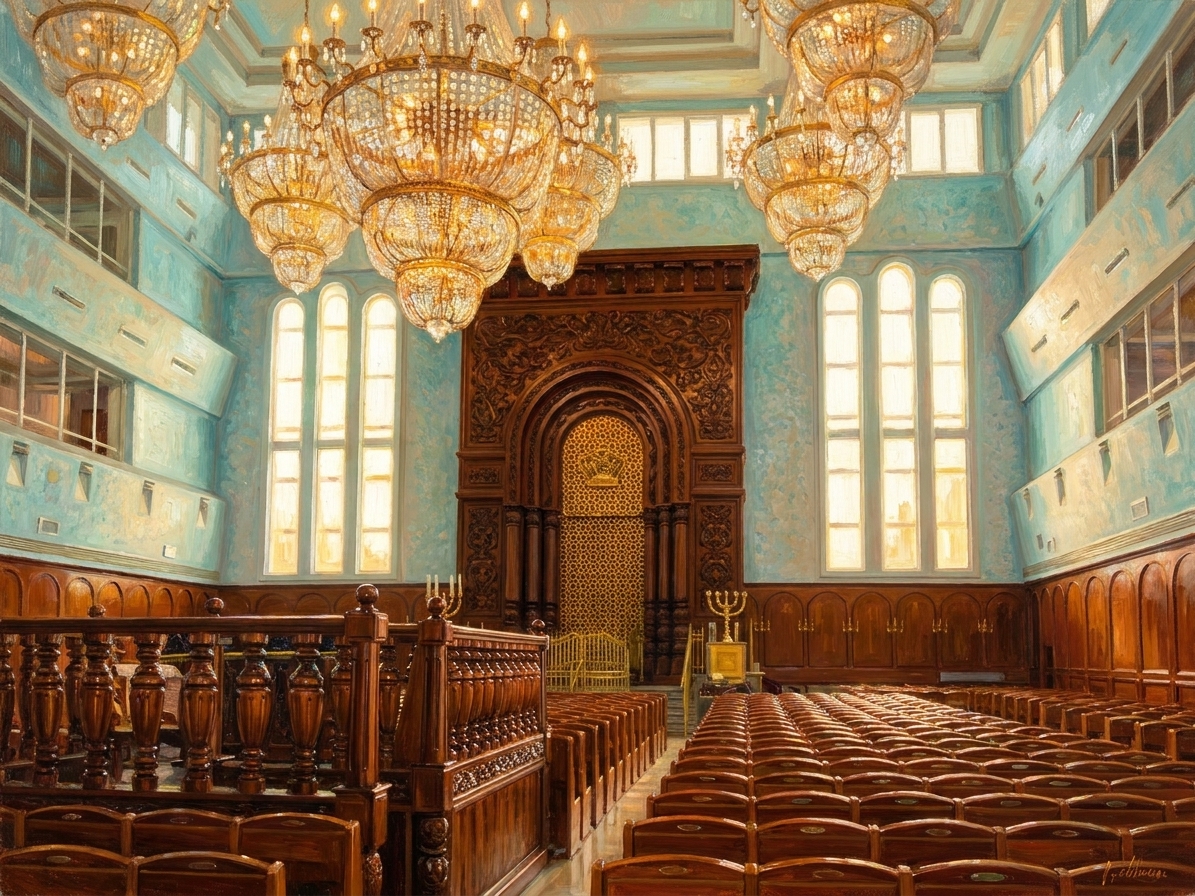
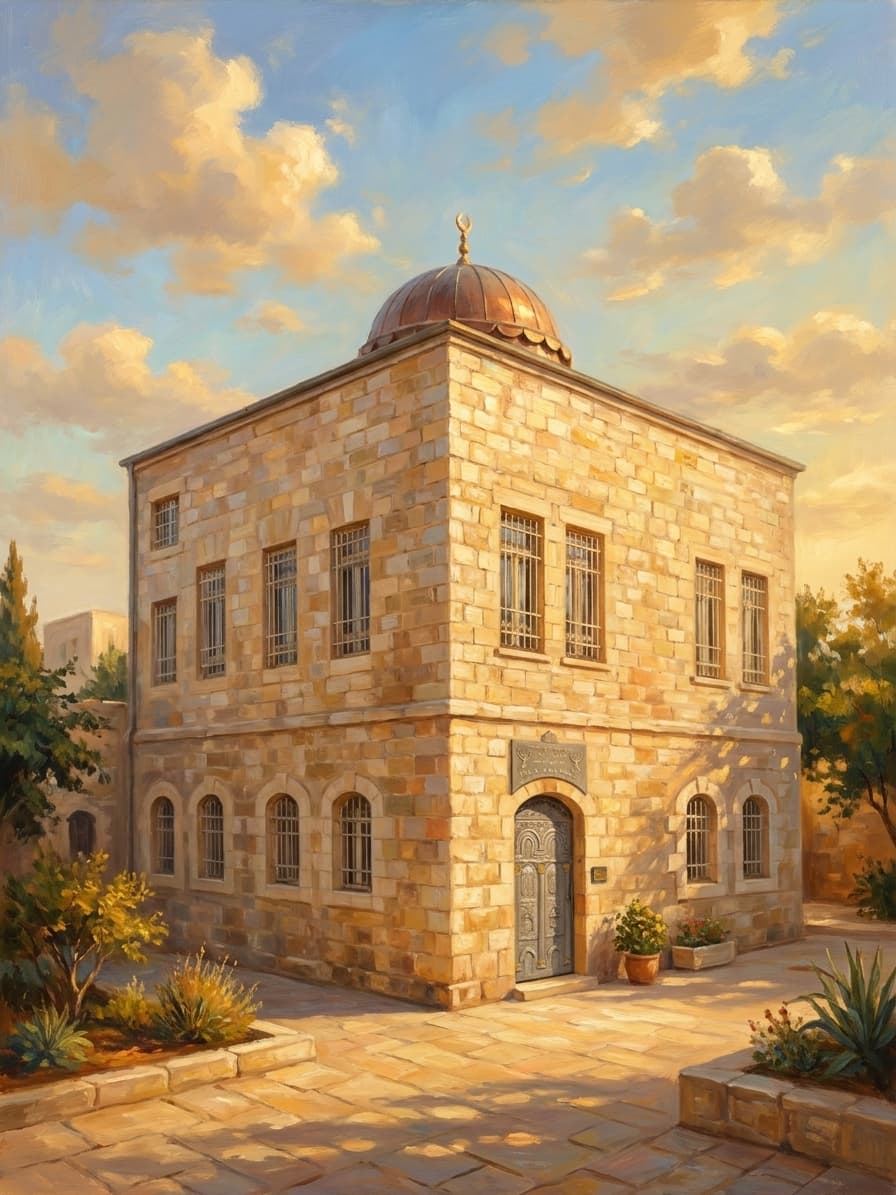
Visiting Beit El Synagogue offers a unique opportunity to experience the rich spiritual atmosphere of a historic Kabbalistic center. Located in the heart of Jerusalem, the synagogue provides a glimpse into centuries of Jewish tradition and learning. Visitors can expect a serene and contemplative environment, where the study of Kabbalah continues to thrive.
Highlights
- Experience the spiritual atmosphere of a historic Kabbalistic center.
- Witness the ongoing tradition of Kabbalistic study.
- Explore the rich history and cultural significance of Beit El Synagogue.
Things to Know
- Modest dress is recommended when visiting religious sites in Jerusalem.
- Check for any specific visiting hours or guidelines before your visit.
- Be respectful of the religious practices and traditions of the synagogue.
Location
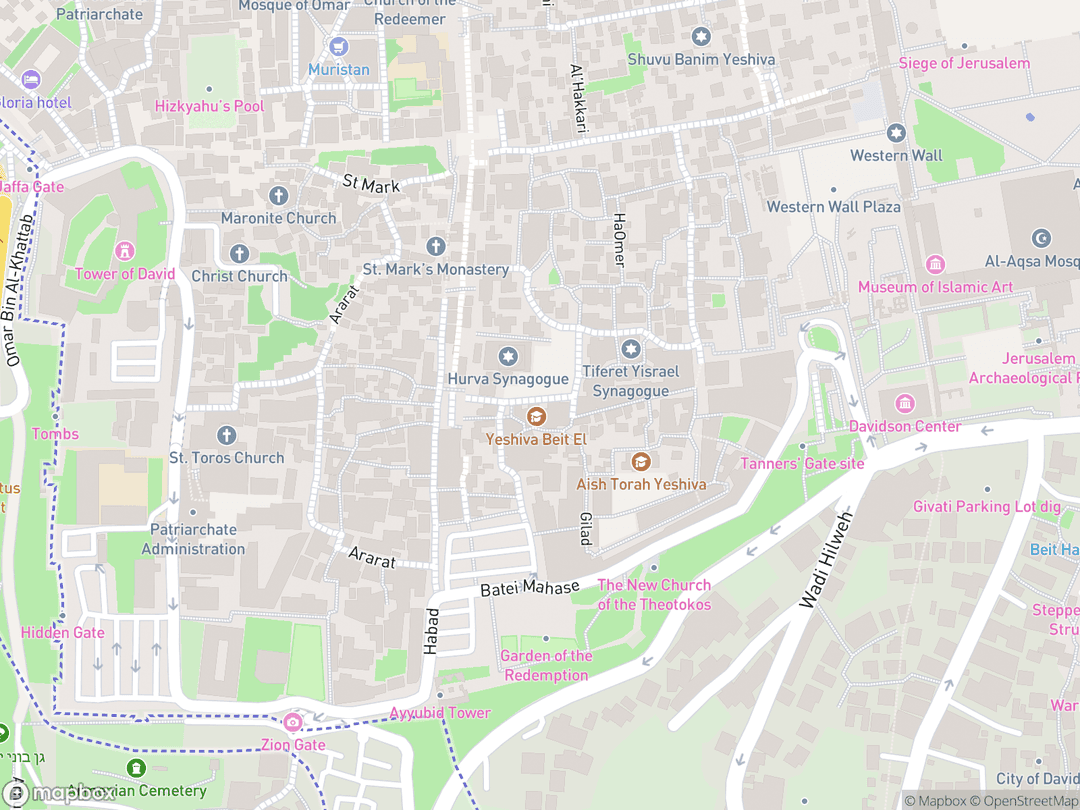
Rashi Street, Jerusalem, Israel
Hours: Specific visiting hours are not readily available; it is best to inquire locally.
Getting There: Beit El Synagogue is located in the Jewish Quarter of the Old City of Jerusalem, accessible by foot or local transportation.
Get DirectionsAbout
The Beit El Synagogue, also known as Midrash Hasidim (School of the Devout) and Yeshivat haMekubalim (Yeshiva of the Kabbalists), stands as a significant center for Kabbalistic study in Jerusalem. Established in 1737 by Rabbi Gedaliah Hayon, who immigrated from Turkey, it has been a beacon of Jewish learning and spirituality for centuries. As part of the Judaic tradition, Beit El Synagogue holds a special place in the religious landscape of Jerusalem.
Throughout its history, Beit El Synagogue has been led by prominent scholars and spiritual leaders. Following Rabbi Hayon's death, Rabbi Shalom Sharabi (the Rashash) assumed leadership, followed by Rabbi Yom Tov Algazi and his sons. The synagogue has faced challenges, including relocation after the War of Independence, but it has always been reestablished, demonstrating its enduring importance to the Jewish community.
Today, the yeshiva is located on Rashi Street in Jerusalem, continuing its mission of fostering Kabbalistic study and preserving Jewish traditions. Its rich history and spiritual significance make it a notable landmark in the Old City of Jerusalem, attracting visitors and scholars from around the world.
Gallery
Symbolic Elements
The temple's exterior features intricate carvings, each rich with spiritual meaning:

Aron Kodesh (The Ark)
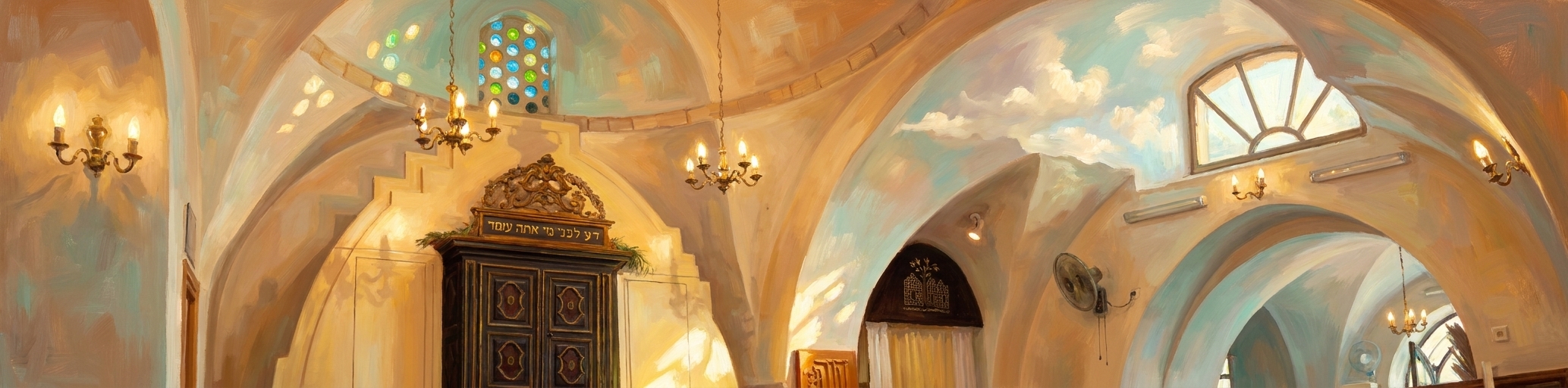
The Aron Kodesh is the most sacred element in the synagogue, housing the Torah scrolls. It is always placed on the wall facing Jerusalem and is often an ornate focal point, highlighting Jewish artistry. The Ark is frequently lit by a perpetual lamp, the Ner Tamid, symbolizing God's eternal presence.

Ner Tamid (Eternal Light)
The Ner Tamid is a constantly lit lamp in the synagogue, serving as a reminder of the constantly lit Temple menorah of the Temple in Jerusalem. It symbolizes God's eternal presence and the enduring light of Jewish tradition.

Bimah
The Bimah is a platform in the synagogue on which the Torah is unrolled to be read to the congregation. It is a central element in Jewish worship, providing a space for the public reading of the Torah and the dissemination of Jewish teachings.
Menorah
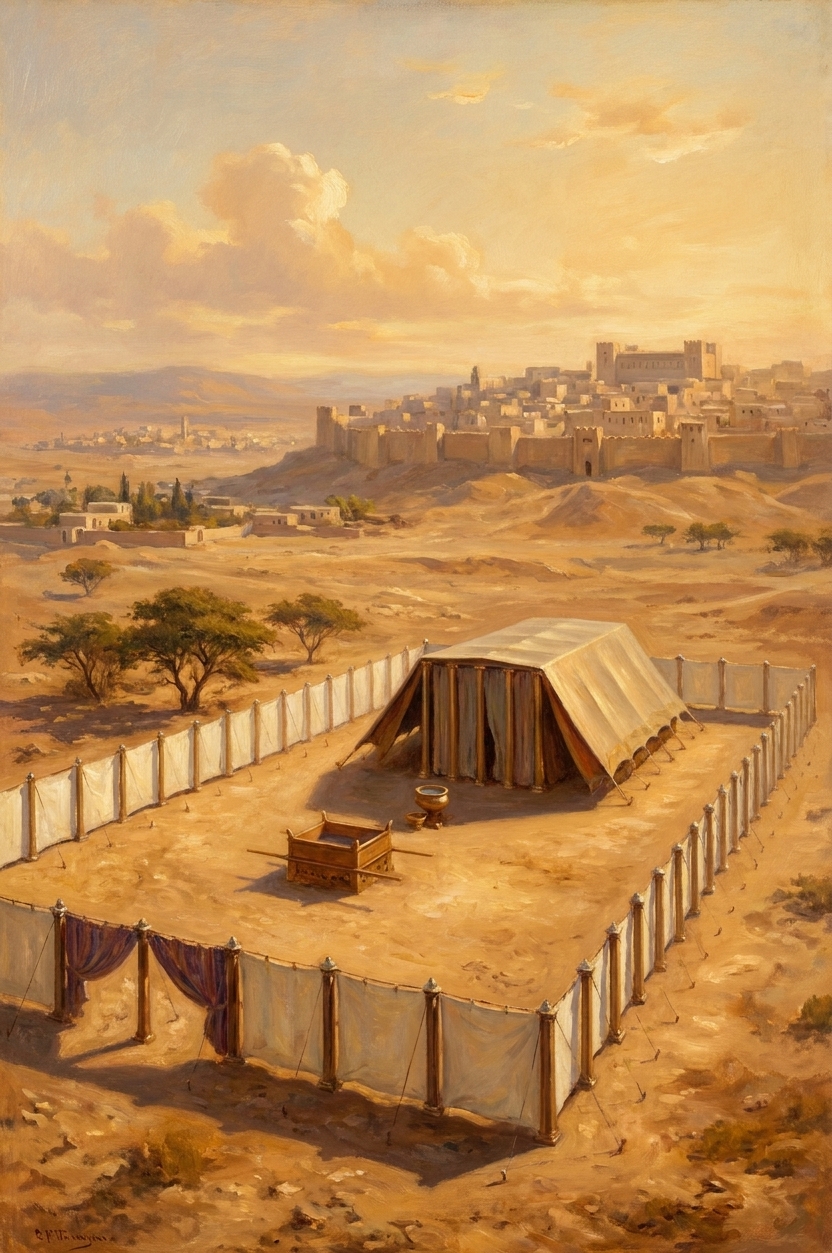
The Menorah is a seven-branched candelabrum used in the Temple, symbolizing the nation of Israel and its mission to be 'a light unto the nations.' The lamp stand in today's synagogues, called the Ner Tamid, symbolizes the menorah and its enduring significance.
Star of David (Magen David)
The Star of David, also known as Magen David, is a symbol commonly associated with Judaism, gracing synagogues worldwide. It represents the Jewish people and their connection to their heritage and traditions.
Tablets of the Law (Luchot)
The Tablets of the Law, also known as Luchot, are reminders of the Divine mission of the Jewish people, sometimes etched with the first few words of each of the Ten Commandments. They symbolize the covenant between God and the Jewish people and the importance of adhering to His laws.

Lions and Eagles
Torah scroll covers and arks are often decorated with lions, symbolizing the tribe of Judah, and eagles, representing strength and vision. These symbols add to the artistic and spiritual significance of the synagogue.
Torah Scrolls
The Torah scrolls, housed in the Aron Kodesh, are the most sacred objects in the synagogue. They contain the Five Books of Moses and are read aloud during services, connecting the congregation to the ancient wisdom and teachings of Judaism.
Interesting Facts
Beit El Synagogue has been the center of Kabbalistic study in Jerusalem for over 250 years.
The synagogue was established by Rabbi Gedaliah Hayon, who immigrated from Turkey.
The scholar Gershom Scholem wrote about Beit El and its prayers, noting its ability to inspire even modern thinkers.
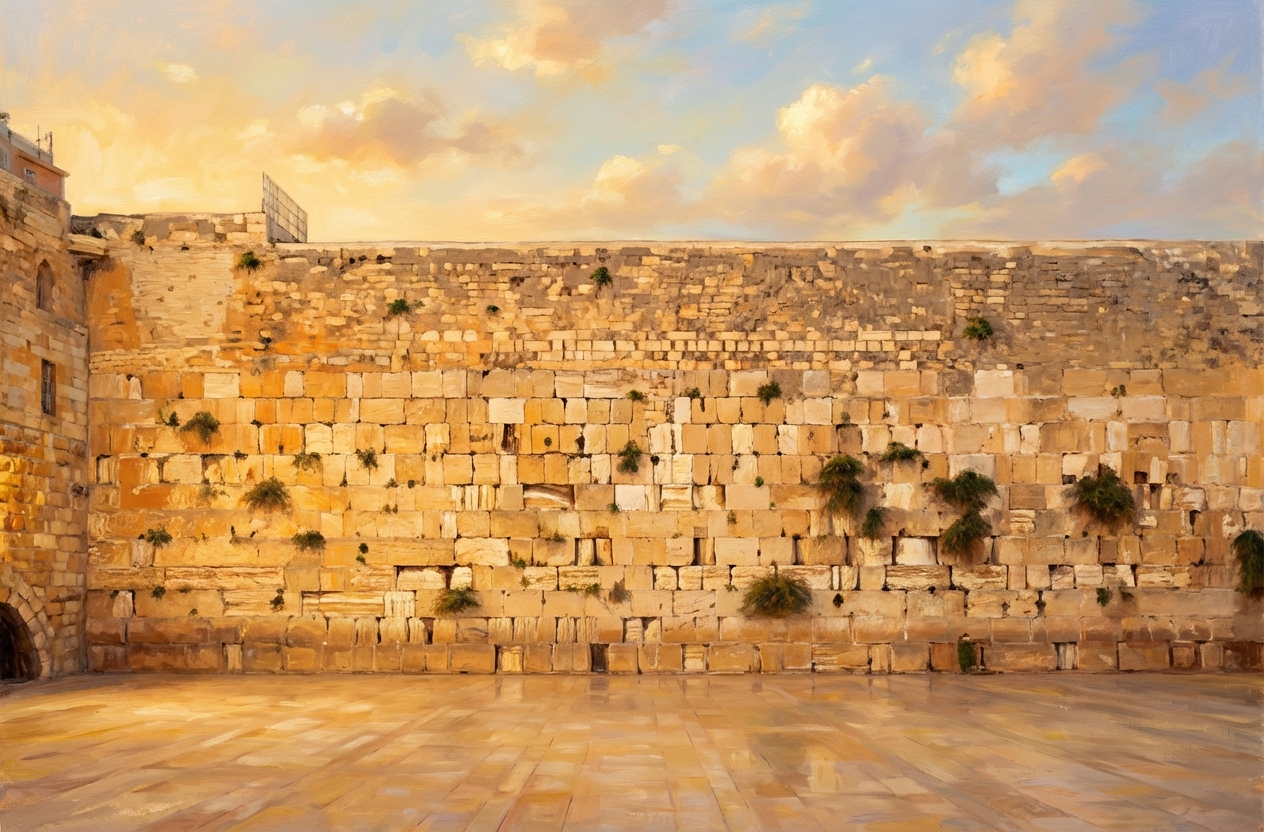
The writer S.Y. Agnon featured the synagogue in his story 'Before the Wall'.
After the War of Independence, the yeshiva was reestablished by Rabbi Ovadia Hadaya.
Following the Six-Day War, Rabbi Meir Yehuda Getz reestablished an independent branch in the Old City.
The Beit El Synagogue is also known as 'Beit El Yeshiva - The Kabbalists' Nest' or 'Congregation of the Pious'.
Beit El Synagogue is a testament to the enduring importance of Kabbalistic study in Jewish tradition.
The synagogue has faced challenges throughout its history, but it has always been reestablished, demonstrating its resilience.
Beit El Synagogue is a notable landmark in the Old City of Jerusalem, attracting visitors and scholars from around the world.
Common Questions
What is the significance of Beit El Synagogue?
Beit El Synagogue is a historic center for Kabbalistic study in Jerusalem, established in 1737. It has been a beacon of Jewish learning and spirituality for centuries, playing a vital role in preserving Jewish traditions and promoting religious learning.
Who founded Beit El Synagogue?
Beit El Synagogue was founded by Rabbi Gedaliah Hayon, who immigrated from Turkey. He established the synagogue as a center for Kabbalistic study, attracting scholars and visitors from around the world.
Where is Beit El Synagogue located?
Today, the yeshiva is located on Rashi Street in Jerusalem. It is situated in the heart of the city, making it accessible to visitors and scholars interested in its history and traditions.
What is Kabbalah?
Kabbalah is a mystical tradition within Judaism that seeks to understand the hidden aspects of God and the universe. It involves the study of esoteric texts and practices, aiming to achieve spiritual enlightenment and a deeper connection with the Divine.
How can I visit Beit El Synagogue?
Beit El Synagogue is located in the Jewish Quarter of the Old City of Jerusalem. While specific visiting hours are not readily available, it is best to inquire locally for more information. Modest dress is recommended when visiting religious sites in Jerusalem.
Featured Stories
The Founding of Beit El Synagogue
1737
In 1737, Rabbi Gedaliah Hayon, a scholar who had journeyed from Turkey to Jerusalem, established Beit El Synagogue. His vision was to create a sanctuary dedicated to the profound study of Kabbalah, a mystical tradition within Judaism. The synagogue quickly became a haven for those seeking deeper spiritual understanding, attracting learned individuals who yearned to explore the hidden dimensions of the Divine.
The establishment of Beit El Synagogue marked a significant moment in the history of Jerusalem, solidifying the city's role as a center of Jewish learning and spirituality. Rabbi Hayon's dedication and the commitment of the early members laid the foundation for a tradition of Kabbalistic study that would endure for centuries, shaping the religious landscape of the region.
Source: pinsteps.com
Rabbi Shalom Sharabi and the Legacy of Kabbalah
Post Rabbi Gedaliah Hayon's death
Following the passing of Rabbi Gedaliah Hayon, the leadership of Beit El Synagogue was entrusted to Rabbi Shalom Sharabi, also known as the Rashash. A renowned Kabbalist, Rabbi Sharabi continued the tradition of deep spiritual inquiry, guiding the synagogue through a period of growth and consolidation. His teachings and insights further enriched the synagogue's legacy, attracting scholars and seekers from far and wide.
Rabbi Sharabi's influence extended beyond the walls of Beit El Synagogue, shaping the broader landscape of Kabbalistic thought. His students carried his teachings to other communities, spreading the light of Kabbalah and inspiring countless individuals to explore the mysteries of the Divine. The synagogue became synonymous with the pursuit of spiritual knowledge, a beacon of hope for those seeking a deeper connection with God.
Source: pinsteps.com
Reestablishment After the War of Independence
After the War of Independence
The War of Independence brought immense challenges to the Jewish community in Jerusalem, including the displacement of Beit El Synagogue. However, the spirit of resilience and determination prevailed, and the yeshiva was eventually reestablished by Rabbi Ovadia Hadaya in the Yefe Nof neighborhood. This act of renewal symbolized the enduring commitment to preserving Jewish traditions and continuing the legacy of Kabbalistic study.
The reestablishment of Beit El Synagogue served as a testament to the strength and unity of the Jewish people. Despite the hardships they had faced, they remained steadfast in their faith and determined to rebuild their lives and communities. The synagogue became a symbol of hope and renewal, inspiring others to overcome adversity and embrace the future with courage and optimism.
Source: pinsteps.com
Timeline
Beit El Synagogue Founded
Rabbi Gedaliah Hayon establishes Beit El Synagogue in Jerusalem as a center for Kabbalistic study.
MilestoneRabbi Shalom Sharabi Assumes Leadership
Rabbi Shalom Sharabi (the Rashash) takes over as head of the yeshiva, continuing the tradition of Kabbalistic learning.
EventLeadership of Rabbi Yom Tov Algazi
Leadership is assumed by Rabbi Yom Tov Algazi, and later by two of his sons, ensuring the continuity of Beit El Synagogue's mission.
EventYeshiva Reestablished
Rabbi Ovadia Hadaya reestablishes the yeshiva in the Yefe Nof neighborhood of Jerusalem, following displacement due to the war.
RenovationIndependent Branch Reestablished
Rabbi Meir Yehuda Getz reestablishes an independent branch in the Old City, further solidifying Beit El Synagogue's presence in Jerusalem.
RenovationCenter for Kabbalistic Study
Beit El Synagogue continues to serve as a vital center for Kabbalistic study, attracting scholars and visitors from around the world.
EventPreservation of Jewish Traditions
The synagogue remains dedicated to preserving and promoting Jewish traditions, contributing to the cultural and spiritual heritage of Jerusalem.
EventSpiritual Significance
Beit El Synagogue holds a special place in the religious landscape of Jerusalem as a vital part of Jewish spiritual life.
EventCommunity Engagement
The synagogue actively engages with the local community, providing religious and educational services to its members.
EventCultural Heritage
Beit El Synagogue contributes to the rich cultural heritage of Jerusalem, attracting visitors and scholars interested in its history and traditions.
EventReligious Learning
The synagogue continues to foster religious learning and spiritual growth among its members and visitors.
EventPreservation of Kabbalistic Teachings
Beit El Synagogue is dedicated to preserving and transmitting the teachings of Kabbalah, ensuring their continuity for future generations.
EventInterfaith Dialogue
The synagogue promotes interfaith dialogue and understanding, fostering positive relationships with other religious communities in Jerusalem.
EventSpiritual Guidance
Beit El Synagogue provides spiritual guidance and support to its members, helping them navigate the challenges of modern life.
EventCommunity Support
The synagogue offers various forms of support to the local community, including charitable activities and social services.
EventReligious Significance
Beit El Synagogue, as a center for Kabbalistic study, holds profound religious significance within Judaism. It is a place where individuals seek to understand the hidden dimensions of God and the universe, engaging in esoteric practices and exploring the mysteries of the Divine.
The core spiritual purpose of Beit El Synagogue is to foster a deeper connection with God through the study of Kabbalah, promoting spiritual enlightenment and a greater understanding of the Divine plan.
Sacred Ordinances
Study of Kabbalah
The study of Kabbalah is a central practice at Beit El Synagogue, involving the exploration of esoteric texts and teachings to gain insights into the hidden aspects of God and the universe.
Prayer and Meditation
Prayer and meditation are integral parts of the spiritual practice at Beit El Synagogue, allowing individuals to connect with God on a personal level and deepen their understanding of the Divine.
Preservation of Jewish Traditions
Beit El Synagogue is dedicated to preserving and promoting Jewish traditions, ensuring their continuity for future generations and contributing to the cultural and spiritual heritage of Jerusalem.
The Role of Kabbalah in Judaism
Kabbalah plays a significant role in Judaism, offering a mystical perspective on the nature of God and the universe. It provides a framework for understanding the hidden dimensions of reality and achieving spiritual enlightenment.
The Importance of Spiritual Learning
Spiritual learning is highly valued at Beit El Synagogue, as it allows individuals to deepen their understanding of God and the universe, fostering personal growth and a greater appreciation for the Divine.
The Significance of Jerusalem
Jerusalem holds immense significance in Judaism, serving as the spiritual center of the Jewish people and a symbol of their connection to God and their heritage. Beit El Synagogue, located in the heart of Jerusalem, contributes to the city's rich religious landscape.