Visitor Insights
Visiting Aba Nigeria Temple
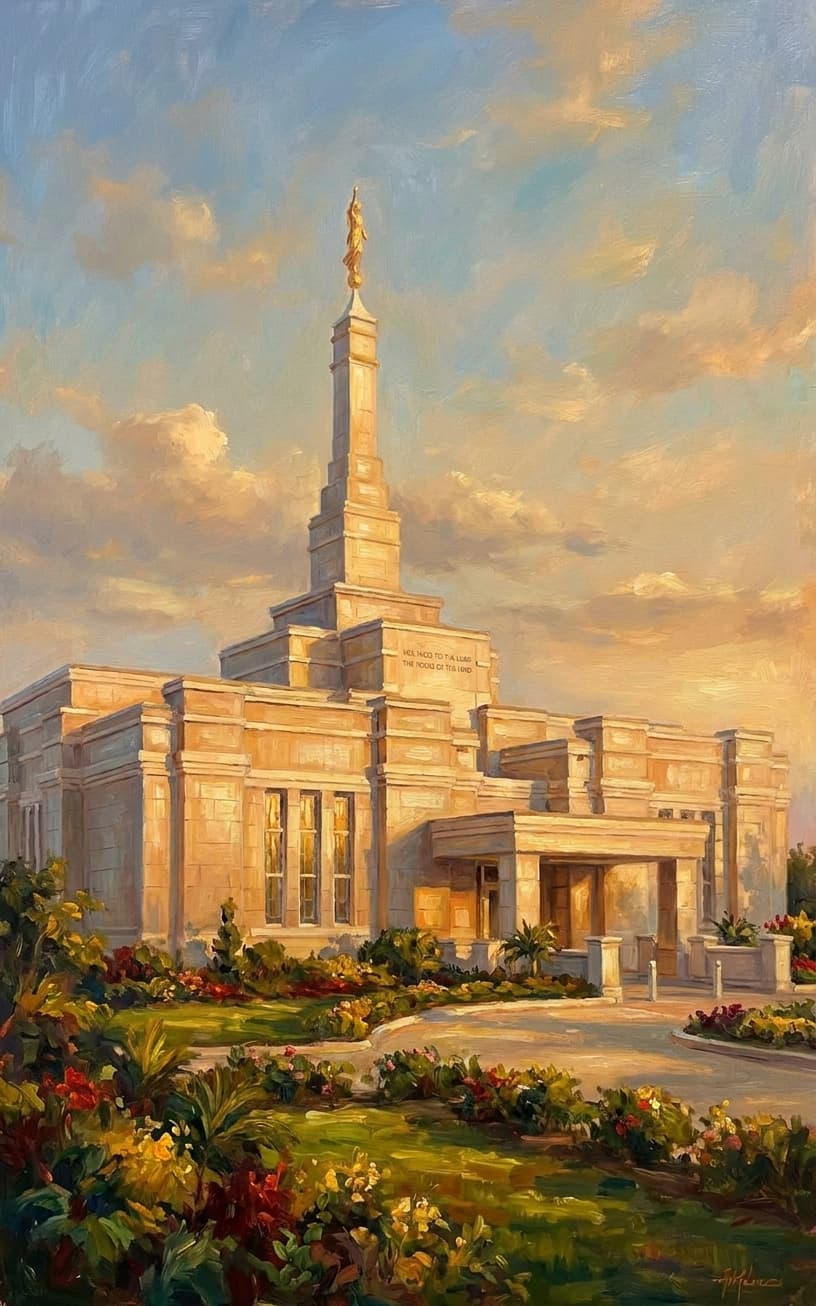
The Aba Nigeria Temple offers a serene and spiritual environment for members and visitors alike. The meticulously landscaped grounds, adorned with native flora, create a peaceful atmosphere conducive to reflection and worship. Visitors can expect a reverent setting, where they can feel the presence of the divine and connect with their faith. While there is no dedicated visitor's center on site, the temple grounds themselves provide a welcoming space for quiet contemplation.
Highlights
- Experience the beautiful architecture and serene atmosphere of the temple grounds.
- Participate in family history research and learn about your ancestors.
- Attend a temple session and feel the spirit of peace and revelation.
Things to Know
- Dress modestly and respectfully when visiting the temple grounds.
- Photography is not permitted inside the temple.
- Plan your visit in advance to ensure the temple is open and operating.
Location
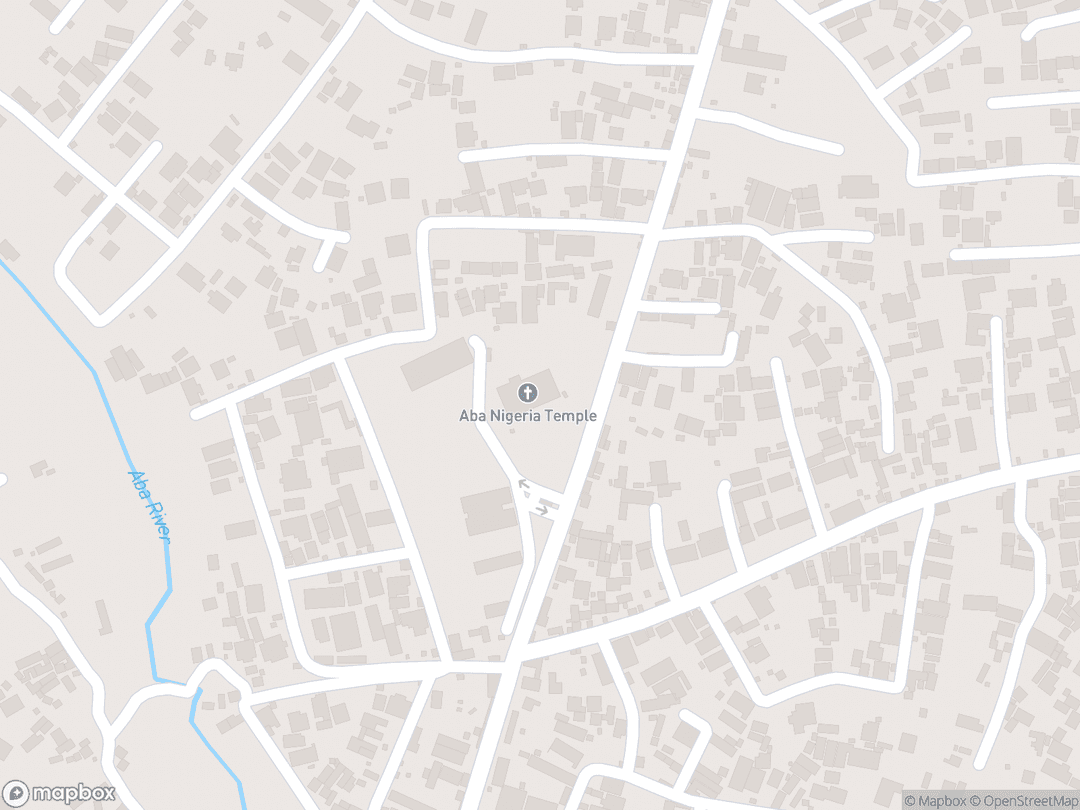
Okpu-Umuobo Road, Off Aba-Owerri Road at Union Bank, Aba, Abia State, Nigeria
Hours: Please check the official Church website for current operating hours.
Getting There: The Aba Nigeria Temple is located on Okpu-Umuobo Road, Off Aba-Owerri Road at Union Bank, Aba, Abia State. Transportation options include taxis and local buses.
Get DirectionsAbout
The Aba Nigeria Temple stands as a beacon of faith for members of The Church of Jesus Christ of Latter-day Saints in Nigeria and surrounding areas. Announced on April 2, 2000, by President Gordon B. Hinckley, it was the first temple in Nigeria, the second in West Africa, and the third on the African continent, marking a significant milestone in the Church's expansion in the region. This temple provides a sacred space where members can participate in religious ordinances that strengthen their connection with God and unite families for eternity.
The temple's construction and dedication were met with great enthusiasm by local members, who had long desired a temple in their homeland. The groundbreaking ceremony, held on February 23, 2002, was presided over by Elder H. Bruce Stucki, and the dedication took place on August 7, 2005, led by President Gordon B. Hinckley. The Aba Nigeria Temple serves Latter-day Saints in Nigeria and Cameroon, offering them increased opportunities to receive essential gospel ordinances.
Rooted in Christian beliefs, temples of The Church of Jesus Christ of Latter-day Saints, like the Aba Nigeria Temple, provide a place where members can connect with God and strengthen their faith, reflecting the broader Abrahamic tradition's emphasis on devotion and divine connection. The temple's architecture incorporates African-inspired design elements, reflecting the local culture and heritage. The temple grounds are beautifully landscaped with native palm trees, flowers, and shrubs, creating a serene and inviting atmosphere for all who visit.
Gallery
Symbolic Elements
The temple's exterior features intricate carvings, each rich with spiritual meaning:

Angel Moroni Statue
The gold-leafed statue of the angel Moroni stands atop the temple spire, symbolizing the spreading of the gospel of Jesus Christ to the world. This statue is a common feature of temples of The Church of Jesus Christ of Latter-day Saints and represents the divine messenger who revealed the Book of Mormon to Joseph Smith.

Baptistry
The baptistry is a sacred space within the temple used for performing baptisms for the dead. This ordinance symbolizes the continuation of God's work to offer salvation to all, even those who have passed away without the opportunity to be baptized. The font is typically supported by twelve oxen, representing the twelve tribes of Israel.

Sealing Rooms
Sealing rooms are where marriages are performed; these sealings are sacred ordinances that unite families for eternity. These rooms are designed to be beautiful and reverent, reflecting the eternal nature of the covenants made within them. Families can be sealed together, ensuring their relationships continue beyond mortality.

Namibian Pearl Granite
The exterior of the Aba Nigeria Temple is finished with Namibian pearl granite, a durable and beautiful material that reflects the temple's enduring nature. The granite's light color and subtle shimmer add to the temple's visual appeal and create a sense of reverence and peace.

Single Spire
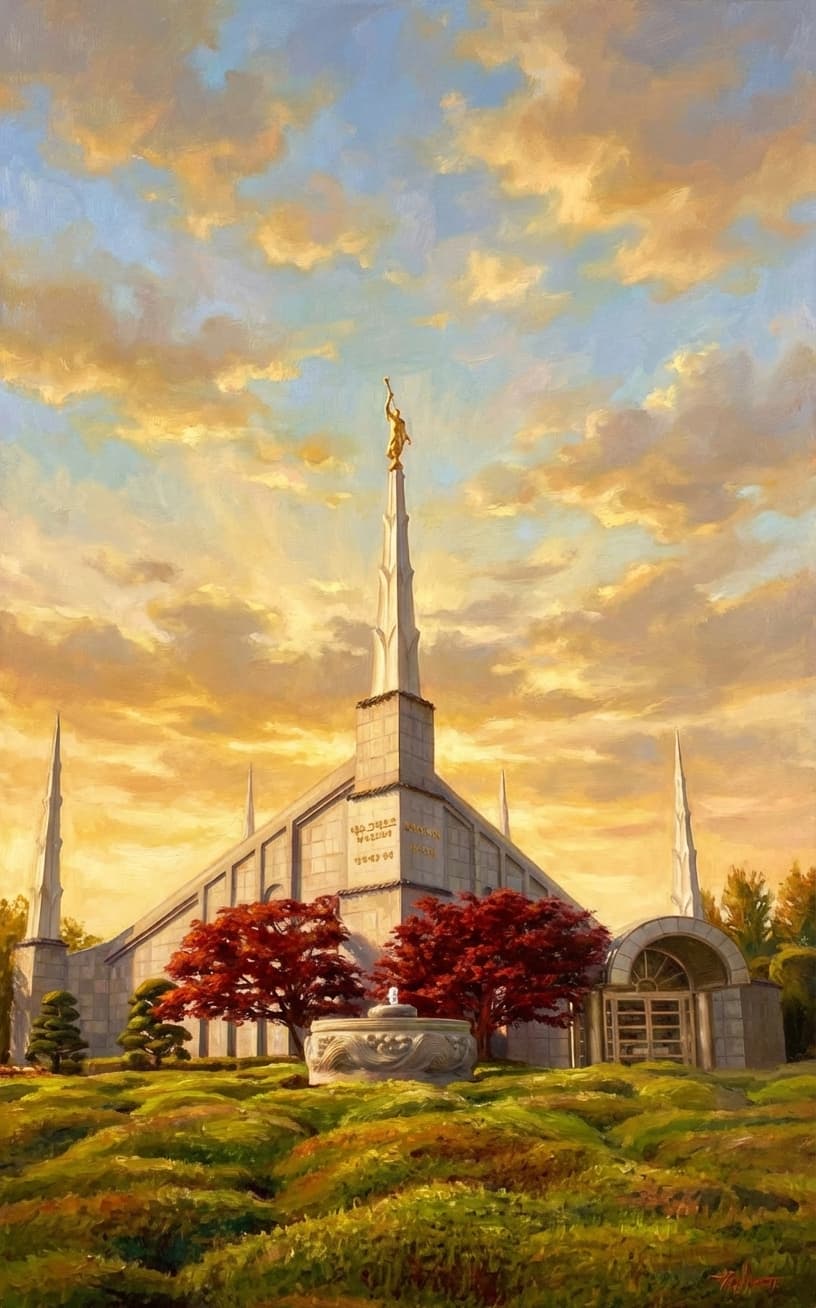
The Aba Nigeria Temple features a single spire, a design element that directs the eye upward and symbolizes a connection to heaven. The spire is a prominent feature of the temple's architecture and serves as a visual reminder of the temple's sacred purpose.

African-Inspired Design Elements
The interior of the Aba Nigeria Temple incorporates African-inspired design elements, reflecting the local culture and heritage. These elements include the use of Makore wood and Akala wood furniture, as well as vivid colors and patterns inspired by African textiles. These details create a unique and meaningful atmosphere within the temple.

Landscaped Grounds
The temple grounds are beautifully landscaped with native palm trees, flowers, and shrubs, creating a serene and inviting atmosphere for all who visit. The landscaping is carefully maintained to provide a peaceful setting for reflection and worship, enhancing the overall temple experience.

Instruction Rooms
The instruction rooms within the Aba Nigeria Temple are dedicated spaces where members receive instruction on the gospel of Jesus Christ and learn about the eternal plan of salvation. These rooms are designed to be reverent and conducive to learning, providing a setting for spiritual growth and understanding.
Interesting Facts
The Aba Nigeria Temple was the first temple in Nigeria, marking a significant milestone for the Church in the country.
The temple's dedication was part of President Hinckley's worldwide tour, which included stops in several countries.
Local church members contributed to the temple's preparations by sewing draperies and other furnishings.
The temple site is highly visible and overlooks the surrounding valley, making it a prominent landmark.
The Aba Nigeria Temple serves Latter-day Saints in both Nigeria and Cameroon, strengthening their faith and community.
The temple closed in June 2009 due to violence but reopened in 2011 after security improvements.
Alexander A. Odume was called as the temple president in 2010, the first Nigerian to serve in this capacity.
The temple's landscaping incorporates indigenous Nigerian elements, creating a serene and inviting atmosphere.
The Aba Nigeria Temple provides a sacred space for members to perform religious ordinances and strengthen their connection with God.
The temple's construction and dedication were met with great enthusiasm by local members, who had long desired a temple in their homeland.
The Aba Nigeria Temple stands as a beacon of faith for members of The Church of Jesus Christ of Latter-day Saints in Nigeria and surrounding areas.
The temple's architecture incorporates African-inspired design elements, reflecting the local culture and heritage.
The Aba Nigeria Temple offers increased opportunities for members to receive essential gospel ordinances.
The temple's first president was Jerry Valient Kirk.
The temple has two instruction rooms, two sealing rooms, and a baptistry.
Common Questions
What is the purpose of the Aba Nigeria Temple?
The Aba Nigeria Temple serves as a sacred place where members of The Church of Jesus Christ of Latter-day Saints can participate in religious ordinances that strengthen their connection with God and unite families for eternity. These ordinances include baptisms for the dead, the endowment, and sealings, which are essential for spiritual growth and eternal progression.
When was the Aba Nigeria Temple dedicated?
The Aba Nigeria Temple was dedicated on August 7, 2005, by President Gordon B. Hinckley. This dedication marked a significant milestone in the Church's expansion in Africa and provided a dedicated space for members in Nigeria and surrounding areas to worship and perform sacred ordinances.
Why was the Aba Nigeria Temple closed in 2009?
The Aba Nigeria Temple was closed in June 2009 due to rising violence and security concerns in the region. The Church prioritized the safety of its members and staff and temporarily closed the temple until security improvements could be implemented.
When did the Aba Nigeria Temple reopen?
The Aba Nigeria Temple reopened in 2011 after security improvements were made. The reopening allowed members to once again participate in temple ordinances and continue their spiritual growth in a safe and secure environment.
Who does the Aba Nigeria Temple serve?
The Aba Nigeria Temple primarily serves members of The Church of Jesus Christ of Latter-day Saints in Nigeria and Cameroon. It provides a sacred space for these members to participate in essential gospel ordinances and strengthen their faith.
Featured Stories
Dedication of the Aba Nigeria Temple
August 7, 2005
The dedication of the Aba Nigeria Temple on August 7, 2005, was a momentous occasion for members of The Church of Jesus Christ of Latter-day Saints in Nigeria. President Gordon B. Hinckley presided over the dedication, marking the culmination of years of anticipation and preparation. The dedication ceremonies were filled with spiritual power, as members rejoiced in the blessing of having a temple in their own land.
Local members had worked tirelessly to prepare for the dedication, sewing draperies, bedding, and other furnishings for the temple. Their dedication and sacrifice reflected their deep love for the Lord and their commitment to the temple's sacred purpose. The dedication of the Aba Nigeria Temple brought a sense of hope and renewal to the Latter-day Saint community in Nigeria.
Source: https://www.thechurchnews.com/archives/2005-08-13/president-hinckley-dedicates-aba-nigeria-temple-124279
The Announcement of the Aba Nigeria Temple
April 2, 2000
The announcement of the Aba Nigeria Temple on April 2, 2000, by President Gordon B. Hinckley, was met with overwhelming joy and gratitude by Latter-day Saints in Nigeria. For years, members had dreamed of having a temple in their country, a place where they could participate in sacred ordinances and strengthen their connection with God. The announcement was a testament to the Church's growth and commitment to its members in Africa.
News of the temple announcement spread quickly throughout Nigeria, bringing hope and excitement to Latter-day Saint communities. Members began to make plans to attend the temple once it was completed, eager to receive the blessings that awaited them. The announcement of the Aba Nigeria Temple marked a turning point for the Church in Nigeria, ushering in a new era of spiritual growth and opportunity.
Source: https://www.churchofjesuschrist.org/temples/details/aba-nigeria-temple
Reopening After Security Improvements
2011
The reopening of the Aba Nigeria Temple in 2011, after a period of closure due to security concerns, was a cause for great celebration among Latter-day Saints in Nigeria. The temple had been closed in June 2009 due to rising violence in the area, leaving members without access to its sacred ordinances. The Church worked diligently to implement security improvements, ensuring the safety of members and staff.
When the temple reopened, members rejoiced at the opportunity to once again participate in temple ordinances and strengthen their faith. The reopening symbolized resilience and hope, demonstrating the Church's commitment to its members in Nigeria. The Aba Nigeria Temple continues to be a beacon of light and a source of spiritual strength for Latter-day Saints in the region.
Source: https://www.thechurchnews.com/global-news/2011-08-26/aba-nigeria-temple-reopens-after-security-improvements-11985
Timeline
Requests for Information and Missionaries
Church headquarters received numerous letters from Nigeria and Ghana requesting information about the Church and asking for missionaries to be sent.
MilestoneFirst Missionaries Arrive in Nigeria
The first missionaries of The Church of Jesus Christ of Latter-day Saints arrived in Nigeria, marking the beginning of the Church's formal presence in the country.
MilestoneAba Nigeria Temple Announced
President Gordon B. Hinckley announced the construction of the Aba Nigeria Temple, bringing great joy and anticipation to the members in Nigeria.
MilestoneGroundbreaking Ceremony Held
The groundbreaking ceremony for the Aba Nigeria Temple was held, presided over by Elder H. Bruce Stucki, marking the official start of construction.
component.timeline.groundbreakingPublic Open House Begins
A public open house was held, allowing members of the community to tour the newly completed Aba Nigeria Temple and learn about its purpose.
EventPublic Open House Ends
The public open house concluded, having welcomed over 25,000 visitors who came to see the Aba Nigeria Temple.
EventAba Nigeria Temple Dedicated
President Gordon B. Hinckley dedicated the Aba Nigeria Temple, making it the first temple in Nigeria and the third in Africa.
DedicationTemple Closed Due to Violence
The Aba Nigeria Temple was closed indefinitely due to rising violence and security concerns in the area.
component.timeline.closedTemple Reopened After Security Improvements
After security improvements were implemented, the Aba Nigeria Temple was reopened, allowing members to once again participate in temple ordinances.
RenovationFirst Nigerian Temple President Called
Alexander A. Odume was called as the temple president, the first Nigerian to serve in this capacity.
Milestone10th Anniversary of Dedication
The Aba Nigeria Temple celebrated its 10th anniversary of dedication, marking a decade of service to the Latter-day Saints in Nigeria and Cameroon.
Event20th Anniversary of Announcement
The Aba Nigeria Temple celebrated the 20th anniversary of its announcement by President Gordon B. Hinckley.
EventOngoing Service to the Community
The Aba Nigeria Temple continues to serve the Latter-day Saints in Nigeria and Cameroon, providing a sacred space for worship and eternal family connections.
EventHistory by Decade
1960s — Early Growth
In the 1960s, The Church of Jesus Christ of Latter-day Saints began to receive numerous letters from Nigeria and Ghana, expressing interest in the Church and requesting information and missionaries. These letters were a testament to the spiritual hunger of the people in West Africa and their desire to learn more about the gospel of Jesus Christ. The Church carefully considered these requests, laying the foundation for its future expansion in the region.
1970s — Preparing the Way
During the 1970s, the Church continued to monitor the situation in Nigeria and Ghana, seeking guidance on how to best establish a presence in these countries. Members of the Church in other parts of the world began to pray for the people of West Africa, asking for the Lord to open the way for the gospel to be preached. These prayers were answered in 1978, when the first missionaries were sent to Nigeria.
1980s — Establishing the Church
The 1980s marked a period of significant growth for The Church of Jesus Christ of Latter-day Saints in Nigeria. The first missionaries arrived in 1978, and the Church quickly began to establish branches and wards throughout the country. Local members embraced the gospel with enthusiasm, and the Church grew rapidly, becoming a vibrant and influential force in Nigerian society.
1990s — Strengthening the Foundation
In the 1990s, the Church focused on strengthening its foundation in Nigeria, providing leadership training, building meetinghouses, and establishing programs to support its members. The Church also emphasized the importance of family history and temple work, encouraging members to research their ancestors and prepare to receive temple ordinances. This decade laid the groundwork for the future construction of the Aba Nigeria Temple.
2000s — The Temple Era
The 2000s brought the fulfillment of a long-awaited dream for Latter-day Saints in Nigeria: the announcement and construction of the Aba Nigeria Temple. Announced in 2000 and dedicated in 2005, the temple became a symbol of hope and renewal for the Church in Nigeria, providing a sacred space for members to participate in essential gospel ordinances and strengthen their connection with God.
2010s — Resilience and Growth
The 2010s were a time of resilience and continued growth for the Church in Nigeria. Despite facing challenges such as security concerns and economic hardship, the Church remained strong, providing support and guidance to its members. The Aba Nigeria Temple continued to be a beacon of light, offering a place of refuge and spiritual strength for Latter-day Saints throughout the region.
Architecture & Facilities
The Aba Nigeria Temple exhibits a classic modern design, characterized by its clean lines, elegant proportions, and use of high-quality materials. The temple's architecture reflects a blend of contemporary aesthetics and traditional temple design principles, creating a sacred and inviting space for worship and reflection. The exterior is finished with Namibian pearl granite, adding to the temple's visual appeal and enduring nature.
Building Materials
Exterior
The exterior of the Aba Nigeria Temple is finished with Namibian pearl granite, a durable and beautiful material that reflects the temple's enduring nature. The granite's light color and subtle shimmer add to the temple's visual appeal and create a sense of reverence and peace.
Interior
The interior of the Aba Nigeria Temple incorporates African-inspired design elements, reflecting the local culture and heritage. These elements include the use of Makore wood and Akala wood furniture, as well as vivid colors and patterns inspired by African textiles. These details create a unique and meaningful atmosphere within the temple.
Interior Features
Baptistry
The baptistry is a sacred space within the temple used for performing baptisms for the dead. This ordinance symbolizes the continuation of God's work to offer salvation to all, even those who have passed away without the opportunity to be baptized. The font is typically supported by twelve oxen, representing the twelve tribes of Israel.
Sealing Rooms
Sealing rooms are where marriages are performed; these sealings are sacred ordinances that unite families for eternity. These rooms are designed to be beautiful and reverent, reflecting the eternal nature of the covenants made within them. Families can be sealed together, ensuring their relationships continue beyond mortality.
Temple Grounds
The temple grounds are beautifully landscaped with native palm trees, flowers, and shrubs, creating a serene and inviting atmosphere for all who visit. The landscaping is carefully maintained to provide a peaceful setting for reflection and worship, enhancing the overall temple experience.
Religious Significance
The Aba Nigeria Temple holds profound religious significance for members of The Church of Jesus Christ of Latter-day Saints, providing a sacred space where they can connect with God and participate in essential gospel ordinances. Rooted in Christian beliefs, temples of The Church of Jesus Christ of Latter-day Saints, like the Aba Nigeria Temple, reflect the broader Abrahamic tradition's emphasis on devotion and divine connection.
The primary purpose of the Aba Nigeria Temple is to provide a place where members can receive sacred ordinances that are essential for their eternal progression. These ordinances include baptisms for the dead, the endowment, and sealings, which are performed in the temple's dedicated spaces.
Sacred Ordinances
Baptism for the Dead
Baptism for the dead is a vicarious ordinance performed in the temple on behalf of those who have died without the opportunity to be baptized. This ordinance symbolizes the continuation of God's work to offer salvation to all, regardless of when or where they lived.
Endowment
The endowment is a sacred ordinance in which members receive instruction and make covenants with God, promising to live according to His commandments. This ordinance is essential for spiritual growth and prepares members to receive eternal blessings.
Sealing
Sealing is a sacred ordinance in which families are united for eternity. Marriages performed in the temple are considered to be eternal, and children born to couples who have been sealed are also considered to be part of the eternal family.
The Temple as a House of the Lord
The Aba Nigeria Temple is considered to be a House of the Lord, a sacred space where God can dwell and where members can feel His presence. The temple is a place of refuge from the world, a place where members can find peace, inspiration, and guidance.
The Temple as a Symbol of Eternal Families
The Aba Nigeria Temple is a symbol of eternal families, a reminder that families can be united for eternity through the power of the priesthood. The temple provides a place where families can be sealed together, ensuring that their relationships continue beyond mortality.
Similar Temples

Sources & Research
Every fact on Temples.org is backed by verified Sources & Research. Each piece of information is rated by source tier and confidence level.
View All Sources (3)
| Field | Source | Tier | Retrieved |
|---|---|---|---|
| About & Historical Background | The Church of Jesus Christ of Latter-day Saints (opens in a new tab) | A | 2024-01-30 |
| Historical Timeline | The Church of Jesus Christ of Latter-day Saints (opens in a new tab) | A | 2024-01-30 |
| Architectural Description | churchofjesuschristtemples.org (opens in a new tab) | C | 2024-01-30 |