Visitor Insights
Visiting Chicago Illinois Temple
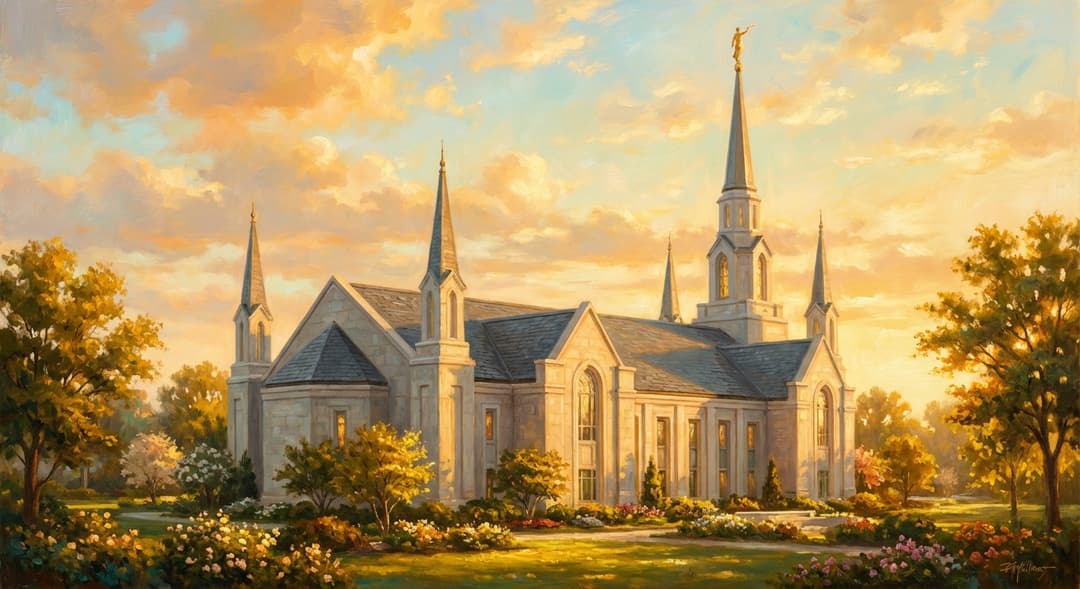
The Chicago Illinois Temple sits on 13 beautifully maintained acres in Glenview, buffered by an 80-acre nature sanctuary that gives the grounds a remarkably secluded feel despite the suburban setting. Two water features add to the tranquility, and the manicured grounds are open to the public. The 1985 public open house drew over 100,000 visitors, with many drawn by the temple's striking six-spire silhouette and its connection to the historic Nauvoo Temple legacy.
Highlights
- 13-acre wooded grounds open to the public with two water features
- Buffered by an 80-acre nature sanctuary for exceptional privacy
- Six distinctive spires with the tallest reaching 112 feet
- Glass-paneled ceilings and ornamental marble in the interior
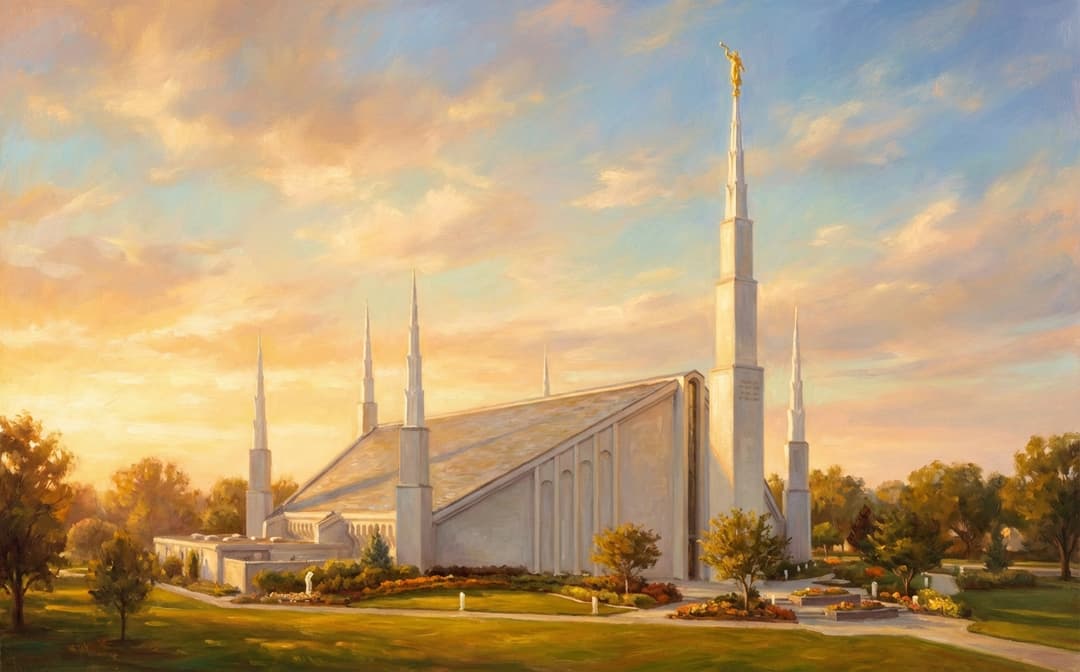
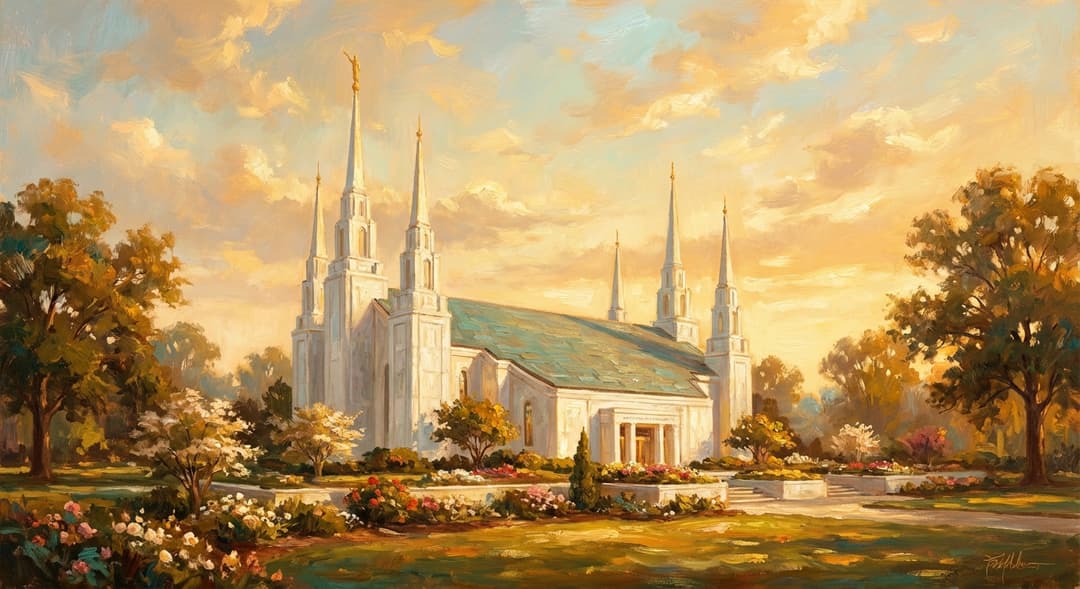
- Sister building to the Boise and Dallas temples
Things to Know
- Temple interior is reserved for members with a current temple recommend
- The grounds are open to the public and offer beautiful walking paths
- Photography is permitted on the grounds but not inside the temple
- Located in a residential area of Glenview; please be respectful of neighbors
Location
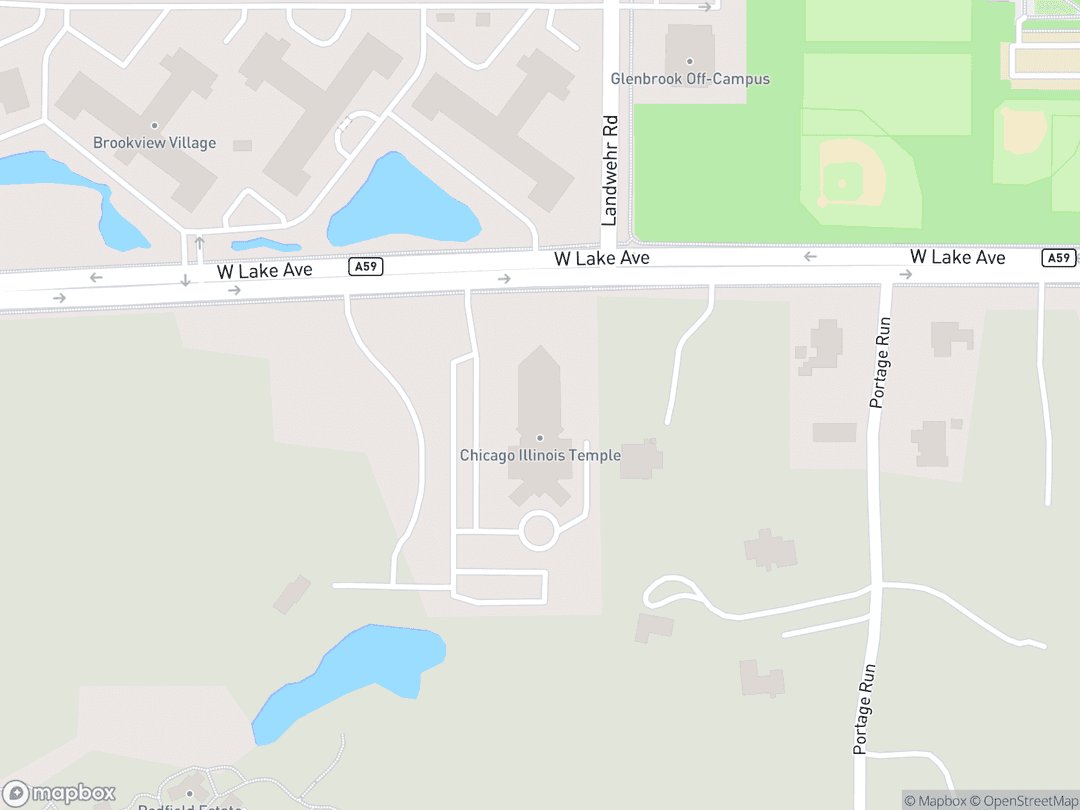
4151 West Lake Avenue, Glenview, Illinois 60025, United States
Hours: Temple grounds are open during daylight hours.
Getting There: Located at 4151 W Lake Avenue in Glenview. Accessible via I-294 to Lake Avenue exit, then west to the temple. Metra Milwaukee District North line stops at the Glenview station, approximately 2 miles from the temple. Free parking is available on site.
Get DirectionsTips for Your Visit
Nature Sanctuary
The 80-acre nature sanctuary bordering the temple grounds offers additional walking paths and wildlife viewing. Combine a temple grounds visit with a nature walk for a full afternoon experience.
Best Photography
The temple is best photographed from the south or southeast approach where the reflections in the water features frame the six spires beautifully.
Seasonal Beauty
The grounds are especially stunning in spring when the gardens bloom and in autumn when the Midwest foliage creates a golden canopy around the marble facade.
Nearby Attractions
The Grove National Historic Landmark and the Kohl Children's Museum are located nearby in Glenview, making it possible to combine a temple visit with other activities.
About
According to The Church of Jesus Christ of Latter-day Saints, the Chicago Illinois Temple, dedicated on August 9, 1985, holds a unique place in Church history as the first Latter-day Saint temple built in the Midwest since the original Nauvoo Temple was destroyed by arson and tornado in 1848. Its dedication ended a nearly 140-year absence of temple worship in Illinois — the very state where the Prophet Joseph Smith had built the Church's first major temple.
Located in the northern Chicago suburb of Glenview on a 13-acre wooded site, the temple is buffered by an 80-acre nature sanctuary that provides exceptional privacy and tranquility. The manicured grounds include two water features and are open to the public, making the temple a beloved community landmark.
Designed by the Church architectural staff in collaboration with the local firm Wight & Co., the temple is a sister building to the Boise Idaho and Dallas Texas temples, sharing the six-spire design. Its exterior was originally clad in grey buff marble, but in 2020, the aging marble was replaced with durable light gray granite. The tallest spire reaches 112 feet and is topped with a gold-leafed Angel Moroni statue.
Like its sister temple in Dallas, the Chicago Temple quickly outgrew its original design. In 1988, just three years after dedication, it closed for an extensive remodeling that more than doubled its interior space. The expanded temple was rededicated by Gordon B. Hinckley on October 8, 1989, ensuring it could serve the growing Latter-day Saint community across the Midwest for decades to come.
Gallery
Symbolic Elements
The temple's exterior features intricate carvings, each rich with spiritual meaning:

Angel Moroni
A gold-leafed statue of the angel Moroni stands atop the tallest of the six spires at 112 feet, facing east in anticipation of the Second Coming of Jesus Christ.

Six Spires
The six detached spires rising from the roofline represent the priesthood of God. The three eastern spires symbolize the Melchizedek Priesthood and the three western spires represent the Aaronic Priesthood.

Granite Facade
The light gray granite exterior (replacing the original marble in 2020) symbolizes permanence, purity, and the enduring nature of the covenants made within. Granite has been used in sacred Latter-day Saint architecture since the Salt Lake Temple.

Glass-Paneled Ceilings
The distinctive glass-paneled ceilings allow natural light to flood the interior, symbolizing divine light and revelation illuminating the house of the Lord.
Interesting Facts
The Chicago Temple was the first Latter-day Saint temple in the Midwest in nearly 140 years — since the original Nauvoo Temple was lost to arson and tornado in 1848.
The 13-acre temple grounds are buffered by an 80-acre nature sanctuary, creating nearly 100 acres of protected green space in suburban Glenview.
The temple is a sister building to the Boise Idaho and Dallas Texas temples, all three sharing the same six-spire blueprint adapted for their respective locations.
Like its sister temple in Dallas, the Chicago Temple outgrew its original design within three years and required a major expansion that more than doubled its interior space.
The public open house in 1985 drew over 100,000 visitors, reflecting strong community interest in the first temple built in Illinois since the days of Nauvoo.
In 2020, the original grey buff marble exterior was replaced with light gray granite to address aging and weathering from 35 years of Midwest winters.
The temple features glass-paneled ceilings, ornamental marble, and chandeliers throughout the interior — design elements that distinguish it from its Boise and Dallas sister temples.
Gordon B. Hinckley presided at the groundbreaking, dedication, and rededication of the Chicago Temple — the same leader who performed those roles for the Dallas and Boise temples.
Common Questions
Why is the Chicago Temple historically significant?
The Chicago Illinois Temple was the first Latter-day Saint temple built in the Midwest since the original Nauvoo Temple — also in Illinois — was destroyed by arson and tornado in 1848. Its dedication in 1985 ended a nearly 140-year absence of temple worship in the state where Joseph Smith built the Church's first major temple.
What happened to the original marble exterior?
The original grey buff marble exterior, which had aged over 35 years, was replaced in 2020 with durable light gray granite. The new granite preserves the temple's iconic silhouette while providing a longer-lasting exterior finish suited to the Midwest climate.
Can visitors enter the temple?
The temple interior is reserved for members of the Church who hold a current temple recommend. However, the 13-acre grounds — including two water features and manicured gardens — are open to the public and offer a beautiful setting for walks and reflection.
What is the 80-acre nature sanctuary?
The temple is bordered by an 80-acre nature sanctuary that provides an exceptional buffer of privacy and tranquility. This natural area, combined with the 13-acre temple grounds, creates a remarkably serene setting despite the suburban Glenview location.
Is the Chicago Temple related to the Boise and Dallas temples?
Yes. The Chicago, Boise, and Dallas temples are sister buildings, designed from the same six-spire architectural blueprint. All three share the distinctive six-spire silhouette and sloping roof design, each adapted to its local setting and climate.
Featured Stories
A Temple Returns to Illinois
1981–1985
For nearly 140 years, there was no Latter-day Saint temple in the state of Illinois. The original Nauvoo Temple — built at enormous sacrifice by the pioneer Saints in the early 1840s — was abandoned when the Saints were driven west in 1846, then destroyed by arson in 1848 and leveled by a tornado in 1850. The announcement of a new temple in the Chicago area in 1981 carried profound emotional weight for Church members who knew the history of what Illinois had meant to their faith.
When Gordon B. Hinckley dedicated the Chicago Illinois Temple on August 9, 1985, he acknowledged the historical resonance of the moment. The Saints had returned to Illinois — not to rebuild what was lost, but to establish a new house of the Lord in the nation's third largest metropolitan area. The 19 dedicatory sessions were filled with members who understood they were witnessing the closing of a chapter that began with the tragedy of Nauvoo.
Source: Church News; ChurchofJesusChristTemples.org
Community Concerns and a Beautiful Resolution
1983–1985
The construction of the Chicago Temple initially faced pushback from Glenview residents who had environmental concerns about the development of the 13-acre site. The Church engaged with the community to address these concerns, working to preserve as much of the natural landscape as possible and incorporating the 80-acre adjacent nature sanctuary as a buffer.
The result was a temple that not only addressed the community's environmental concerns but enhanced the neighborhood. The two water features, extensive landscaping, and preservation of mature trees created a setting that residents came to cherish. Today, the temple's manicured grounds serve as an informal public garden, welcoming visitors of all backgrounds who appreciate the beauty of the setting.
Source: Church News; ChurchofJesusChristTemples.org
Timeline
Temple Announced
President Spencer W. Kimball announces the Chicago Illinois Temple, part of a historic nine-temple announcement.
MilestoneGroundbreaking
Gordon B. Hinckley presides over the groundbreaking ceremony on the 13-acre site in Glenview.
component.timeline.groundbreakingPublic Open House
Over 100,000 visitors tour the completed temple during a three-week open house (Jul 15 - Aug 3), the first Latter-day Saint temple in Illinois in nearly 140 years.
EventDedication
Gordon B. Hinckley dedicates the Chicago Illinois Temple in the first of 19 dedicatory sessions, concluding August 13. It becomes the 35th operating temple.
DedicationExpansion Begins
Just three years after dedication, the temple closes for an extensive remodeling that more than doubles its interior space.
RenovationRededication
Gordon B. Hinckley rededicates the expanded Chicago Temple following its major interior expansion.
DedicationExterior Renovation
The original grey buff marble exterior, which had aged and deteriorated, is replaced with durable light gray granite — giving the temple a refreshed appearance while preserving its iconic silhouette.
RenovationFirst Midwest Temple in 140 Years
The Chicago Temple becomes the first operating Latter-day Saint temple in the Midwest since the historic Nauvoo Temple was lost in 1848.
MilestoneHistory by Decade
1840s–1980 — The Long Absence
The original Nauvoo Temple, dedicated in 1846, represented the pinnacle of early Latter-day Saint temple building. When the Saints were driven from Illinois, the temple was destroyed — first by arson in 1848, then leveled by a tornado in 1850. For nearly 140 years, there was no Latter-day Saint temple in Illinois or the broader Midwest. Members in the Chicago area traveled to distant temples, often driving hundreds of miles to participate in sacred ordinances.
1981–1985 — Announcement and Dedication
President Spencer W. Kimball announced the Chicago Temple on April 1, 1981. The groundbreaking took place on August 13, 1983, on a 13-acre site in Glenview that was bordered by an 80-acre nature sanctuary. The public open house drew over 100,000 visitors, and Gordon B. Hinckley dedicated the temple in 19 sessions from August 9-13, 1985. It became the 35th operating temple and the first in the Midwest since Nauvoo.
1988–Present — Expansion and Preservation
Just three years after dedication, the temple closed for an extensive remodeling that more than doubled its interior space. Gordon B. Hinckley rededicated the expanded temple on October 8, 1989. In 2020, the original grey buff marble exterior, which had aged over 35 years of Midwest weather, was replaced with durable light gray granite — preserving the iconic six-spire silhouette while giving the building a refreshed, enduring appearance.
Architecture & Facilities
A Modern Six-Spire design that shares its architectural DNA with the Boise Idaho and Dallas Texas sister temples. Designed by Wight & Co. in collaboration with the Church Architectural Staff, the structure features six detached spires rising from a sloping roofline, with the tallest reaching 112 feet. The exterior was originally grey buff marble, replaced in 2020 with light gray granite for durability. The interior is distinguished by glass-paneled ceilings, ornamental marble, and crystal chandeliers that give it a refined elegance beyond its sister temples.
Building Materials
Light Gray Granite (2020)
The current exterior cladding, installed in 2020 to replace the original grey buff marble that had deteriorated from 35 years of Midwest weather. The granite preserves the temple's silhouette while providing superior durability.
Original Grey Buff Marble (1985)
The original exterior finish, selected for its luminous quality and warm tone. After 35 years, weathering and aging necessitated its replacement with granite.
Dark Gray Slate Roof
A steeply pitched dark gray slate roof provides dramatic contrast to the lighter walls and contributes to the distinctive six-spire silhouette shared with sister temples in Boise and Dallas.
Interior Ornamental Marble & Crystal
The interior features ornamental marble, glass-paneled ceilings, and crystal chandeliers that create a refined atmosphere of reverence and beauty.
Interior Features
Celestial Room
The central spiritual space, featuring glass-paneled ceilings that flood the room with natural light, representing the highest degree of heavenly glory.
Instruction Rooms (5)
Five rooms where members receive the endowment ceremony, expanded from the original three during the 1988-89 remodeling.
Sealing Rooms (3)
Three rooms dedicated to marriage and family sealing ordinances, with mirrors symbolizing the eternal nature of family relationships.
Baptistry
A baptismal font resting on twelve sculpted oxen, representing the twelve tribes of Israel, used for proxy baptisms on behalf of deceased ancestors.
Temple Grounds
13 acres of wooded, landscaped grounds featuring two water features and mature trees, buffered by an 80-acre nature sanctuary. The grounds are open to the public and serve as an informal community garden in Glenview.
Additional Facilities
The temple is located adjacent to an 80-acre nature sanctuary that provides exceptional privacy and a natural buffer from the surrounding residential neighborhood. The grounds include ample parking and carefully maintained landscapes that welcome visitors of all backgrounds.
Religious Significance
For members of The Church of Jesus Christ of Latter-day Saints, the Chicago Illinois Temple carries a weight of history that few other temples can match. Illinois was the state where Joseph Smith built the Nauvoo Temple in the 1840s — and the state from which the Saints were driven, their temple destroyed. The dedication of a new temple in Illinois in 1985, nearly 140 years later, closed a painful chapter and opened a new era of faith in the Midwest.
The Chicago Illinois Temple serves as a house of the Lord where members participate in sacred ordinances essential to God's plan of salvation. These ordinances include the endowment, celestial marriage sealings, and baptisms for the deceased — enabling members to make covenants with God and extend those blessings to ancestors who did not have the opportunity in life.
Sacred Ordinances
Endowment
A sacred ceremony in which members receive instruction about God's plan of happiness, make covenants of faithfulness and obedience, and receive symbolic blessings of power, protection, and knowledge to guide them through mortality.
Sealing
Marriages performed in the temple are believed to be valid not only for this life but for eternity. Families can also be sealed together across generations, creating an unbroken chain of family relationships that Latter-day Saints believe will persist beyond death.
Baptism for the Dead
Members are baptized by proxy on behalf of deceased ancestors, offering them the opportunity to accept the gospel in the afterlife. This is the driving force behind the Church's extensive genealogical research and family history efforts.
The Legacy of Nauvoo
The Chicago Illinois Temple is inextricably linked to the story of Nauvoo. The original Nauvoo Temple, built at enormous sacrifice in the 1840s, represented the fullness of temple worship — and its destruction marked one of the darkest chapters in Church history. For nearly 140 years, there was no Latter-day Saint temple in the state. The dedication of the Chicago Temple in 1985 was a moment of healing and renewed faith, a testament to the resilience of a people who had been driven out but ultimately returned.
The Temple in Latter-day Saint Life
For many Latter-day Saints, attending the temple is a regular practice — a respite from the noise of the world where they seek peace, spiritual clarity, and a deeper connection to God. Members describe the temple as a place where the veil between heaven and earth feels thin, where personal revelation flows more freely, and where the eternal nature of family relationships becomes tangible. The temple recommend interview process, which involves affirming personal worthiness and faith, ensures that temple attendance remains a meaningful spiritual commitment rather than a casual visit.
Similar Temples
Sources & Research
Every fact on Temples.org is backed by verified Sources & Research. Each piece of information is rated by source tier and confidence level.
View All Sources (5)
| Field | Source | Tier | Retrieved |
|---|---|---|---|
| About & Dedication Details | The Church of Jesus Christ of Latter-day Saints (opens in a new tab) | A | 2026-02-16 |
| Architecture & Construction Details | ChurchofJesusChristTemples.org (opens in a new tab) | C | 2026-02-16 |
| Dedication & Timeline | Church News (opens in a new tab) | B | 2026-02-16 |
| Historical Background & Nauvoo Legacy | Official Church Newsroom (opens in a new tab) | A | 2026-02-16 |
| Renovation & Exterior Replacement | ChurchofJesusChristTemples.org (opens in a new tab) | C | 2026-02-16 |