Visitor Insights
Visiting Portland Oregon Temple
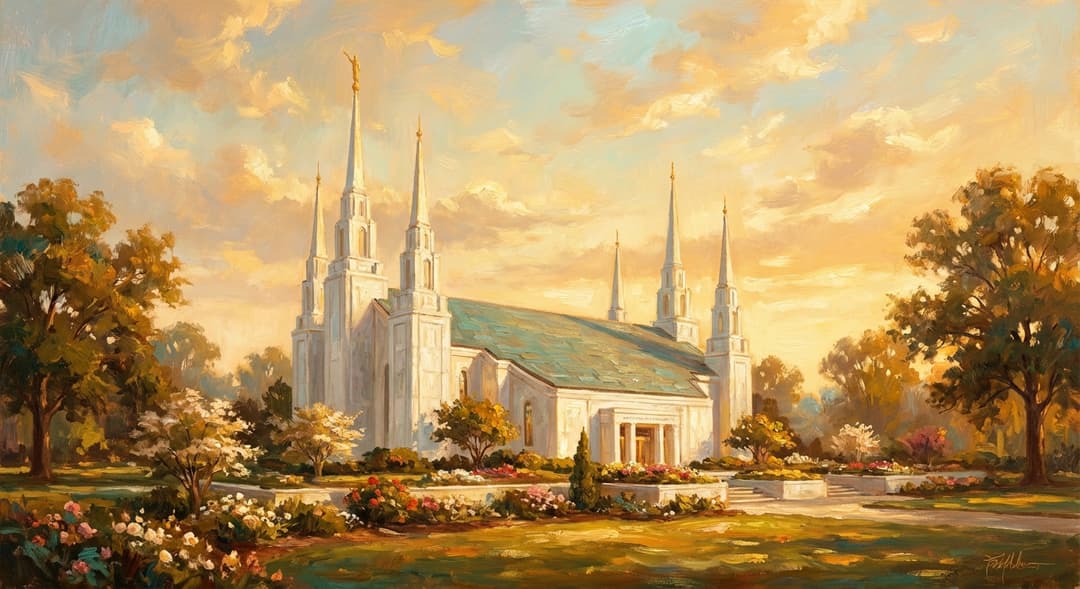
The Portland Oregon Temple grounds are a peaceful retreat open to the public, featuring award-winning gardens and a dedicated Visitors' Center. While the temple interior is reserved for Church members, the grounds offer walking paths, reflection pools, and a close-up view of the unique marble architecture.
Highlights
- The Visitors' Center featuring a Christus statue replica.
- Award-winning rose gardens recognized by the Royal Rosarians.
- The Infinity Pool and Reflection Pool on the east and west sides.
- Views of the translucent marble glowing at sunset.
Things to Know
- Modest dress is appreciated when visiting the grounds.
- Photography is encouraged outside but prohibited inside.
- The Visitors' Center is free and open to the public.
Location
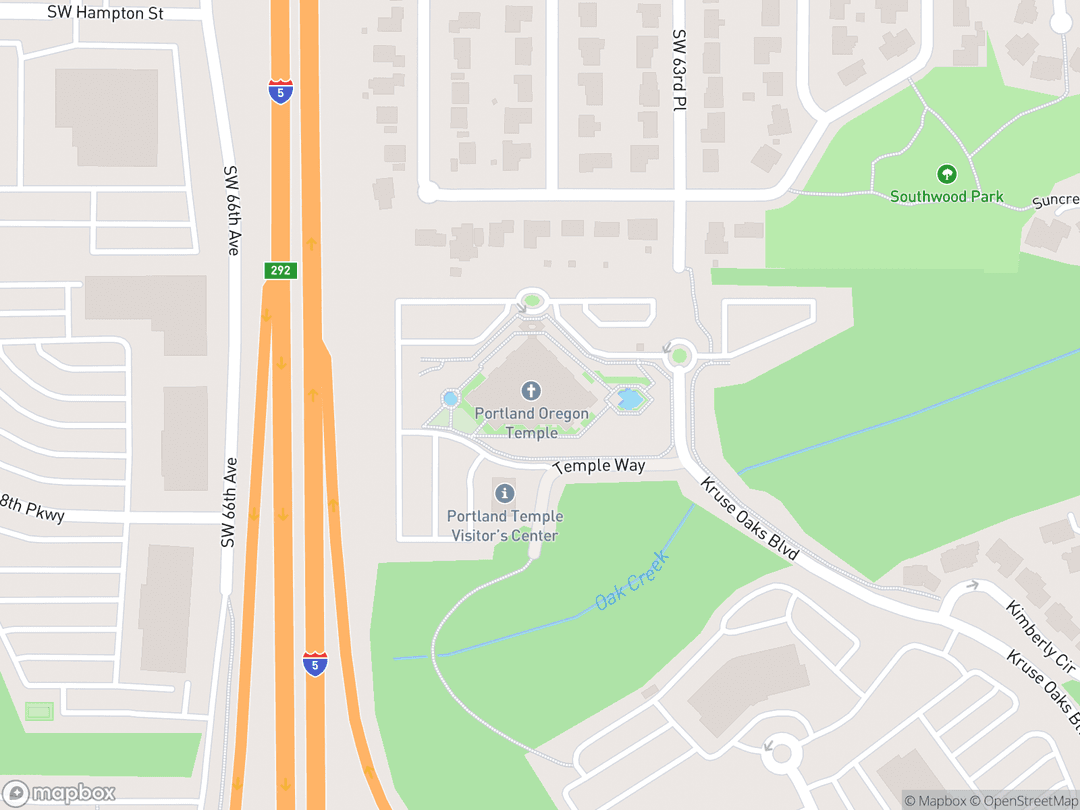
13600 SW Kruse Oaks Boulevard, Lake Oswego, Oregon 97035, United States
Hours: Grounds open daily from dawn to dusk. Visitors' Center hours vary by season.
Getting There: Located off I-5 in Lake Oswego. Parking is available on-site.
Get DirectionsAbout
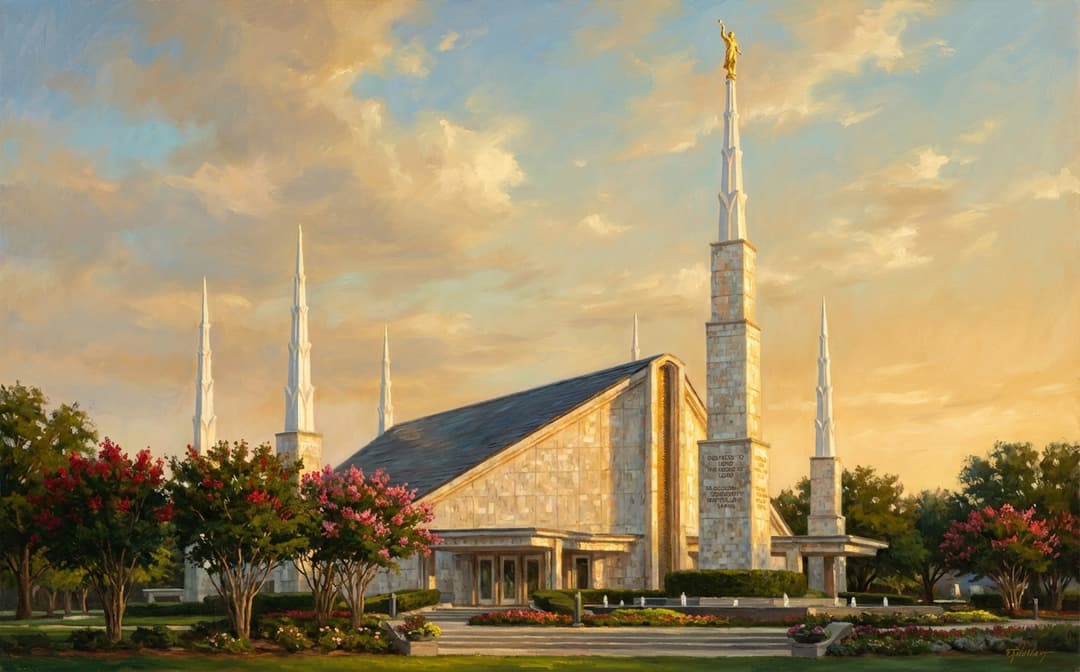
The Portland Oregon Temple stands as a striking spiritual landmark amidst the towering Douglas firs of Lake Oswego, just south of Portland. As the 42nd operating temple of The Church of Jesus Christ of Latter-day Saints and the first to be constructed in Oregon, it serves as a central hub of worship for members across the state and parts of Washington. The temple is renowned for its distinctive architecture, which marries modern verticality with the lush, evergreen landscape of the Pacific Northwest.
Designed by architect Leland A. Gray, the structure features a six-spire configuration clad in brilliant white Vermont marble. A defining characteristic of the edifice is its roof, finished with green Vermont slate to harmonize with the surrounding forest. Perhaps its most celebrated feature is the use of marble cut to a mere 5/8-inch thickness on the upper walls. This architectural innovation allows sunlight to filter through the stone during the day, creating a warm, golden translucence inside, while at night, the interior lighting causes the temple to glow softly outward, symbolizing the light of truth.
The temple's history is one of perseverance and eventual community embrace. The 7.3-acre site was originally purchased in the 1960s for a Church junior college, a plan that was later abandoned. When the temple was announced in 1984, it faced significant local opposition, requiring 27 public hearings and overcoming multiple lawsuits before construction could proceed. Today, however, the temple grounds are a celebrated part of the community, having won awards from the Royal Rosarians for their spectacular rose gardens.
In addition to the main temple structure, the grounds feature a Visitors' Center dedicated in 2013, which houses a replica of Thorvaldsen's Christus statue and offers multimedia exhibits to the public. The temple sits directly on the Willamette Meridian, the principal north-south line used for land surveys in the region, symbolically positioning the House of the Lord as the literal and spiritual reference point for the Pacific Northwest.
Gallery
Symbolic Elements
The temple's exterior features intricate carvings, each rich with spiritual meaning:

The Six Spires
The six spires represent the authority of the priesthood. The three taller eastern spires symbolize the Melchizedek Priesthood and the First Presidency, while the three western spires represent the Aaronic Priesthood and the Presiding Bishopric.

Translucent Marble
The thin-cut Vermont marble walls allow light to pass through, symbolizing the veil between heaven and earth. The stone glows with natural light during the day and radiates interior light at night, representing the light of truth.

Star Stones
Star symbols adorn the exterior and spires, specifically on the eastern side. These represent the Telestial Kingdom and heavenly guidance, aligning with the theology of ascending degrees of glory.

Green Slate Roof
The roof is finished with green Vermont slate, a specific design choice intended to harmonize the sacred structure with the surrounding evergreen forests of the Pacific Northwest.

Willamette Meridian
The temple is built directly on the Willamette Meridian survey line. This placement symbolically establishes the temple as the 'initial point' and spiritual center for the surrounding region.

Reflection Pool
Located at the base of the main spire, the reflection pool mirrors the temple's image, symbolizing eternity and the concept of heaven being reflected on earth.
Interesting Facts
The temple sits directly on the Willamette Meridian, the geographic reference line for all surveys in Oregon and Washington.
The upper walls are made of marble cut so thin (5/8 inch) that they are translucent, glowing with light.
In 1994, the temple won first place for commercial rose plantings from the Royal Rosarians of Portland.
The site was originally purchased in the 1960s for an LDS Junior College that was never built.
The temple faced 27 public hearings and 8 lawsuits before construction was finally approved.
The floor plan developed for Portland was so successful it was reused for the Las Vegas Nevada Temple.
Common Questions
Can the public enter the Portland Oregon Temple?
The interior of the temple is reserved for members of the Church with a valid temple recommend. However, the beautifully landscaped grounds and the adjacent Visitors' Center are open to the general public and free to visit.
Why do the walls of the temple glow?
The upper walls are constructed of White Vermont marble cut to a thickness of only 5/8 inch. This allows sunlight to filter through during the day and interior light to glow outward at night, creating a translucent effect that symbolizes divine light.
What is the significance of the temple's location?
The temple sits directly on the Willamette Meridian, the primary north-south reference line for all land surveys in Oregon and Washington. Symbolically, this places the temple at the 'initial point' or spiritual center of the region.
Is there a Visitors' Center?
Yes, a Visitors' Center was opened on the grounds in 2012. It features a replica of the Christus statue, multimedia displays about the purpose of temples, and a mural of the Oregon landscape.
How many spires does the temple have?
The temple features six spires. The three eastern spires are taller, representing the Melchizedek Priesthood and the First Presidency, while the three western spires are slightly lower, representing the Aaronic Priesthood and the Presiding Bishopric.
Related Stories
Explore the rich history, traditions, and people connected to this sacred site.

Featured Stories
The Battle for Approval
1984–1986
When the Portland Oregon Temple was announced in 1984, it was met with fierce opposition from the local community. Concerns over traffic, lighting, and environmental impact led to a protracted legal and political battle that included at least 27 public hearings, eight lawsuits, and four petition drives aimed at stopping the development.
Despite the contention, Church leaders and local members persisted with patience and adjustments to the site plan. The rigorous approval process eventually forged a stronger resolve among the local Saints. Once completed, the temple's beauty and the peaceful conduct of its patrons helped dissolve the initial animosity, turning the site into a respected community landmark.
Source: Newsroom & Local History
Walls of Living Light
Architecture
One of the most breathtaking features of the Portland Temple is its use of translucent stone. Architect Leland A. Gray selected White Vermont marble and requested it be cut to a mere 5/8-inch thickness for the upper windowless sections of the walls. This engineering challenge resulted in a stunning visual effect that changes with the time of day.
From the exterior, the building appears solid and impenetrable. However, inside the Celestial Room and upper corridors, the stone glows with a warm, amber light as the sun strikes it. Conversely, at night, the temple becomes a beacon, as the interior lighting causes the marble to glow softly outward, serving as a literal symbol of spiritual light piercing the darkness.
Source: The Trumpet Stone / Architecture Logs
A Rose Among Roses
1994
Portland is known as the 'City of Roses,' and the temple has fully embraced this identity. The grounds were meticulously landscaped to blend with the natural beauty of the Pacific Northwest, featuring extensive rose gardens that rival the city's public parks.
In 1994, the Royal Rosarians, the official greeters and ambassadors of the city of Portland, awarded the temple first place in the category of commercial rose plantings. This award marked a significant turning point in the temple's relationship with the community, symbolizing its full integration into the cultural fabric of the city.
Source: Church News
Timeline
Land Acquisition
The Church purchases the 7.3-acre site in Lake Oswego, originally intending to build a junior college.
MilestoneTemple Announced
President Spencer W. Kimball announces plans for the Portland Oregon Temple during General Conference.
component.timeline.announcementGroundbreaking
Gordon B. Hinckley presides over the groundbreaking ceremony following a contentious approval process involving 27 public hearings.
component.timeline.groundbreakingAngel Moroni Installed
The gold-leafed statue is placed atop the eastern spire, bringing the structure to its full height of 181 feet.
MilestonePublic Open House
Over 314,000 visitors tour the temple during the public open house period.
EventDedication
Gordon B. Hinckley dedicates the temple in 11 sessions attended by over 40,000 members.
DedicationRoyal Rosarian Award
The temple receives first place for commercial rose plantings from the Royal Rosarians of Portland.
component.timeline.awardVisitors' Center Opens
A new Visitors' Center opens on the temple grounds in a converted distribution building.
MilestoneWillamette Valley Temple Announced
The announcement of the Willamette Valley Oregon Temple alleviates capacity demands on the Portland Temple, marking a new chapter for Church growth in Oregon.
component.timeline.announcementScheduled Maintenance
The temple is scheduled for a brief maintenance closure.
RenovationHistory by Decade
1960s–1970s — The Educational Era
Long before a temple was envisioned, the Church purchased the 7.3-acre property in Lake Oswego in the 1960s. The original intent was to construct a Church junior college to serve the educational needs of Latter-day Saints in the Pacific Northwest. However, as the Church's educational policy shifted away from building new colleges, the plan was abandoned. The land sat undeveloped for nearly two decades, held in reserve for a future purpose that would eventually be revealed as the site for Oregon's first temple.
1980s — Construction and Consecration
The 1980s were a decade of intense activity, beginning with the announcement of the temple in 1984. The project faced immediate and organized opposition, leading to years of hearings and legal challenges. Ground was finally broken in 1986. The construction phase culminated in a massive open house in 1989, attended by 314,232 visitors—the fifth-highest attendance in Church history at the time. The decade concluded with the dedication of the temple by Gordon B. Hinckley in August 1989.
1990s–2000s — Community Integration
Following the dedication, the temple settled into its role as a spiritual refuge. The 1990s saw the temple gain recognition for its architectural beauty and landscaping, notably winning the Royal Rosarian award in 1994. This era was marked by a softening of hearts in the community, as the fears of traffic and disruption proved unfounded, and the temple became a quiet, appreciated neighbor.
2010s–Present — Expansion and Renewal
The temple complex expanded its public outreach with the opening of a new Visitors' Center in 2012, converted from an existing distribution building. This facility allowed for greater interaction with the public. In recent years, the temple has undergone standard maintenance to preserve its pristine condition, including a scheduled closure in early 2026. The announcement and construction of the Willamette Valley Oregon Temple in the 2020s marked a new chapter, alleviating the high capacity demands on the Portland Temple.
Architecture & Facilities
A striking fusion of modern efficiency and classical grandeur, designed by Leland A. Gray. The temple features a six-spire configuration clad in brilliant White Vermont marble, with Green Vermont slate tiles on the roof to harmonize with the Pacific Northwest forest. The upper walls are constructed of marble cut to a mere 5/8-inch thickness, allowing them to glow with translucent light, a unique architectural feature symbolizing spiritual illumination.
Building Materials
Exterior Walls
White Vermont marble, cut to 5/8 inch thickness in upper sections for translucency.
Roof
Green Vermont slate tiles, chosen to match the Douglas fir environment.
Interior Features
Celestial Room
A unique two-story space featuring a mezzanine, grand staircase, and three large brass chandeliers.
Ordinance Rooms
Four ordinance rooms for the presentation of the endowment.
Temple Grounds
7.3 acres featuring award-winning rose gardens, a reflection pool, an infinity pool, and a public Visitors' Center.
Religious Significance
The Portland Oregon Temple is revered as a House of the Lord, a place where the physical and spiritual worlds intersect.
The temple serves as the venue for the highest ordinances of the faith, including the endowment and the sealing of families for eternity. It is a place of instruction concerning God's plan for His children.
Sacred Ordinances
Endowment
A course of instruction depicting the journey of the soul and the plan of salvation.
Sealing
Marriages performed in the temple are believed to persist beyond death, binding families together forever.
A Spiritual Refuge
In his dedicatory prayer, Gordon B. Hinckley consecrated the structure as a 'refuge from the storms of life,' a place where patrons can find peace and personal revelation away from the noise of the world.
Similar Temples
Sources & Research
Every fact on Temples.org is backed by verified Sources & Research. Each piece of information is rated by source tier and confidence level.
View All Sources (5)
| Field | Source | Tier | Retrieved |
|---|---|---|---|
| Official Details | The Church of Jesus Christ of Latter-day Saints (opens in a new tab) | A | 2026-02-13 |
| Newsroom Profile | Church Newsroom (opens in a new tab) | A | 2026-02-13 |
| Historical Timeline | Church News (opens in a new tab) | B | 2026-02-13 |
| Willamette Meridian | Oregon Encyclopedia (opens in a new tab) | B | 2026-02-13 |
| Architecture Details | ChurchofJesusChristTemples.org (opens in a new tab) | C | 2026-02-13 |