Visitor Insights
Visiting Denver Colorado Temple
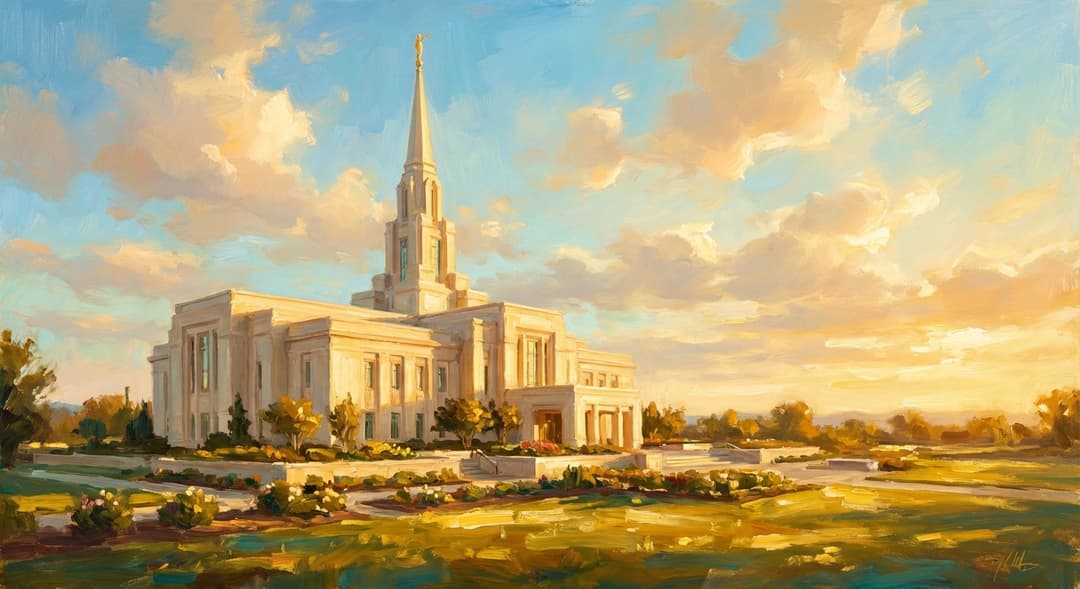
The Denver Colorado Temple is set on a 7.56-acre hilltop site in Centennial, a residential suburb south of Denver. The landscaped grounds offer views of the Rocky Mountain Front Range and include a water feature that adds to the peaceful ambiance. The 1986 public open house attracted approximately 140,000 visitors — one of the largest temple open house turnouts of that era — with many drawn by the community's attachment to the building they had helped shape.
Highlights
- Hilltop vantage point with Rocky Mountain panoramic views
- Over 600 square feet of custom stained-glass windows
- Beautifully landscaped grounds with water features
- Single-spire silhouette has become a beloved Centennial landmark
Things to Know
- Temple interior is reserved for members with a current temple recommend
- Located in a residential neighborhood; please be respectful of neighbors
- Visitor parking is available on the temple grounds
- Photography is permitted on the grounds but not inside the temple
Location
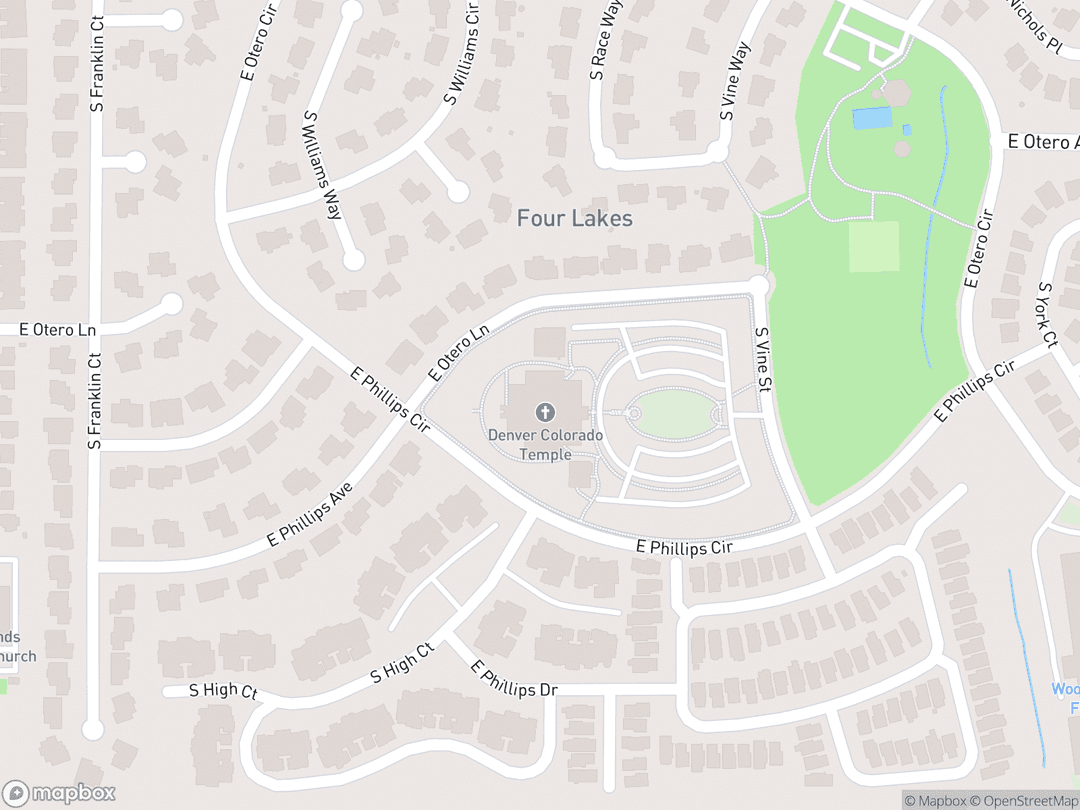
2001 E Phillips Cir, Centennial, Colorado 80122-3264, United States
Hours: Temple grounds are open during daylight hours.
Getting There: Located at 2001 E Phillips Circle in Centennial, south of Denver. Accessible via I-25 to Arapahoe Road exit, then east to Holly Street and south to the temple. Free parking is available on site.
Get DirectionsTips for Your Visit
Mountain Views
Visit at sunset for stunning views of the Rocky Mountain Front Range behind the temple. The hilltop location offers an unobstructed panorama.
Stained Glass Light
The temple's 600+ square feet of stained glass are best appreciated from outside during the evening when interior lighting makes the windows glow with color.
Quiet Neighborhood
The temple is in a residential area of Centennial. Visit during daylight and keep noise to a minimum out of respect for neighbors.
Spring & Fall Color
Colorado's vibrant fall foliage and spring blooms make the landscaped grounds especially photogenic in September-October and May-June.
About
The Denver Colorado Temple stands on a gentle hill in Centennial, Colorado, overlooking the Front Range of the Rocky Mountains. Dedicated in October 1986 by President Ezra Taft Benson, it became the 40th operating temple of The Church of Jesus Christ of Latter-day Saints and the first in the state of Colorado.
The temple's history is intertwined with its community. When the Church announced plans for a temple in the Denver area in 1982, local residents initially raised concerns about its potential size and floodlighting. Rather than press forward, the Church worked collaboratively with the neighborhood, presenting multiple design options. The residents themselves selected the elegant single-spire design over a larger multi-spire alternative — and they later came to appreciate the building's beauty so much that they requested the landscape lighting remain on all night.
What sets the Denver Temple apart architecturally is its interior artistry. Over 600 square feet of specially designed stained-glass windows — including a dramatic wall of colorful glass above the main entrance — fill the interior with shifting light throughout the day. Hand-painted designs adorn the walls and ceilings, complemented by fine cherry-wood trim, Swiss wall coverings, and gold-leaf accents that create a warm, reverent atmosphere.
Before the temple's construction, Colorado Saints demonstrated remarkable dedication, organizing bus trips to the Manti Utah Temple — a journey of over 500 miles each way — and establishing temple funds to support those who could not afford the travel. The dedication of their own temple in 1986, attended through 19 sessions, was the culmination of decades of faithful anticipation.
Gallery
Symbolic Elements
The temple's exterior features intricate carvings, each rich with spiritual meaning:

Angel Moroni
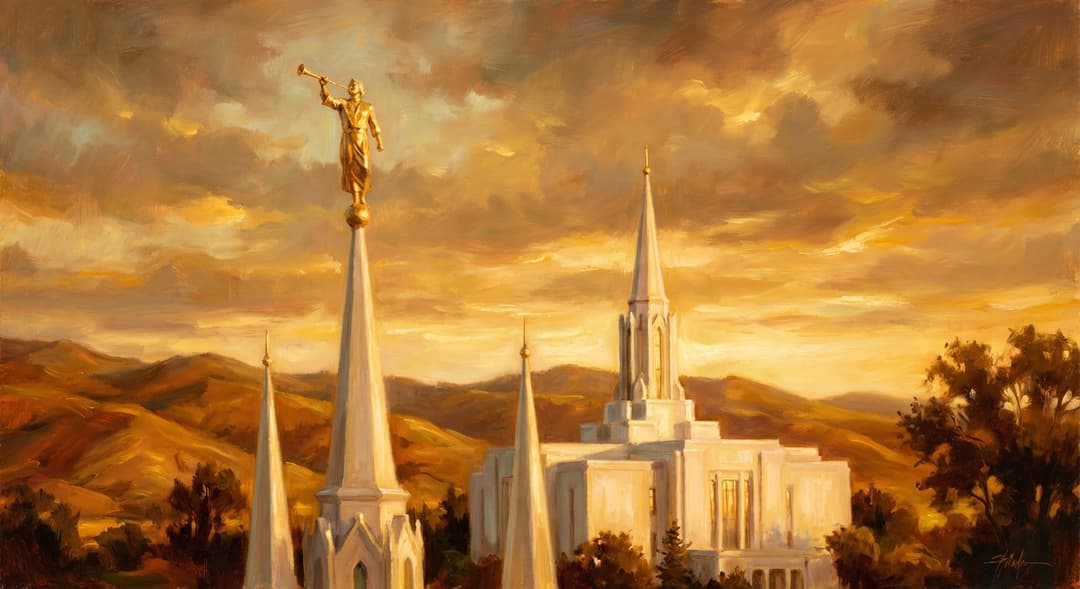
A gold-leafed statue of the angel Moroni stands atop the single 90-foot spire, facing east in anticipation of the Second Coming of Jesus Christ.

Single Spire
The temple's elegant single spire, chosen collaboratively with the community, rises 90 feet and symbolizes a connection between earth and heaven — a vertical axis linking mortal worship to divine glory.

Stained Glass Windows
Over 600 square feet of custom-designed stained glass, including the dramatic entrance wall, symbolize the light of Christ illuminating the interior of the Lord's house. The shifting colors throughout the day evoke the idea of living, dynamic revelation.

Hand-Painted Ceiling Motifs
Detailed hand-painted designs on the walls and ceilings represent the care and artistry that Latter-day Saints believe should characterize the house of the Lord — every surface crafted with intention and reverence.
Interesting Facts
The neighborhood residents themselves chose the single-spire design over a multi-spire alternative — and later asked the Church to keep the landscape lighting on all night because they loved the way it looked.
The temple features over 600 square feet of specially designed stained-glass windows, including a dramatic wall of colorful glass above the main entrance.
The interior showcases hand-painted designs on the walls and ceilings, complemented by cherry-wood trim, Swiss wall coverings, and gold-leaf accents.
Before the temple was built, Colorado members organized bus trips to the Manti Utah Temple — over 500 miles each way — and created special temple funds to help families afford the journey.
The original temple district served parts of eight states — Colorado, Wyoming, North Dakota, South Dakota, Nebraska, Kansas, Oklahoma, and New Mexico.
The 1986 open house attracted approximately 140,000 visitors — one of the highest attendance figures for any temple open house at that time.
Latter-day Saints first arrived in the Denver area in 1858, but it took over 120 years before a temple was built in the state.
The Denver Colorado Temple became the 40th operating temple of the Church when it was dedicated in October 1986.
Common Questions
Why does the Denver Temple have only one spire?
The single-spire design was chosen through a collaborative process with the surrounding neighborhood. When local residents raised concerns about the initial design, the Church presented multiple options. The community selected the elegant single-spire design over a larger multi-spire alternative, and the residents later came to love the building so much they requested its landscape lights remain on all night.
Can visitors enter the temple?
The temple interior is reserved for members of the Church who hold a current temple recommend. However, the beautifully landscaped 7.56-acre grounds with mountain views and a water feature are open to the public and offer a peaceful setting for reflection.
How large is the temple?
The Denver Colorado Temple has a total floor area of just over 27,000 square feet. Inside, it houses four instruction rooms, six sealing rooms, and a baptistry. The interior is notable for its 600+ square feet of custom stained-glass windows, hand-painted designs, and fine cherry-wood trim.
How many people attended the open house?
The public open house held from September 8 to 27, 1986, attracted approximately 140,000 visitors — one of the largest temple open house turnouts of that era — reflecting strong community interest.
How many states did the Denver Temple serve?
The original temple district included Colorado and portions of seven other states — Wyoming, North Dakota, South Dakota, Nebraska, Kansas, Oklahoma, and New Mexico — making it a destination temple for Saints across the central Rocky Mountain and Great Plains region.
Related Stories
Explore the rich history, traditions, and people connected to this sacred site.
Featured Stories
The Neighborhood That Chose Their Temple
1982–1984
When the Church announced plans for a temple in the Denver area in March 1982, residents of the Centennial neighborhood where the 7.56-acre site was located raised concerns about the building's potential size and the impact of floodlighting at night. Rather than override the community, Church leaders took an unusual step — they presented multiple architectural designs and invited the neighborhood to provide input.
The residents selected the elegant single-spire design over a larger multi-spire alternative. This collaborative process transformed the relationship between the temple and the community. Neighbors who initially had reservations came to appreciate the building's beauty so deeply that they actually requested the Church keep its landscape lighting on all night, finding that the illuminated temple enhanced their neighborhood rather than disrupting it.
Source: Church News; ChurchofJesusChristTemples.org
Bus Trips to Manti
1960s–1986
For decades before the Denver Temple was built, Colorado Latter-day Saints demonstrated extraordinary dedication to temple worship. Members organized regular bus trips to the Manti Utah Temple — a journey of over 500 miles each way through the Rocky Mountains. These trips required significant sacrifice of time and money, often spanning an entire weekend.
Local Church units established special temple funds to support families who could not afford the travel. The announcement of a Denver-area temple in 1982, and its dedication four years later, was the culmination of this decades-long yearning. When President Ezra Taft Benson dedicated the temple in October 1986, the 19 sessions were filled with members who had waited their entire lives to worship in a temple close to home.
Source: Church News; ChurchofJesusChristTemples.org
Timeline
First Saints in Colorado
The S. M. Rooker family settles in the Denver area, becoming among the first Latter-day Saints in Colorado.
EventTemple Announced
Gordon B. Hinckley, representing President Spencer W. Kimball, announces a temple for the Denver area.
MilestoneCommunity Design Process
Local residents voice concerns about the temple's size; the Church collaborates with the neighborhood. Residents choose the single-spire design over a multi-spire alternative.
EventGroundbreaking
Gordon B. Hinckley presides over the groundbreaking ceremony on the 7.56-acre hilltop site in Centennial.
component.timeline.groundbreakingPublic Open House
Approximately 140,000 visitors tour the completed temple during a three-week open house (Sep 8-27), making it one of the most-attended temple open houses of the era.
EventDedication
President Ezra Taft Benson dedicates the Denver Colorado Temple in the first of 19 dedicatory sessions, concluding October 28. It becomes the 40th operating temple.
DedicationFirst Major Renovation
A six-week renovation modernizes mechanical systems, replaces carpet, and reconfigures rooms for improved efficiency.
RenovationSecond Renovation
Additional maintenance and renovation work performed to update the temple for continued operation.
RenovationHistory by Decade
1858–1950s — Early Saints in Colorado
The history of Latter-day Saints in Colorado dates to 1858, when the S. M. Rooker family settled in the Denver area among the earliest pioneers. For over a century, growth was slow and members were scattered. Church membership in the region didn't begin to accelerate significantly until the post-war era, driven by missionary work and job opportunities in Denver's growing economy.
1980s — Announcement, Community Process, and Dedication
Gordon B. Hinckley announced a temple for the Denver area on March 31, 1982. The community design process that followed was remarkable — neighborhood residents selected the single-spire design, and the groundbreaking took place on May 19, 1984. The public open house drew approximately 140,000 visitors, and President Ezra Taft Benson dedicated the temple in 19 sessions from October 24-28, 1986. It became the 40th operating temple, serving a vast district spanning eight states.
2010s–Present — Preservation and Ongoing Service
A six-week renovation in August 2011 modernized the temple's mechanical systems, replaced carpet, and reconfigured rooms for improved efficiency. Additional maintenance work in 2019 ensured the temple remains in excellent condition. Today, the Denver Temple continues to serve a significant community of Latter-day Saints across the Rocky Mountain region, its single spire and stained-glass windows remaining beloved landmarks in Centennial.
Architecture & Facilities
A Modern Single-Spire design that represents a thoughtful collaboration between the Church and the local community. The elegantly proportioned structure features precast stone walls, a single 90-foot spire topped with a gold-leafed Angel Moroni, and over 600 square feet of custom stained-glass windows. Designed by Bobby R. Thomas of the Church Architectural Department, the building's refined proportions and emphasis on interior artistry set it apart from its six-spire contemporaries.
Building Materials
Precast Stone
The exterior walls are constructed of precast stone panels, providing a clean, modern appearance that has weathered the Colorado climate well since 1986.
Stained Glass
Over 600 square feet of specially designed stained-glass windows, including the dramatic wall above the main entrance, fill the interior with shifting colored light throughout the day.
Cherry and Walnut Woodwork
Fine hand-carved cherry and walnut wood trim throughout the interior, creating a warm, reverent atmosphere complemented by Swiss wall coverings and gold-leaf accents.
Gold Leaf
Gold-leaf accents adorn the interior detailing and the Angel Moroni statue atop the spire, adding a sense of sacred refinement.
Interior Features
Celestial Room
The central spiritual space, bathed in colored light from the stained-glass windows, designed as a place of quiet contemplation representing the highest degree of heavenly glory.
Instruction Rooms (4)
Four rooms where members receive the endowment ceremony, featuring the hand-painted wall and ceiling designs that distinguish this temple.
Sealing Rooms (6)
Six rooms dedicated to marriage and family sealing ordinances, with mirrors symbolizing the eternal nature of family relationships.
Baptistry
A baptismal font resting on twelve sculpted oxen, representing the twelve tribes of Israel, used for proxy baptisms on behalf of deceased ancestors.
Temple Grounds
7.56 acres of landscaped hilltop grounds in Centennial, featuring a water feature, manicured gardens, and panoramic views of the Rocky Mountain Front Range. The elevated site makes the temple visible from surrounding neighborhoods.
Additional Facilities
The temple grounds include ample parking and a distribution center. The hilltop setting and community-chosen design have made the temple a cherished neighborhood landmark since its dedication.
Religious Significance
For members of The Church of Jesus Christ of Latter-day Saints in Colorado and the surrounding states, the Denver Temple represents the fulfillment of more than a century of faithful anticipation. From the earliest Saints who settled in the Denver area in 1858 to the families who organized bus trips to distant temples for decades, the construction of a house of the Lord in Colorado marked a spiritual milestone for the Rocky Mountain region.
The Denver Colorado Temple serves as a house of the Lord where members participate in sacred ordinances essential to God's plan of salvation. These ordinances include the endowment, celestial marriage sealings, and baptisms for the deceased — enabling members to make covenants with God and extend those blessings to ancestors who did not have the opportunity in life. The temple's original district, spanning eight states, underscored its role as a spiritual anchor for a vast region.
Sacred Ordinances
Endowment
A sacred ceremony in which members receive instruction about God's plan of happiness, make covenants of faithfulness and obedience, and receive symbolic blessings of power, protection, and knowledge to guide them through mortality.
Sealing
Marriages performed in the temple are believed to be valid not only for this life but for eternity. Families can also be sealed together across generations, creating an unbroken chain of family relationships that Latter-day Saints believe will persist beyond death.
Baptism for the Dead
Members are baptized by proxy on behalf of deceased ancestors, offering them the opportunity to accept the gospel in the afterlife. This is the driving force behind the Church's extensive genealogical research and family history efforts.
A Temple Born of Community
The Denver Temple's origin story is unique among Latter-day Saint temples. The collaborative design process — in which neighborhood residents chose the single-spire silhouette now beloved across Centennial — speaks to a principle at the heart of Latter-day Saint theology, that a temple is meant to bless not only its members but the surrounding community. The fact that neighbors eventually requested the lights stay on all night reflects a transformation from initial uncertainty to genuine affection.
The Temple in Latter-day Saint Life
For many Latter-day Saints, attending the temple is a regular practice — a respite from the noise of the world where they seek peace, spiritual clarity, and a deeper connection to God. Members describe the temple as a place where the veil between heaven and earth feels thin, where personal revelation flows more freely, and where the eternal nature of family relationships becomes tangible. The temple recommend interview process, which involves affirming personal worthiness and faith, ensures that temple attendance remains a meaningful spiritual commitment rather than a casual visit.
Similar Temples
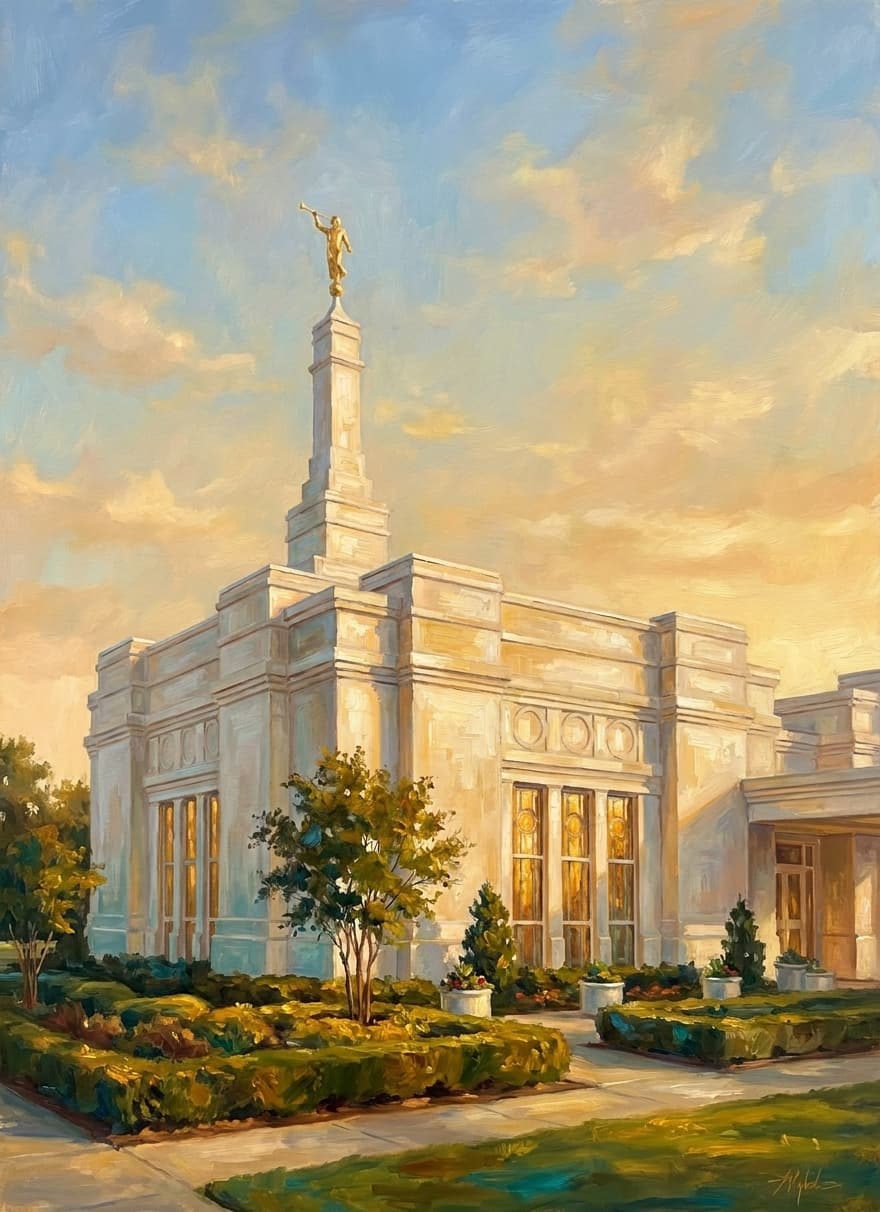
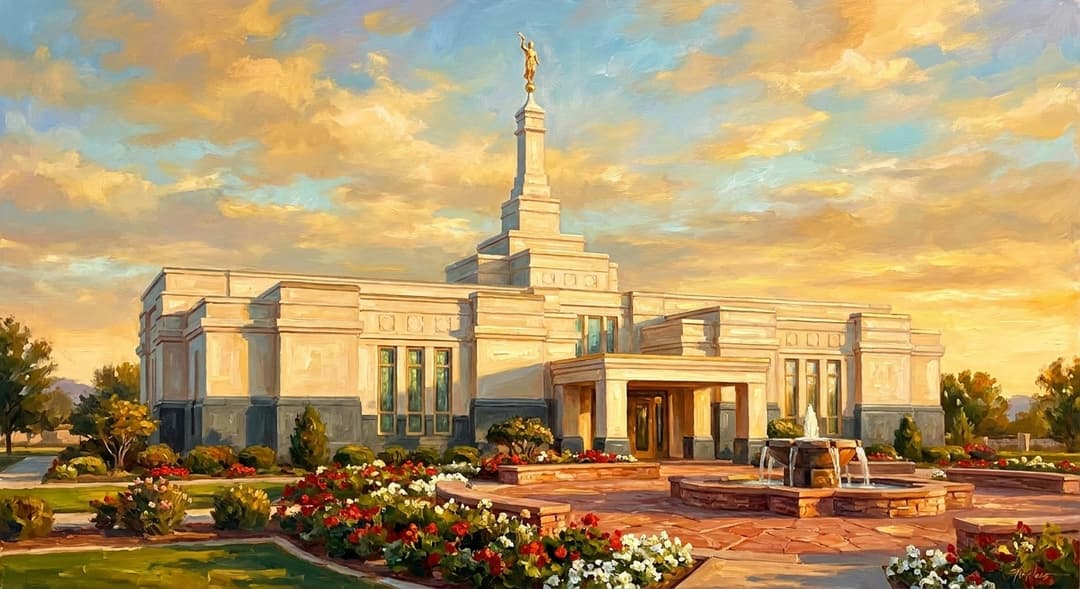
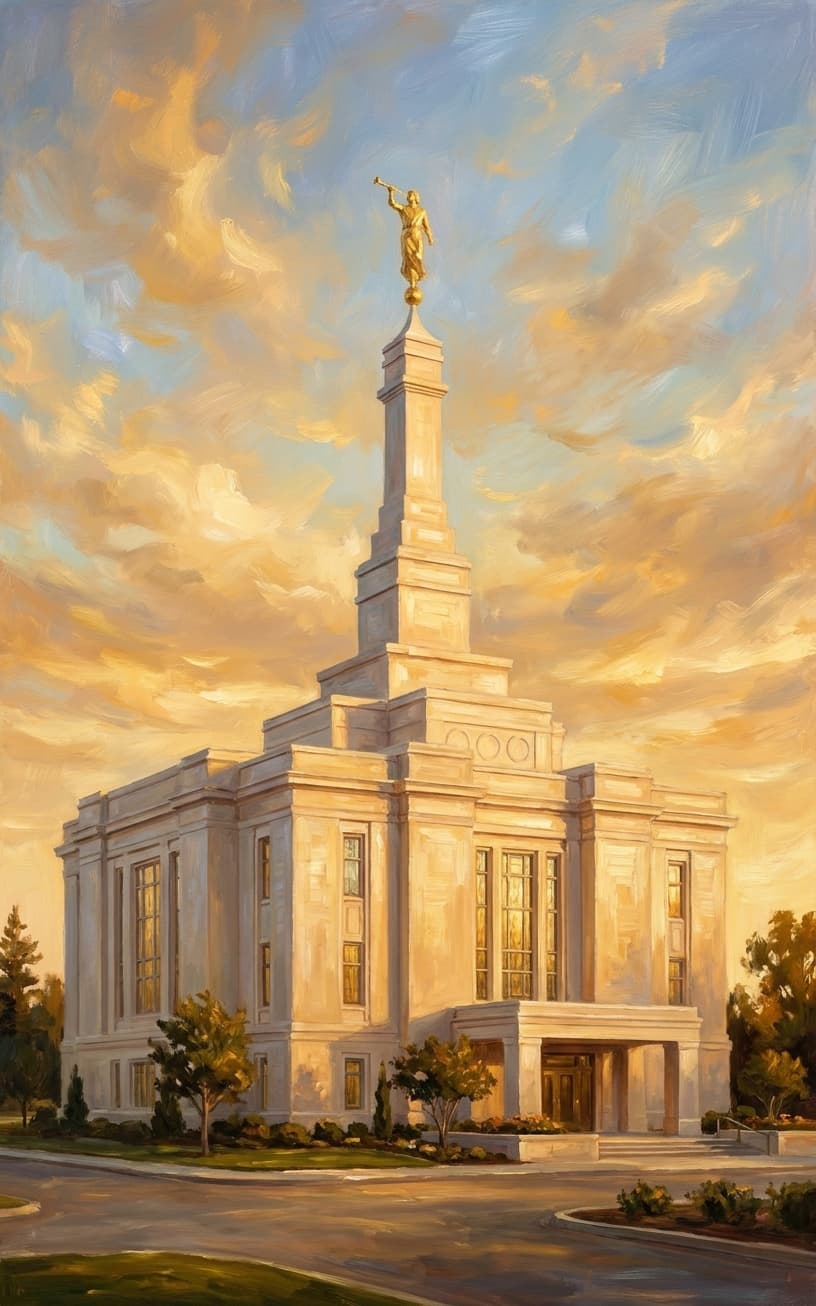
Sources & Research
Every fact on Temples.org is backed by verified Sources & Research. Each piece of information is rated by source tier and confidence level.
View All Sources (5)
| Field | Source | Tier | Retrieved |
|---|---|---|---|
| About & Dedication Details | The Church of Jesus Christ of Latter-day Saints (opens in a new tab) | A | 2026-02-16 |
| Architecture & Construction Details | ChurchofJesusChristTemples.org (opens in a new tab) | C | 2026-02-16 |
| Dedication & Timeline | Church News (opens in a new tab) | B | 2026-02-16 |
| Historical Background & Community | Official Church Newsroom (opens in a new tab) | A | 2026-02-16 |
| Renovation History | ChurchofJesusChristTemples.org (opens in a new tab) | C | 2026-02-16 |