Visitor Insights
Visiting Dallas Texas Temple
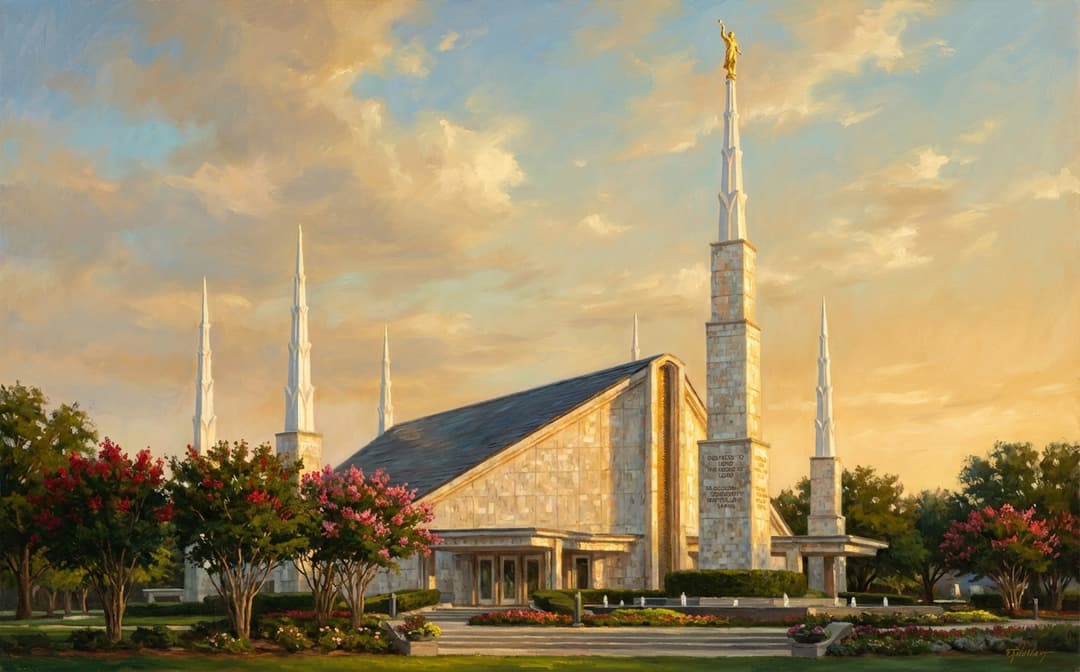
The Dallas Texas Temple is set on a peaceful 6-acre wooded lot in a residential neighborhood of North Dallas. The grounds feature mature trees and manicured landscaping that create a park-like setting. The temple is not generally open to the public inside, but the landscaped grounds offer a tranquil environment for visitors. The 1984 public open house prior to dedication attracted approximately 88,000 visitors, with about 56% being non-members of the Church.
Highlights
- Serene 6-acre wooded grounds in a residential setting
- Hand-polished marble exterior glows in sunlight
- Six distinctive spires visible from surrounding neighborhoods
- Peaceful garden paths through mature trees
Things to Know
- Temple interior is reserved for members with a current temple recommend.
- The temple is located in a residential neighborhood; please be respectful of neighbors.
- Visitor parking is available on the temple grounds.
- Photography is permitted on the grounds but not inside the temple.
Location
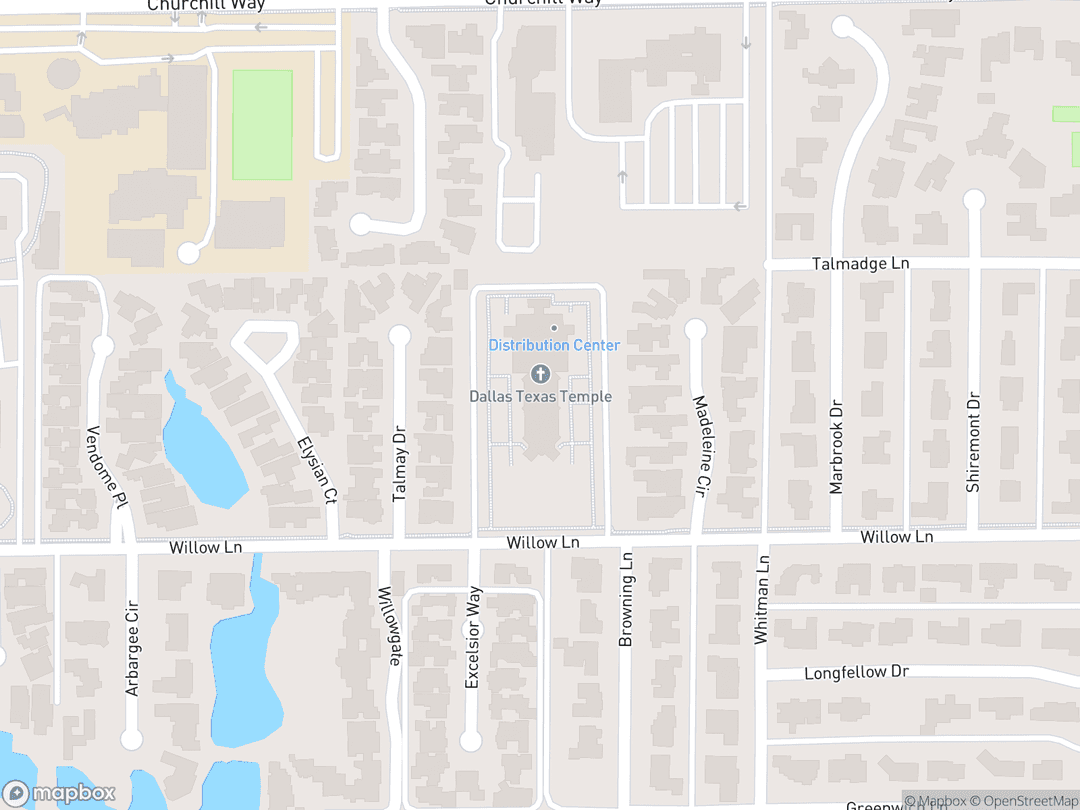
6363 Willow Ln, Dallas, Texas 75230-2227, United States
Hours: Temple grounds are open during daylight hours.
Getting There: Located at 6363 Willow Lane in North Dallas, near the intersection of Forest Lane and Hillcrest Road. Accessible via US-75 (Central Expressway) or the Dallas North Tollway. Free parking is available on site.
Get DirectionsTips for Your Visit
Best Photo Angle
The temple is best photographed from the front entrance approach where all six spires are visible through the canopy of trees.
Quiet Neighborhood
The temple sits in a residential area — visit during daylight hours and keep noise to a minimum out of respect for neighbors.
Seasonal Color
The grounds are especially beautiful in spring when the Texas wildflowers bloom and in autumn when the mature deciduous trees change color.
Nearby Dining
The Preston Hollow and Hillcrest Village areas nearby offer many restaurants within a short drive.
About
The Dallas Texas Temple stands as a historic milestone for The Church of Jesus Christ of Latter-day Saints in the American South, being the first temple constructed in the state of Texas. Announced in 1981 by President Spencer W. Kimball as part of a historic nine-temple announcement, the temple was dedicated just three years later by Gordon B. Hinckley in October 1984.
Located on a quiet 6-acre site in a wooded residential area of North Dallas, the temple was designed as a "sister building" to the Boise Idaho and Chicago Illinois temples, sharing the same distinctive six-spire silhouette and sloping slate roof. The exterior is faced with hand-polished, light-colored marble tiles that give the building a luminous quality among the surrounding trees.
Originally 17,850 square feet, the temple's popularity quickly exceeded expectations. By 1987 — just three years after dedication — the building closed for a major expansion that more than doubled its size to 44,207 square feet. The expansion added an additional ordinance room and sealing room and relocated and enlarged the baptistry, all while preserving the original architectural character. Gordon B. Hinckley rededicated the expanded temple on March 5, 1989.
The Dallas Temple continues to serve a vast region of Latter-day Saints across Texas and the surrounding states, standing as a testament to the rapid growth of the Church in the American South during the late 20th century.
Gallery
Symbolic Elements
The temple's exterior features intricate carvings, each rich with spiritual meaning:

Angel Moroni
A gold-leafed statue of the angel Moroni stands atop the tallest of the six spires, facing east in anticipation of the Second Coming of Jesus Christ. The Moroni statue is a hallmark of Latter-day Saint temples worldwide.

Six Spires
The six detached spires rising from a sloping roofline represent the priesthood of God. The three eastern spires symbolize the Melchizedek Priesthood, while the three western spires represent the Aaronic Priesthood.

Marble Facade
The hand-polished, light-colored marble tiles covering the exterior symbolize purity, permanence, and the sanctity of the house of the Lord. Marble has been used in sacred buildings worldwide for millennia.

Slate Roof
The distinctive dark gray slate roof provides a dramatic contrast to the luminous marble walls, symbolizing the balance between heaven (the light walls reaching upward) and the sheltering protection of the Lord.
Interesting Facts
The Dallas Temple was part of a historic nine-temple announcement by President Spencer W. Kimball on April 1, 1981 — one of the largest single temple announcements in Church history at the time.
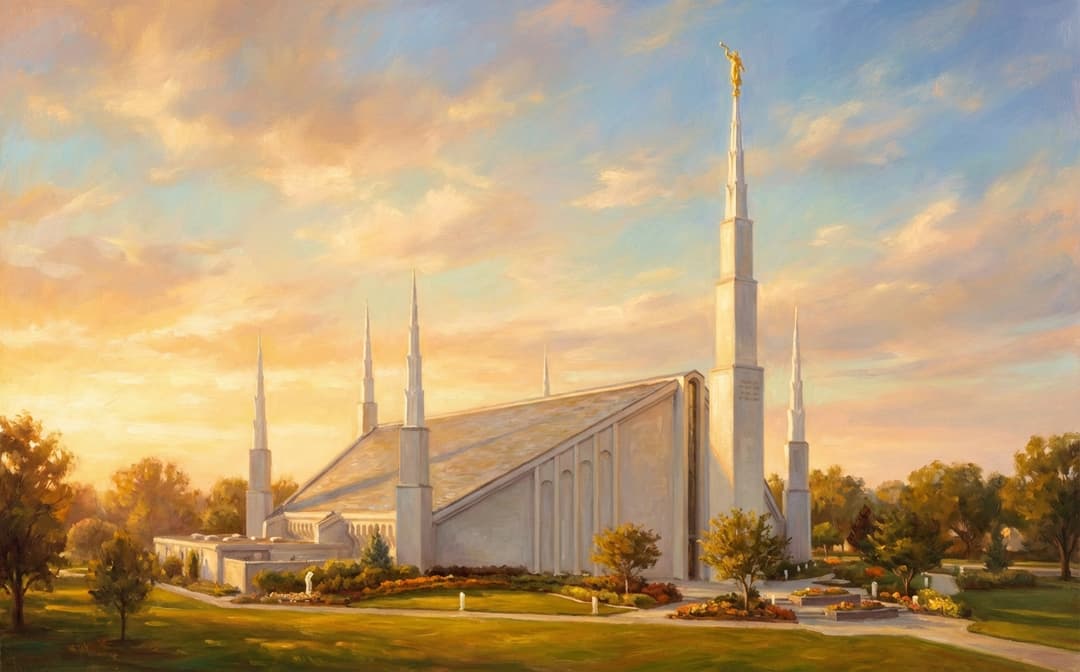
The temple is a "sister building" to the Boise Idaho and Chicago Illinois temples, sharing the same six-spire design blueprint adapted for each location.
Just three years after dedication, the temple had to close for expansion because attendance far exceeded the original design capacity.
The expansion more than doubled the temple's floor area — from 17,850 square feet to 44,207 square feet — making it one of the most significant early temple expansions.
The public open house attracted 88,000 visitors, with 56% being non-members of the Church, demonstrating strong community interest.
The hand-polished marble tiles on the exterior give the building a luminous glow, particularly at golden hour when the warm Texas light catches the facade.
The 23 dedicatory sessions held over six days were necessary to accommodate the large number of members who wished to attend the dedication.
Gordon B. Hinckley, who presided at the groundbreaking, dedication, and rededication, would later become the 15th President of the Church.
Common Questions
Is the Dallas Texas Temple the first temple in Texas?
Yes. The Dallas Texas Temple was dedicated on October 19, 1984, making it the first temple of The Church of Jesus Christ of Latter-day Saints in the state of Texas. It was announced in 1981 as part of a historic nine-temple announcement by President Spencer W. Kimball.
Why was the temple expanded so soon after dedication?
The temple's original 17,850-square-foot design could not keep up with the rapid growth and high attendance in the region. Just three years after dedication, it closed in 1987 for an expansion that more than doubled its size to 44,207 square feet, adding an additional ordinance room, a sealing room, and an enlarged baptistry.
Can visitors enter the temple?
The temple interior is reserved for members of the Church who hold a current temple recommend. However, the beautifully landscaped 6-acre grounds are open to the public and offer a peaceful setting for a walk.
What is the architectural style?
The Dallas Texas Temple features a Modern Six-Spire design, making it a sister building to the Boise Idaho and Chicago Illinois temples. The exterior is clad in hand-polished, light-colored marble with a dark gray slate roof. The tallest spire reaches 95 feet and is topped with a gold-leafed Angel Moroni statue.
How many people attended the open house?
The public open house held from September 7 to 26, 1984, attracted approximately 88,000 visitors. Notably, about 56% of attendees were not members of the Church, reflecting strong community interest.
Related Stories
Explore the rich history, traditions, and people connected to this sacred site.
Featured Stories
The First Temple in Texas
1981–1984
For decades, Latter-day Saints in Texas traveled vast distances to attend the nearest temple — often driving to Mesa, Arizona, or even further. The announcement of a temple in Dallas on April 1, 1981, was met with overwhelming emotion. Members who had spent years saving for long-distance temple trips now had a house of the Lord in their own state.
The construction proceeded quickly, and the dedication on October 19, 1984, was a landmark moment for the Church in the American South. The 23 dedicatory sessions over six days reflected the deep desire of Texas Saints to be present for this historic occasion. The temple's completion signaled the maturation of the Church beyond its traditional western strongholds.
Source: Church News; Church of Jesus Christ in North Texas
A Temple That Outgrew Itself
1984–1989
The Dallas Temple was designed during an era of rapid temple construction when efficiency was paramount. Its original 17,850 square feet served the region well — for about three years. By 1987, attendance had so dramatically exceeded expectations that the temple closed for a major expansion.
The expansion was not a minor renovation: the temple's floor area more than doubled to 44,207 square feet. An additional ordinance room and sealing room were added, and the baptistry was relocated and enlarged to handle the volume of youth baptisms. When Gordon B. Hinckley rededicated the expanded temple on March 5, 1989, he noted the remarkable growth that had necessitated such a rapid expansion — a testament to the vitality of the Church in Texas.
Source: ChurchofJesusChristTemples.org; Church News
Timeline
Temple Announced
President Spencer W. Kimball announces the Dallas Texas Temple as part of a historic nine-temple announcement.
MilestoneGroundbreaking
Gordon B. Hinckley presides over the groundbreaking ceremony, attended by approximately 90 guests.
component.timeline.groundbreakingPublic Open House
Approximately 88,000 visitors tour the completed temple during a three-week open house (Sep 7-26), with 56% being non-members.
EventDedication
Gordon B. Hinckley dedicates the Dallas Texas Temple in the first of 23 dedicatory sessions, concluding October 24.
DedicationExpansion Begins
The temple closes for a major expansion to address rapidly growing attendance, more than doubling its floor area.
RenovationRededication
Gordon B. Hinckley rededicates the expanded temple, which has grown from 17,850 to 44,207 square feet.
DedicationFirst Texas Temple
The Dallas Temple becomes the first operating temple of the Church in the state of Texas.
Milestone40th Anniversary
The temple marks four decades of operation as the pioneering Latter-day Saint temple in Texas.
MilestoneHistory by Decade
1980s — Announcement and Construction
On April 1, 1981, President Spencer W. Kimball announced the Dallas Texas Temple as part of a historic package of nine new temples. For the Saints of Texas, who had traveled to distant temples for decades, this announcement was transformative. Gordon B. Hinckley presided over the groundbreaking on January 22, 1983, with approximately 90 guests in attendance. Construction progressed rapidly on the six-spire design, a sister plan to the Boise and Chicago temples.
1984 — Dedication and Open House
The public open house from September 7 to 26, 1984, attracted approximately 88,000 visitors — a remarkable turnout that included 56% non-members. The dedication followed immediately, with Gordon B. Hinckley conducting 23 sessions from October 19 to 24. The Dallas Temple became the first operating temple in Texas, serving a sprawling temple district that included members across the southern United States.
1987–1989 — The Great Expansion
The temple's popularity overwhelmed its original design capacity within just three years. In 1987, it closed for a major expansion that more than doubled its floor area from 17,850 to 44,207 square feet. The project added a fifth ordinance room, a fourth sealing room, and a relocated, enlarged baptistry. Gordon B. Hinckley rededicated the expanded temple on March 5, 1989, ensuring the building could serve the rapidly growing Church membership in the region for decades to come.
Architecture & Facilities
A landmark Modern Six-Spire design that established a template for Latter-day Saint temples of the 1980s. The structure features six detached spires rising from a sloping roofline, with the tallest reaching 95 feet. Designed by West & Humphries in collaboration with the Church Architectural Staff, the temple was conceived as a "sister building" to Boise and Chicago, sharing the same blueprint philosophy of efficient, beautiful temple design. The building was significantly expanded in 1987-89, more than doubling its original footprint while preserving the architectural character.
Building Materials
Hand-Polished Marble
The exterior is clad in light-colored, hand-polished marble tiles that give the building a luminous, radiant appearance. The warm Texas sunlight enhances the marble's natural glow throughout the day.
Dark Gray Slate Roof
A steeply pitched dark gray slate roof provides dramatic contrast to the marble walls and contributes to the temple's distinctive silhouette among the surrounding trees.
Interior Woodwork
Fine hardwood millwork throughout the interior, including carved moldings and paneling that complement the sacred atmosphere of the ordinance and sealing rooms.
Gold Leaf
The Angel Moroni statue atop the tallest spire is finished in gold leaf, catching the light and serving as a beacon above the North Dallas tree canopy.
Interior Features
Celestial Room
The central spiritual space of the temple, designed as a place of quiet contemplation and representing the highest degree of heavenly glory. Features refined finishes and natural light.
Ordinance Rooms (5)
Five instruction rooms where members receive the endowment ceremony. The fifth was added during the 1987-89 expansion to accommodate growing attendance.
Sealing Rooms (4)
Four rooms dedicated to marriage and family sealing ordinances. Mirrors facing each other in these rooms symbolize the eternal nature of family relationships.
Baptistry
A baptismal font resting on twelve sculpted oxen, representing the twelve tribes of Israel. The baptistry was relocated and enlarged during the 1987-89 expansion.
Temple Grounds
6 acres of beautifully landscaped grounds featuring mature trees, manicured lawns, and garden paths in a quiet North Dallas residential neighborhood. The wooded setting provides natural privacy and a park-like atmosphere.
Additional Facilities
The temple grounds include a distribution center and adequate parking for visitors. The residential setting and mature landscaping create a peaceful environment that blends harmoniously with the surrounding neighborhood.
Religious Significance
For members of The Church of Jesus Christ of Latter-day Saints, the Dallas Texas Temple holds special significance as the first temple built in Texas — a state where the Church overcame decades of slow growth to establish a thriving community of faith. Latter-day Saint temples are distinct from regular meetinghouses. While Sunday worship services are open to all, temples are reserved for members who have prepared spiritually and obtained a temple recommend from their local leaders.
The Dallas Texas Temple serves as a house of the Lord where members participate in sacred ordinances essential to God's plan of salvation. These ordinances include the endowment, celestial marriage sealings, and baptisms for the deceased — enabling members to make covenants with God and extend those blessings to ancestors who did not have the opportunity in life. The temple's rapid expansion in the late 1980s testified to the deep commitment of Texas Saints to participate in these sacred ceremonies.
Sacred Ordinances
Endowment
A sacred ceremony in which members receive instruction about God's plan of happiness, make covenants of faithfulness and obedience, and receive symbolic blessings of power, protection, and knowledge to guide them through mortality.
Sealing
Marriages performed in the temple are believed to be valid not only for this life but for eternity. Families can also be sealed together across generations, creating an unbroken chain of family relationships that Latter-day Saints believe will persist beyond death.
Baptism for the Dead
Members are baptized by proxy on behalf of deceased ancestors, offering them the opportunity to accept the gospel in the afterlife. This is the driving force behind the Church's extensive genealogical research and family history efforts.
A Temple for the South
The dedication of the Dallas Texas Temple in 1984 represented a turning point for the Church in the American South. For decades, Texas members had organized bus trips and caravans to distant temples — a sacrifice of time and money that underscored the depth of their commitment. Having a temple in Dallas meant that families could participate in sacred ordinances without the burden of long-distance travel, strengthening the spiritual foundation of the growing Church community across the southern United States.
The Temple in Latter-day Saint Life
For many Latter-day Saints, attending the temple is a regular practice — a respite from the noise of the world where they seek peace, spiritual clarity, and a deeper connection to God. Members describe the temple as a place where the veil between heaven and earth feels thin, where personal revelation flows more freely, and where the eternal nature of family relationships becomes tangible. The temple recommend interview process, which involves affirming personal worthiness and faith, ensures that temple attendance remains a meaningful spiritual commitment rather than a casual visit.
Similar Temples
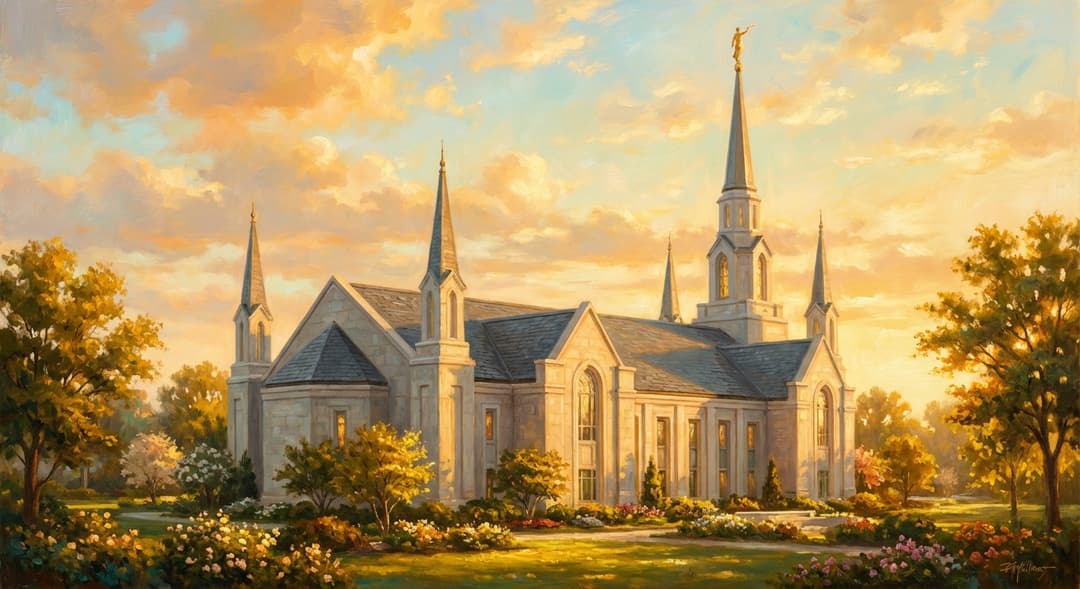
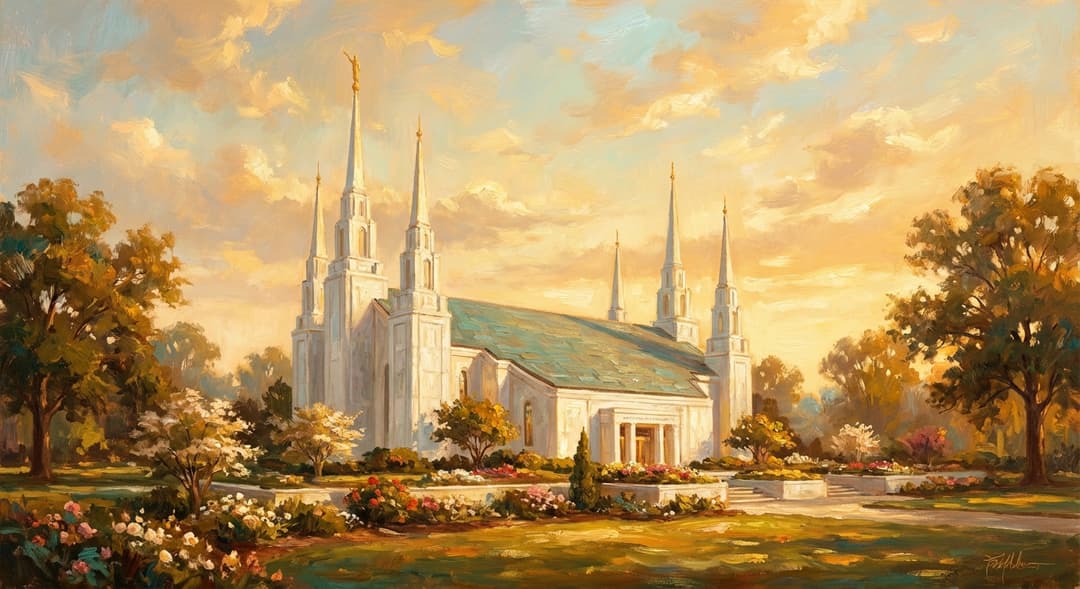
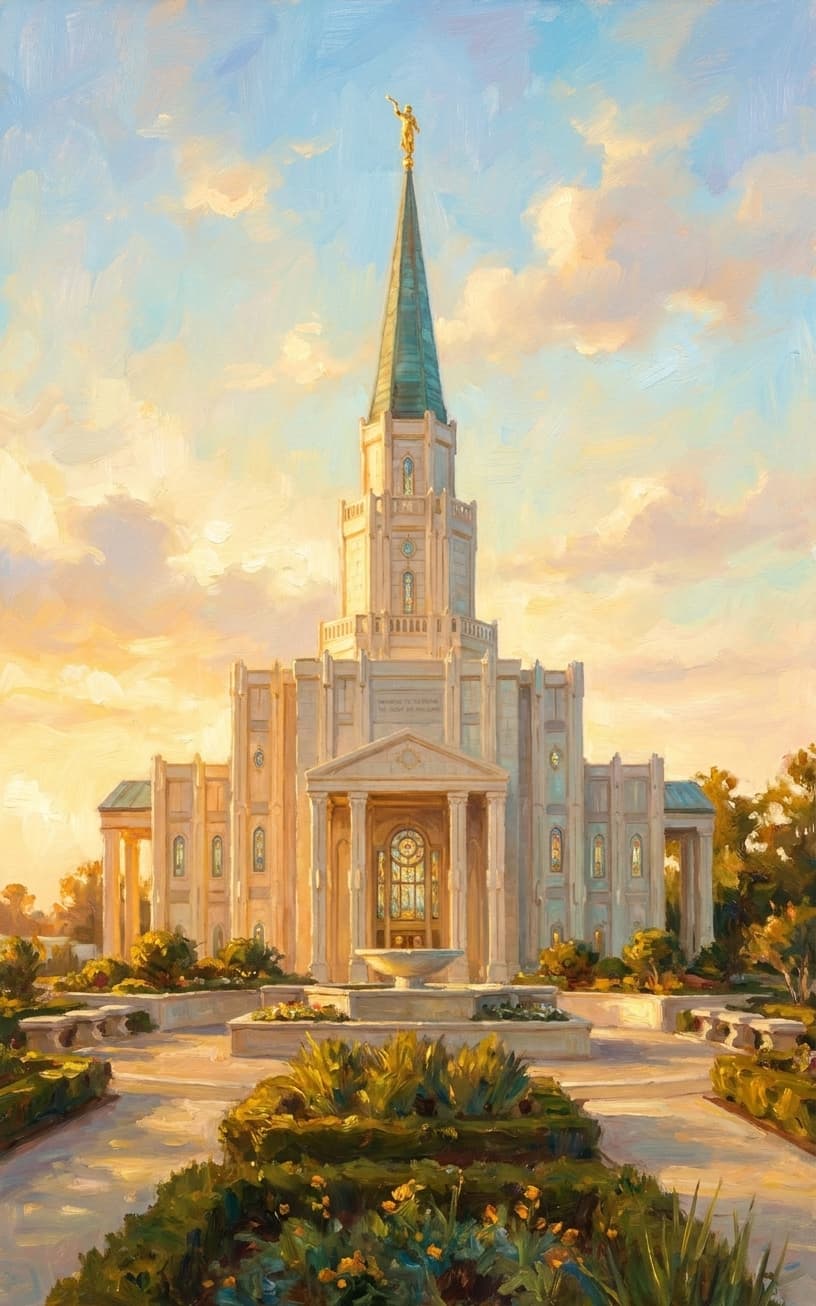
Sources & Research
Every fact on Temples.org is backed by verified Sources & Research. Each piece of information is rated by source tier and confidence level.
View All Sources (5)
| Field | Source | Tier | Retrieved |
|---|---|---|---|
| About & Historical Background | The Church of Jesus Christ of Latter-day Saints (opens in a new tab) | A | 2026-02-16 |
| Architecture & Construction Details | ChurchofJesusChristTemples.org (opens in a new tab) | C | 2026-02-16 |
| Dedication & Timeline | Church News (opens in a new tab) | B | 2026-02-16 |
| Timeline & Featured Stories | The Church of Jesus Christ in North Texas (opens in a new tab) | C | 2026-02-16 |
| Facts & Monument Status | Official Church Newsroom (opens in a new tab) | A | 2026-02-16 |