Visitor Insights
Visiting Lima Peru Temple
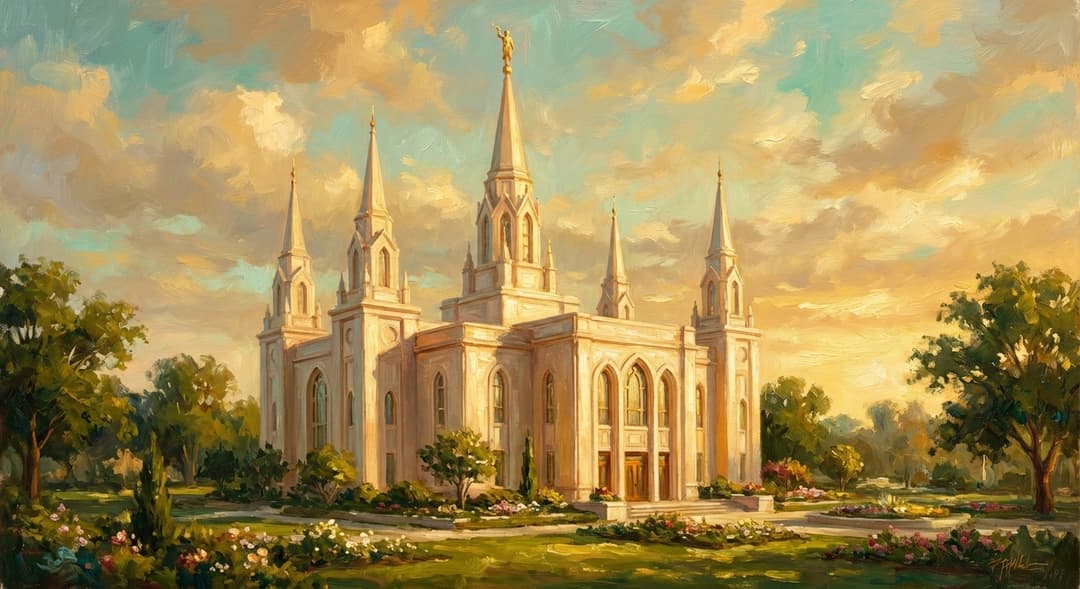
The Lima Peru Temple offers a serene and spiritual experience for visitors. While there isn't a formal visitors' center, the temple grounds provide a peaceful atmosphere for reflection. Visitors can appreciate the temple's architecture and well-maintained gardens. The arrival center and patron housing contribute to the welcoming environment for those attending temple sessions.
Highlights
- Experience the peaceful atmosphere of the temple grounds.
- Admire the temple's unique six-spire architectural design.
- Reflect on the spiritual significance of the temple in the lives of Latter-day Saints.
Things to Know
- There is no formal visitors' center at this location.
- The temple is primarily for members of The Church of Jesus Christ of Latter-day Saints.
- Respectful attire is required when visiting the temple grounds.
Location
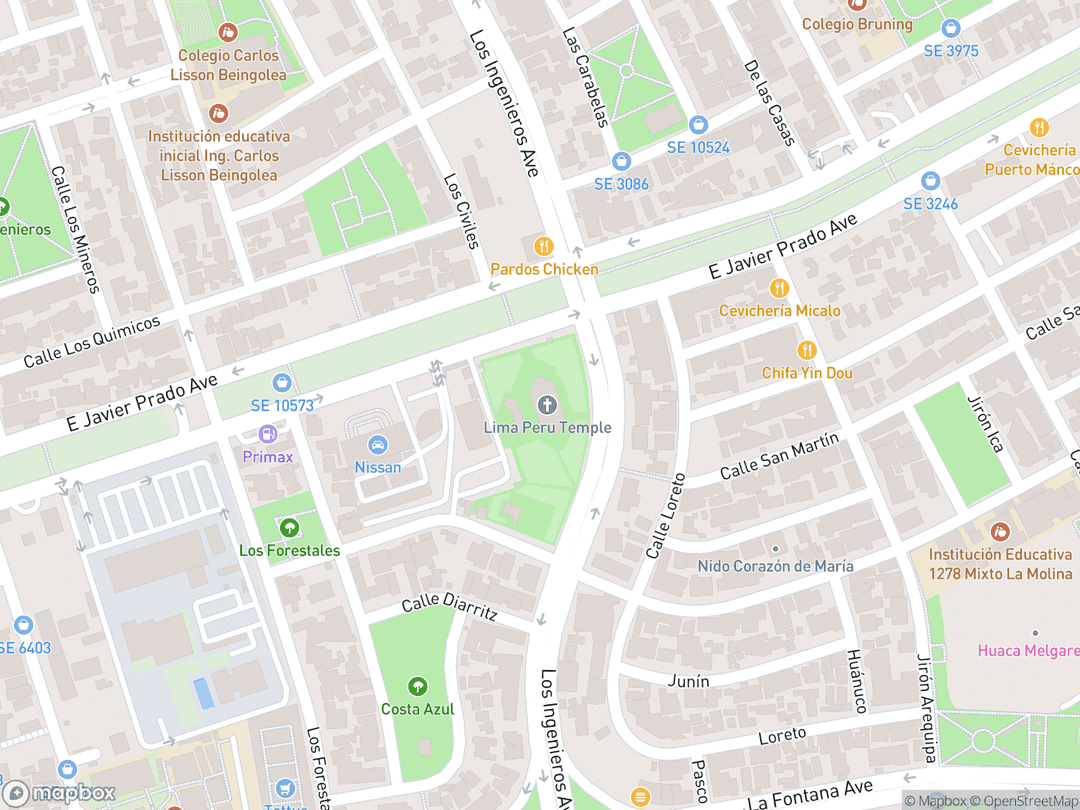
Av. Javier Prado Este 6420, Urb. Santa Patricia La Molina, Lima 12, Peru
Hours: Temple session schedules vary; check the official website for details.
Getting There: The temple is located in the La Molina district of Lima. Public transportation and taxi services are readily available.
Get DirectionsTips for Your Visit
Plan Ahead
Check the temple schedule online before visiting to ensure availability.
Dress Respectfully
Modest attire is appreciated when visiting the temple grounds.
About
The Lima Peru Temple stands as a beacon of faith in the bustling city of Lima, Peru. As a temple of The Church of Jesus Christ of Latter-day Saints, it represents a sacred space where members can draw closer to God through ordinances and covenants. Rooted in the Christian theological tradition, the temple's purpose is to provide a place where individuals and families can strengthen their connection with Jesus Christ and participate in eternal blessings.
Announced on April 1, 1981, by President Spencer W. Kimball, the Lima Peru Temple was a testament to the growing faith of Latter-day Saints in South America. The groundbreaking ceremony, presided over by Elder Boyd K. Packer, took place on September 11, 1982, marking the beginning of its construction. The temple was dedicated from January 10-12, 1986, by President Gordon B. Hinckley, becoming the third temple in South America and a spiritual cornerstone for the region.
The temple's architecture blends modern design with symbolic elements, creating a space that inspires reverence and peace. Its location in the La Molina district of Lima provides a serene setting for worship and reflection. The Lima Peru Temple serves as a reminder of the enduring principles of faith, family, and service that are central to the teachings of Jesus Christ.
Gallery
Symbolic Elements
The temple's exterior features intricate carvings, each rich with spiritual meaning:

Six Spires
The six spires of the Lima Peru Temple symbolize the reaching towards heaven and the divine. They represent the aspirations of the members of The Church of Jesus Christ of Latter-day Saints to connect with God and receive His blessings. The spires also serve as a visual reminder of the temple's sacred purpose.

Angel Moroni Statue
The Angel Moroni statue, which stands atop the tallest spire, is a symbol of the restoration of the gospel of Jesus Christ. Moroni was an ancient prophet in the Book of Mormon, and his image represents the spreading of the gospel message to all the world. The statue serves as a beacon of hope and a reminder of the divine mission of the Church.

Peruvian Marble Exterior
The exterior of the Lima Peru Temple is constructed of light-colored Peruvian marble, a material chosen for its beauty and durability. The marble symbolizes purity, strength, and the enduring nature of the temple's purpose. It also reflects the local culture and heritage of Peru, connecting the temple to the community it serves.

Arches
The temple's design incorporates back-to-back arches featured in the windows, doors, and wall impressions. The arches symbolize strength, stability, and the joining of heaven and earth. They also represent the covenants and promises made within the temple, which bind individuals and families together for eternity.

Gardens
The temple is surrounded by beautifully maintained gardens, which provide a peaceful and serene setting for worship and reflection. The gardens symbolize the beauty of creation and the abundance of God's blessings. They also represent the importance of nurturing and caring for the earth, as well as the spiritual growth that comes from connecting with nature.

Six-Sided Structure
The six-sided structure of the Lima Peru Temple is a unique architectural feature that symbolizes perfection and completeness. The number six is often associated with creation and harmony, reflecting the temple's role as a place where individuals can find spiritual wholeness and connect with the divine.

Temple Interior
The interior of the Lima Peru Temple is designed to create a sacred and reverent atmosphere. The materials, colors, and furnishings are carefully chosen to inspire feelings of peace, hope, and love. The interior spaces are dedicated to specific ordinances and ceremonies, each of which contributes to the spiritual growth and eternal progression of those who participate.

Arrival Center
The arrival center provides a welcoming space for visitors and members alike. It symbolizes the open arms of the Church and the invitation to come and learn more about the gospel of Jesus Christ. The arrival center serves as a place where individuals can find information, ask questions, and begin their journey of spiritual discovery.
Interesting Facts
The Lima Peru Temple was the first temple built in Peru.
It was the third temple built in South America, following temples in São Paulo, Brazil, and Santiago, Chile.
The announcement of the Lima Peru Temple was part of the largest number of temples announced at one time, with nine temples announced on April 1, 1981.
During the open house, approximately 24,500 visitors toured the temple.
The temple dedication was held over three days in eleven sessions.
Two years after the dedication, the 11 stakes in Lima were reorganized to create 7 new stakes, for a total of 18.
From 1988 to 1990, attendance at the Lima Peru Temple tripled.
In 2024, the dedication of the Lima Peru Los Olivos Temple made Lima the first city outside of Utah to have two operating temples.
The dedicatory prayer references the Book of Mormon prophet Lehi.
During a renovation in 2013, a new north-facing angel Moroni was installed.
Common Questions
What is the purpose of the Lima Peru Temple?
The Lima Peru Temple serves as a sacred space for members of The Church of Jesus Christ of Latter-day Saints to participate in ordinances that unite families for eternity and help individuals draw closer to God. These ordinances include marriages, baptisms for the dead, and other sacred rites that strengthen faith and promote spiritual growth.
When was the Lima Peru Temple dedicated?
The Lima Peru Temple was dedicated from January 10-12, 1986, by President Gordon B. Hinckley. The dedication marked the official opening of the temple for sacred ordinances and worship, making it a spiritual center for Latter-day Saints in Peru and the surrounding region.
How can I visit the Lima Peru Temple?
While the temple itself is reserved for members of The Church of Jesus Christ of Latter-day Saints who are actively engaged in their faith, the temple grounds are open to the public. Visitors can enjoy the peaceful atmosphere, admire the temple's architecture, and learn more about its significance. Please note that there is no formal visitors' center at this location.
What is the architectural style of the Lima Peru Temple?
The Lima Peru Temple features a modern adaptation of a six-spire design. The exterior is constructed of light-colored Peruvian marble, giving it a distinctive and elegant appearance. The temple's design incorporates back-to-back arches featured in the windows, doors, and wall impressions.
What is the significance of the Angel Moroni statue on the temple?
The Angel Moroni statue, which stands atop the tallest spire of the Lima Peru Temple, symbolizes the restoration of the gospel of Jesus Christ. Moroni was an ancient prophet in the Book of Mormon, and his image represents the spreading of the gospel message to all the world.
Featured Stories
Announcement of the Lima Peru Temple
April 1, 1981
On April 1, 1981, President Spencer W. Kimball announced the intent to build a temple in Lima, Peru, during a press conference. This announcement was particularly significant as it was part of a larger announcement of nine new temples, marking the largest number of temples announced at one time in the Church's history. The news brought immense joy and excitement to the Latter-day Saints in Peru, who had long desired a temple in their own land.
The announcement was seen as a testament to the growing faith and dedication of the members in South America. It symbolized a new era of spiritual growth and opportunity for the Saints in Peru, providing them with a sacred space to draw closer to God and participate in eternal ordinances. The Lima Peru Temple would become a beacon of hope and a spiritual cornerstone for the region.
Source: The Church News
Dedication of the Lima Peru Temple
January 10-12, 1986
The dedication of the Lima Peru Temple, held from January 10-12, 1986, was a momentous occasion for Latter-day Saints in Peru and beyond. President Gordon B. Hinckley presided over the dedication, offering prayers of gratitude and consecration for the sacred building. The dedication was held over three days and eleven sessions to accommodate the large number of members who wished to attend.
The dedicatory services were filled with spiritual power and reverence, as President Hinckley invoked blessings upon the temple, the members, and the land. The dedication marked the official opening of the temple for sacred ordinances and worship, providing a place where individuals and families could strengthen their connection with God and participate in eternal blessings. The Lima Peru Temple became a symbol of faith, hope, and love for the Saints in Peru.
Source: The Church of Jesus Christ of Latter-day Saints Newsroom
Growth of the Church in Peru
1988-1990
Following the dedication of the Lima Peru Temple, the Church experienced significant growth in Peru. From 1988 to 1990, attendance at the temple tripled, necessitating an increase in weekday sessions to accommodate the growing demand. This surge in attendance reflected the deepening faith and commitment of the members in Peru, as well as the blessings that flowed from having a temple in their midst.
The growth of the Church in Peru was also evident in the reorganization of the stakes in Lima. Two years after the dedication, the 11 stakes in Lima were reorganized to create 7 new stakes, for a total of 18. This expansion of the Church's organizational structure reflected the increasing number of members and the need for greater leadership and support. The Lima Peru Temple played a vital role in fostering this growth and strengthening the Church in Peru.
Source: Mormon Wiki
Timeline
First Latter-day Saint branch established in Peru
The seeds of faith are planted as the first branch of The Church of Jesus Christ of Latter-day Saints is organized in Peru.
MilestoneTemple Announced by Spencer W. Kimball
President Spencer W. Kimball announces the intent to build a temple in Lima, Peru, marking a significant milestone for the Church in South America.
component.timeline.announcementGroundbreaking Ceremony Held
Elder Boyd K. Packer presides over the groundbreaking ceremony, symbolizing the beginning of the temple's construction.
component.timeline.groundbreakingPublic Open House
Approximately 24,500 visitors toured the temple during the public open house, providing an opportunity for the community to learn about its purpose.
EventTemple Dedication Begins
President Gordon B. Hinckley dedicates the Lima Peru Temple, marking its official opening for sacred ordinances and worship.
DedicationTemple Dedication Concludes
The dedication of the Lima Peru Temple concludes after 11 sessions, solidifying its role as a spiritual center for Latter-day Saints in Peru.
DedicationFirst Session in Quechua
The temple conducts its first session in Quechua, a native language, making temple worship more accessible to the local population.
EventAttendance Triples
From 1988 to 1990, attendance at the Lima Peru Temple tripled, necessitating an increase in weekday sessions to accommodate the growing demand.
EventWeekday Sessions Increase
Due to the increased attendance, the temple increases the number of weekday sessions.
EventNew Angel Moroni Statue Installed
During a renovation, a new north-facing Angel Moroni statue is installed atop the temple, symbolizing the restoration of the gospel.
RenovationSecond Temple Announced
President Thomas S. Monson announces the construction of a second temple in Lima, the Lima Peru Los Olivos Temple, reflecting the continued growth of the Church in the region.
component.timeline.announcementLima Peru Los Olivos Temple Dedicated
The Lima Peru Los Olivos Temple is dedicated, making Lima the first city outside of Utah with two operating temples, further strengthening the Church's presence in Peru.
DedicationLima Becomes First City Outside Utah with Two Temples
With the dedication of the Lima Peru Los Olivos Temple, Lima becomes the first city outside of Utah to have two operating temples.
MilestoneNine Temples Announced
The announcement of the Lima Peru Temple was part of a press conference where nine temples were announced, the largest number at that time.
component.timeline.announcementDedication Prayer
The dedicatory prayer references the Book of Mormon prophet Lehi.
DedicationHistory by Decade
1950s — Early Beginnings
The seeds of The Church of Jesus Christ of Latter-day Saints were planted in Peru in 1956 with the establishment of the first branch. This marked the humble beginnings of a faith that would eventually blossom and flourish throughout the country. Early members faced challenges in establishing the Church, but their dedication and perseverance laid the foundation for future growth.
1980s — Temple Announcement and Dedication
The 1980s brought a significant milestone for the Church in Peru with the announcement of the Lima Peru Temple on April 1, 1981. This announcement, made by President Spencer W. Kimball, was part of a historic declaration of nine new temples. The groundbreaking ceremony took place on September 11, 1982, and the temple was dedicated from January 10-12, 1986, by President Gordon B. Hinckley.
1990s — Growth and Consolidation
The 1990s saw continued growth and consolidation of the Church in Peru. The Lima Peru Temple became a spiritual center for Latter-day Saints in the region, providing a place for sacred ordinances and worship. The Church focused on strengthening families and communities, promoting education, and providing humanitarian aid.
2000s — Continued Expansion
The Church continued to expand its presence in Peru during the 2000s, with new meetinghouses being built and new missions being established. The focus remained on strengthening the faith of individual members and families, as well as reaching out to those in need. The Lima Peru Temple continued to serve as a beacon of hope and a symbol of the Church's commitment to the people of Peru.
2010s — Second Temple Announced
In the 2010s, the Church in Peru experienced another significant milestone with the announcement of a second temple in Lima, the Lima Peru Los Olivos Temple. This announcement, made by President Thomas S. Monson on April 3, 2016, reflected the continued growth and strength of the Church in the region. The new temple would provide additional opportunities for members to participate in sacred ordinances and draw closer to God.
2020s — Two Temples in Lima
The 2020s marked a historic moment for the Church in Peru with the dedication of the Lima Peru Los Olivos Temple on January 14, 2024. This dedication made Lima the first city outside of Utah to have two operating temples, further solidifying the Church's presence and commitment to the people of Peru. The two temples in Lima serve as a testament to the enduring faith and dedication of Latter-day Saints in the region.
Architecture & Facilities
The Lima Peru Temple exhibits a modern adaptation of a six-spire design, reflecting a blend of contemporary architectural principles with traditional temple aesthetics. The temple's design incorporates back-to-back arches featured in the windows, doors, and wall impressions. The overall style aims to create a sacred and reverent atmosphere, inviting members to draw closer to God.
Building Materials
Exterior
The exterior of the Lima Peru Temple is constructed of light-colored Peruvian marble, a material chosen for its beauty, durability, and connection to the local culture.
Interior
The interior of the temple features a variety of materials, including fine woods, fabrics, and finishes, all carefully selected to create a sacred and reverent atmosphere.
Interior Features
Celestial Room
The Celestial Room is a space for quiet reflection and prayer, designed to evoke feelings of peace, hope, and love. It is often considered the most beautiful room in the temple.
Baptistry
The Baptistry is the location where baptisms for the dead are performed. The font rests on the backs of twelve oxen, representing the twelve tribes of Israel.
Sealing Rooms
Sealing rooms are where marriages are performed, uniting couples and families for eternity. These rooms are designed to be intimate and sacred spaces.
Endowment Rooms
Endowment rooms are where members receive instruction on the plan of salvation and make covenants with God. These rooms are designed to be reverent and conducive to learning.
Temple Grounds
The temple is situated on 4.5 acres of land, featuring beautifully landscaped gardens, walkways, and gathering areas. The grounds provide a peaceful and serene setting for worship and reflection.
Additional Facilities
Adjacent to the temple is a building with patron housing, a cafeteria, a family history center, and a distribution center. These facilities provide support and resources for those attending the temple.
Religious Significance
The Lima Peru Temple, as a sacred edifice of The Church of Jesus Christ of Latter-day Saints, holds profound religious significance. Rooted in the Christian theological tradition, it serves as a house of the Lord, a place where members can draw closer to God through sacred ordinances and covenants. The temple's purpose is to provide a space where individuals and families can strengthen their connection with Jesus Christ and participate in eternal blessings.
The core spiritual purpose of the Lima Peru Temple is to provide a place where members can participate in sacred ordinances that unite families for eternity and help individuals draw closer to God. These ordinances include marriages, baptisms for the dead, and other sacred rites that strengthen faith and promote spiritual growth.
Sacred Ordinances
Baptism for the Dead
Baptism for the dead is a vicarious ordinance performed in the temple, allowing deceased individuals the opportunity to accept the gospel of Jesus Christ. This ordinance reflects the Church's belief in the eternal nature of families and the importance of providing salvation to all who have lived on earth.
Endowment
The endowment is a sacred ordinance in which members receive instruction on the plan of salvation and make covenants with God. This ordinance helps individuals understand their divine potential and commit to living a life of righteousness and service.
Sealing
Sealing is the ordinance in which couples and families are united for eternity. This ordinance reflects the Church's belief in the eternal nature of families and the importance of maintaining strong family relationships.
The Temple as a House of the Lord
The Lima Peru Temple is considered a house of the Lord, a sacred space dedicated to God. Members believe that the temple is a place where heaven and earth meet, and where they can feel closer to God's presence. The temple is a place of refuge, peace, and spiritual renewal.
Covenants and Blessings
The covenants made in the temple are sacred promises between individuals and God. These covenants bring blessings and responsibilities, helping individuals to live a more righteous and fulfilling life. The temple is a place where individuals can receive guidance, strength, and inspiration to overcome challenges and achieve their divine potential.
Sources & Research
Every fact on Temples.org is backed by verified Sources & Research. Each piece of information is rated by source tier and confidence level.
View All Sources (3)
| Field | Source | Tier | Retrieved |
|---|---|---|---|
| About & Historical Background | The Church of Jesus Christ of Latter-day Saints (opens in a new tab) | A | 2024-01-30 |
| Architectural Description | churchofjesuschristtemples.org (opens in a new tab) | C | 2024-01-30 |
| Groundbreaking | mormonwiki.com (opens in a new tab) | C | 2024-01-30 |