Visitor Insights
Visiting Freetown Sierra Leone Temple
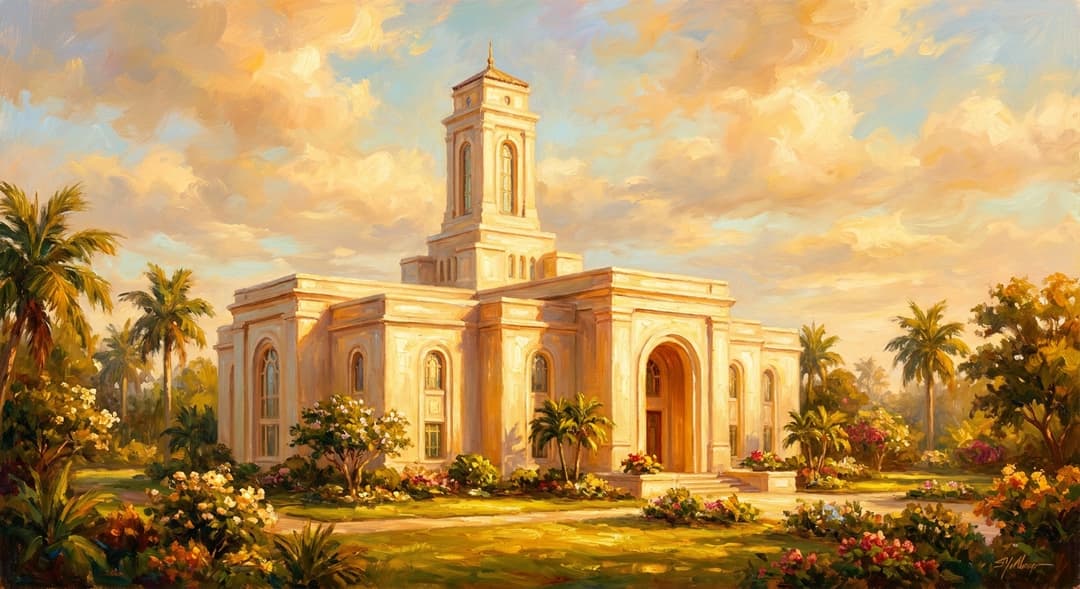
While the Freetown Sierra Leone Temple is under construction, the grounds are generally accessible and offer a peaceful environment for contemplation. Visitors can observe the progress of the construction and appreciate the architectural design. Once completed, the temple grounds will provide a serene space for reflection and spiritual connection.
Highlights
- Observe the ongoing construction of the temple.
- Enjoy the peaceful atmosphere of the temple grounds.
- Appreciate the architectural design of the temple.
Things to Know
- Dress modestly when visiting the temple grounds.
- Be respectful of the sacred nature of the temple.
Location
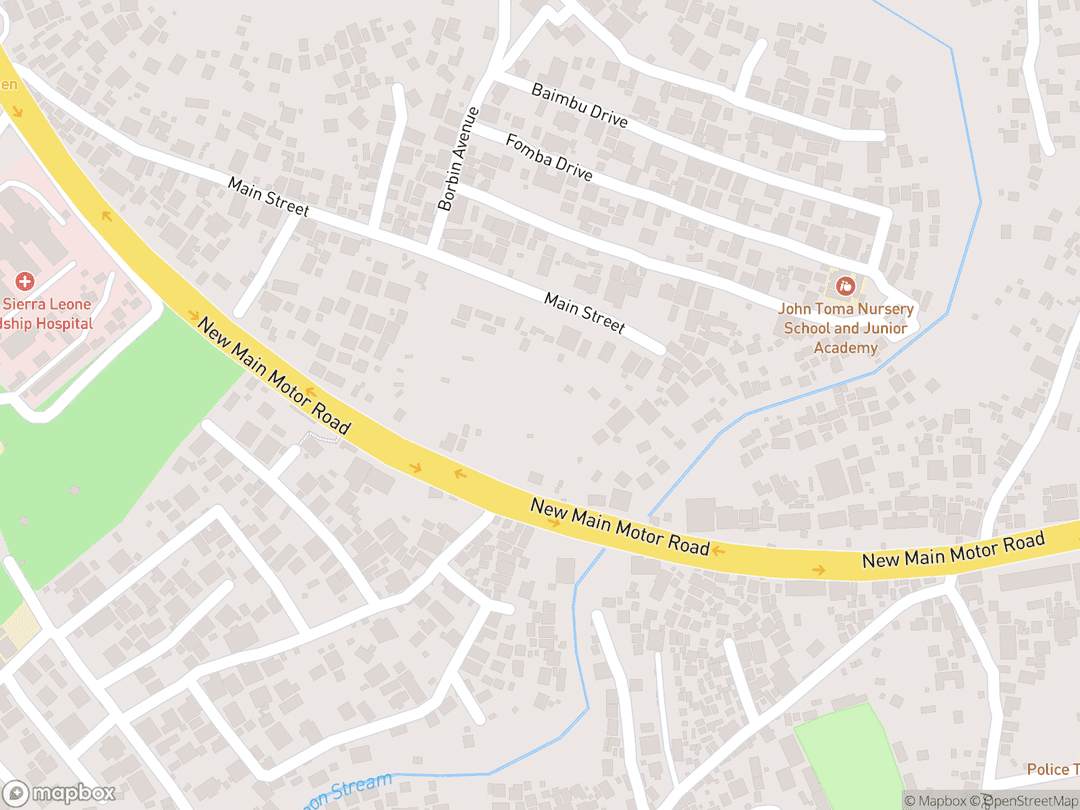
Jui Road, Kossoh Town region of Freetown, Sierra Leone
Hours: The temple grounds are generally open during daylight hours.
Getting There: The temple is located on Jui Road in the Kossoh Town region of Freetown. From Freetown bus station, take a vehicle towards Hastings or Jui and get off at Hastings 88 Freetown-Waterloo Highway. Taxis are also readily available.
Get DirectionsAbout
The Freetown Sierra Leone Temple is a temple of The Church of Jesus Christ of Latter-day Saints (LDS Church) currently under construction in Freetown, Sierra Leone. It will be the first temple of the LDS Church in Sierra Leone. As a temple of the LDS Church, it is part of the Christian theological grouping within the broader Abrahamic traditions, sharing common ground with other Christians in its belief in Jesus Christ as the Son of God and the importance of faith, repentance, and baptism.
Latter-day Saint temples, however, have unique purposes related to sacred ordinances and covenants. The temple will serve the growing membership of the Church in Sierra Leone, providing a place for them to participate in these sacred ordinances.
The temple is located on Jui Road in the Kossoh Town region of Freetown and will be visible to motorists traveling the Masiaka-Yonibana Highway. The groundbreaking ceremony was held on March 19, 2022, and presided over by Elder Hugo E. Martinez.
Gallery
Symbolic Elements
The temple's exterior features intricate carvings, each rich with spiritual meaning:

Single Attached Central Tower
The single attached central tower of the Freetown Sierra Leone Temple symbolizes the temple's role as a beacon of faith and hope in the community. It represents the connection between heaven and earth, inviting individuals to ascend spiritually and draw closer to God. The tower serves as a visual reminder of the sacred nature of the temple and its importance in the lives of Latter-day Saints.

Cream-Colored Exterior
The cream-colored exterior of the temple signifies purity, reverence, and spiritual light. The light color reflects the sacred nature of the temple and its role as a place of holiness and peace. The choice of cream color also creates a sense of warmth and welcome, inviting all to enter and experience the blessings of the temple.

Arched Windows
The arched windows along the front of the temple represent the open and inviting nature of the gospel of Jesus Christ. The arch is a symbol of strength, stability, and eternal progression. The windows allow natural light to fill the interior of the temple, creating a bright and uplifting atmosphere.

Main Archway
The main archway to the front doors of the temple symbolizes the entrance into a sacred space and the beginning of a spiritual journey. The archway represents the gateway to eternal life and the opportunity to make covenants with God. It invites individuals to leave the world behind and enter into a place of peace and revelation.

Baptistry
The baptistry within the temple is a sacred space where baptisms for the dead are performed. This ordinance is a symbolic act of cleansing and renewal, representing the opportunity for deceased individuals to receive the blessings of the gospel of Jesus Christ. The baptistry is a reminder of the eternal nature of the soul and the importance of extending compassion and love to all.

Sealing Rooms
The sealing rooms in the temple are sacred spaces where families are united for eternity. In these rooms, couples are sealed in marriage, and children are sealed to their parents, creating eternal family bonds. The sealing ordinance is a symbol of God's love and the promise of eternal life together.
Instruction Rooms
The instruction rooms within the temple are dedicated spaces for learning and spiritual growth. In these rooms, individuals receive instruction on the gospel of Jesus Christ and the principles of eternal life. The instruction rooms provide a peaceful and reverent environment for deepening one's understanding of God's plan and strengthening one's commitment to follow Him.

Temple Grounds
The temple grounds surrounding the Freetown Sierra Leone Temple provide a serene and beautiful environment for reflection and spiritual connection. The gardens, pathways, and landscaping create a peaceful atmosphere that invites visitors to contemplate the sacred nature of the temple and draw closer to God. The temple grounds are a place of beauty, tranquility, and inspiration.
Interesting Facts
The Freetown Sierra Leone Temple will be the first temple built in Sierra Leone.
The temple was announced by President Russell M. Nelson during the General Women's Session of the 189th Semiannual General Conference.
There are more than 21,000 Latter-day Saints in Sierra Leone organized into ten stakes and two districts.
To participate in temple ordinances before the Freetown temple, members traveled over 1,240 miles (2,000 km) to the Accra Ghana Temple.
The Freetown Sierra Leone Temple is one of nine temples announced for Africa between 2019 and 2021.
Once dedicated, it will become the westernmost temple in mainland Africa.
The original Portuguese name for Sierra Leone was Serra Lyoa, meaning 'Lion Mountains'.
A community event was held on the temple site on November 8, 2025, to help neighbors understand the significance of the temple.
The temple is located on Jui Road in the Kossoh Town region of Freetown and will be visible to motorists traveling the Masiaka-Yonibana Highway.
The temple will have two instruction rooms, two sealing rooms, and one baptistry.
Common Questions
What is the purpose of the Freetown Sierra Leone Temple?
The Freetown Sierra Leone Temple will provide a sacred space for members of The Church of Jesus Christ of Latter-day Saints to participate in religious ordinances, which are sacred acts and ceremonies that have spiritual meaning. These ordinances include baptisms for the dead, endowments, and sealings, which unite families for eternity. The temple will serve as a center of spiritual strength and a place where members can draw closer to God.
Who can enter the Freetown Sierra Leone Temple?
After the temple is dedicated, it will be open to members of The Church of Jesus Christ of Latter-day Saints who are in good standing and have a temple recommend. A temple recommend is a certificate issued by local Church leaders that signifies a member's worthiness to enter the temple. Before the dedication, the public will be invited to tour the temple during an open house.
How will the Freetown Sierra Leone Temple benefit the community?
In addition to providing a place of worship for Latter-day Saints, the Freetown Sierra Leone Temple will also contribute to the community by promoting peace, understanding, and service. The temple grounds will be a beautiful and serene space that all can enjoy. The Church also engages in various humanitarian and charitable activities in Sierra Leone, and the temple will serve as a symbol of the Church's commitment to the country and its people.
What are temple ordinances?
Temple ordinances are sacred acts and ceremonies performed in temples of The Church of Jesus Christ of Latter-day Saints. These ordinances have spiritual meaning and are essential for the salvation and exaltation of individuals and families. Some of the key temple ordinances include baptisms for the dead, endowments, and sealings. These ordinances are performed for both the living and the deceased, and they represent covenants and commitments to follow Jesus Christ.
How does the Freetown Sierra Leone Temple relate to other Christian traditions?
As a temple of The Church of Jesus Christ of Latter-day Saints, the Freetown Sierra Leone Temple is part of the Christian theological grouping within the broader Abrahamic traditions. Latter-day Saints share common ground with other Christians in their belief in Jesus Christ as the Son of God and the importance of faith, repentance, and baptism. However, Latter-day Saint temples have unique purposes related to sacred ordinances and covenants that are not found in other Christian traditions. These ordinances are seen as essential for the salvation and exaltation of individuals and families.
Featured Stories
Announcement of the Freetown Sierra Leone Temple
October 5, 2019
During the General Women's Session of the 189th Semiannual General Conference, President Russell M. Nelson announced the construction of a new temple in Freetown, Sierra Leone. This announcement brought immense joy and excitement to the Latter-day Saints in Sierra Leone, who had long desired a temple in their own country. The news spread quickly throughout the community, filling hearts with gratitude and anticipation for the blessings that the temple would bring.
The announcement was particularly significant because it marked a major milestone in the growth and development of the Church in Sierra Leone. For many years, members had to travel long distances to attend the nearest temple in Accra, Ghana, requiring significant time, expense, and sacrifice. The new temple in Freetown would provide a more accessible and convenient place for members to participate in sacred ordinances and strengthen their faith.
The announcement also symbolized the Church's commitment to the people of Sierra Leone and its belief in their potential for spiritual growth. The temple would serve as a beacon of hope and a center of spiritual strength, inviting all to come unto Christ and experience the blessings of the gospel. The Latter-day Saints in Sierra Leone rejoiced at the prospect of having a temple in their midst, knowing that it would bless their lives and the lives of generations to come.
Source: The Church of Jesus Christ of Latter-day Saints Newsroom
Groundbreaking Ceremony Marks the Start of Construction
March 19, 2022
On March 19, 2022, a groundbreaking ceremony was held to mark the official start of construction on the Freetown Sierra Leone Temple. Elder Hugo E. Martinez, a General Authority Seventy of The Church of Jesus Christ of Latter-day Saints, presided over the ceremony, which was attended by local Church leaders, members, and community representatives. The event was a celebration of faith, hope, and the fulfillment of a long-awaited dream.
The groundbreaking ceremony was a symbolic act of preparing the ground for the construction of the temple. As the first shovelfuls of earth were turned, participants expressed their gratitude for the blessings of the temple and their commitment to supporting its construction. The ceremony was also a time for reflection on the sacred nature of the temple and its purpose in the community.
The groundbreaking ceremony marked a significant step forward in the realization of the Freetown Sierra Leone Temple. It signaled the beginning of a new chapter in the history of the Church in Sierra Leone and a renewed commitment to building faith, strengthening families, and serving the community. The Latter-day Saints in Sierra Leone looked forward with great anticipation to the completion of the temple and the blessings it would bring.
Source: LDS Living
Community Event Fosters Understanding and Goodwill
November 8, 2025
On November 8, 2025, a community event was held on the temple site to help neighbors understand the significance of the temple. The event was organized by local Church leaders and members, who invited community representatives, religious leaders, and residents to learn more about the temple and its purpose. The event was a success, fostering understanding, goodwill, and positive relationships between the Church and the community.
During the event, participants had the opportunity to tour the temple site, view architectural renderings, and ask questions about the temple's construction and purpose. Church leaders explained the sacred nature of the temple and its role in the lives of Latter-day Saints. They also emphasized the Church's commitment to serving the community and promoting interfaith understanding.
The community event was a valuable opportunity to dispel misconceptions and build bridges of understanding. Participants expressed their appreciation for the Church's efforts to engage with the community and share information about the temple. The event helped to create a positive atmosphere of goodwill and cooperation, paving the way for the temple to become a valued and respected part of the Freetown community.
Source: Church of Jesus Christ Temples
Timeline
Sierra Leoneans Join the LDS Church Abroad
Several Sierra Leoneans joined The Church of Jesus Christ of Latter-day Saints while living abroad, laying the foundation for the Church's future growth in the country.
MilestoneFirst Missionaries Arrive in Sierra Leone
The first missionaries of the LDS Church arrived in Sierra Leone, and a branch was established in Freetown, marking the official beginning of the Church's presence in the country.
MilestoneCivil Unrest Impacts Church Services
Due to civil unrest in Sierra Leone, Latter-day Saints met in their homes for worship, demonstrating their resilience and commitment to their faith during challenging times.
EventChurch Membership Grows After the War
After the end of the war, church membership in Sierra Leone had grown to nearly 5,000, indicating the Church's positive impact on the community and its role in the country's recovery.
MilestoneFreetown Sierra Leone Temple Announced
President Russell M. Nelson announced the Freetown Sierra Leone Temple, bringing great joy and anticipation to the Latter-day Saints in Sierra Leone and signaling the Church's continued growth in Africa.
component.timeline.announcementLocation and Exterior Rendering Released
The location and exterior rendering of the Freetown Sierra Leone Temple were released, providing a visual representation of the future temple and generating excitement among Church members and the local community.
MilestoneGroundbreaking Ceremony Held
The groundbreaking ceremony for the Freetown Sierra Leone Temple was held, marking the official start of construction and bringing the realization of the temple one step closer.
component.timeline.groundbreakingCommunity Event Held on Temple Site
A community event was held on the temple site to help neighbors understand the significance of the temple, fostering positive relationships and promoting interfaith understanding.
EventFirst Stake Organized
The first stake (a group of congregations) was organized in Sierra Leone, indicating the growing maturity and strength of the Church in the country.
MilestoneHumanitarian Efforts Increase
The Church increased its humanitarian efforts in Sierra Leone, providing assistance to those in need and demonstrating its commitment to serving the community.
EventEbola Outbreak Response
The Church provided significant aid and support during the Ebola outbreak in Sierra Leone, helping to combat the disease and alleviate suffering.
EventCOVID-19 Relief Efforts
The Church responded to the COVID-19 pandemic by providing relief and support to communities in Sierra Leone, demonstrating its ongoing commitment to humanitarian service.
EventContinued Construction Progress
Construction on the Freetown Sierra Leone Temple continued to progress, with significant milestones reached and the temple taking shape.
RenovationAnticipation Builds for Dedication
As construction nears completion, anticipation builds among Latter-day Saints in Sierra Leone for the dedication of the Freetown Sierra Leone Temple and the opportunity to participate in sacred ordinances within its walls.
MilestoneTemple District Assigned
Members in Sierra Leone were assigned to the Accra Ghana Temple district, allowing them to travel to Ghana to participate in temple ordinances before a temple was built in their own country.
MilestoneHistory by Decade
1980s
In the 1980s, several Sierra Leoneans living abroad embraced the teachings of The Church of Jesus Christ of Latter-day Saints. These early converts laid the groundwork for the Church's establishment in Sierra Leone, demonstrating their faith and commitment to the gospel. Their experiences and testimonies would later inspire others to join the Church and contribute to its growth in the country.
1990s
The 1990s marked a period of significant growth and challenges for the Church in Sierra Leone. The arrival of the first missionaries in 1988 led to the establishment of branches and the spread of the gospel. However, civil unrest and instability in the country created obstacles for Church members, who often had to meet in their homes for worship. Despite these challenges, the Latter-day Saints in Sierra Leone remained steadfast in their faith and continued to build the Church.
2000s
The 2000s brought renewed hope and progress for the Church in Sierra Leone. With the end of the civil war, the Church experienced significant growth, reaching nearly 5,000 members by 2002. This growth reflected the Church's positive impact on the community and its role in the country's recovery. The organization of the first stake in Sierra Leone further solidified the Church's presence and provided greater leadership and support for its members.
2010s
The 2010s were characterized by continued growth and humanitarian service for the Church in Sierra Leone. The Church expanded its humanitarian efforts, providing assistance to those in need and demonstrating its commitment to serving the community. The Church also responded to the Ebola outbreak in 2014, providing significant aid and support to help combat the disease and alleviate suffering.
2019
In 2019, President Russell M. Nelson announced the construction of a new temple in Freetown, Sierra Leone. This historic announcement brought immense joy and excitement to the Latter-day Saints in Sierra Leone, who had long desired a temple in their own country. The announcement marked a major milestone in the growth and development of the Church in Sierra Leone and a testament to the faith and dedication of its members.
2020s
The 2020s have been a time of anticipation and progress for the Church in Sierra Leone. Despite the challenges of the COVID-19 pandemic, the Church continued to provide relief and support to communities in need. Construction on the Freetown Sierra Leone Temple progressed steadily, with significant milestones reached and the temple taking shape. As the temple nears completion, Latter-day Saints in Sierra Leone eagerly anticipate its dedication and the opportunity to participate in sacred ordinances within its walls.
Architecture & Facilities
The Freetown Sierra Leone Temple features a design that blends modern architectural elements with traditional temple symbolism. The temple is a single-story building with a two-story ancillary building nearby, creating a harmonious and functional complex. The exterior is characterized by clean lines, arched windows, and a cream-colored finish, reflecting the temple's sacred nature and inviting atmosphere. The overall design is intended to create a sense of reverence, peace, and spiritual upliftment.
Building Materials
Exterior Walls
The exterior walls are constructed of durable materials that are designed to withstand the tropical climate of Sierra Leone. The cream-colored finish is achieved through the use of high-quality paint or cladding that is resistant to fading and weathering.
Roofing
The roofing materials are chosen for their durability, weather resistance, and aesthetic appeal. The roof is designed to effectively shed rainwater and provide insulation to maintain a comfortable interior temperature.
Windows
The arched windows are made of high-quality glass that allows natural light to fill the interior of the temple. The windows are designed to be energy-efficient and provide insulation to reduce heat gain.
Interior Finishes
The interior finishes are carefully selected to create a sacred and reverent atmosphere. The materials include high-quality flooring, wall coverings, and lighting fixtures that are both beautiful and functional.
Interior Features
Baptistry
The baptistry is a sacred space where baptisms for the dead are performed. It features a font of water that is used for the ordinance, as well as dressing rooms and waiting areas for participants.
Sealing Rooms
The sealing rooms are sacred spaces where families are united for eternity. These rooms are adorned with beautiful artwork and furnishings, creating a reverent atmosphere for the sealing ordinance.
Instruction Rooms
The instruction rooms are dedicated spaces for learning and spiritual growth. These rooms are equipped with comfortable seating and audio-visual equipment to facilitate instruction on the gospel of Jesus Christ.
Celestial Room
The celestial room is a sacred space that symbolizes the presence of God. It is a place of peace, reflection, and spiritual inspiration. The celestial room is often adorned with beautiful artwork and furnishings, creating a heavenly atmosphere.
Temple Grounds
The temple grounds are meticulously landscaped with gardens, pathways, and trees, creating a peaceful and inviting environment for visitors. The grounds provide a space for reflection, meditation, and spiritual connection.
Additional Facilities
The ancillary building houses an arrival center, patron housing, presidency apartments, ordinance worker apartments, and utility buildings, providing essential support services for temple operations.
Religious Significance
The Freetown Sierra Leone Temple holds deep religious significance for members of The Church of Jesus Christ of Latter-day Saints. It is considered a sacred space, set apart from the world for the performance of holy ordinances and the worship of God. Temples are seen as houses of the Lord, where individuals can draw closer to Him and receive blessings that are not available elsewhere.
The primary purpose of the Freetown Sierra Leone Temple is to provide a place where Latter-day Saints can participate in sacred ordinances that are essential for their eternal salvation and exaltation. These ordinances include baptisms for the dead, endowments, and sealings, which unite families for eternity. The temple also serves as a center of spiritual learning, revelation, and service.
Sacred Ordinances
Baptisms for the Dead
Baptisms for the dead are performed in temples as a symbolic act of offering the blessings of the gospel to those who have died without the opportunity to receive them in this life. This ordinance is based on the belief that all individuals deserve the chance to hear and accept the gospel of Jesus Christ, regardless of when or where they lived.
Endowments
The endowment is a sacred ordinance in which individuals receive instruction, make covenants with God, and are endowed with power from on high. This ordinance prepares individuals to live righteously, fulfill their divine potential, and return to God's presence.
Sealings
Sealings are sacred ordinances that unite families for eternity. Couples are sealed in marriage, and children are sealed to their parents, creating eternal family bonds that transcend death. This ordinance is based on the belief that families are central to God's plan and that they can be together forever.
The Temple as a House of the Lord
Temples are considered houses of the Lord, where God can manifest His presence and bless His children. Latter-day Saints believe that temples are the most sacred places on earth and that they should be treated with reverence and respect. Temples are dedicated to God and are used for purposes that are consistent with His divine will.
The Temple as a Place of Revelation
Temples are places where individuals can receive personal revelation and guidance from God. Through prayer, meditation, and study, individuals can gain insights into their lives, their purpose, and their relationship with God. Temples are also places where individuals can receive answers to their prayers and find comfort and peace in times of need.
The Temple as a Symbol of Eternal Life
Temples are symbols of eternal life and the hope of returning to God's presence. The ordinances performed in temples are designed to help individuals prepare for eternal life and to receive the blessings that God has promised to those who love Him. Temples are a reminder that life is eternal and that families can be together forever.
Similar Temples
Sources & Research
Every fact on Temples.org is backed by verified Sources & Research. Each piece of information is rated by source tier and confidence level.
View All Sources (8)
| Field | Source | Tier | Retrieved |
|---|---|---|---|
| About & Historical Background | Church of Jesus Christ Temples (opens in a new tab) | C | 2024-02-29 |
| Historical Timeline | The Church of Jesus Christ of Latter-day Saints (opens in a new tab) | A | 2024-02-29 |
| Visitor Information | Evendo (opens in a new tab) | D | 2024-02-29 |
| Sierra Leone Facts and Statistics | The Church of Jesus Christ of Latter-day Saints Newsroom (opens in a new tab) | A | 2026-05-29 |
| October 2019 General Conference Temple Announcements | The Church of Jesus Christ of Latter-day Saints Newsroom (opens in a new tab) | A | 2026-05-29 |
| Groundbreaking Ceremony and Construction Start | Church News (opens in a new tab) | B | 2026-05-29 |
| Official Directory and Temple Details | The Church of Jesus Christ of Latter-day Saints (opens in a new tab) | A | 2026-05-29 |
| Missionaries Serving in Sierra Leone Reassigned | The Church of Jesus Christ of Latter-day Saints Newsroom (opens in a new tab) | A | 2026-05-29 |