Visitor Insights
Visiting Burgos Cathedral
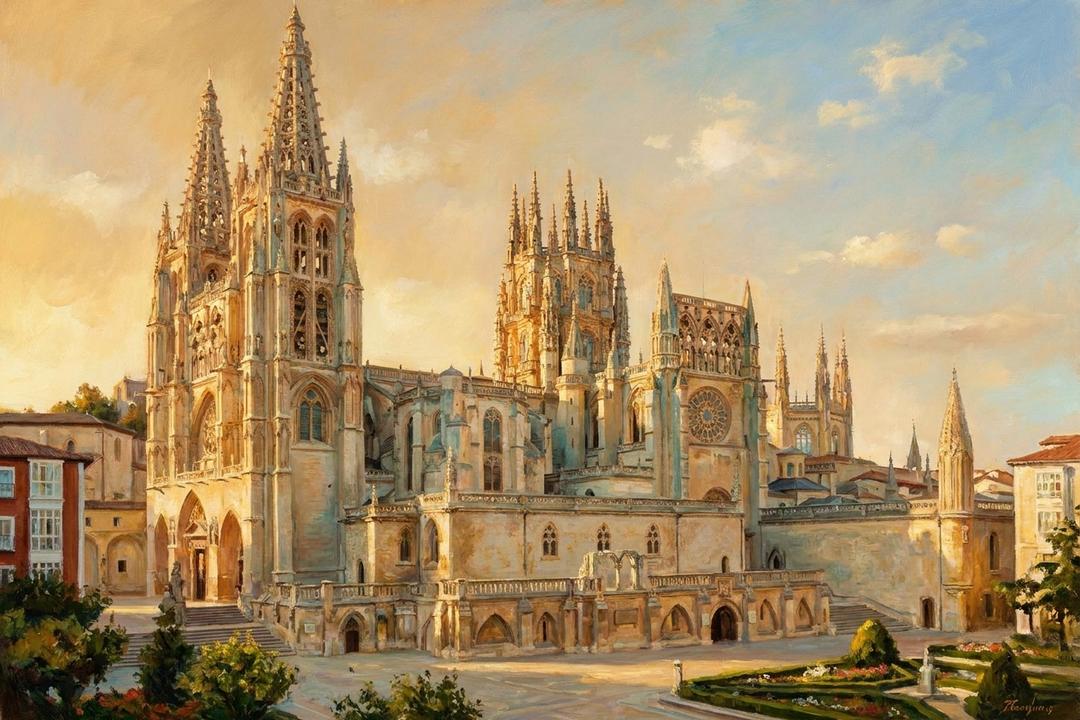
Visiting Burgos Cathedral offers an unforgettable journey through towering Gothic vaults, radiant stained glass, and opulent Renaissance chapels. Situated directly on the historic Camino de Santiago pilgrimage route, the cathedral welcomes pilgrims and international travelers with comprehensive audio guides that illuminate centuries of Spanish spiritual and cultural history.
Highlights
- Breathtaking eight-pointed star vault illuminating the 54-meter crossing lantern
- Intricate openwork German Gothic spires dominating the Castile skyline
- Renaissance Golden Staircase designed by master architect Diego de Siloé
- The historical marble tomb of El Cid Campeador and Doña Jimena
- The 18th-century Papamoscas clock automaton ringing the hour
Things to Know
- Tourist visits are paused during major liturgical celebrations and solemn masses
- Modest dress covering shoulders and knees is strictly requested in sacred chapels
- Pilgrims presenting the official Credencial del Camino receive a discounted entry rate
- Photography is allowed without flash or tripods to preserve historic artworks
Location
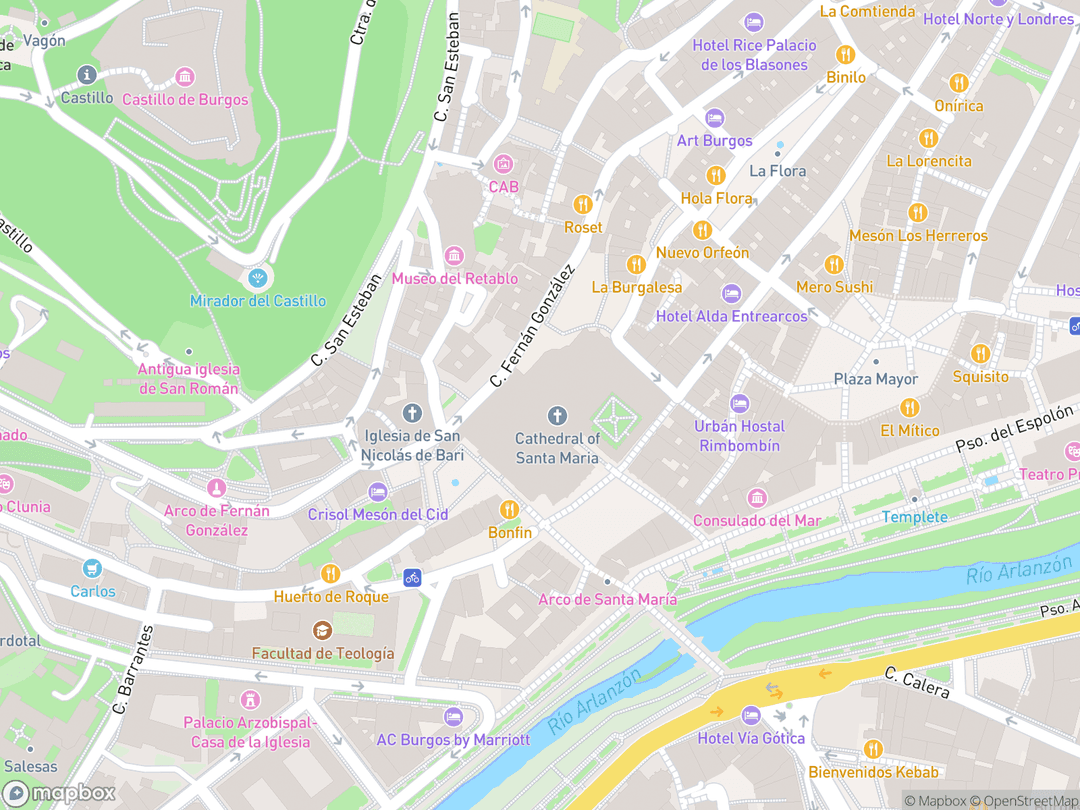
Plaza de Santa María, s/n, 09003 Burgos, Castile and León, Spain
Hours: Summer (March 19 to October 31): 09:30 to 19:30 daily. Winter (November 1 to March 18): 10:00 to 19:00 daily.
Getting There: Located in the pedestrianized Plaza de Santa María in central Burgos. Reachable via high-speed AVE train from Madrid to Burgos Rosa Manzano station, followed by local bus lines 2, 3, or 5 to the city center.
Get DirectionsTips for Your Visit
Time Your Visit for Noon
Stand inside the western nave at 12:00 PM sharp to watch the famous Papamoscas automaton chime the bells and snap its mechanical jaws.
Morning Lighting
Enter around 10:00 AM to see eastern sunlight illuminate the choir stalls and the pierced star vault of the Constable Chapel.
Pilgrim Credentials
Carry your Camino pilgrim passport to obtain the cathedral's official commemorative seal at the entrance desk.
About
Burgos Cathedral stands as one of the supreme achievements of Spanish Gothic architecture, dedicated to the Virgin Mary under her title of the Assumption. Founded in 1221 under the joint patronage of King Ferdinand III of Castile and English-educated Bishop Mauricio, the cathedral represents the first monumental Spanish temple built in the pure French High Gothic style pioneered at Bourges and Paris.
Within the Abrahamic tradition, sacred architecture functions as a sanctuary consecrated to the monotheistic worship of the God of Abraham. Burgos Cathedral embodies this ancient call to sanctify physical space, welcoming pilgrims along the Way of Saint James into an environment designed for contemplative prayer, liturgical psalmody, and sacramental communion.
Over six centuries of continuous craftsmanship transformed the structure into an encyclopedic museum of European art. The 13th-century French core is crowned by 15th-century openwork spires designed by German master Juan de Colonia, early Renaissance staircases by Diego de Siloé, and a peerless Plateresque crossing lantern crafted by Juan de Langres and Juan de Vallejo.
Recognized in 1984 as the only Spanish cathedral inscribed onto the UNESCO World Heritage list independently without being subsumed into an urban district, Burgos Cathedral remains the living metropolitan seat of the Archdiocese of Burgos and the final resting place of Castile's medieval epic hero, El Cid Campeador.
Gallery
Symbolic Elements
The temple's exterior features intricate carvings, each rich with spiritual meaning:

Openwork Star Vaults
The eight-pointed stone vaults evoke the biblical eighth day of resurrection and eternal recreation through divine light.
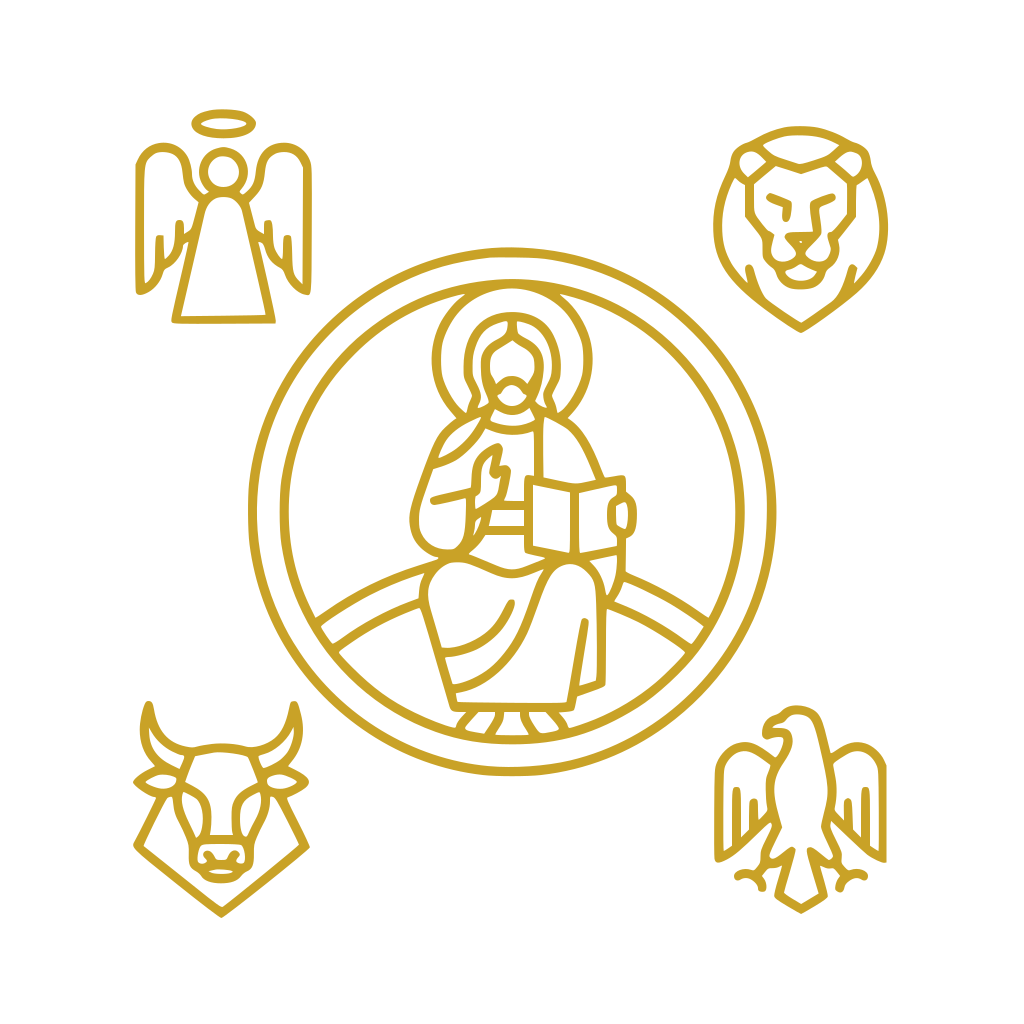
Sarmental Pantocrator and Tetramorph
The south tympanum portrays Christ presiding over creation accompanied by the four Evangelists and their biblical creature symbols.
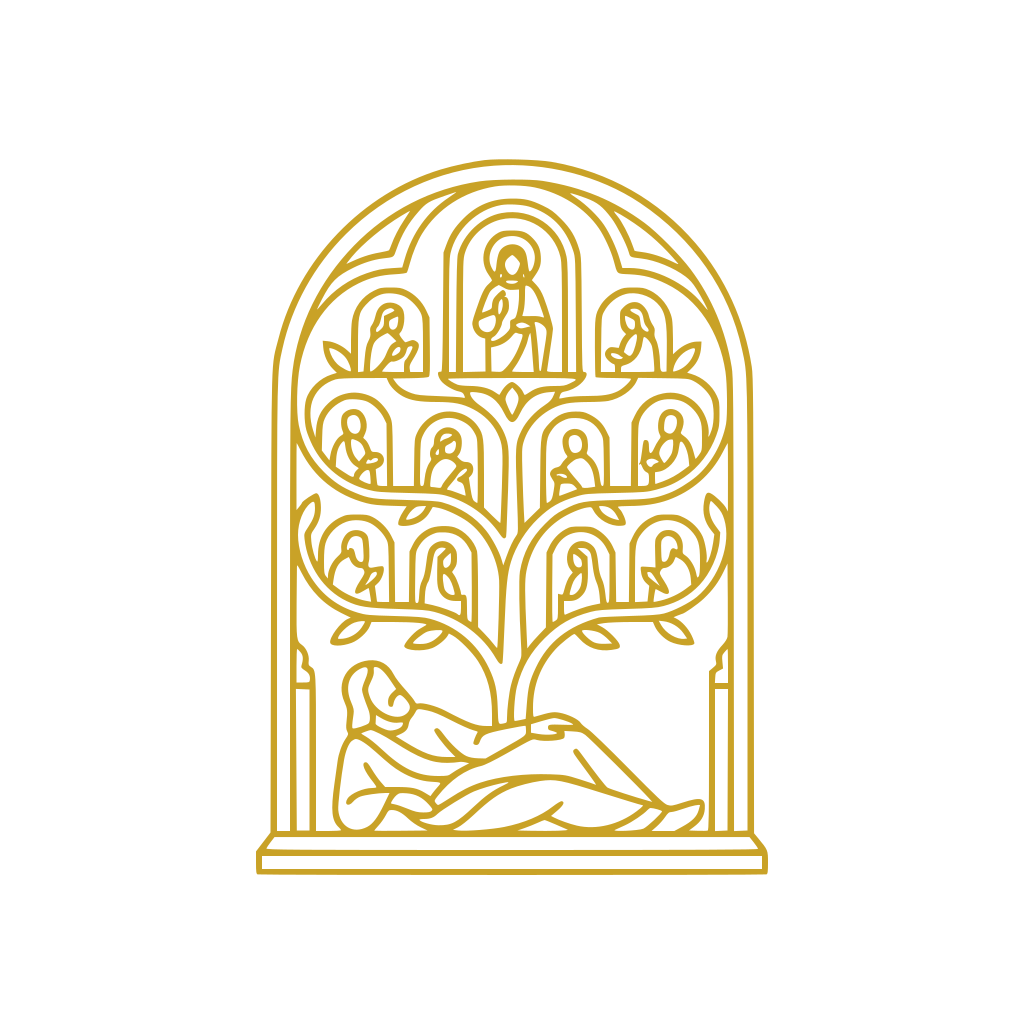
Tree of Jesse Altarpiece
Carved in the Capilla de Santa Ana, this genealogical tree affirms the reality of Christ's earthly descent and incarnation.

Pelican in Her Piety
A cherished Eucharistic motif carved into the choir stalls illustrating Christ nourishing his faithful through sacrificial love.

Gothic Rose Windows
The radiating geometric stone wheels symbolize the Virgin Mary as the Mystic Rose filtering heavenly grace onto worshippers.

Scallop Shell and Cross of Saint James
Carved throughout the cloisters, these emblems designate the cathedral as a premier sanctuary on the Camino de Santiago.

Openwork Spire Needles
Pierced stone pinnacles crown the western towers to act as spiritual beacons guiding prayers toward celestial transcendence.
Interesting Facts
Burgos Cathedral is the only cathedral in Spain designated as a UNESCO World Heritage site on its own independent merit without sharing the status with its surrounding city center. (Tier B)
High on the interior west wall sits the Papamoscas, a mechanical 18th-century automaton that opens its grotesque mouth each time it pulls a bell cord on the hour. (Tier C)
Castilian epic hero Rodrigo Díaz de Vivar, better known as El Cid, rests with his wife Doña Jimena under a red marble slab directly beneath the central crossing lantern. (Tier A)
The cathedral displays El Cid's legendary iron-bound wooden chest, which 12th-century ballads recount was filled with sand to secure funding for his military campaigns. (Tier C)
French architect Charles Garnier closely analyzed the layout of Diego de Siloé's 1520s Golden Staircase when designing the grand foyer of the Paris Opera. (Tier B)
The Capilla del Santo Cristo houses a 14th-century hyper-realistic crucified figure crafted using genuine bovine leather and human hair over a wooden core. (Tier C)
When the massive late-Gothic crossing lantern collapsed into ruins on March 4, 1539, nobody was harmed because the disaster struck during the deserted early morning hours. (Tier A)
Bishop Mauricio was inspired to initiate the Gothic design after traveling across France in 1219 to escort Princess Beatrice of Swabia to King Ferdinand III of Castile. (Tier A)
Common Questions
Why is Burgos Cathedral unique among Spanish UNESCO sites?
It is the only Spanish cathedral inscribed on the World Heritage List independently rather than as part of a historic city center.
Where is El Cid buried inside the cathedral?
The remains of El Cid Campeador and his wife Doña Jimena lie under an inscribed red marble slab in the central crossing below the lantern.
What is the function of the Golden Staircase?
Designed by Diego de Siloé, the Renaissance staircase bridges an eight-meter elevation drop between the hillside street and cathedral floor.
What is the Papamoscas automaton?
It is an 18th-century mechanical figure perched in the western nave that rings a bell and opens its mouth on the hour.
Is Burgos Cathedral situated on the Camino de Santiago?
Yes, the cathedral stands along the French Way of Saint James and has offered hospitality and prayer to pilgrims since the Middle Ages.
Featured Stories
The Royal Vision of Bishop Mauricio
1219
In 1219, King Ferdinand III sent English-educated Bishop Mauricio to Germany to escort his royal bride, Princess Beatrice of Swabia, back to Castile. Traveling through the Kingdom of France, Mauricio was deeply moved by the soaring High Gothic cathedrals rising at Bourges, Noyon, and Paris. Determined to bring this modern architectural language home, he secured royal backing and laid the foundation stone for Burgos Cathedral two years later.
Source: Diocesan Historical Chronicles of Castile
The Miraculous Dawn of 1539
March 4, 1539
In the early morning hours of March 4, 1539, structural fatigue caused Juan de Colonia's immense Gothic lantern tower to suddenly collapse inward, pulverizing choir stalls and nave vaults. Because the catastrophe occurred before the morning liturgical office, the vast cathedral was completely empty, and not a single life was lost. The disaster paved the way for Juan de Vallejo's Renaissance masterpiece that crowns the crossing today.
Source: Archival Records of the Cathedral Chapter
The Final Homecoming of El Cid
July 26, 1921
Seven centuries after King Ferdinand III laid the cathedral's cornerstone, the city of Burgos gathered for a solemn national ceremony. The mortal remains of legendary medieval warrior Rodrigo Díaz de Vivar, El Cid Campeador, and his wife Doña Jimena were transferred from the town hall to the cathedral. They were reinterred in a central tomb beneath the lantern, forever entwining Castilian history with the cathedral's spiritual heart.
Source: Metropolitan Cathedral Memorial Archives
Timeline
Consecration of the Romanesque Cathedral
King Alfonso VI donates royal palace land to Bishop Jimeno to establish the city's first Romanesque cathedral.
MilestoneCornerstone Laid for Gothic Temple
King Ferdinand III and Bishop Mauricio lay the foundation stone for an ambitious French High Gothic cathedral.
component.timeline.groundbreakingLiturgical Consecration
Bishop Martín González de Contreras consecrates the High Altar and choir, opening the eastern sanctuary for daily worship.
DedicationCompletion of High Gothic Portals
Master architect Maestro Enrique oversees the carving of the south transept Sarmental Portal before his death.
MilestoneWestern Openwork Spires Completed
German master builder Juan de Colonia finishes the twin 84-meter octagonal openwork spires on the west front.
RenovationCompletion of the Constable Chapel
Simón de Colonia finishes the Capilla de los Condestables, introducing an innovative pierced star vault at the eastern apse.
MilestoneThe Golden Staircase Completed
Architect Diego de Siloé finishes the monumental Escalera Dorada to resolve a steep grade change in the north transept.
MilestoneCatastrophic Lantern Collapse
The original crossing lantern caves inward during early dawn hours, miraculously causing zero casualties.
EventErection of the Plateresque Cimborrio
Master mason Juan de Vallejo finishes the replacement crossing lantern based on designs by architect Juan de Langres.
RenovationDedication of Capilla de Santa Tecla
The cathedral expands with a lavish Churrigueresque baroque chapel dedicated to Saint Tecla near the west entrance.
RenovationReinterment of El Cid
The remains of El Cid and his wife Doña Jimena are entombed under the crossing during the cathedral's 700th anniversary.
EventUNESCO World Heritage Inscription
UNESCO inscribes Burgos Cathedral as an individual World Heritage monument celebrating universal artistic value.
MilestoneEighth Centenary Celebration
The Archdiocese marks 800 years since the laying of the cornerstone following extensive conservation and stone cleaning.
MilestoneHistory by Decade
1070s–1090s — The Romanesque Foundation
Following the Christian resettlement of Burgos, King Alfonso VI donated the site of his royal palace to clear ground for an episcopal complex. A substantial Romanesque cathedral was constructed under Bishop Jimeno and consecrated in 1096, establishing the episcopal seat of the emerging Castilian kingdom.
1220s–1260s — The High Gothic Revolution
Bishop Mauricio and King Ferdinand III laid the cornerstone of a completely new Gothic cathedral on July 20, 1221. Inspired by French architectural engineering, master masons rapidly built the eastern chevet, ambulatory, and radiating chapels, culminating in the formal liturgical consecration of the High Altar in 1260.
1440s–1490s — Flamboyant Spires and the Constable Chapel
Bishop Alonso de Cartagena brought German master builder Juan de Colonia to Burgos in the 1440s, commissioning the lace-like openwork spires atop the western towers. Later, his son Simón de Colonia erected the Capilla de los Condestables, pioneering an octagonal star vault punctured with open tracery.
1510s–1530s — Renaissance Virtuosity and the Golden Staircase
The early 16th century introduced Italian Renaissance elegance to the Gothic cathedral. Architect Diego de Siloé designed the celebrated Escalera Dorada between 1519 and 1522, using classical ornamentation and gilded ironwork to bridge the hillside street elevation with the north transept.
1540s–1560s — Rebuilding the Crossing Lantern
Following the collapse of the original late-Gothic crossing tower in 1539, French architect Juan de Langres designed an ambitious Plateresque-Renaissance cimborrio. Master mason Juan de Vallejo constructed the two-tiered octagonal lantern between 1540 and 1567, crowning the crossing with an eight-pointed star vault.
1730s–1740s — Baroque Transformations
The cathedral expanded its ceremonial spaces in the 18th century with the addition of the lavish baroque Capilla de Santa Tecla and the rococo Sacristía Mayor. These expressive additions marked the final major architectural expansions of the historic monument.
1920s–1980s — National Monument and World Heritage
In 1921, the remains of national hero El Cid and Doña Jimena were solemnly entombed beneath the crossing lantern during the 700th centenary. UNESCO recognized the cathedral's singular artistic evolution in 1984, inscribing it independently on the World Heritage List.
2020s — The Eighth Centenary
The Archdiocese of Burgos marked the 800th anniversary of the cornerstone laying on July 20, 2021. Comprehensive stone cleaning, conservation of ancient glass, and modern architectural lighting systems were implemented to preserve the monument for coming centuries.
Architecture & Facilities
Burgos Cathedral is an encyclopedic synthesis of European architectural evolution, transitioning from 13th-century French High Gothic into 15th-century Flamboyant openwork, 16th-century Spanish Plateresque, and 18th-century Churrigueresque Baroque. Its tripartite nave elevation, flying buttresses, pointed ribbed vaults, and ornate lantern reflect six centuries of unbroken ecclesiastical patronage.
Building Materials
Hontoria White Limestone
Quarried south of Burgos, this soft calcitic stone hardens and turns brilliant silver-white upon exposure to air.
Wrought and Gilded Iron
Master ironsmiths crafted monumental Renaissance screens and balustrades embellished with gold leaf.
Carved Walnut and Boxwood
Renaissance sculptor Felipe Vigarny carved 103 intricate choir stalls displaying Old and New Testament reliefs.
Polychrome Alabaster and Marble
Finely sculpted Italian Carrara marble and local alabaster were used to create lifelike noble funerary monuments.
Interior Features
The Crossing and Central Cimborrio
An octagonal two-tiered lantern rising 54 meters over the crossing, crowned with an eight-pointed pierced star vault.
The Golden Staircase (Escalera Dorada)
A monumental Renaissance staircase designed by Diego de Siloé featuring gilded iron balustrades and classical motifs.
Capilla de los Condestables
An apse chapel featuring an openwork star vault filtering sunlight onto the alabaster tombs of the Constables of Castile.
The Central Choir (Coro)
A grand enclosure situated in the nave housing 103 deeply carved walnut choir stalls and twin baroque organs.
Temple Grounds
The cathedral anchors the pedestrianized Plaza de Santa María and Plaza del Rey San Fernando, surrounded by stone staircases and terrace promenades that accommodate steep local topography.
Additional Facilities
Visitor reception center, diocesan museum of sacred art, historic two-story Gothic cloister, and active pilgrimage blessing offices.
Religious Significance
As part of the overarching Abrahamic family of monotheistic faiths, Burgos Cathedral functions as an earthly sanctuary consecrated to the worship of the God of Abraham. Setting apart holy ground dedicated to prayer, psalmody, scriptural reading, and divine encounter, the cathedral provides a physical meeting point between the human soul and the Creator. Within Western Latin Christianity, the cathedral's cruciform layout directly reflects the crucified body of Jesus Christ. The long nave represents Christ's body, the transept arms symbolize his outstretched hands, and the eastern high altar serves as the head, pointing toward the eternal light of the resurrection.
To serve as the seat of the Archbishop of Burgos, the mother church of the archdiocese, and a sacred sanctuary for the celebration of the Holy Mass.
Sacred Ordinances
The Holy Mass (The Eucharist)
The central liturgical sacrifice of Catholic theology, consecrated daily at the High Altar and in dedicated chapels.
Liturgy of the Hours (The Divine Office)
Daily liturgical psalmody, prayers, and scripture readings chanted by the cathedral chapter within the choir stalls.
Sacrament of Reconciliation (Confession)
Spiritual absolution and pastoral counseling offered to worshippers and passing pilgrims on the Camino de Santiago.
Christian Initiation and Holy Orders
Celebration of solemn baptisms, confirmations, and priestly ordinations conferring the sacred ministry of the Church.
Marian Dedication and Archetype
Dedicated to the Assumption of the Virgin Mary, Burgos Cathedral honors the mother of Jesus as the archetype of the faithful Church. Marian symbolism graces the rose windows, sculpted portals, and the Constable Chapel, testifying to her pivotal role in the mystery of the Incarnation and her continual intercession for believers.
The Cathedral on the Camino de Santiago
Burgos Cathedral has served for eight centuries as a premier spiritual station on the French Way of Saint James. Pilgrims entering through the Puerta del Sarmental find shelter, receive sacramental blessings, and participate in centuries of uninterrupted liturgical prayer before journeying westward across the Castilian plateau.
Similar Temples
Sources & Research
Every fact on Temples.org is backed by verified Sources & Research. Each piece of information is rated by source tier and confidence level.
View All Sources (10)
| Field | Source | Tier | Retrieved |
|---|---|---|---|
| Historical Foundation & Royal Charters | Castilian Royal & Ecclesiastical Charters (opens in a new tab) | A | 2026-02-18 |
| Liturgical Consecration & Papal Bulls | Episcopal Records of the Archdiocese of Burgos (opens in a new tab) | A | 2026-02-18 |
| Architectural History & The Cimborrio Collapse | Cathedral Chapter Historical Archives (opens in a new tab) | A | 2026-02-18 |
| Relics & Tomb of El Cid | Metropolitan Cathedral Memorial Registry (opens in a new tab) | A | 2026-02-18 |
| Pilgrimage Traditions & The Camino de Santiago | Follow the Camino Pilgrimage Guides (opens in a new tab) | D | 2026-02-18 |
| Iconography & The Golden Staircase | MeisterDrucke Fine Art Archive (opens in a new tab) | C | 2026-02-18 |
| Visitor Experience & Clock Automaton | Solo Sophie Cultural Heritage (opens in a new tab) | C | 2026-02-18 |
| Logistics & Regional Transit | Heritage Tours Travel Guides (opens in a new tab) | D | 2026-02-18 |
| Visitor Hours & Practical Information | Trip.com Travel Group (opens in a new tab) | D | 2026-02-18 |
| Educational Overview & UNESCO Merits | Kiddle Visual History (opens in a new tab) | C | 2026-02-18 |