
Visitor Insights
Visiting Bái Đính Temple Complex
Visiting Bái Đính offers a deeply moving pilgrimage through monumental modern shrines and quiet ancient mountain caves. Expect extensive walking along covered stairways flanked by stone Arhat statues amidst surrounding karst peaks.
Highlights
- Walking the 3.4-kilometer Arhat Corridor lined with 500 unique stone statues.
- Ascending the 99-meter Bảo Tháp Stupa for panoramic views of the karst landscape.
- Exploring the original 12th-century cave shrines on Bái Đính Mountain.
Things to Know
- The complex covers 539 hectares, making electric shuttle transport essential for long distances.
- Modest attire covering shoulders and knees is strictly required in all shrine halls.
Location
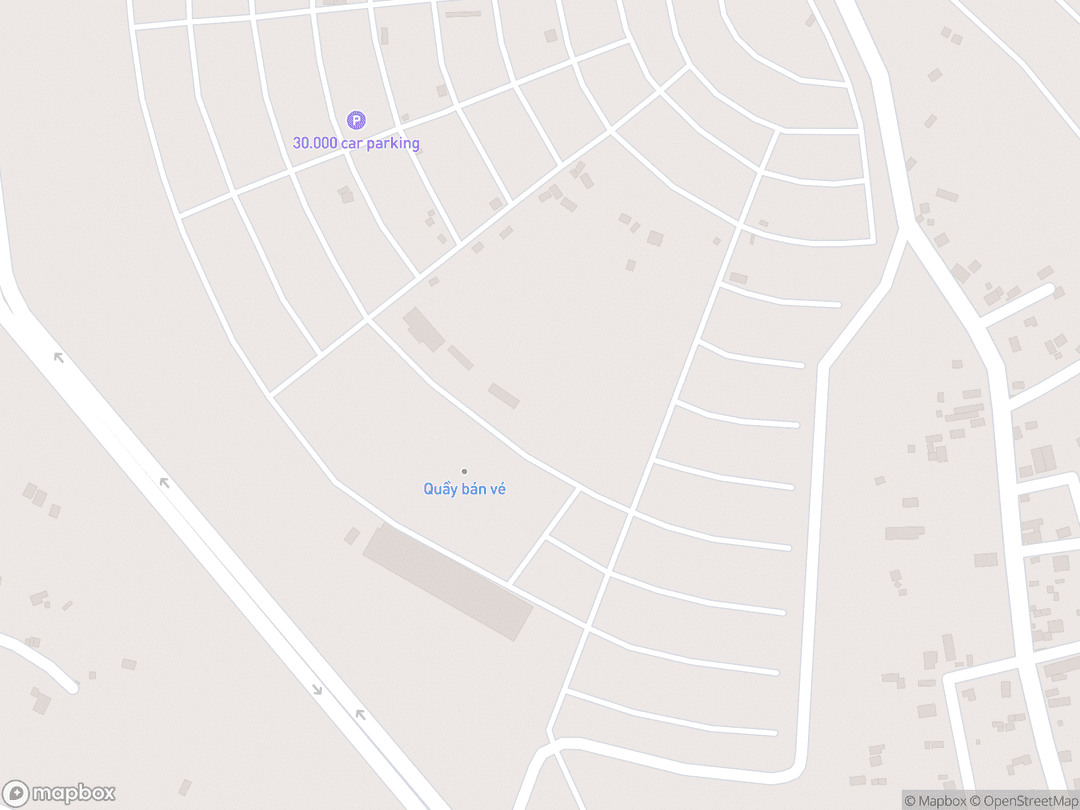
Gia Sinh Commune, Gia Viễn District, Ninh Bình Province, Vietnam
Hours: 6:00 AM – 6:00 PM daily (illuminated perimeter open until 9:00 PM during festivals)
Getting There: Located 95 km south of Hanoi via CT01 Expressway; visitors take electric shuttles from the central welcome complex.
Get DirectionsTips for Your Visit
Pacing Your Visit
Allow at least three to four hours to fully experience both the new shrine halls and the ancient mountain caves.
Footwear Choice
Wear comfortable walking shoes suitable for stone staircases and mountain paths.
About
The Bái Đính Temple Complex is a sweeping spiritual and cultural sanctuary located in Ninh Bình Province within the UNESCO-inscribed Tràng An Landscape Complex. Spanning 539 hectares, it unites an ancient 12th-century cave pagoda founded by Zen Master Nguyễn Minh Không with a colossal modern sanctuary built between 2003 and 2010.
Set amidst dramatic limestone karst peaks, the complex serves as a principal pilgrimage site for Vietnamese Mahayana Buddhists and an emblem of national cultural heritage. Its architecture honors traditional Lý and Trần Dynasty imperial aesthetics through soaring timber halls, curved phoenix-tail roofs, and handcrafted bronze and stone sacred artwork.
Gallery
Symbolic Elements
The temple's exterior features intricate carvings, each rich with spiritual meaning:

500 Arhat Corridor
Flanking wooden walkways housing 500 distinct stone Arhat statues representing diverse expressions of human experience.

Jackfruit Trees
Planted along shrine pathways to symbolize Paramita, or crossing over to the shore of spiritual enlightenment.

Releasing Lake
A lotus-adorned lake reflecting Yin energy to complement the Yang strength of the surrounding karst peaks.

Crane Standing on Turtle
Bronze altar iconography representing harmony, cosmic longevity, and mutual assistance between heaven and earth.

Phoenix Tail Roof Finials
Curved sweeping roof ends modeled after traditional Lý and Trần imperial architectural traditions.

Octagonal Bell Tower
A lotus-shaped three-tiered tower suspending a 36-ton bronze bell over a 70-ton ceremonial bronze drum.

Ancient Jade Well
A moon-shaped spring dug by Zen Master Nguyễn Minh Không whose clear waters have supplied pilgrims for 900 years.

Sacred Bodhi Trees
Trees propagated from Sri Lanka's historic lineage embodying the living continuation of Buddha's enlightenment.
Interesting Facts
Bái Đính is recognized as the largest Buddhist complex in Vietnam covering 539 hectares. (Tier A)
The 3.4-kilometer covered Arhat corridor is the longest of its kind in Asia. (Tier B)
The main Sakyamuni Buddha statue weighs 100 metric tons and was cast entirely on-site. (Tier A)
The 13-story Bảo Tháp Stupa rises 99 meters and houses sacred relics from India. (Tier A)
Ancient mortarless joinery methods were used to interlock massive ironwood structural beams without metal nails. (Tier B)
The 12th-century ancient shrine was founded in natural karst mountain caves. (Tier A)
The ancient Jade Well has never run dry in over 900 years of recorded history. (Tier B)
Sacred Bodhi trees on the grounds are direct botanical descendants of Sri Lanka's historic Anuradhapura tree. (Tier B)
Common Questions
What is the difference between the ancient and new Bái Đính temples?
The ancient temple consists of 12th-century natural cave shrines on the mountain, while the new complex is a monumental 21st-century sanctuary.
How long does it take to tour the complex?
Most visitors spend three to five hours exploring the major halls, stupa, and cave shrines.
Is electric shuttle transportation mandatory?
Electric shuttles are optional but strongly recommended due to the 1-kilometer distance from the entrance gate.
Can non-Buddhists enter the shrine halls?
Yes, respectful visitors of all faiths are welcome inside all public worshipping halls.
Featured Stories
The Tiger-Cure Miracle of 1136
1136
Zen Master Nguyễn Minh Không explored Bái Đính Mountain to gather rare medicinal herbs to treat King Lý Thần Tông for a severe affliction. Upon discovering sacred karst caves, he established a sanctuary that cured the monarch and initiated centuries of mountain veneration.
Source: Vietnam Buddhist Sangha Historical Records
Dedication for Thăng Long's Millennium
2010
The dedication of the new complex coincided with national celebrations marking 1,000 years since the founding of Hanoi. Master craftsmen across Vietnam united to construct ironwood halls and cast monumental bronze statues to commemorate the historic national milestone.
Source: Ministry of Culture Cultural Heritage Directorate
Sacred Saplings from Anuradhapura
2023
In a ceremony strengthening international Buddhist ties, diplomatic representatives from Sri Lanka presented Bái Đính with sacred Bodhi saplings. The trees trace direct botanical lineage to the Jaya Sri Maha Bodhi tree planted in Sri Lanka in 288 BCE.
Source: Vietnam News Agency Reporting
Timeline
Ancient Pagoda Founded
Zen Master Nguyễn Minh Không establishes the original shrine in natural limestone caves on Bái Đính Mountain.
component.timeline.groundbreakingTrần Dynasty Pilgrimages
Monarchs conduct sacred pre-battle prayer rituals before military campaigns against invading forces.
EventNational Heritage Designation
The Ministry of Culture designates the ancient cave temple as a National Historical Relic.
MilestoneExpansion Commences
Construction begins on the monumental modern temple complex adjacent to the ancient shrine.
component.timeline.groundbreakingGrand Dedication
The new complex opens officially during the 1,000th Anniversary celebrations of Thăng Long – Hanoi.
DedicationUNESCO World Heritage Inscription
The complex is inscribed as a core cultural site within the Tràng An World Heritage Area.
MilestoneSri Lankan Sacred Bodhi Gift
Delegates plant sacred Bodhi saplings descended from Anuradhapura's historic tree.
EventHistory by Decade
1130s — Ancient Cave Sanctuary
Zen Master Nguyễn Minh Không established the original pagoda inside limestone caves on Bái Đính Mountain in 1136. The secluded mountain sanctuary synthesized early Vietnamese Zen Buddhism with local mountain veneration.
1270s — Imperial Pre-Battle Prayers
During the Trần Dynasty, royal military commanders journeyed to Bái Đính to conduct sacred pre-battle ceremonies before confronting invading forces. The mountain served as a spiritual fortress near the historic capital of Hoa Lư.
1990s — Heritage Designation
In 1997, the Ministry of Culture officially recognized the ancient cave pagoda as a National Historical Relic. Preservation efforts intensified to protect both its natural karst ecology and spiritual artifacts.
2000s — Monumental Complex Expansion
Construction on the new complex began in 2003 on the Ba Râu hill slopes near the ancient caves. Master artisans from traditional craft villages nationwide collaborated on monumental timber work and bronze casting.
2010s — UNESCO World Heritage Inscription
The new halls opened in 2010 during Hanoi's 1,000th anniversary celebrations. In 2014, UNESCO inscribed the surrounding Tràng An Landscape Complex as a mixed World Heritage Site.
2020s — Global Pilgrimage Gathering
Today, Bái Đính operates as Vietnam's premier center for major international Buddhist gatherings, including Vesak celebrations, hosting millions of global pilgrims annually.
Architecture & Facilities
The architecture of Bái Đính integrates traditional Vietnamese imperial and sacred design principles inspired by the Lý and Trần dynasties. The complex features soaring gently curved roof finials, multi-tiered timber eaves, and a 1-kilometer central axial progression ascending five elevation terraces up the mountain slope.
Building Materials
Solid Ironwood
Dense rot-resistant ironwood forms the massive structural columns and mortarless interlocking timber frame.
Ninh Bình Blue Stone
Hand-carved local limestone forms balustrades, staircases, and all 500 monolithic Arhat statues.
Ý Yên Bronze
Traditional bronze alloys cast on-site were used for all major internal Buddha statues and ceremonial bells.
Bát Tràng Glazed Tiles
Custom-fired dark ceramic roof tiles cover the grand multi-tiered curved roofs.
Interior Features
Tam Thế Hall
The largest main shrine hall in Vietnam housing three 50-ton bronze Buddha figures on its top terrace.
Pháp Chủ Hall
A monumental five-compartment timber shrine housing a 100-ton gilded Sakyamuni Buddha statue.
Avalokitesvara Hall
A seven-compartment timber hall housing a multi-armed gilded bronze figure of the Bodhisattva of Compassion.
Bảo Tháp Stupa Tower
A 13-story octagonal tower containing internal elevator access and sacred Buddha relics brought from India.
Temple Grounds
The 539-hectare grounds incorporate Releasing Lake, wide stone plazas, manicured garden terraces, and protected limestone cave trails.
Additional Facilities
Includes a central welcome complex, electric shuttle terminals, visitor reception centers, and vegetarian dining halls.
Religious Significance
Within Dharmic and Mahayana Buddhist theology, temple architecture acts as a physical mandala illustrating the universe. The ascent up Bái Đính Mountain represents the practitioner's spiritual progression from worldly attachments toward enlightenment and wisdom.
To provide a sacred national center for Buddhist devotion, moral reflection, monastic training, and international pilgrimage.
Sacred Ordinances
Buddha Puja & Chanting
Daily liturgical recitations and offerings performed by monastics to cultivate mindfulness and devotion.
Vesak Rites
Grand annual ceremonies celebrating Buddha's birth, enlightenment, and passing through processions and lantern releases.
Relic Veneration
Pilgrims circumambulate sacred Buddha relics enshrined inside the upper chambers of the Bảo Tháp Stupa.
The Three Jewels Framework
The complex layout sequentially honors the Buddha, the Dharma, and the Sangha through its dedicated devotional halls and Arhat walkways.
Syncretic Sacred Caves
The original 12th-century Bright and Dark Caves synthesize Buddhist reverence with traditional veneration for mountain guardian deities.
Sources & Research
Every fact on Temples.org is backed by verified Sources & Research. Each piece of information is rated by source tier and confidence level.
View All Sources (7)
| Field | Source | Tier | Retrieved |
|---|---|---|---|
| About & Historical Background | Vietnam Buddhist Sangha (opens in a new tab) | A | 2026-02-15 |
| About & Historical Background | Ministry of Culture, Sports and Tourism of Vietnam (opens in a new tab) | A | 2026-02-15 |
| Architecture & Design | Ninh Bình Provincial People's Committee (opens in a new tab) | A | 2026-02-15 |
| UNESCO World Heritage Designation | UNESCO World Heritage Centre (opens in a new tab) | B | 2026-02-15 |
| Religious Significance & Relics | Ninh Bình Tourism Information Center (opens in a new tab) | B | 2026-02-15 |
| Timeline & Restoration History | VietnamPlus (opens in a new tab) | B | 2026-02-15 |
| Cultural & Archaeological History | Voice of Vietnam World (opens in a new tab) | B | 2026-02-15 |